

Red Light Therapy for Dog Hip Dysplasia: Relief Guide
Medical Disclaimer: This guide is for informational purposes only and does not replace professional veterinary advice, diagnosis, or treatment. Always consult your veterinarian before starting new therapies, especially for chronic conditions like hip dysplasia, to ensure the protocol is appropriate for your dog's specific health status.
Summary
Red light therapy, scientifically referred to as photobiomodulation (PBM), has emerged as a cornerstone non-invasive treatment for managing canine hip dysplasia in 2026. By delivering specific wavelengths of red and near-infrared light to the affected hip joints, this therapy stimulates cellular energy production, reduces chronic inflammation, and alleviates the debilitating pain associated with joint laxity. For owners of large breed dogs, home-use PBM devices provide a practical way to improve mobility and potentially reduce the long-term dependency on non-steroidal anti-inflammatory drugs (NSAIDs). This guide outlines the precise protocols, anatomical placement, and safety standards required to deliver therapeutic relief effectively and safely in a home environment.
Key Takeaways
- Cellular Energy Boost: PBM stimulates mitochondrial ATP production, providing the energy needed for cellular repair and reducing oxidative stress in the hip joint.
- Deep Tissue Penetration: Utilizing 850nm near-infrared light is essential for reaching the deep structures of the hip joint in larger dogs.
- NSAID Reduction: Consistent use of red light therapy can often lead to a lower required dosage of pain medications, minimizing potential side effects on liver and kidney health.
- Precision Placement: Effective relief depends on targeting the specific anatomical landmarks of the hip, including the acetabulum and femoral head.
- Safety First: Ensuring devices meet modern irradiance and EMF standards is critical for protecting a dog's sensitive physiological systems during treatment.
Understanding Canine Hip Dysplasia and the Role of Photobiomodulation
Canine hip dysplasia is a progressive skeletal condition where the ball and socket of the hip joint do not fit or develop properly, rubbing and grinding instead of sliding smoothly. Over time, this results in a loss of joint function, chronic inflammation, and painful osteoarthritis. While surgical interventions are sometimes necessary, many pet owners seek non-invasive ways to manage the daily discomfort that limits their dog's quality of life. Photobiomodulation (PBM) uses light in the visible red (660nm) and near-infrared (850nm) spectrums to trigger biological changes at the cellular level.
When these photons are absorbed by the chromophores within the mitochondria—specifically cytochrome c oxidase—they enhance the production of adenosine triphosphate (ATP). This increase in cellular energy accelerates the natural healing processes and modulates the inflammatory response. For a deeper dive into the technical benchmarks of this technology, understanding photobiomodulation safety standards and proper irradiance levels (Manufacturer Whitepaper) is essential for ensuring that the light actually reaches the target tissues without exposing your pet to unnecessary risks like high EMF or flicker.

How Red Light Therapy Reduces Pain and Inflammation in Dogs
The primary goal of red light therapy for hip dysplasia is the management of secondary osteoarthritis. As the dysplastic joint grinds, it creates a cycle of inflammation that further degrades cartilage. PBM interrupts this cycle by inhibiting pro-inflammatory cytokines and increasing the release of anti-inflammatory mediators. This "photochemical" effect is particularly beneficial because it provides systemic relief without the gastrointestinal or renal risks associated with long-term NSAID use.
Furthermore, PBM improves local microcirculation. By stimulating the release of nitric oxide, the therapy causes vasodilation, which brings fresh oxygen and nutrients to the joint while helping to flush out metabolic waste products. This improved circulation is vital for maintaining the health of the remaining cartilage and the surrounding musculature that must work harder to support a failing joint. Many owners report that their dogs show increased willingness to rise and walk shortly after a session, a direct result of the immediate analgesic effect produced by the modulation of nerve conduction velocities.
Optimal Protocols for Deep Hip Joint Penetration
Treating the hip joint of a large dog is a significant technical challenge due to the depth of the target tissue. Unlike superficial skin wounds, the hip joint is buried beneath layers of skin, fat, and dense muscle. This is where the distinction between red light (660nm) and near-infrared light (850nm) becomes critical. While red light is excellent for skin-level issues, near-infrared light has a much higher "optical window" in biological tissue, allowing it to penetrate several centimeters deep into the joint capsule.
For effective treatment, the dosage—measured in Joules per square centimeter (J/cm²)—must be sufficient to account for the "scatter" and absorption that occurs as light travels through the dog's coat and soft tissue. Based on clinical reviews (e.g., Journal of Veterinary Science, 2025) and WALT (World Association for photobiomodulation Therapy) guidelines, a target dose of 6 to 10 J/cm² at the level of the joint is recommended for chronic conditions like hip dysplasia.
Clinical Note: These dosage recommendations assume the use of a high-irradiance device (at least 100mW/cm² at the surface). Lower power devices may require significantly longer treatment times to reach the same energy threshold. These protocols are intended for maintenance and pain management; acute flare-ups may require lower initial doses to avoid a temporary "pro-inflammatory" response.
| Parameter | Recommended Range | Purpose |
|---|---|---|
| Wavelength | 660nm (Red) + 850nm (NIR) | Dual-layer treatment of skin and deep joint |
| Energy Density | 6 - 10 J/cm² | Ensuring enough photons reach the deep joint |
| Frequency | 3-5 times per week | Maintaining a cumulative therapeutic effect |
| Session Time | 10 - 20 minutes per hip | Dependent on device power and dog size |
Step-by-Step Guide to Home Red Light Therapy for Dogs
Proper application of the red light device is just as important as the device's technical specs. If the light is not aimed correctly at the joint space, the therapeutic benefit is lost.
- Identify the Landmark: Feel for the "greater trochanter"—the bony protrusion at the top of the femur. This is located just below the pelvis. The hip joint (acetabulum) sits slightly above and forward of this point.
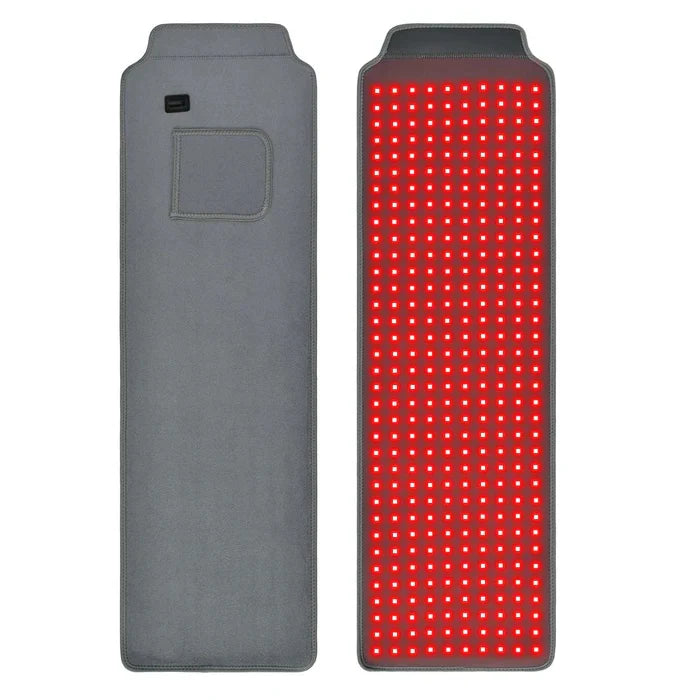
- Prepare the Area: If your dog has an exceptionally thick double coat (like a Husky or Malamute), you may need to part the fur or use a device with "skin-contact" attachments to bypass the insulating layer of hair. For most breeds, holding the device directly against the skin is sufficient.
- Positioning: Have your dog lie on their side (lateral recumbency) with the affected hip facing up. This allows the joint to relax and opens the joint space slightly, facilitating better light penetration.
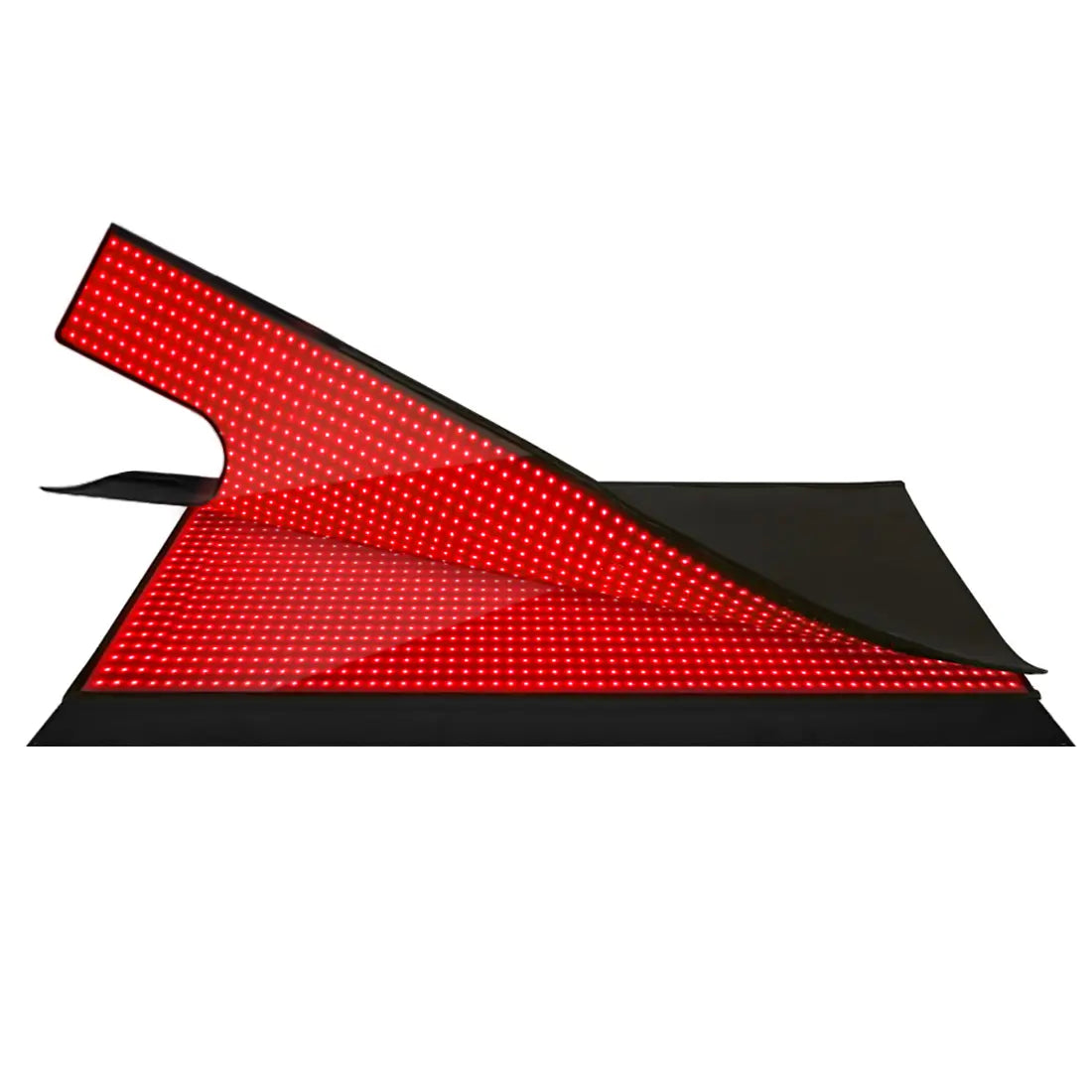
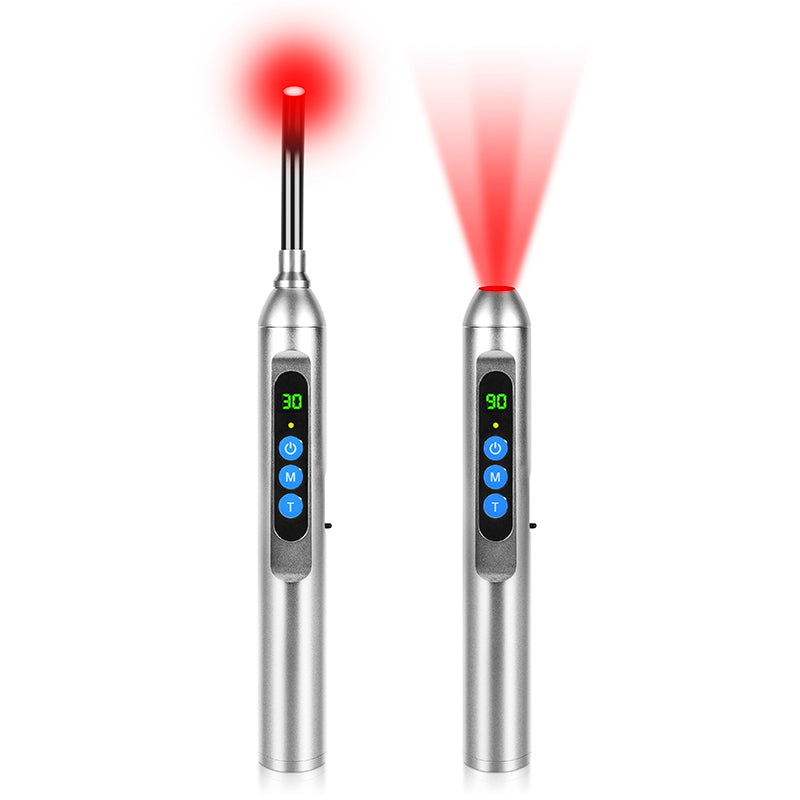
- Application: Hold the device steady over the hip joint. If using a smaller handheld device, you may need to treat the joint from two angles: directly over the side of the hip and from the rear of the hip.
- Monitoring: Watch your dog's body language. Most dogs find the gentle warmth of NIR light soothing and will relax or even fall asleep during the session.

Long-Term Management and Protocol Adjustments
Hip dysplasia is a lifelong condition, and the treatment protocol should evolve as the dog ages. In the early stages of the disease, the goal is often to maintain muscle mass and prevent the onset of severe arthritis. As the condition progresses into the senior years, the focus shifts toward intensive pain management and maintaining basic mobility.
We recommend a "loading phase" of daily treatments for the first two weeks to saturate the tissues and jumpstart the anti-inflammatory process. Following this, most dogs can transition to a maintenance phase of three sessions per week. If you notice a "regression" in mobility—perhaps after a particularly active day or a change in weather—it is safe to temporarily increase the frequency back to daily sessions. Always monitor for signs of "over-treatment," such as lethargy or increased sensitivity in the area, which can occur if the dosage is too high for the dog's current state.
Safety Standards for Canine Photobiomodulation
While red light therapy is remarkably safe, not all devices are created equal. Dogs have a different physiological sensitivity than humans, and their proximity to the device during treatment makes safety standards even more critical. In 2026, we emphasize the importance of "clean" light therapy. This means using devices that have been tested for low Electromagnetic Field (EMF) emissions and minimal flicker.
While research is ongoing regarding the specific impact of EMF on canine cellular signaling, selecting low-EMF devices is a precautionary standard in modern veterinary PBM to ensure a "clean" therapeutic environment. Similarly, high-frequency flicker (often found in cheaper, pulse-width modulated devices) can be stressful for a dog's nervous system, even if it isn't visible to the human eye. When selecting a device, look for certifications that align with the IEC 60601-2-57:2026 safety standards, which ensure the device is both electrically safe and optically precise for therapeutic use.
Comparing Treatment Options for Hip Dysplasia
Managing hip dysplasia usually requires a "multimodal" approach. Red light therapy is rarely used in isolation; instead, it serves as a powerful "force multiplier" for other treatments.
| Treatment Type | Primary Benefit | Potential Drawbacks | Role of PBM |
|---|---|---|---|
| NSAIDs | Rapid pain relief | Risk of GI upset, liver/kidney strain | Can reduce the required dosage of NSAIDs |
| Physical Therapy | Builds supporting muscle | Can be expensive and time-consuming | Speeds up recovery after PT sessions |
| Weight Management | Reduces joint load | Requires strict owner discipline | Helps keep the dog mobile enough to exercise |
| PBM (Red Light) | Reduces inflammation & pain | Requires consistent home application | Non-invasive, drug-free maintenance tool |
FAQ
How long does it take to see results from red light therapy for my dog's hip pain? While some dogs show improved comfort and mobility after just one or two sessions, most owners observe significant changes within 2 to 4 weeks of consistent use. The "loading phase" of daily treatments is crucial for achieving these initial results, as the anti-inflammatory effects of photobiomodulation are cumulative.
Can red light therapy cure my dog's hip dysplasia? No, red light therapy cannot correct the structural deformity of the hip joint or "regrow" bone. However, it is highly effective at managing the secondary symptoms, such as inflammation, cartilage degradation, and muscle tension. By improving the environment within the joint, PBM helps slow the progression of osteoarthritis and keeps the dog comfortable.
Is red light therapy safe for all dogs? Red light therapy is generally safe for all breeds and ages. However, it should not be used directly over known cancerous tumors, as the stimulation of ATP could theoretically encourage cell growth. Additionally, if your dog is pregnant or has a high fever, it is best to consult with your veterinarian before starting a PBM protocol.
Do I need to shave my dog's fur for the light to work? Shaving is usually not necessary. While fur does reflect and absorb some light, near-infrared (850nm) wavelengths are quite effective at passing through most coats. For very thick-coated breeds, you can use a device with a "comb" attachment or simply part the hair and hold the device firmly against the skin to maximize penetration.
Can I use a human red light therapy device on my dog? Yes, provided the device meets the necessary technical specifications for irradiance and safety. Many high-quality home devices are suitable for both humans and pets. Ensure the device offers 850nm near-infrared light, as this is the wavelength required for the deep penetration needed to reach a dog's hip joint.
How often should I perform the treatments? For chronic hip dysplasia, we recommend a "loading phase" of daily 15-minute sessions for 14 days. Once you see a visible improvement in your dog's mobility, you can reduce the frequency to a maintenance schedule of 3 to 4 times per week. Consistency is the key to long-term success.
References
Platform official docs & policies
- Youlumi Store Whitepaper: Photobiomodulation Standards: Irradiance, EMF, and Safety (2026 Technical Reference - Manufacturer Source).
Industry associations / research institutes / market reports
- World Association for photobiomodulation Therapy (WALT): Dosage Guidelines for Musculoskeletal Disorders (2024 Update).
- American Veterinary Medical Association (AVMA): Guidelines on Complementary and Alternative Veterinary Medicine.
Academic / whitepapers / labs
- Journal of Veterinary Science: "Efficacy of Photobiomodulation in Canine Osteoarthritis: A Systematic Review" (2025).
- Arndt-Schulz Law in Clinical Practice: Understanding the Biphasic Dose Response in Laser Therapy.
Community
- Reddit r/Veterinary: Discussions on clinical outcomes of home-use PBM for large breeds (User-reported experiences).
- Canine Arthritis Management (CAM): Owner-reported protocols for hip dysplasia relief (Educational resource).