
Summary
Choosing the right red light therapy device for hair loss in 2026 requires balancing convenience, irradiance, and total energy delivery (Joules). While specialized caps offer the highest adherence through hands-free use, full-body mats and targeted panels provide superior versatility and often higher power density for those managing systemic wellness alongside follicular health.

Key takeaways
- Specialized Caps: Best for consistent, targeted scalp treatment with high user compliance.
- Targeted Panels: Offer the highest irradiance (power density) but require stationary positioning.
- Full-Body Mats: Ideal for users seeking systemic benefits (e.g., skin health, recovery) while treating the scalp.
- Dosage Matters: Efficacy depends on reaching a threshold of 2–6 J/cm² at the scalp level, regardless of the device form factor.
- Safety Standards: Ensure devices meet IEC 60601-2-57:2026 standards for optical safety and low EMF emissions.
Understanding Photobiomodulation for Follicular Health
The science of using light to stimulate hair growth, known as photobiomodulation (PBM), hinges on the ability of specific wavelengths—typically in the 630nm to 670nm range—to be absorbed by cytochrome c oxidase within the mitochondria of hair follicle cells. This process enhances adenosine triphosphate (ATP) production, modulates oxidative stress, and triggers the transition of follicles from the telogen (resting) phase back into the anagen (growth) phase. As we move through 2026, the industry has shifted away from simply "shining a light" toward precise "dosage-window" applications.
When evaluating devices, it is essential to distinguish between "FDA-cleared" and "FDA-approved." Most consumer-grade hair growth devices are cleared via the 510(k) pathway, meaning they are substantially equivalent to existing safe devices, rather than having undergone original, independent clinical trials for every new iteration. For a deeper dive into the technical benchmarks of these devices, including how to measure actual output versus marketing claims, refer to our guide on photobiomodulation safety and technical standards.
Comparing Form Factors: Caps vs. Panels vs. Mats
The "best" device is often the one you will actually use consistently. Hair follicles respond to cumulative energy over months, not weeks. Therefore, the form factor dictates not just how the light reaches your skin, but how easily the treatment fits into your daily routine.
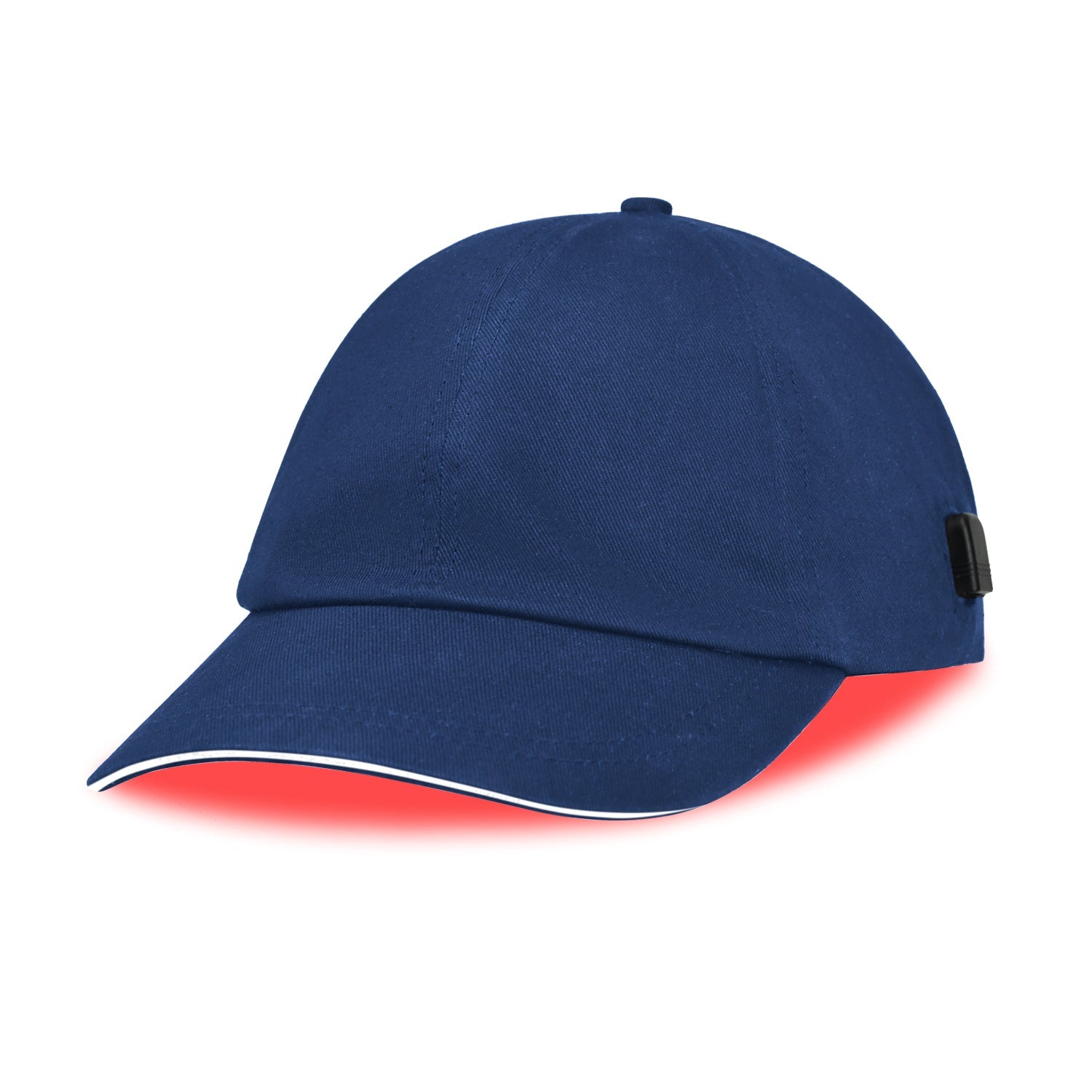
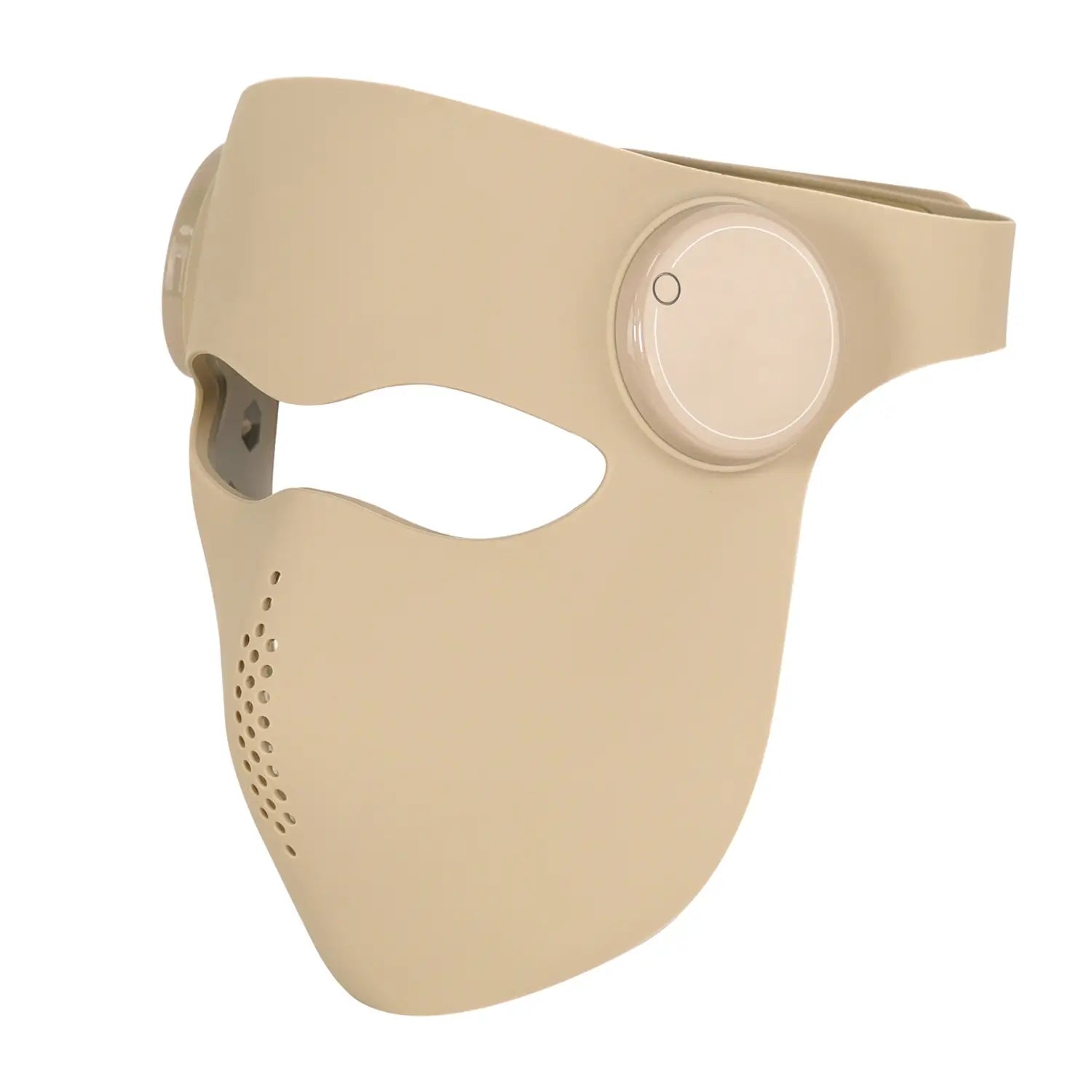
Red Light Therapy Caps: The Convenience Specialist
Caps are designed specifically for the scalp. They utilize a high density of low-power LEDs or laser diodes (LLLT) positioned millimeters from the skin. This proximity minimizes "inverse square law" energy loss, where light intensity drops rapidly as the distance from the source increases.
Pros:
- Hands-free and portable; can be worn while doing chores or working.
- Uniform coverage across the entire vertex and hairline.
- Fixed distance ensures consistent dosage across sessions.
Cons:
- Single-use; cannot be easily used for back pain or skin health on other body parts.
- Often lower peak irradiance compared to panels.
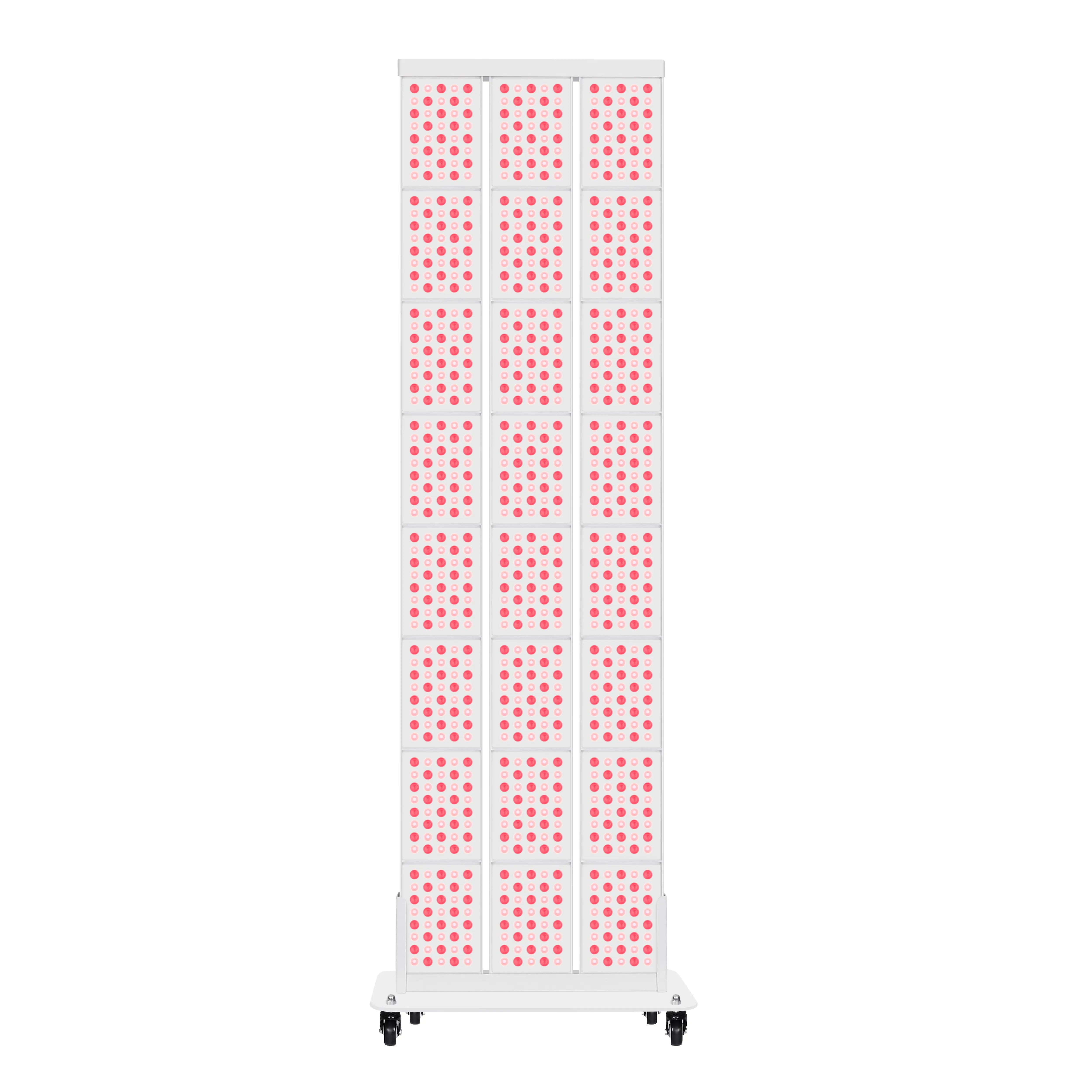
Targeted Panels: The Powerhouse
Panels are stationary devices that house high-output LEDs. While they require you to sit or stand still, they offer significantly higher irradiance (measured in mW/cm²). This means you can often achieve the required dosage in a shorter amount of time compared to a cap.
Pros:
- High versatility; can treat the scalp, face, and joints.
- Superior build quality and thermal management for long-term durability.
- Adjustable distance allows for "pulsing" or varying intensity.
Cons:
- Requires a dedicated setup and stationary positioning.
- Hair can act as a physical barrier; users with thick hair may need to part it manually to ensure light reaches the scalp.
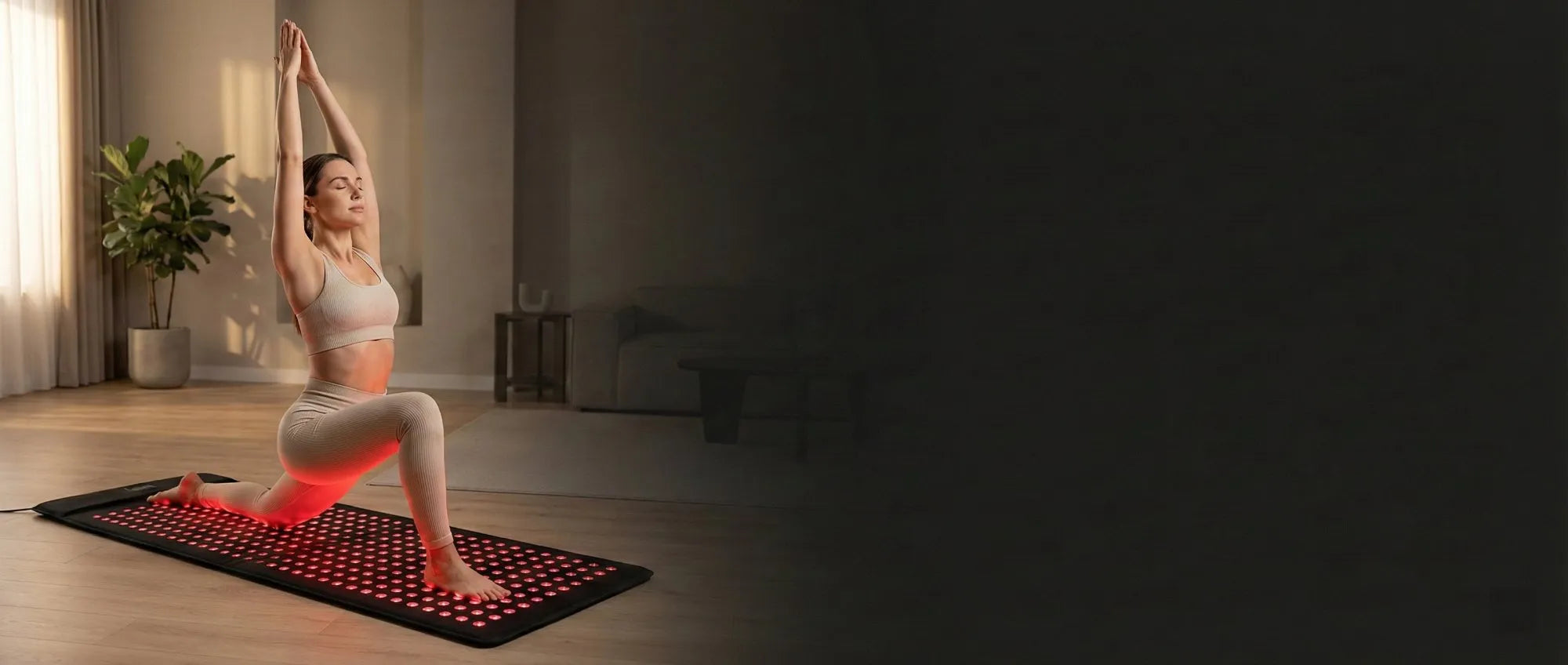
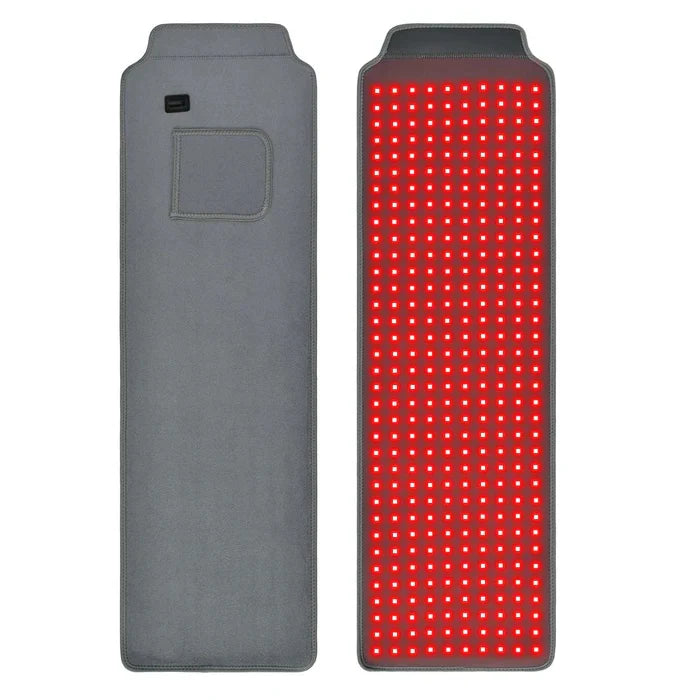
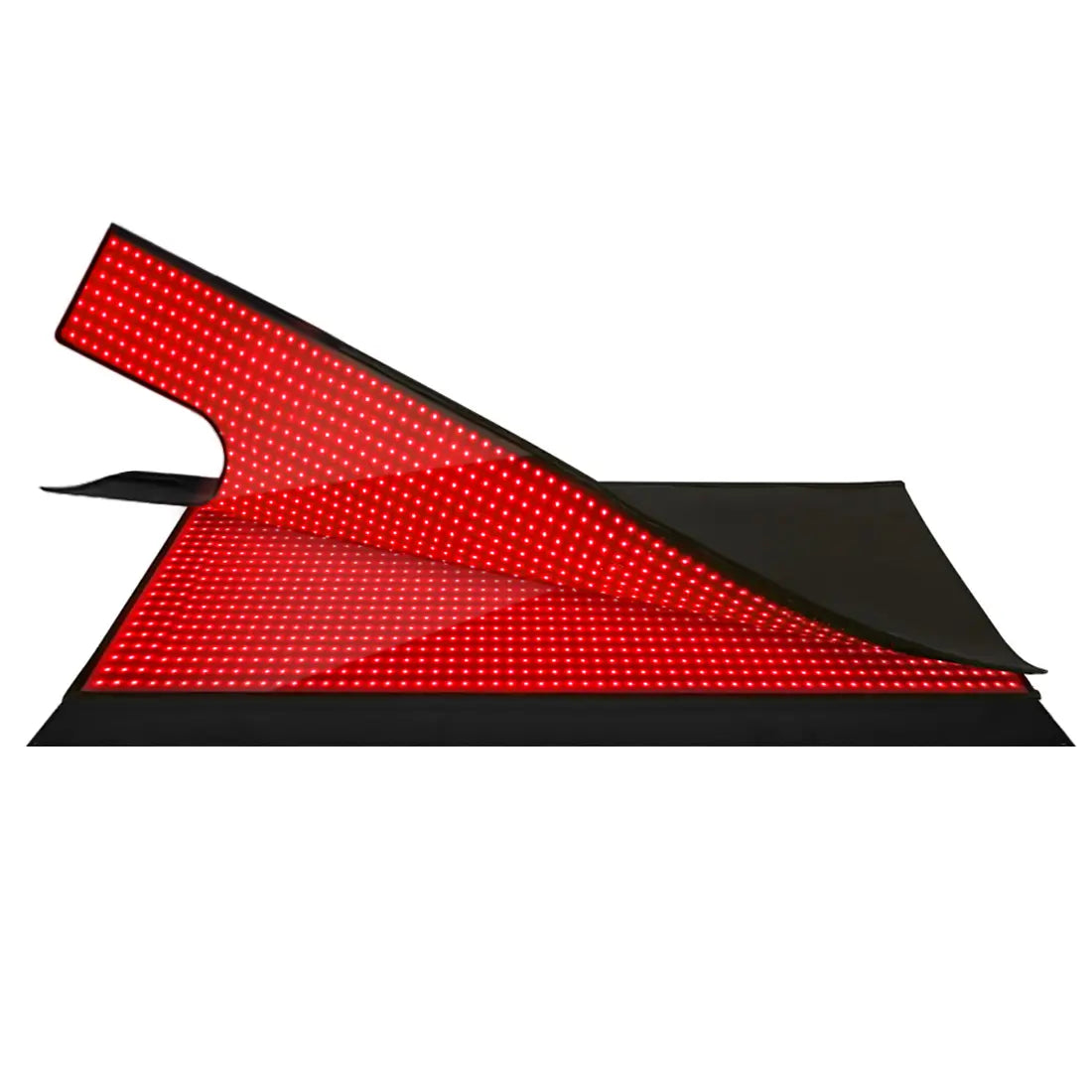
Full-Body Mats: The Systemic Approach
Mats are the latest evolution in home PBM, allowing for "passive" treatment while lying down. While not specifically designed for hair, a high-quality mat can deliver therapeutic wavelengths to the scalp if positioned correctly.
Pros:
- Treats the entire body simultaneously, potentially reducing systemic inflammation that contributes to certain types of hair thinning.
- Extremely comfortable for evening routines.
Cons:
- Lowest "targeted" irradiance for the scalp specifically.
- Requires careful positioning to ensure the head is properly illuminated without light leakage.
Logic Summary: This comparison assumes a standard treatment goal of androgenetic alopecia. While caps are the "gold standard" for convenience, panels are recommended for users who prioritize power and multi-area utility. Mats are best viewed as a supplemental or systemic tool rather than a primary hair-loss intervention.
Technical Comparison and Dosage Framework
To achieve results, you must deliver a specific amount of energy (Joules) to the tissue. The formula is: Dosage (J/cm²) = Irradiance (W/cm²) × Time (seconds).
| Feature | Therapy Cap | Targeted Panel | Full-Body Mat |
|---|---|---|---|
| Primary Use Case | Targeted Scalp Growth | Multi-area & High Power | Systemic Wellness |
| Typical Irradiance | 5–15 mW/cm² | 50–100+ mW/cm² | 10–30 mW/cm² |
| Treatment Time | 20–30 Minutes | 10–15 Minutes | 20 Minutes |
| Portability | High (Battery) | Low (Plug-in) | Moderate (Foldable) |
| Hair Interference | Low (Proximity) | Moderate (Distance) | Moderate (Distance) |

Maximizing Efficacy: The "Gap" Protocols
Many users fail to see results because they treat PBM as a standalone "miracle" rather than part of a biological stack. In 2026, clinical consensus emphasizes the following "gap" strategies that are often overlooked:
- The Scalp Prep: Light cannot penetrate through thick layers of sebum or styling products. Always use your device on a clean, dry scalp.
- Combination Timing: If using topical minoxidil, apply it after your red light session. The heat and increased blood flow from the light can improve topical absorption, but applying the liquid first can reflect or refract the light, reducing PBM efficacy.
- The Maintenance Taper: Once you achieve desired regrowth (typically after 6–9 months), do not stop abruptly. Taper from daily or thrice-weekly use down to once or twice a week to maintain follicular mitochondrial activity.
Safety and EMF Considerations
When placing a device directly against your head (as with a cap) or lying on it (as with a mat), EMF (Electromagnetic Field) exposure becomes a valid concern. High-quality devices in 2026 should adhere to the IEC 60601-2-57:2026 standard, which specifically regulates the safety of non-laser light sources for medical and cosmetic use.
Always look for "low-EMF" or "zero-EMF" certifications. Because the head is particularly sensitive, we recommend maintaining a distance of at least 6 inches from high-output panels unless the manufacturer provides specific laboratory testing for EMF at zero distance.
FAQ
How long does it take to see results with a red light therapy cap? Most users begin to see a reduction in shedding within 4 to 8 weeks, but visible regrowth typically requires 4 to 6 months of consistent use. This timeline aligns with the natural hair growth cycle, as follicles need time to transition from the resting phase to the active growth phase. Consistency is the most critical factor; missing sessions can significantly delay progress.
Can I use a red light therapy mat for hair loss if I lay my head on it? Yes, you can use a mat for hair loss, but it is less efficient than a cap or panel. Because mats are designed for comfort and broad coverage, their irradiance is often lower than targeted devices. If using a mat, ensure your hair is parted to allow the light to reach the scalp directly, and consider increasing the session time to 20-30 minutes to compensate for the lower power density.
Is red light therapy safe for color-treated or chemically processed hair? Red light therapy is generally safe for all hair types, including color-treated and chemically processed hair. The wavelengths used (630nm-850nm) do not produce UV radiation or significant heat that would damage hair pigments or structural proteins. In fact, by improving scalp health, PBM may actually help maintain the integrity of new hair growth following chemical treatments.
Should I choose a laser cap or an LED cap for hair thinning? While both use photobiomodulation, laser caps (LLLT) provide coherent light that may penetrate slightly deeper, whereas LED caps provide non-coherent light that covers a broader surface area. In 2026, high-quality LED caps with narrow-band frequencies are considered just as effective as lasers for most users, with the added benefit of being more durable and less expensive.
Does red light therapy work for complete baldness? Red light therapy is most effective for thinning hair and early-stage hair loss where follicles are still alive but dormant. If an area of the scalp is completely bald and shiny (indicating the follicles have miniaturized completely or scarred over), PBM is unlikely to regrow hair. It is best used as a preventative measure or at the first signs of thinning.
Can I use red light therapy twice a day to speed up results? Using red light therapy more than once a day is generally not recommended due to the "biphasic dose-response" (Arndt-Schulz Law). There is a "sweet spot" for energy delivery; once you exceed that threshold, the biological benefits can plateau or even reverse. Stick to the manufacturer's recommended protocol, usually once every 24 to 48 hours.
References
Government / Standards / Regulators
- FDA: Medical Device Classification and 510(k) Clearance
- IEC 60601-2-57:2026 - Safety of non-laser light sources
Industry Associations / Research Institutes
- World Association for Laser Therapy (WALT): Dosage Guidelines
- International Society of Hair Restoration Surgery (ISHRS)
Academic / Whitepapers / Labs
- PubMed: Efficacy of Red Light Therapy in Androgenetic Alopecia
- Journal of Photochemistry and Photobiology: Mitochondrial Mechanisms of PBM