
Nerve damage and neurological discomfort often leave people searching for non-invasive supportive options that fit into daily routines. While research into photobiomodulation (PBM) continues to evolve, current evidence suggests it may offer symptom support for some individuals experiencing neuropathic pain or peripheral nerve issues when used as a complementary approach alongside standard medical care.
Photobiomodulation, the technical term for red light therapy and low-level light therapy, involves applying specific wavelengths of red or near-infrared light to tissues in a nonthermal, noninvasive manner. According to guidance from Memorial Sloan Kettering Cancer Center, PBM is used to potentially reduce pain or inflammation and support tissue repair processes. This pillar article examines what the science says about its application to nerve health, realistic expectations, device considerations, and practical decision-making frameworks.
How Photobiomodulation May Interact with Nerve Tissue
PBM is commonly described as using red or near-infrared light on injured tissue to reduce inflammation and promote regeneration signals. A systematic review of photobiomodulation therapy in peripheral nerve regeneration found beneficial effects in some animal models and studies, including faster regeneration and functional improvement, though human outcomes remain variable.
The proposed mechanisms center on mitochondrial function. Light in the 660 nm and 850 nm ranges is thought to influence cytochrome c oxidase, potentially increasing cellular energy production and modulating inflammatory pathways. However, these cellular changes do not automatically translate to clinical nerve repair in every case.
For neuropathic pain specifically, some studies report improvements in pain scores and nerve conduction velocity, but the overall evidence base is described as limited and heterogeneous. This means results can differ widely depending on the underlying condition, treatment consistency, and individual factors.

Evidence for Nerve Pain and Neuropathy
People often ask whether red light therapy helps nerve pain. Red light has been discussed in pain literature as potentially reducing symptoms in certain neuropathies, though optimal mechanisms and protocols are still being refined, per a review of pain photobiomodulation pathways.
Diabetic peripheral neuropathy is one of the most commonly discussed applications. A review on low-level light therapy for diabetic neuropathy notes that near-infrared approaches may be relevant, but clinical effects are not yet clearly established. Ongoing trials, such as those listed on ClinicalTrials.gov studying PBM for neuropathic pain and sensation, underscore that this remains an emerging research area rather than settled medicine.
Important boundary: The Centers for Medicare & Medicaid Services states that no red or infrared light devices are approved for treatment or management of disease processes such as peripheral sensory neuropathy. This means PBM should be viewed as adjunctive wellness support, not a replacement for medical diagnosis or proven therapies.
Neuroplasticity and Brain Health Considerations
Interest in red light therapy for neuroplasticity and cognitive support is growing, particularly with devices designed for head application. Near-infrared light may reach deeper tissues, potentially influencing brain energetics in preliminary studies. However, claims around reversing neurological conditions or dramatically enhancing brain performance exceed current evidence.
For neurological wellness, the most conservative framing positions PBM as an experimental adjunct rather than a proven intervention for nerve damage or disease reversal. Always prioritize medical evaluation for cognitive changes or diagnosed neurological conditions.
Wavelengths, Dosages, and Practical Thresholds
Successful application appears tied to using appropriate parameters. Studies frequently employ wavelengths around 660 nm (red) and 810–850 nm (near-infrared). These align with many consumer devices, including those from YouLumi that combine both for broad cellular support.
Readers evaluating options should consider these heuristic thresholds derived from general PBM literature:
- Wavelength: Around 660 nm or 810–850 nm is the most commonly studied window for nerve-related applications.
- Irradiance at skin: Tens of mW/cm² or higher helps achieve practical session times.
- Energy density (fluence): Roughly 1–10 J/cm² per treated area is often reported in relevant studies.
- Session duration: Typically 5–20 minutes per target area, depending on device output and distance.
These are not strict medical prescriptions but screening guides. Devices delivering very low output may require impractically long sessions to approach study-like doses.
The following chart illustrates relative, heuristic fit of common device types across neuropathy-related scenarios. Scores reflect form-factor suitability for localized versus diffuse symptoms, not proven clinical outcomes.
Heuristic Fit of Red Light Therapy Device Types for Neuropathy Scenarios
Use this as a trade-off view, not a ranking of proven treatment effectiveness.
View chart data
| Series | Localized coverage | Diffuse/full-body coverage | Ease of targeting limbs | Suitability for scalp/head use | Portability/Convenience |
|---|---|---|---|---|---|
| Panel | 3.0 | 3.0 | 3.0 | 2.0 | 2.0 |
| Belt | 4.0 | 2.0 | 4.0 | 2.0 | 3.0 |
| Cap | 1.0 | 1.0 | 1.0 | 5.0 | 1.0 |
| Handheld | 3.0 | 1.0 | 3.0 | 4.0 | 1.0 |
| Mat | 2.0 | 5.0 | 1.0 | 1.0 | 5.0 |
Illustrative heuristic scores based on general PBM/red light therapy literature, common device form factors, and scenario mapping (localized vs diffuse symptoms; targeted vs full-body use). Not clinical efficacy data.
Choosing the Right Device for Your Needs
Device selection depends heavily on whether symptoms are localized or more widespread.
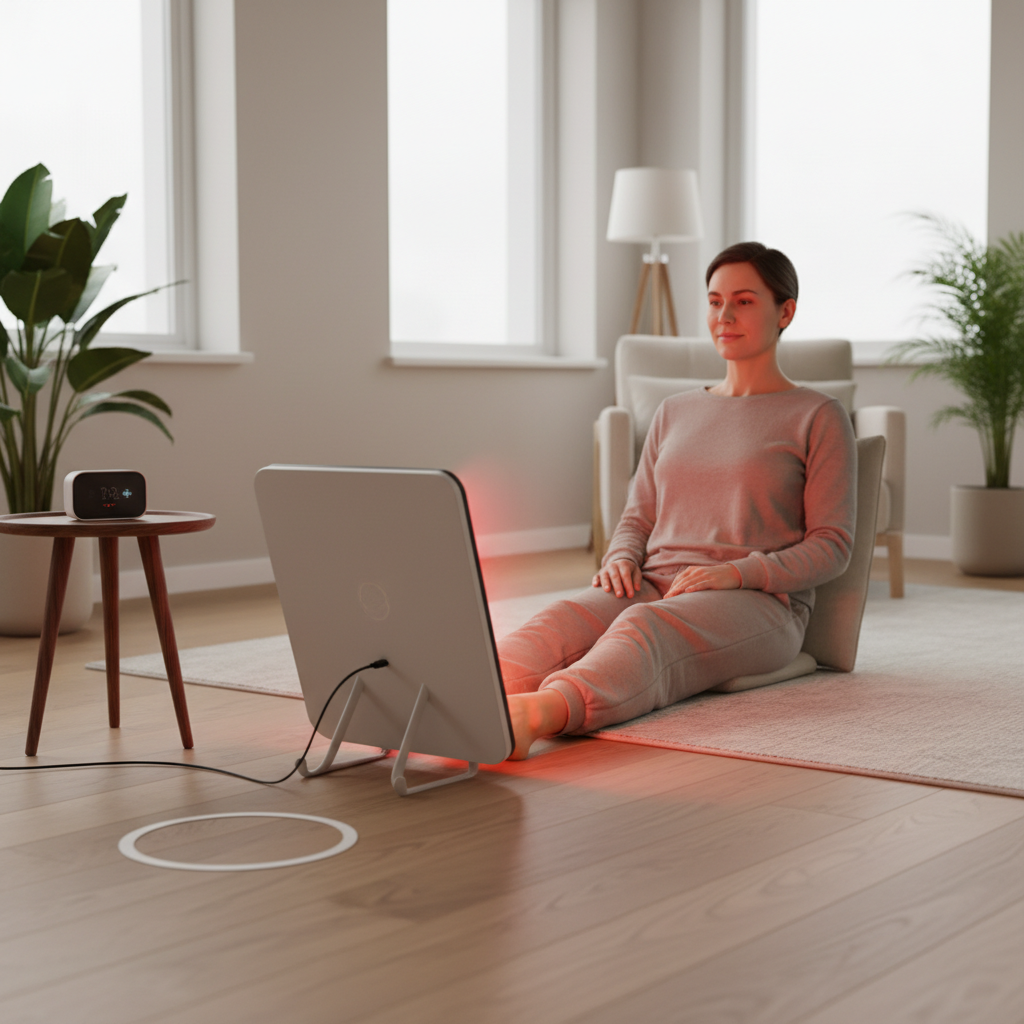
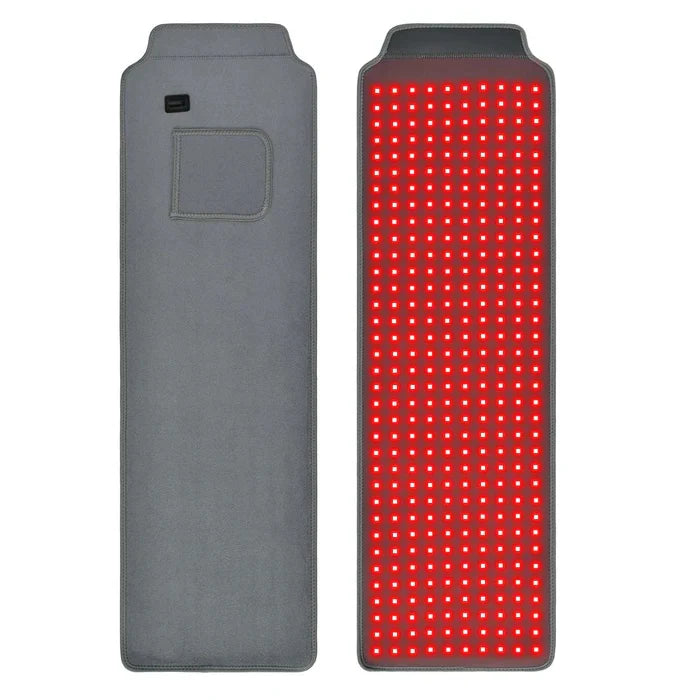
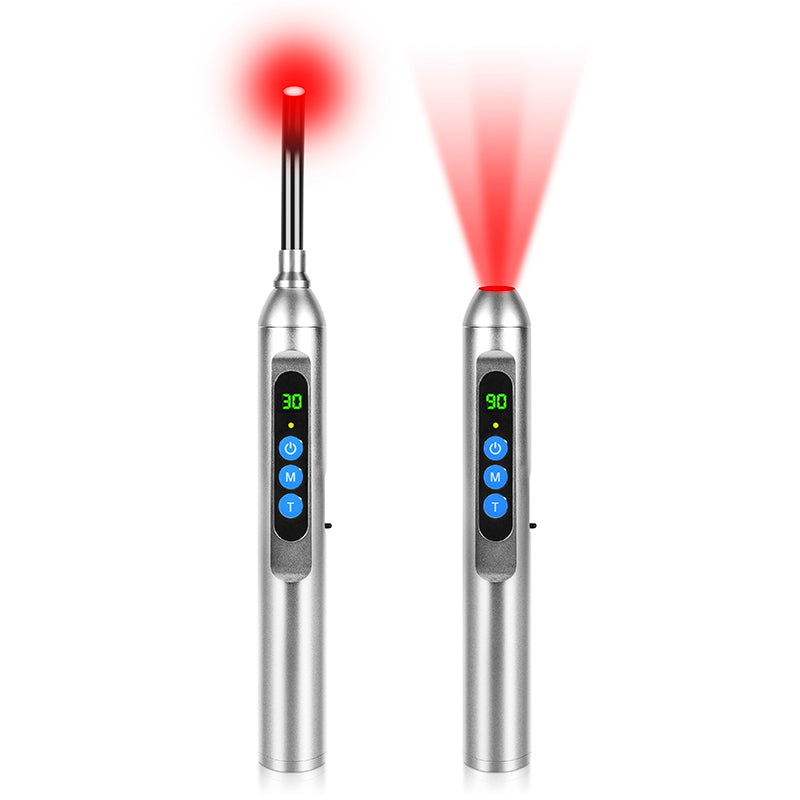
For peripheral neuropathy affecting hands, feet, or specific limbs, a flexible YouLumi Red Light Therapy Belt or portable handheld device allows precise targeting. These are convenient for daily short sessions on problem areas.
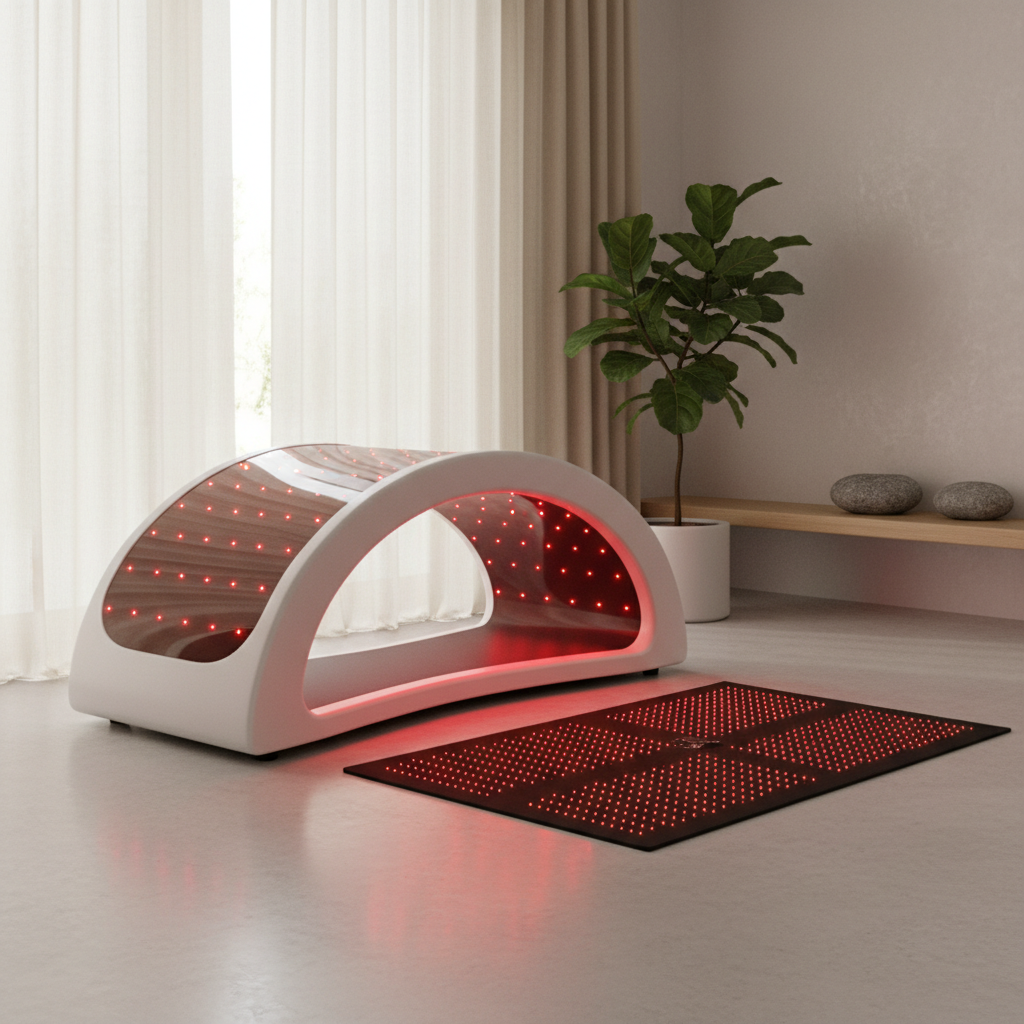
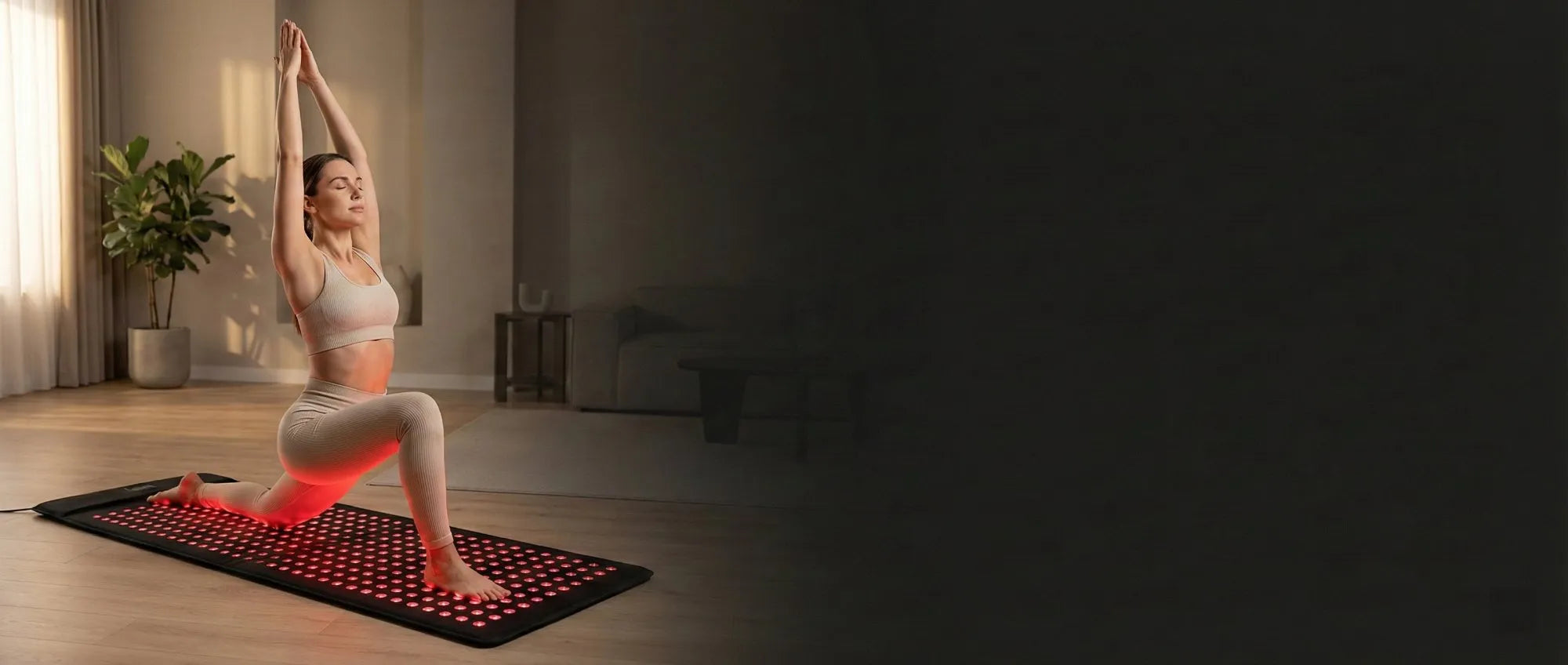
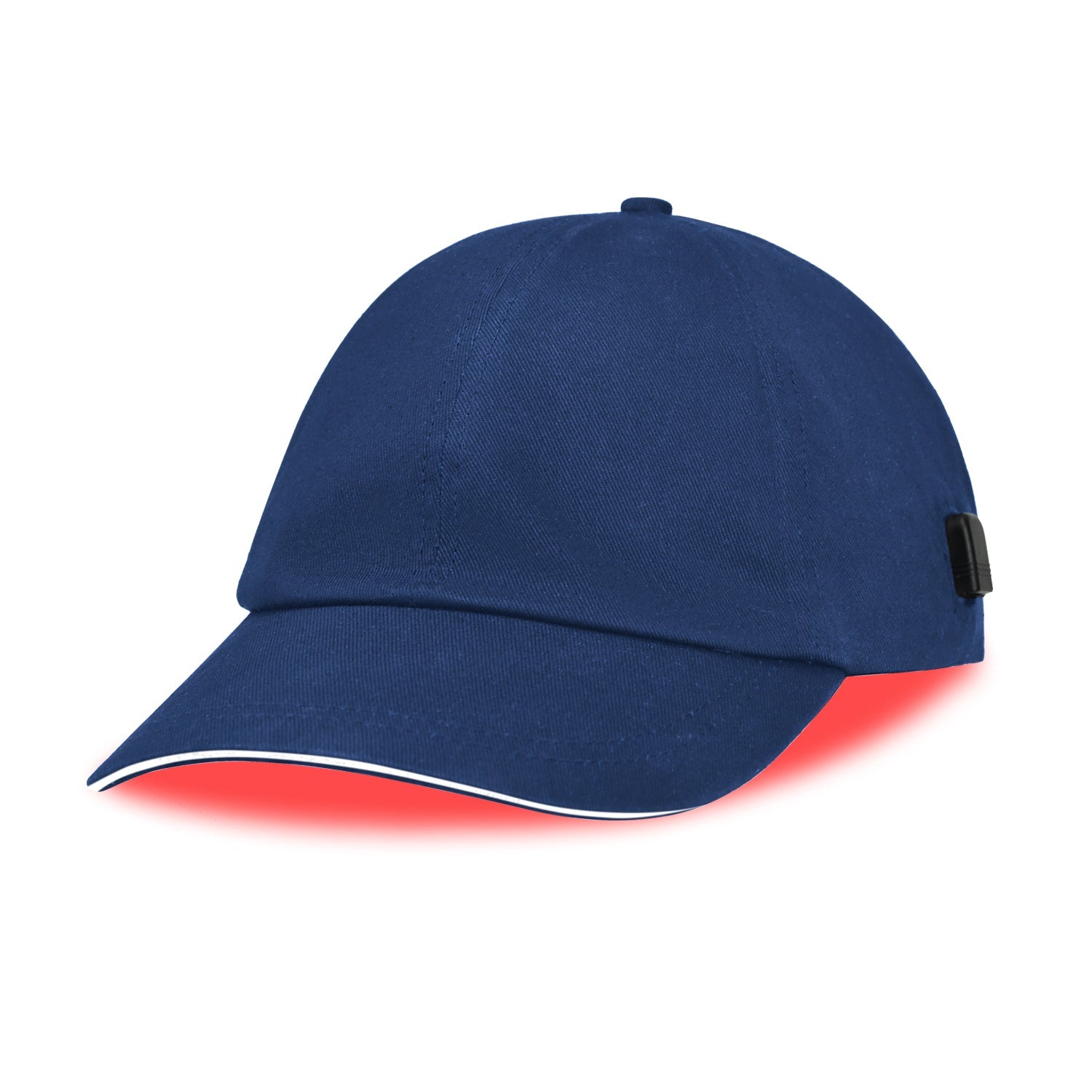
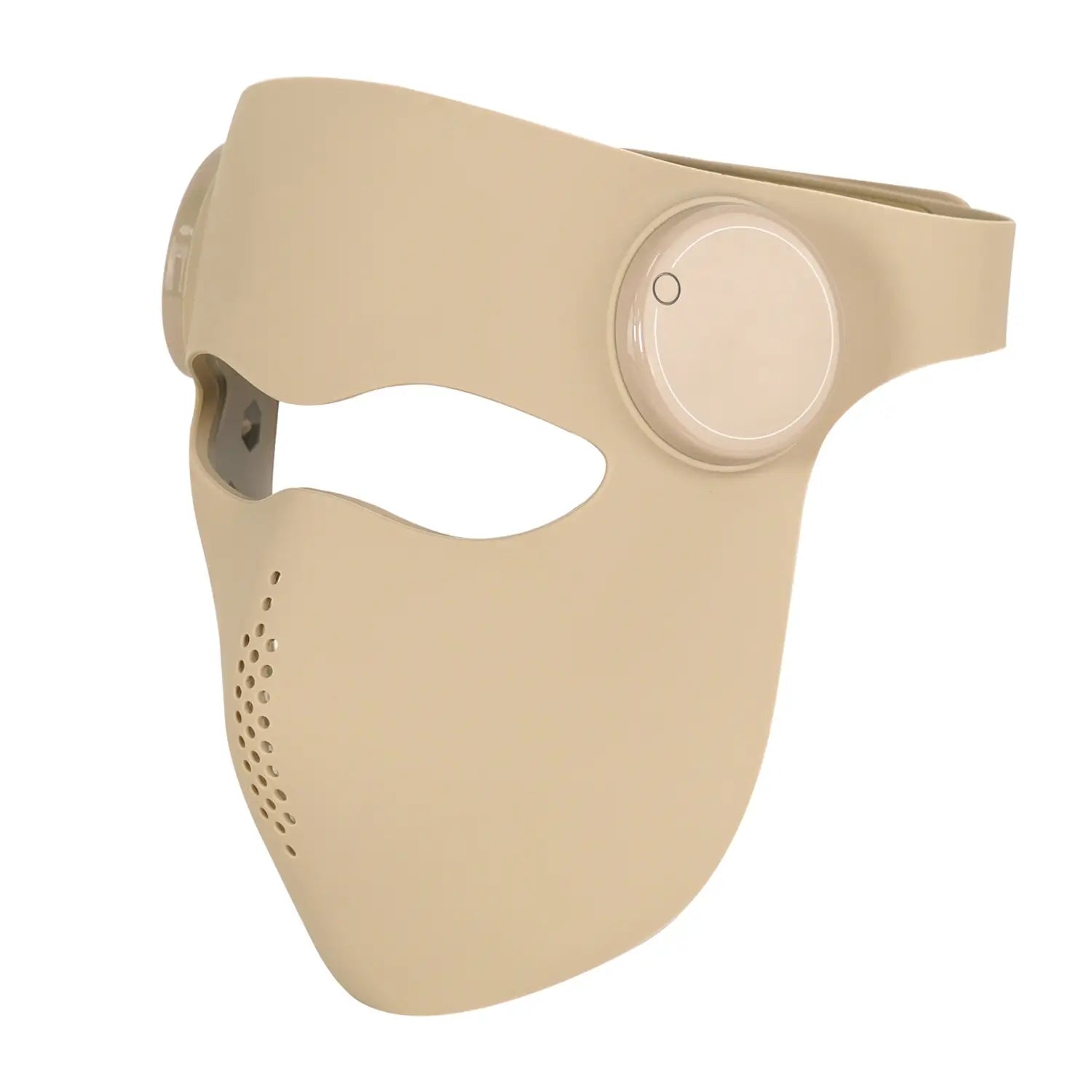
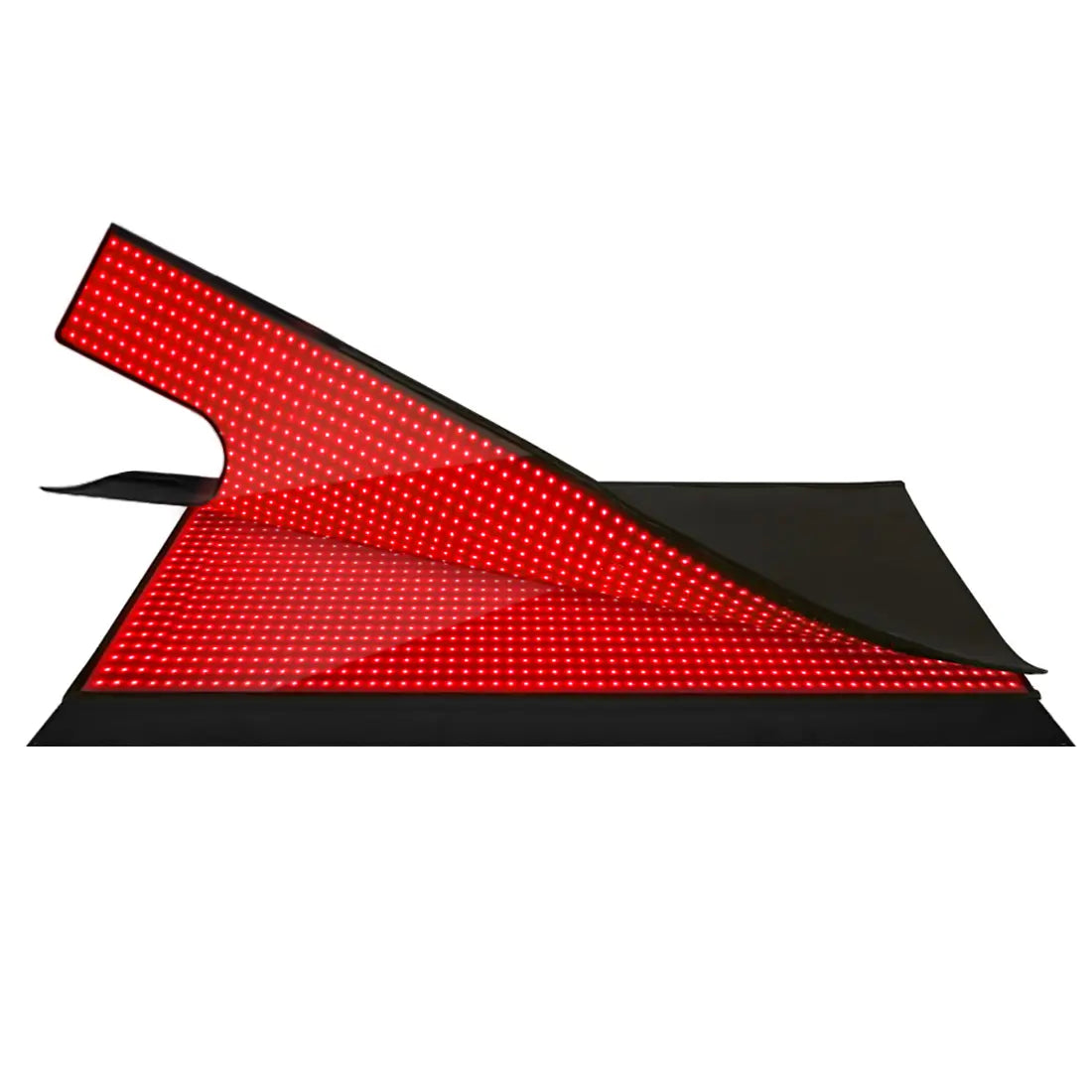
Individuals interested in brain health or cranial nerve support may consider a YouLumi Red Light Therapy Cap designed for scalp application. Full-body systemic support is possible with a therapy mat or larger panel, though larger devices require more space and time.
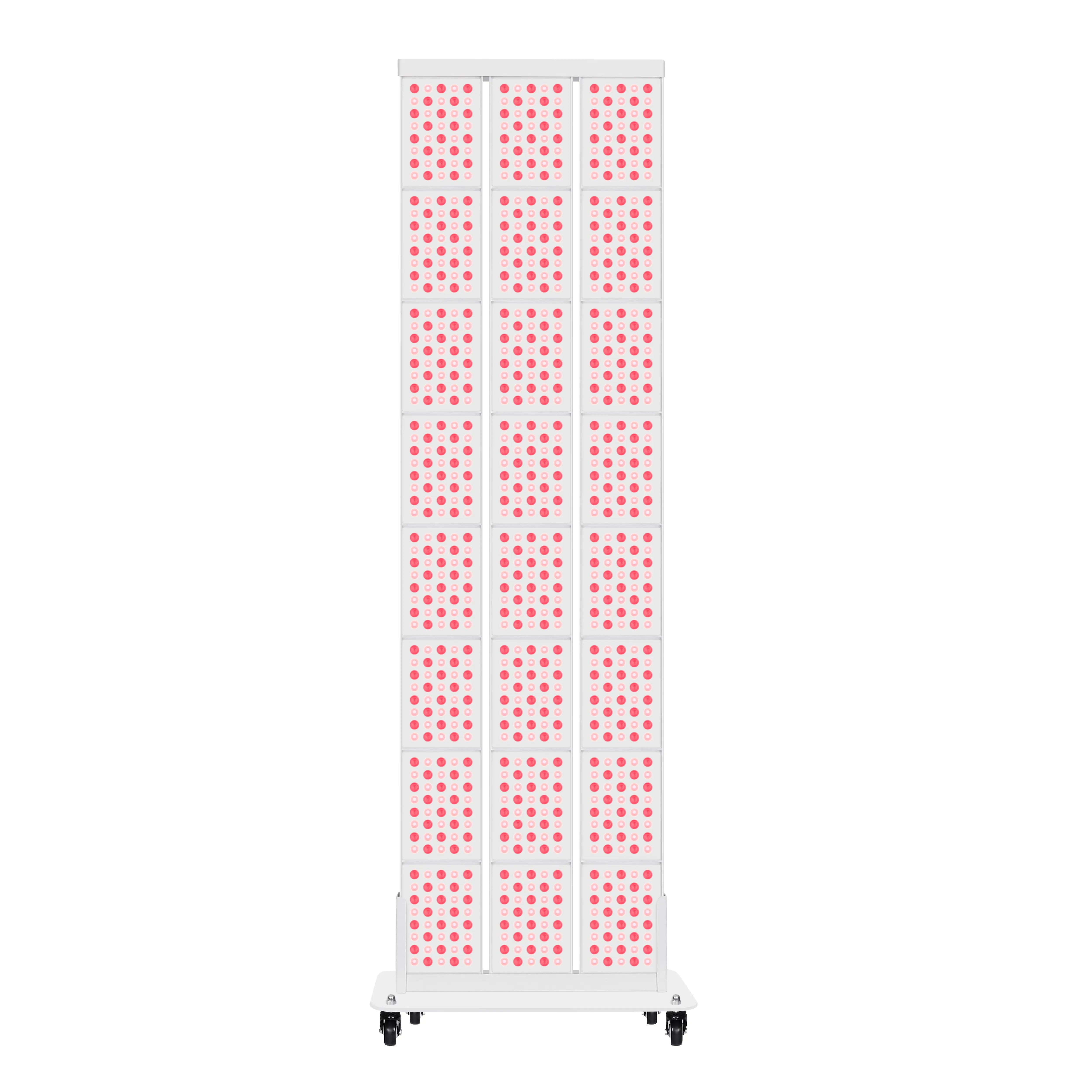
Look for products specifying accurate irradiance measured at treatment distance, dual 660 nm / 850 nm output, and low EMF design. The YouLumi Red Light Therapy Panel offers professional-grade specifications suitable for versatile use. For broader options, explore the Red Light Therapy Devices for Pain Management collection or Neurological Wellness Collection.

Practical Scenarios: When It May Make Sense and When It Does Not
The usefulness of red light therapy flips based on individual circumstances:
- Localized, stable nerve discomfort: Targeted devices (belt or handheld) used consistently for symptom management may feel supportive after consulting a clinician.
- Diffuse diabetic neuropathy: Focus first on metabolic health and medical management; light therapy plays a secondary role at best.
- Worsening symptoms, new weakness, balance issues, or unexplained numbness: Seek professional medical evaluation before considering any at-home device. Rapidly changing neurological symptoms require proper diagnosis.
PBM is best framed as an adjunctive option rather than a standalone treatment. Evidence quality varies, and many claims around complete nerve regeneration remain unsupported in humans.
Safety, Expectations, and Medical Disclaimer
Red light therapy devices are generally considered safe when used according to instructions, with minimal side effects reported in studies. However, they are not approved for treating or managing neuropathy as a disease.
This article discusses comfort, setup, and emerging research only. It does not constitute medical advice, diagnosis, or treatment. If you experience persistent nerve pain, numbness, weakness, or have existing neurological conditions, consult qualified healthcare professionals. Results, if any, are highly individual and depend on the specific condition, protocol consistency, and overall health management.
When evaluating products, prioritize transparent specifications, third-party testing where available, and realistic manufacturer claims. Wavelength precision matters, as even small shifts can influence absorption, according to technical analyses on 5 nm wavelength differences.
Final Takeaways for Informed Decisions
Red light therapy for nerve damage and neurological health represents a promising but still-developing field. Some studies show potential benefits for neuropathic pain and peripheral nerve recovery models, yet high-quality human evidence remains limited. Approach it with cautious optimism as one possible component of a broader wellness or recovery plan.
Start by addressing root causes medically. Then, if appropriate, select devices that match your specific scenario—targeted for limbs, head-focused for cranial applications, or full-body for systemic interest—while respecting dosage heuristics. Track your own symptoms objectively over consistent use periods, and maintain open communication with healthcare providers.
The most valuable step remains professional guidance tailored to your unique situation rather than relying solely on at-home light therapy. As research advances, clearer protocols may emerge, but in 2026 the responsible stance emphasizes realistic expectations and integrated care.