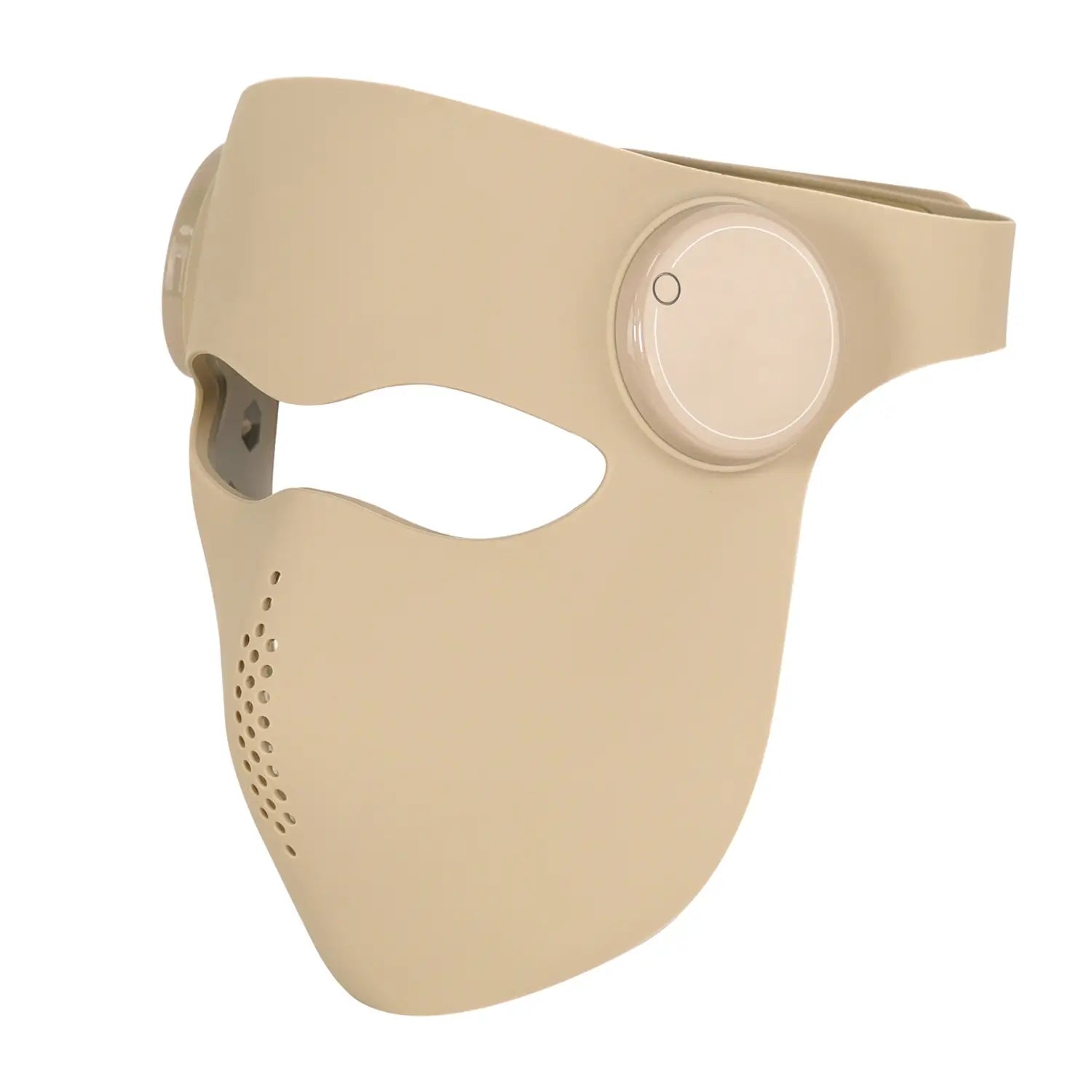
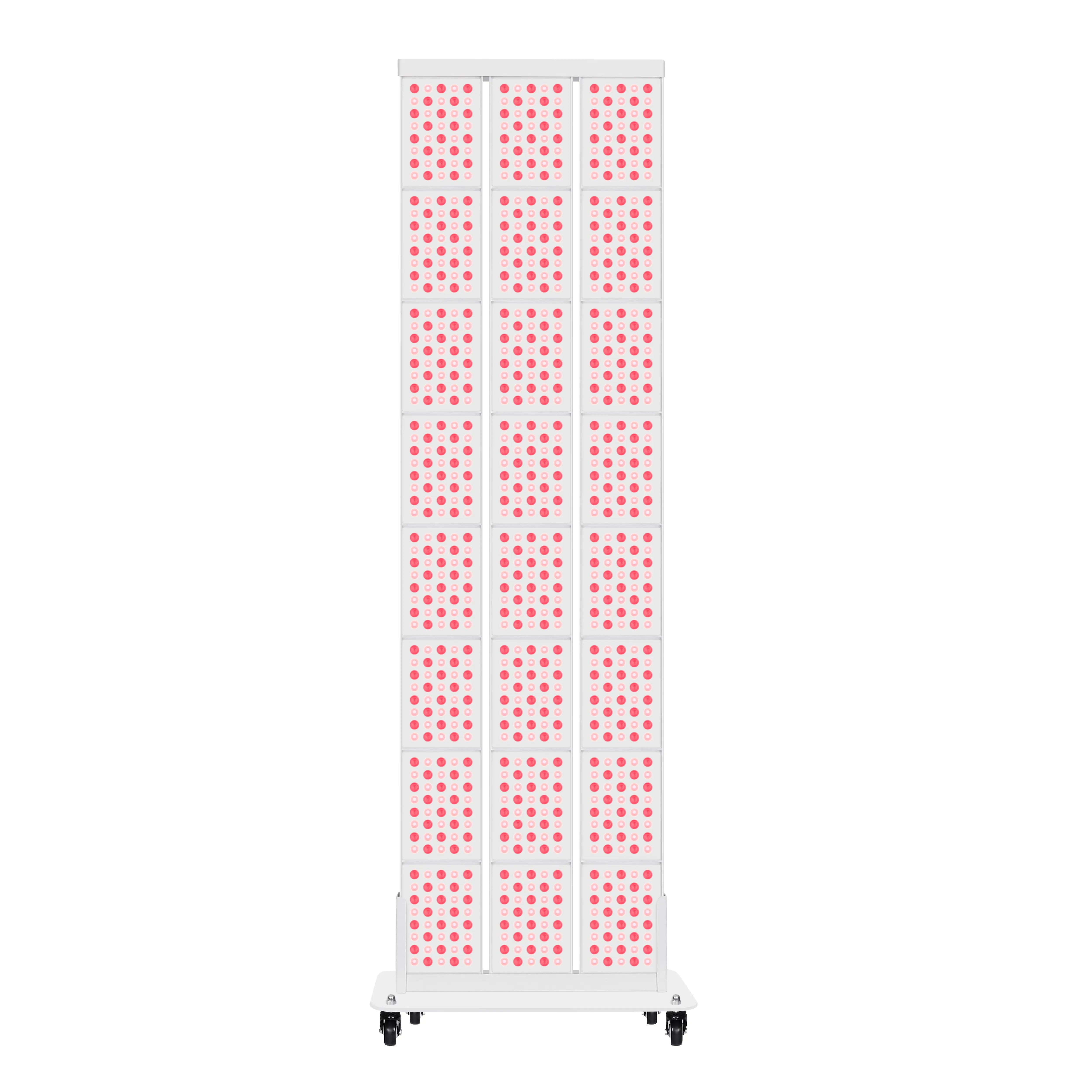
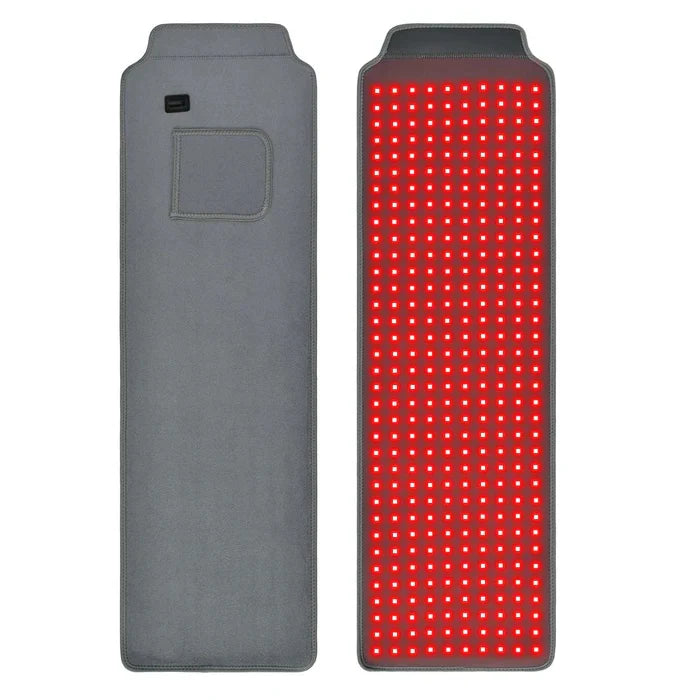
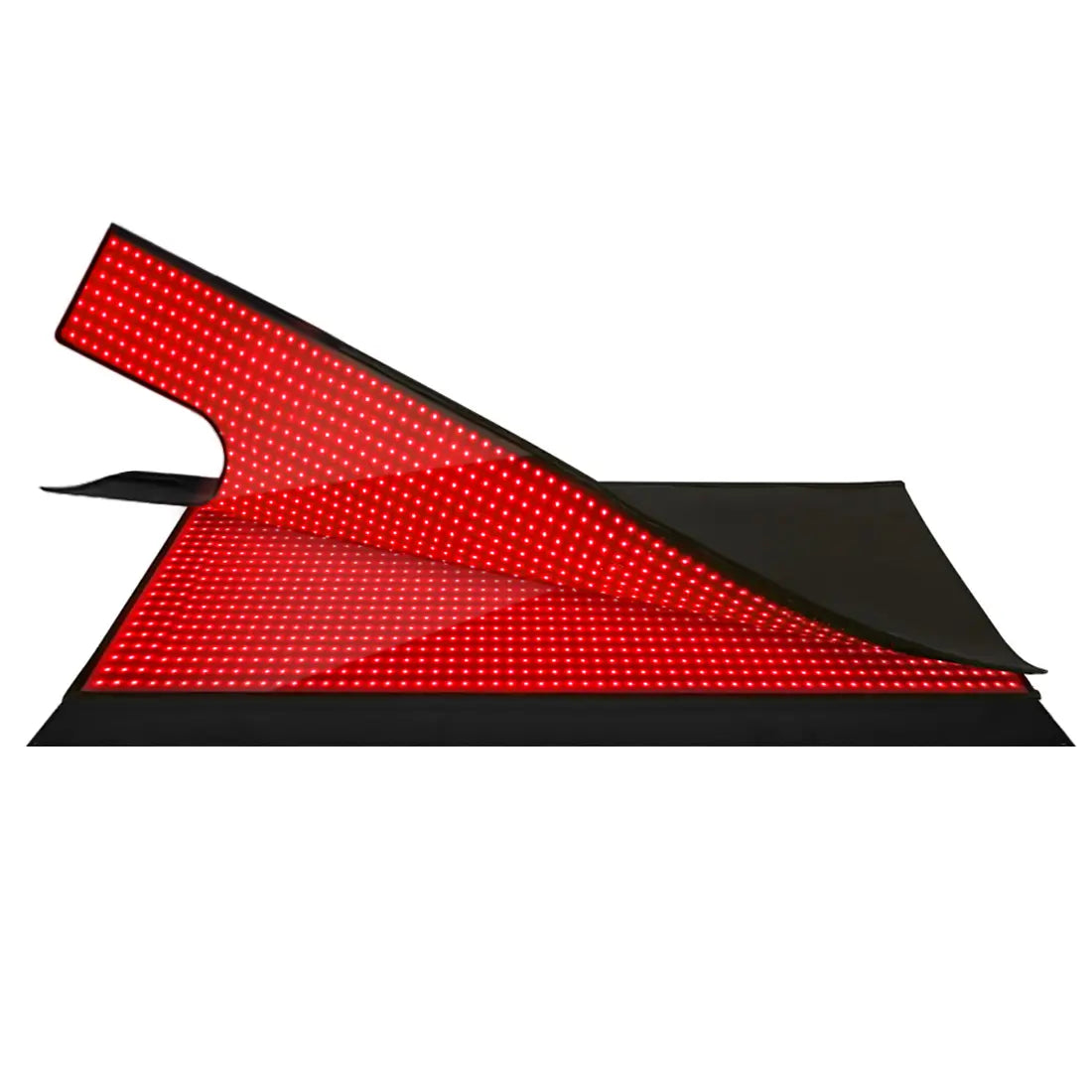

Why Your Sleep Starts With Your Light Environment
As someone who has spent years experimenting with light boxes, red panels, night shifts, and way too many wearables, I can tell you this: your sleep is far more “programmable” than most people realize. The main lever is not supplements or yet another blue‑blocking filter. It is the timing, color, and dose of light hitting your eyes.
Circadian science has been very clear on this for decades. A major review in PubMed Central describes how a small region in the brain called the suprachiasmatic nucleus, the master clock in the hypothalamus, coordinates daily rhythms in sleep, body temperature, hormones, blood pressure, metabolism, and even seizure timing. The intrinsic human clock tends to run a bit long, around 24.18 hours on average, so we constantly need external cues, called zeitgebers, to keep us aligned with the 24‑hour day. Light is the dominant zeitgeber, with mealtimes, activity, and social schedules playing supporting roles.
Specialized light‑sensing cells in the eye called intrinsically photosensitive retinal ganglion cells send information about light and dark through the retinohypothalamic tract straight to the master clock. These cells are most sensitive to short‑wavelength, blue‑rich light in roughly the 440–480 nanometer range. When they fire in the evening or night, melatonin secretion from the pineal gland is suppressed and the circadian clock can be delayed.
The National Institute for Occupational Safety and Health emphasizes that blue‑heavy light from LEDs, fluorescent lamps, and back‑lit screens is especially disruptive if it hits you in a sensitive circadian window, often the few hours before your usual bedtime. In that window, evening blue light can make it harder to fall asleep and can also cause you to wake earlier than you should, reducing total sleep time. People who already struggle with insomnia are particularly vulnerable.
Modern life pushes hard against this biology. A contemporary review of circadian rhythm sleep‑wake disorders notes that misalignment between the body clock and the external light‑dark cycle is linked to cancer, cardiovascular disease, type 2 diabetes, neurodegeneration, and gastrointestinal disorders. Around a quarter of workers in North America and Europe do some form of shift work. Many others keep late, irregular schedules with bright screens in their faces until the moment they try to sleep. Chronobiology researchers are now designing therapies that deliberately time cancer drugs, blood pressure medications, asthma treatments, and antiseizure drugs to the clock because the circadian system is that powerful.
If you care about performance, longevity, or just not feeling wrecked every morning, getting serious about your light environment is one of the highest‑leverage moves you can make. The question is how to use that knowledge in a home‑biohacking context, and where red light therapy fits in.

Bright Light Therapy: The Original Circadian Hammer
Before red light panels showed up in every wellness ad, clinicians were already using bright light therapy to manipulate circadian timing and treat sleep problems. The Sleep Foundation describes the standard approach clearly. A typical device is a UV‑filtered light box that produces about 10,000 lux at a distance of roughly 16–24 inches from the face. Standard sessions last about 20–40 minutes. Lower intensity devices, around 2,500 lux, may require sessions up to about 2 hours.
In circadian rhythm sleep disorders with delayed sleep timing, such as people who cannot fall asleep until very late, bright light soon after waking tends to advance the clock, making it easier over time to fall asleep and wake earlier. For advanced patterns, as in older adults who become very sleepy early in the evening, afternoon or early evening light can push the clock later. The same principle applies to jet lag and shift work: light at one part of the circadian cycle will delay, and light around another part will advance, depending on where it lands relative to the body’s temperature minimum and melatonin rhythm.
A systematic review and meta‑analysis in Scientific Reports pulled together eleven light therapy trials in shift workers. The total sample was modest at 195 adults, but the picture is surprisingly consistent. Medium‑intensity light, usually in the range of about 900–6,000 lux during night shifts, extended total sleep time by roughly 32.5 minutes on average and improved sleep efficiency by nearly 3 percentage points compared with control conditions such as dim light or usual room lighting. If a night‑shift nurse typically manages only 6 hours of sleep during daytime recovery periods, that extra half hour adds up to around 3.5 more hours of sleep each week. Over months and years, that is a major gain in recovery and health.
The same meta‑analysis found that nocturnal light therapy shifted circadian phase later by about 1.7 hours on average. For permanent night shift workers, that can be a feature rather than a bug, allowing better alignment between their internal clocks and their upside‑down schedule. There are caveats: many of the included studies had a high risk of bias and small samples, and the protocols varied in timing and intensity. Nonetheless, for shift‑related circadian disruption, medium‑intensity bright light at night is one of the few interventions with consistent objective improvements in total sleep time and sleep efficiency.
Chronobiologists have also looked at the timing of light more finely. A systematic review on evening light for shift workers points out that most protocols have emphasized bright light during overnight shifts combined with avoiding morning light, for example by wearing dark glasses on the commute home. That combination can shift body temperature, cortisol, and melatonin rhythms later, with benefits for sleep duration, alertness, and mood. However, this strategy is not trivial to implement in real workplaces and may have its own long‑term health risks, given the links between light at night and obesity, cancer, and metabolic disruption in both humans and animal models.
Because of those concerns, some researchers argue that bright evening light before the night shift, at home, may be a safer and more practical compromise. Evening light produces smaller phase delays than deep‑night light but involves less exposure when the body expects darkness. The trade‑off is slower adaptation, especially in permanent night shift workers, but potentially better flexibility for rotating schedules.
In my own optimization experiments, the pattern that consistently stands out for night‑shift workers or extreme night owls is this. Use appropriately timed bright white light as your main circadian lever, based on where you want your sleep window to land. Layer behavioral discipline on top: a stable sleep schedule on workdays, reduced light exposure when your “biological night” should start, and a truly dark bedroom. Then, and only then, consider where red light therapy might add value.

What Red Light Therapy Really Is
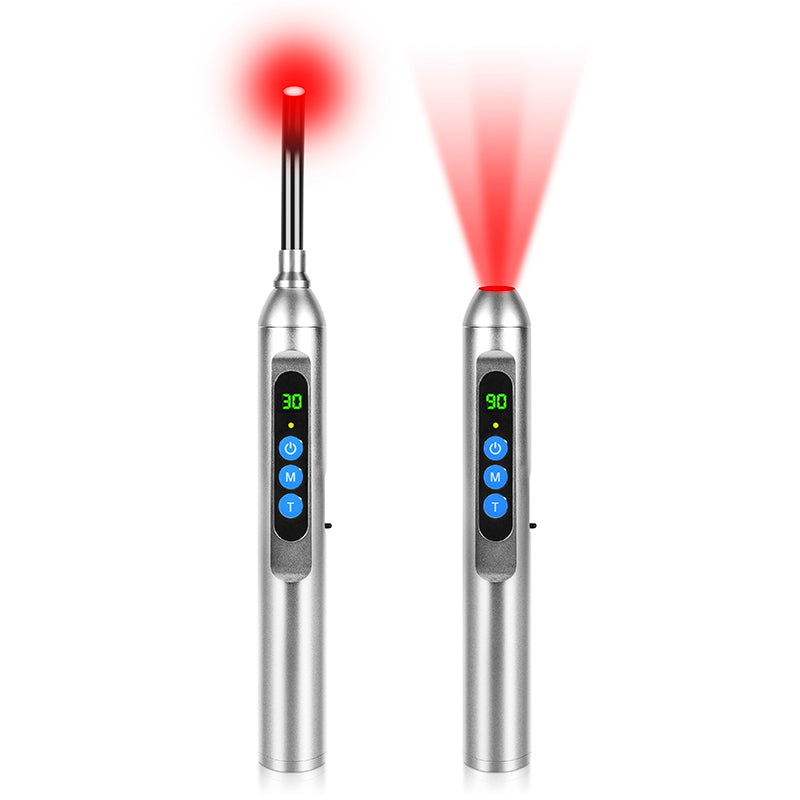
Red light therapy is not just a cozy red bulb in the corner of your bedroom. In the scientific and clinical world it is typically called low‑level light therapy or photobiomodulation. A review from a medical publisher explains that red light therapy uses specific wavelengths of red and near‑infrared light, typically between about 600 and 1,000 nanometers, to affect tissue without meaningful heating.
At those wavelengths, light is absorbed by components of the mitochondria, especially an enzyme called cytochrome c oxidase. Absorption can increase production of ATP, the cell’s energy currency, and generate controlled amounts of reactive oxygen species that trigger adaptive antioxidant and anti‑inflammatory responses. Red and near‑infrared light can also stimulate nitric oxide signaling, improving local blood flow and thereby nutrient delivery and waste removal.
Because of this combination of mechanisms, red light therapy has been studied for wound healing, pain, skin rejuvenation, muscle recovery, and even retinal conditions. Medical‑grade devices, including high‑powered LED panels and lasers, are used in clinical settings under professional supervision. Consumer‑grade panels, hand‑held wands, masks, and beds use similar wavelengths at lower intensities and are marketed for general wellness.
For skin, the evidence is relatively strong. Reviews in dermatology show improved collagen production, better elasticity, and reductions in inflammatory conditions such as acne or psoriasis with properly dosed red light. Sports medicine trials find that strategically timed red light before or after exercise can reduce delayed‑onset muscle soreness and improve performance metrics in some contexts. A meta‑analysis in sports health journals, however, also notes variability in results and emphasizes that dosing parameters are still far from standardized.
When it comes to sleep and circadian rhythm, the picture is more nuanced and much less settled. That is where a lot of wellness marketing diverges from what the data actually say.

Human Studies: When Red Light Seems to Help Sleep
One of the most cited human studies in the red‑light‑for‑sleep conversation is a randomized trial in twenty elite female basketball players from a Chinese army team. Over a fourteen‑day period of intensive training, half of the athletes received a nightly thirty‑minute session of whole‑body red light around 658 nanometers, delivering a dose of 30 joules per square centimeter. The other half lay under an identical device that emitted no light, acting as a placebo.
Pre‑ and post‑measures included the Pittsburgh Sleep Quality Index, serum melatonin levels the following morning, and endurance via a twelve‑minute run test. After the intervention, athletes in the red light group showed significantly greater improvements in global sleep quality scores than the placebo group. Their morning melatonin levels rose from roughly 22 to nearly 39 picograms per milliliter, while the placebo group changed only minimally. There was also a statistically significant improvement in twelve‑minute run performance in the red light group, although the interaction with group assignment for performance was less robust than for sleep and melatonin.
Importantly, changes in sleep quality correlated negatively with changes in melatonin. Athletes who had larger increases in melatonin tended to report larger improvements in sleep. This pattern supports the idea that, in this specific context, red light could be acting partly through endocrine pathways linked to the circadian system, not just local muscle or tissue effects.
A small number of marketing‑oriented sources highlight this study as proof that red light before bed “boosts melatonin and deep sleep.” The data do justify cautious optimism for that particular population: young women under heavy training loads who received a relatively high, controlled, whole‑body dose of red light in the evening. However, the trial relied on subjective sleep questionnaires without polysomnography or actigraphy, the sample was small and homogeneous, and the duration was short. We cannot automatically generalize those findings to middle‑aged office workers, older adults with insomnia, or people with medical conditions.
Other human work suggests that red light can influence alertness and circadian‑related outcomes in more complex ways. A small study in office workers using red plus white light in the afternoon found improvements in post‑lunch alertness and circadian alignment, implying that red wavelengths are not purely inert at the level of the brain and hormones.
Taken together, this first cluster of human data says that red light therapy can be biologically active, and in some situations may support better subjective sleep quality and melatonin dynamics. The mistake is to assume that means any red light before bed is always a sleep aid. That assumption does not hold up under closer scrutiny.

Human Studies: When Red Light Keeps You Awake
A more recent single‑blind randomized trial looked at red light in a way that is far closer to how many consumers actually use it: as light in the hour before bed. Researchers in Guangzhou recruited 114 adults, including both healthy sleepers and people with insomnia symptoms, and assigned them to an hour of red light, white light, or darkness before bedtime. Sleep was recorded with full polysomnography. Mood and emotional state were tracked with validated scales for anxiety, depression, and affect. Subjective sleepiness was measured with the Karolinska Sleepiness Scale.
The results are not what most red light marketing materials promise. Compared with both white light and darkness, red light before bed significantly increased negative emotions in both healthy and insomnia groups. In participants with insomnia, red light raised measures of anxiety as well. Subjective alertness increased under red light, as shown by lower Karolinska Sleepiness scores. In other words, people felt more awake, not sleepier.
Sleep architecture told an equally cautionary story. In healthy sleepers, red light shortened sleep onset latency compared with white light but reduced total sleep time and sleep efficiency compared with darkness, while increasing the proportion of very light N1 sleep and the micro‑arousal index. For people with insomnia, red light versus white light sometimes increased total sleep time and sleep efficiency, but compared with darkness it lengthened the time it took to fall asleep and increased wake after sleep onset, the number of rapid eye movement cycles, and REM micro‑arousals, while lowering sleep efficiency.
The authors performed mediation analyses and found that some of the effects of red light on sleep onset were mediated by shifts in negative emotion. In plain language, pre‑sleep red light made people feel worse emotionally, which in turn changed how quickly they fell asleep and how stable their sleep was.
Several other human studies, summarized by sleep researchers and wellness journalists, also point toward red light as a tool for alertness rather than sedation. Work led by Mariana Figueiro has shown that saturated red light delivered through a sleep mask to closed eyelids, or via red goggles upon waking, can significantly reduce sleep inertia: the groggy, low‑performance window in the first thirty minutes after waking. In a controlled crossover trial with thirty adults, red light masks worn during a ninety‑minute sleep opportunity improved auditory performance measures after waking compared with dim light. Red goggles worn after waking showed a similar but slightly more transient effect. Crucially, these red light intensities were chosen so they would not suppress melatonin, suggesting that the alerting effect was not mediated by the classic circadian pathway that blue light uses.
These findings have clear practical value. For emergency responders, night‑shift clinicians, or anyone who needs to perform complex tasks immediately after waking at night, a red light mask or goggles could provide a non‑pharmacologic way to cut through sleep inertia without triggering the circadian disruption associated with blue‑rich light. But they also tell us that red light is not necessarily calming to the brain. In some scenarios it pushes you toward wakefulness and sharper performance, which is not what you want in the hour before bed.
Mainstream sleep experts interviewed by consumer health outlets echo this caution. They acknowledge that a small athlete study showed sleep benefits, but emphasize that the overall evidence that red light therapy is a reliable sleep enhancer is limited and inconsistent. Their bottom‑line view is straightforward: darkness is still best for sleep. If some light is unavoidable at night, dim red is less disruptive than bright white or blue, but replacing blue light with red is not the same thing as adding a proven sleep drug.

Animal Data: Red Light Is Not Automatically “Circadian Safe”
Rodent studies let researchers take continuous blood samples, control every aspect of the light environment, and measure many physiological variables, so they are particularly useful for probing assumptions like “red light at night is harmless.”
One experiment in non‑pigmented Sprague–Dawley rats compared a standard 12‑hour light, 12‑hour dark schedule against the same schedule with the dark phase replaced by dim red light from a safelight emitting wavelengths above about 620 nanometers at less than 10 lux. Under true darkness, melatonin showed a robust rhythm: very low levels during the day and high levels at night, around 197.5 picograms per milliliter. Under dim red light at night, melatonin was significantly lower across the entire 24‑hour cycle, and its normal nocturnal peak was blunted. Circadian rhythms in total fatty acids, glucose, lactic acid, insulin, leptin, corticosterone, and even blood gases were all significantly disrupted compared with controls.
In other words, even low‑intensity red safelights, traditionally considered neutral, were enough to disturb core endocrine and metabolic rhythms in rats. The authors concluded that red safelights and red‑tinted observation windows in animal facilities should be minimized or eliminated if the goal is to preserve circadian integrity.
A separate study in mice tested red and white light at several intensities during the dark phase. At 100, 30, and 20 lux, both white and red light markedly increased non‑rapid eye movement and rapid eye movement sleep acutely and disturbed sleep‑wake architecture compared with darkness, with more REM episodes, more transitions, and shorter wake episodes. At 10 lux, a pattern emerged. Short pulses of white light at 10 lux still increased NREM sleep and altered EEG power compared with darkness, whereas 10 lux red light pulses did not significantly change sleep stage amounts or macro‑architecture. However, when 10 lux red or white light was applied continuously across the entire dark period, both reduced NREM delta power, a core marker of sleep intensity, and white light caused broader increases in higher‑frequency EEG power than red light.
From a geeky circadian perspective, these animal data fit nicely with the human literature. Red light at very low levels can sometimes be behaviorally neutral, particularly compared with white light, but at higher intensities or longer exposure it is capable of suppressing melatonin and rewiring circadian and metabolic rhythms. The fact that red light can be used to reduce sleep inertia in humans without suppressing melatonin at certain intensities does not make it inherently “safe” in all contexts.
Putting the Evidence Together
To make all this easier to digest, here is a compact comparison of key scenarios drawn from the research.
Scenario |
Light setup |
Main sleep or circadian outcome |
Practical implication |
Night‑shift workers using bright light |
Medium‑intensity bright light around 900–6,000 lux during night shifts |
Total sleep time after shifts extended by about 32.5 minutes; sleep efficiency improved by about 3 percentage points; circadian phase delayed around 1.7 hours |
Bright white light is an effective tool to help shift‑workers sleep longer and align their clocks later, but it must be used deliberately and carries potential long‑term risks if night‑time light exposure is high and chronic |
Athletes receiving evening red light therapy |
Whole‑body red light around 658 nanometers, 30 joules per square centimeter, 30 minutes nightly for 14 days |
Subjective sleep quality improved; morning melatonin increased; endurance performance improved in a small group |
Intensive, controlled red light therapy can correlate with better sleep and performance in young athletes, but the evidence base is narrow and not directly generalizable |
Adults sitting under red light before bed |
One hour of red light before bedtime compared with white light or darkness in healthy and insomnia groups |
Red light increased negative emotions and alertness; in many comparisons it reduced sleep efficiency and increased micro‑arousals compared with darkness |
Using red light as your main pre‑sleep light can sometimes worsen emotional state and fragment sleep relative to simply dimming the lights or being in the dark |
Adults using red light to combat sleep inertia |
Red light masks during sleep or red goggles immediately after waking at night |
Objective performance after waking improved; subjective sleepiness decreased, without melatonin suppression |
Long‑wavelength red light can be a useful countermeasure for post‑wake grogginess in night work or on‑call situations, but its alerting effect makes it unsuitable as a generic “sleep lamp” |
Rodents under red safelights at night |
Dim red light above 620 nanometers, less than 10 lux, throughout the dark phase |
Melatonin rhythm suppressed; multiple metabolic and endocrine rhythms disrupted |
Prolonged red light at night is not circadian‑neutral, even at low intensity, and darkness remains the healthiest default for the biological night |
A clinical trial registered with the National Library of Medicine is currently testing low‑level light therapy to improve sleep and psychological symptoms in shift‑work nurses, but the publicly available information so far focuses on trial design and regulatory features rather than outcomes. The fact that such a trial exists underscores how early we still are in understanding how to best use red and other narrow‑band light therapeutically in real‑world night‑shift settings.
Designing a Science‑Backed Home Light Strategy
With this evidence on the table, how should a home biohacker or wellness optimizer approach light?
First, prioritize the spectrum and timing that have the strongest and most consistent data for circadian alignment: bright white or blue‑enriched light soon after your biological morning, and dim, warm, low‑blue light before and during your biological night. The Sleep Foundation describes how properly timed bright light therapy can help with delayed and advanced sleep phase, insomnia, jet lag, and sleep disruption from overnight work. That is your foundation.
For a typical day‑shift adult who tends to fall asleep too late, I generally recommend something like this, based on the clinical protocols described by the Sleep Foundation and circadian rhythm research. Shortly after waking, sit in front of a clinically designed bright light box that delivers around 10,000 lux at the recommended distance, and use it for roughly 20–40 minutes while you read or work. Combine that with getting real outdoor daylight whenever possible. In the final hour or two before your target bedtime, progressively dim household lights, favor warmer color temperatures, and strictly limit screen exposure. Even without a red light device, this pattern leverages the circadian system the way nature intended: strong daytime light and a dark, or very dim, evening.
For night‑shift workers, the strategy is more complex and you should ideally work with a sleep physician, because the wrong timing can make you feel worse. Still, the meta‑analysis of shift workers gives useful guardrails. Medium‑intensity light during the active part of the night shift and deliberate avoidance of morning light on the commute home can significantly increase daytime sleep time and sleep efficiency. Some researchers now explore bright evening light before the shift as a more practical and possibly safer way to produce smaller phase delays without bathing the body in light throughout the biological night. In practice, that might look like a bright light session at home in the few hours before a shift, combined with very dark sleep quarters during the day.
Once those big levers are in place, red light therapy becomes a targeted add‑on rather than the main driver.
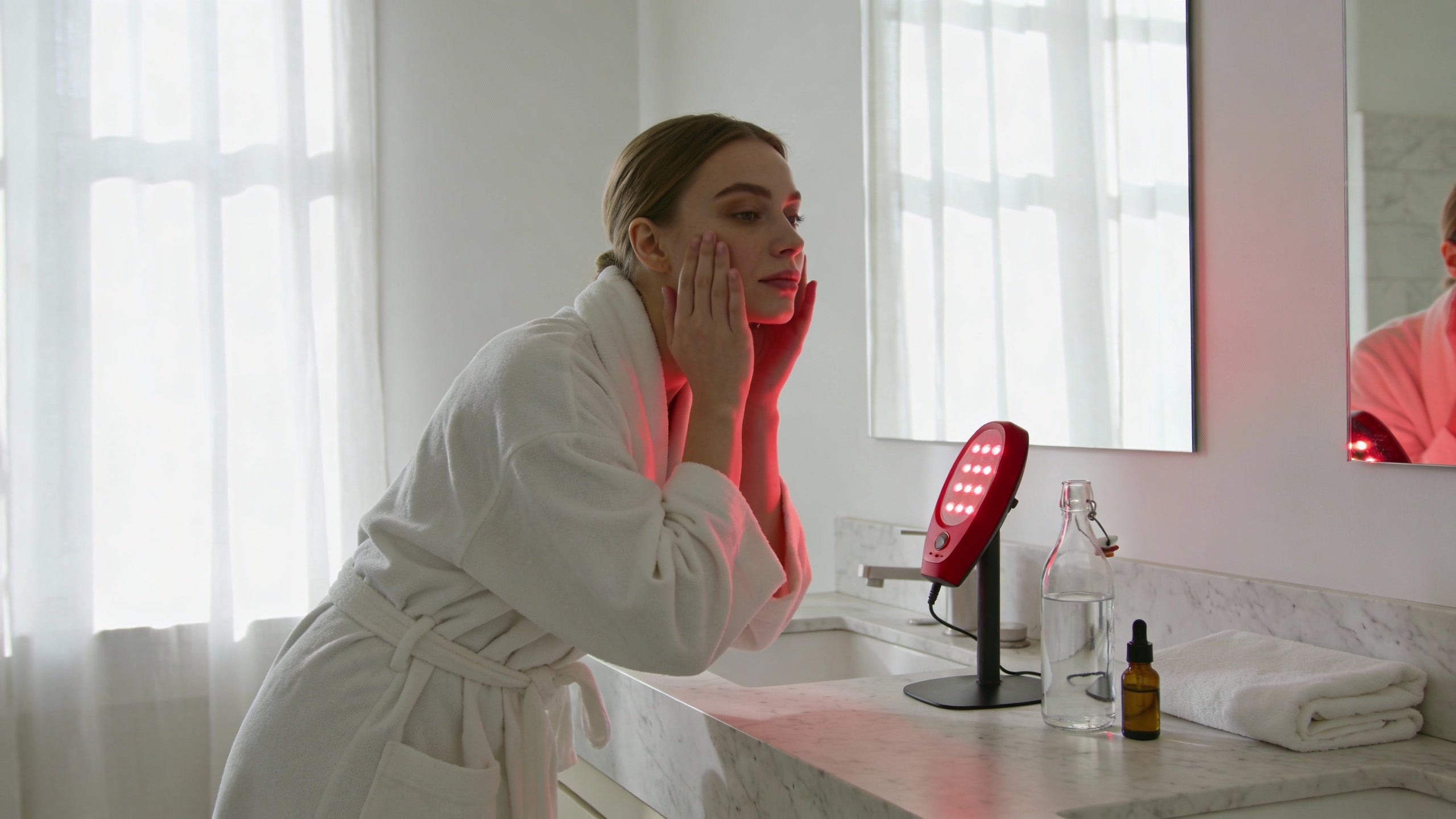
If your primary interest in red light therapy is skin health or muscle recovery, the evidence from dermatology and sports medicine is stronger than the evidence for direct sleep benefits. In that context, the simplest circadian‑friendly approach is to schedule red light sessions either earlier in the day or in the early evening, rather than right before lights‑out. A ten‑ to twenty‑minute session sixty to ninety minutes before bed gives your nervous system time to come back down, and you can then transition into a progressively darker environment. Consumer wellness sources often recommend that pattern and emphasize combining red light with good sleep hygiene rather than using it in place of darkness.
If your goal is to optimize performance in situations where you must wake and act at odd hours, such as on‑call medical work, emergency response, or nighttime parenting, the sleep inertia studies offer a different use case. In those scenarios, carefully chosen red light masks or goggles can help you wake up faster without the full circadian impact of bright white light at night. This is not about falling asleep; it is about switching the brain into high‑function mode quickly when duty calls.
The one use that I almost never recommend, given the current evidence, is sleeping with bright red lights on all night. Popular articles often state that red light is “sleep‑friendly” because it suppresses melatonin less than blue or white. That is true in a relative sense, but it does not mean that more red light is better. The rodent work shows that even low‑illuminance red light can flatten melatonin rhythms and disrupt metabolic markers when chronic, and the human trial from Guangzhou shows that an hour of red light before bed can worsen emotional state and fragment sleep compared with darkness. A dim red night light used only for safety, such as to navigate to the bathroom, is a different situation from a room bathed in red all night.
Pros and Cons of Red Light for Sleep Optimization
When you zoom out, the pros of red light therapy in a sleep context are real but modest. In at least one controlled trial in athletes, evening red light exposure improved subjective sleep quality and raised morning melatonin levels. Some observational and small experimental data suggest that replacing bright white light with dim red light in the evening may make it easier for melatonin to rise, especially compared with blue‑heavy LED lighting. Red light devices also offer other evidence‑based benefits in skin, pain, and muscle recovery, which indirectly support sleep by reducing discomfort and stress.
The cons are that the sleep‑specific evidence is still thin, heterogeneous, and sometimes conflicting. A well‑designed trial using polysomnography found that red light before bed increased negative emotions and alertness, and in several comparisons reduced sleep efficiency relative to darkness. Animal studies in rats and mice show that red light at night, especially when continuous or above low intensities, can suppress melatonin and alter multiple metabolic and neurophysiological rhythms. Moreover, red light’s ability to reduce sleep inertia in humans tells us that, at least at some doses and timings, it is a stimulant for the brain rather than a sedative.
There are also practical drawbacks. Consumer devices vary widely in wavelength accuracy, intensity, and quality. Medical‑grade systems used in trials are often more powerful and tightly controlled than what you find in an online marketplace. Treatment parameters in the literature—wavelength, power density, duration, distance, and timing—are far from standardized. A review in a medical news outlet emphasizes that even in skin applications, where evidence is stronger, there is a pressing need for clearer dosing guidelines and long‑term safety data.
From a biohacker’s perspective, all of that means red light therapy is a tool worth experimenting with if you understand what it can and cannot do, but not a replacement for foundational circadian hygiene.
Brief FAQ
Can I sleep with a red light on all night?
The best available evidence says that darkness is still the gold standard for healthy sleep. Red light at low intensity is less likely than blue or bright white light to suppress melatonin, and it can be a reasonable choice for a small safety night light. However, rodent studies show that prolonged red light at night can blunt melatonin rhythms and disrupt metabolism, and human work suggests that pre‑sleep red light can increase arousal and negative emotion compared with darkness. If you do use a red night light, keep it as dim and localized as possible and avoid shining it into your eyes.
When is the best time to use red light therapy if I care about sleep?
If your main reason for using red light is skin health or recovery, and you want to protect your sleep, aim for earlier in the day or early evening rather than the last hour before bed. For example, you might do a ten‑ to twenty‑minute session after an afternoon workout or as part of an early‑evening wind‑down, then shift to dimmer, warmer ambient lighting and limit screens as bedtime approaches. If you need red light specifically to combat sleep inertia for night work, reserve masks or goggles for just before or just after waking, and still keep your sleep environment as dark as you reasonably can.
Is bright light therapy or red light therapy better for shift workers?
For circadian alignment and extending sleep after night shifts, the strongest evidence is still for medium‑intensity bright light delivered during the night shift itself or in carefully timed evening sessions, combined with daytime darkness. Meta‑analytic data show that this can add roughly half an hour of sleep and improve sleep efficiency by a few percentage points. Red light therapy for shift workers is an active research area, with at least one registered trial in nurses, but results are not yet widely available. At this point, red light is best seen as a possible adjunct, for example to reduce sleep inertia after short naps, rather than a substitute for bright light and rigorous light‑dark scheduling.
Closing Thoughts from a Light Therapy Geek
If there is one principle my years of light hacking have taught me, it is this: respect the basics before you chase the biohacks. Use powerful, well‑timed bright light to anchor your days, ruthlessly protect darkness at night, and let red light therapy play a supporting role for skin, recovery, or niche performance needs rather than expecting it to magically fix a broken schedule. When you align gadgets with the biology that circadian scientists have mapped out so carefully, the gains in sleep, mood, and resilience are not subtle—they are the kind you feel every morning when you wake up and actually feel ready to move.
References
- https://www.academia.edu/125571342/An_Overview_of_the_Effects_of_Light_on_Human_Circadian_Rhythms_Implications_for_New_Light_Sources_and_Lighting_Systems_Design
- https://clinicaltrials.gov/study/NCT05146596
- https://jdc.jefferson.edu/cgi/viewcontent.cgi?article=1087&context=department_neuroscience
- https://librarysearch.chemeketa.edu/view/action/uresolver.do?operation=resolveService&package_service_id=18380247890001871&institutionId=1871&customerId=1840&VE=true
- https://pmc.ncbi.nlm.nih.gov/articles/PMC10484593/
- http://labs.biology.ucsd.edu/nieh/papers/KimALAN.pdf
- https://biol111blue16f.academic.wlu.edu/files/2016/09/1432.full_.pdf
- https://archive.cdc.gov/www_cdc_gov/niosh/emres/longhourstraining/color.html
- https://www.colorado.edu/lab/sleepdev/sites/default/files/attached-files/stothard_2017.pdf
- https://research.coe.drexel.edu/caee/dlux/wp-content/uploads/2013/08/Red-Light-at-Night.pdf