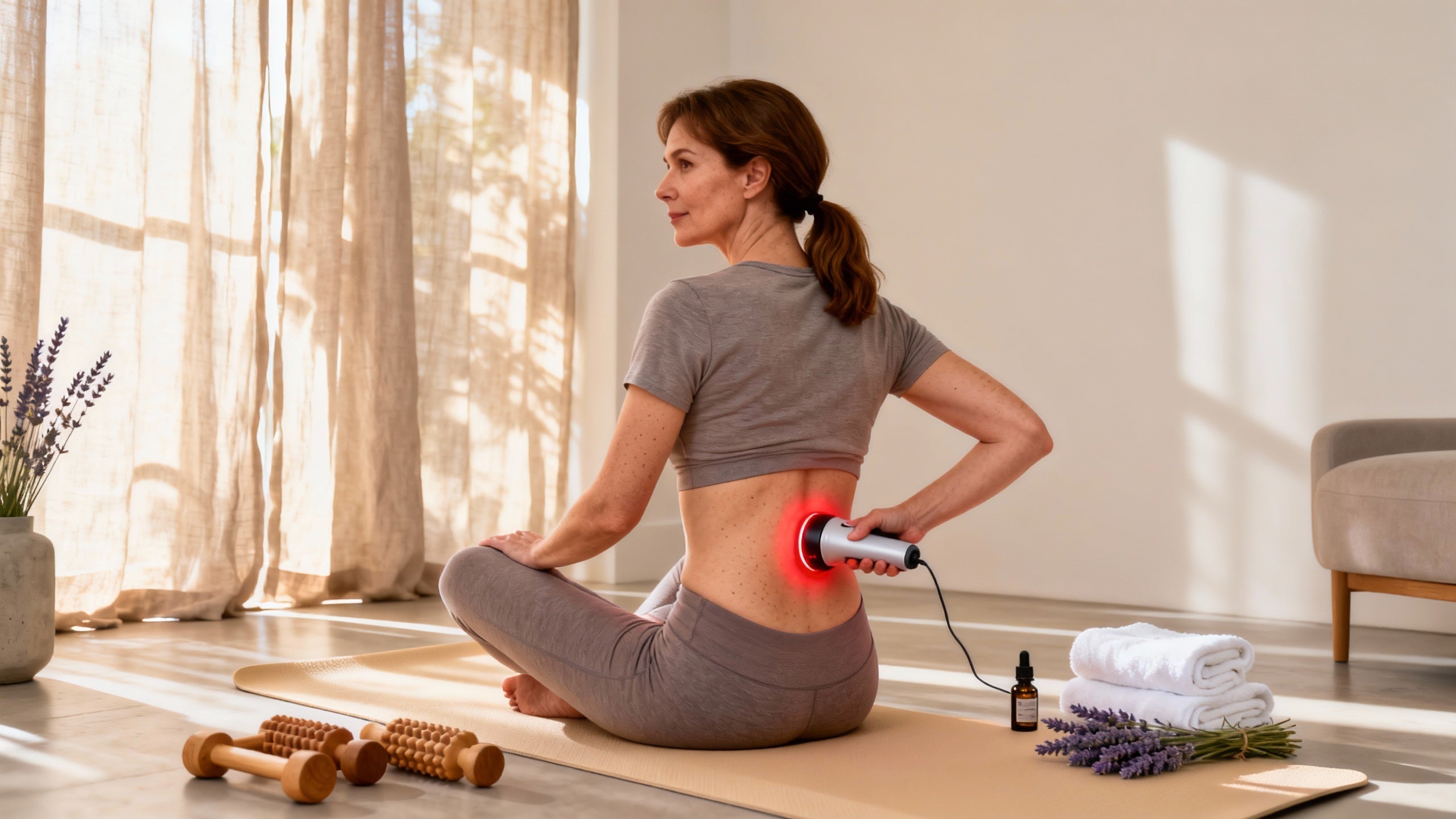

Figure skating is brutal on ankles. Every double, triple, and edge-heavy step asks those small joints to absorb forces far beyond body weight, often in a stiff boot, on a cold surface, with very little room for error. Over time, that adds up to sprains, chronic ligament laxity, tendon irritation, bone bruises, and aching joints that never quite feel “normal” between sessions.
As a long-time light therapy geek and wellness optimizer, I’ve seen red light therapy evolve from a niche clinical tool to a serious contender in the recovery toolkit for high-impact athletes. The obvious question for skaters is simple: can red light therapy meaningfully support your ankles, or is it just an expensive glow?
Let’s walk through what the science actually says, how it applies to skating-specific ankle issues, and how to use it intelligently rather than blindly buying into the hype.
Why Figure Skating Ankles Need Extra Help
Even without a single published study that looks only at figure skaters, we can apply what we know from broader sports research to the realities of skating.
Jump landings demand explosive plantarflexion, rapid inversion–eversion control, and strong rotational stability through the ankle and subtalar joints. Add in hours per week spent in stiff boots, repetitive takeoffs, cold rink air, and the occasional bad fall, and it is no surprise that skaters deal with:
Persistent low-grade sprains that never fully settle, irritated tendons around the ankle, lingering swelling after hard sessions, and that familiar “crunchy,” stiff feeling when you first lace up.
This is exactly the kind of tissue stress profile that red light therapy, or photobiomodulation, has been studied for in runners, team-sport athletes, and strength athletes.

What Red Light Therapy Actually Is
Red light therapy, often called photobiomodulation or low-level light therapy, uses low-intensity red and near‑infrared light to modulate cell function without heating or burning tissue. Multiple sources, including ACE Fitness and the National Strength and Conditioning Association, describe it as non‑invasive light in roughly the 600–1,000 nanometer range delivered by LEDs or low‑power lasers.
Clinically and in sports settings, it is being used for:
Skin health issues such as wrinkles, acne, scars, and redness. Musculoskeletal problems such as tendon pain, joint pain, and muscle soreness. Sports recovery and performance, from weekend athletes to professional teams. Chronic pain conditions, including some fibromyalgia and osteoarthritis cases.
Unlike an old-school heat lamp, the goal is not to warm tissue. The core idea is to deliver enough light energy at specific wavelengths to trigger biological changes in the cells themselves, especially in mitochondria.
A large narrative review in a sports medicine journal (indexed on PubMed Central) screened nearly 1,000 records and summarized 46 clinical trials in healthy people and athletes using red or near‑infrared light on working muscles. Across those trials, researchers measured things like strength, endurance, time to exhaustion, delayed onset muscle soreness, and blood markers of muscle damage. The takeaway: the modality is promising but not magic; dosing and timing matter a lot.

How Red Light Therapy Works at the Cellular Level
Multiple independent sources converge on the same basic mechanism.
First, certain enzymes in the mitochondria, especially cytochrome c oxidase, absorb red and near‑infrared photons. This appears to increase mitochondrial efficiency and ATP production, in some protocols by up to about 200 percent according to FunctionSmart’s synthesis of the research. More ATP is more usable energy for muscle contraction, repair, and ion pumping.
Second, light exposure can dislodge nitric oxide from cytochrome c oxidase. That frees up binding sites for oxygen, restoring oxidative phosphorylation, and the freed nitric oxide then contributes to vasodilation, which improves blood flow downstream.
Third, repeated exposures appear to modulate oxidative stress and inflammation. Several reviews, including one summarized by ACE Fitness, report reductions in markers like creatine kinase and C‑reactive protein, alongside lower perceived soreness and better short‑term performance in some protocols. Other literature points to upregulated antioxidant defenses and shifts in pro‑ and anti‑inflammatory signaling.
Finally, in connective tissues, red and near‑infrared light can influence collagen and elastin production and gene expression related to tissue regeneration. This is one reason clinicians and rehab centers describe it as a tool for supporting tendon and ligament healing rather than just for muscle soreness.
For an ankle that is both heavily loaded and relatively superficial, this combination—more energy, better blood flow, calmer inflammation, and improved collagen dynamics—is exactly what you want on your side.
What The Sports Science Actually Shows
The evidence base is not a single clean story; it is a patchwork of trials with different wavelengths, doses, and protocols. A few consistent patterns emerge.
A narrative review of photobiomodulation in human muscle tissue (covering over 1,000 participants across 46 trials) found that when red or near‑infrared light was used as muscular pre‑conditioning—applied to the working muscle before exercise—athletes often completed more repetitions, produced more total work, or lasted longer to exhaustion compared with sham treatment. Some of those trials also showed lower post‑exercise blood lactate, creatine kinase, and C‑reactive protein.
When light was used only after exercise to treat delayed onset muscle soreness, results were more mixed. Some protocols reduced soreness and preserved strength better than placebo; others showed little benefit. The review concluded that pre‑conditioning, or combining pre‑ and post‑exercise treatments, is more reliably helpful than treating soreness after the fact.
Clinic-level summaries from performance centers and physical therapy practices go a step further. FunctionSmart, for example, notes research in which red light therapy improved muscle strength and endurance, increased power output, and reduced delayed onset muscle soreness by up to about half under specific conditions. They point out that deeper-penetrating wavelengths around 810–850 nanometers are often used for large muscle groups with treatment times in the 10–20 minute range per area.
ACE Fitness, looking at the broader photobiomodulation literature, reports improvements in running performance, weight‑training repetitions, and recovery markers after high‑intensity exercise, and in some comparisons, photobiomodulation outperformed cryotherapy for recovery metrics. At the same time, ACE emphasizes a huge caveat: there are no standardized, evidence‑based guidelines for frequency, intensity, time, and type. Devices and protocols vary widely.
Taken together, the science says red light therapy:
Can improve muscle performance and recovery in at least some athletes under certain dosing conditions. Seems particularly effective as a pre‑conditioning tool before heavy work. Shows potential for pain and inflammation control in tendinopathies and other musculoskeletal issues. Is promising, not definitive, and heavily dependent on proper parameters.
For figure skaters, that means you can reasonably treat it as a high‑potential adjunct, not as a proven cure‑all for every ankle problem.
Why Ankles Are a Good Target for Red Light
Different wavelengths penetrate to different depths. Summaries from sports performance clinics and rehab centers converge on a simple rule of thumb.
Red light around roughly 630–660 nanometers primarily affects superficial tissues: skin, small superficial muscles, and the more surface‑level portions of tendons and ligaments. Near‑infrared light in the 800–850 nanometer range penetrates deeper into muscles, fascia, and joints.
The ankle joint complex is relatively close to the surface, especially medially and laterally. That means both red and near‑infrared light can interact with the tissues you care about, including ligaments like the anterior talofibular ligament, tendons around the malleoli, and the joint capsule.
Articles focused specifically on sports injuries from Krysus HP describe optimal injury‑recovery wavelengths in roughly the 600–1,000 nanometer range, with 600–900 nanometers commonly used for ankle sprains. They highlight benefits such as accelerated tissue healing, reduced inflammation and swelling, pain reduction, and improved joint mobility with typical sessions lasting about 10–30 minutes repeated several times per week.
From a “light therapy geek” standpoint, ankles are one of the easiest and most logical targets on the body: small surface area, thin soft tissue, high load, and constant need for recovery.

Applying Red Light Therapy to Figure Skating Ankles
Acute sprains and bone bruises
When a skater rolls an ankle on a landing or step sequence, the early priorities are classic sports medicine fundamentals: assessment, ruling out fracture, appropriate rest and protection, and a progressive rehab plan. Red light therapy fits, if at all, as an adjunct.
Sports injury content from Krysus HP and general photobiomodulation reviews suggest that in acute soft‑tissue injuries, appropriately dosed red and near‑infrared light can:
Support faster tissue repair by boosting ATP production in damaged cells. Reduce inflammatory swelling and pain by modulating cytokines and improving lymphatic clearance. Promote better blood flow and microcirculation, which delivers oxygen and nutrients needed for healing.
In practical terms, that might look like carefully applied light sessions around, not directly on, the most swollen portions of the ankle in the early days, within the time and frequency ranges used in injury protocols—often in the 10–30 minute window per session, several times per week, adjusted to the device’s power and the athlete’s tolerance.
However, physicians at a major US hospital system such as University Hospitals point out that red light therapy will not fix a true mechanical problem. If there is a full ligament tear, major instability, or advanced joint damage, you still need proper medical management; light will not knit a completely ruptured ligament back together.
Chronic tendon irritation and “grumpy” ankles
Where red light therapy may shine brightest for skaters is in chronic, sub‑acute problems that live close to the skin and are largely inflammatory: persistent tendinopathies, low‑grade synovitis, and that dull ache that flares after every long run‑through.
Clinicians and sports medicine authors note that red light therapy appears to show particular promise in tendinopathies and superficial inflammatory conditions. University Hospitals specifically highlight tendinopathies and shallow soft‑tissue problems as good candidates, while clarifying that evidence is still emerging.
Consistent use over weeks seems to matter more than a single heroic session. Several athletic protocols summarized by FunctionSmart, Athletic Lab, and others use 10–20 minute treatments per area, multiple times per week, often timed before or within a few hours after training. Krysus HP suggests two to five sessions per week of 10–30 minutes for sports injuries, with dose adjusted to severity and response.
For skaters, that maps nicely onto the training week: a few well‑timed ankle sessions around your heaviest days can support the slow remodeling of tendon and ligament tissue while you keep up the necessary strength and balance work.
Pre‑conditioning before jump sessions
The muscle review on PubMed Central and practical reports from Physical Achievement Center and Athletic Lab all emphasize pre‑conditioning as a key use case. In many trials, applying red or near‑infrared light to the working muscles before exercise improved repetitions, time to exhaustion, and recovery markers. Physical Achievement Center reports that using light 15–30 minutes before intense training can delay fatigue and improve endurance and power.
For a figure skater, a pre‑conditioning block could mean a short session on the calves, peroneals, and ankles before a heavy jump or plyometric session. The aim is to prime mitochondrial function, improve oxygen use, and potentially blunt some of the microdamage that would otherwise accumulate in landing tissues.
It is important to keep this in context. Pre‑conditioning with light does not replace a structured warm‑up, edge drills, or strength training. It simply nudges local physiology in a direction that supports the work you are about to ask of those tissues.

Practical Protocols for Skater Ankles
Because different sources report slightly different ideal parameters and no standardized guidelines exist, the smartest approach is to stay within ranges used in sports and rehab settings and always follow your device’s instructions.
A synthesis of recommendations from Krysus HP, FunctionSmart, Athletic Lab, and Poll to Pastern yields a reasonable ankle‑focused starting point.
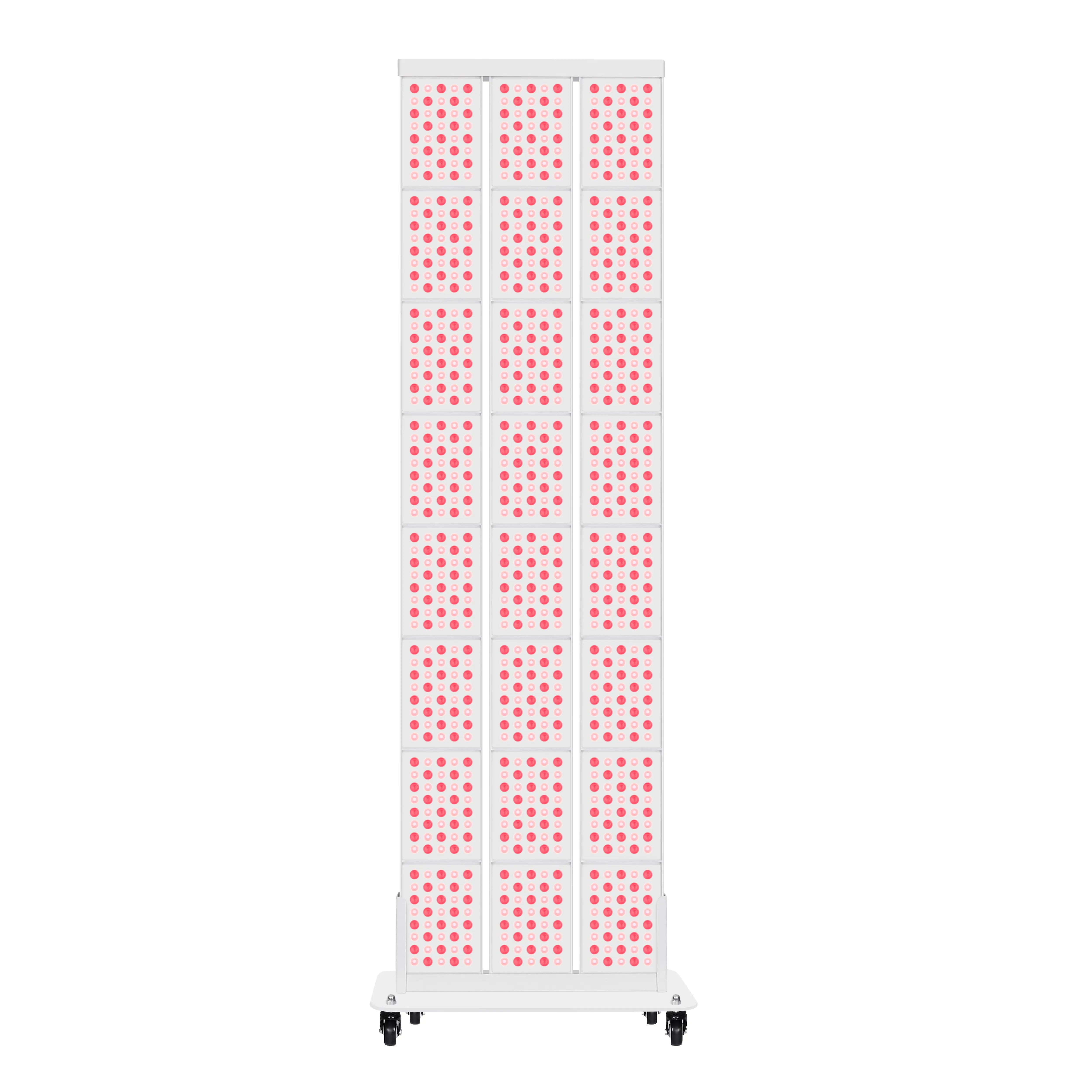
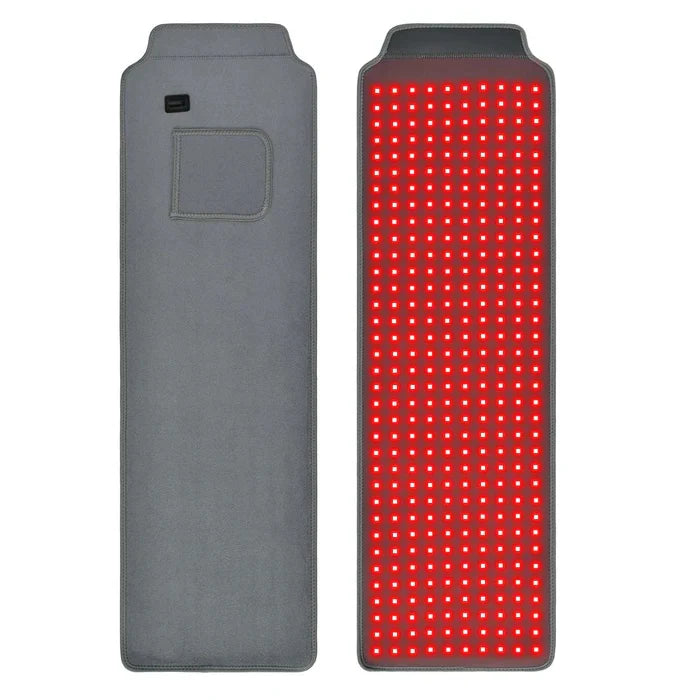
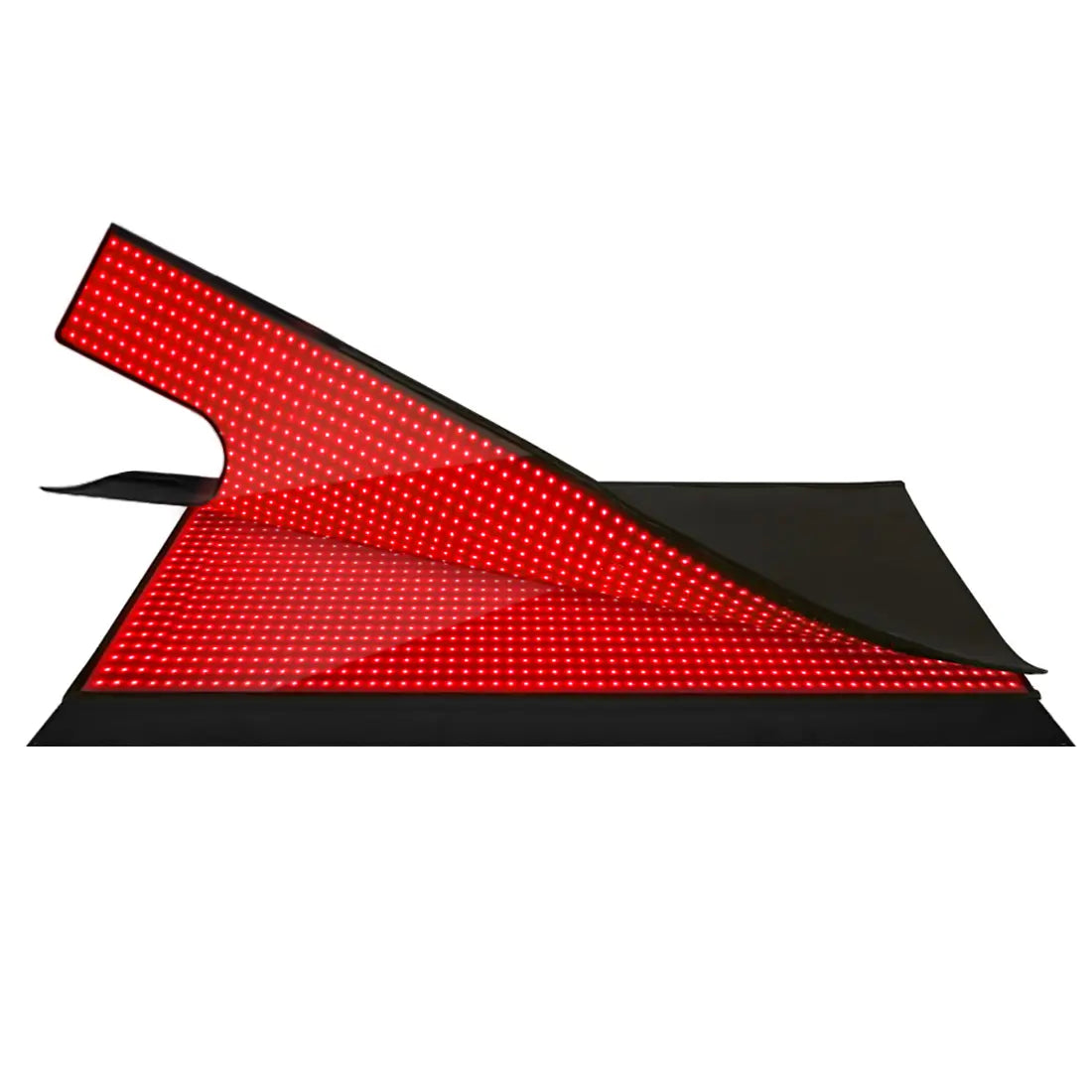
For wavelengths, many sports‑injury protocols use red and near‑infrared light between about 600 and 900 nanometers, with 630–660 nanometers hitting more superficial tissues and 800–850 nanometers reaching a bit deeper. Devices that combine both bands can cover the entire ankle complex effectively.
For session duration, multiple practice‑oriented articles describe 10–30 minutes per targeted area as a practical window. Athletic Lab notes that beyond about 20 minutes per session on a given area, you tend to hit diminishing returns, especially if you are close to a reasonably powerful device. Poll to Pastern describes 20–30 minute sessions per area for recovery, up to a few times per day in early healing and two to three times per week for maintenance.
For frequency, Krysus HP recommends roughly two to five sessions per week for sports injuries, often framed as three to five times per week in the early phases. Joovv’s performance content suggests spacing sessions by at least about six hours and using them consistently for several weeks to see meaningful change.
For timing relative to skating, you can think in three windows. Pre‑session use focuses on performance and pre‑conditioning; short treatments before your warm‑up on heavy days. Post‑session use focuses on recovery; sessions within a few hours of finishing, especially after long or jump‑heavy practices. Off‑day use focuses on chronic issues; steady treatments on days when you are doing rehab and strength work but not pounding your ankles.
Because different devices have different power densities, distance matters. More powerful panels used closer to the ankle require less time to deliver the same energy. Athletic Lab explicitly notes that moving closer to the light source increases tissue penetration so you can shorten the session for a comparable dose.
Throughout all of this, light therapy should sit on top of, not instead of, ankle‑specific strength, proprioception drills, careful load management, and appropriate bracing or taping when indicated.

Pros and Cons for Figure Skaters
A concise way to think about red light therapy for ankle support is to place the main benefits next to the realistic limitations.
Aspect |
Potential advantages for skaters |
Important limitations and cautions |
Tissue recovery |
Multiple clinical and sports reports describe faster soft‑tissue healing, better collagen synthesis, and quicker restoration of function after intense work or minor injuries. |
Effects are dose‑dependent and not guaranteed; protocols that work in lab settings may not be exactly the same as what your device delivers. |
Soreness and swelling |
Studies and practical reports show reductions in delayed onset muscle soreness, inflammatory markers, and perceived stiffness after heavy training. |
A meta‑analysis reviewed by Athletic Lab judged evidence for soreness reduction as mixed and not yet definitive; some trials show little to no benefit. |
Performance |
Pre‑conditioning studies have found more repetitions, longer time to exhaustion, and better fatigue resistance when light is applied before exercise; FunctionSmart notes meaningful gains in strength and endurance in certain protocols. |
Gains tend to be modest and protocol‑specific; red light is not a substitute for technical work, off‑ice strength, or periodized training. |
Pain management |
Reviews summarized by University Hospitals and ACE Fitness suggest pain relief for some musculoskeletal and chronic pain conditions, with low risk when devices are used correctly. |
Red light therapy does not fix major mechanical problems like complete ligament tears or advanced osteoarthritis; it is a symptom‑modulating adjunct. |
Sleep and readiness |
Research on team‑sport athletes shows improved sleep quality and melatonin and a link between better sleep and endurance performance; hybrid performance clinics report better perceived recovery and less fatigue. |
Sleep benefits depend heavily on timing and overall sleep hygiene; light therapy cannot overrule poor bedtime habits, late‑night screens, or chaotic schedules. |
Safety |
Sports medicine authors and hospital systems consistently describe low medical risk when following guidelines, with most concerns centered on cost and appropriate eye protection. |
People with photosensitivity, epilepsy, certain autoimmune conditions, active malignancy in the treatment area, or pregnancy should consult a physician and may need to avoid or modify use. Devices vary widely in quality and output. |
Integrating Light Therapy Into a Complete Skating Recovery System
Every serious light‑therapy article written by responsible professionals ends up in the same place: recovery fundamentals still dominate the results you get.
Joovv’s recovery content, ACE Fitness’s expert articles, Athletic Lab’s coaching guidance, and multiple clinic blogs all emphasize that red light therapy should be treated as an adjunct layered onto a base of sound behaviors.
Those fundamentals include sufficient high‑quality sleep, robust nutrition with adequate protein and micronutrients, hydration, sane training loads, and active recovery methods like low‑intensity movement, soft‑tissue work, and mobility training. University Hospitals’ sports medicine specialists explicitly frame light therapy as something best used in the recovery process to decrease inflammation and help wounds and tissues heal better, not as a primary intervention for structural injuries.
For figure skaters, a smart system might look like this in practice. You protect and rehab the ankle properly after any acute injury. You build strong calves, peroneals, and hips to offload the joint. You use taping or bracing strategically when jumping volume is high. You treat sleep as a non‑negotiable performance tool, not a luxury. Then, if you choose, you add ankle‑specific red light sessions several times per week as another lever to accelerate healing and manage inflammation.
That is how you use biohacking to sharpen an edge, not how you try to cheat biology altogether.
A Week in the Life: Sample Red Light Rhythm for a Competitive Skater
To make this concrete, imagine a competitive skater with a history of recurrent lateral ankle sprains and ongoing tendon irritation. The goal is to maintain high‑quality training while nudging the ankle toward a calmer, stronger baseline.
At the start of the week, on your heaviest jump day, you might spend a short block in the afternoon using your red and near‑infrared panel on the outside and front of the sore ankle for around 10–20 minutes before lacing up. After your session, once you have cooled down and refueled, you might add another, similar‑length treatment within a few hours to support recovery and manage inflammatory signals.
On medium‑load days, you could focus on post‑session use only, particularly when the ankle is telling you it took a beating on step sequences or long programs. On off‑ice strength or lighter skating days, you might still keep one consistent daily session on the ankle to maintain momentum in tissue remodeling.
Across the entire week, your usage would stay within the two to five treatments per week range many injury‑focused sources describe as typical, possibly on the higher end during flare‑ups and lower end during quieter phases. You would pair this with ankle‑centric strength and balance work, mobility sessions, and deliberate attention to sleep quality and nutrition.
Most importantly, you would track how your ankle feels, how much it swells, and how your jump quality and edge work respond over several weeks. Red light therapy is a tool you adjust based on feedback, not a ritual you follow blindly.
Safety, Device Choice, and When to Skip It
From a safety perspective, the consensus across hospital systems, sports medicine articles, and rehabilitation resources is reassuring. When used according to instructions, red light therapy appears low risk for most healthy people. University Hospitals notes that the biggest practical risk is financial; devices range from under one hundred dollars for basic handhelds into the thousands for larger panels or beds, and health insurance rarely covers them.
However, there are clear scenarios where caution or medical supervision is essential. Multiple professional organizations recommend medical guidance for individuals with photosensitive conditions, epilepsy, certain autoimmune conditions, or those on photosensitizing medications. It is also standard to avoid applying light directly over known malignancies or over the abdomen in pregnancy unless a physician specifically approves it.
Eye protection is non‑negotiable with more powerful panels, especially when treating the face or areas close to the eyes. Even with ankle work, it is smart practice not to stare directly into intense LEDs.
Device quality and transparency matter. ACE Fitness and the National Strength and Conditioning Association both stress that commercial devices vary widely in wavelength accuracy, power output, and coverage. Many consumer and even gym devices are likely underpowered compared with research‑grade units. When possible, choose equipment from manufacturers who clearly state wavelengths and power densities and who have some independent testing behind their claims.
Finally, there are times when you should not lean on light therapy at all. If you cannot bear weight, have obvious deformity, or suspect a fracture or significant ligament tear, you need immediate medical evaluation. If months of consistent red light therapy have not moved the needle on pain or function, it is time to question the underlying diagnosis or your overall rehab plan, not simply increase the dose.
Short FAQ
Is red light therapy safe for teenage figure skaters?
Most of the safety data and clinical experience described in hospital and sports medicine articles suggest that red light therapy is low risk when used appropriately, and it has been used with a wide range of ages. That said, teenagers are still developing, and their training loads are often high. Any underage skater considering consistent use should involve a parent and a sports‑savvy healthcare professional, especially if there are medical conditions or medications in the picture.
When should I use red light therapy around practice and competition?
Research summarized by sports medicine reviews suggests two main windows. Using light before training can act as pre‑conditioning, potentially boosting performance and reducing subsequent damage, while using it after training may aid recovery and soreness management. For skaters, that often translates into short pre‑session treatments on heavy days and post‑session treatments within a few hours after especially intense practices or competitions. It is wise to avoid stacking back‑to‑back sessions without several hours between them.
How do I know if my device is strong enough to help my ankles?
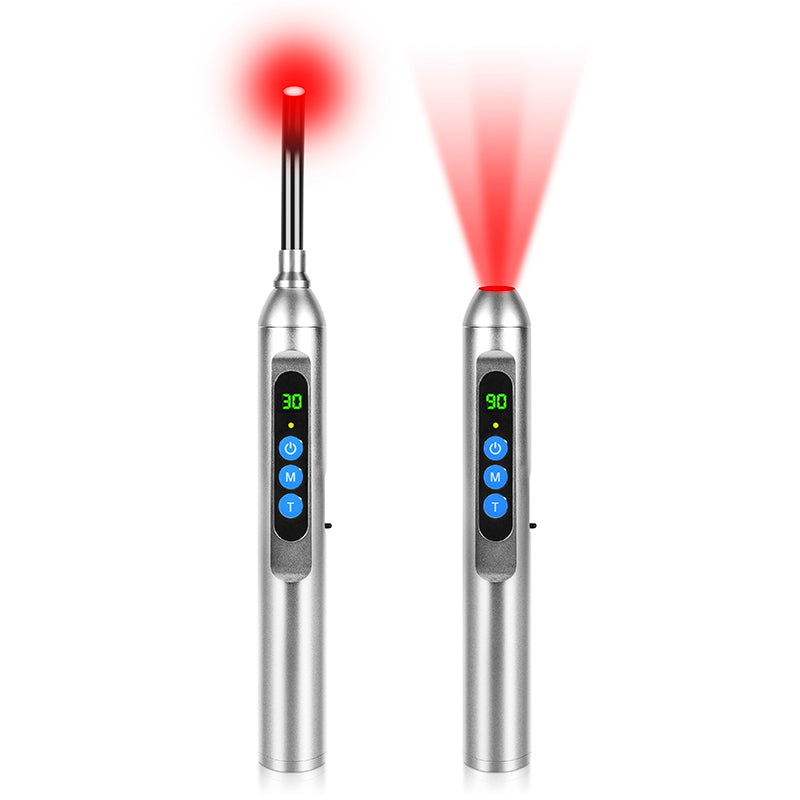
There is no universally accepted threshold, but expert groups like ACE Fitness advise looking for devices that clearly disclose wavelength and power output and that are designed for therapeutic, not purely cosmetic, use. In general, panels or pads that cover the entire ankle and lower calf with sustained light at red and near‑infrared wavelengths are more likely to deliver meaningful doses than very small, low‑power gadgets. If your device feels like a toy, it probably performs like one. As always, track how your ankle actually feels and functions over several weeks; if nothing changes, reassess either the device or the protocol.
When you strip away the hype and look at the actual data, red light therapy is not a miracle cure for figure skating ankles, but it is a serious tool with real biological effects and a growing body of sports evidence behind it. Used intelligently—alongside elite fundamentals like smart coaching, strength training, and sleep—it can give your ankles the kind of subtle, consistent support that adds up over a long season. As someone who has spent years experimenting with these devices and tracking outcomes, my advice is simple: treat the light like a spotlight on good habits, not a substitute for them, and let your ankles—and your programs—tell you the rest.
References
- https://www.academia.edu/29341421/Red_Light_and_the_Sleep_Quality_and_Endurance_Performance_of_Chinese_Female_Basketball_Players
- https://digitalcommons.cedarville.edu/cgi/viewcontent.cgi?article=1013&context=education_theses
- https://digitalcommons.cwu.edu/cgi/viewcontent.cgi?article=3077&context=etd
- https://surface.syr.edu/cgi/viewcontent.cgi?article=1917&context=thesis
- https://pmc.ncbi.nlm.nih.gov/articles/PMC5167494/
- https://safety.dev.colostate.edu/uploaded-files/Um1y57/1GF050/joovv__red_light-therapy__benefits.pdf
- https://www.acefitness.org/resources/pros/expert-articles/8857/red-light-therapy-and-post-exercise-recovery-the-physiology-research-and-practical-considerations/?srsltid=AfmBOopFntqx5yjssEWSbAC0tyUa8AgFGi9Pa93Et6Ha0VhiJnW3iURH
- https://www.uhhospitals.org/blog/articles/2025/06/what-you-should-know-about-red-light-therapy
- https://www.physio-pedia.com/Red_Light_Therapy_and_Muscle_Recovery
- https://www.athleticlab.com/red-light-therapy-for-athletes/