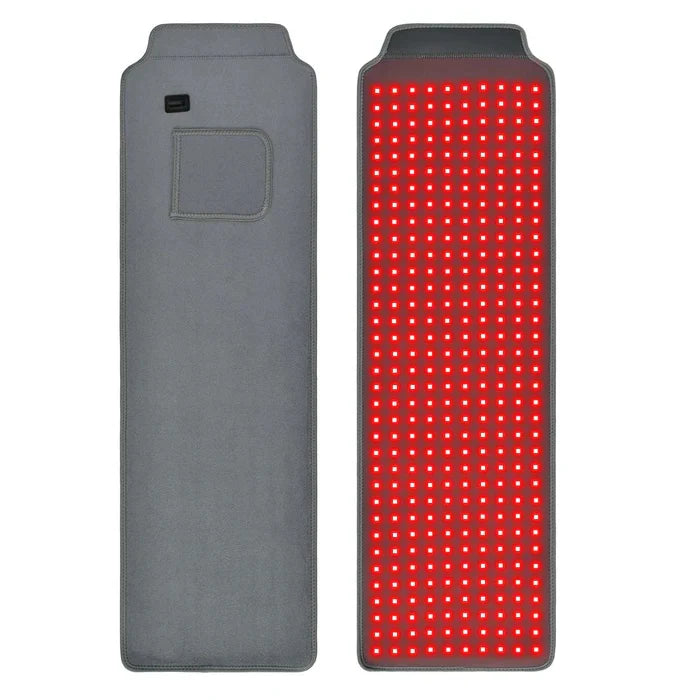

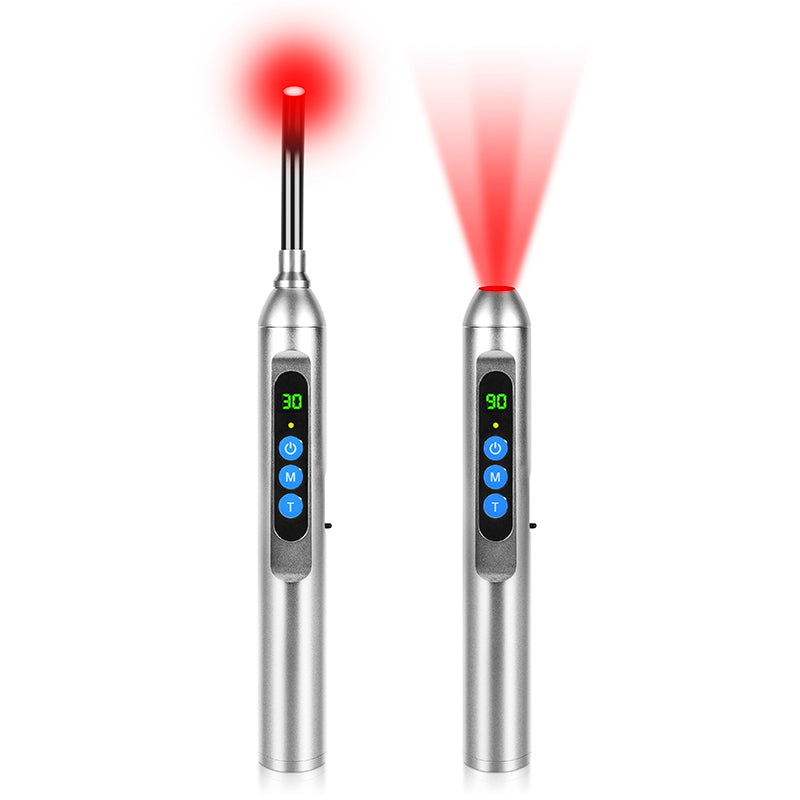

When choosing between a red light therapy bed and a mat for full-body use at home, the decision often comes down to balancing upfront cost against long-term practicality and your available space rather than assuming one format always delivers superior results. Commercial beds typically carry price tags exceeding $5,000 while many high-quality prosumer mats start around $1,000, yet both can support photobiomodulation when key parameters such as wavelength, irradiance, treatment distance, and session duration are properly matched to your goals.
Photobiomodulation uses non-ionizing visible and near-infrared light, and device performance depends on parameters such as wavelength, irradiance, treatment distance, and exposure time. This PMC article on unlocking the power of light on the skin explains why direct comparison of actual delivery specs matters more than the product form factor alone. Home users should therefore evaluate real-world factors including total ownership cost, ease of daily use, and how well the device fits their living environment instead of relying solely on marketing claims about "full-body" coverage.
Understanding Red Light Therapy Beds and Mats
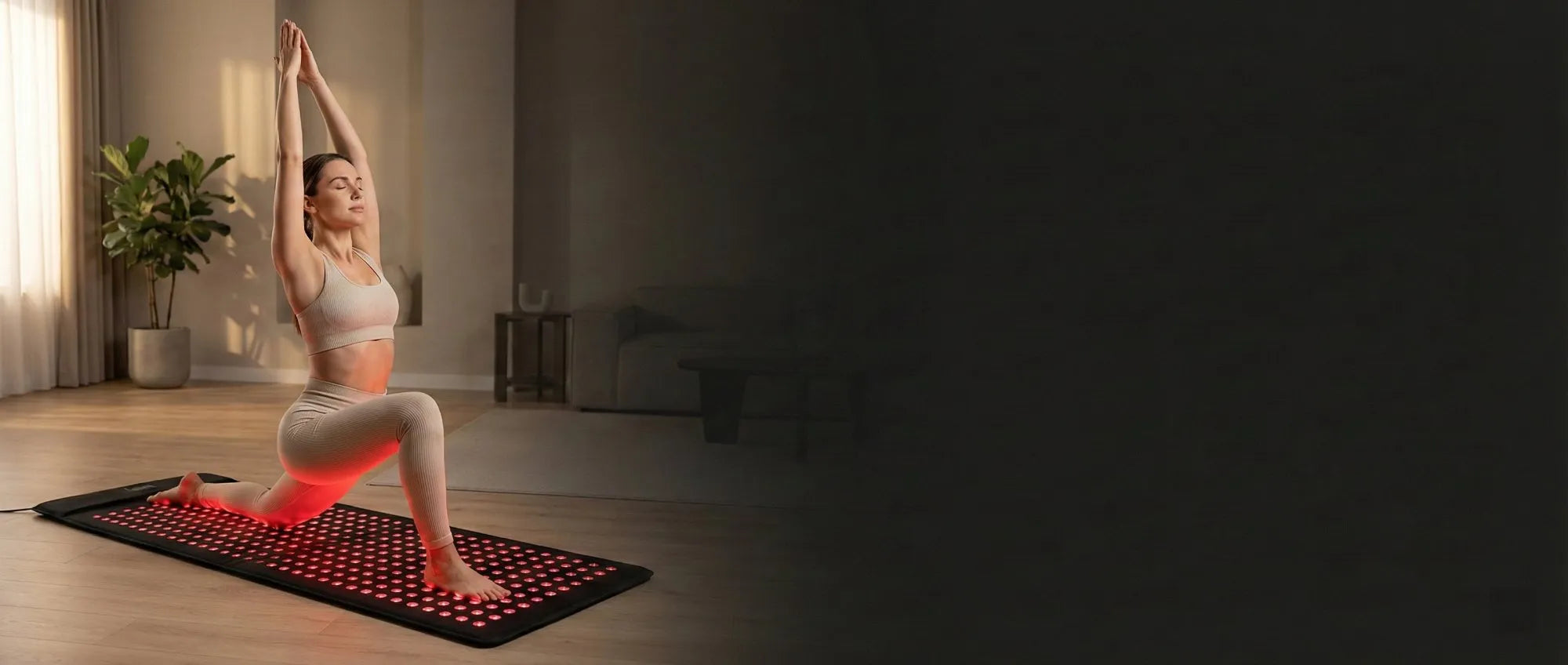
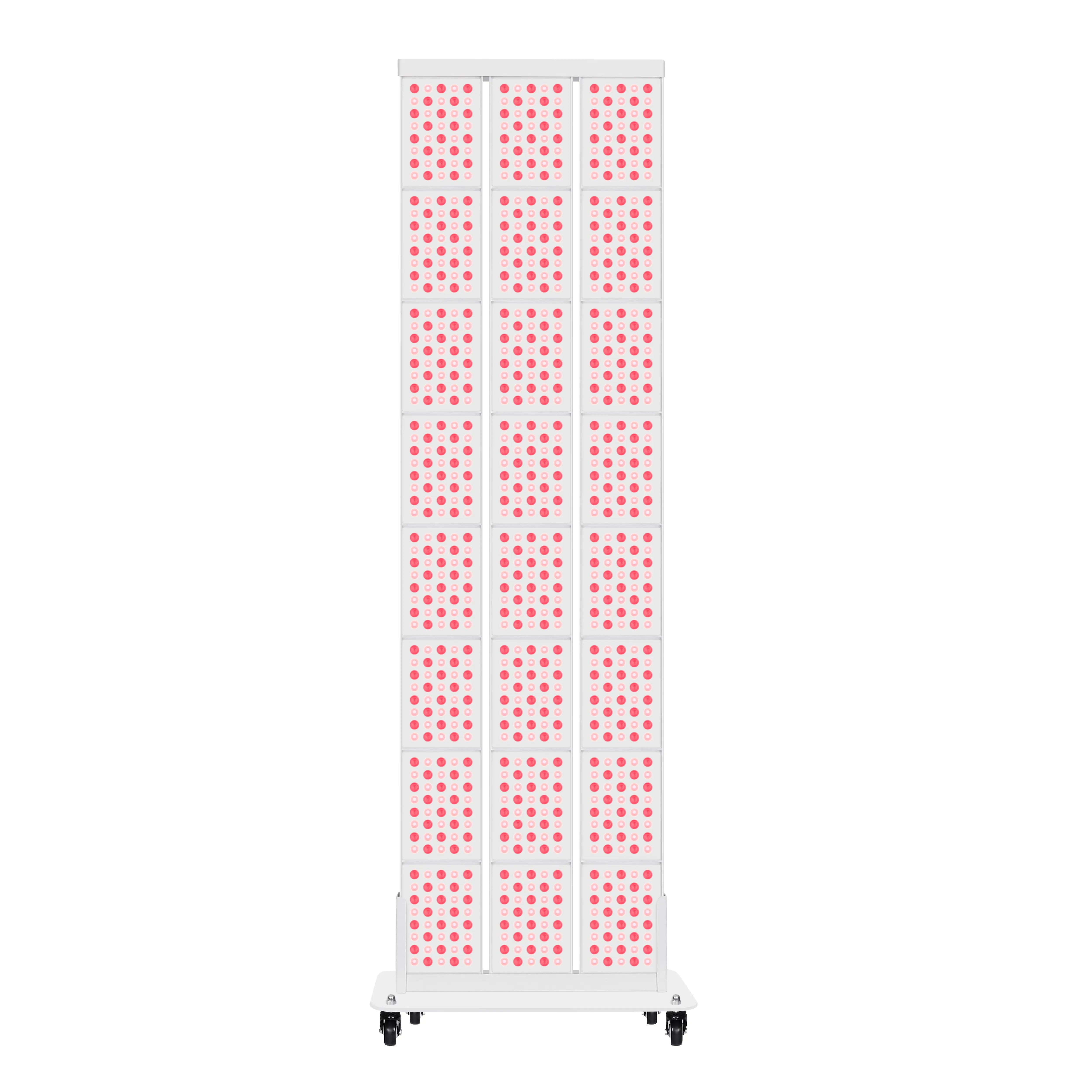
Red light therapy beds are rigid, often clinical-style platforms that allow users to lie flat for full-body exposure in a single session. These devices frequently emphasize large treatment areas and may incorporate higher-powered arrays designed for professional or high-volume settings. In contrast, prosumer mats are flexible LED panels that can be laid on a bed, floor, or draped over the body, offering a more adaptable format for home environments.
Both formats rely on LED technology, which generally makes them easier to use at home and able to irradiate a larger area of tissue at once than laser-based approaches. As noted in this PMC review of lasers versus LEDs in photobiomodulation, LED devices provide practical advantages for non-clinical settings. However, the FDA distinguishes low-risk general-wellness light-emitting products from devices making medical claims, so home-use red light products should be described carefully and conservatively.
Cost Comparison: Upfront and Long-Term Ownership
The most obvious difference appears in purchase price. A commercial-grade bed can easily exceed $5,000–$15,000 depending on features and brand positioning, while a well-specified prosumer mat often falls in the $800–$2,000 range. Shipping and installation add further expense for heavy beds, which may require dedicated space or even professional setup. Mats, being lighter and foldable, typically incur lower shipping costs and need no special installation.

Long-term ownership introduces additional considerations. Beds may have higher maintenance needs, including bulb or panel replacements over years of use, and their size can lead to higher energy consumption per session. Mats often feature modular or replaceable components that are simpler to service at home. When calculating total cost of ownership, factor in electricity usage, potential warranty claims, and the likelihood of consistent daily adherence—factors that heavily influence whether the higher initial investment in a bed actually pays off.
Red Light Therapy Beds vs Mats: Cost and Ownership Trade-offs
Illustrative comparison of purchase cost, coverage, convenience, and long-term ownership trade-offs. Not a clinical efficacy comparison.
View chart data
| Series | Purchase price | Coverage area | Convenience | Setup flexibility | Long-term ownership cost | Home suitability |
|---|---|---|---|---|---|---|
| Commercial bed | 2.0 | 5.0 | 4.0 | 2.0 | 2.0 | 2.0 |
| Prosumer mat | 4.0 | 2.0 | 4.0 | 5.0 | 4.0 | 5.0 |
Illustrative heuristic scores based on writer evidence and typical market ranges: commercial beds are typically $5,000+ while prosumer mats are around $1,000; beds generally offer larger coverage but higher upfront and ownership costs, while mats are more affordable and easier to fit into home use. Scores are relative only and do not imply clinical superiority or exact market measurements.

Performance Factors: Irradiance, Coverage, and Treatment Efficiency
Effective photobiomodulation depends on delivering appropriate energy density (measured in Joules per square centimeter) to target tissues. Beds often advertise higher total irradiance across a large surface, potentially allowing shorter session times for full-body treatment. Mats can achieve comparable irradiance at close range but may require users to reposition or use the device in sections for complete coverage.
A larger treatment area can reduce the need to reposition the body, which is a meaningful home-use advantage for full-body coverage products. Published guidance emphasizes disclosed wavelengths and irradiance because those parameters shape real-world dosing and performance. Most quality devices in both categories use combinations of red (around 660 nm) and near-infrared (around 850 nm) wavelengths, though exact optimal ranges vary by target tissue and protocol.
At-home red light therapy is marketed for a wide range of wellness and recovery uses, but the strength of evidence depends on the specific indication and device parameters. Consumers should therefore prioritize third-party tested irradiance values measured at treatment distance rather than advertised peak numbers taken at the surface.
Convenience and Home Fit: Space, Storage, and Daily Use
Beds demand significant dedicated floor space—often comparable to a single bed or massage table—making them less practical for apartments or shared living areas. Once installed, they remain in place, which can simplify routine use but also creates a permanent footprint. Mats roll up for storage in a closet or under a bed, offering superior flexibility for users who need to reclaim space between sessions.
This adaptability often translates to higher real-world adherence. Users with limited room or those who travel occasionally may find the mat format easier to integrate into daily life. On the other hand, individuals with a dedicated wellness room who value the passive experience of lying on a bed without adjustment may prefer the bed format despite its higher cost and space requirements.
Common myths can distort this choice. One widespread belief is that beds are automatically more effective because they treat the whole body at once. In reality, broader coverage provides a convenience and adherence advantage, but it does not by itself prove better outcomes. Another misconception suggests that mats are merely cheaper, lower-performance versions of beds. In practice, mats can fit targeted use cases better when the user only needs partial-body coverage or wants a simpler, lower-cost setup.
Safety and Responsible Use at Home
Home users should follow conservative dosing and eye/skin precautions, since visible light sources can still cause discomfort or irritation if misused. Always wear the provided eye protection, begin with shorter sessions, and monitor skin response. This article only discusses comfort and setup advice; it does not constitute medical advice, diagnosis, or treatment. If persistent discomfort occurs or you have existing eye conditions, consult qualified professionals.
The FDA guidance on photobiomodulation devices further underscores the importance of realistic expectations. Home devices operate in the general-wellness category rather than as medical equipment, so claims should remain appropriately modest.
Buying Checklist: How to Choose Between a Bed and a Mat
Use this practical checklist to match the device to your specific situation:
- Budget and total cost of ownership: If your budget is under $2,000 or you want to minimize long-term expenses, start with a prosumer mat.
- Available space: Measure your room—beds need permanent floor space equivalent to a twin bed; mats store compactly.
- Primary goal: For passive full-body relaxation without movement, consider a bed. For flexible use on different body areas or while multitasking, choose a mat.
- Irradiance and specs: Demand third-party tested irradiance numbers at treatment distance, consistent wavelengths, and low EMF output.
- Trial and return policy: Select retailers that offer in-home trial periods so you can test real-world convenience before committing.
- Future needs: If you may upgrade later, a quality mat provides a low-risk entry point while you evaluate whether full clinical-style coverage justifies the higher investment.
When comparing red light devices, published guidance emphasizes disclosed wavelengths and irradiance because those parameters shape real-world dosing and performance. This approach helps avoid overpaying for features that may not translate to better daily results in your home.
When a Mat Delivers Strong Value as an Alternative
For most home users seeking full-body red light therapy in 2026, a well-designed prosumer mat can provide excellent value without the five-figure price tag of a commercial bed. The mat format often improves everyday usability through easier storage, lower running costs, and simpler integration into busy lifestyles. While beds offer the ultimate in passive full-body coverage, their advantages come with meaningful trade-offs in space, cost, and flexibility that many households cannot easily accommodate.
Ultimately, the best choice depends on your room layout, budget, and how you prefer to incorporate therapy into your routine. A mat can serve as a cost-effective, high-performance entry into full-body red light therapy that meets the needs of athletes, biohackers, and wellness enthusiasts without requiring a complete room redesign. Test the device in your actual environment, verify its technical specifications against independent measurements, and select the option that you will actually use consistently.
This article only discusses comfort and setup advice; it does not constitute medical advice, diagnosis, or treatment. Results vary based on individual factors, consistent use, and proper device parameters. If you experience any adverse effects or have pre-existing conditions, please consult a qualified healthcare professional.