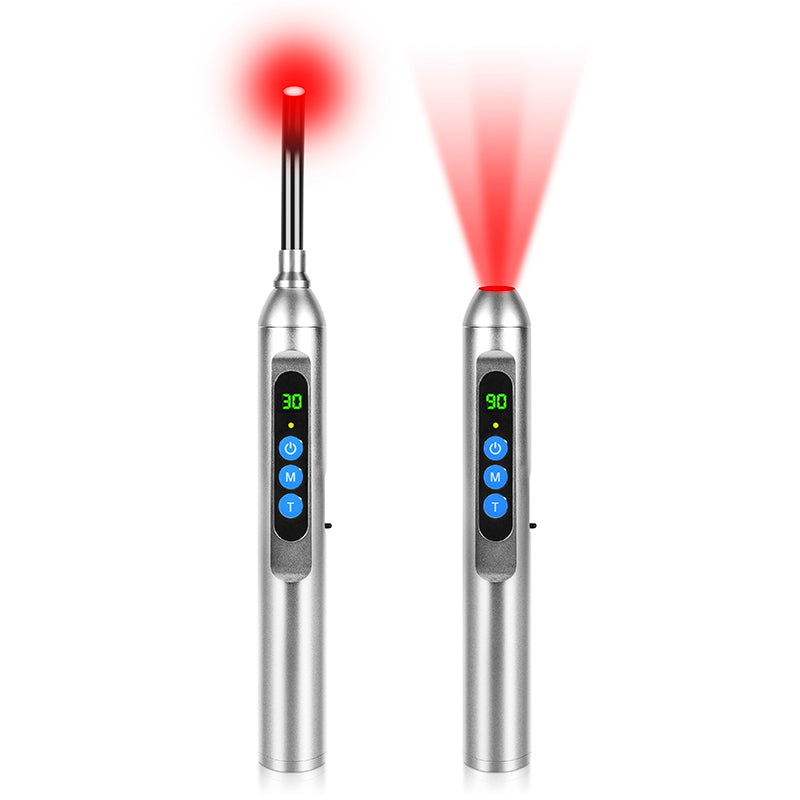

Red Light Therapy for Eczema and Psoriasis Relief: Clinical Protocols & Safety
Medical Disclaimer: This content is for informational purposes only and is not a substitute for professional medical advice, diagnosis, or treatment. Always seek the advice of your physician or other qualified health provider with any questions you may have regarding a medical condition. Never disregard professional medical advice or delay in seeking it because of something you have read on this website.
Transparency Disclosure: This article is published by Youlumi and contains links to our own red light therapy products. Our recommendations are based on a combination of peer-reviewed clinical research, industry standards (such as WALT guidelines), and internal product testing.
Summary
Red light therapy, or photobiomodulation (PBM), is a non-invasive supportive approach for managing chronic inflammatory skin conditions like eczema and psoriasis. By utilizing specific wavelengths of light, PBM may help modulate the immune response and support tissue repair. Research, including studies published in Lasers in Medical Science, suggests that by targeting cellular mitochondria, this therapy can influence the production of pro-inflammatory cytokines—such as IL-17 and IL-23—potentially leading to a reduction in redness, itching, and plaque formation. While not a "cure," it serves as a evidence-based tool for those looking to manage symptoms alongside traditional dermatological care.
Key Takeaways
- Dual-Wavelength Synergy: Combining 660nm (red) for surface-level barrier support and 850nm (near-infrared) for deeper dermal modulation provides a comprehensive approach for thick psoriasis plaques and eczema irritation.
- The Importance of Precision Dosing: Based on the Arndt-Schulz Law, low-to-moderate doses (typically 4–12 J/cm² for skin) are generally considered therapeutic. Excessive exposure may lead to a "rebound" effect or temporary worsening of sensitive skin.
- Cytokine Modulation: Preliminary clinical evidence suggests red light therapy may downregulate inflammatory pathways (Th17/IL-23 axis) involved in psoriasis, helping to stabilize the skin barrier and reduce PASI (Psoriasis Area and Severity Index) scores.
- Safety Standards: To minimize risks, users should select devices that meet safety standards for photobiomodulation therapy, specifically focusing on low EMF and zero-flicker technology (IEEE 1789-2015).
Understanding the Inflammatory Cascade in Eczema and Psoriasis
Chronic skin conditions like atopic dermatitis (eczema) and psoriasis are complex immune-mediated disorders. Eczema is typically characterized by a compromised skin barrier and an overactive Th2 immune response. Psoriasis involves an accelerated skin cell turnover rate often driven by the Th17/IL-23 signaling pathway, resulting in thickened plaques.
While topical corticosteroids are a standard of care, long-term use can lead to skin atrophy. Red light therapy is increasingly utilized as a "therapeutic skincare" adjunct. By delivering photons to the mitochondria, it may boost Adenosine Triphosphate (ATP) production, providing the cellular energy required for the skin to repair its barrier. Research by Avci et al. (2013) indicates that PBM can potentially downregulate the inflammatory "fire" that drives flare-ups by modulating oxidative stress.
The Science of Photobiomodulation: 660nm vs. 850nm
When choosing the right wavelengths for skin conditions, understanding tissue penetration is essential.
- 660nm (Visible Red): Primarily absorbed by the epidermis and upper dermis. It is often used to address surface redness and the "weeping" associated with eczema. Studies in the Journal of Investigative Dermatology have noted its role in stimulating fibroblast activity for barrier repair.
- 850nm (Near-Infrared): Penetrates deeper into the subcutaneous layers. For psoriasis, NIR is vital for reaching the base of thick plaques. Research published in Lasers in Medical Science indicates that NIR can modulate IL-17, a primary driver of psoriasis progression (Zhang et al., 2021).
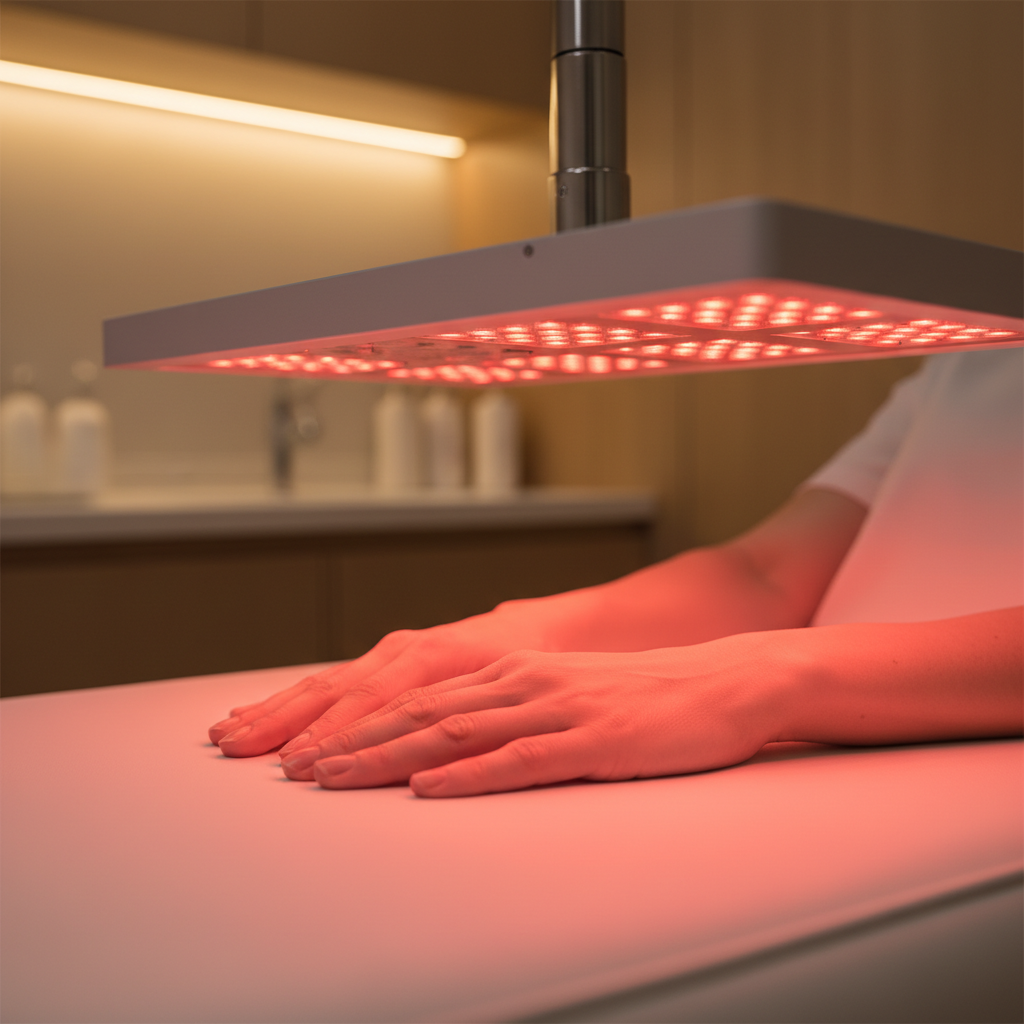
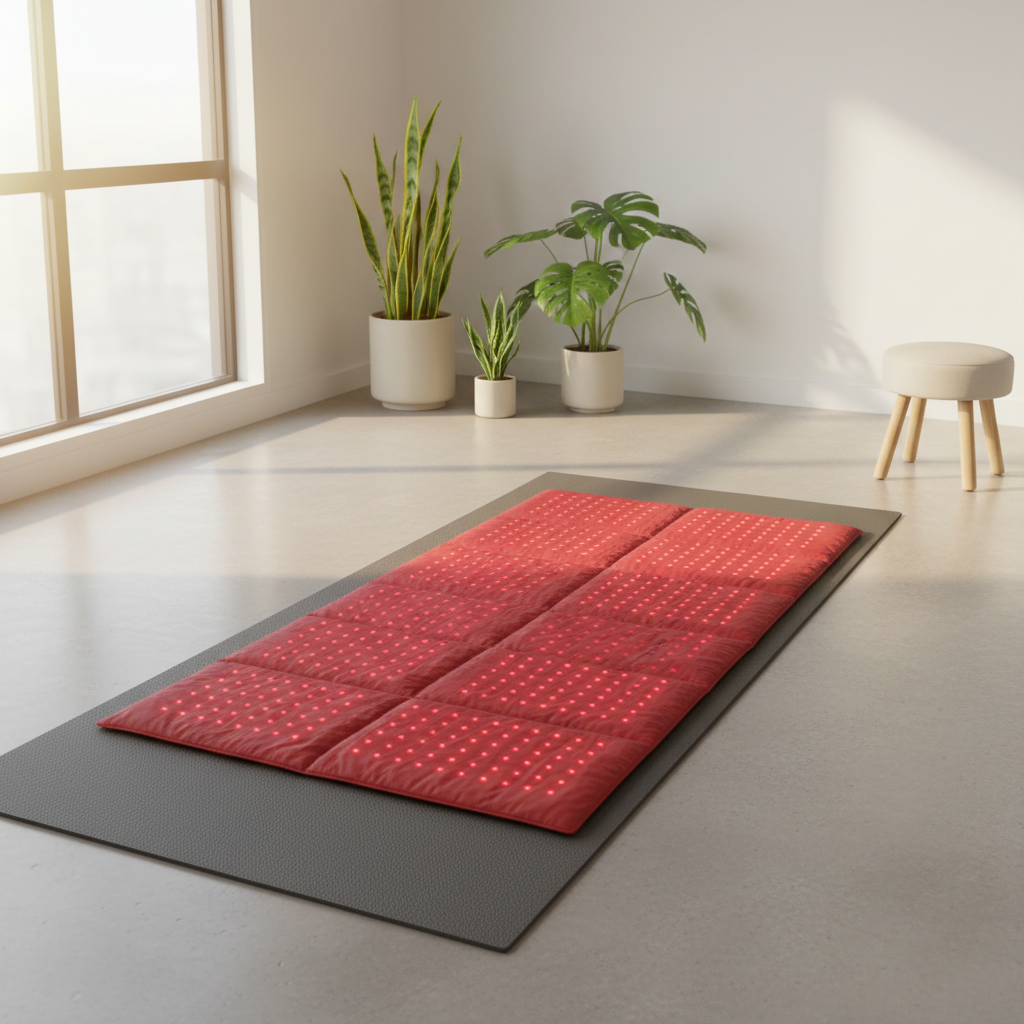
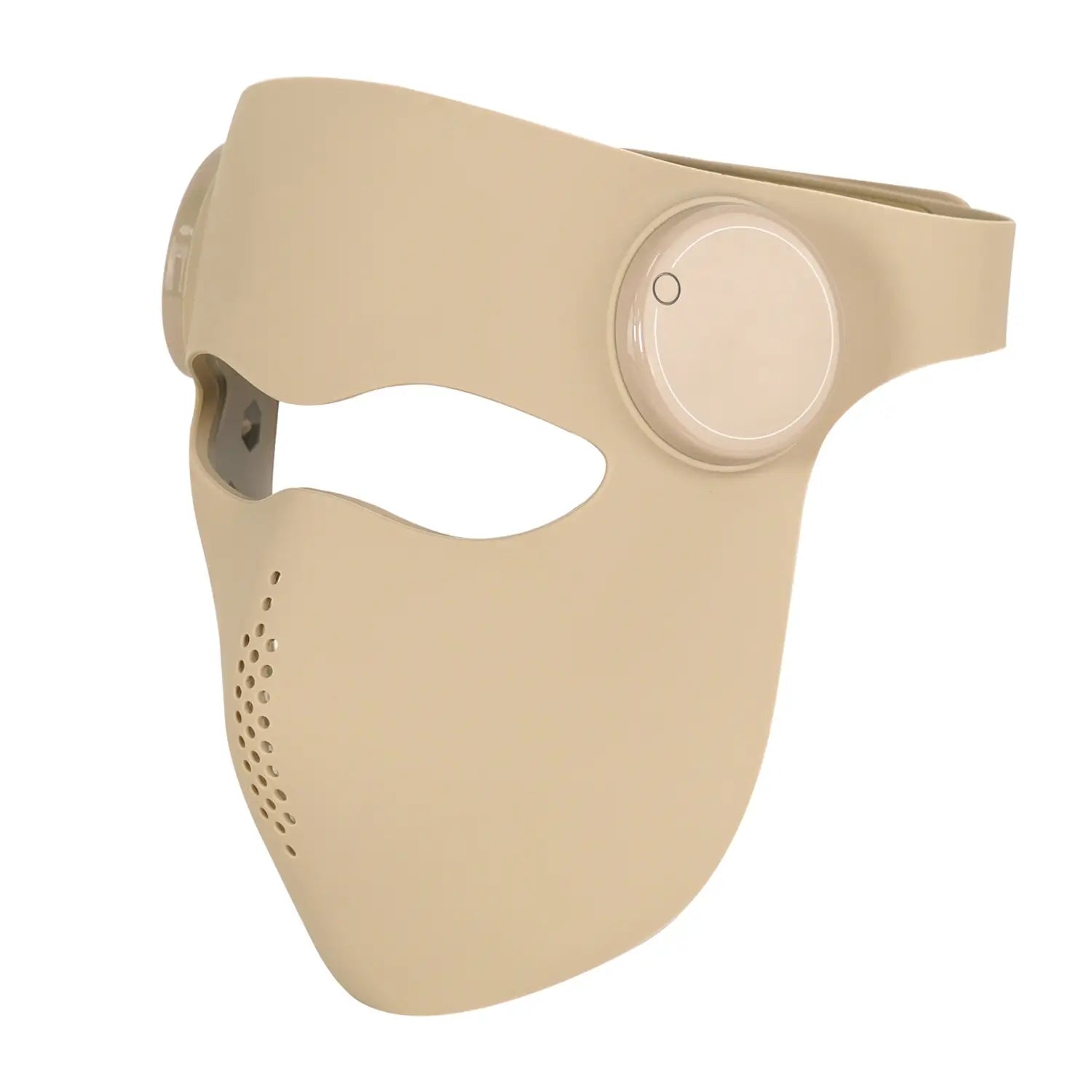
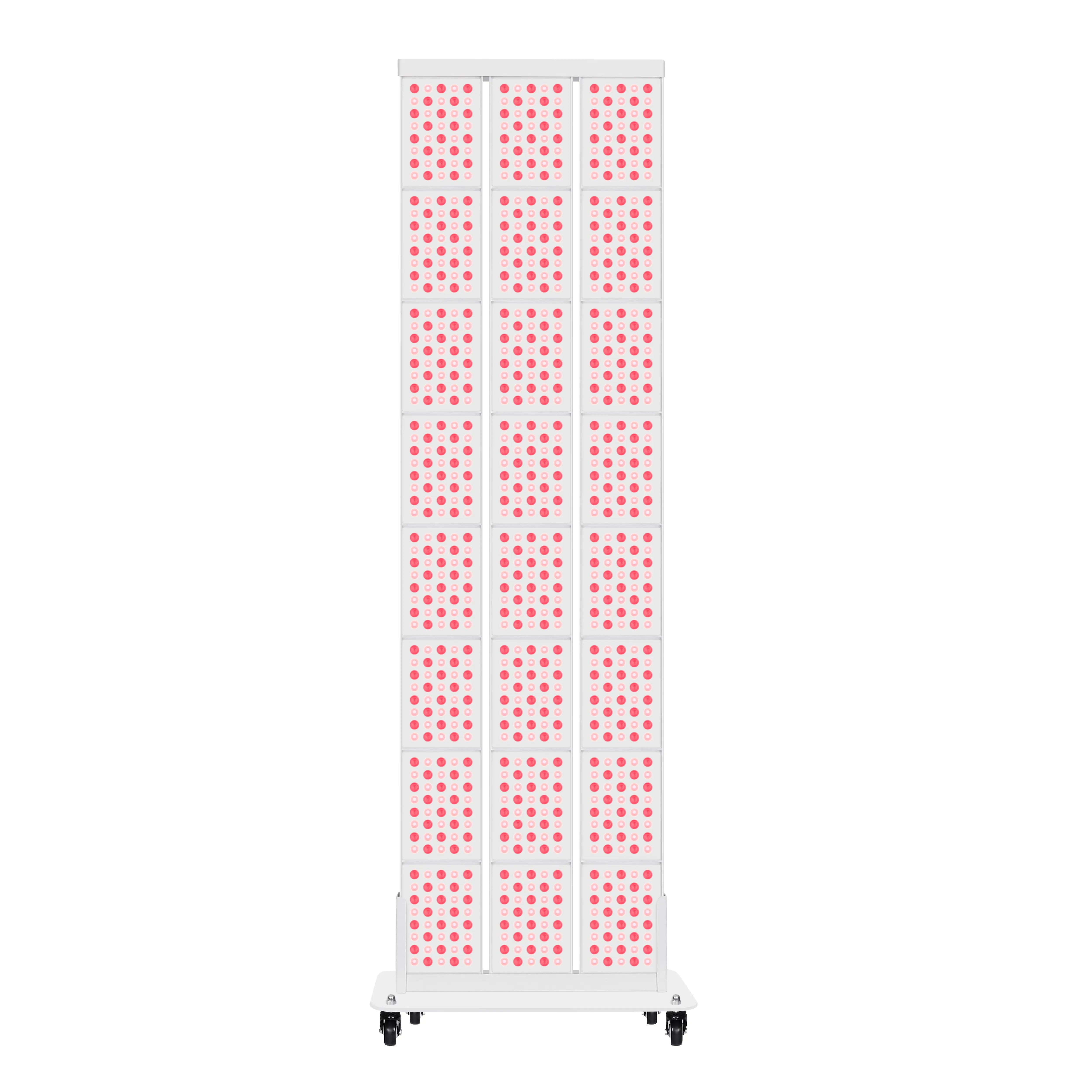
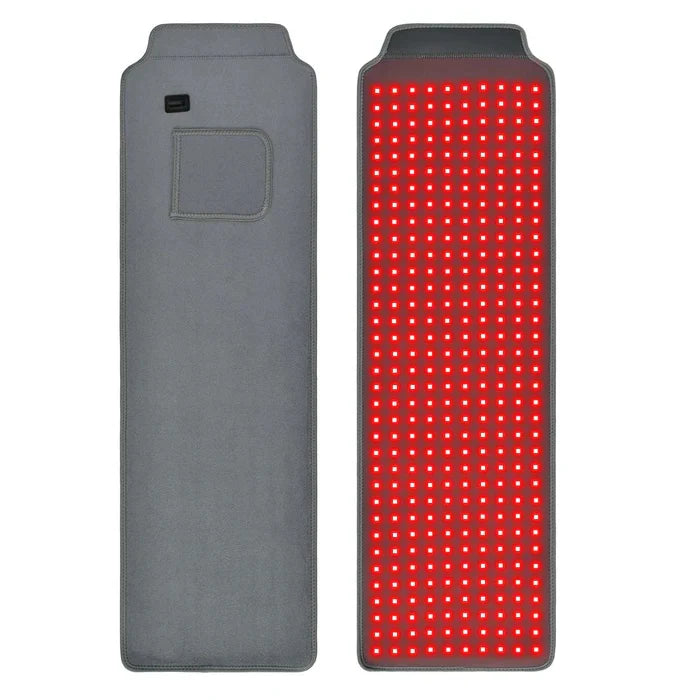
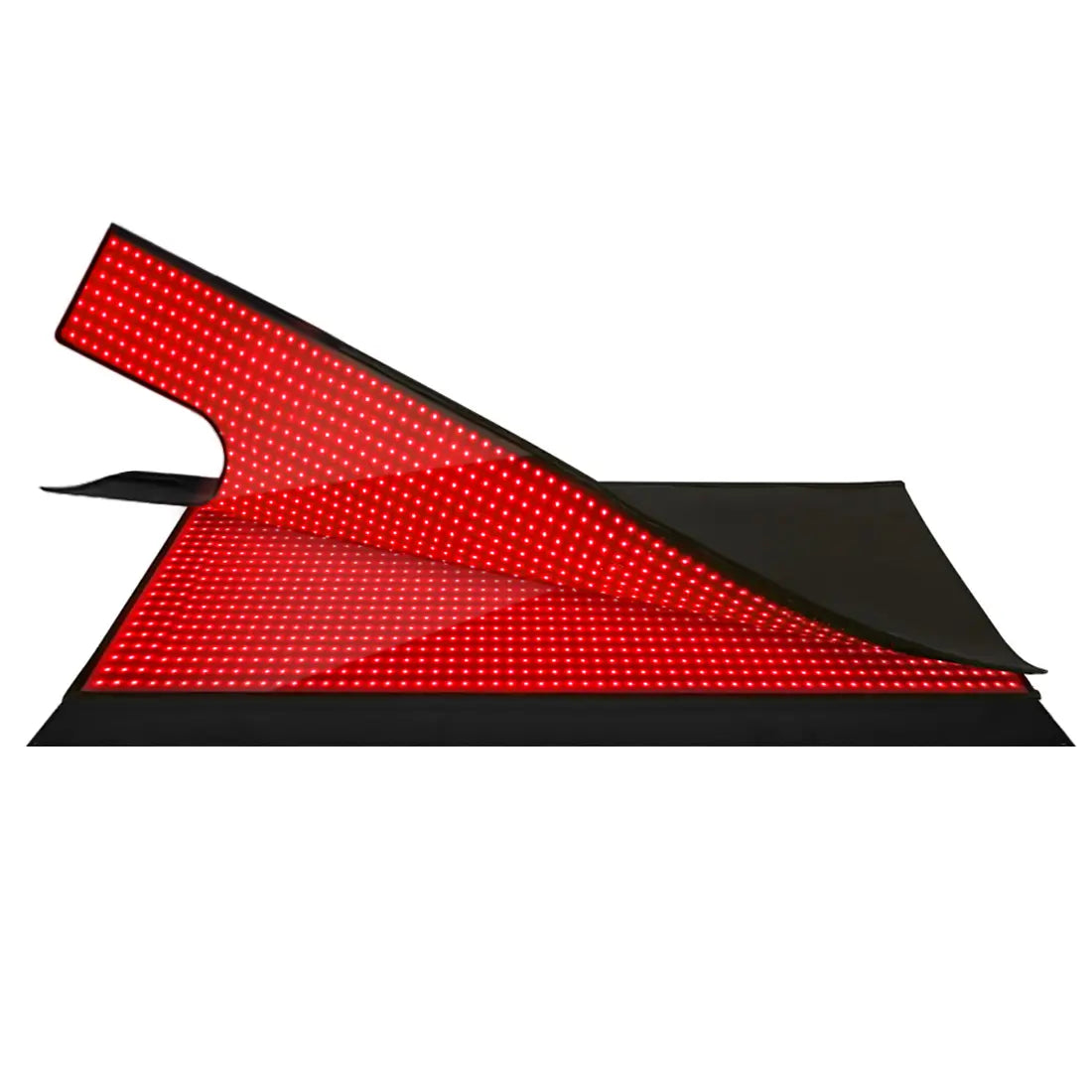
Using a professional-grade red light therapy panel that delivers both wavelengths allows for a multi-layered treatment approach.
Clinical Protocols: Dosing and Calculation
Eczema-prone skin is often hyper-reactive. The goal is to calm the immune response without introducing thermal stress. To ensure safety and efficacy, users must calculate their dose accurately.
The Dosing Formula: Dose ($J/cm^2$) = (Irradiance in $mW/cm^2$ / 1000) × (Time in seconds)
Calculation Examples:
- Low Intensity (Eczema): If your device delivers 20 $mW/cm^2$ at 12 inches, and you treat for 5 minutes (300 seconds): $(20 / 1000) \times 300 = 6.0 J/cm^2$.
- Moderate Intensity (Psoriasis): If your device delivers 40 $mW/cm^2$ at 6 inches, and you treat for 5 minutes (300 seconds): $(40 / 1000) \times 300 = 12.0 J/cm^2$.

Protocol Table for Skin Relief
| Parameter | Eczema (Acute/Sensitive) | Psoriasis (Maintenance/Plaque) |
|---|---|---|
| Wavelength | 660nm + 850nm | 660nm + 850nm |
| Irradiance | 20 mW/cm² | 40 mW/cm² |
| Session Time | 4–5 minutes | 5–6 minutes |
| Frequency | 3 times per week | 3–5 times per week |
| Target Dose | 4.8–6.0 J/cm² | 12.0–14.4 J/cm² |
Note: Irradiance should be verified using the manufacturer's distance charts or a calibrated spectroradiometer.
The Arndt-Schulz Law: The Biphasic Dose Response
In photobiomodulation, "more" is not necessarily "better." The Arndt-Schulz Law describes a biphasic response:
- Low Dose: Insufficient energy to trigger a biological response.
- Optimal Dose: Maximum therapeutic benefit (anti-inflammatory and healing).
- High Dose: Inhibitory effect. Excessive light can cause oxidative stress, leading to a "rebound flare" where the skin becomes temporarily more irritated.
Warning: If you are taking photosensitizing medications (e.g., certain antibiotics like Tetracycline, NSAIDs, or retinoids), your "optimal dose" threshold is significantly lower. Consult your physician before use.
Safety and Sensitive Skin: Avoiding Rebound Effects
To ensure safety for reactive skin, equipment must meet modern validation standards:
- Flicker-Free Technology: Ensure compliance with IEEE 1789-2015. Sub-perceptual flicker can act as a stressor for the nervous system and sensitive skin.
- EMF Shielding: High electromagnetic fields can irritate sensitive individuals.
- Thermal Management: The benefit of RLT is photochemical, not thermal. If the skin feels hot, increase the distance from the device immediately.

Special Populations:
- Children: Children have thinner skin and developing systems. Consult a pediatric dermatologist before use. Protocols must be individualized; a common starting point is a 1-2 minute "test patch" at a greater distance (e.g., 18-24 inches) to assess tolerance.
- Immunosuppressed Patients: If you are on systemic biologics (e.g., Humira, Stelara) or immunosuppressants, consult your specialist. Your skin's inflammatory response to light may be altered, requiring lower initial doses.
Combining RLT with Topical Treatments
- Topical Steroids: Use RLT before applying thick ointments, as heavy creams can reflect or scatter light, reducing penetration.
- Retinoids: These are known photosensitizers. Wait at least 24 hours after applying a retinoid before a high-intensity RLT session to avoid irritation.
- Clean Skin: Always perform sessions on clean, dry skin to ensure even light penetration.
Checklist: Your At-Home Skin Relief Protocol
- [ ] Device Selection: Does your red light therapy equipment offer both 660nm and 850nm?
- [ ] Medical Clearance: Have you discussed RLT with your dermatologist, especially regarding current medications?
- [ ] Clean Surface: Is your skin free of sunscreens, makeup, and heavy oils?
- [ ] Distance Check: Have you measured the distance required to achieve your target $mW/cm^2$?
- [ ] Eye Protection: Are you using opaque goggles (essential for NIR wavelengths)?
- [ ] Documentation: Have you taken "before" photos to track your real transformation results?
FAQ
Can red light therapy make eczema worse? A "rebound flare" can occur if the dose is too high or the skin is overheated. If redness increases, stop treatment until the skin settles, then reduce session time by 50% and increase distance.
How long until I see results for psoriasis? While itching may subside within several sessions, significant reduction in plaque thickness typically requires 8–12 weeks of consistent use, as noted in clinical reviews by Ablon (2018).
Is it safe for children? While generally considered safe in clinical settings, home use for children requires strict medical supervision and significantly reduced exposure times due to thinner epidermal layers.
References
Standards & Regulators
- IEC 60601-2-57: Medical electrical equipment - Particular requirements for the basic safety and essential performance of non-laser light source equipment.
- IEEE 1789-2015: Recommended Practices for Mitigating Health Risks from LED Flicker.
Clinical Research
- Avci P, et al. (2013): "Low-level laser (light) therapy (LLLT) in skin: stimulating, healing, restoring." PubMed Central.
- Ablon G. (2018): "Phototherapy with Light Emitting Diodes: Treating a Broad Range of Medical and Aesthetic Conditions." The Journal of Clinical and Aesthetic Dermatology.
- Zhang et al. (2021): "Effect of Photobiomodulation on IL-17 and IL-23 levels in inflammatory skin models." Lasers in Medical Science.
Industry Resources
- WALT (World Association for photobiomoduLation Therapy): Dosage Consensus for Skin and Inflammation.
- Youlumi Technical Whitepaper: Photobiomodulation Standards: Irradiance, EMF, and Safety.