
TL;DR
- Red light therapy (RLT) can modestly reduce post-lift soreness for some people, but the research is mixed and far from miraculous.
- The best results show up when you hit the trained muscles right before or before-and-after lifting, at dialed-in doses.
- Several high-quality reviews, including Examine.com, conclude RLT does not reliably reduce delayed onset muscle soreness (DOMS).
- Where RLT seems stronger is boosting performance and strength gains, not eliminating soreness altogether.
- Sleep, programming, and protein still drive recovery; RLT is a smart bonus tool, not a replacement.
Red Light Therapy 101 (Gym-Rat Version)
Red light therapy, a form of photobiomodulation, uses visible red and near‑infrared light (roughly 620–700 nm and 800–1,000 nm) to nudge cells into producing more energy. Photons are absorbed by mitochondrial cytochrome c oxidase, which can increase ATP, boost antioxidant defenses, release nitric oxide, and improve local circulation. Think of it as a cellular “pre‑workout” without the caffeine.
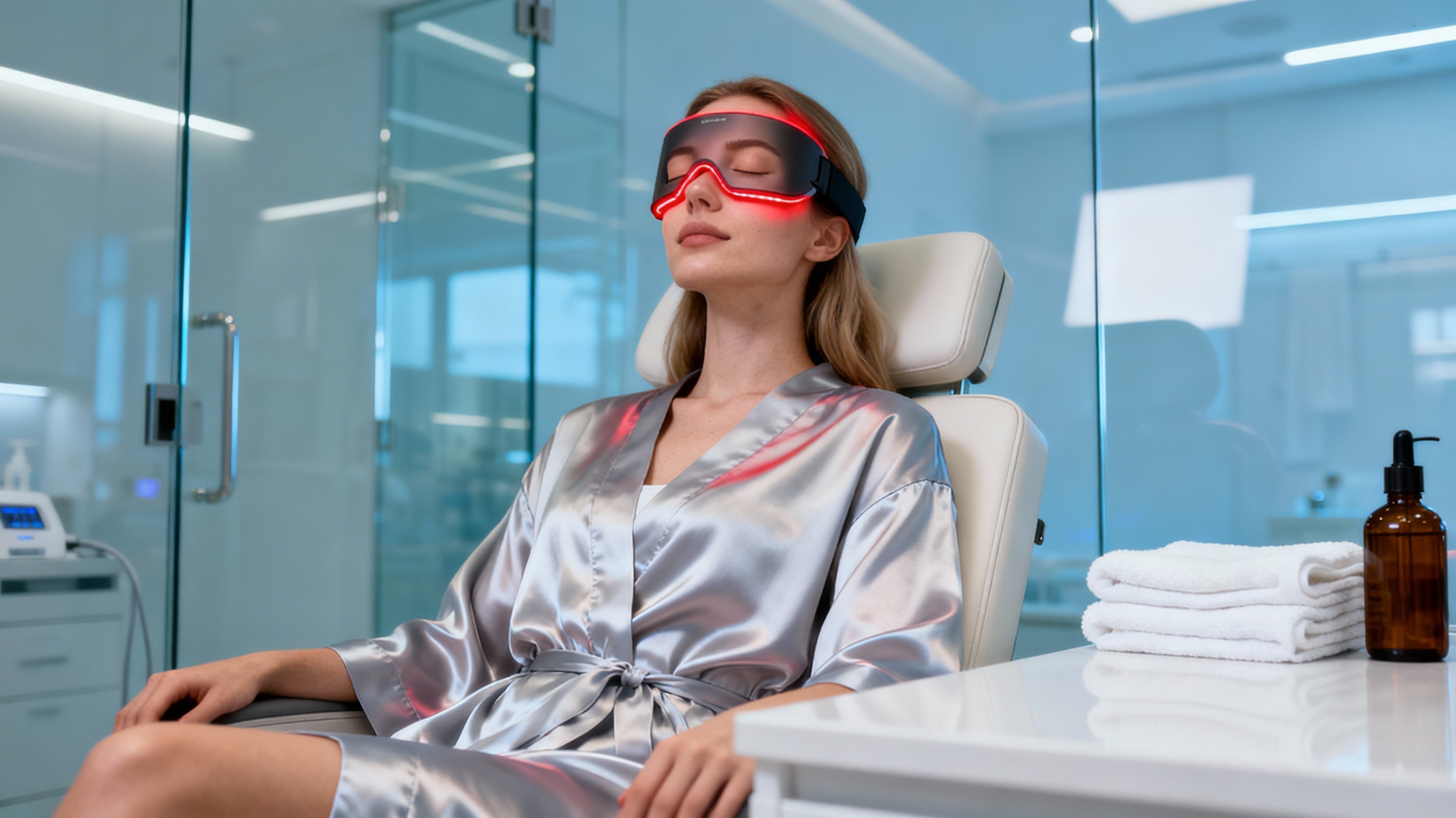
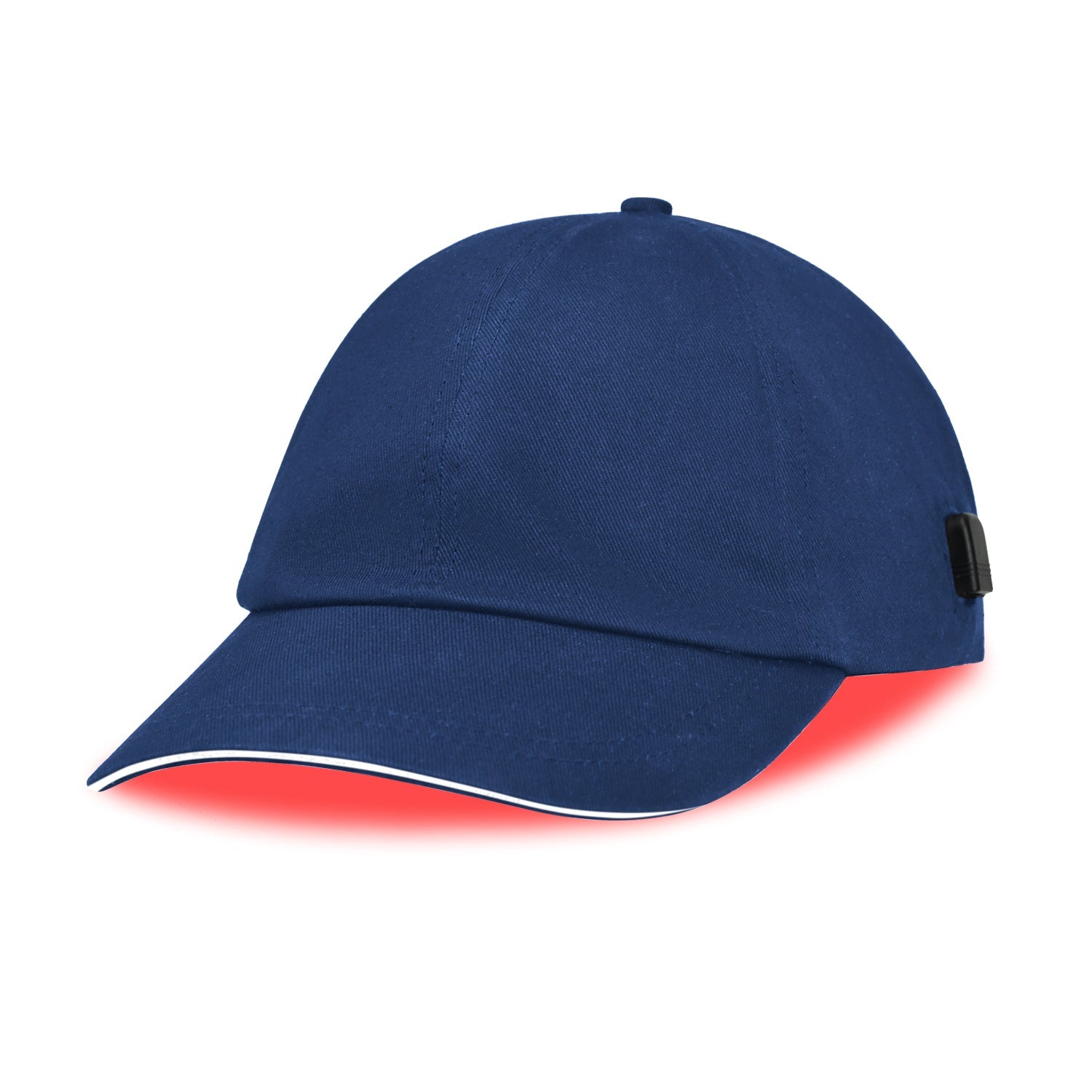
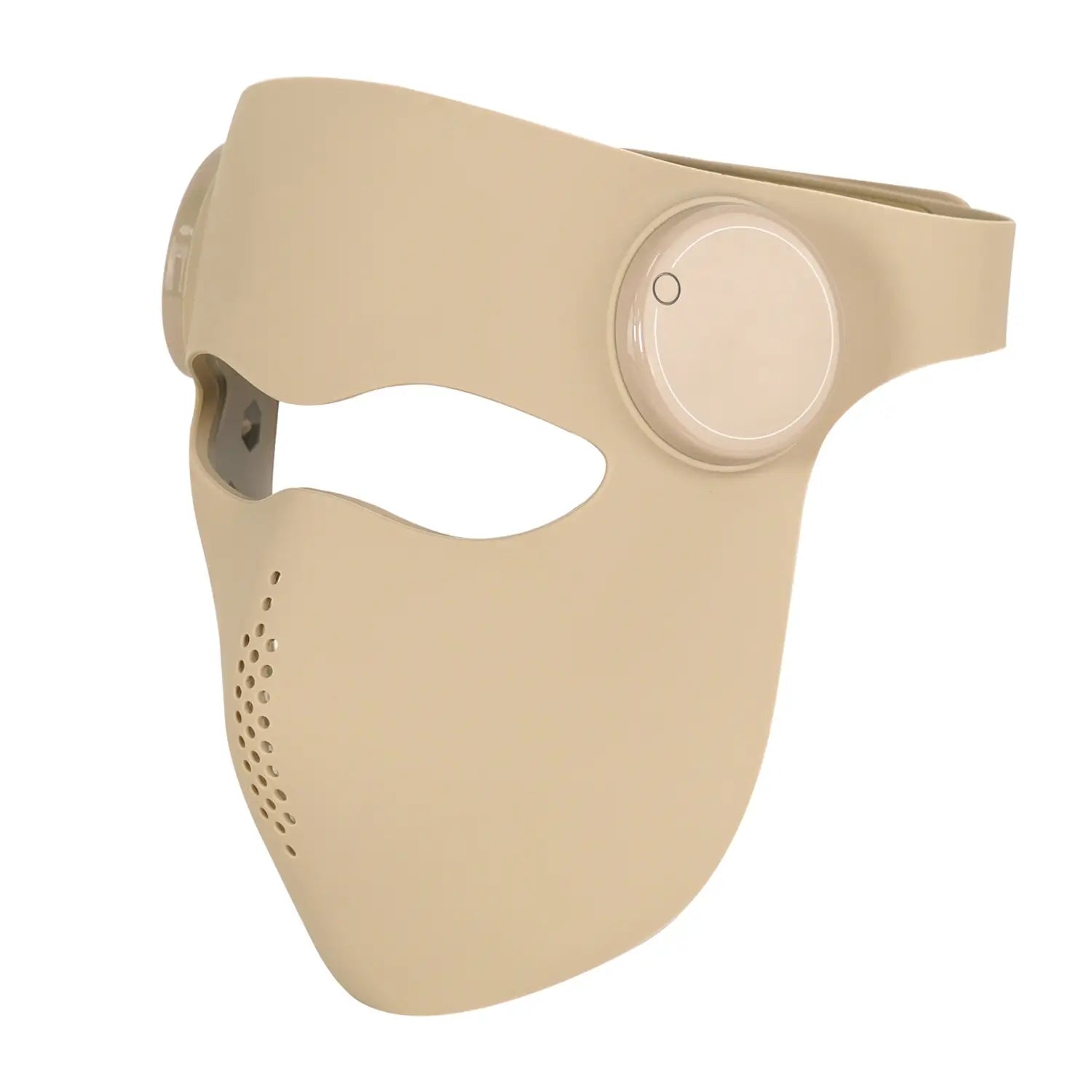
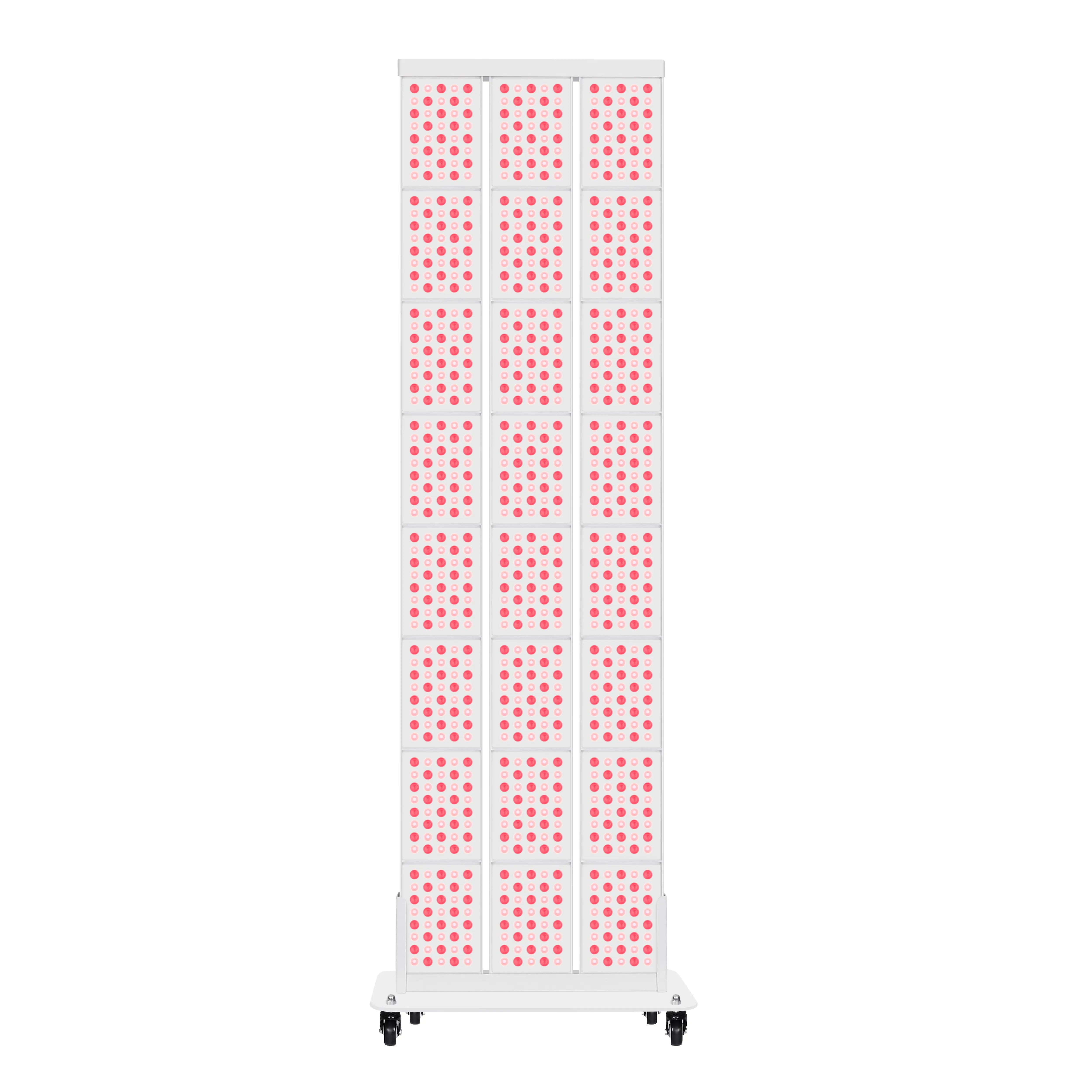
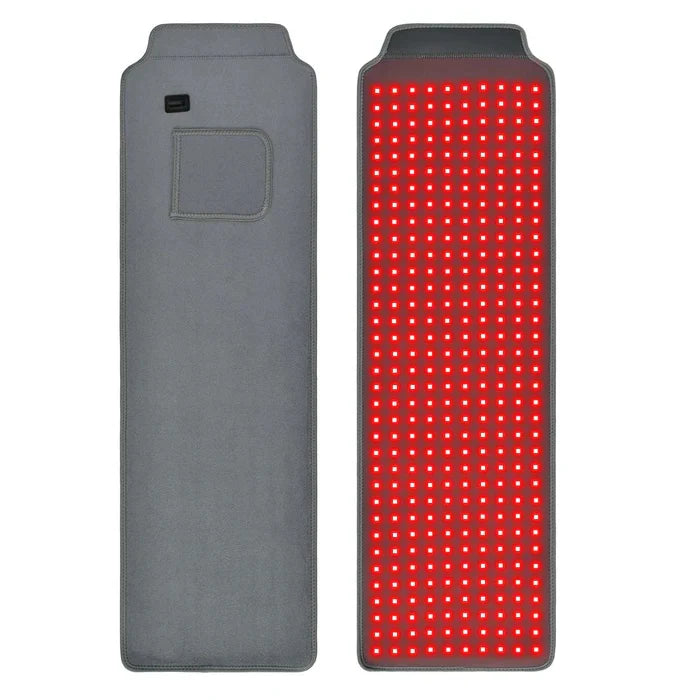
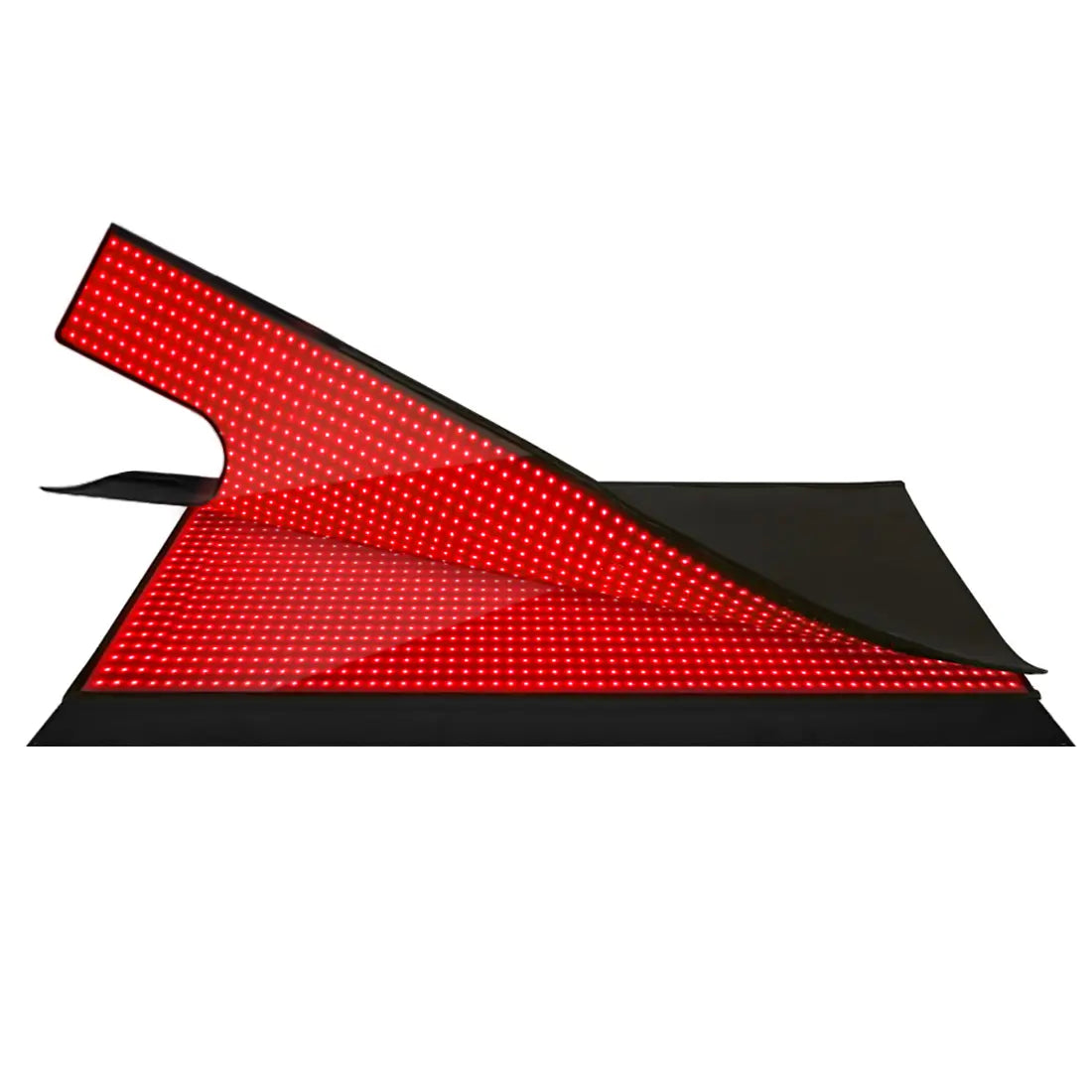
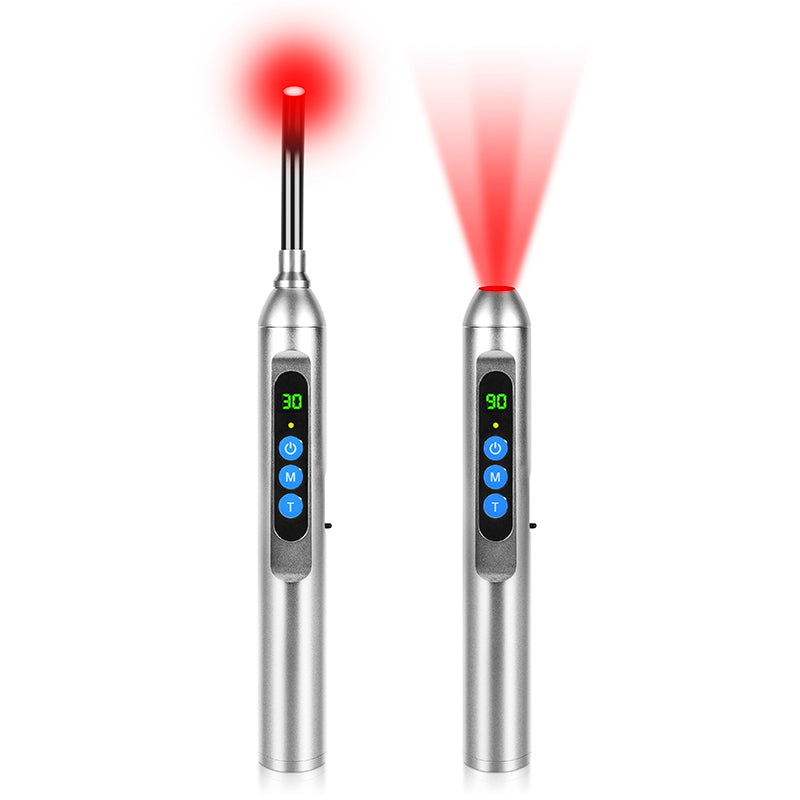
Devices range from face masks and small pads to full-body panels and beds. Atria and several sports-therapy clinics emphasize the “Goldilocks” principle: typically 20–100+ mW/cm² at the skin, around 5–20 minutes per area, a few days per week. Too little dose does nothing; too much can blunt benefits. That biphasic response is exactly why many people get underwhelming results.

DOMS 101: Why Your Heaviest Sets Hurt 2 Days Later
DOMS is the deep, dull soreness that peaks about 24–72 hours after hard or novel strength work, especially eccentric work like slow negatives. Microscopic muscle damage, local inflammation, and shifts in calcium handling all contribute. Performance often dips temporarily—fewer reps, weaker peak force, reduced range of motion.
Most lifters do not need to “treat” DOMS; it resolves naturally. But if you train multiple days in a row or compete often, shaving even a bit off soreness and strength loss can be the difference between a quality session and a junk session. That is the recovery niche where red light therapy tries to earn its keep.

What The Research Really Says About DOMS Relief
A large photobiomodulation review in PubMed Central pulled together 46 clinical trials (about 1,045 participants) using lasers or LEDs on human muscle. On DOMS specifically, results are mixed. Some biceps and elbow-flexor studies showed no reduction in soreness or range-of-motion loss versus placebo, even with multiple days of treatment. Others, using different LED clusters and wavelengths, reported less soreness at 48 hours and better strength retention up to 96 hours.
Examine.com looked at the exercise literature and came to a blunt conclusion: red light therapy does not reliably reduce muscle soreness in the days after a workout. That matches what I see in the real world—some lifters swear by it, others feel nothing beyond a warm glow. Studies cited by ACE Fitness, Platinum Therapy Lights, and Timeline show reduced soreness, lower creatine kinase, or faster strength recovery in certain setups, but the effects are small-to-moderate and far from guaranteed.
What Most Guides Miss: Most of the positive DOMS data come from tightly controlled lab protocols targeting specific muscles, not from casually standing in front of a panel at random times with unknown power output.
When Red Light Helps Soreness After Strength Training
Across the better-quality trials and my own years of testing panels with strength athletes, a few patterns show up. First, timing matters. Applying red or near‑infrared light shortly before lifting (pre‑conditioning) sometimes increases reps to failure and delays fatigue, which indirectly reduces how wrecked you feel later. Some trials in young men show greater strength and muscle gains when RLT is used before training, even if soreness itself is not dramatically lower.
Second, hitting the actual trained muscle group matters more than generic “whole-body wellness.” Biceps studies with carefully mapped treatment points tend to show better DOMS and performance outcomes than vague, unfocused exposure. Third, dose is unforgiving. Reviews in physiotherapy sources and Atria’s guide emphasize a narrow therapeutic window: underdose and nothing happens; overdose and benefits fade. That nuance almost never appears in marketing.
Scenario |
Timing vs Lift |
DOMS Effect in Studies |
Takeaway for Lifters |
Targeted muscle, pre‑workout |
5–30 minutes before |
Sometimes lower DOMS, often better performance |
Good bet if you chase performance & recovery |
Targeted muscle, immediately post‑workout |
Within a few hours after |
Mixed; some show less soreness & CK |
Worth trying if heavy eccentric or high volume |
Random whole‑body exposure |
Anytime in the day |
Largely untested for DOMS |
Unlikely to move the needle much |
Older or deconditioned lifters |
Pre or post |
Several trials show no DOMS benefit |
Manage expectations; focus on basics first |
Practical Use Around Strength Training (Without Going Full Biohacker)
If you decide—with your coach or healthcare provider—to experiment, think “research-inspired,” not “protocol carved in stone.” Many athletic studies and expert briefs (Atria, ACE Fitness, Timeline, Platinum) cluster around red/near‑infrared wavelengths in the 630–850 nm range, power densities roughly 20–100+ mW/cm² at the skin, and about 5–20 minutes per muscle group. Panels that deliver near 100 mW/cm² at about 6 inches can be significantly weaker at 2–3 feet, so distance matters more than most users realize.
For DOMS after strength training, a reasonable pattern—again, not medical advice—looks like this: expose the main working muscles (for example, quads and glutes on squat day) for about 5–10 minutes per side before lifting, at roughly 6–24 inches from a panel, then optionally repeat for a similar period within a couple of hours after training. Most recovery-oriented sources suggest doing this at least 3 days per week and allowing 2–4 weeks of consistent use before judging results. And remember the Goldilocks principle: more time is not always better.

Limits, Risks, And When To Be Skeptical
Stanford Medicine and academic reviews are clear: evidence for athletic performance and sleep is promising but still weak compared with skin and hair applications. That means you should treat DOMS claims as “interesting, maybe helpful,” not as settled science. Studies that show impressive effects often use medical‑grade devices and highly specific dosing, which may not match consumer panels or handhelds.
Safety-wise, red light therapy looks low risk when used properly: non‑ionizing, non‑UV, and usually non‑thermal at typical outputs. Main caveats from dermatology and sports-medicine experts are simple: avoid staring into bright panels, use eye protection when your face is close, and talk with a clinician if you are pregnant, have photosensitive conditions, a history of skin cancer, or take photosensitizing medications. The bigger risk for lifters is wasting time and money chasing magic while neglecting the boring levers that work every time.
Key Takeaways For Lifters
- RLT can slightly reduce DOMS and speed strength recovery in some studies, but other trials show no benefit; individual mileage will vary.
- Pre‑workout or pre‑plus‑post treatment of the muscles you actually trained, at a well‑controlled dose, is where the best data live.
- The same protocols that might blunt soreness also seem to support performance and hypertrophy, especially in younger trained lifters.
- Dose, distance, and consistency matter more than brand hype; a weak panel used far away is basically an expensive red night-light.
- Use red light therapy as an optional add‑on once your sleep, nutrition, programming, and overall recovery practices are already tight.
References
- https://pmc.ncbi.nlm.nih.gov/articles/PMC5167494/
- https://med.stanford.edu/news/insights/2025/02/red-light-therapy-skin-hair-medical-clinics.html
- https://atria.org/education/your-guide-to-red-light-therapy/
- https://www.acefitness.org/resources/pros/expert-articles/8857/red-light-therapy-and-post-exercise-recovery-the-physiology-research-and-practical-considerations/?srsltid=AfmBOop5gW4R9NM19KAqvLqHHpsLXYEhGBzhZ4Mp46WICRuzAGkSMcwT
- https://www.uhhospitals.org/blog/articles/2025/06/what-you-should-know-about-red-light-therapy
- https://www.physio-pedia.com/Red_Light_Therapy_and_Muscle_Recovery
- https://cityfitness.com/archives/36400
- https://functionsmart.com/red-light-therapy-for-athletes-faster-recovery-and-enhanced-performance/
- https://www.greentoestucson.com/red-light-therapy-weightlifting-recover-faster/
- https://www.medco-athletics.com/articles/red-light-therapy-and-sports-performance