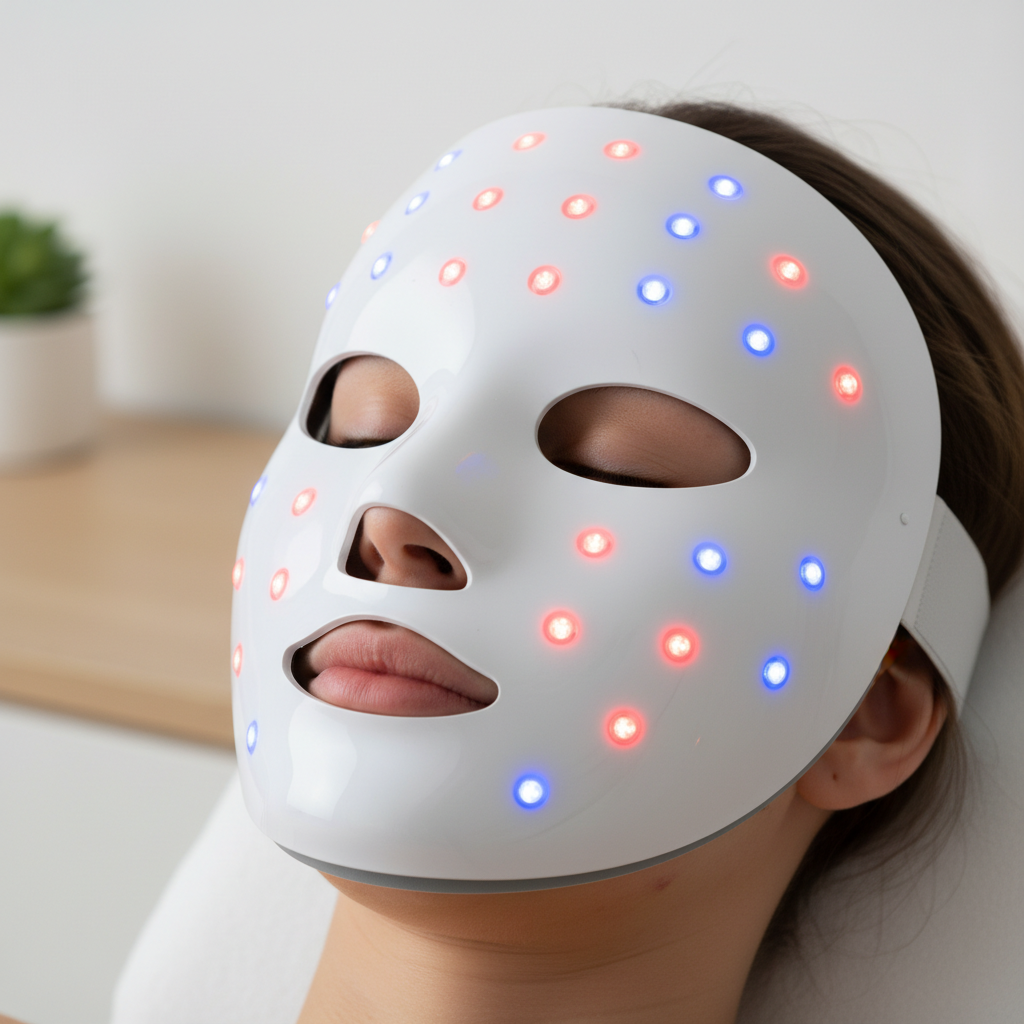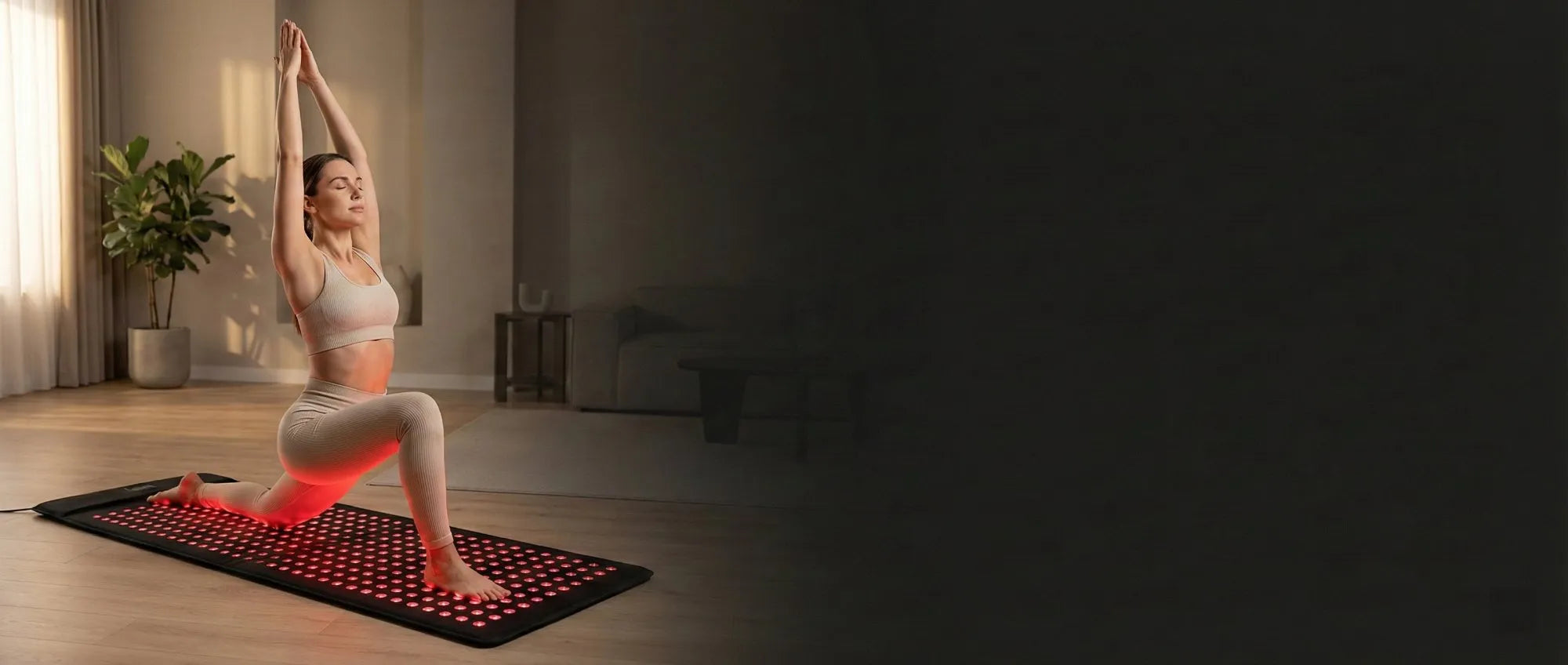
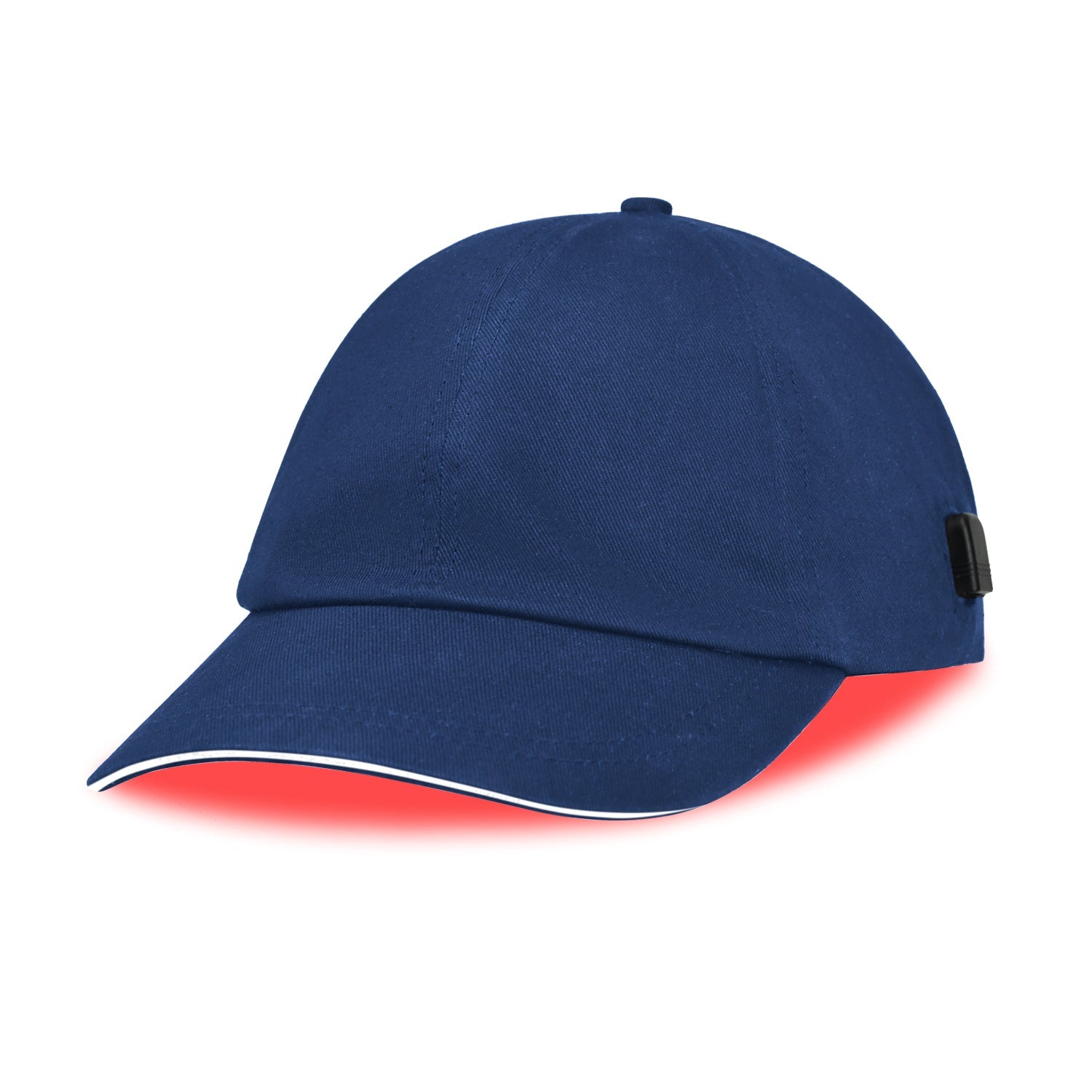
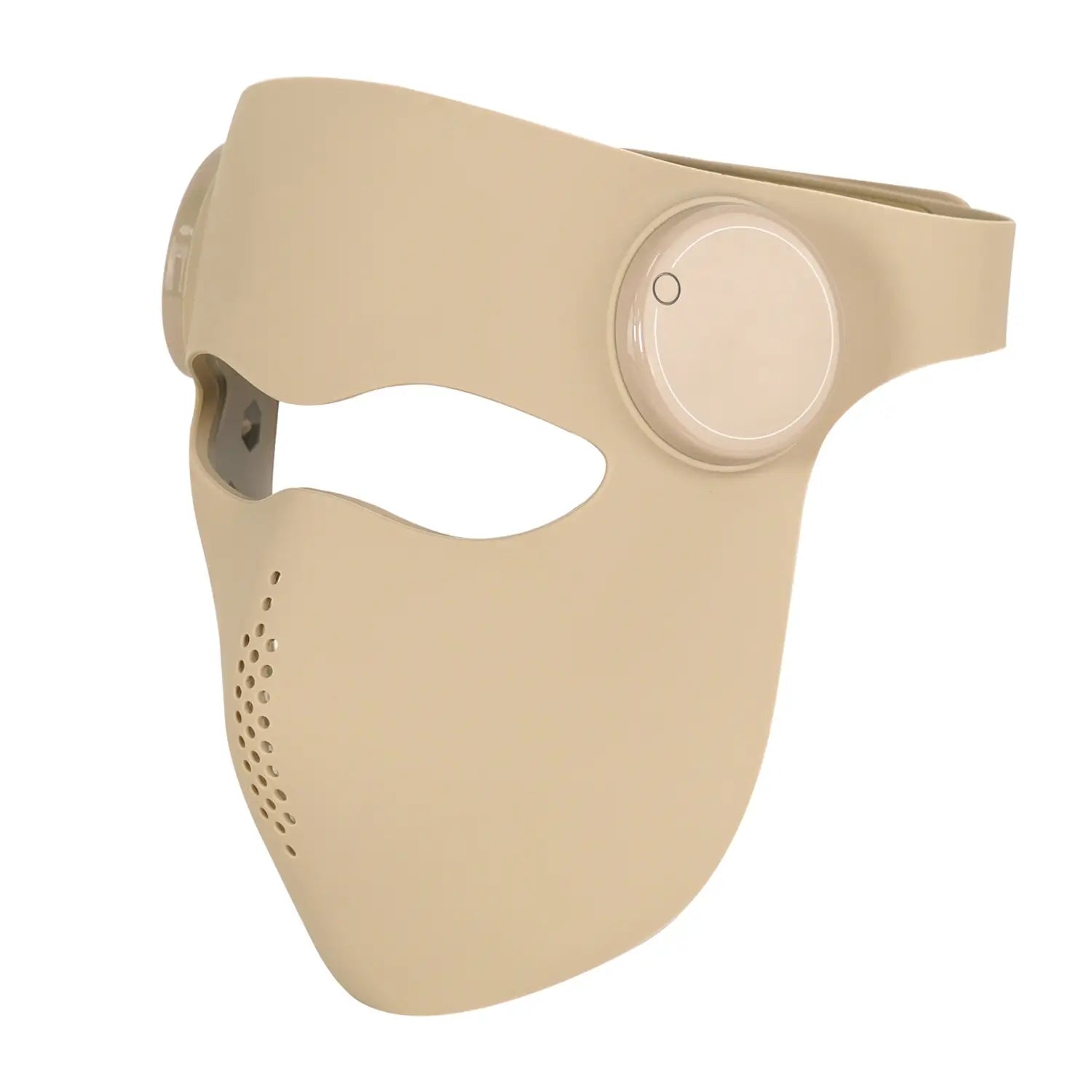

Many people struggle to wind down at night despite feeling exhausted, often because evening light exposure keeps the brain in a more alert state. A simple 10-minute evening red light protocol can serve as a low-friction way to transition into rest, provided it is used with the right timing, dim room conditions, and zero-flicker equipment that avoids adding visual strain. This practical routine leverages red light's relatively mild impact on circadian signals compared to blue light, helping create a calmer pre-sleep environment without overstimulating the nervous system.
Why Red Light in the Evening May Support Sleep
Light exposure in the evening can interfere with circadian timing, so keeping the room dim before bed is a common sleep-support strategy. Blue light has the strongest impact on circadian rhythms, and red light is generally less disruptive than short-wavelength light. As this official guidance on light color and circadian rhythms explains, red wavelengths are less likely to signal "daytime" to the brain's internal clock.
Expert consensus recommends matching indoor light exposure to the time of day to support circadian health and sleep. Red light therapy fits into evening routines because it avoids the melatonin-suppressing effects associated with brighter or cooler lights. However, light therapy can help some circadian rhythm and sleep problems, but timing and individual context matter.
In practice, a short evening session may help some users feel more relaxed, yet evidence on dim red light for sleep is still inconclusive, though it may be promising for sleep quality in some contexts. Studies of red light and sleep show mixed results, so it should be presented as a supportive routine rather than a medical treatment.

The 10-Minute Evening Red Light Protocol
The protocol is designed to be simple, repeatable, and low-risk for most healthy adults. Perform it 30–60 minutes before your target bedtime in a dimly lit room. Total active exposure is limited to 10 minutes to minimize any chance of overstimulation.
Step-by-step routine:
- Dim the room lights and turn off screens at least 30 minutes prior.
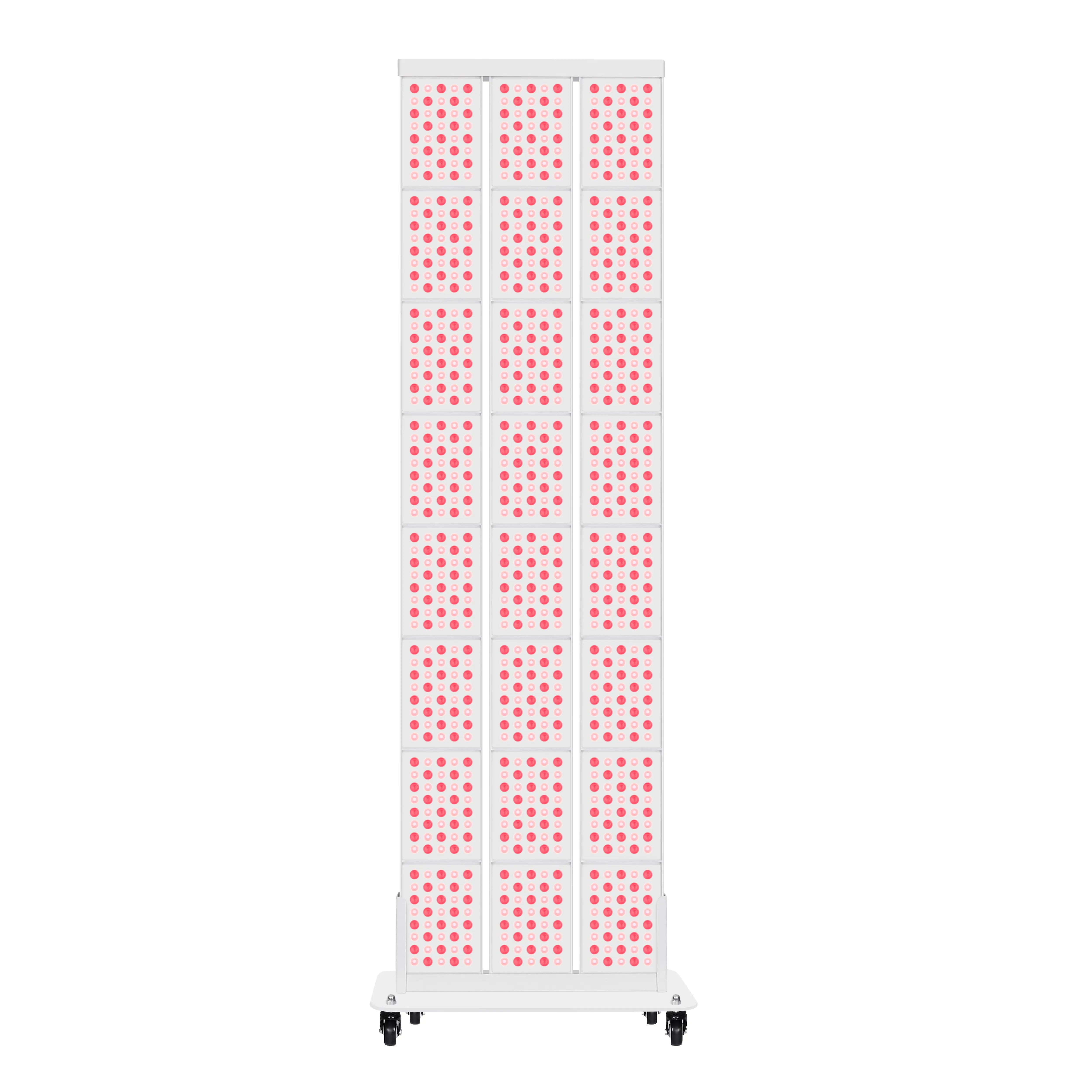
- Position your red light device at a comfortable distance—typically 12–24 inches from the body or face, depending on the panel's irradiance.
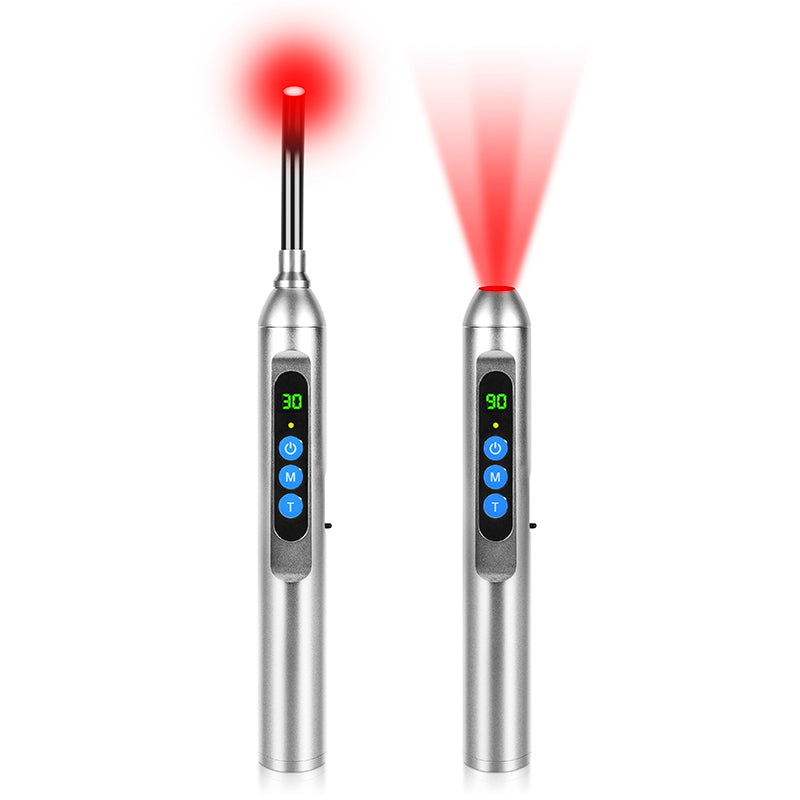
- Use a zero-flicker red light therapy device set to a moderate intensity (avoid maximum power for evening sessions).
- Expose the face, neck, or upper body while sitting or lying comfortably with eyes closed or protected.
- Set a timer for exactly 10 minutes and practice slow breathing or light meditation.
- After the session, keep the environment dark or use only very dim red or amber lighting until bedtime.
This approach aligns with reducing short-wavelength light before bed, which may help support sleep for some people.
How Zero-Flicker Technology Matters for Evening Use
Zero-flicker design is best framed as a comfort and visual-stability feature for nighttime use, not as a proven sleep treatment. Flicker from some LED sources can cause subtle visual discomfort or nervous system irritation during close-range evening exposure. Devices engineered for zero flicker reduce perceived strain, making the 10-minute session more tolerable and less likely to interfere with winding down.
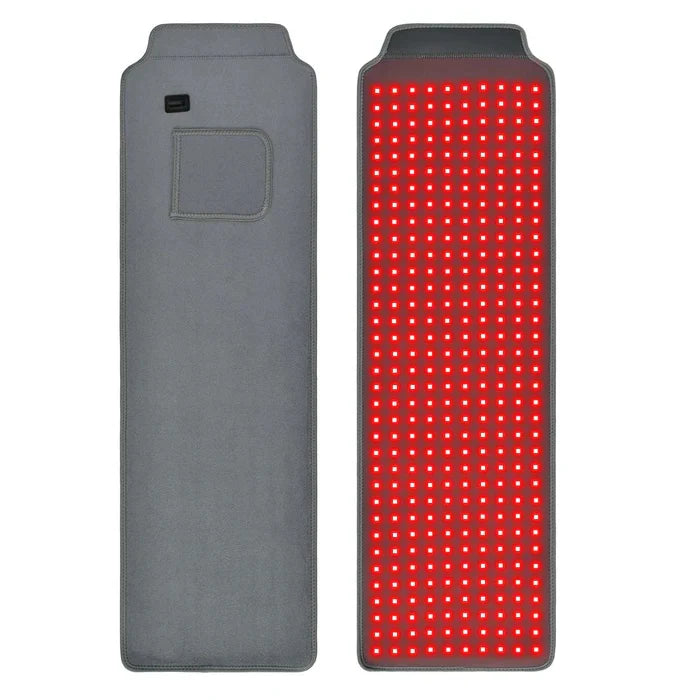
When choosing equipment, prioritize panels or belts that explicitly state flicker-free operation at the wavelengths used (typically 660 nm red). This supports nervous system comfort during a period when the body is preparing for rest.
Timing, Distance, and Device Settings for Best Results
The best timing for red light therapy before bed is 30–90 minutes prior to sleep. Using it too close to lights-out (within 15 minutes) or too early in the evening may reduce benefits. Sessions longer than 15 minutes risk diminishing returns or mild overstimulation in sensitive individuals.
Recommended distance is 12–24 inches for most consumer panels to achieve a gentle dose without excessive brightness. Start with lower intensity settings in the evening—many devices offer 50–75% power modes that feel calming rather than energizing. Keep total daily red light exposure reasonable; evening use should complement, not replace, any daytime sessions.
When the Protocol Works and When It Doesn't
An evening red light protocol tends to make sense when the goal is to reduce stimulation before bed and the user can keep the light dim, brief, and consistent. It is more likely to be useful in a stable pre-sleep routine, but less useful when bedtime is already late, the room is bright, or the user is highly sensitive to light changes and finds any new step hard to sustain.
Scenario matrix (illustrative decision aid): High fit for consistent bedtime with controllable dim lighting and low routine friction. Mixed fit for variable schedules or high sensitivity. Low fit if adding the protocol creates more stress than calm.
Here is an illustrative chart showing key factors that influence whether the routine fits your lifestyle:
Illustrative Decision Aid: Is a 10-Minute Evening Red Light Protocol a Good Fit?
Illustrative decision aid, not experimental data.
View chart data
| Category | Green fit | Yellow caution | Red avoid |
|---|---|---|---|
| Bedtime consistency | 3.0 | 1.0 | 1.0 |
| Room dimness | 5.0 | 2.0 | 0.0 |
| Light sensitivity | 4.0 | 2.0 | 0.0 |
| Routine friction | 1.0 | 3.0 | 2.0 |
| Time available | 4.0 | 1.0 | 0.0 |
Illustrative heuristic built from the brief: the protocol is favored as a low-stimulation wind-down, especially when the room can stay dim and the user is light-sensitive. It is mixed when bedtime is inconsistent and less suitable when routine friction is high. No experimental scores or absolute thresholds are implied.
Too much light at the wrong time can increase alertness and push sleep later. In some circadian disorders, clinicians may prescribe evening light therapy, but that is a targeted clinical approach, not a universal bedtime rule.
Common myths to avoid:
- Myth: Red light therapy guarantees deeper sleep or fixes insomnia. Reality: Results are mixed and context-dependent; it is not a medical treatment.
- Myth: Longer evening sessions are always better. Reality: 10 minutes is often sufficient; extended exposure may reduce comfort.
- Myth: Any red light device works equally well at night. Reality: Zero-flicker, properly dosed devices support better user comfort.
Integrating the Protocol Into Your Evening Wind-Down
Treat the 10-minute session as one part of a broader routine rather than a standalone fix. Combine it with consistent sleep schedule, reduced screen time, and a cool, dark bedroom. Athletes or busy professionals may use the protocol after evening workouts or stressful workdays to signal recovery mode.
For existing red light therapy users, evening application on the face or core can complement daytime recovery sessions. Always listen to your body—if the light feels activating rather than relaxing, shorten the session or move it earlier.

Important Safety Notes and Boundaries
This article only discusses comfort and setup advice for a supportive evening routine. It does not constitute medical advice, diagnosis, or treatment. Red light therapy is not proven to cure sleep disorders. If you have persistent sleep problems, existing eye conditions, or take medications that increase light sensitivity, consult qualified healthcare professionals before starting any new light routine.
Avoid using the device if it causes discomfort, headache, or eye strain. Pregnant individuals or those with certain skin conditions should seek medical guidance. The protocol works best as part of consistent habits rather than an occasional experiment.
Final Thoughts
A consistent 10-minute evening red light protocol may feel more comfortable and fit naturally into some bedtime routines, especially when the room stays dim and the device avoids flicker. Outcomes depend heavily on individual factors, room conditions, and overall sleep hygiene. Start with the simple steps above, track how you feel for two weeks, and adjust timing or intensity as needed. The goal is gentle support for your natural wind-down process rather than forcing a specific sleep outcome.
For more on optimizing recovery routines, consider exploring related guidance on red light therapy for night shift workers or general panel usage in our red light therapy belt collection.
Disclaimer: The information here is for educational purposes and reflects current understanding of light exposure and circadian principles. Individual results vary. This is not a substitute for professional medical advice.