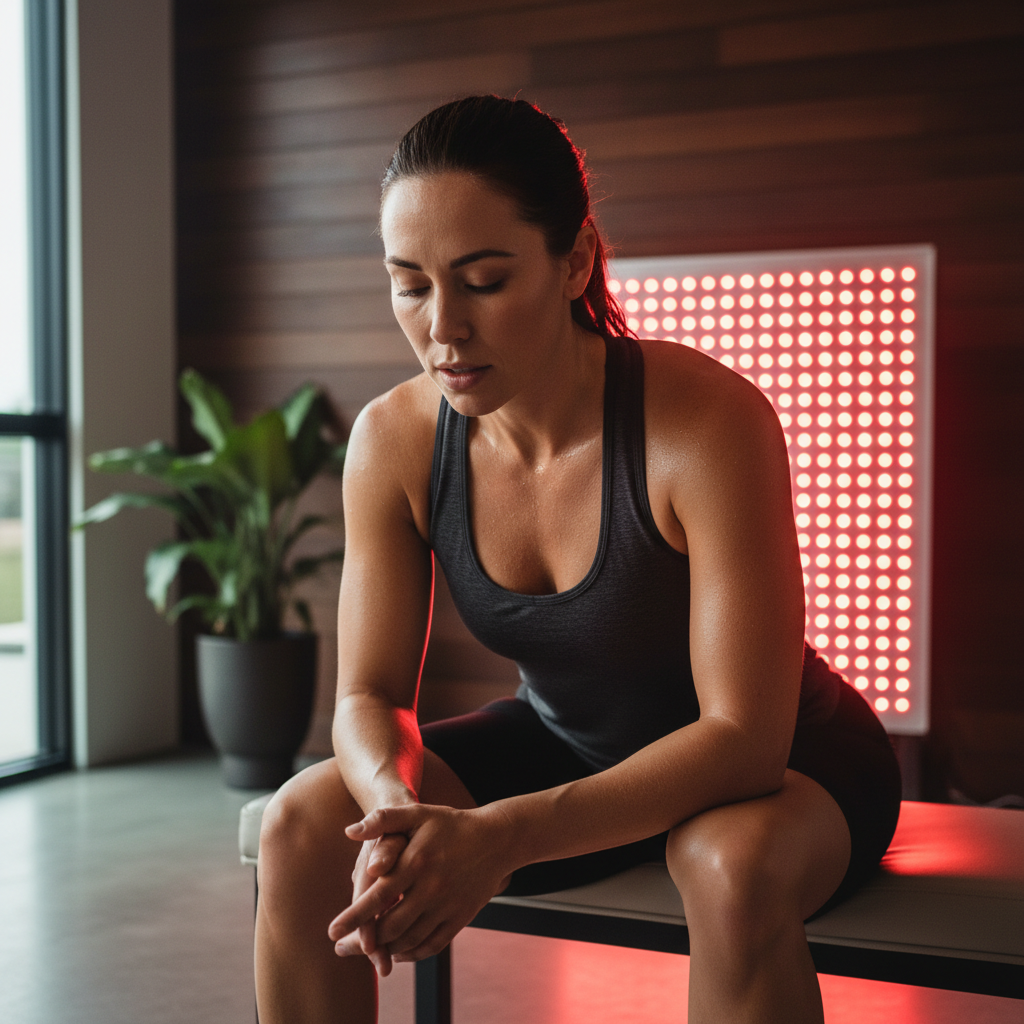

Systemic inflammation can leave people searching for convenient at-home tools that go beyond spot treatments for localized pain. Full-body red light therapy mats stand out in this space because they enable consistent, whole-body exposure in a simple lying-down routine, which many biohackers and wellness optimizers find easier to maintain than positioning multiple panels. While photobiomodulation has been studied for its potential to modulate inflammation and support tissue repair, results depend heavily on the individual, the protocol, and device quality; it is best viewed as a complementary wellness practice rather than a standalone medical solution.

How Red Light Therapy and Photobiomodulation May Support Inflammatory Balance
Photobiomodulation (PBM), commonly delivered through red and near-infrared light, is researched as a noninvasive approach that may influence cellular energy production and signaling pathways involved in inflammation. Common home-device wavelength ranges discussed in the literature include visible red light around 630-670 nm and near-infrared around 800-860 nm. These wavelengths are thought to interact with mitochondria, potentially supporting microcirculation and nitric oxide release, which some studies link to tissue recovery processes.
Evidence is stronger for certain localized pain and inflammation applications than for broad systemic claims. A systematic review on photobiomodulation and inflammation highlights variable outcomes depending on condition, dose, and protocol, underscoring the need for conservative expectations. For those managing chronic inflammation-related discomfort, red light therapy is often explored as an adjunctive, non-drug option within a broader wellness routine that includes diet, movement, and stress management.
This article focuses on practical device selection for home use rather than promising specific biomarker changes or autoimmune treatment. If you experience persistent symptoms or have an existing medical condition, consult qualified healthcare professionals before adding any new modality.
Important Note on Health Claims: This article discusses comfort, setup advice, and wellness routines only. It does not constitute medical advice, diagnosis, or treatment. Red light therapy is not a cure or replacement for professional care. If you have persistent discomfort, autoimmune conditions, or other health concerns, please seek guidance from a qualified healthcare provider.
Full-Body Mats vs Panels: Which Format Better Supports Systemic Goals?
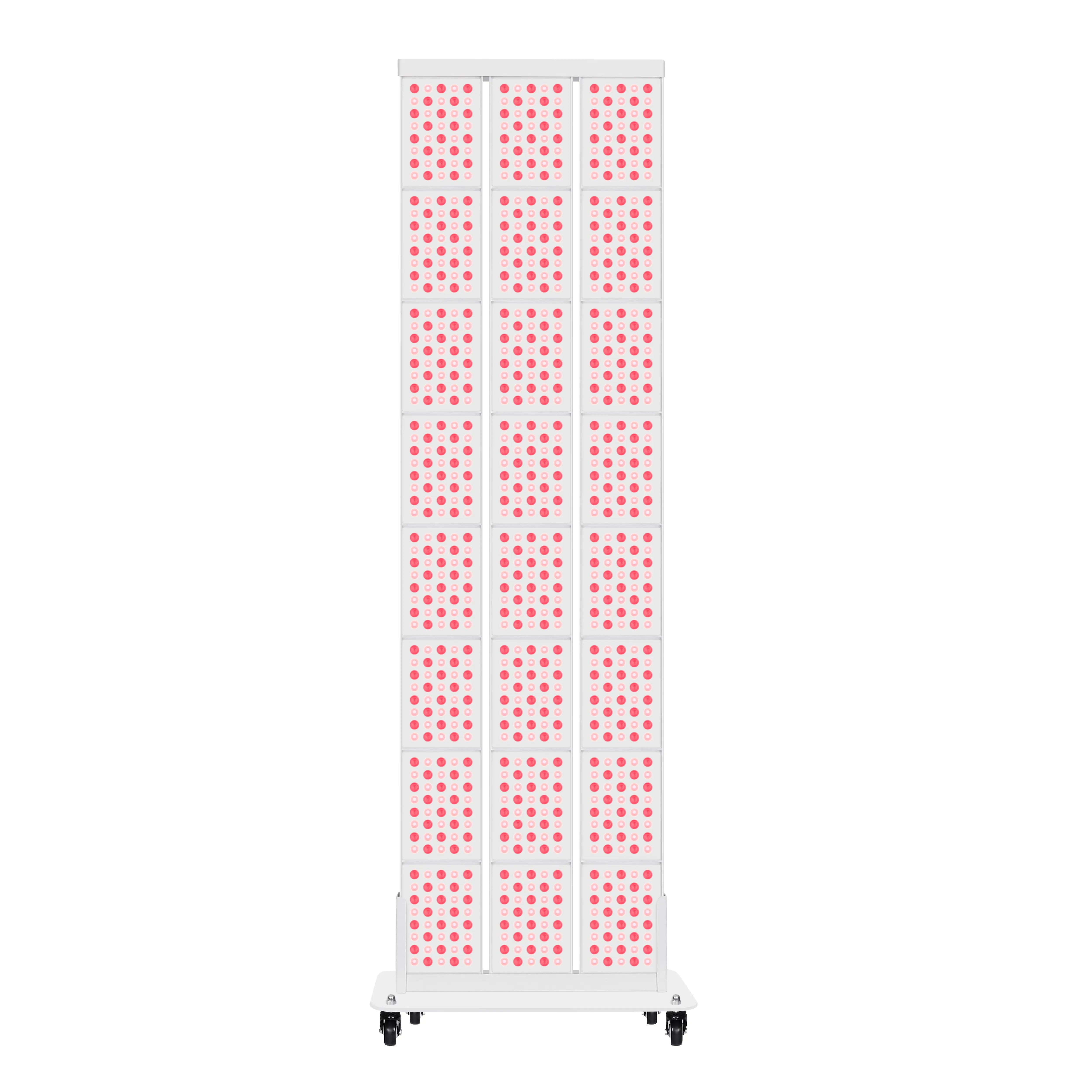
When the objective is systemic support rather than targeted joint relief, coverage and session convenience become central. Full-body mats allow users to lie down and expose large surface areas simultaneously, which aligns well with routines aimed at whole-body exposure. Panels, by contrast, typically require standing or strategic positioning and may be better suited for focused areas or flexible setups.

Evidence from practical home-use resources indicates that full-body mats and panels differ in coverage and geometry, which affects how much of the body is exposed in a single session. Mats often simplify repeatability for daily or near-daily use, while panels can offer higher localized irradiance or easier storage in smaller spaces.
The correct comparison framework prioritizes routine adherence over theoretical superiority. A heuristic radar chart illustrates relative strengths based on typical use cases for at-home systemic wellness routines:
At-Home Red Light Therapy: Mats vs Panels
Heuristic comparison of relative strengths for at-home systemic inflammation support. Scores are bounded planning estimates, not clinical efficacy data.
View chart data
| Series | Coverage | Convenience for full body | Flexibility | Ease of routine use |
|---|---|---|---|---|
| Full-body mat | 9.0 | 8.0 | 4.0 | 8.0 |
| Panel | 5.0 | 6.0 | 9.0 | 5.0 |
Heuristic model derived from writer_evidence on coverage/dose/convenience and viewpoint-insighter scenario_matrix. Not clinical data.
This visualization, modeled from practical coverage and convenience factors in the evidence, shows mats often scoring higher on full-body coverage and routine ease, while panels provide greater flexibility. Outcomes ultimately depend on delivered dose, which is shaped by irradiance, distance, session time, and frequency. Choose the format you are most likely to use consistently.
For those upgrading from smaller panels or spot devices, pay attention to total coverage area and whether the new device simplifies your existing protocol rather than complicating it. Our red light therapy protocols for managing systemic inflammation offers conservative starting guidelines focused on wavelength, dosage, and tracking progress yourself.
Key Device Features That Matter Most for Home Use
When evaluating red light therapy devices for chronic inflammation support at home, prioritize measurable specifications over marketing language. Look for clear disclosure of wavelengths (typically 660 nm red and 850 nm near-infrared), irradiance at treatment distance (often expressed in mW/cm²), total LED count or coverage area, and session convenience features such as timers, flexible materials, or easy storage.
High irradiance and even coverage across a large surface help deliver a practical dose without excessively long sessions. However, outcomes depend on the full protocol, not a single spec. Community feedback frequently highlights practical friction points such as device heat buildup, setup time, storage space, and mismatched expectations about speed of results. These real-user experiences are useful for assessing usability but should not be mistaken for clinical evidence.
A practical buyer checklist includes:
- Does the device provide sufficient surface coverage for your intended whole-body routine?
- Are wavelengths and irradiance clearly stated at a realistic usage distance?
- Is the setup simple enough that you will actually use it 4–7 times per week?
- Does the product avoid broad systemic cure claims in favor of modest wellness positioning?
- Are safety features and usage instructions transparent?
Do not buy if the coverage is clearly too limited for whole-body goals, if the setup feels cumbersome, or if marketing relies heavily on unbounded systemic promises without acknowledging individual variability. Our photobiomodulation standards guide on irradiance, EMF, and safety provides technical benchmarks to help evaluate device quality rigorously.
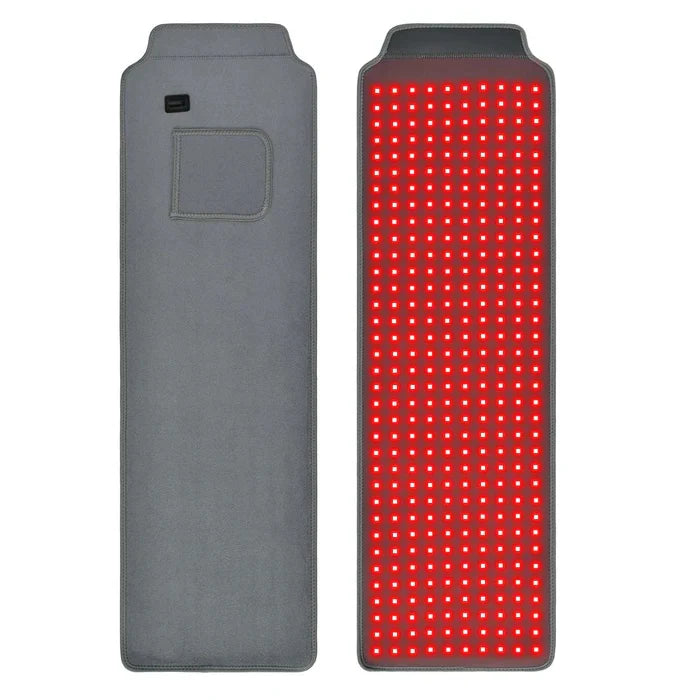
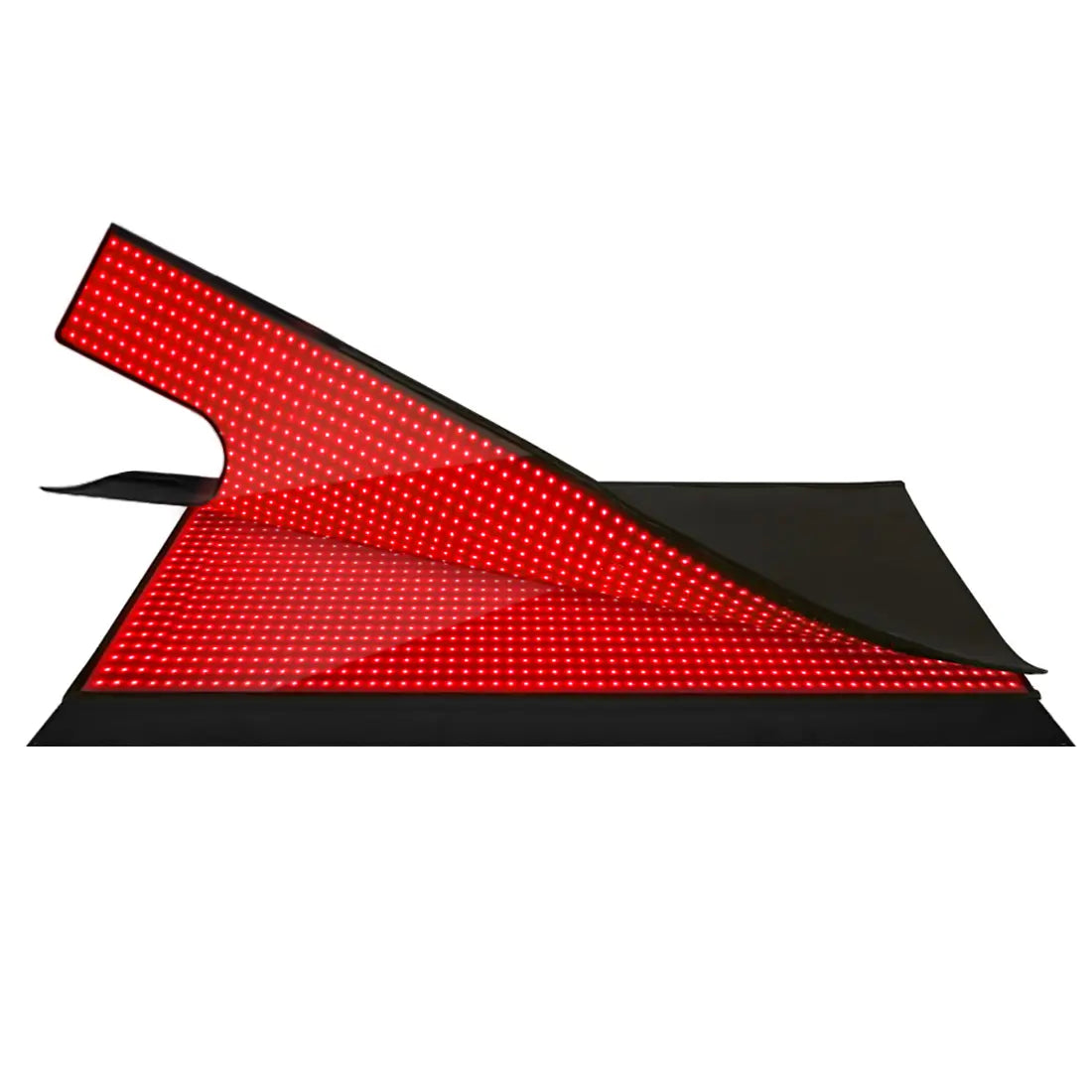
Among full-body options, the Youlumi Pro Full Body Red Light Therapy Mat delivers 3840 LEDs across dual 650 nm and 850 nm wavelengths with high irradiance, designed for convenient at-home full-body sessions. The Youlumi Red Light Therapy Sleep Bag offers an enclosed full-body experience with 2632 LEDs for recovery-focused routines. For those preferring modular setups, explore the Red Light Therapy Panel collection which includes high-power models like the 1500W and 1700W panels suitable for targeted or standing full-body use.
Evaluating Protocols for Chronic Inflammation Support
Effective home protocols emphasize consistency over intensity. Typical starting parameters discussed in reviews include 10–20 minute sessions, 3–7 days per week, at a distance that achieves comfortable irradiance without overheating. Track subjective markers such as energy levels, sleep quality, or perceived comfort rather than expecting immediate biomarker shifts.
Our internal guide on integrating red light therapy into daily health management at home stresses irradiance precision and wavelength selection to support systemic recovery goals conservatively. Similarly, the master guide to red light therapy for chronic pain reviews dosing considerations that overlap with inflammation management strategies.
For autoimmune support contexts, treat red light as one complementary element within a broader plan developed with healthcare providers. The red light therapy for arthritis protocols offers joint-focused insights that may inform whole-body approaches, while articles on red light effects on DNA expression and microcirculation benefits explore underlying mechanisms without overstating outcomes.
Common myths include the idea that higher irradiance always equals better results (dose follows the Arndt-Schulz principle where too much can be counterproductive) or that any red light device automatically delivers systemic benefits. In reality, individual responses vary widely based on health status, lifestyle, and adherence.
Building a Practical At-Home Routine
A sample conservative routine might involve morning or evening sessions on the mat while relaxing, combined with movement, hydration, and anti-inflammatory nutrition. Begin with shorter sessions to assess tolerance, maintain consistent distance, and log subjective changes over 4–8 weeks to decide whether the practice fits your needs.
Safety guidance usually emphasizes eye protection, awareness of photosensitizing medications, and avoiding overexposure. Always follow manufacturer instructions and consult professionals if you have medical implants, pregnancy, or photosensitive conditions.
When comparing devices, consider long-term ownership costs including warranty, replacement parts, and energy use. The Youlumi Pro Full Body Red Light Therapy Mat includes a 3-year warranty and FDA registration, offering a balance of coverage, power, and convenience for those prioritizing full-body wellness routines.
Who Should Consider a Full-Body Red Light Mat and When to Look Elsewhere
Full-body mats are often most suitable for biohackers and health optimizers who value passive, repeatable whole-body exposure as part of a structured recovery protocol. They suit individuals with busy schedules who prefer minimal setup and those focused on overall wellness rather than isolated joint treatment.
Panels or smaller devices may be preferable if space is very limited, if you need highly targeted application, or if portability between rooms matters. Those primarily seeking localized relief for specific arthritis symptoms might start with our red light therapy arthritis protocols before scaling to full-body solutions.
If your primary goal is rapid clinical change in diagnosed inflammatory disease, prioritize evidence-based medical care over wellness devices. Red light therapy remains an adjunctive tool whose value depends on realistic expectations and consistent use.
In summary, the best red light therapy device for systemic inflammation support is the one that matches your lifestyle, provides clear technical specifications, and encourages adherence without unrealistic promises. Full-body mats like those from Youlumi simplify whole-body routines for many users while fitting comfortably into evidence-informed wellness practices. Evaluate based on coverage, usability, and your ability to maintain the protocol long term, always within the boundaries of professional medical advice where needed.
References
- Photobiomodulation Standards: Irradiance, EMF, and Safety
- Red Light Therapy Protocols for Managing Systemic Inflammation
- The Master Guide to Red Light Therapy for Chronic Pain