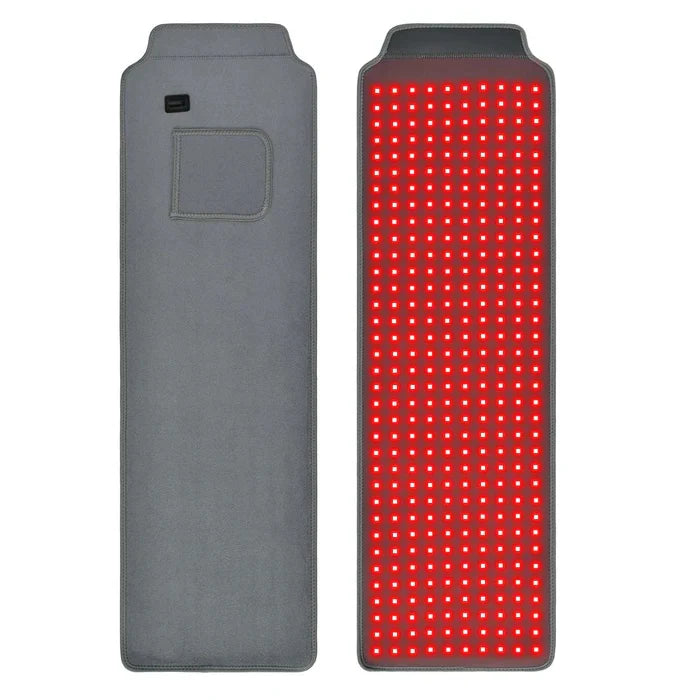
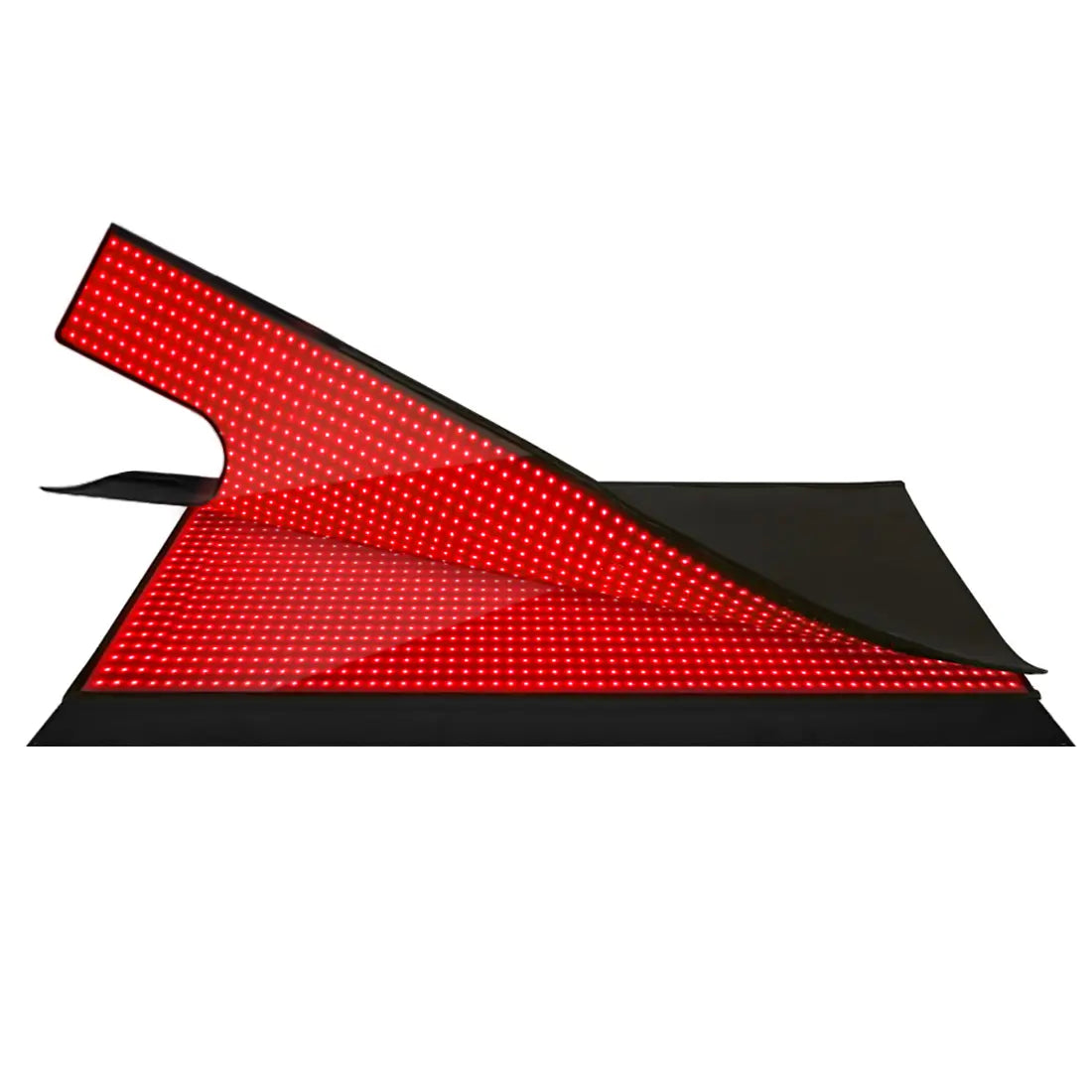
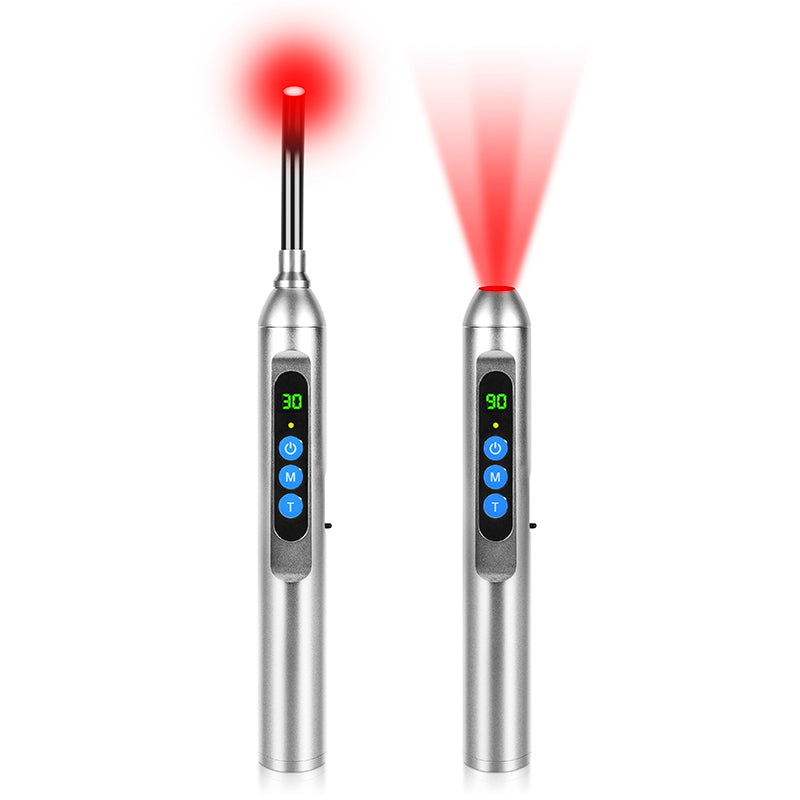

Many people living with chronic pain look for non-invasive, at-home options that can address widespread discomfort without adding to their daily medication burden. Full-body red light therapy, often delivered through large mats, is frequently discussed for its potential to support systemic inflammation management and comfort in conditions such as fibromyalgia, peripheral neuropathy, and chronic back pain. While research remains preliminary and results vary, this approach offers a convenient way to cover larger areas in a single session compared with smaller targeted devices.

How Red Light Therapy Works for Pain and Inflammation
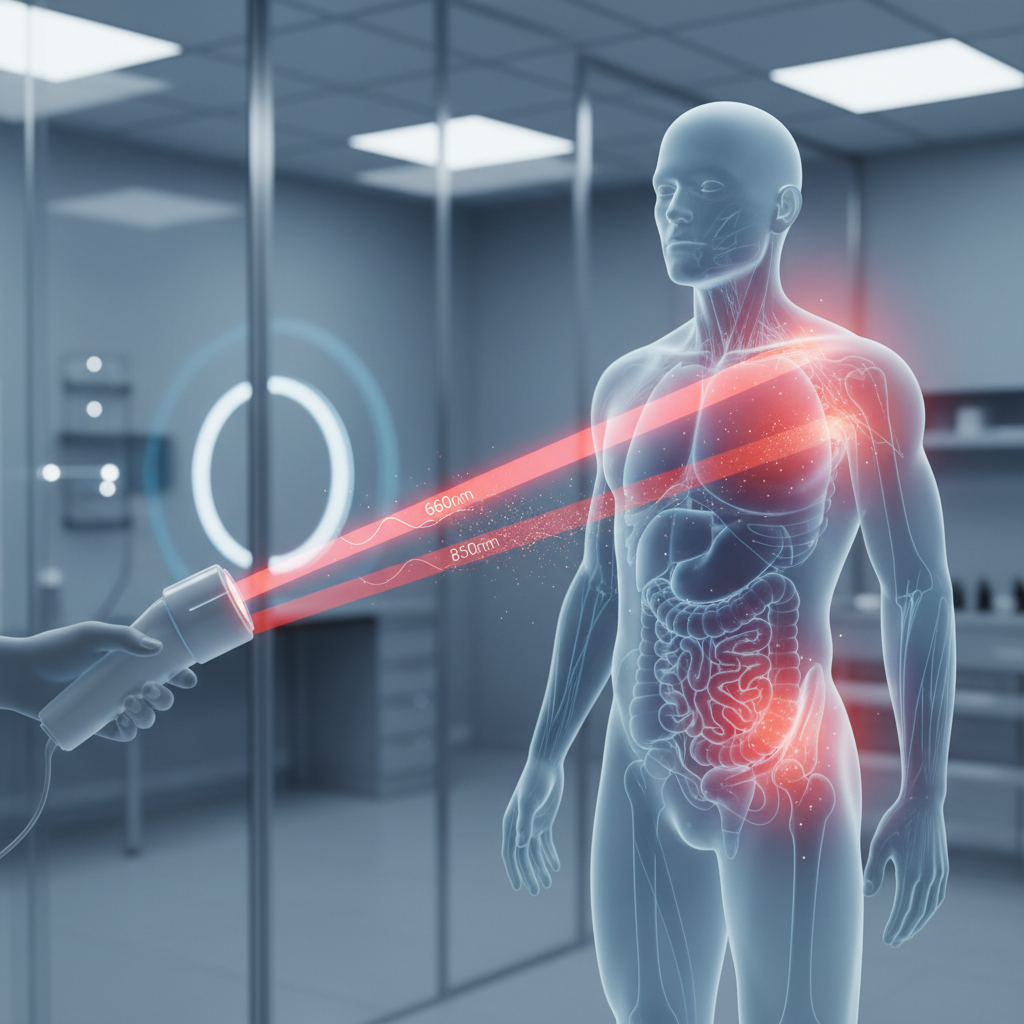
Photobiomodulation (PBM), the technical term for red and near-infrared light therapy, is studied as a non-invasive, drug-free modality that may influence pain signaling and inflammatory pathways. According to this systematic review, PBM uses specific wavelengths to interact with cells in ways that researchers continue to explore for pain relief contexts.
Published literature generally describes low-intensity laser and LED photobiomodulation as a non-invasive option examined for pain relief, as outlined in this review. Major health systems note that red light therapy is a non-invasive approach that may help some individuals with chronic pain, although outcomes depend heavily on the person and condition (UCLA Health overview).
It is important to emphasize that red light therapy is not presented as an approved treatment for disease management. U.S. Medicare policy does not recognize infrared therapy devices as an approved treatment for conditions such as peripheral sensory neuropathy (CMS decision memo). Any use should be viewed as a possible complement to, not a replacement for, professional medical care.
Important note on health and safety: This article discusses comfort, setup, and practical considerations for red light therapy as a wellness tool. It does not constitute medical advice, diagnosis, or treatment. Red light therapy is not a cure for chronic pain conditions. If you have persistent discomfort, existing eye conditions, photosensitivity, or any diagnosed medical issue, consult qualified healthcare professionals before starting any new routine.
Evidence for Red Light Therapy in Specific Chronic Pain Conditions
Studies on whole-body photobiomodulation in fibromyalgia have reported associations with reduced pain and improved quality of life in small, short-term trials. One study found such outcomes after whole-body sessions (PMC9845459), while another noted significant pain reduction and quality-of-life improvements (PMC10864543). A related review highlights that whole-body approaches have been examined in diffuse pain settings, although the overall evidence remains early and preliminary (PMC10525895).
For peripheral neuropathy, evidence is described as promising yet not definitive. A systematic review reported improvements in neuropathic pain outcomes but stressed that stronger confirmation is still needed (PubMed 37622461). Reviews of photobiomodulation for diabetic peripheral neuropathy similarly characterize findings as tentative, with more research required (PMC9476114).
Health-system sources such as University Hospitals reinforce that red light therapy may play a role in some pain-management contexts but should be used alongside—not instead of—standard care (UH article).
Myth vs Reality
- Myth: Red light therapy cures chronic pain, fibromyalgia, or neuropathy. Reality: Current evidence does not support cure language. At most, some small studies associate it with symptom relief, but results vary widely and it is not a proven treatment.
- Myth: It works equally well for everyone. Reality: Guidance from health systems indicates outcomes differ by individual, condition, and consistency of use.
- Myth: It can replace standard medical care. Reality: Experts frame it as a possible adjunct only; it should never substitute for professional diagnosis or prescribed therapies.
- Myth: Infrared or red light is fully validated for neuropathy. Reality: Official policies such as the CMS memo signal that strong disease-treatment claims are not supported.
These boundaries help set realistic expectations before investing in any device.
Full-Body Mats vs Targeted Panels: Which Fits Your Pain Pattern?
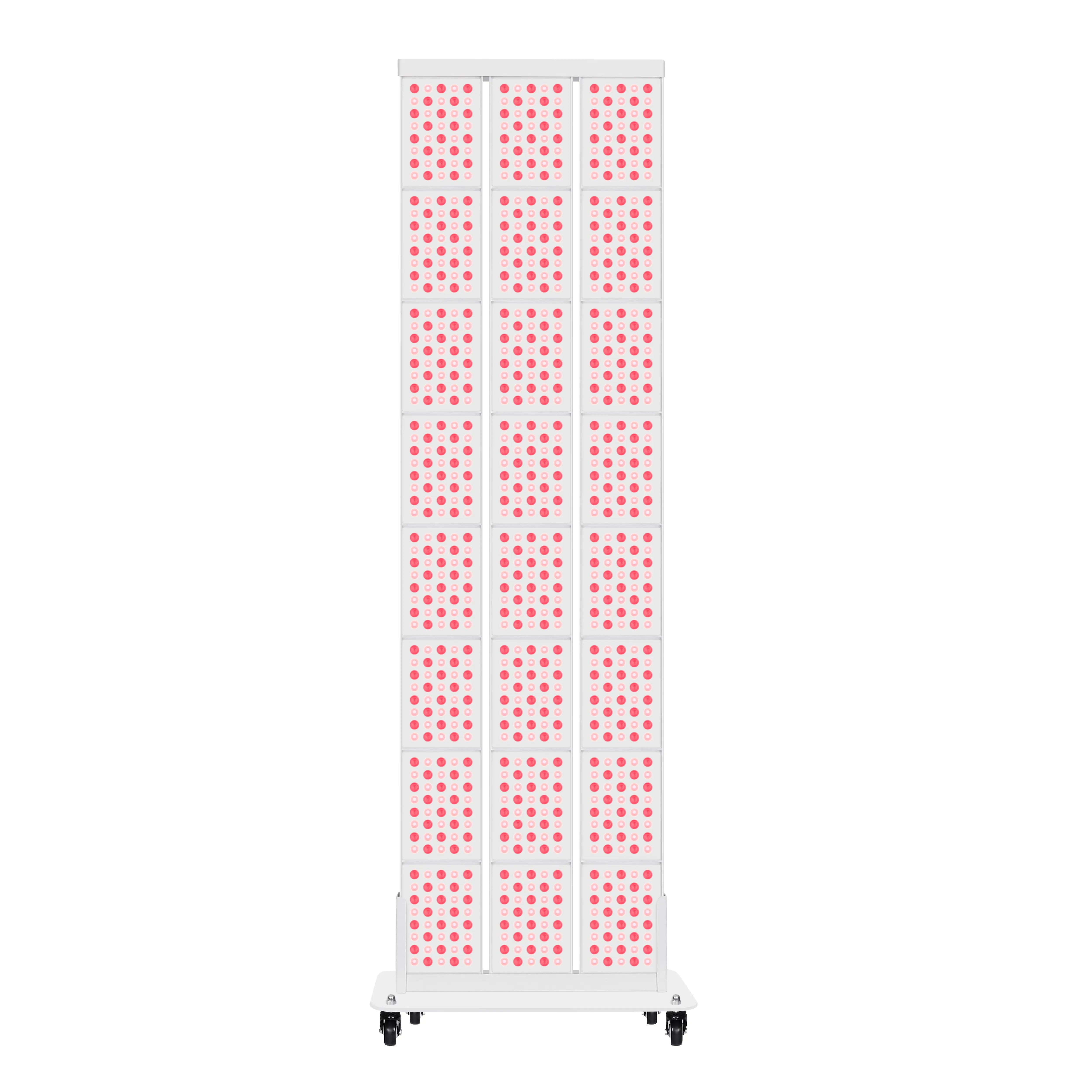
The choice between a full-body mat and a targeted panel often comes down to whether your pain is widespread or localized. Whole-body delivery systems allow coverage of multiple areas simultaneously, which can improve convenience for diffuse symptoms. Targeted panels, by contrast, concentrate light on specific spots and offer greater positioning flexibility.
Here is a visual comparison of relative fit across common pain patterns. These are heuristic scores (0–10) based on practical scenario considerations such as coverage needs, session convenience, and adherence—not clinical efficacy measures.
Relative Fit for Full-body Red Light Mat vs Targeted Panel by Pain Pattern
Relative fit scores are illustrative only; they show scenario-based decision preference, not treatment efficacy.
View chart data
| Category | Full-body mat | Targeted panel |
|---|---|---|
| Diffuse / widespread pain | 9.0 | 4.0 |
| Localized pain | 4.0 | 9.0 |
| Mixed pain | 6.0 | 7.0 |
Heuristic 0-10 fit scores derived from the provided scenario matrix and evidence summary: diffuse/widespread pain (e.g., fibromyalgia) leans toward mats for coverage and convenience; localized pain leans toward panels for targeted efficiency; mixed pain sits between the two. Not clinical efficacy data and not absolute medical advice.
When pain feels systemic or affects several regions, a mat can reduce the need for frequent repositioning. When discomfort is confined to one or two areas, a panel often provides more efficient, focused exposure. For mixed patterns, many users consider a combination approach.
Don't buy a full-body mat if:
- Your primary pain is clearly localized to one joint, small back area, or single site.
- You prefer quick, flexible positioning over lying down for longer sessions.
- Storage or setup friction would likely reduce how often you actually use the device.
- You are counting on insurance reimbursement to offset cost (Medicare does not cover these for neuropathy).
- You are seeking guaranteed or curative results rather than possible adjunctive comfort support.
In these cases, a targeted panel or smaller device may better match real-world needs.
Practical Session Guidelines and Thresholds
Consistent use matters more than perfect parameters for most at-home routines. Conservative heuristic boundaries drawn from literature and common practice include:
- Session duration: Start with 5–10 minutes per area and consider extending toward 10–20 minutes depending on device irradiance. Shorter sessions are often preferred with higher-output systems.
- Frequency: 3–5 sessions per week is a commonly discussed maintenance range. Daily use may be trialed but should be monitored for tolerance.
- Dose consideration: Think in terms of delivered energy (Joules/cm²) rather than time alone. Two devices with identical session lengths can produce very different exposures based on irradiance and distance.
- Adherence rule: If a session feels too long or inconvenient to repeat regularly, the protocol is probably not sustainable for long-term pain management.
Always begin conservatively, especially if you have photosensitivity or take medications that increase light sensitivity. Stop and consult a professional if any skin irritation or unusual symptoms occur.

Building a Daily Routine for Chronic Conditions
A sustainable routine often starts with evening sessions when discomfort tends to peak. Many users lie on the mat for 10–20 minutes while reading or listening to audio. Positioning tips for back pain include lying flat with knees slightly supported or alternating sides for even exposure.
Consistency over intensity is key. Track how you feel over several weeks rather than expecting immediate changes. Combining red light therapy with gentle movement, stress reduction, and good sleep hygiene may enhance perceived comfort, although individual responses differ.
For those with limited mobility, a full-body mat can simplify the process by eliminating the need to reposition a smaller device multiple times. This guide on daily routines offers additional ideas for integrating sessions into everyday life.
Choosing the Right Device for Your Needs
Full-body mats excel when systemic or multi-region discomfort is the main concern. The Hero Red Light Therapy Mat is designed specifically for broad coverage and systemic inflammation support. For users who also experience focal pain points, the Recovery Bundle: Mat + Panel Combo provides both options.
Targeted panels remain useful for localized issues and can complement a mat. Explore the full Red Light Therapy Mats Collection or the Pain Relief & Recovery Collection to compare specifications.
Before purchasing, evaluate your available space, daily schedule, and pain pattern. A smaller Travel-Friendly Mini Red Light Mat may suit those with storage constraints or who want to test the approach first.
How to decide in your situation
- Map your pain: Is it mostly widespread/diffuse or concentrated in a few spots?
- Assess your routine: Can you commit to lying down for 10–20 minutes several times per week?
- Check practical fit: Do you have space to store and use a full-size mat comfortably?
- Review expectations: Are you seeking possible symptom support or expecting a cure?
- Start small if unsure: Consider a starter kit or targeted device before committing to full-body equipment.
- Consult professionals: Discuss your plans with a healthcare provider, particularly for diagnosed conditions like neuropathy or fibromyalgia.
Final Thoughts
Full-body red light therapy mats offer a convenient, non-invasive option for those dealing with widespread chronic pain and systemic inflammation. Small studies suggest potential benefits for fibromyalgia symptoms, and some evidence exists for neuropathic pain, yet the science is still developing and individual results vary considerably. Medicare and other official sources caution against viewing these devices as approved treatments for disease processes.
Approach red light therapy as one possible tool within a broader pain-management plan that includes medical guidance, lifestyle measures, and realistic expectations. The most suitable device is the one you will actually use consistently in your specific living situation. By focusing on practical fit rather than overstated promises, you can make an informed choice that aligns with your needs and daily reality.
For more on condition-specific approaches, see our guides on red light therapy for fibromyalgia, neuropathy pain relief, and chronic back pain protocols. Always prioritize professional medical advice for ongoing health concerns.