
Post-Surgery Red Light Therapy: Faster Healing Protocols
Medical Disclaimer: This content is for informational purposes only and does not constitute medical advice, diagnosis, or treatment. Always seek the advice of your primary surgeon, physician, or other qualified health provider with any questions regarding a medical condition or post-operative recovery plan. Never disregard professional medical advice or delay in seeking it because of something you have read here. Discontinue use immediately and consult a doctor if you experience signs of infection (fever, pus, unusual warmth), sudden increased swelling, or excessive bleeding at the surgical site.
Summary
Post-surgery red light therapy, or photobiomodulation (PBM), is a non-invasive recovery protocol that utilizes specific wavelengths of light (660nm and 850nm) to support tissue regeneration, manage edema, and assist in scar maturation. By interacting with mitochondrial cytochrome c oxidase to stimulate ATP production, PBM may help shorten the recovery window for both cosmetic procedures and complex orthopedic surgeries. According to clinical guidelines from the North American Association for Photobiomodulation Therapy (NAALT, 2025), initiating treatment within 24 to 72 hours post-operation—provided the wound is stable and sterile—can optimize the cellular environment for repair and pain management.
Key Takeaways
- Cellular Support: Red light therapy is associated with enhanced mitochondrial function, which may lead to more efficient ATP production and cellular repair at the surgical site.
- Inflammation Management: Specific protocols may assist in managing post-op swelling (edema) by supporting lymphatic drainage and modulating inflammatory markers.
- Scar Maturation: Consistent application during the remodeling phase (3-12 months) promotes organized collagen deposition, which may reduce the risk of hypertrophic or keloid scarring.
- The Arndt-Schulz Principle: Efficacy follows a biphasic dose-response curve; low-to-medium doses (4-10 J/cm²) typically stimulate healing, while excessive doses may inhibit the process.
- Clinical Coordination: It is essential to coordinate with your surgical team to ensure the incision site is stable and free of infection before beginning high-irradiance protocols.
The Biological Mechanism of Post-Surgical Recovery
The period immediately following surgery is a critical window where the body’s inflammatory response determines the quality of the final outcome. Photobiomodulation works by targeting the primary photoreceptor in our cells, cytochrome c oxidase. When exposed to red (660nm) and near-infrared (850nm) light, these receptors trigger biological events that increase cellular energy (ATP) and may reduce oxidative stress (Evidence Level: Systematic Review, PubMed ID: 41598551).
For a patient recovering from a procedure, this suggests the body may have more "fuel" to support incision closure and the repair of deep tissues. Unlike pharmacological interventions, red light therapy provides a localized, targeted approach to supporting the natural healing process.
Logic Summary: This mechanism assumes that the target tissues receive sufficient irradiance to trigger a biological response. Effectiveness is predicated on the light reaching the appropriate depth; near-infrared light is generally preferred for deep orthopedic sites, while red light is used for superficial cosmetic incisions.
Timing: When to Start Red Light Therapy After Surgery
A common question for patients is when to start red light therapy after surgery. While historical advice suggested waiting for full wound closure, the 2025 NAALT clinical guidelines indicate that for clean, controlled surgical incisions, treatment can often begin as early as 24 to 48 hours post-op.
The "open wound" precaution typically centers on the risk of infection and the impact of light on fresh clots. In a sterile environment, early application of PBM has been shown in clinical series to potentially reduce the initial inflammatory surge. If you have active drains or significant active bleeding, surgeons generally recommend waiting until vascular stabilization is complete, typically around day three.

Procedure-Specific Recovery Protocols
Optimal recovery parameters vary based on the depth of the affected tissue and local vascularity.
Cosmetic Surgery: Tummy Tucks and Liposuction
Cosmetic procedures often involve significant lymphatic disruption. For an abdominoplasty, the primary goals are managing fluid buildup (seroma) and ensuring scar healing and reduction with red light therapy is optimized.
- Wavelength: 660nm (Red) for skin surface; 850nm (NIR) for deeper layers.
- Frequency: Daily for the first 14 days, then 3 times per week as needed.
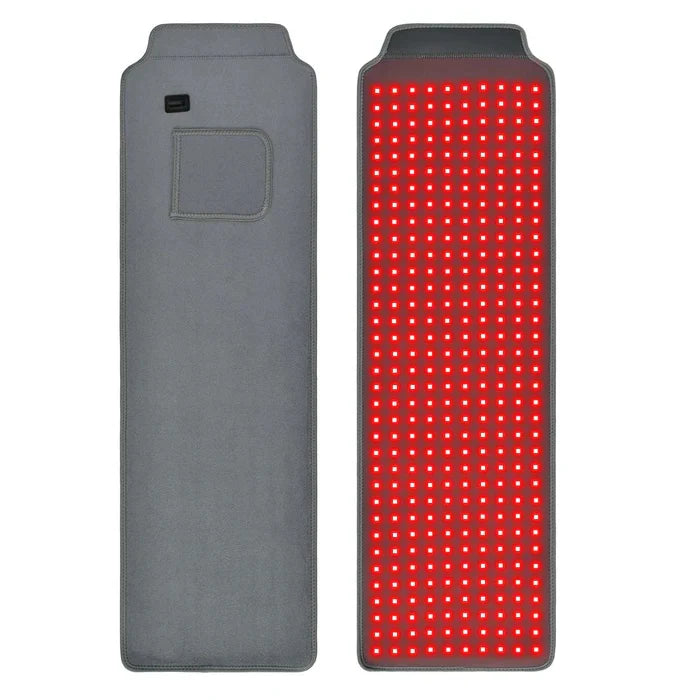
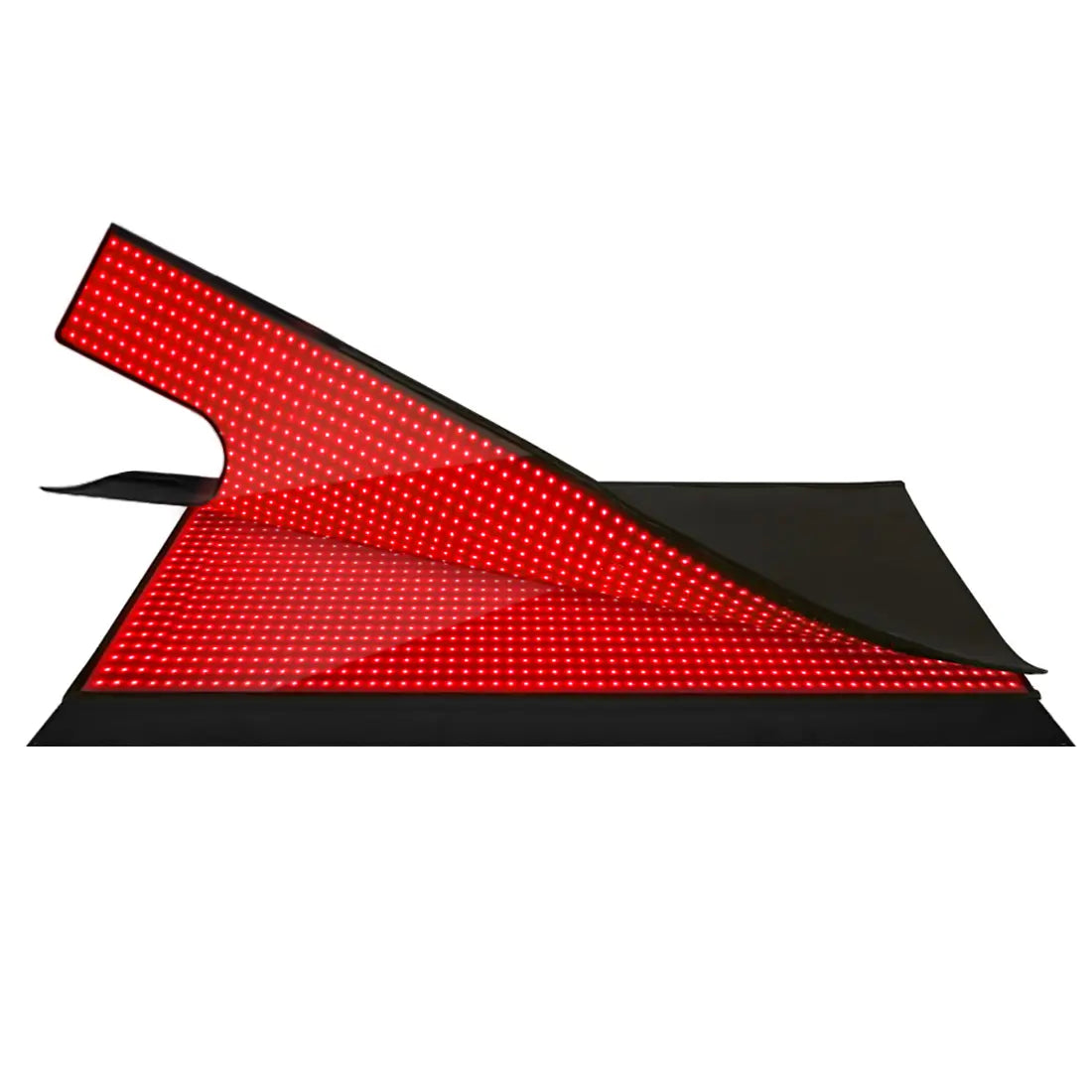
- Device Choice: A targeted red light therapy belt for localized treatment is often a practical option for abdominal recovery, allowing for treatment while resting.
Orthopedic Surgery: ACL Repair and Joint Replacement
Orthopedic recovery involves deeper structures like tendons and bone, which heal more slowly due to lower vascularity. Near-infrared light (850nm) is critical here for its ability to penetrate several centimeters to reach the joint capsule.
- Wavelength: Primarily 850nm (NIR).
- Frequency: 10-15 minutes per session, 1-2 times daily during the acute phase (weeks 1-4).
- Integration: Many practitioners suggest using PBM following physical therapy to help manage exercise-induced inflammation.
Dosage and Irradiance: The Science of Precision Recovery
Success depends on delivering the appropriate "dose" of light energy (Joules per square centimeter, J/cm²). Following the Arndt-Schulz Law, there is a therapeutic "sweet spot."
| Healing Phase | Goal | Recommended Dose (J/cm²) | Suggested Time (at 50mW/cm²) |
|---|---|---|---|
| Acute (Days 1-7) | Manage Pain & Edema | 4 - 6 J/cm² | 2 - 3 Minutes |
| Sub-Acute (Weeks 2-6) | Support Proliferation | 6 - 10 J/cm² | 4 - 6 Minutes |
| Maturation (Months 3+) | Scar Remodeling | 8 - 12 J/cm² | 5 - 8 Minutes |
Note on Irradiance: These calculations are illustrative and assume a device irradiance of 50mW/cm² at the skin surface. If your device has a higher output, treatment time should be reduced to avoid the inhibitory phase of the dose-response curve.
Integrating PBM with Standard Post-Op Care
Red light therapy is most effective when used as a complementary tool within a comprehensive recovery plan.
- Manual Lymphatic Drainage (MLD): Some clinical observations suggest performing MLD after a red light session may be more effective, as the light therapy may help "prime" lymphatic vessels.
- Compression Garments: While light must be applied to bare skin, patients should typically return to their compression garments immediately after the session to maintain necessary pressure.
- Nutrition: Adequate intake of Vitamin C and Zinc is essential, as these act as co-factors for the collagen synthesis that PBM supports.

Long-Term Scar Management and Maturation
The maturation phase of a scar can last between 3 and 12 months. During this time, the body is constantly remodeling collagen fibers at the incision site.
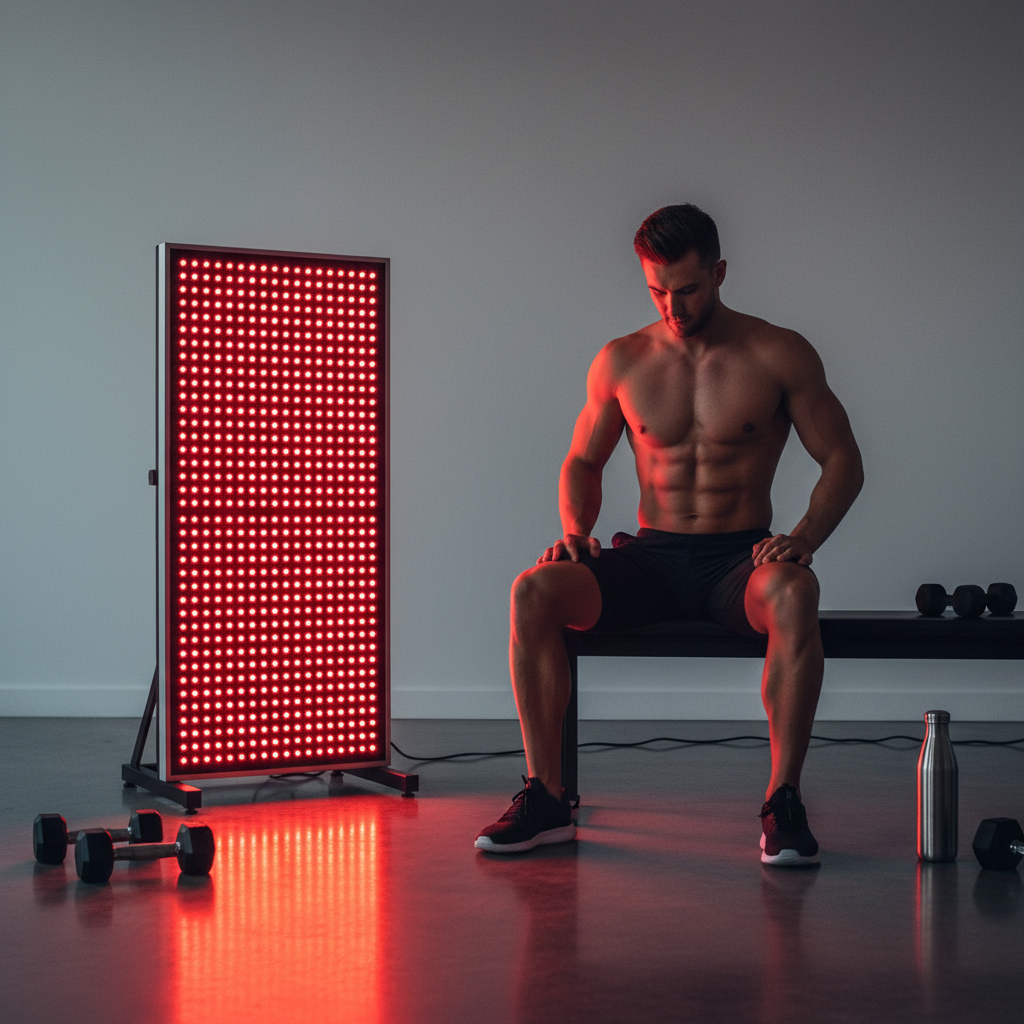
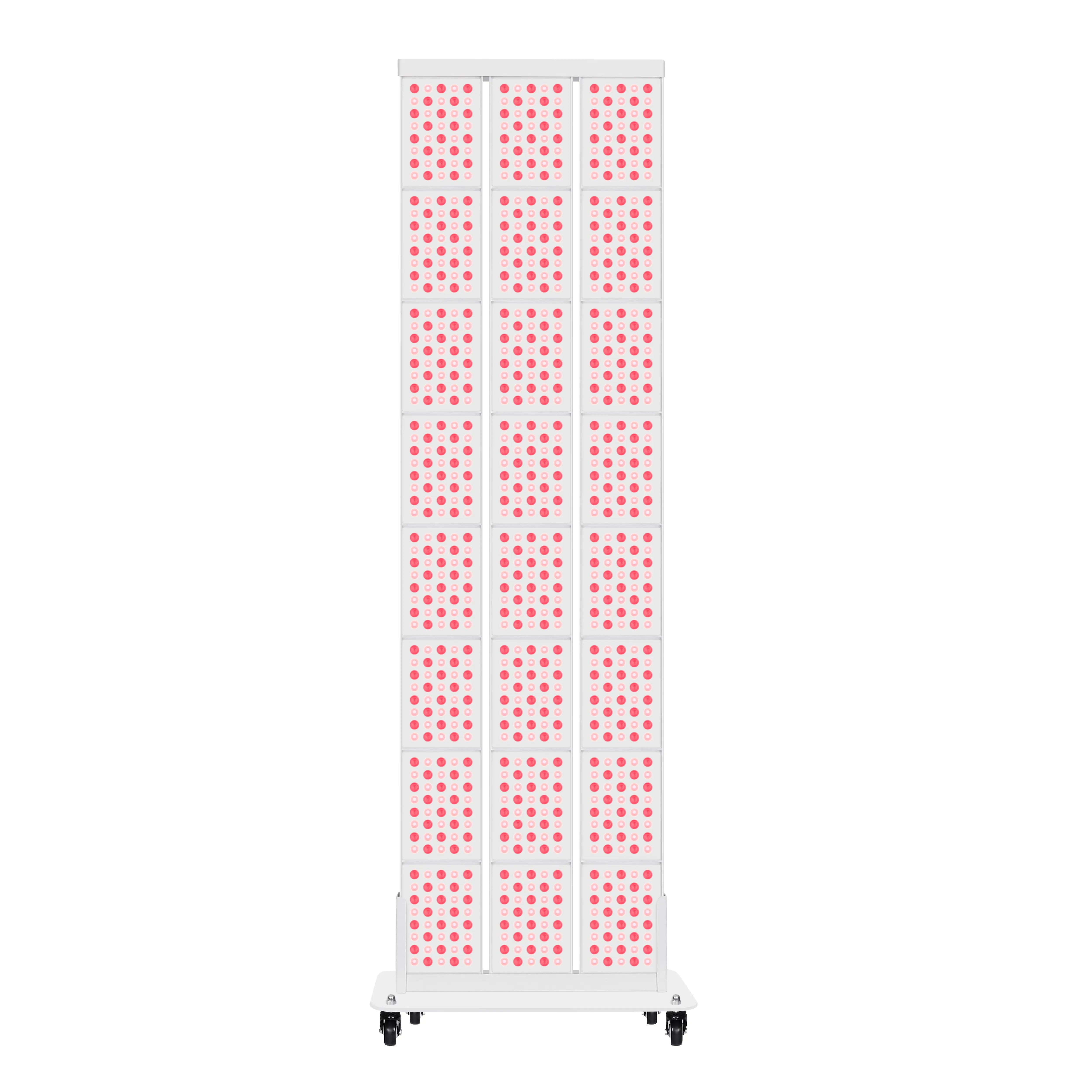
Using a full-body red light therapy panel for comprehensive treatment during this phase may help ensure that new collagen is laid down in a more organized fashion. This is particularly relevant for patients with a history of hypertrophic scarring or those undergoing high-tension surgeries like breast lifts.
Device Standards and Safety
When selecting a device for post-surgical use, technical precision is vital. Healing tissue requires equipment that adheres to recognized safety standards for red light therapy devices.
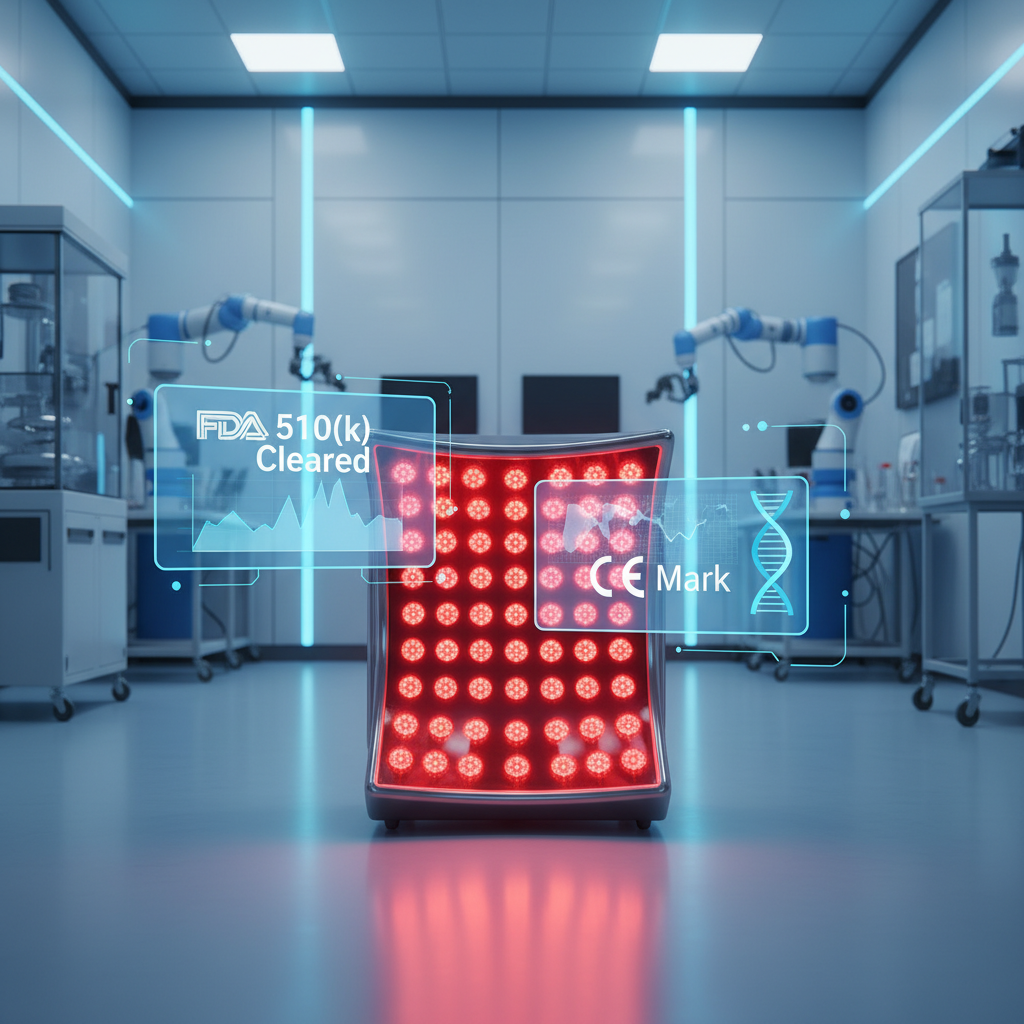
Current industry benchmarks include the IEC 60601-2-57:2026 standards, which regulate light output and electrical safety for therapeutic LED devices. High-quality panels should provide irradiance data verified by spectroradiometry. For post-op patients, low EMF (electromagnetic field) and zero flicker are recommended to maintain a low-stress recovery environment.
FAQ
Can I use red light therapy directly on my surgical stitches? Generally, yes, once initial bleeding has stopped and the wound is dry. While light can penetrate clear dressings, it is most effective on bare skin once your surgeon confirms bandages can be briefly removed. Ensure the device is kept at the recommended distance to avoid heat transfer to sensitive tissue.
Will red light therapy help with the bruising after liposuction? Red light therapy has demonstrated effectiveness in reducing bruising by supporting local circulation and the lymphatic system's ability to reabsorb fluids. Many patients observe a visible reduction in discoloration within 3-5 days of consistent use, though individual results vary.
How many times a day should I use red light therapy after surgery? During the first two weeks, 1 to 2 sessions per day are typically recommended. Sessions should remain within the 5-10 minute range per area to stay within the therapeutic window. Overuse may lead to diminishing returns where the stimulatory effect is lost.
Is it safe to use red light therapy if I have internal metal implants? The non-ionizing wavelengths used in PBM do not typically heat metal implants like titanium or stainless steel. However, if you feel any unusual warmth or sensation near the implant, stop the session and consult your orthopedic surgeon.
Can red light therapy prevent a scar from becoming a keloid? No treatment can 100% guarantee the prevention of keloids, which are often influenced by genetics. However, by modulating fibroblast activity and reducing chronic inflammation, PBM may help lower the risk of hypertrophic scarring when used consistently during the first year of healing.
Does red light therapy help with post-operative numbness? Near-infrared light (850nm) has been studied for its potential to support nerve regeneration and manage neuropathic pain. Regular sessions may help support the return of normal sensation in areas affected by surgical incisions.
References
Government / Standards / Regulators
- IEC 60601-2-57:2026: Medical electrical equipment - Safety requirements for non-laser light source equipment for therapeutic use.
- FDA: Product Classification for Light Based Health and Beauty Devices (21 CFR 878.4810).
Industry Associations / Research Institutes
- North American Association for Photobiomodulation Therapy (NAALT): Clinical guidelines for post-operative wound management (2025 Update).
- World Association for Photobiomodulation Therapy (WALT): Dosage recommendations for tissue repair and pain control.
Academic / Whitepapers / Labs
- PubMed (ID: 41598551): "Laser-Based Photobiomodulation in Postoperative Tissue Healing: A Systematic Review of Clinical Outcomes."
- Journal of the American Academy of Dermatology (JAAD): "Evidence-based consensus on the clinical application of photobiomodulation in dermatology and plastic surgery."
- Arndt-Schulz Law in Modern PBM: Analysis of biphasic dose-response curves (University of Sydney, 2024).
Platform Official Docs & Policies
- YouLumi Authoritative Guide: Photobiomodulation Standards: Irradiance, EMF, and Safety (2026).
Related
Medical Disclaimer: This guide is for informational purposes. Post-surgical care must be supervised by a medical professional. If you suspect an infection or complication, seek immediate medical attention.