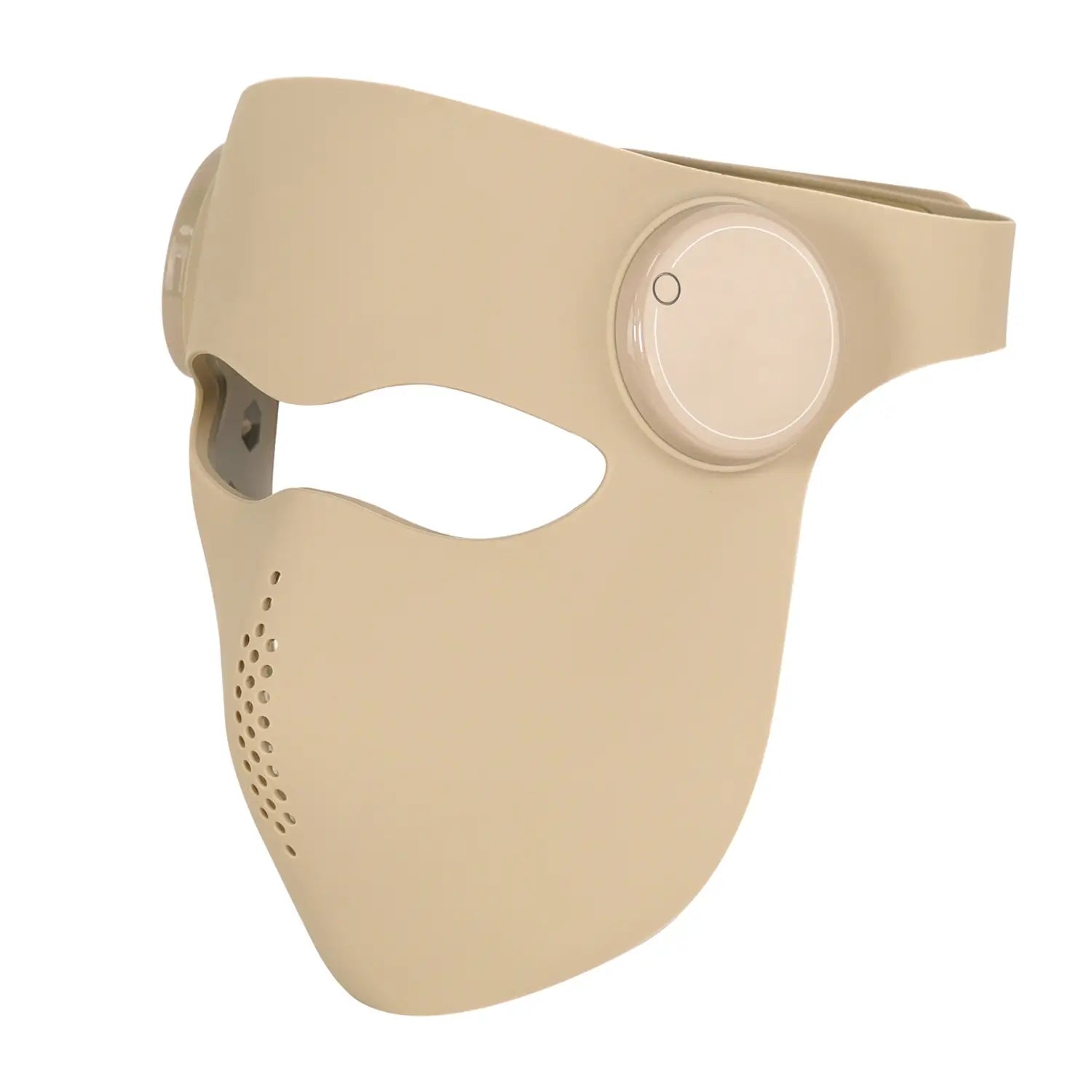
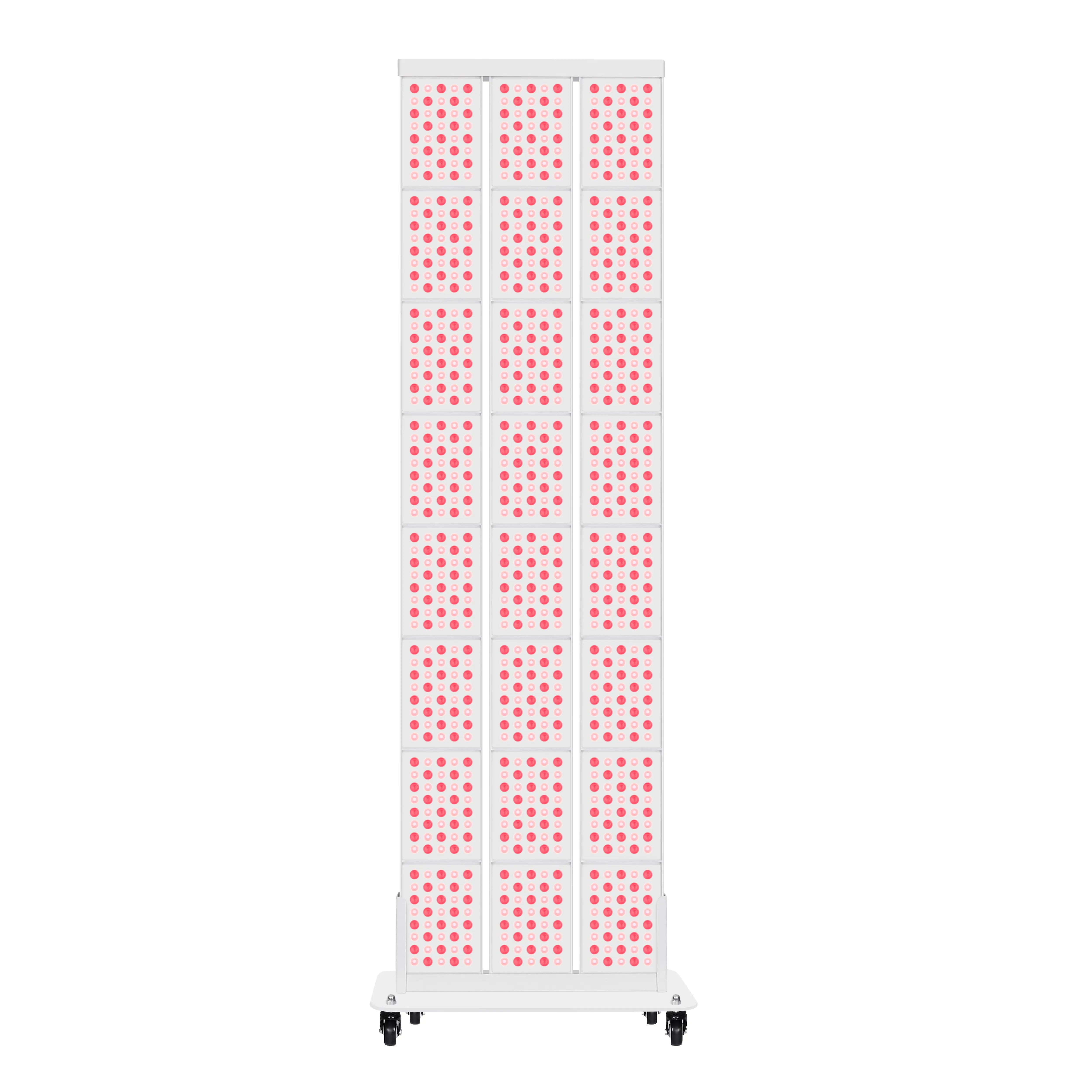
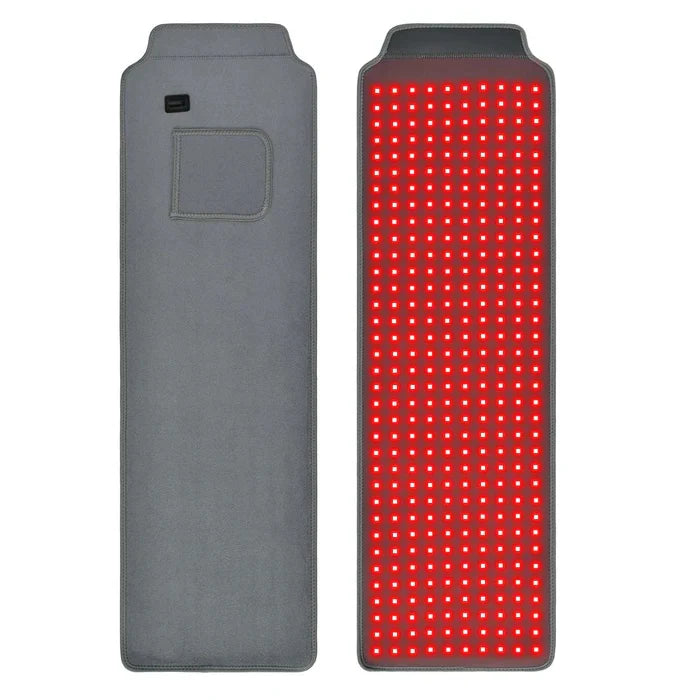
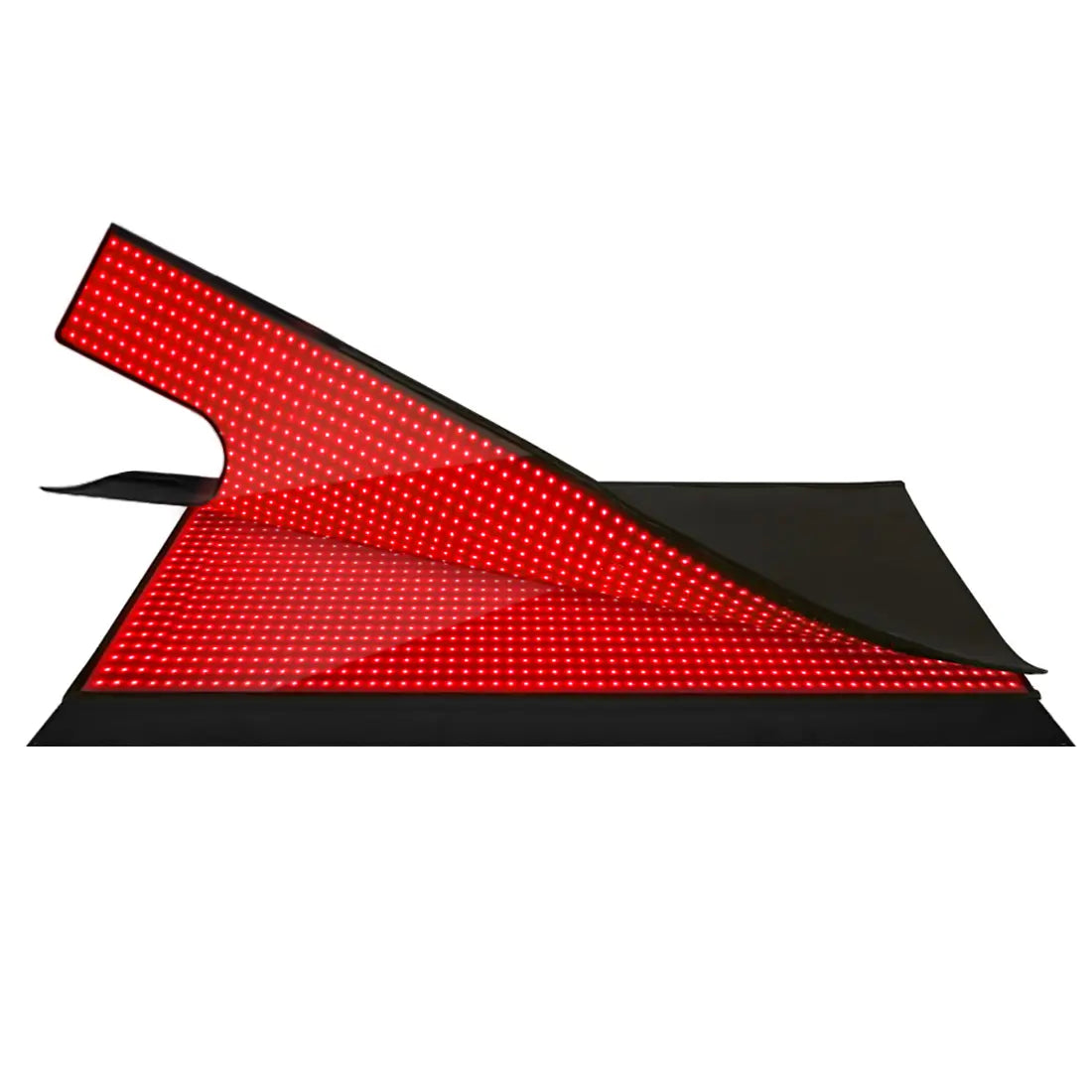

Summary
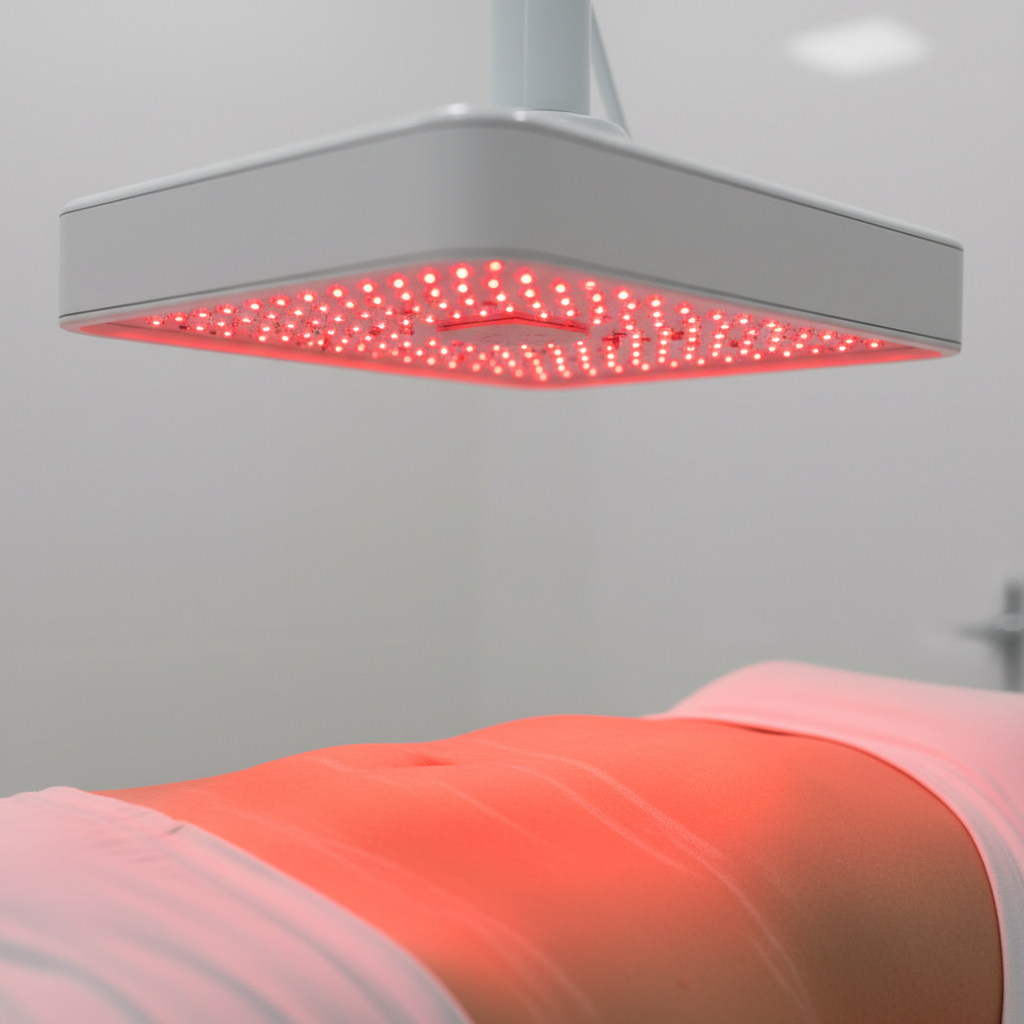
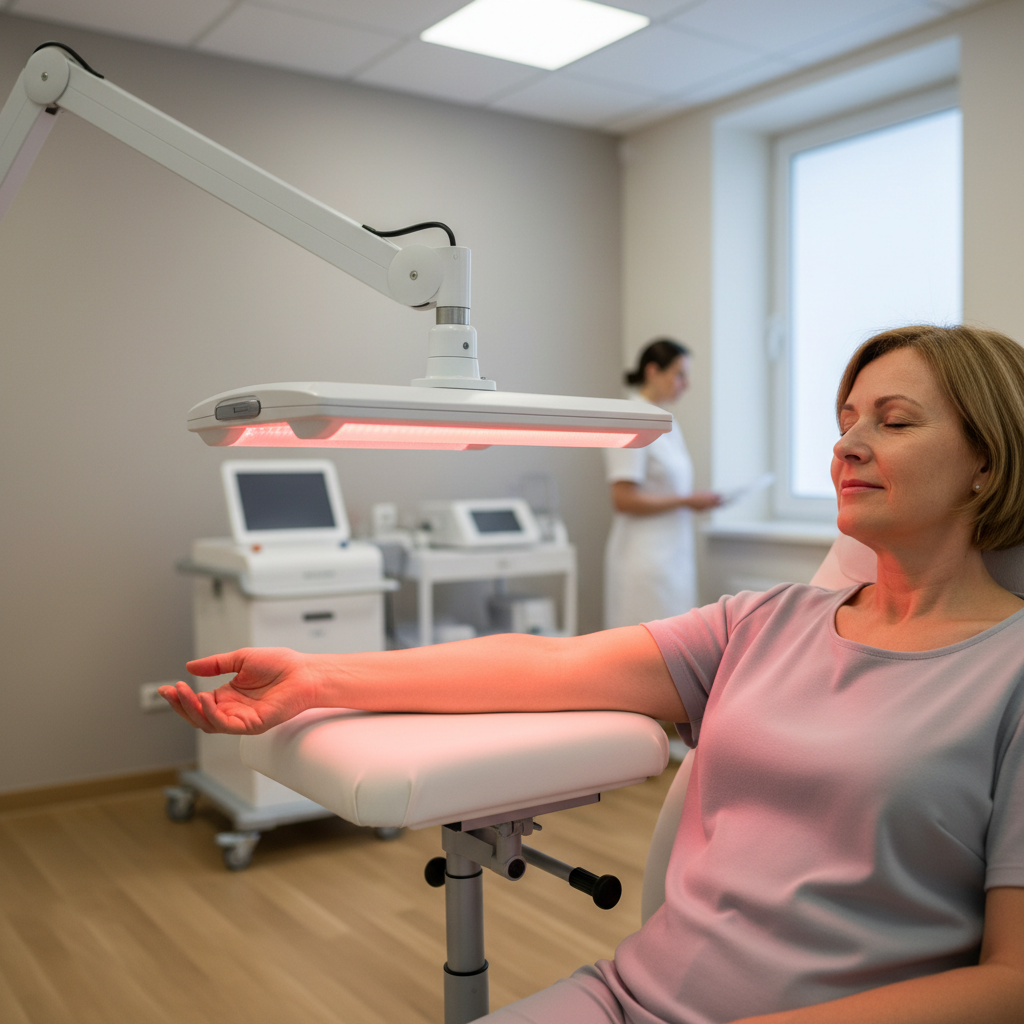
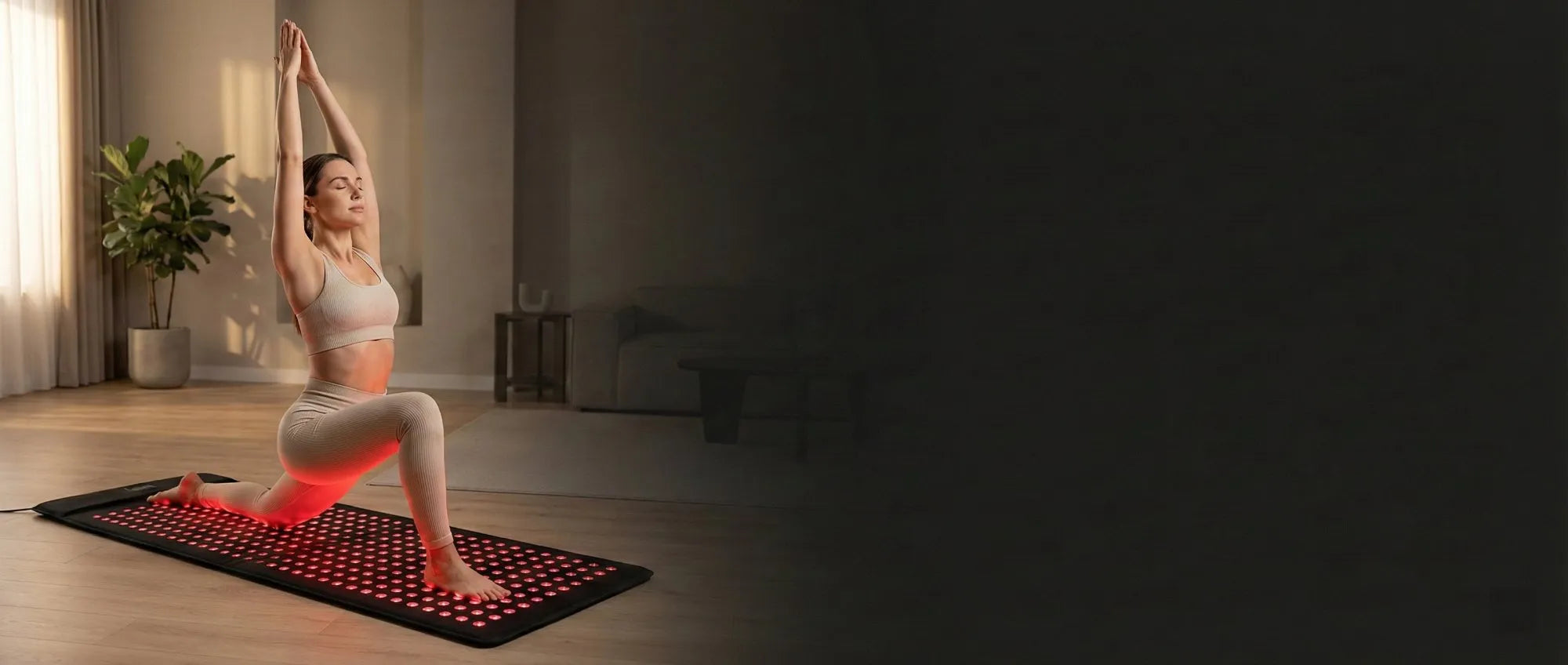
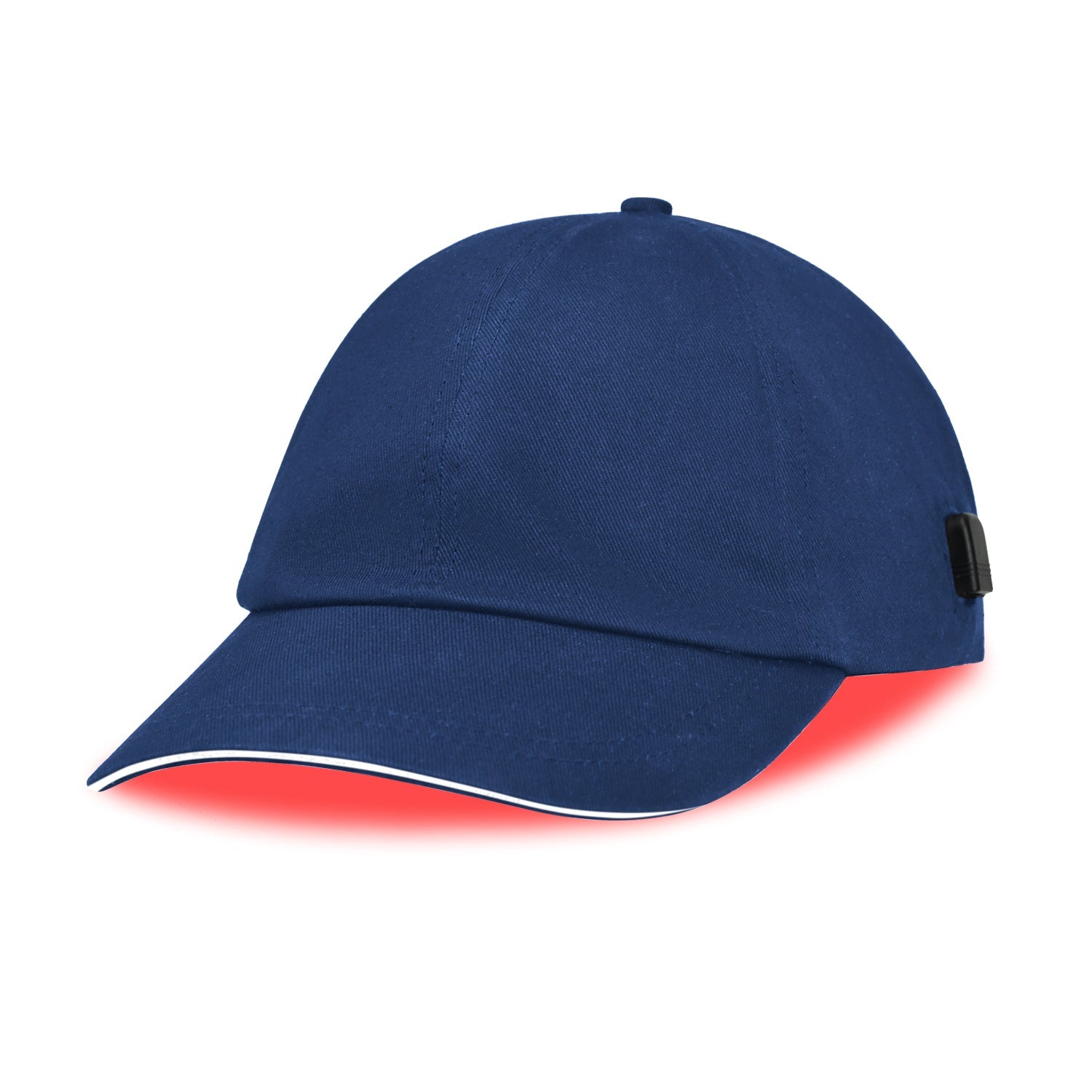
Professional red light therapy, or photobiomodulation (PBM), has evolved into a significant component of integrative clinical practice in 2026. This implementation hub provides healthcare practitioners—including physical therapists, chiropractors, and dermatologists—with a comprehensive framework for clinical integration. We detail the transition toward precision dosing based on the IEC 60601-2-57:2026 safety standards, illustrative ROI models for cash-pay and membership structures, and the operational protocols necessary for high-volume clinical environments. By bridging the gap between technical irradiance validation and practical patient care, this guide serves as a technical resource for clinics seeking to implement light therapy based on current industry benchmarks.
Clinical & Legal Disclaimer: This content is intended for professional healthcare practitioners for informational and educational purposes only. It does not constitute medical advice, diagnosis, or a guarantee of specific treatment outcomes. Photobiomodulation should only be administered by licensed professionals following a comprehensive patient assessment and the acquisition of written informed consent. Practitioners must verify that all equipment complies with local regulatory standards (e.g., FDA Class II) before clinical use.
Key Takeaways
- Precision Dosing Standards: Clinical efficacy in 2026 relies on tissue-specific dosing (Joules/cm²) and validated irradiance maps rather than generic "time-on-device" metrics.
- Financial Sustainability: Many successful clinics utilize cash-pay models (typically $40–$75/session) and tiered memberships to manage recurring revenue and patient compliance.
- Regulatory Compliance: Adherence to IEC 60601-2-57:2026 and FDA Class II (Product Code NHN) is a standard requirement for professional-grade devices to manage liability and safety.
- Operational Synergy: Integrating RLT with existing modalities like physical therapy or chiropractic adjustments may create a "stacking" effect that supports recovery and manages post-treatment soreness.
- Technical Validation: Practitioners are advised to verify device performance through third-party spectroradiometry to ensure irradiance accuracy, as consumer-grade equipment often lacks professional-level calibration.

The Evolution of Photobiomodulation in Clinical Practice
As we move through 2026, the landscape of light therapy has transitioned from a niche wellness offering to a recognized medical modality. Photobiomodulation (PBM) works by utilizing specific wavelengths of light—primarily in the red (630–660nm) and near-infrared (810–850nm) spectrums—to support mitochondrial function and modulate inflammatory markers. For the modern healthcare provider, the clinical focus has shifted from basic efficacy to the optimization of implementation with precision and efficiency.
The integration of professional-grade red light therapy requires an understanding of the Arndt-Schulz Law, which suggests a biphasic dose response: there is an optimal "window" for light dosage. Insufficient light may provide no measurable benefit, while excessive doses can potentially inhibit cellular repair. This principle is why clinical-grade devices must offer precise control over irradiance and exposure time. To ensure your clinic meets these benchmarks, practitioners should consult our technical whitepaper on photobiomodulation standards and safety protocols, which outlines the validation required for clinical-grade applications in 2026.
Precision Dosing Protocols for Healthcare Specialties
Clinical implementation varies depending on the specialty and the target tissue depth. In 2026, standardized timers are increasingly replaced by pathology-specific protocols that account for the optical properties of human tissue.
Physical Therapy and Chiropractic Care
In these settings, the primary goals are often pain management and supporting tissue regeneration. Practitioners typically target deep musculoskeletal structures, requiring near-infrared (NIR) wavelengths like 810nm and 850nm, which generally exhibit higher transmission through skin and bone.
- Target Irradiance: 50–100 mW/cm² at the skin surface (Source: 2025 Clinical Meta-Analysis).
- Dosage Target: 6–10 Joules/cm² per treatment area.
- Frequency: Typically 2–3 sessions per week for a duration of 4–6 weeks, subject to individual patient response.
Dermatology and Medical Aesthetics
For skin-level treatments, the focus shifts to the epidermis and dermis. Red wavelengths (630nm and 660nm) are often utilized for their role in supporting collagen synthesis and managing surface inflammation.
- Target Irradiance: 20–40 mW/cm² to minimize potential thermal stress.
- Dosage Target: 2–4 Joules/cm² per session.
- Frequency: 1–2 sessions per week for maintenance, or more frequent initial protocols for active skin concerns.

Clinical Protocol Summary Table (2026 Suggested Ranges)
| Specialty | Primary Wavelengths | Target Depth | Dosing Range (J/cm²) | Typical Session Time |
|---|---|---|---|---|
| Physical Therapy | 810nm, 850nm | Deep (Bone/Muscle) | 6–12 J/cm² | 10–15 Minutes |
| Chiropractic | 830nm, 850nm | Joint/Nerve | 5–10 J/cm² | 8–12 Minutes |
| Dermatology | 630nm, 660nm | Surface (Skin) | 2–4 J/cm² | 5–10 Minutes |
| Sports Medicine | 660nm, 850nm | Systemic/Muscle | 8–15 J/cm² | 15–20 Minutes |
Technical Note: These protocols assume the use of laboratory-validated, professional-grade panels. Session times are calculated based on a minimum irradiance of 50 mW/cm². If using lower-powered devices, session times must be extended proportionally to reach the target dose.
The Dosing Formula for Clinical Reproducibility
To ensure consistent results across different devices, practitioners should use the following calculation: $Dose (J/cm^2) = \frac{Irradiance (mW/cm^2) \times Time (seconds)}{1000}$
Example: To deliver 10 J/cm² using a device with 50 mW/cm² irradiance: $10 = \frac{50 \times Time}{1000} \rightarrow Time = 200 \text{ seconds (approx. 3.3 minutes)}.$
The Business Case: ROI and Integration Models
Integrating a new modality requires financial sustainability. In 2026, many clinics utilize a hybrid revenue model that combines cash-pay services with existing insurance-based treatments.
Billing and Reimbursement Strategies
While insurance reimbursement for PBM remains complex and varies by region, several CPT codes are occasionally utilized. CPT 97039 (Unlisted therapeutic procedure) is sometimes used but requires detailed manual justification. Some clinics explore CPT 0552T, which covers low-level laser therapy for specific applications. However, many clinics find the cash-pay model more predictable. Typical charges range between $40 and $75 per session, or "add-on" pricing of $25–$35 when combined with a standard therapy session.
Membership and Subscription Models
To manage recurring revenue, clinics may implement tiered membership structures.
- Basic Tier: $150/month for 4 sessions (Maintenance focus).
- Pro Tier: $300/month for unlimited sessions (Acute recovery focus). Note: These figures are illustrative projections; actual revenue depends on local market saturation and clinic overhead.
Tax Considerations: Section 179
For US-based clinics, the purchase of professional red light therapy equipment may qualify for the Section 179 Tax Deduction. This allows a business to potentially deduct the full purchase price of qualifying equipment in the year it is placed in service. Practitioners should consult with a tax professional to confirm eligibility based on their specific financial situation.
Technical Standards and Safety Compliance in 2026
Professional-grade devices in 2026 are expected to adhere to the IEC 60601-2-57:2026 standard, which governs the safety and performance of non-laser light source equipment in a medical context.
Irradiance and Wavelength Validation
Practitioners are encouraged to request third-party validation of irradiance maps. Some consumer-grade manufacturers may report "inflated" irradiance figures measured with solar meters not calibrated for PBM wavelengths. Professional devices should be verified using spectroradiometry to ensure the light delivered matches the prescribed protocol.
EMF and Flicker Safety
High-end clinical devices typically feature shielded internal components to ensure Low-EMF operation. Additionally, the IEEE 1789-2015 standard for flicker modulation is important for patient comfort, particularly for those with neurological sensitivities.
Operational Excellence: Staff, Maintenance, and Consent
Successful implementation requires a structured approach to training, maintenance, and patient screening.
Staff Training and the PBM Safety Officer
Designating a "PBM Safety Officer" can help maintain clinical standards. Responsibilities include:
- Safety Training: Ensuring staff understand eye safety requirements (Optical Density - OD) and proper protective eyewear usage.
- Skin Typing: Training staff to use the Fitzpatrick scale to adjust dosing, as darker skin tones may absorb more light at the surface.
- Contraindication Screening: Verifying patients do not have active malignancies in the treatment area, are not pregnant, and are not taking photosensitizing medications (e.g., Tetracycline).
Maintenance and LED Degradation
LEDs are subject to gradual degradation. In high-volume clinical settings, LEDs may lose approximately 3-5% of their irradiance for every 1,000 hours of use (Source: Industry average LED lifespan data). Clinics should perform an annual calibration check using a professional-grade radiometer. If irradiance drops below 10% of the original factory specification, the device may require servicing to maintain dosing accuracy.
Cluster Map
As a central hub for clinical implementation, this page connects to deeper technical and regulatory resources.
| Resource Title | Focus Area |
|---|---|
| Photobiomodulation Standards: Irradiance, EMF, and Safety | Technical benchmarks, IEC 60601-2-57:2026, and safety protocols. |
FAQ
What is the average ROI for a red light therapy panel in a clinical setting? Many clinics report a return on investment within 6 to 12 months, depending on session volume and pricing. For example, a panel costing $5,000 performing 10 sessions per week at $50 each generates $2,000 in monthly revenue. These estimates are illustrative and do not account for overhead or tax benefits like Section 179.
Is special electrical wiring required for professional-grade RLT panels? Most professional panels operate on standard 110V/120V outlets. However, high-powered multi-panel arrays or full-body beds may require a dedicated 20-amp circuit. Consult the manufacturer's technical specifications and local electrical codes to ensure infrastructure compatibility.
Can red light therapy be billed through health insurance? Reimbursement is possible but varies significantly by provider. Codes such as CPT 97039 and CPT 0552T are the most common avenues, but they often require manual justification and clinical notes. Many clinics opt for cash-pay models to reduce administrative uncertainty.
How do I choose between a laser (LLLT) and an LED-based system? In 2026, the technical gap between high-powered LEDs and lasers has narrowed. LEDs are generally preferred for treating larger surface areas uniformly and at a lower cost per square centimeter. Lasers remain relevant for highly targeted, point-specific applications.
What are the absolute contraindications for professional RLT? Absolute contraindications generally include active malignancy in the treatment area, direct application over the thyroid gland, and known photosensitivity disorders. Relative contraindications include pregnancy and photosensitizing medications; in these cases, physician clearance is recommended.
How often should clinical RLT devices be calibrated? A professional calibration check is recommended at least once every 12 months. Because LED irradiance degrades over time, annual checks with a calibrated radiometer help ensure patients receive the intended dose and protect the clinic from liability related to under-dosing.
References
Government / Standards / Regulators
- International Electrotechnical Commission (2026). IEC 60601-2-57:2026 - Medical electrical equipment - Part 2-57: Particular requirements for the basic safety and essential performance of non-laser light source equipment.
- U.S. Food and Drug Administration (FDA). Product Code NHN: Non-thermal Infrared Lamp for Pain Relief.
- Internal Revenue Service (IRS). Section 179 Deduction for Business Equipment and Software.
Industry Associations / Research Institutes
- American Society for Laser Medicine and Surgery (ASLMS). 2025 Clinical Guidelines for Photobiomodulation Therapy.
- Healthcare Financial Management Association (HFMA). ROI Analysis for Emerging Medical Technologies in Private Practice (2025 Update).
Academic / Whitepapers
- Hamblin, M. R. (2024). Photobiomodulation: Mechanisms and Clinical Applications. Journal of Clinical Medicine.
- Anders, J. J., et al. (2025). Dosing Parameters for Deep Tissue Photobiomodulation: A Systematic Review.
Platform Official Docs
- Youlumi Research. Photobiomodulation Standards: Irradiance, EMF, and Safety. (2026).