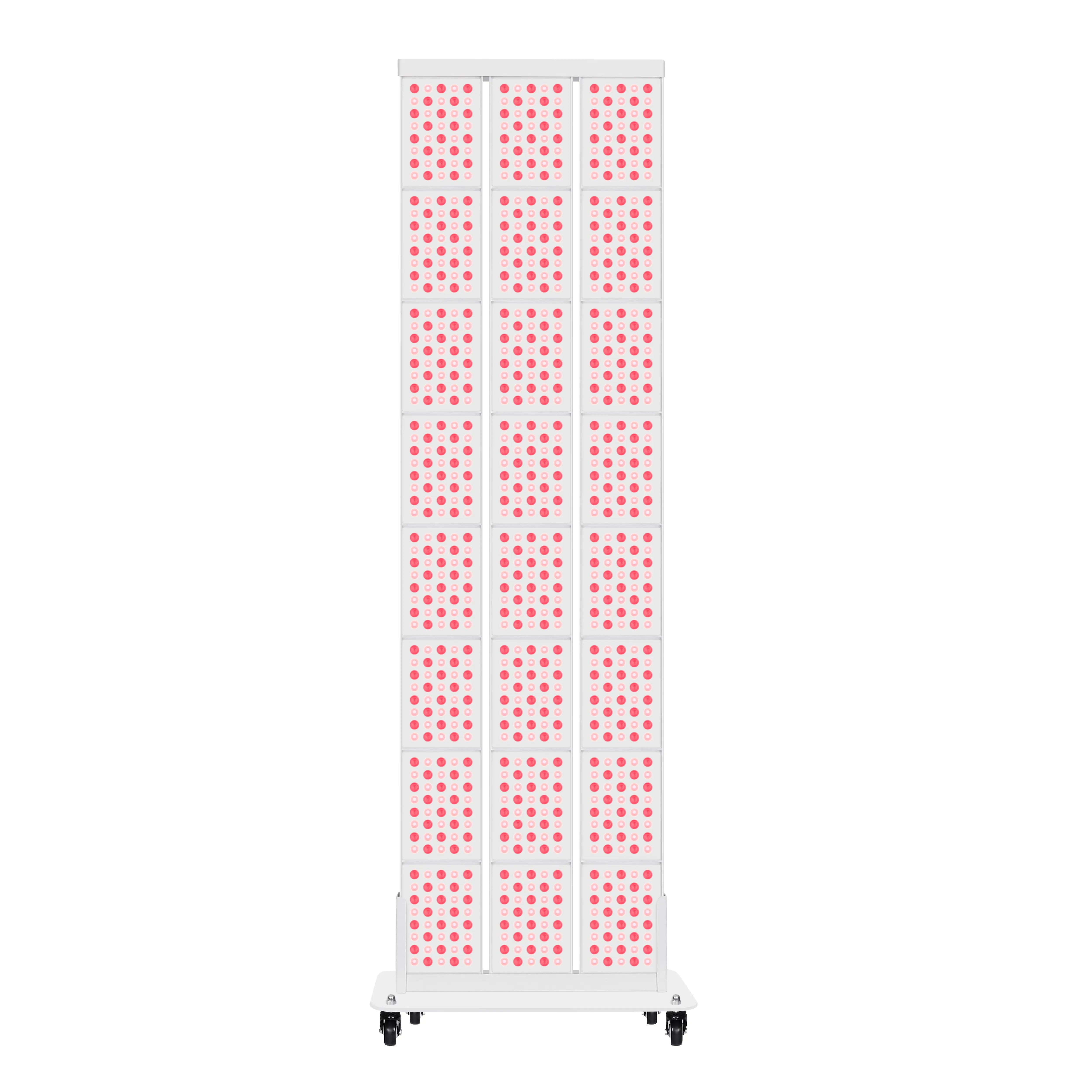
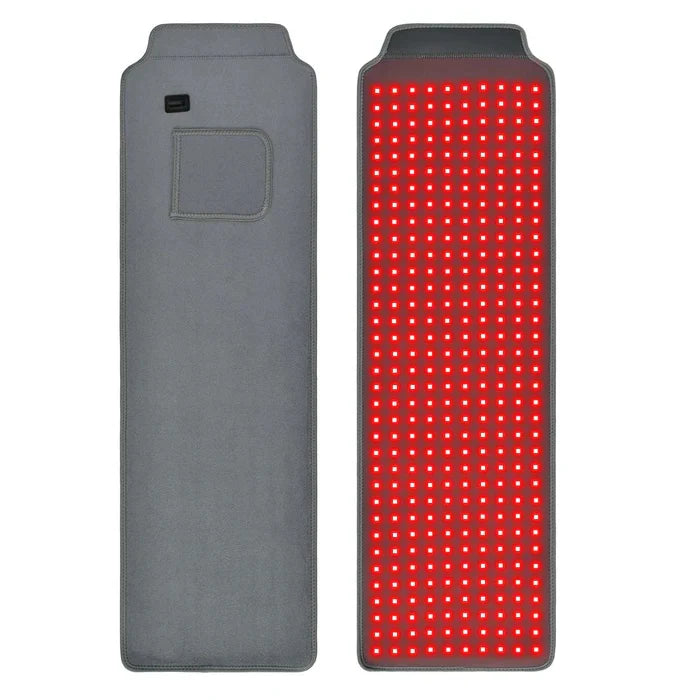
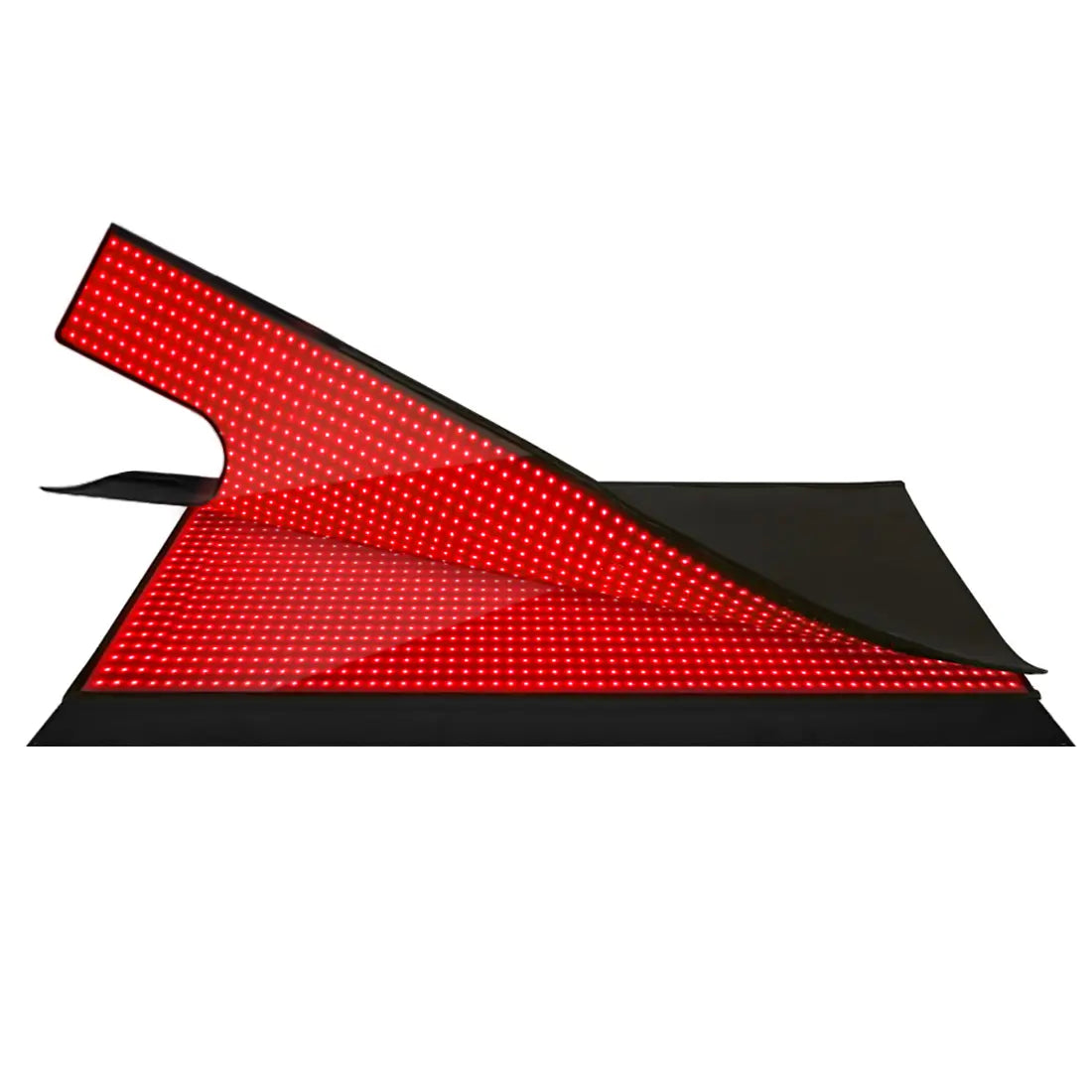
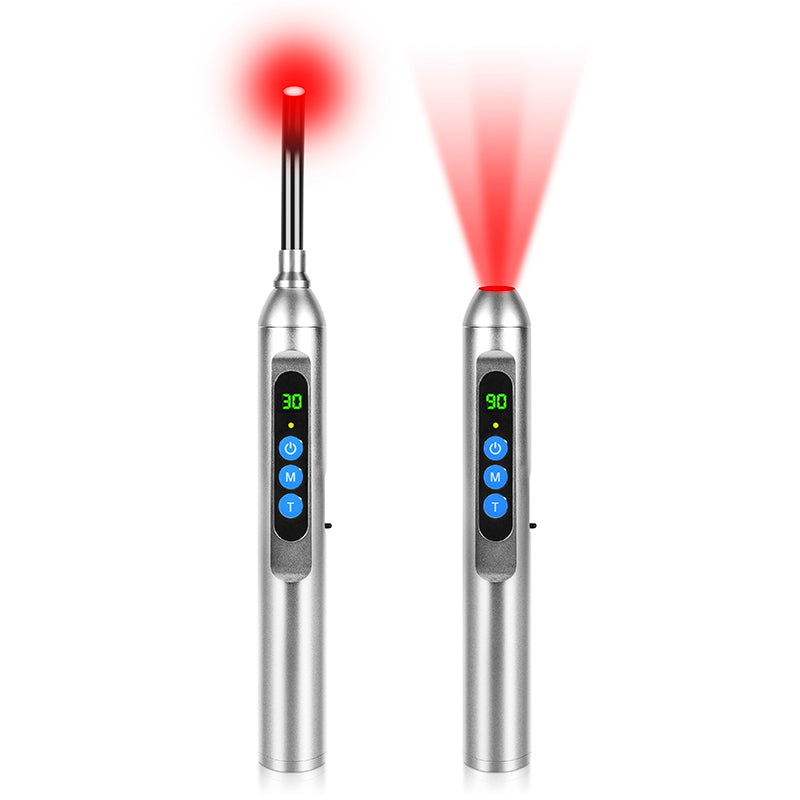

Deciding between pulsed and continuous red light therapy often comes down to your specific goals, device quality, and how you tolerate the session rather than one mode being universally superior. Current evidence as of 2026 shows the literature is mixed, with some studies reporting advantages for specific pulse frequencies in certain experimental models while others find continuous wave performs as well or better. Pulsing can serve as a useful tuning parameter for comfort and dosage delivery, but it does not guarantee deeper penetration or faster results for every user.

Photobiomodulation (PBM) is a noninvasive light therapy that uses red or near-infrared light to affect biological processes. When shopping for premium red light therapy mats or panels, you will frequently encounter options for both continuous wave (steady light output) and pulsed modes (light that turns on and off at specific frequencies). Understanding the practical differences helps you choose settings that align with skin-focused or recovery-focused routines without falling for overstated marketing claims.
What Pulsed and Continuous Modes Actually Do
Continuous wave mode delivers a steady stream of light at a constant intensity. This approach makes it straightforward to calculate the delivered dose in joules per square centimeter, which remains one of the most important factors in photobiomodulation according to the biphasic dose response principle. Too little or too much light can reduce effectiveness, so consistent delivery helps many users stay within an optimal range.
Pulsed mode interrupts the light at set frequencies, often measured in hertz (Hz). Studies have examined a wide range of frequencies, and there is no single standardized setting that works for all goals. As this review on pulsing in low-level light therapy explains, pulse frequency is a real parameter in photobiomodulation, but current evidence does not show that pulsed light is universally better than continuous light.
Some users report that pulsing feels gentler on the skin or eyes during longer sessions, while others prefer the simplicity of continuous output. The choice often influences perceived comfort more than measurable biological outcomes in everyday home use.
The Current Evidence Landscape in 2026
The published evidence on pulsed versus continuous red light therapy remains mixed. This comprehensive review of light parameters concludes that some reviews report continuous wave performing better, while others find benefits for specific pulse frequencies.

Certain experimental models have shown advantages for pulsed light. For example, one study found better outcomes with specific pulsed frequencies than with continuous wave light in particular wound healing or brain-related experiments. A 2025 comparative analysis also suggested pulsed laser irradiation may enable enhanced deep tissue fluence with reduced skin temperature compared to continuous wave delivery. However, these findings are bounded to the tested wavelengths, doses, and models and should not be generalized to all consumer devices or conditions.
PBM has clinical evidence for some uses, but many studies do not isolate pulsing as the decisive factor. As of 2026, pulsed-versus-continuous mode is still an active research question in photobiomodulation. Benefits depend heavily on wavelength (typically 660 nm red and 850 nm near-infrared), irradiance, total energy delivered, and individual tissue response.
Illustrative Evidence Strength: Pulsed vs Continuous Red Light Therapy
Heuristic comparison only; not a claim of universal superiority.
View chart data
| Category | Evidence Support for Pulsed | Evidence Support for Continuous | Mixed / Depends |
|---|---|---|---|
| Skin Healing | 3.0 | 2.0 | 4.0 |
| Deep Tissue Recovery | 4.0 | 1.0 | 3.0 |
| Pain Relief | 2.0 | 3.0 | 4.0 |
| General Use | 2.0 | 2.0 | 5.0 |
Illustrative heuristic built from provided writer evidence: literature is mixed; some studies favor pulsed frequencies in wound/brain models; some reviews find continuous better or no difference; pulsing is framed as a tuning option for dose and comfort; biphasic dose response applies; a 2025 study suggested pulsed light may improve deep tissue fluence with less heat. Values represent relative evidence emphasis, not measured effect sizes.
This chart offers a visual heuristic summary only. The large "Mixed / Depends" component across all categories reflects the current state of evidence. Real-world results vary by device quality, treatment duration, and personal factors.
Common Myths and Realistic Expectations
A frequent myth is that pulsed red light therapy always penetrates deeper or works faster than continuous mode. In reality, pulsing is best treated as a tuning parameter for dosage delivery and treatment response, not as a guaranteed way to reach deeper tissue or produce better results for everyone. Claims of dramatically superior outcomes often exceed what the studies actually demonstrate.
Another misconception is that higher-priced devices with many pulse frequency options automatically deliver better results. While advanced pulse settings can offer more customization, the core therapeutic effect of photobiomodulation still depends more on proper irradiance, wavelength accuracy, and consistent dosing than on the presence of pulsing alone.
Practical Guidance by Goal
For skin health and surface-level benefits, continuous wave often provides a reliable, easy-to-dose option. Many skin-focused studies use steady light delivery, and the evidence on photobiomodulation for skin emphasizes overall parameters more than pulsing. If your primary goal is glow, tone, or collagen support, start with continuous mode and monitor how your skin responds.
For muscle recovery and deeper tissue support, some users prefer pulsed settings, especially lower frequencies around 10 Hz that certain studies have explored. A 2025 study indicated potential advantages for pulsed delivery in achieving higher fluence in deeper layers with less surface heating. However, continuous wave remains effective for most athletes when total energy delivered stays in the optimal range. This guide on red light therapy for muscle recovery offers practical protocols that work well with either mode.
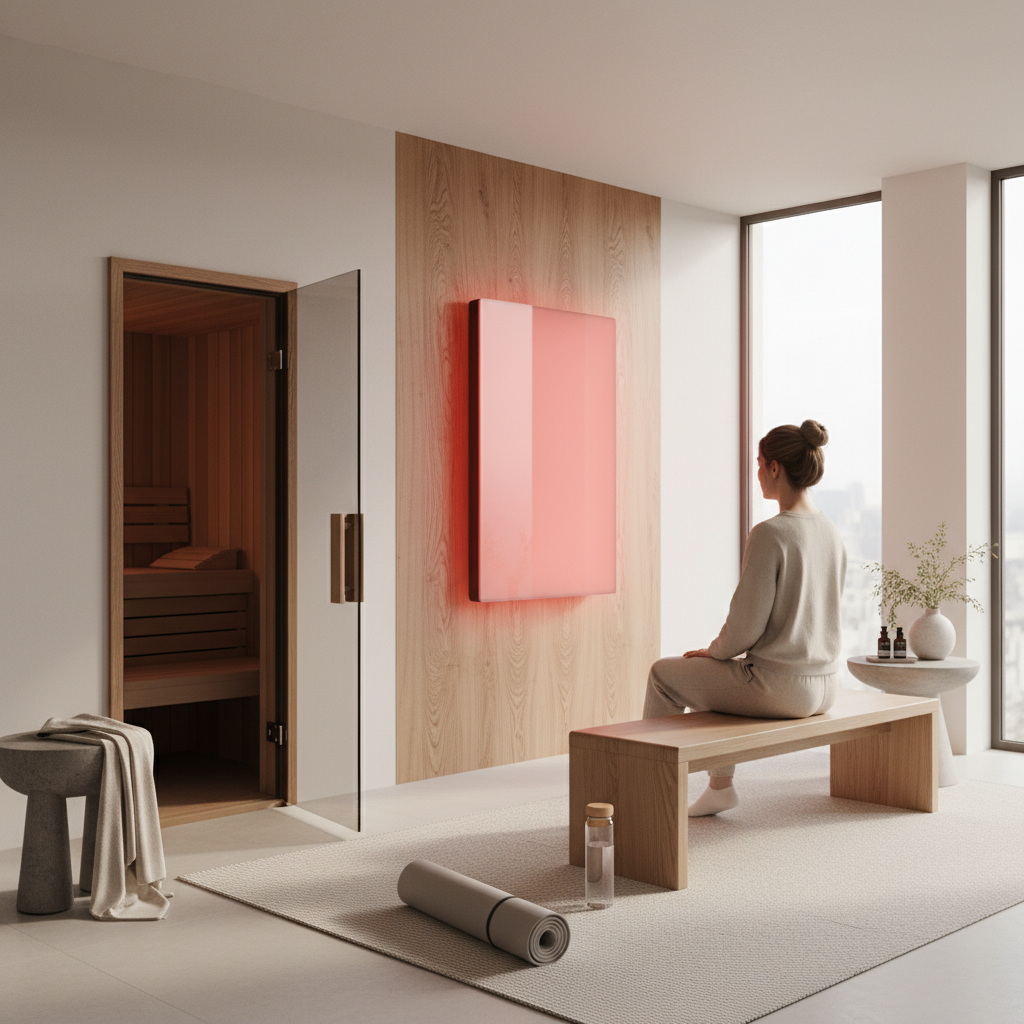
Comfort and session tolerance can influence your choice more than you expect. Some people find pulsing reduces perceived warmth or eye strain during full-body sessions on a mat. Experimenting with both modes on the same device is one of the best ways to determine personal preference.
How to Choose and Use a Device Effectively
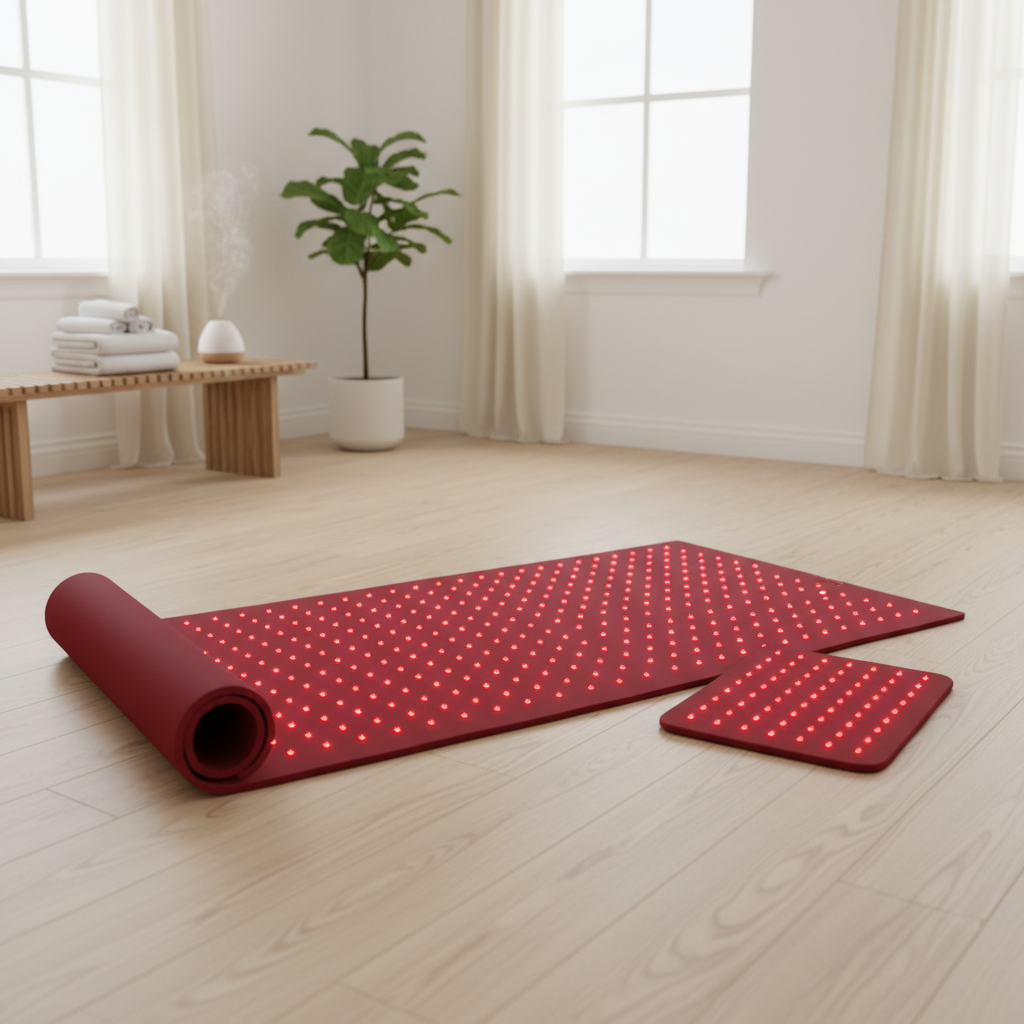
When comparing premium red light therapy mats, look beyond the marketing of "advanced pulse technology." Prioritize accurate irradiance measurements, low EMF, proper wavelengths, and third-party testing. Features like adjustable pulse frequencies can be valuable for experimentation, but they should not be the only decision factor.
A practical checklist before purchase or during use includes:
- Confirm the device provides clear dosing guidelines in joules/cm² for both modes
- Check whether the stated irradiance holds true under real-world conditions
- Start with shorter sessions and continuous mode to establish baseline response
- Track subjective outcomes such as recovery speed, skin appearance, or comfort over 4–6 weeks
- Adjust frequency or switch modes only if the current setting feels suboptimal
- Consult a qualified professional if you have existing medical conditions or experience persistent discomfort
This article discusses comfort and setup considerations only. It does not constitute medical advice, diagnosis, or treatment. If you have persistent symptoms, eye conditions, or other health concerns, please consult a qualified healthcare professional.
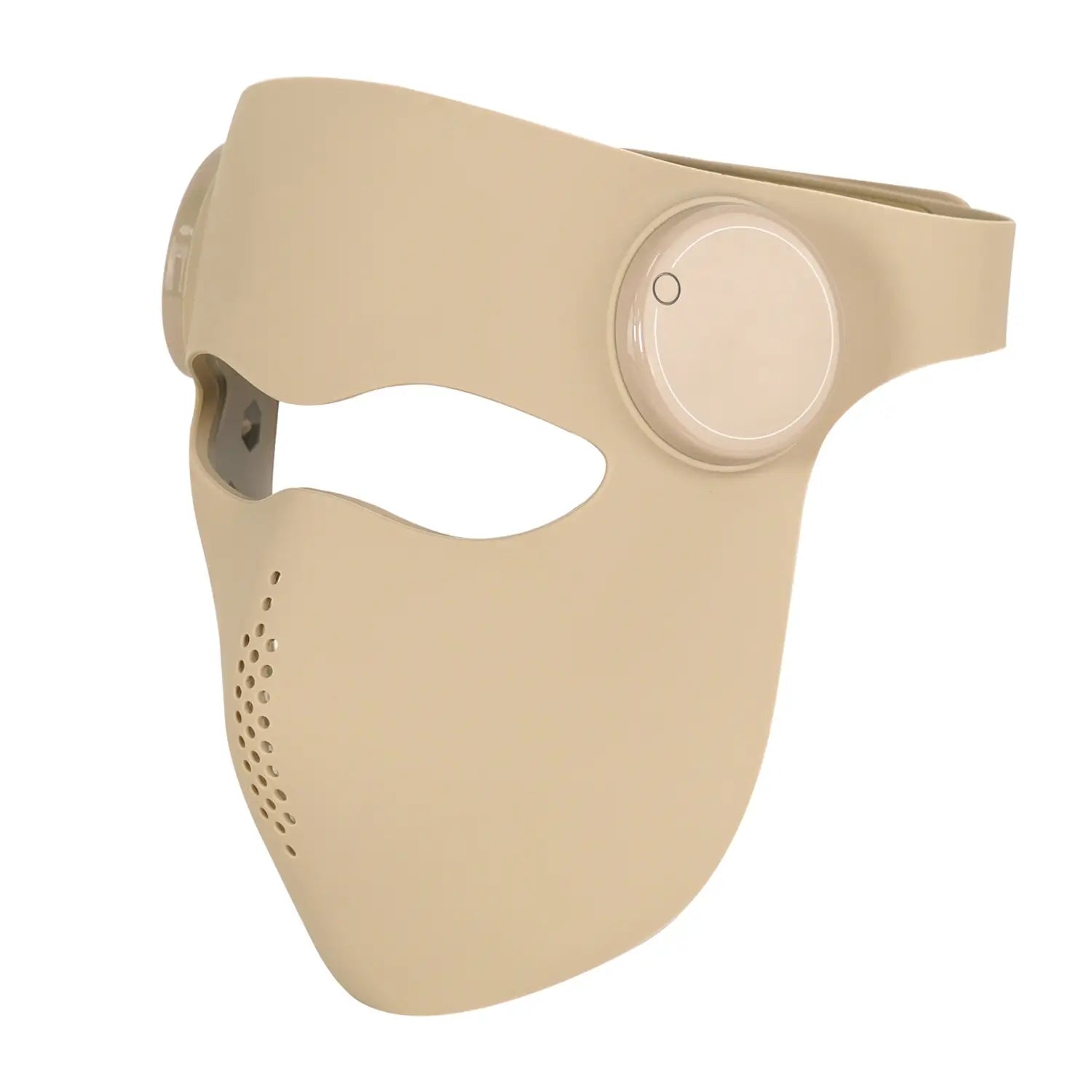
Premium devices such as the YouLumi Pro Recovery Mat offer both continuous and pulsed modes, allowing you to test what works best in your routine. For targeted skin goals, consider options from the Skin & Beauty Wellness collection. Athletes may explore the Athletic Recovery & Performance lineup that includes versatile pulse-capable systems.
Bottom Line
Neither pulsed nor continuous red light therapy is definitively better across the board. The evidence supports viewing pulse mode as an optional feature that may improve comfort or fine-tune response in specific scenarios rather than a must-have upgrade that justifies every higher price point. Focus on overall device quality, proper dosing, and personal experimentation. Many users achieve good results with continuous wave alone, while others appreciate the flexibility of pulsed settings on high-end mats.
As research continues to evolve, the most reliable approach remains consistent use of a well-designed device combined with realistic expectations. Choose based on your primary goals—skin tone, muscle recovery, or general wellness—and select a mat or panel that lets you easily switch modes so you can discover what feels and works best for you.