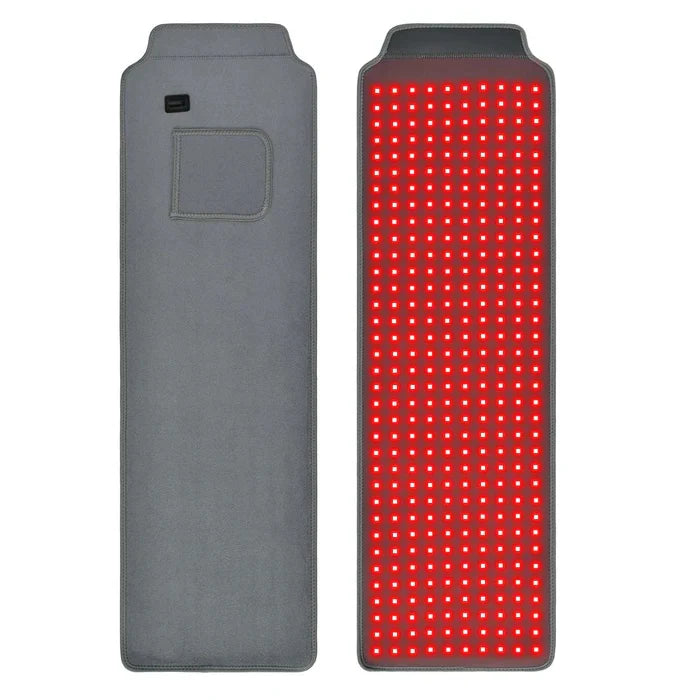
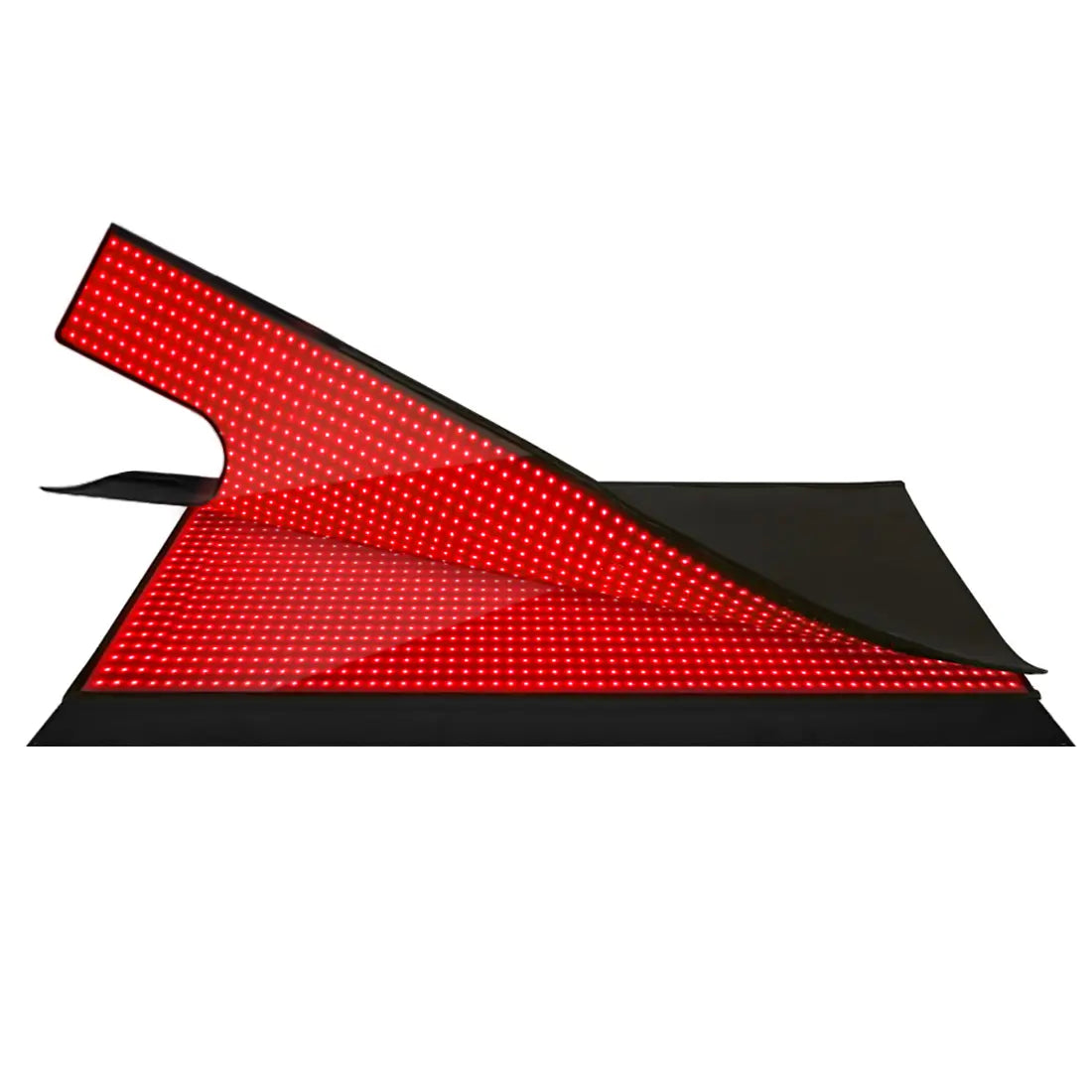
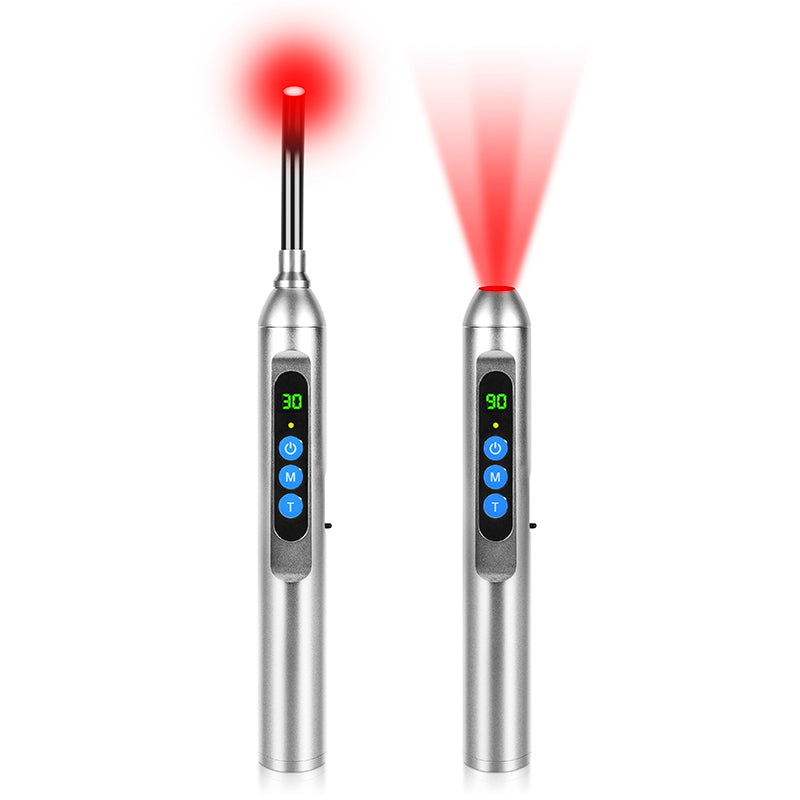

Living with ankylosing spondylitis (AS) often means dealing with persistent inflammatory back pain and prolonged morning stiffness that can limit daily movement. Many adults seek non-pharmaceutical options to support comfort and mobility alongside their prescribed care. Red light therapy, also known as photobiomodulation, is being explored as a complementary at-home tool that may help ease musculoskeletal discomfort through targeted light wavelengths. While research remains early and does not prove it treats or reverses AS, some studies suggest potential symptom support when used consistently as part of a broader routine.

This article examines the current evidence boundaries around red light therapy for inflammatory back pain, practical ways to incorporate a full-body mat, and key factors to consider before adding it to your management plan. The information here is for educational purposes only and is not medical advice.
Understanding Ankylosing Spondylitis and Inflammatory Back Pain
Ankylosing spondylitis commonly presents with inflammatory back pain and morning stiffness, and symptoms may be worse at night or after periods of rest. As this MedlinePlus overview explains, the condition involves chronic inflammation that primarily affects the spine and sacroiliac joints, leading to pain and reduced flexibility over time.
Inflammatory back pain is often worse with rest and improves with movement or exercise, unlike typical mechanical back pain. This pattern explains why many people with AS find relief through consistent physical activity, stretching, and heat, yet still look for additional ways to reduce stiffness upon waking or after prolonged sitting.
Chronic low back pain and prolonged morning stiffness are common in ankylosing spondylitis and related axial spondyloarthritis conditions. For those in early stages or experiencing sacroiliac joint pain, the focus tends to remain on preserving mobility and managing daily flares without relying solely on medication.
How Photobiomodulation May Support Musculoskeletal Comfort
Photobiomodulation and infrared light are being studied as complementary options for musculoskeletal pain, with early evidence suggesting possible symptom support rather than a cure. Research in this area typically examines how specific wavelengths (commonly 660nm red and 850nm near-infrared) interact with cells to influence mitochondrial function, circulation, and inflammatory signaling.

The proposed mechanisms include increased ATP production, reduced oxidative stress, and modulation of certain cytokines. However, these effects are studied mostly in general pain or arthritis models rather than AS-specific long-term trials. Results vary widely based on dosage, device quality, and individual factors.
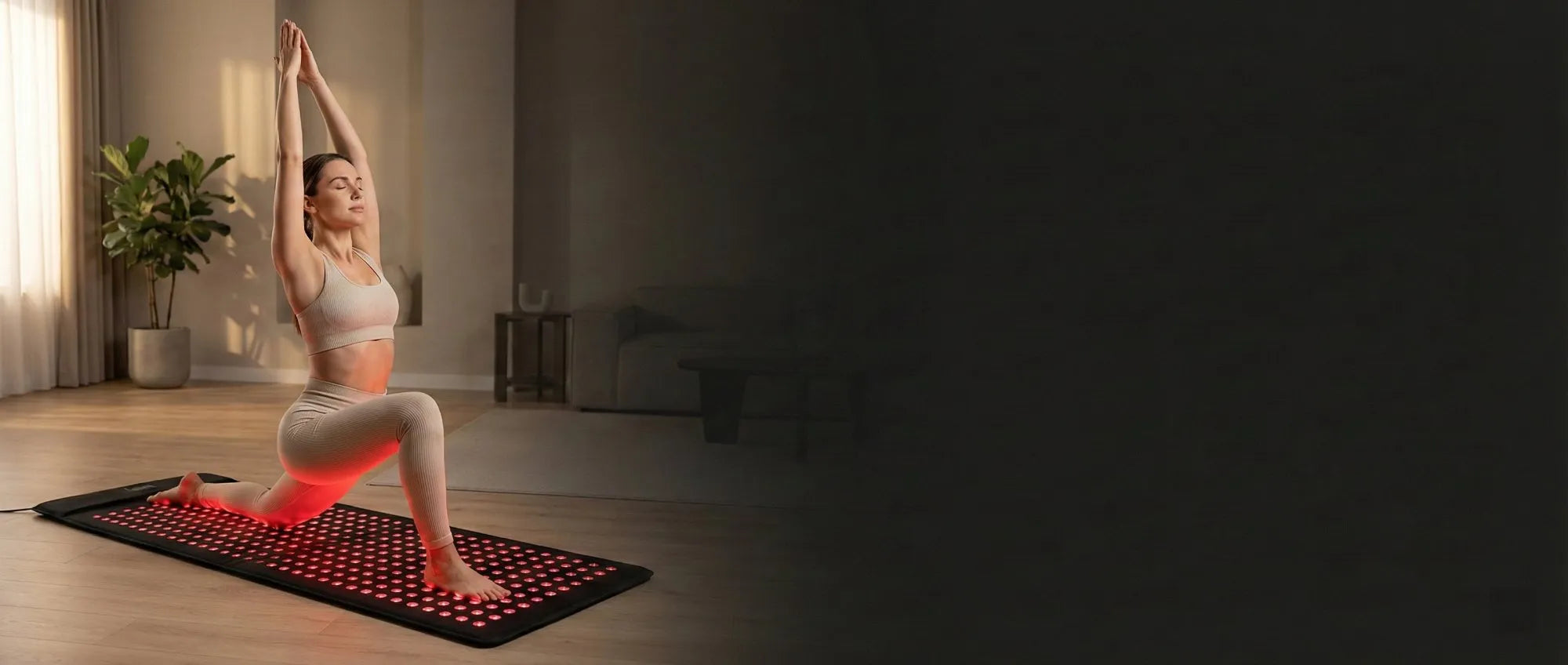
Whole-body photobiomodulation devices have been explored for chronic pain because they can cover a large surface area in a single session. This makes a full-body mat particularly practical for addressing the axial spine, hips, and surrounding tissues that are commonly affected in inflammatory conditions.
It is important to note that red light therapy should be presented as an optional support tool, not a replacement for rheumatology care, medication, or prescribed rehab.
Evidence Boundaries and What Studies Actually Show
Current literature on photobiomodulation for back pain is promising but limited. ClinicalTrials.gov shows that photobiomodulation is still being studied for inflammatory markers and pain, which suggests active research but not settled efficacy. Most available data comes from smaller studies on osteoarthritis, general chronic pain, or related musculoskeletal issues rather than large-scale AS trials.
Morning stiffness, back pain, and mobility are reasonable self-check markers for whether a recovery routine seems helpful over time. Users often track subjective improvements in how easily they can move after waking or how long stiffness lasts, but these self-reports should not replace professional assessment.
People with early inflammatory back pain often report stiffness patterns that differ from ordinary mechanical back pain. This distinction matters when evaluating whether a passive light-based approach fits alongside active movement strategies that are strongly recommended for AS management.
Practical Protocols for Using a Full-Body Red Light Therapy Mat
When considering at-home use, protocol variables matter most: wavelength, session time, frequency, and distance. Clinical-grade mats typically combine 660nm and 850nm LEDs at sufficient irradiance to deliver therapeutic energy across the back and torso.
A common starting approach for comfort support involves 10–20 minute sessions, 3–5 times per week, while lying directly on the mat with skin exposed. Morning use after waking can pair well with gentle stretching, while evening sessions may support recovery after daily activity. Always begin with shorter durations to assess tolerance.
Because AS symptoms often improve with movement, red light sessions can be positioned as a recovery add-on around stretching, walking, or gentle mobility work. Many users lie on the mat first thing in the morning to loosen up before starting their exercise routine.
Consistency appears more important than intensity. Short daily or near-daily sessions on a predictable schedule tend to produce better adherence than sporadic longer treatments. Keep the mat in an easily accessible location to reduce friction.
When a Full-Body Mat Fits Real-Life Scenarios
A full-body red light therapy mat tends to make more sense when the user needs a low-effort, repeatable routine they can do while lying down, especially on mornings when stiffness makes active routines harder to start. It is usually a better complement than a first-line solution when the person can commit to a few consistent sessions per week and already has a basic routine for mobility, heat, stretching, or medication support.
Morning stiffness and hard-to-start days: Good fit if you prefer passive rest for 10–20 minutes before moving. Less ideal if your mornings are rushed or you dislike lying down immediately upon waking.
Sacroiliac joint pain or generalized low-back tightness: Useful when discomfort spreads across the lower back and hips rather than stemming from a single mechanical trigger. Whole-body coverage allows simultaneous treatment of multiple areas.
Post-activity recovery: Helpful after work, walking, or light exercise when you want to wind down while supporting tissue comfort. It pairs naturally with existing heat or stretching habits.
Practical checklist for good fit:
- You have a predictable 10–20 minute window most days.
- Your goal is complementary support rather than a standalone fix.
- You prefer passive options over additional active exercises.
- The mat can be stored and used without major hassle.
Full-body mats may appeal to users who want broad, at-home coverage for the back and trunk in one setup.
When to Consider Alternatives First
A full-body mat is usually not the best first choice if the main problem is a clear mechanical trigger, a need for targeted therapy, or a user who wants the quickest possible path to relief. It also tends to underperform as a first purchase when the buyer is unlikely to use it consistently, because passive devices only help if they are easy enough to repeat.
Consider other options first if pain is strongly tied to specific postures, if your schedule rarely allows for 15-minute blocks, or if you expect dramatic results without combining the mat with movement. In those cases, consulting a physical therapist for tailored exercises or using simpler heat packs may provide more immediate value.
Choosing the Best Red Light Therapy Mat for Back Pain and Systemic Support
Look for devices that specify irradiance in mW/cm² at treatment distance using proper laboratory measurement rather than inflated marketing numbers. Wavelength accuracy within 5nm of the target (660nm and 850nm) matters for consistent biological interaction.
Safety features such as low EMF emission, flicker control, and compliance with medical device standards provide additional confidence for daily long-term use. Full-body mats should offer even coverage without hot spots and be flexible enough for comfortable positioning.
Compare session area, power density, and ease of cleaning. A quality mat should support the entire back and hips in one session while remaining portable enough for home storage.
Safety Considerations and Medical Boundaries
This article only discusses comfort and setup advice. It does not constitute medical advice, diagnosis, or treatment. Red light therapy is not proven to cure ankylosing spondylitis, reverse spinal changes, or replace prescribed therapies such as NSAIDs, biologics, or physical therapy.
Consult your rheumatologist before starting any new modality, especially if you take medications that increase light sensitivity or have active flares. Monitor your symptoms carefully and stop use if discomfort increases. Those with photosensitive conditions, certain skin disorders, or who are pregnant should seek professional guidance first.
Track your experience using simple markers like morning stiffness duration, ease of movement, and overall daily comfort. Share patterns with your healthcare provider to determine whether the routine meaningfully supports your overall plan.
Final Thoughts on Adding Red Light Therapy to Your Routine
Red light therapy using a full-body mat offers a convenient, non-invasive option that may feel supportive for some people managing inflammatory back pain and stiffness. Its value depends heavily on realistic expectations, consistent use, and integration with proven strategies like movement, good sleep posture, and medical oversight.
For those who prefer passive daily rituals and have space for regular sessions, a clinical-grade mat can become a low-friction part of morning or evening recovery. Others may find greater benefit focusing first on exercise, heat, or professional rehabilitation.
The decision ultimately comes down to your specific symptoms, lifestyle constraints, and willingness to experiment safely under medical guidance. Start conservatively, observe your own response over several weeks, and adjust based on what actually improves your daily function.
Illustrative Fit Comparison for Conservative Options in Inflammatory Back Pain
The radar chart below is an illustrative decision-support comparison, not a clinical ranking. It shows how a full-body red light therapy mat may fit as a passive complementary option versus exercise/mobility, heat, and targeted devices across convenience, coverage, evidence strength, time demand, cost-effectiveness, and fit for morning stiffness or SI joint pain.
Illustrative Fit Comparison for Conservative Options in Inflammatory Back Pain
Bounded heuristic comparison for decision support; not a clinical ranking.
View chart data
| Series | Convenience | Coverage area | Evidence strength | Low time commitment | Cost-effectiveness | Morning stiffness / SI joint fit |
|---|---|---|---|---|---|---|
| Full-body red light therapy mat | 8.0 | 9.0 | 5.0 | 4.0 | 6.0 | 8.0 |
| Exercise / mobility | 6.0 | 7.0 | 9.0 | 3.0 | 9.0 | 9.0 |
| Heat therapy | 9.0 | 6.0 | 6.0 | 7.0 | 8.0 | 7.0 |
| Targeted devices | 7.0 | 5.0 | 8.0 | 8.0 | 7.0 | 6.0 |
Illustrative 1-10 heuristic scoring synthesized from scenario_matrix, reverse_recommendation guidance, and writer_evidence on whole-body PBM, inflammatory back pain patterns, and movement improvement. Scores reflect relative fit for decision support, not measured clinical effect sizes.
Results will differ by individual. Approach any new routine with patience and professional input to ensure it complements rather than complicates your AS management strategy.