
Summary
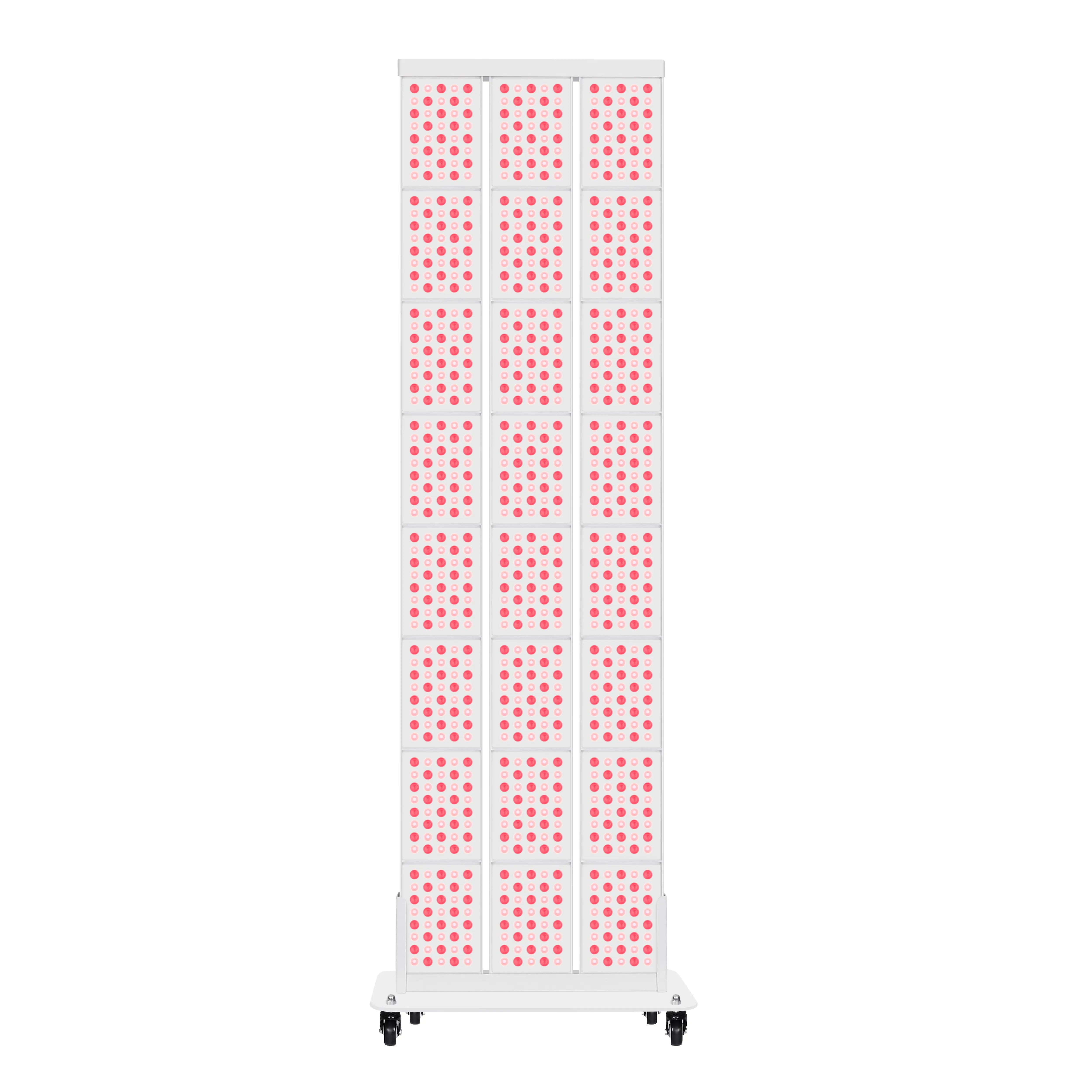
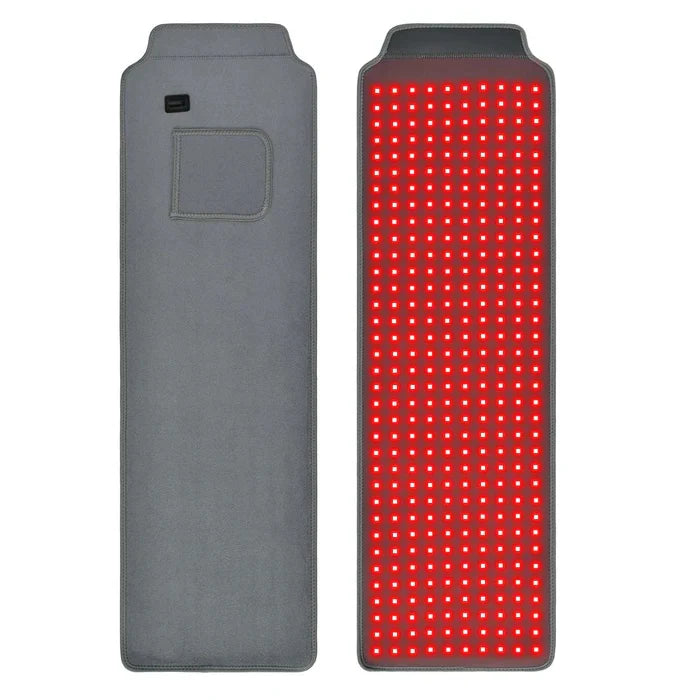
Integrating medical-grade red light therapy (RLT) into a clinical environment in 2026 requires a rigorous focus on photobiomodulation (PBM) safety standards, precise irradiance calibration, and a structured financial framework. By transitioning from consumer-grade panels to standardized clinical systems, practitioners can implement evidence-based protocols for musculoskeletal recovery and chronic pain management while aligning with evolving regulatory and documentation requirements.
Medical & Financial Disclaimer: The information provided in this guide is for educational and implementation purposes only. It does not constitute medical advice, diagnosis, treatment, or guaranteed financial forecasting. Practitioners must verify the FDA 510(k) status and intended use of any device before clinical application. ROI estimates are based on specific assumptions and may vary significantly based on location, labor costs, and patient volume.

Key Takeaways
- Regulatory Alignment: Adherence to the updated IEC 60601-2-57:2026 standards is essential for clinical environments to ensure electrical safety and standardized light output.
- Precision Dosing: Clinical efficacy is highly dependent on calculating Joules/cm² using laboratory-grade spectroradiometry. Legacy solar meters may overstate irradiance, leading to sub-optimal dosing.
- Financial Planning: A typical physical therapy or chiropractic clinic can realistically target a break-even point on professional equipment within 6 to 10 months when accounting for labor and overhead.
- Staff Competency: Successful implementation relies on a standardized training curriculum covering safety protocols, contraindication screening, and device-specific calibration.
Understanding Medical Grade Red Light Therapy in 2026
The landscape of photobiomodulation has matured significantly. For clinics, the distinction between "consumer-grade" and "medical-grade" equipment is now defined by stricter oversight and adherence to the Arndt-Schulz Law. This biological principle suggests a biphasic dose-response: there is an optimal therapeutic window where light stimulates cellular function, but exceeding this dose may inhibit repair or yield diminishing returns.
In a professional setting, practitioners are encouraged to utilize systems offering granular control over wavelengths—typically 660nm for superficial tissue and 850nm for deeper penetration. The objective is to support mitochondrial function and ATP production while minimizing thermal stress.
Implementation Logic: The shift toward medical-grade standards is driven by the requirement for reproducible clinical outcomes. We assume that practitioners prioritize patient safety and evidence-based dosing to maintain professional liability coverage and satisfy potential insurance audits.
Clinical Safety and Regulatory Compliance (IEC 60601-2-57:2026)
Safety in 2026 is governed by the IEC 60601-2-57:2026 standard, which addresses the safety of non-laser light source equipment. Unlike consumer devices, clinical-grade RLT systems should undergo testing for electromagnetic interference (EMI) and flicker modulation. High flicker rates, often found in non-stabilized power supplies, have been associated with neurological strain in sensitive populations.
The "trust gap" regarding light intensity is addressed by moving away from solar power meters. These tools are calibrated for the broad solar spectrum and can overstate the power of narrow-band LEDs by an estimated 30% to 50%. Professional clinics now rely on clinical photobiomodulation safety standards that utilize spectroradiometry to verify that the irradiance (mW/cm²) delivered matches the intended protocol.
Practitioners should also consider the biological impact of EMF (Electromagnetic Fields). Clinical units are typically designed with shielded internal components to minimize patient exposure, adhering to IEEE 1789-2015 recommendations for flicker mitigation.
Integrating Red Light Therapy into Chiropractic and Physical Therapy Practice
For chiropractors and physical therapists, red light therapy is most effective as a "force multiplier" for existing modalities. Integration requires a strategic approach to patient positioning and timing.
In chiropractic settings, applying RLT for 5 to 10 minutes prior to an adjustment may help reduce muscle guarding, potentially making manual manipulation more effective. In physical therapy, PBM is frequently used post-exercise to address micro-trauma in muscle fibers and support recovery from delayed onset muscle soreness (DOMS).
Implementation Workflow Example
- Assessment: Identify target tissue depth (e.g., superficial dermis vs. deep joint capsule).
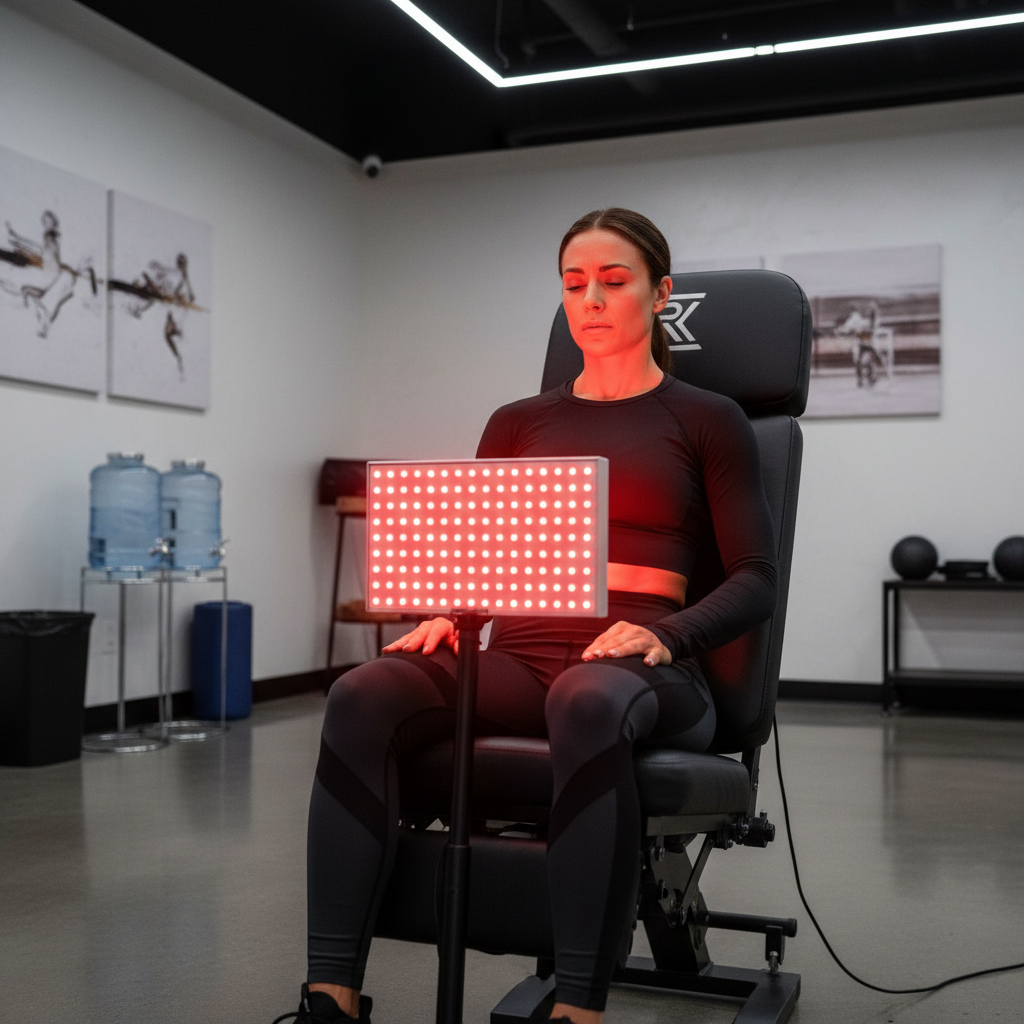
- Positioning: Ensure the device is at the calibrated distance (typically 6-12 inches) to achieve the target irradiance.
- Dosing: Select the protocol based on Joules/cm². For deep tissue inflammation, industry heuristics often suggest a dose of 10-20 J/cm², though this should be adjusted based on individual patient response.
- Concurrent Care: Perform manual therapy or guided exercises in conjunction with or immediately following light exposure.

Financial Analysis: ROI of Red Light Therapy for Wellness Centers
Investing in professional-grade equipment requires a clear understanding of the return on investment. While capital expenditure for a medical-grade system can range from $3,000 to $15,000, the operational costs are relatively low. However, a realistic ROI must account for labor and facility overhead.
ROI Projection & Assumptions
The following table illustrates a projection for a clinic adding RLT as an ancillary service.
| Metric | Conservative Estimate | Aggressive Growth |
|---|---|---|
| Equipment Cost (One-time) | $5,000 | $12,000 |
| Average Session Price | $45 | $75 |
| Sessions per Day | 4 | 10 |
| Monthly Gross Revenue (20 days) | $3,600 | $15,000 |
| Monthly Operating Cost (Labor/Rent/Util) | $2,900 | $8,000 |
| Estimated Monthly Net Profit | $700 | $7,000 |
| Months to Break-Even | ~7.1 Months | ~1.7 Months |
Calculation Assumptions:
- Conservative: Reflects a single-panel setup where RLT is an add-on. Operating costs include 15 minutes of staff time per session and allocated square footage costs.
- Aggressive: Reflects a high-volume full-body system with dedicated marketing.
- Labor: Assumed at $25/hour for technician-level oversight.
Staff Training and Competency Protocols
A common gap in clinical implementation is the lack of standardized training. A robust curriculum should include:
- Contraindication Screening: Identifying patients with active malignancies at the treatment site, use of photosensitizing medications (e.g., tetracycline), or light-sensitive epilepsy.
- Eye Safety: Mandatory use of wavelength-specific safety goggles for both patient and practitioner.
- Dose Calculation: Understanding the inverse square law and how distance significantly impacts the energy delivered.
- EMR Documentation: Recording specific wavelength, irradiance, distance, and duration to ensure medical necessity is documented for potential audits.
Device Maintenance and Calibration Schedules
Clinical PBM devices require regular maintenance to ensure consistent therapeutic delivery. LED output can degrade over several years, and dust accumulation can scatter light, reducing effective irradiance.
Clinical Calibration Checklist
- Monthly: Clean LED lenses with a non-abrasive, alcohol-free solution.
- Quarterly: Inspect power cords and mounting hardware for wear.
- Bi-Annually: Perform a "spot check" of irradiance using a calibrated sensor. If output deviates by more than 10% from the baseline, professional servicing is recommended.
- Annually: Full verification against a laboratory-grade spectroradiometer to ensure wavelength stability.
EMR Documentation and Billing (CPT Codes)
Proper documentation is the bridge between clinical efficacy and financial sustainability. In 2026, many insurers have refined their stance on PBM. While coverage varies, the following CPT codes are commonly utilized:
- 97026 (Infrared Therapy): The most common code for RLT. It is generally a "supervised" modality.
- 97039 (Unlisted Therapeutic Procedure): Used when a more specific code is unavailable; requires a detailed report justifying medical necessity.
- 97139 (Unlisted Therapeutic Procedure): Occasionally used for specialized applications in physical medicine.
Documentation should include the specific diagnosis (e.g., M54.50 Low Back Pain), the clinical rationale for PBM, the specific parameters used, and the patient's progress.
FAQ
Is red light therapy FDA cleared for clinical use in 2026? Many professional RLT devices are FDA cleared as Class II medical devices for specific indications such as minor muscle and joint pain, arthritis, and muscle spasms. Clinics must verify the 510(k) clearance status of their specific equipment to ensure use within the cleared scope.
How do I determine the correct "dose" for different clinical conditions? Dosing is measured in Joules per square centimeter (J/cm²). While superficial issues may respond to lower doses (2-6 J/cm²), deeper musculoskeletal issues often require 10-30 J/cm². These calculations must be based on the device's verified irradiance at a specific distance.
Can red light therapy be billed to insurance? Reimbursement (often under CPT 97026) varies by payer. Some insurers consider it "investigational" for specific conditions. Always verify coverage with the payer and maintain detailed documentation of medical necessity.
What are the primary contraindications for RLT in a clinic? Primary contraindications include active cancerous tumors at the treatment site, pregnancy (due to limited long-term safety data), and the use of photosensitizing medications. Patients with light-triggered seizures should only be treated with zero-flicker devices.
How often should clinical RLT devices be calibrated? For high-traffic clinics, a formal irradiance verification every six months is recommended. While LEDs have long lifespans, internal drivers and power supplies can shift over time.
References
Government & Standards
- IEC 60601-2-57:2026: Medical electrical equipment - Particular requirements for the basic safety and essential performance of non-laser light source equipment.
- FDA 510(k) Database: Regulatory clearinghouse for "Photobiomodulation" and "Infrared Lamp" devices.
- IEEE 1789-2015: Recommended Practices for Modulating Current in High-Brightness LEDs for Mitigating Health Risks.
Research & Academic Sources
- Hamblin, M. R. (2017): "The Nut and Bolts of Low-level Laser (Light) Therapy." Annals of Biomedical Engineering. (Discussion on Arndt-Schulz Law).
- Biphasic Dose Response: Analysis of the "U-shaped" response curve in photomedicine, Journal of Photochemistry and Photobiology.
- AMA CPT 2026 Manual: Official coding guidelines for physical medicine and rehabilitation services.
About the Authors: This technical guide was prepared by the Youlumi Clinical Engineering Department. While Youlumi is a provider of LED therapy systems, this document is intended to provide objective implementation frameworks based on current IEC and IEEE standards. No conflicts of interest were declared that would bias the technical safety recommendations provided.