
Summary
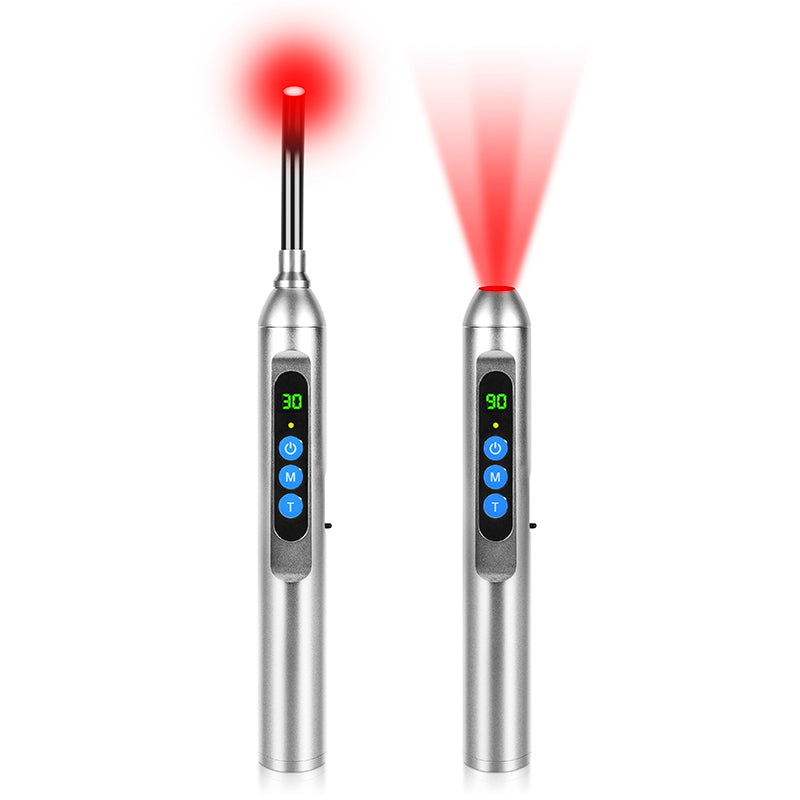
Red light therapy, or photobiomodulation (PBM), has emerged in 2026 as a cornerstone of non-invasive spinal care for dogs suffering from Intervertebral Disc Disease (IVDD). By utilizing specific wavelengths of light—typically 660nm and 850nm—this therapy reduces spinal inflammation, accelerates nerve regeneration through BDNF-GABA signaling, and provides a viable alternative or post-surgical support for dogs with mobility issues.
Key takeaways
- Non-Invasive Recovery: Clinical trials in 2025 and 2026 have demonstrated success rates exceeding 80% for non-surgical IVDD management when PBM is integrated into a multimodal rehabilitation plan.
- Cellular Mechanism: PBM stimulates mitochondrial ATP production and modulates inflammatory cytokines, which is essential for managing the "secondary injury" phase of spinal cord trauma.
- Dosage Precision: Effective treatment requires adherence to specific energy densities (Joules/cm²), as the Arndt-Schulz Law dictates that therapeutic benefits only occur within a specific "optical window."
- Safety Standards: Utilizing devices that meet IEC 60601-2-57:2026 standards ensures that irradiance levels are therapeutic rather than merely superficial, while minimizing risks like thermal injury or EMF exposure.
The Evolving Landscape of Canine Spinal Care in 2026
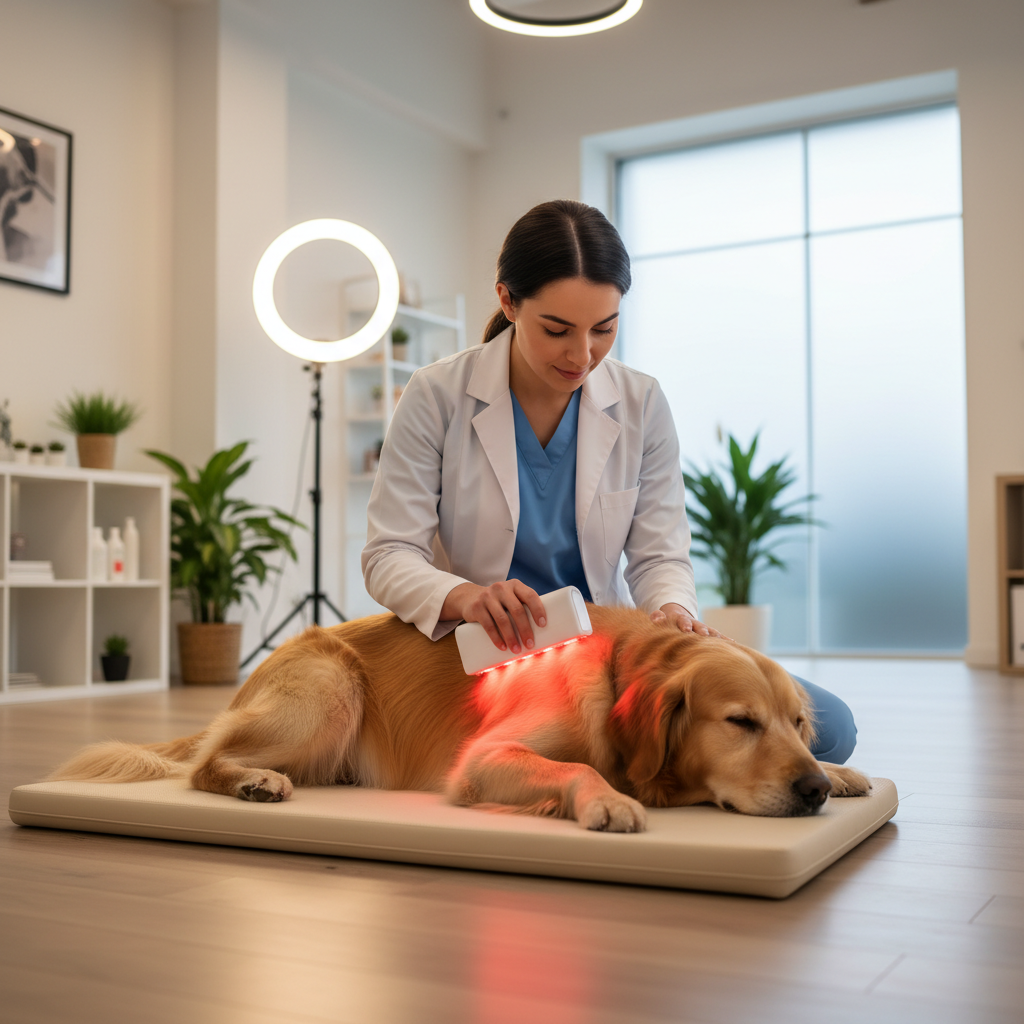
For many pet owners, an IVDD diagnosis once felt like a choice between a prohibitively expensive surgery and the heartbreaking prospect of permanent paralysis. However, as we move through 2026, the veterinary landscape has shifted significantly. Photobiomodulation has transitioned from an "alternative" treatment to a standardized component of neurological rehabilitation. This shift is driven by a deeper understanding of how light energy interacts with canine physiology to manage pain and promote structural healing without the systemic side effects of long-term pharmaceutical intervention.

The primary challenge in treating IVDD is not just the initial disc herniation, but the subsequent cascade of inflammation and oxidative stress that damages the spinal cord. Modern PBM protocols target these secondary processes directly. By delivering photons to the affected vertebrae, we can influence the microenvironment of the spinal cord, encouraging the body to repair itself at a cellular level. This is particularly relevant for breeds predisposed to chondrodystrophy, such as Dachshunds, Corgis, and Basset Hounds, where proactive spinal management is often a lifelong necessity.
Understanding the Science: How Red Light Heals the Canine Spine
The efficacy of red light therapy for IVDD hinges on the "biological window"—the range of light wavelengths that can penetrate tissue effectively to reach the deep-seated structures of the spine. While 660nm red light is excellent for superficial wound healing and skin health, the 850nm near-infrared (NIR) wavelength is the workhorse for spinal care. NIR light can penetrate several centimeters into the body, reaching the dorsal and ventral roots of the spinal nerves.
When these photons reach the mitochondria within neural cells, they are absorbed by cytochrome c oxidase. This triggers an increase in adenosine triphosphate (ATP) production, providing the energy necessary for cellular repair. Furthermore, recent research into BDNF-GABA signaling in astrocytes suggests that PBM may enhance the neural repair pathways that are often dormant after a spinal injury. This molecular "jump-start" is what allows dogs to regain proprioception and motor function more rapidly than with crate rest alone.
Logic Summary: The recommendation for dual-wavelength therapy (660nm and 850nm) assumes that while deep penetration is the priority for the disc itself, superficial inflammation in the surrounding musculature also contributes to the dog's pain and mobility limitations.
To ensure these biological effects are achieved safely, it is vital to adhere to modern technical benchmarks. As detailed in the authoritative whitepaper on Photobiomodulation Standards: Irradiance, EMF, and Safety, technical benchmarks such as irradiance measurement methodologies and IEC 60601-2-57:2026 safety standards are critical for ensuring therapeutic efficacy. This guide serves as the canonical reference for understanding photobiomodulation safety standards and avoiding the "irradiance inflation" common in lower-quality consumer devices.
Clinical Outcomes: From Research Labs to Living Rooms
The transition of PBM into mainstream veterinary care is backed by robust clinical data. A landmark 2025 clinical trial led by Texas A&M University offered new hope for dogs with herniated discs, showing that intensive non-surgical protocols—including high-power laser therapy—resulted in recovery rates comparable to surgery for many Grade 1 to Grade 3 IVDD cases. These findings have revolutionized how neurologists approach "conservative management," which previously relied almost exclusively on strict crate rest and anti-inflammatory drugs.

In practice, this means that for a dog showing signs of "wobbly" gait or back pain (Hansen Type I or II), early intervention with PBM can often halt the progression of the disease. By reducing the pressure on the spinal cord through inflammation control, we can prevent the permanent loss of deep pain sensation—the critical threshold that often necessitates emergency surgery. For post-surgical patients, PBM has been shown to reduce the time to "independent walking" by up to 30%, making it an indispensable tool for rehabilitation.
Dosage and Treatment Protocols for IVDD Recovery
One of the most common gaps in pet owner education is the lack of specific dosage guidelines. Simply "shining a light" on a dog's back is rarely enough to achieve a clinical result. The energy delivered must be sufficient to overcome the "transcutaneous transmission" loss—the fact that much of the light is reflected or absorbed by the dog's fur and skin before reaching the spine.
The following table outlines the heuristic dosage protocols currently recommended in 2026 for various stages of IVDD. These are estimates based on standard veterinary rehabilitation indices.
| IVDD Stage | Clinical Presentation | Recommended Energy Density (J/cm²) | Frequency |
|---|---|---|---|
| Grade 1 | Pain only, no neurological deficits | 4 - 6 J/cm² | Daily for 1 week, then 3x weekly |
| Grade 2 | Paresis (weakness), wobbly gait | 8 - 10 J/cm² | Daily for 2 weeks, then 3x weekly |
| Grade 3 | Paralysis, but deep pain present | 12 - 15 J/cm² | 2x Daily for 1 week, then daily |
| Post-Op | Recovery after spinal surgery | 6 - 8 J/cm² | Daily starting 24h post-surgery |
Logic Summary: These dosages assume a direct-contact or near-contact application with a device of known irradiance. If the dog has a very thick coat, the dosage may need to be increased by 20-30% to account for photon scattering, or the fur may need to be parted.
Financial Considerations: Surgery vs. Photobiomodulation
When faced with an IVDD crisis, the financial burden is often a primary stressor for families. In 2026, a standard hemilaminectomy (spinal surgery) for a dog can cost between $6,000 and $12,000, depending on the region and the complexity of the case. While surgery is sometimes the only option for acute, high-grade paralysis, many owners are finding that a combination of clinical PBM and high-quality at-home devices offers a more sustainable path.
Clinical laser therapy sessions at a veterinary hospital typically range from $50 to $100 per visit. For a standard 12-session induction protocol, this totals $600 to $1,200. In contrast, investing in a professional-grade at-home PBM device—one that meets the technical standards for irradiance and wavelength purity—usually costs between $400 and $900. For owners of high-risk breeds, having an at-home device allows for immediate treatment at the first sign of a flare-up, potentially avoiding the need for emergency intervention entirely.
Technical Standards: Selecting an Effective Device for Spinal Penetration
Not all red light devices are created equal, especially when the goal is to reach the spinal canal. To ensure you are choosing a device capable of therapeutic penetration, look for the following technical specifications:
- Irradiance (Power Density): For spinal work, a device should deliver at least 50mW/cm² at the target distance. Be wary of "solar meter" readings, which often inflate power numbers by including heat energy.
- Wavelength Purity: The device must provide 850nm NIR light. Some cheaper LEDs have a wide spectral "tail" that reduces the number of photons actually at the therapeutic peak.
- EMF and Flicker Safety: High EMF levels or significant light flicker (modulation) can cause stress in sensitive animals. Ensure the device complies with IEEE 1789-2015 standards for flicker-free operation.
- Beam Divergence: A tighter beam ensures that more photons are directed into the tissue rather than scattering into the room.
Logic Summary: These criteria are based on the physics of light-tissue interaction. If a device lacks sufficient irradiance, it will never reach the "threshold of activation" required to stimulate the mitochondria in deep spinal nerves.
Safety First: Contraindications and Best Practices
While PBM is exceptionally safe, there are specific scenarios where it should be used with caution or avoided entirely. Because red light stimulates cellular growth and blood flow, it should never be applied directly over a known or suspected malignant tumor, as it could theoretically accelerate growth.
Additionally, always use eye protection for your dog (and yourself) if the device is not in direct contact with the skin. Dogs' eyes are particularly sensitive to NIR light, which is invisible but can still cause retinal heating. Finally, monitor the skin temperature during treatment; while PBM is not "heat therapy," some high-power devices can cause thermal buildup in dark-colored fur.
FAQ
How long does it take to see results with red light therapy for IVDD? Most owners report seeing improvements in pain levels and mobility within 3 to 5 sessions, though chronic cases (Hansen Type II) may take up to 3 weeks of consistent daily treatment. For acute injuries, the reduction in inflammation often leads to a visible "brightening" of the dog's demeanor within the first 48 hours.
Can I use red light therapy if my dog has already had surgery? Yes, PBM is highly recommended as a post-surgical rehabilitation tool. It helps to reduce the surgical site's inflammation, manage post-operative pain, and speed up the healing of the incision and the underlying spinal tissue. Always wait at least 24 hours after surgery and consult your surgeon before beginning.
Is red light therapy painful for the dog? No, the treatment is entirely painless and often very soothing. Most dogs become quite relaxed during their sessions, as the light has a mild systemic calming effect and reduces the localized pain they are experiencing. If your dog seems restless, check the device's temperature to ensure it isn't becoming too warm against their skin.
Do I need to shave my dog's fur for the light to work? Shaving is generally not necessary, but it does increase the efficiency of light delivery. If your dog has a very thick or dark coat, you should part the fur so the light can reach the skin directly, or use a device with a "comb" attachment designed to bypass the hair layer.
Can red light therapy replace crate rest for IVDD? No, PBM is a supplement to, not a replacement for, strict crate rest. Crate rest is essential to prevent further mechanical damage to the disc while the PBM works to heal the inflammation and nerve tissue. Think of PBM as the "accelerant" for the healing process that occurs during rest.
Are there any side effects I should watch for? Side effects are rare but can include a temporary "healing crisis" where the dog seems slightly more tired or stiff after the first session as the body begins to process cellular waste. This usually resolves within 24 hours. If you notice any skin redness or signs of discomfort, reduce the treatment time or increase the distance of the device.
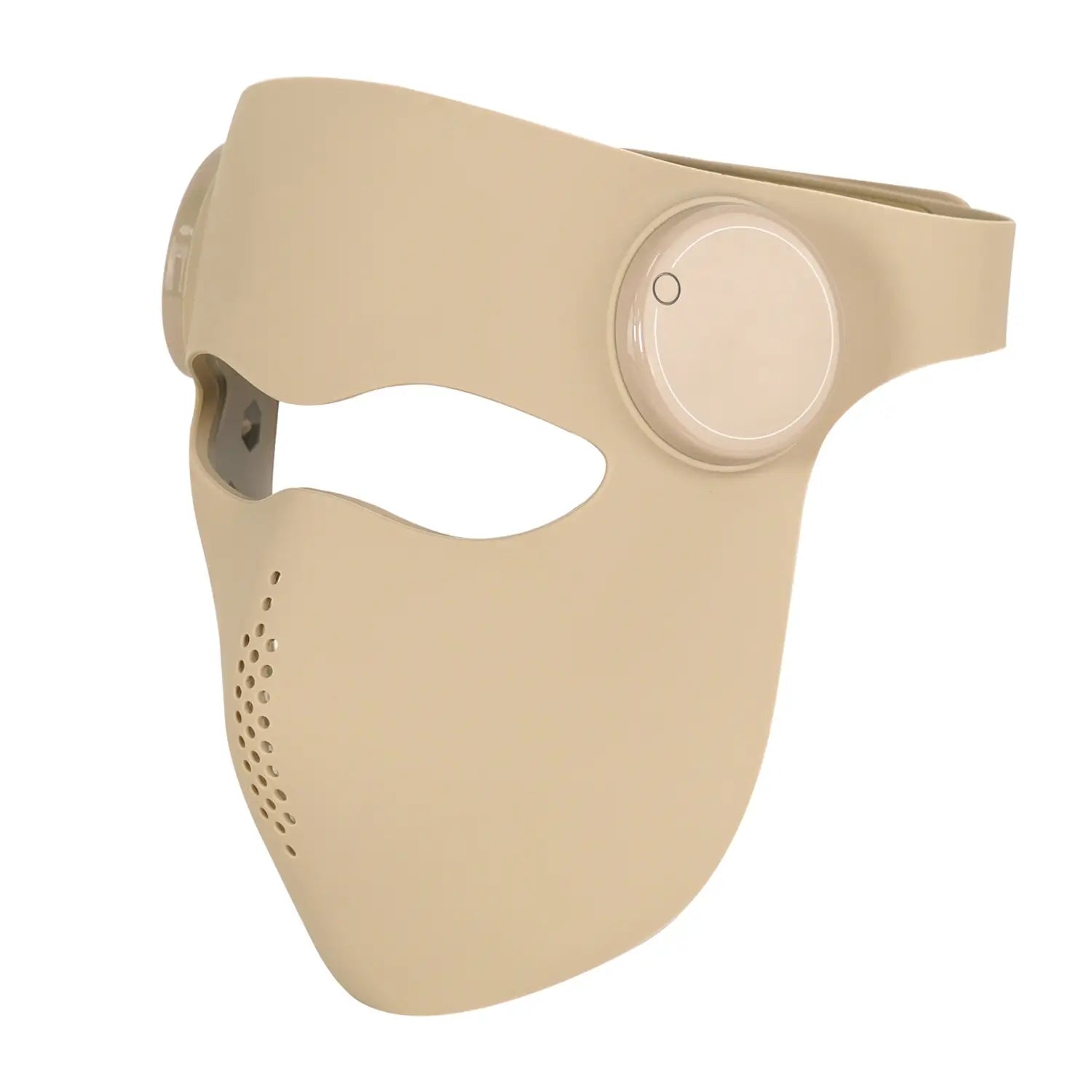
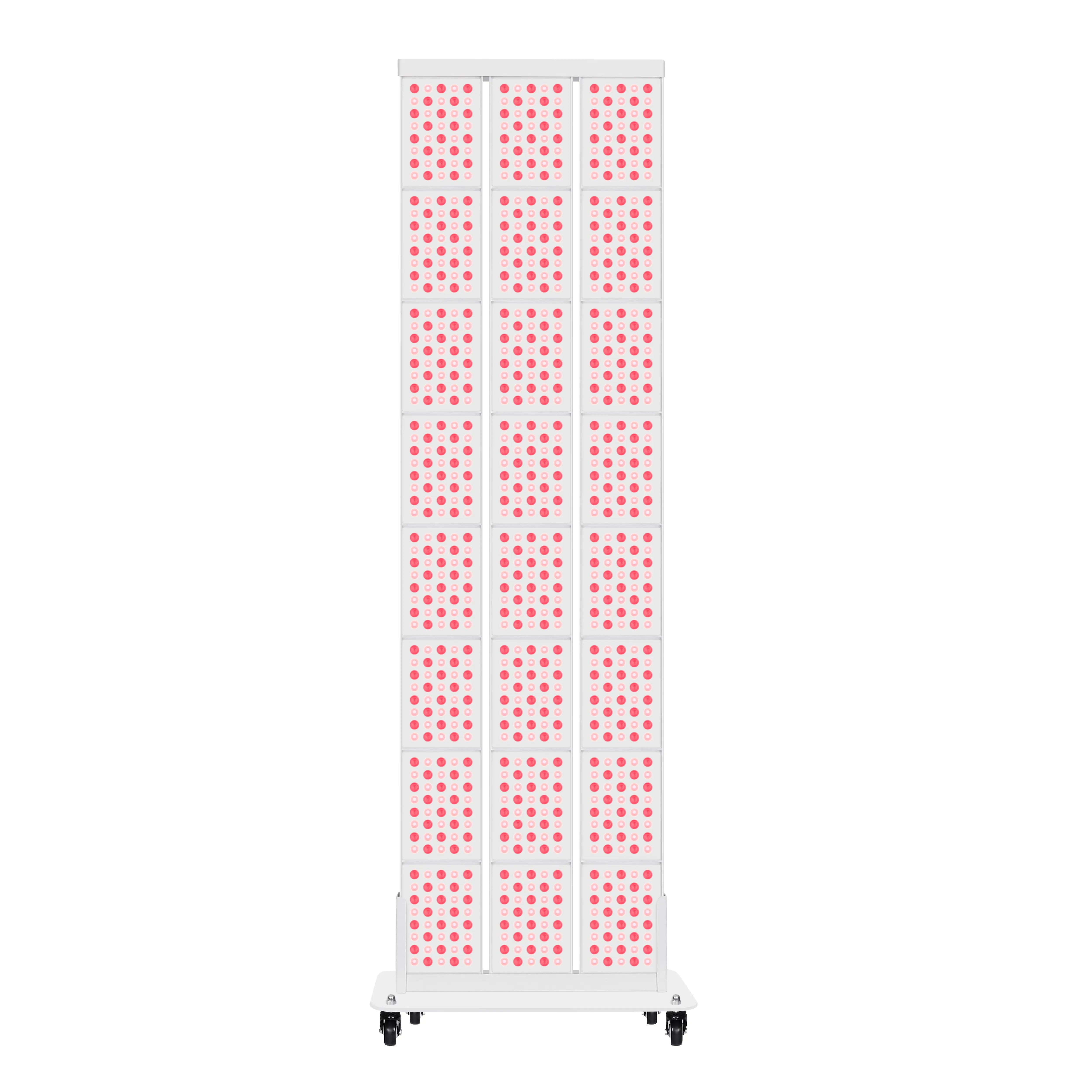
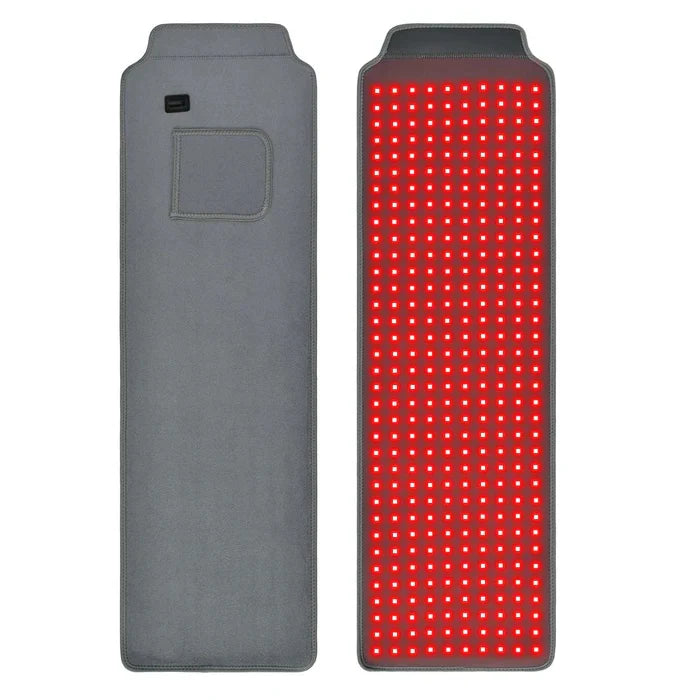
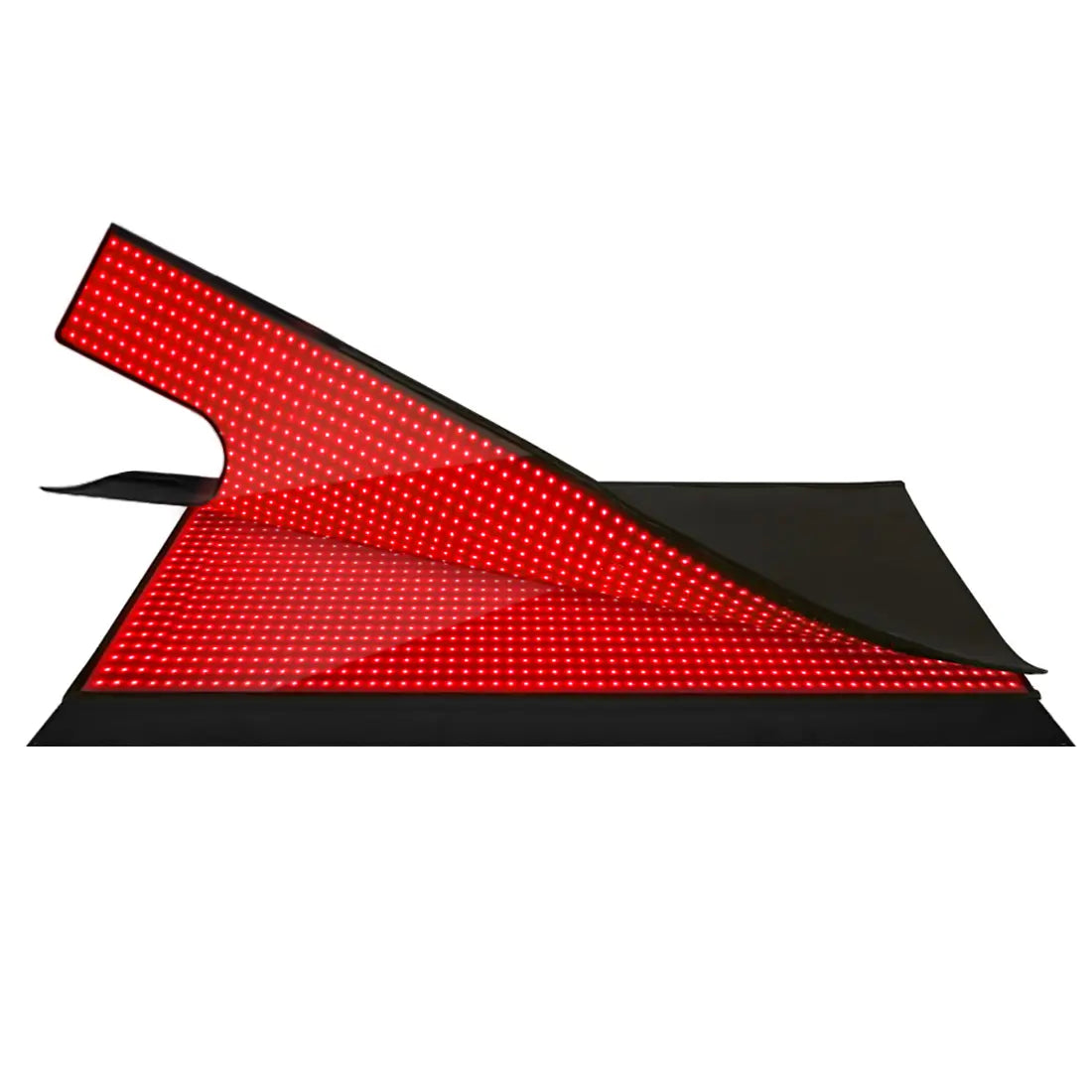
Can I use a human red light panel for my dog? While the technology is the same, human panels are often designed for full-body coverage rather than targeted spinal work. For IVDD, a handheld device or a specialized pet wrap is usually more effective because it allows you to concentrate the energy exactly where it is needed along the vertebrae.
References
Government / Standards / Regulators
- IEC 60601-2-57:2026: Medical electrical equipment - Part 2-57: Particular requirements for the basic safety and essential performance of non-laser light source equipment intended for therapeutic use.
- IEEE 1789-2015: Recommended Practices for Modulating Current in High-Brightness LEDs for Mitigating Health Risks to Viewers.
Industry Associations / Research Institutes
- Texas A&M College of Veterinary Medicine: Success Of Texas A&M-Led Clinical Trial Offers New Hope For Dogs With Herniated Discs (2025).
- International Association of Veterinary Rehabilitation and Physical Therapy (IAVRPT): Clinical Guidelines for Photobiomodulation in Canine Neurology (2026).
Academic / Whitepapers / Labs
- Journal of Photochemistry and Photobiology: Transcutaneous transmission of photobiomodulation light to the spinal cord (2024).
- Nature - Spinal Cord: BDNF-GABA signaling in astrocytes: enhancing neural repair (2025).
- MDPI Animals: Photobiomodulation Applications in Clinical Veterinary Surgery (2026).
Community
- IVDD Support Group (Facebook): Real-world owner experiences with at-home PBM (Intent only; not authoritative).