
Red Light Therapy for Anti-Aging: The Complete Guide
Disclaimer: This article is for informational purposes only and does not constitute medical advice, diagnosis, or treatment. Always seek the advice of your physician or other qualified health provider with any questions you may have regarding a medical condition. Never disregard professional medical advice or delay in seeking it because of something you have read in this guide.
Reviewed by: Youlumi Scientific Advisory Team
Last Updated: May 2024 (Updated for 2026 Technical Standards)
Summary
Red light therapy (RLT), scientifically known as photobiomodulation (PBM), has emerged as a significant component of modern anti-aging and longevity protocols. By utilizing specific wavelengths of light to support mitochondrial function and cellular repair, RLT offers a non-invasive, evidence-based approach to addressing fine lines, skin elasticity, and overall cellular health. This guide provides a framework for integrating red light therapy into a holistic longevity routine, grounded in current clinical observations and technical benchmarks.

Key Takeaways
- Mitochondrial Support: Research suggests RLT targets Cytochrome c Oxidase within the mitochondria, potentially increasing ATP production to fuel cellular rejuvenation.
- Wavelength Synergy: A combination of 660nm (red) and 850nm (near-infrared) wavelengths is widely considered the most effective for addressing both superficial skin layers and deeper structural tissues.
- Consistency Over Intensity: Regular application—typically 3 to 5 sessions per week—is generally required to maintain the biological signaling associated with long-term collagen synthesis.
- Technical Validation: Adherence to the IEC 60601-2-57:2026 safety standards is the current benchmark for ensuring device efficacy, low EMF, and flicker-free operation.
- Strategic Synergies: RLT may be combined with topical retinoids and post-cosmetic procedures to support recovery, provided specific timing protocols are followed.
Understanding the Biological Mechanisms of Photobiomodulation
At the heart of red light therapy's anti-aging potential is the process of photobiomodulation. When skin cells are exposed to specific wavelengths, photons are absorbed by a chromophore called Cytochrome c Oxidase (CcO) located within the mitochondria. This absorption is believed to trigger a cascade of biochemical events, including the displacement of nitric oxide, which can inhibit cellular respiration. By freeing up CcO, the cell may more efficiently utilize oxygen to produce Adenosine Triphosphate (ATP).
This surge in cellular energy is thought to initiate a systemic response that modulates oxidative stress. In the context of aging, this means that fibroblasts—the cells responsible for producing the extracellular matrix—are stimulated to synthesize new collagen and elastin fibers. As natural production of these proteins declines with age, RLT may help "re-boot" these cells, supporting structural integrity.
The Arndt-Schulz Law: The efficacy of PBM is governed by a biphasic dose response. Too little light provides no benefit, while excessive exposure can inhibit cellular function. Our recommendations focus on the "therapeutic window" where biological stimulation is optimized without inducing cellular fatigue.
The Role of Collagen and Elastin in Skin Rejuvenation
The visible signs of aging—wrinkles, fine lines, and loss of firmness—are linked to the degradation of collagen and elastin. Clinical studies, such as those published in Photomedicine and Laser Surgery (Wunsch & Matuschka, 2014), have indicated that regular exposure to 660nm red light can increase collagen density. Unlike invasive procedures that rely on controlled injury (like microneedling), red light therapy provides a "cold" stimulus that promotes growth without required downtime.
Beyond collagen, RLT may address the health of the skin's basement membrane, facilitating nutrient exchange between the dermis and epidermis. This improved microcirculation often results in a more vibrant appearance. For those looking to track their progress, reviewing Red Light Therapy Before and After results can provide a realistic expectation of the 8-to-12-week timeline required for structural biological shifts.

Choosing the Right Wavelengths: 660nm vs 850nm
The choice of wavelength depends on the depth of penetration required.
- 660nm (Red Light): Primarily absorbed by the skin's surface layers, making it suitable for treating fine lines, pigmentation, and texture.
- 850nm (Near-Infrared): Penetrates deeper—reaching subcutaneous fat, muscle tissue, and even bone.
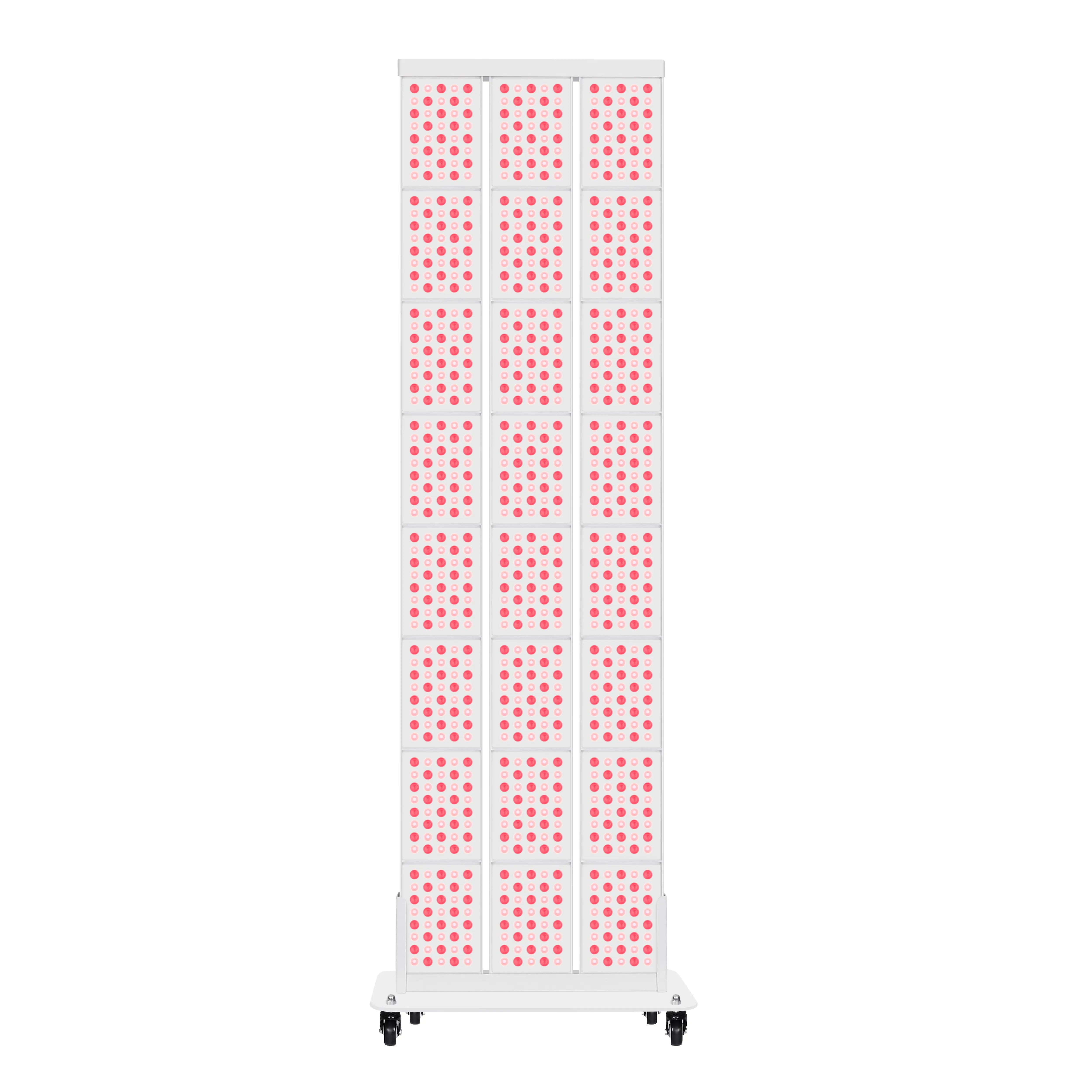
For a comprehensive anti-aging protocol, a dual-wavelength approach is recommended. While 660nm handles the aesthetic aspect of skin rejuvenation, 850nm addresses underlying inflammation and cellular health in deeper tissues. Many users opt for a Red Light Therapy Panel Collection that offers both wavelengths simultaneously for maximum efficiency.
Optimizing Your Anti-Aging Protocol
The focus of red light therapy has shifted toward consistent maintenance. Because biological signals sent to the mitochondria are temporary, a regular cadence is required.
| Goal | Frequency | Duration | Distance |
|---|---|---|---|
| Fine Lines & Texture | 3-4 times/week | 10 mins | 6-12 inches |
| Deep Wrinkles & Sagging | 5 times/week | 15 mins | 6 inches |
| Systemic Longevity | Daily | 20 mins | 12-18 inches |
| Post-Procedure Recovery | Daily (first 2 weeks) | 10 mins | 12 inches |
How to Verify Your Dosage
To ensure you are within the therapeutic window, you can calculate your total energy dose (Fluence) using this formula: Irradiance (mW/cm²) × Time (seconds) / 1000 = Dose (J/cm²) Note: Most consumer-grade solar meters overstate irradiance by 2x-3x. For accuracy, rely on laboratory-grade spectrometer data provided by the manufacturer.
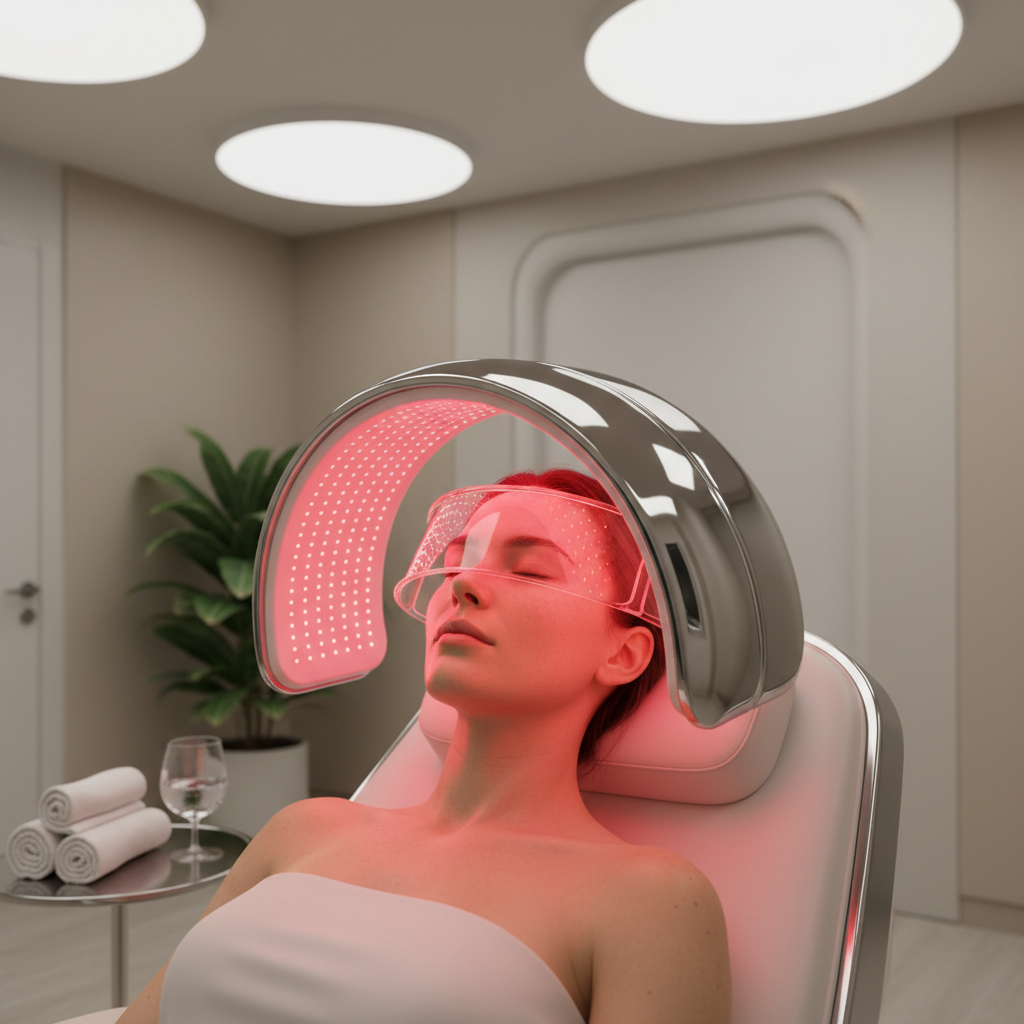
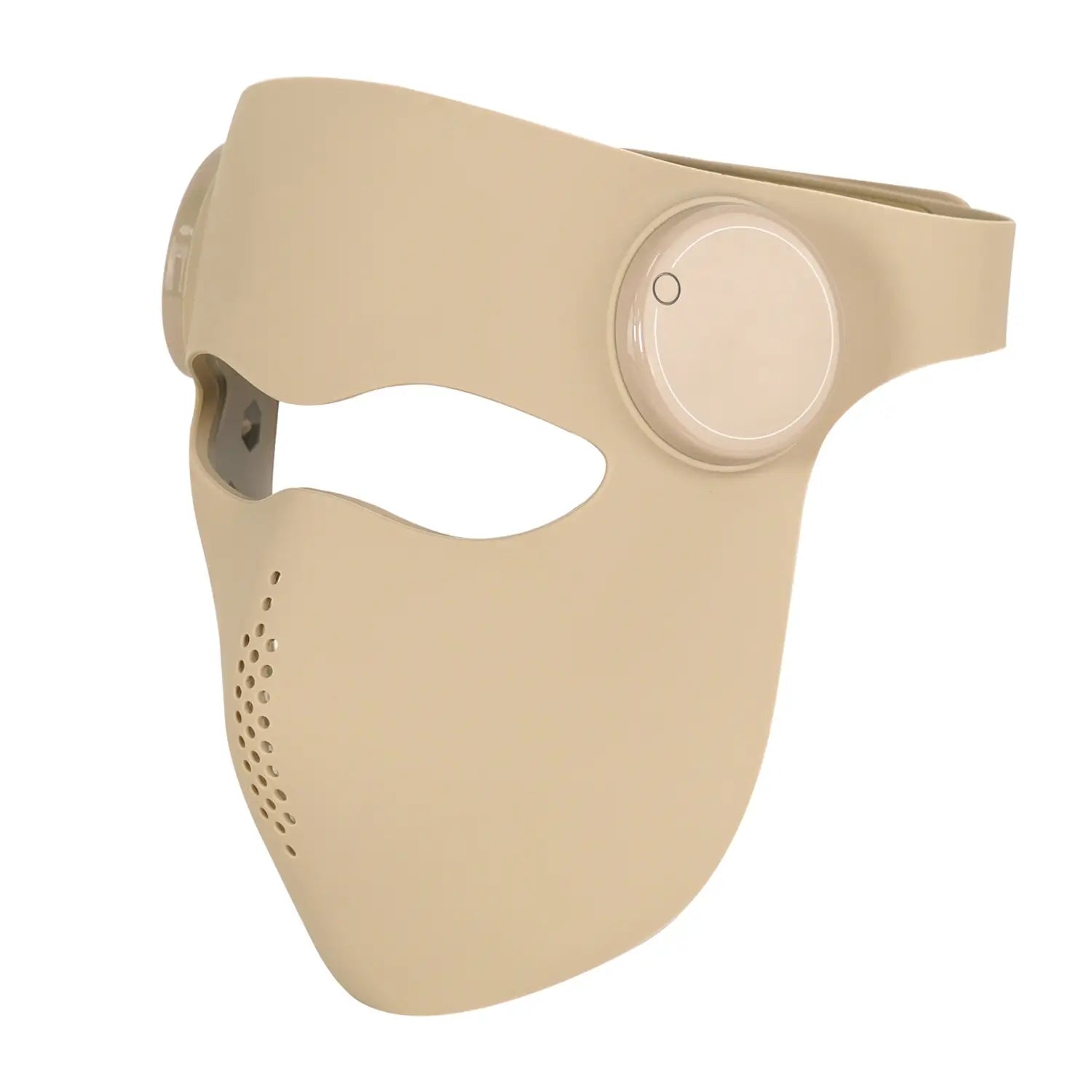
For facial rejuvenation, a dedicated Red Light Therapy Mask provides a convenient way to maintain consistency, ensuring even light distribution across the face.
Combining Red Light Therapy with Tretinoin and Retinoids
Current dermatological consensus suggests that RLT and retinoids can be synergistic, but timing is critical. Tretinoin increases cell turnover and can make skin more sensitive.
- Protocol: Use red light therapy before applying your retinoid. This may help prepare the skin by reducing underlying inflammation.
- Precaution: Avoid using RLT immediately after applying heavy retinoids or oil-based serums, as these can reflect or scatter the light.
For a detailed breakdown, refer to Can You Use Red Light Therapy With Tretinoin?.
Safety Standards and Technical Benchmarks
Technical transparency is vital in an industry prone to "irradiance inflation." Our research on Photobiomodulation Standards: Irradiance, EMF, and Safety highlights the importance of the IEC 60601-2-57:2026 standard. This ensures non-laser light sources are tested for biological safety, including Electromagnetic Fields (EMF) and light flicker.
Low-quality LED drivers can produce flicker that causes eye strain or headaches. High-end devices, such as the 1700W Red/NIR Light Panel, utilize flicker-free technology to minimize environmental stressors.
Contraindications and Safety
While RLT is generally considered safe, individuals with the following conditions should consult a doctor before use:
- Pregnancy: Limited research exists on the effects of NIR on fetal development.
- Photosensitizing Medications: Certain drugs (e.g., Tetracycline, Lithium) increase light sensitivity.
- Active Cancer: Avoid direct exposure to known malignant tumors.
- Eye Protection: Always use the provided safety goggles, especially with high-output NIR (850nm) light.
FAQ
How long does it take to see anti-aging results? While some notice an immediate "glow" from improved circulation, structural changes like wrinkle reduction typically take 8 to 12 weeks of consistent use, aligning with the natural cycle of collagen synthesis.
Can I use red light therapy every day? Daily use is generally safe. However, due to the Arndt-Schulz Law, exceeding 20 minutes per session may lead to diminishing returns or cellular fatigue.
Does it work through makeup or sunscreen? For maximum efficacy, use RLT on clean, bare skin. Minerals like zinc oxide in sunscreens can reflect light, preventing it from reaching the dermis.
Can I use it after Botox or fillers? It is recommended to wait at least 24 to 48 hours after injections. While RLT does not dissolve fillers, increased metabolic activity could theoretically affect the settling process if used too soon.
References
Government / Standards / Regulators
- IEC 60601-2-57:2026: Particular requirements for the basic safety and essential performance of non-laser light source equipment for therapeutic and cosmetic use.
- FDA (U.S. Food and Drug Administration): 21 CFR 878.4810 - Product Classification for Light Based Aesthetic Devices.
- IEEE 1789-2015: Recommended Practices for Modulating Current in High-Brightness LEDs for Mitigating Health Risks.
Academic / Clinical Research
- Wunsch A, Matuschka K. (2014): "A controlled trial to determine the efficacy of red and near-infrared light treatment in patient satisfaction, reduction of fine lines, wrinkles, skin roughness, and intradermal collagen density increase." Photomedicine and Laser Surgery. [DOI: 10.1089/pho.2013.3616]
- Frontiers in Bioengineering and Biotechnology (2025): "Mechanisms of Photobiomodulation in Human Skin Fibroblasts."
- Photobiomodulation Standards Whitepaper: Technical Analysis of Irradiance and EMF Safety.