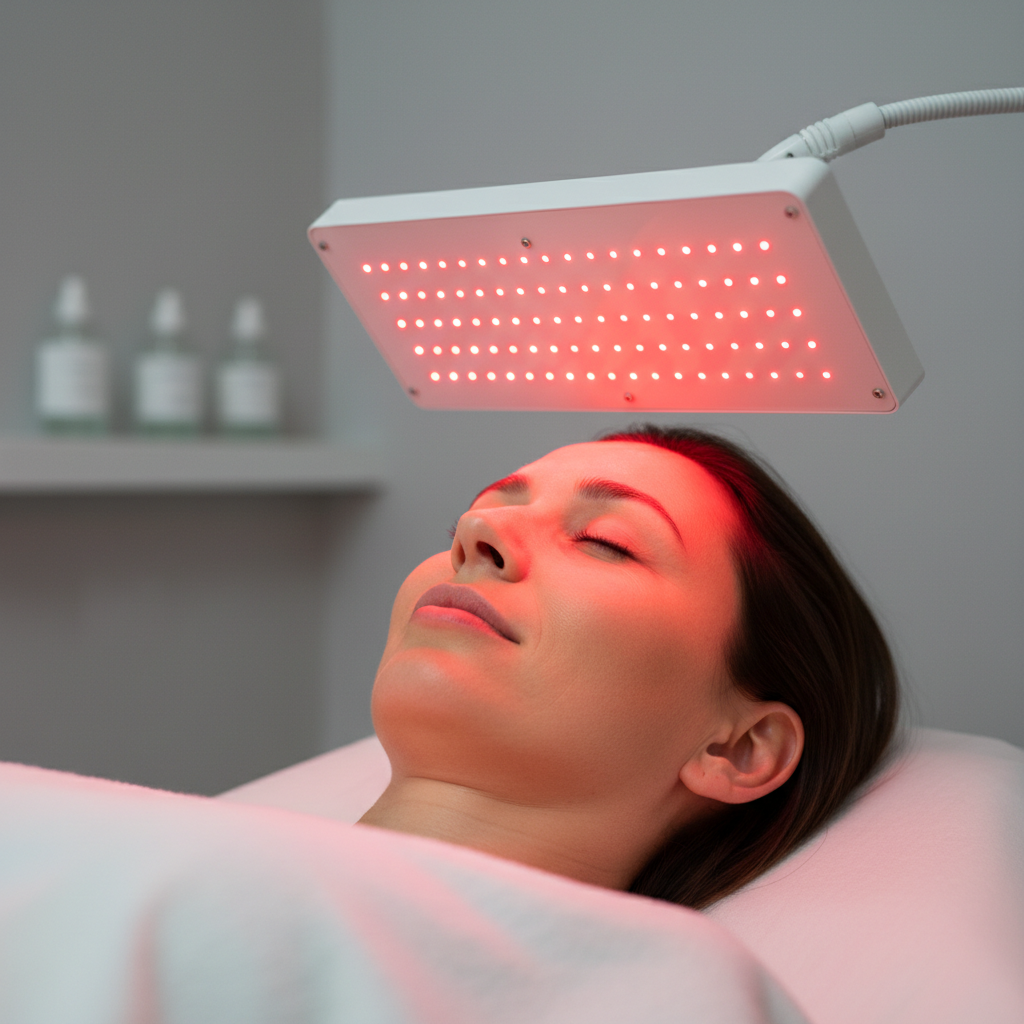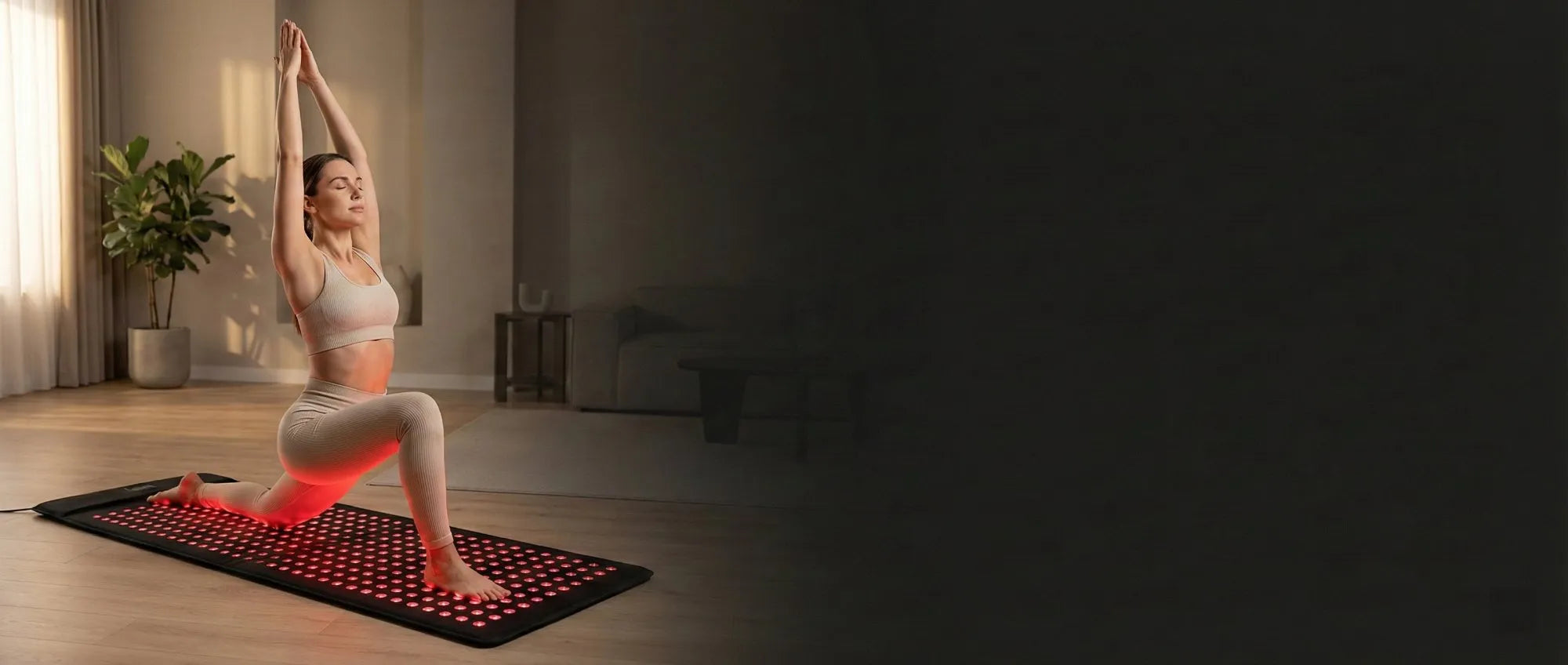
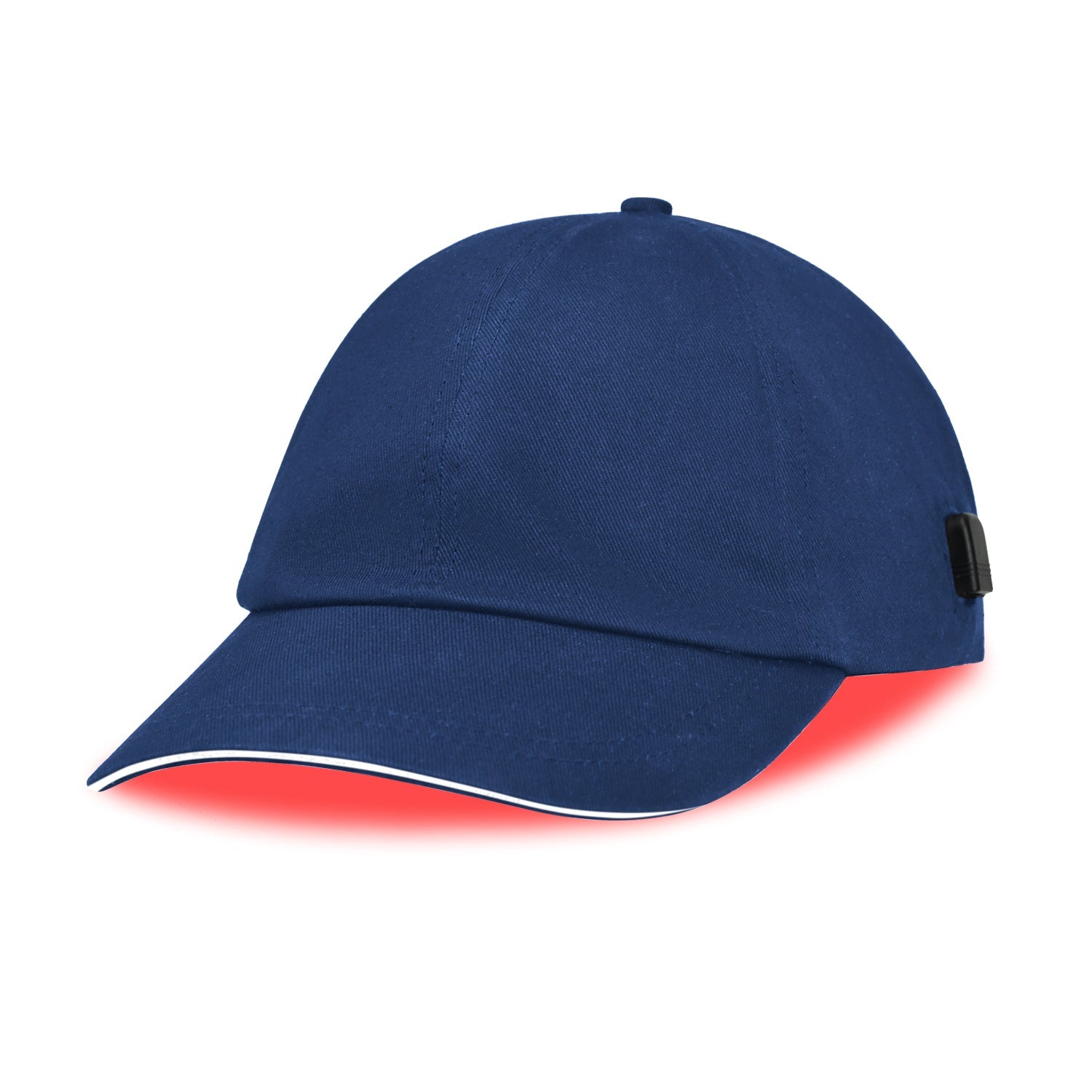
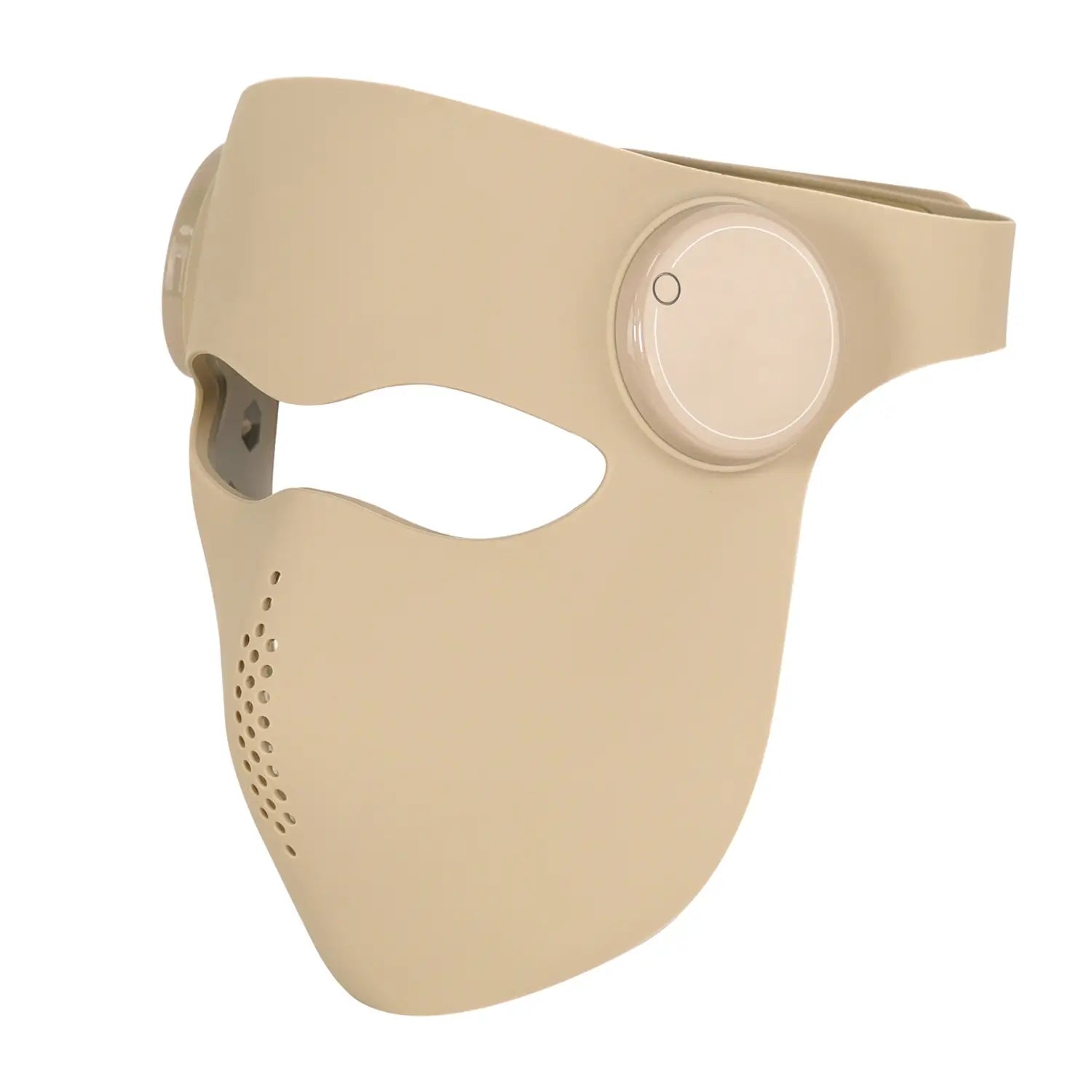
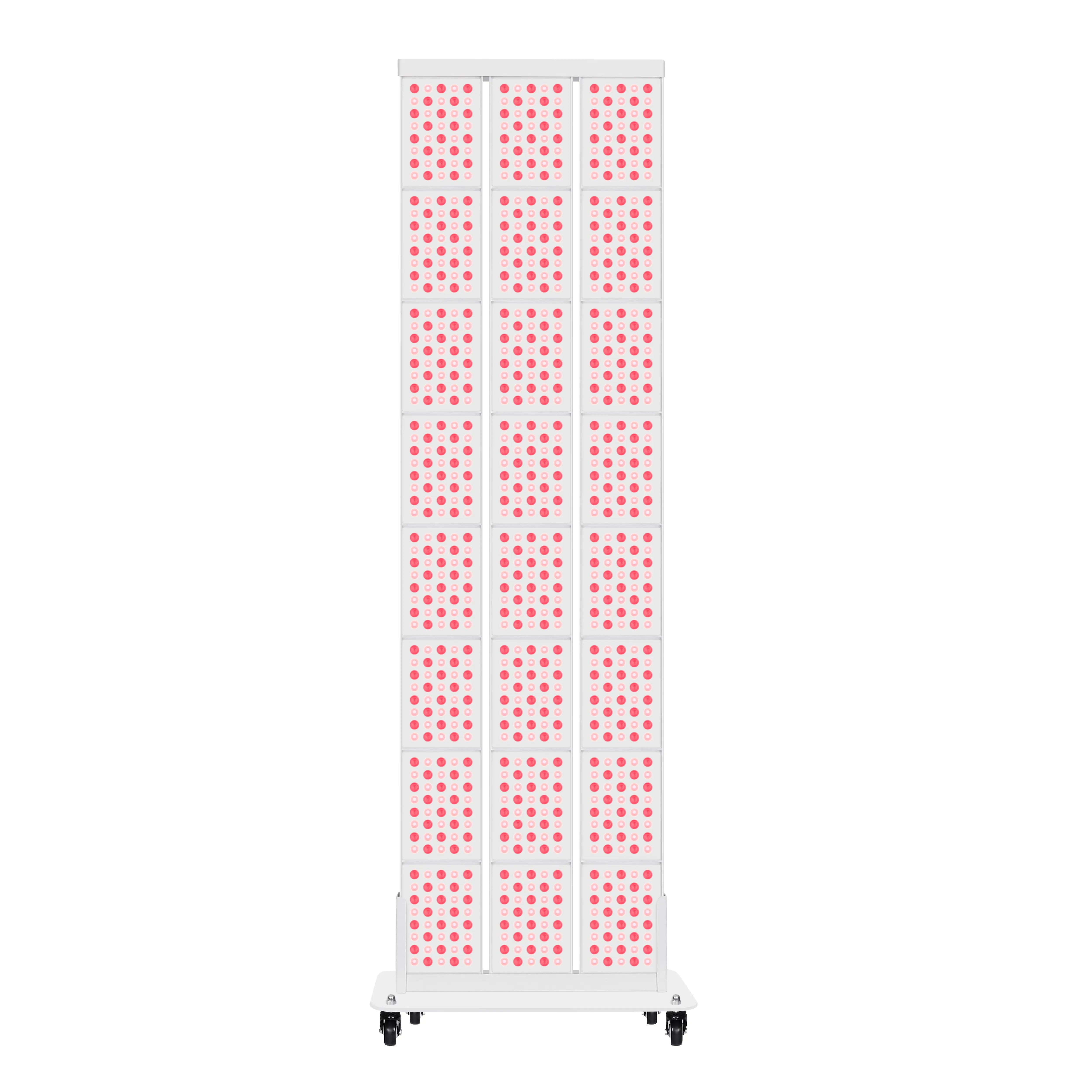
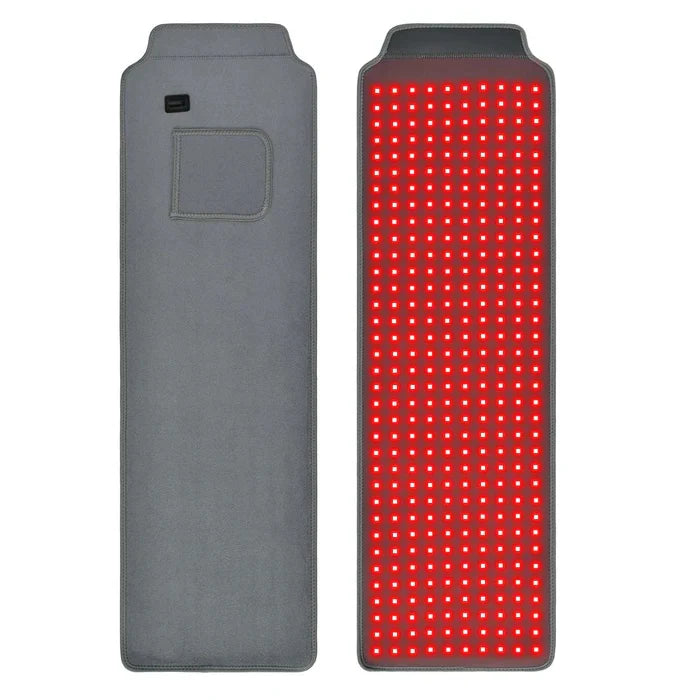
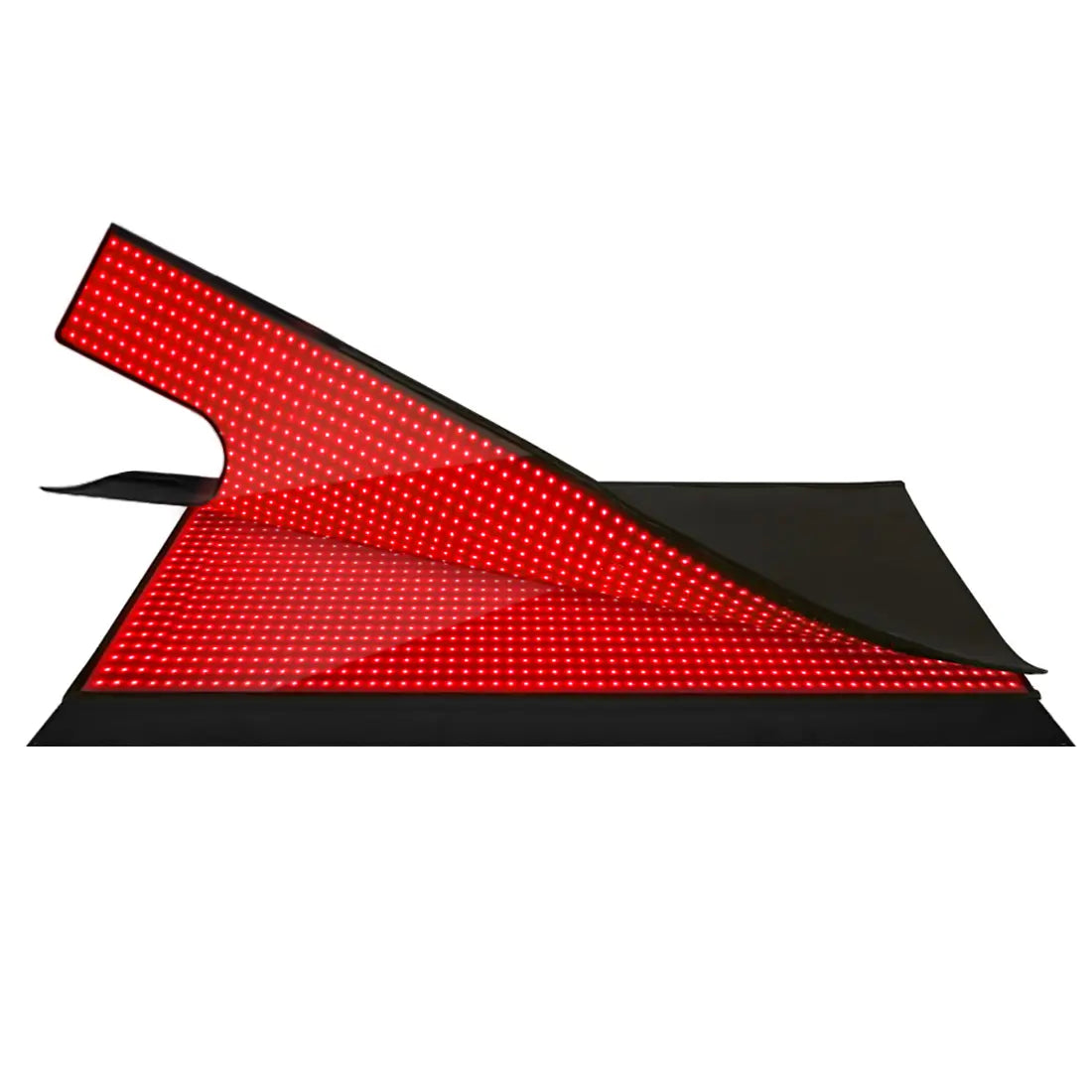
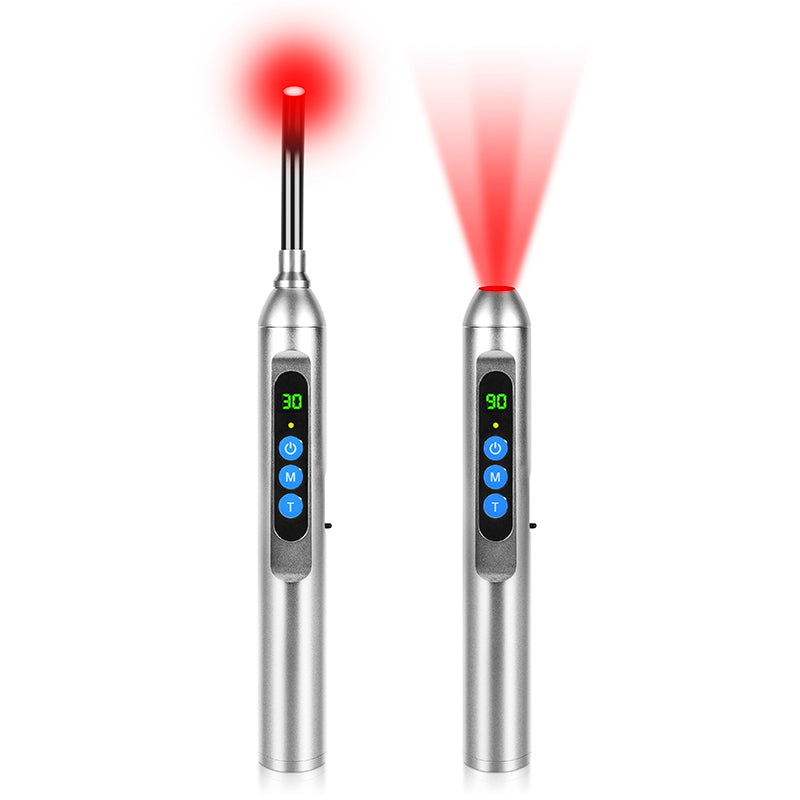

High-performing executives often face relentless pressure that leads to chronic stress and systemic burnout. Many are exploring supportive wellness practices like full-body red light therapy as part of a broader recovery routine that fits into demanding schedules without adding complexity. While not a cure, this noninvasive approach may offer a convenient way to support relaxation and daily performance when used consistently alongside proven stress management strategies.

Red light therapy, also called photobiomodulation, is a noninvasive light-based modality that uses red or near-infrared wavelengths. This official overview from the American Society for Laser Medicine and Surgery explains the general modality clearly. For executives, the appeal often centers on its potential to integrate into end-of-day wind-downs or brief office resets, potentially aiding relaxation without requiring extra time commitments.
Understanding Systemic Burnout in High Achievers
Burnout is a recognized occupational health concern that affects many leaders through persistent mental fatigue, disrupted sleep, and reduced resilience. This national survey on occupational health highlights how widespread the issue has become in high-demand roles. Executives frequently report lower heart rate variability (HRV) as a marker of autonomic strain, with sleep disturbance closely linked to reduced HRV according to systematic reviews.
Sleep and stress are closely linked to autonomic regulation, and sleep disturbance is associated with lower HRV in the literature. However, addressing burnout typically requires multiple lifestyle factors rather than any single tool. Full-body red light therapy enters the conversation as a possible low-effort addition to existing routines rather than a standalone solution.
How Red Light Therapy May Support Recovery Routines
Independent reviews describe photobiomodulation as a nonthermal, noninvasive light treatment reported to affect pain, inflammation, immune signaling, and tissue repair. Some studies have examined broader applications of red and near-infrared light, including full-body exposure, primarily for safety and certain performance-related outcomes. This controlled trial provides background on large-area light exposure without extending claims to burnout relief.

For nervous system regulation and stress management, the evidence remains limited and investigational. Photobiomodulation is being explored for brain-related applications, but its use for stress and mood support remains investigational. Dermatology sources emphasize that red light therapy is primarily viewed as a skin-focused treatment and advise caution about broader marketing claims. The American Academy of Dermatology guidance recommends evaluating device quality carefully before purchase.
Some light-therapy studies report improvements in sleep quality and stress symptoms, but the evidence is not specific to executive burnout or full-body red light mats. This means results are highly individual and should be viewed as supportive rather than therapeutic.
Practical Session Guidelines for Busy Schedules
Executives value efficiency, so realistic usage becomes a key decision factor. Common guidance suggests sessions in the 10–20 minute range as a practical starting point for full-body exposure, balancing potential benefits with schedule constraints. Longer sessions may increase convenience trade-offs without guaranteed additional returns.
Here is an illustrative comparison of how different session lengths might fit into an executive routine:
Illustrative Red Light Therapy Session Trade-offs for Busy Executives
Heuristic comparison of session-duration trade-offs; not a clinical efficacy chart.
View chart data
| Category | Convenience | Evidence-aligned fit | Schedule burden | Morning use fit | Pre-bed fit |
|---|---|---|---|---|---|
| 5–10 min | 5.0 | 2.0 | 1.0 | 5.0 | 2.0 |
| 10–15 min | 4.0 | 4.0 | 2.0 | 5.0 | 3.0 |
| 15–20 min | 3.0 | 5.0 | 3.0 | 4.0 | 4.0 |
| 20–30 min | 2.0 | 4.0 | 4.0 | 3.0 | 5.0 |
| 30+ min | 1.0 | 2.0 | 5.0 | 2.0 | 5.0 |
Heuristic/illustrative scoring only. Session-duration boundaries were bounded by search snippets suggesting common red light therapy sessions around 5–20 minutes per area, 10–20 minutes per session, and 15–30 minutes in some guidance. No clinical outcome magnitudes are implied; scores reflect relative buyer-fit for busy executives, not measured HRV, sleep, or stress effects.
This chart uses relative heuristic scoring to illustrate trade-offs rather than clinical data. The 10–20 minute range often emerges as a balanced option for morning or pre-bed use among time-constrained professionals.
Common Myths About Red Light Therapy for Stress
Several misconceptions circulate around red light therapy for executives. One myth suggests it meaningfully “regulates the nervous system” on its own. In reality, this claim is too broad; it functions better as a possible supportive practice within a comprehensive wellness plan rather than a targeted regulatory intervention.
Another misconception equates any HRV change with direct burnout relief. HRV serves as only one signal among many, and improvements cannot be reliably attributed to the therapy alone without considering sleep, exercise, and workload factors.
Consensus-style dermatology literature supports photobiomodulation for selected clinical uses, which is a narrower claim than broad mental-health or burnout relief. Treating red light therapy as a primary burnout solution overstates current evidence. This evidence-based consensus underscores the importance of maintaining realistic expectations.
How to Integrate Red Light Therapy into an Executive Routine
For those interested in trying full-body red light therapy, consistency matters more than intensity. Consider these practical checkpoints:
- Start with 10–15 minute sessions in the evening to support wind-down without disrupting peak focus hours.
- Place the device in a dedicated recovery space such as a home office corner or bedroom to reduce decision friction.
- Track subjective feelings of relaxation and sleep quality rather than relying solely on wearable metrics.
- Combine with established practices like breathwork, adequate sleep, and workload boundaries for better overall results.
- Consult a healthcare professional if you have existing eye conditions, photosensitivity, or other medical concerns.
This checklist helps translate abstract concepts into executable habits. Results vary widely based on individual factors, device specifications, and lifestyle context.
Important Safety and Evidence Boundaries
Important Note on Health Claims: This article discusses general wellness practices and setup considerations for red light therapy as a potential supportive tool. It does not constitute medical advice, diagnosis, or treatment for burnout, stress disorders, or any health condition. Red light therapy should not replace professional mental health support or evidence-based interventions. If you experience persistent fatigue, sleep issues, or symptoms of burnout, consult qualified healthcare professionals. Individual responses vary, and device quality differs significantly across products.
Professional dermatology guidance treats red light therapy as a skin-focused treatment area and advises caution about device quality and marketing claims. Always verify irradiance, safety certifications, and manufacturer transparency before investing in high-ticket equipment.
Who Might Benefit Most and When to Reconsider
Full-body red light therapy may appeal most to performance-oriented leaders who already maintain strong foundational habits and view wellness tools as long-term investments. It fits well for those with private home or office space who can commit to brief daily sessions without adding schedule stress.
Reconsider if you expect rapid clinical-level changes in burnout symptoms, have limited time for consistent use, or prefer solutions with stronger direct evidence for nervous system support. In these cases, prioritizing sleep hygiene, executive coaching, or traditional stress management approaches may deliver more reliable returns.
The decision ultimately depends on your specific room setup, daily rhythm, and willingness to experiment responsibly within evidence boundaries. When approached as one component of a broader recovery system, red light therapy can become a low-friction addition to an executive wellness routine.
Executives seeking deeper technical details on device standards may find value in reviewing photobiomodulation benchmarks around irradiance and safety. For those exploring high-quality full-body options, focus on products that meet current safety protocols and provide transparent specifications.