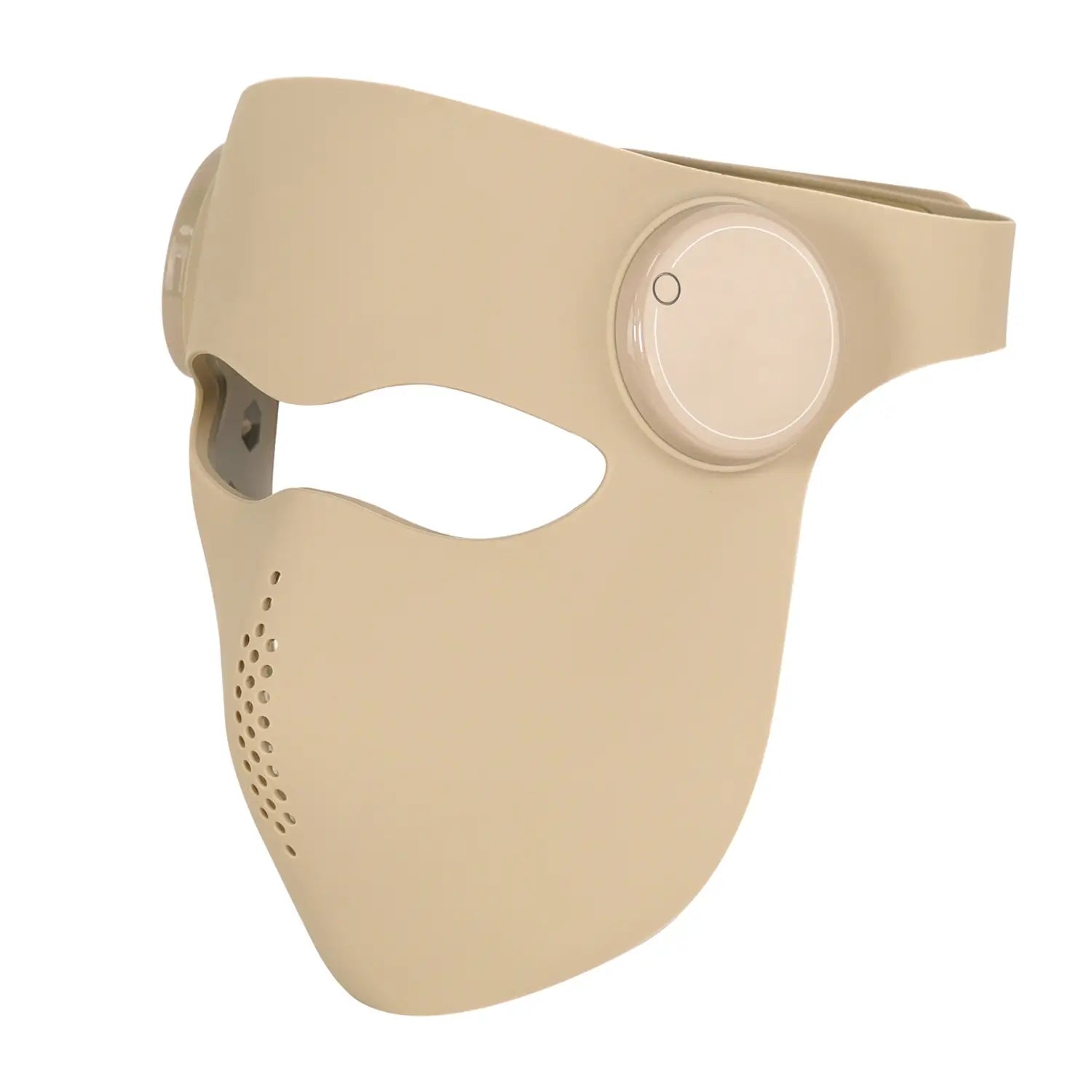
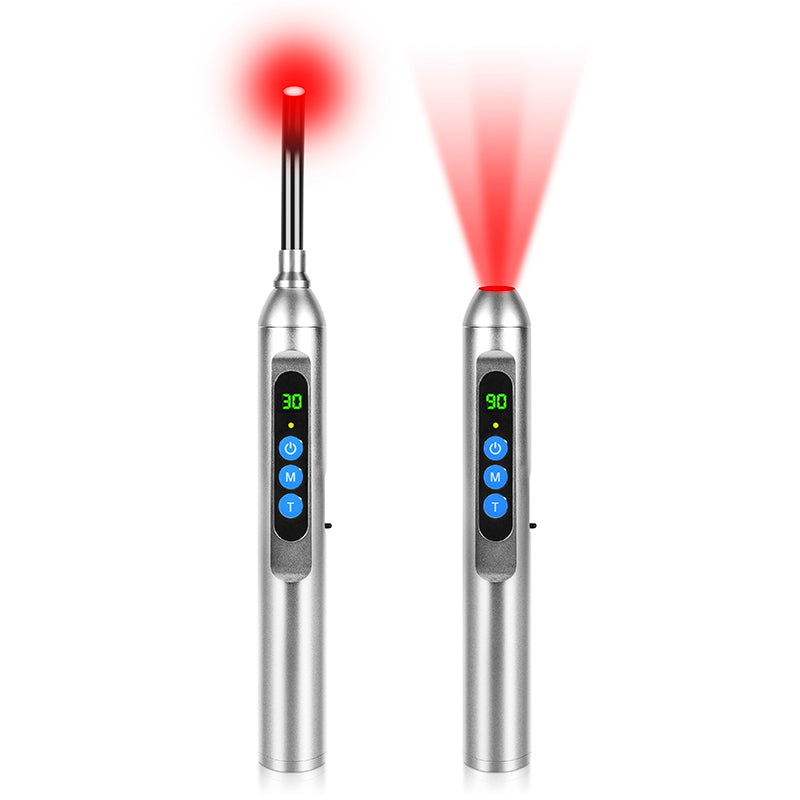

Red Light Therapy for Melasma: Safe Protocols for Dark Spots
Medical Disclaimer: The information provided in this article is for educational and informational purposes only and is not intended as medical advice, diagnosis, or treatment. Always seek the advice of a physician or other qualified health provider with any questions you may have regarding a medical condition. Never disregard professional medical advice or delay in seeking it because of something you have read here. Individuals who are pregnant, have a history of skin cancer, or are taking photosensitizing medications (such as certain antibiotics or retinoids) should consult a dermatologist before beginning red light therapy.
Summary
Red light therapy (RLT) at a precise 660nm wavelength is increasingly recognized as a non-thermal, non-invasive method to assist in managing melasma. By potentially inhibiting tyrosinase activity and reducing oxidative stress in melanocytes, RLT offers a targeted approach to pigment regulation. Unlike heat-intensive laser treatments, modern 2026 protocols prioritize low-irradiance and strict temperature monitoring to mitigate the inflammatory 'rebound effect' that can exacerbate hyperpigmentation.
Key Takeaways
- Wavelength Precision: 660nm (visible red) is generally preferred for melasma management, as it aims to provide cellular benefits while minimizing the deep-tissue heating often associated with near-infrared (850nm) wavelengths.
- Thermal Thresholds: Clinical observations suggest that maintaining skin surface temperature below approximately 38°C (100.4°F) is critical; thermal stimulation above this point may trigger inflammatory cytokines like IL-6, potentially worsening pigmentation.
- Safety Standards: High-quality devices are recommended to align with IEC 60601-2-57:2026 standards, which govern the safety and essential performance of non-laser light sources.
- Protocol Consistency: Effective management typically involves shorter, more frequent sessions (e.g., 5–10 minutes) to maintain stable skin temperatures rather than infrequent, high-intensity exposures.
- Clinical Consultation: Success depends on the depth of pigmentation (epidermal vs. dermal). A professional diagnosis is recommended to tailor the protocol to your specific skin type.
The Science of Melanocytes and Photobiomodulation
Melasma is a complex, chronic skin condition characterized by symmetrical brown or gray-brown patches. It is primarily driven by hyperactive melanocytes—cells responsible for melanin production. While traditional treatments like chemical peels or high-heat lasers can be effective, they carry a risk of post-inflammatory hyperpigmentation (PIH) in sensitive individuals. Photobiomodulation (PBM), or red light therapy, offers a different mechanism of action.
Research into PBM suggests that red light can modulate melanocyte activity without the cellular trauma of ablative therapies. By delivering photons to the mitochondria, RLT may enhance adenosine triphosphate (ATP) production and reduce oxidative stress. For melasma, the most significant potential benefit is the downregulation of tyrosinase, the enzyme that serves as the rate-limiting step in melanin synthesis. When applied within specific parameters, RLT may help 'stabilize' overactive pigment cells, contributing to a more uniform skin tone over time.
Clinical Logic: The use of RLT for melasma is based on the principle of 'sub-thermal' modulation. This approach assumes the user may have heat-sensitive melasma, where traditional triggers (UV, steam, high-power lasers) cause worsening. RLT is utilized here as a regulatory tool rather than a destructive one.

Why Wavelength Precision (660nm) Matters for Melasma
In light therapy, wavelength selection is paramount. While a combination of 660nm (red) and 850nm (near-infrared) is standard for muscle recovery, melasma requires a more cautious approach. Near-infrared (NIR) light at 850nm penetrates deeper and is more efficient at generating heat within the dermal layers. While beneficial for circulation, this heat can be counterproductive for melasma patients.
Clinical studies have indicated that NIR may inadvertently stimulate inflammatory cascades in heat-sensitive skin. By focusing primarily on 660nm, the therapy targets the epidermal and upper dermal layers where most melasma resides, while significantly reducing the thermal load. The 660nm wavelength is absorbed by cytochrome c oxidase in the mitochondria, promoting cellular health without the 'thermal bulk' of longer wavelengths. This precision is intended to allow for the management of dark spots while minimizing the risk of triggering additional pigment production.
The Danger of Heat: Avoiding the Pigmentation Rebound Effect
The 'rebound effect' is a common challenge in melasma treatment, where pigmentation appears to lighten initially but returns darker due to underlying inflammation. This is often triggered by excessive heat. When skin temperature rises significantly, it can release inflammatory mediators such as Interleukin-6 (IL-6) and Tumor Necrosis Factor-alpha (TNF-α), which signal melanocytes to increase melanin production as a protective response.
To mitigate this, 2026 clinical guidelines emphasize 'cold' LED protocols. This refers to devices engineered to deliver sufficient irradiance (power) without a corresponding spike in skin surface temperature. Monitoring skin temperature—ideally keeping it below the 38°C threshold—is a recommended safety measure. If a device feels uncomfortably hot against the skin, it may be exceeding the therapeutic window for melasma.
2026 Clinical Standards: What You Need to Know
The industry has shifted toward technical transparency with the introduction of the IEC 60601-2-57:2026 safety standards. These standards establish a baseline for non-laser light sources, ensuring accurate spectral output and minimal electromagnetic interference (EMF), which is vital for patients with hyper-reactive skin.
For a detailed analysis of how these technical benchmarks protect users, refer to the photobiomodulation safety standards and irradiance guidelines. This reference outlines the importance of laboratory-grade spectroradiometry in verifying device claims. Understanding the Arndt-Schulz Law—which suggests there is an optimal dose for healing, beyond which the effect may become inhibitory—is essential for treating sensitive conditions like melasma.
Logic Summary: These standards provide a framework for device selection. It is recommended that at-home devices meet these 2026 benchmarks to ensure wavelength accuracy (660nm) and that heat dissipation is managed according to established safety protocols.
Differentiating Epidermal vs. Dermal Melasma Protocols
The depth of the pigment significantly influences the expected timeline and protocol adherence.
- Epidermal Melasma: Pigment is located in the top layer of the skin, appearing as well-defined, dark brown patches. It typically responds more readily to 660nm RLT. Users may observe changes within 4–8 weeks of consistent use.
- Dermal Melasma: Pigment is deeper, appearing as fuzzy, bluish-gray patches. This type is more resistant to treatment. While 660nm light reaches these layers, the biological 'cleanup' of dermal pigment is a slower process, often requiring 3–6 months of consistent application.
- Mixed Melasma: Most cases involve a combination of both. Protocols must be conservative enough for the sensitive epidermis while remaining consistent enough to influence the deeper dermal layers.

Step-by-Step Protocol: Suggested Usage for Melasma
To manage melasma while minimizing the risk of a rebound effect, consider the following 'Low-Thermal' protocol.
Phase 1: The Sensitivity (Patch) Test
Before full-face application, test the device on a small area near the jawline for 3 minutes. Wait 24 hours to monitor for any delayed inflammatory response or darkening of the area.
Phase 2: The Induction Cycle (Weeks 1–4)
- Frequency: 3 times per week.
- Duration: 5 minutes per session.
- Distance: 6–12 inches from the face (to minimize heat transfer).
- Cooling: Consider using a fan or cooling mist during the session to keep skin temperature stable.
Phase 3: The Maintenance Cycle (Weeks 5+)
- Frequency: Up to 5 times per week.
- Duration: 10 minutes per session.
- Distance: Maintain the 6–12 inch gap.
- Monitoring: If any darkening or increased redness occurs, immediately reduce frequency and increase distance.
Technical Comparison: 660nm vs. 850nm for Melasma
| Feature | 660nm (Visible Red) | 850nm (Near-Infrared) | Impact on Melasma |
|---|---|---|---|
| Penetration | Epidermis & Upper Dermis | Deep Dermis & Muscle | 660nm targets the primary pigment zones. |
| Heat Generation | Minimal | Significant | High heat (850nm) may trigger rebound. |
| Inflammation | Anti-inflammatory potential | Risk of pro-inflammatory heat | 660nm is used to 'calm' melanocytes. |
| Recommended Use | Primary choice for Melasma | Use with caution or avoid | 660nm is the conservative standard. |
| 2026 Safety Status | Skin-safe LED standard | Requires active cooling for melasma | 660nm offers a higher safety margin. |
The Role of Cooling and EMF in Skin Sensitivity
A critical factor often overlooked is the impact of Electromagnetic Fields (EMF) and light flicker on sensitive skin. High EMF levels and significant flicker (modulation) can contribute to cellular stress. For those with melasma, whose skin may already be in a state of hyper-reactivity, minimizing these stressors is recommended.
Modern 2026 devices utilize flicker-free drivers and shielded components to ensure that only the intended 660nm light interacts with the skin. Integrating active cooling—such as a desk fan directed at the treatment area—can further mitigate the risk of thermal-induced pigment spikes. This 'Cool-PBM' approach is a hallmark of professional-grade melasma management.
FAQ
Is red light therapy safe for all types of melasma? Red light therapy is generally considered safe for epidermal, dermal, and mixed melasma when protocols emphasize low heat. The 660nm wavelength is non-ionizing. However, individuals with extreme heat sensitivity or those using photosensitizing medications should consult a dermatologist first. If you experience any worsening of spots, discontinue use and seek professional advice.
Can red light therapy make my dark spots worse? While the light itself is not typically a trigger, the heat generated by high-intensity or poorly ventilated devices can cause a 'rebound effect.' To prevent this, ensure your device meets 2026 safety standards for thermal output and maintain a distance of at least 6 inches. Darkening is usually a sign that the 'dose' or 'heat' is too high for your skin's current sensitivity level.
How long does it take to see results? Consistency is more important than intensity. Most users may begin to see a softening of pigment edges within 4 to 8 weeks. Deeper dermal melasma may take 3 to 6 months to show visible fading. Melasma is a chronic condition; RLT should be viewed as a long-term management tool rather than a permanent cure.
Should I use 850nm near-infrared light on my melasma? Current clinical consensus for melasma suggests limiting 850nm NIR light due to its heat-generating properties. If your device offers both 660nm and 850nm, it is generally safer to use the 'red only' mode for facial treatments targeting hyperpigmentation.
Do I need to wear eye protection? While 660nm light is not harmful like UV, the brightness can be uncomfortable. For facial treatments, it is recommended to use opaque goggles or keep your eyes closed to prevent discomfort or temporary after-images.
Can I use RLT with topical treatments like Hydroquinone? RLT can often be used alongside topicals, but caution is required regarding photosensitivity. We recommend performing your RLT session on clean, dry skin before applying any active creams. This ensures optimal light penetration and prevents potential interactions between the light and the topical ingredients.
Editorial Note & Review
This guide was developed in accordance with 2026 photobiomodulation safety standards. The protocols described are based on clinical observations regarding thermal thresholds and wavelength specificity. Author: [Site Editorial Team / Product Specialist] Reviewer: [Optional: Clinical Consultant/Dermatology Advisor Name]
Final Medical Disclaimer: This content is not a substitute for professional medical advice. If you suspect you have melasma or another skin condition, please consult a board-certified dermatologist for a formal diagnosis and treatment plan. Discontinue use of any light therapy device if you experience pain, persistent redness, or darkening of the skin.
References
Government / Standards / Regulators
- IEC 60601-2-57:2026 - Medical electrical equipment - Safety of non-laser light source equipment
- FDA - Guidance for Industry: Premarket Notification [510(k)] Submissions for Light-Based Devices
Platform Official Docs & Policies
- Youlumi - Photobiomodulation Standards: Irradiance, EMF, and Safety
Industry Associations & Research
- World Association for photobiomoduLation Therapy (WALT) - Dosage Guidelines
- Global Wellness Institute - 2026 Skin Tech Market Report
Academic & Clinical Studies
- Journal of Clinical and Aesthetic Dermatology - The Role of Heat in Melasma Pathogenesis (2025 Study)
- Photomedicine and Laser Surgery - Wavelength Specificity in Melanocyte Regulation