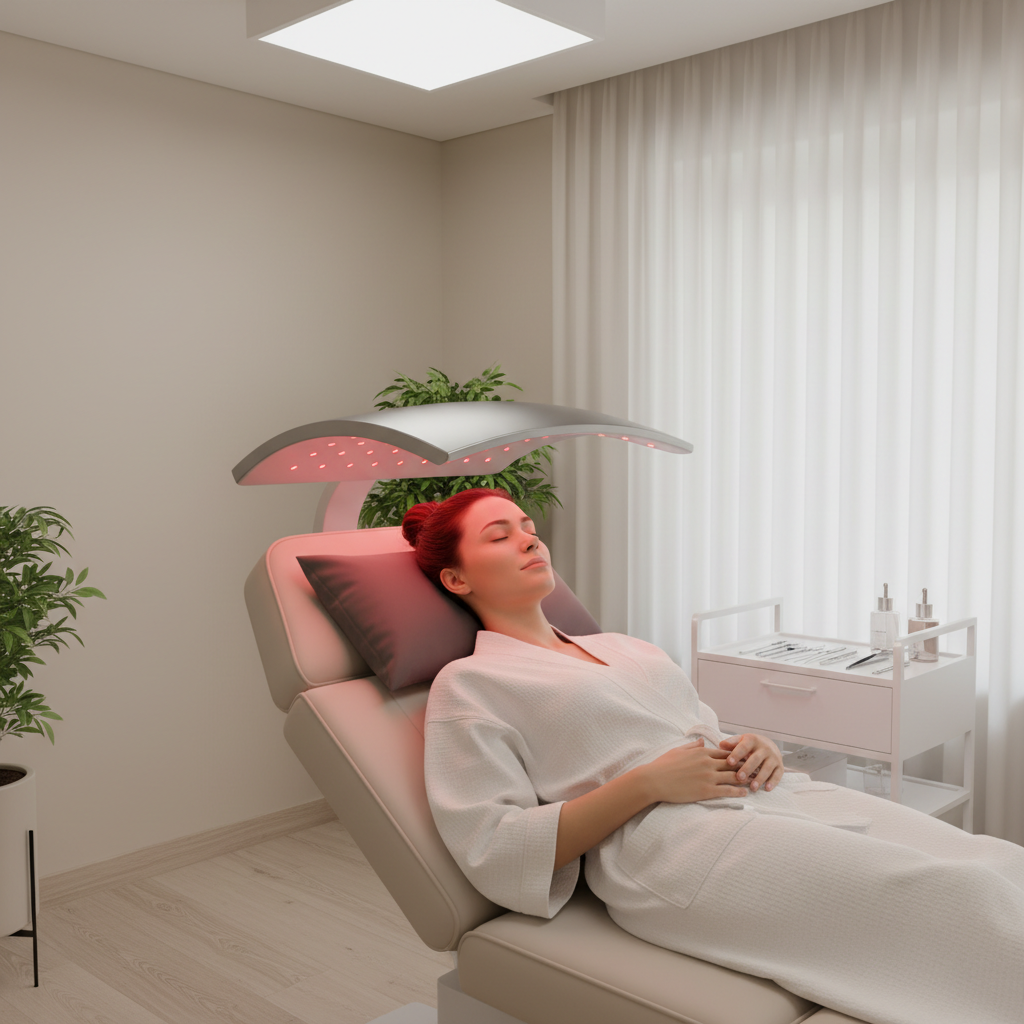
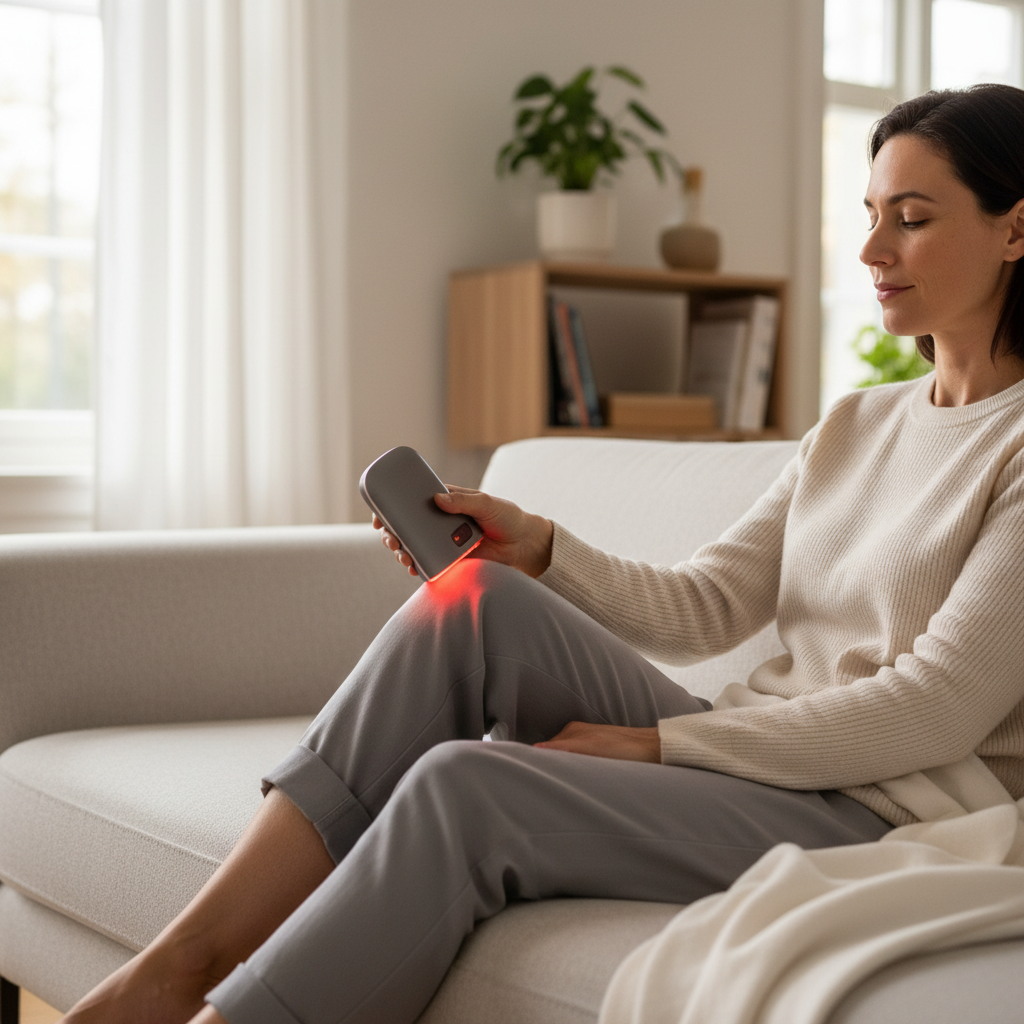
Muscle spasms and cramps can strike suddenly, disrupting workouts, sleep, or daily activities and leaving you searching for fast, non-drug options. While red light therapy is not a guaranteed instant fix, research on photobiomodulation shows it is studied as a supportive approach for musculoskeletal discomfort and recovery, potentially aiding muscle relaxation through improved cellular energy and circulation in some scenarios.

Photobiomodulation (PBM), also known as low-level light therapy or red light therapy, uses specific wavelengths of red and near-infrared light to interact with cells. This review of photobiomodulation therapy describes it as a recognized light-based modality explored for pain and musculoskeletal issues, although direct high-quality evidence focused specifically on acute muscle cramps remains limited.
How Red Light Therapy May Support Muscle Relaxation and Cramp Relief
Red and near-infrared wavelengths are thought to influence mitochondrial function, potentially increasing ATP production and supporting local blood flow. These mechanisms may help ease muscle tightness in recovery contexts rather than stopping an active cramp in seconds.
Literature on infrared radiation discusses its role as a complementary option for musculoskeletal conditions and chronic pain, noting possible effects on circulation and tissue recovery. Some users apply it to areas like the calves, hamstrings, or lower back when experiencing post-exercise tightness or recurring spasms.
For athletes, red light therapy has been examined in exercise recovery settings. A study on phototherapy and exercise recovery suggests it may support recovery after intense training, which is why some fitness enthusiasts incorporate it into post-workout routines for soreness or tightness.
Understanding Muscle Spasms and When Light Therapy Fits
Muscle spasms involve sudden, involuntary contractions that can cause pain, stiffness, and reduced mobility. They often stem from overuse, dehydration, electrolyte imbalance, poor posture, or underlying conditions. Official health materials recognize spasms as a symptom cluster linked to pain and limited range of motion.
Red light therapy is more plausibly positioned as an adjunct for recurring or recovery-related muscle discomfort rather than a primary solution for sudden acute cramps. Evidence reviews indicate that outcomes vary by condition, protocol, and individual factors.
Realistic Expectations: Timeframes and Results
Most studies on photobiomodulation for pain or recovery involve multiple sessions over days or weeks rather than one-time use. Users may notice subtle improvements in muscle comfort or reduced tightness after consistent application, but acute cramp relief is not reliably immediate.
Research on red and near-infrared light for muscle recovery remains ongoing, and optimal protocols (wavelength, irradiance, dosage in Joules/cm²) are not universally settled. Device quality matters significantly—higher irradiance at the skin surface and proper placement over the affected area are common considerations in the literature.
Scenario-Based Guidance: When Red Light Therapy May Be More or Less Suitable
The usefulness of red light therapy depends heavily on the situation. It tends to align better with recovery and maintenance than with stopping an active, sudden cramp.
Here is an illustrative comparison of relative helpfulness across common scenarios, based on how the literature emphasizes recovery support versus acute symptom management. Scores are heuristic (1–10 scale) and not clinical measurements.
Relative Helpfulness Across Cramp and Spasm Scenarios
Higher values indicate greater likely usefulness in the scenario; scores are illustrative, not clinical measurements.
View chart data
| Category | Red light therapy | Stretching | Hydration | Rest |
|---|---|---|---|---|
| Post-workout | 7.0 | 6.0 | 4.0 | 5.0 |
| Night leg cramps | 3.0 | 4.0 | 7.0 | 6.0 |
| Back spasms | 5.0 | 5.0 | 6.0 | 4.0 |
| Acute sudden cramp | 4.0 | 3.0 | 5.0 | 7.0 |
Illustrative 1–10 helpfulness ratings derived from scenario-based evidence emphasis. These scores are bounded, heuristic, and not measured outcomes; they reflect a literature framing that red light therapy is discussed more for recovery/supportive use than for immediate acute relief.
Post-workout recurring tightness: Red light therapy may serve as a reasonable recovery adjunct alongside stretching and rest.
Night leg cramps: Hydration, stretching, and addressing electrolytes typically take priority for immediate relief.
Back spasms: Localized application might complement other measures for chronic or posture-related discomfort, but acute episodes often benefit from quicker interventions first.
Acute sudden cramp: Rest, stretching, or hydration usually offer faster practical help; light therapy is less suited for on-the-spot termination.
Practical Protocol Suggestions and Device Considerations
When trying red light therapy for muscle comfort, common literature-informed practices include using wavelengths in the red (around 660 nm) and near-infrared (around 850 nm) range, delivering appropriate energy density, and treating the area for 10–20 minutes per session. Placement should be close to the skin over the affected muscle, with consistency over multiple days.
Independent reviews of low-level laser therapy note potential benefits for certain musculoskeletal pain conditions, but stress that results are condition-specific and protocol-dependent. Always follow manufacturer guidelines and start with shorter sessions to assess tolerance.
Device variables such as irradiance, wavelength accuracy, and EMF levels can influence outcomes. For safety and efficacy guidance, refer to technical standards on photobiomodulation parameters.

How Red Light Therapy Compares to Other Approaches
Red light therapy does not replace foundational cramp management strategies. Hydration, electrolyte balance, proper stretching, rest, and addressing posture or overuse remain first-line measures supported by everyday experience and clinical consensus.
It can be used alongside these approaches for those seeking additional non-pharmaceutical support during recovery periods. For example, some athletes combine it with post-workout routines, while individuals with recurring back tightness may explore it as part of a broader self-care plan.
Safety, Boundaries, and When to Seek Professional Care
Expert consensus describes photobiomodulation as generally safe for adults when used appropriately. However, it is not appropriate for everyone in every situation.
Persistent, severe, unexplained, or recurrent muscle spasms—especially if accompanied by weakness, numbness, swelling, or other concerning symptoms—should be evaluated by a qualified healthcare professional. This article discusses comfort and supportive self-care options only and does not constitute medical advice, diagnosis, or treatment. If you have existing medical conditions or persistent discomfort, consult a doctor or physical therapist.
Choosing a Protocol Without Overpromising Results
Before purchasing or using a device, consider your specific scenario and expectations. Red light therapy is best viewed as one possible tool in a multi-factor approach rather than a standalone cure for cramps. Focus on reputable devices that provide transparent specifications on wavelength, irradiance, and dosing.
A simple self-check before starting includes confirming the cramp cause is not medical, setting realistic timelines (days to weeks of consistent use for potential supportive effects), and combining it with proven basics like hydration and mobility work.
For those interested in broader applications of red light therapy in recovery, explore related topics such as the impact of red light on recovery after high-intensity interval training or red light therapy for dancer foot health issues.
In summary, while evidence for acute cramp termination is limited, red light therapy may offer supportive benefits for muscle recovery and comfort in certain contexts when used as part of a thoughtful routine. Results depend heavily on device quality, consistent application, and individual factors. Pair it responsibly with hydration, stretching, and rest, and seek medical advice for ongoing or severe symptoms.