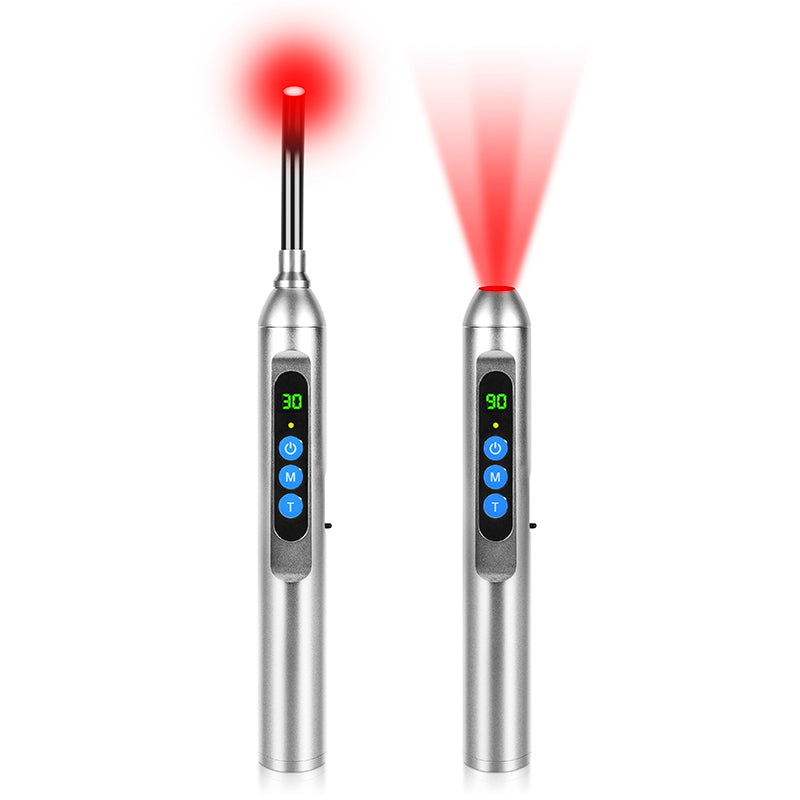

Many people with PCOS struggle with recurring hormonal acne that resists standard skincare routines and over-the-counter treatments. Red light therapy is increasingly explored as a gentle, non-pharmaceutical adjunct that may help calm inflammation and support skin recovery, though current medical guidelines do not position it as a treatment for PCOS itself.

Current PCOS guidance emphasizes symptom and metabolic management; it does not endorse red light therapy as a PCOS treatment. Instead, it is best viewed as a supportive tool within a broader care plan. Dermatology guidance recognizes light-based treatments as possible acne adjuncts, but they rarely clear acne on their own. Results depend heavily on individual factors, device quality, and consistent use.
Understanding Hormonal Acne in PCOS
Hormonal acne linked to PCOS often appears along the jawline, chin, and lower face. It tends to flare with menstrual cycles and can involve deeper inflammation than typical teenage acne. Adult female acne can require tailored treatment, and light-based options may be considered as part of a broader plan.
The underlying drivers are usually elevated androgens and systemic inflammation rather than surface bacteria alone. This makes conventional topical approaches sometimes insufficient or irritating, prompting many to seek adjunctive options that feel gentler on sensitive skin.
Some studies suggest red LED light may help reduce acne-related inflammation, but that is not the same as treating PCOS. Photobiomodulation is used in dermatology for acne-related applications, but protocols and evidence quality vary.
How Red Light Therapy May Support PCOS-Related Skin Concerns
Red light wavelengths (typically around 630–660 nm) are thought to influence cellular energy production and modulate inflammatory pathways in skin tissue. In the context of acne, this may translate to reduced redness and calmer-looking skin in some users.

The acne evidence is stronger for blue or blue-red light than for red light alone. However, red light is often favored for its deeper penetration and potential soothing effects, making it attractive for inflamed or sensitive PCOS skin.
Photobiomodulation has enough clinical traction to be addressed in dermatology consensus work, though acne-specific protocols still vary. At-home devices offer convenience but generally deliver lower energy densities than clinical systems, so expectations should remain modest.
Some LED phototherapy devices have FDA-cleared acne indications, but the exact claim depends on the specific device and wavelength. FDA-cleared acne devices can be indicated for mild to moderate inflammatory acne vulgaris, which is not the same as treating PCOS itself.
Realistic Expectations and Evidence Boundaries
It is important to separate marketing claims from available research. Red light therapy may help support calmer-looking skin, but it is not guaranteed to clear hormonal acne. Many users report gradual improvements in redness and texture after several weeks of consistent use, yet hormonal fluctuations can still trigger breakouts.
Reviews of light-based acne therapies find stronger evidence for blue or blue-red combinations than for red light alone. Red light therapy is best framed as an adjunct for acne-prone skin rather than a replacement for medical acne treatment.
Do not expect rapid clearing or hormonal regulation. Typical timelines cited in user experiences range from 4–12 weeks for noticeable changes in skin calmness, provided the routine is sustainable. Overuse or unrealistic hopes often lead to disappointment.
Scenario-Based Fit: When Red Light Therapy Makes Sense for PCOS Acne
The value of adding red light therapy depends on your specific situation. The following illustrative chart shows relative fit scores across common scenarios. These scores are heuristic and for decision guidance only.
Illustrative Fit Scores for Red Light Therapy in PCOS-Related Hormonal Acne
Scenario-based decision framework for whether red light therapy is a good fit.
View chart data
| Category | Fit Score |
|---|---|
| Mild acne, stable routine, adjunct use | 9.0 |
| Mild-moderate acne, realistic expectations | 8.0 |
| Mixed fit: irregular routine or moderate hormonal control | 5.0 |
| Lower fit: rapid results expected or routine unstable | 3.0 |
| Poor fit: severe/cystic acne, worsening, uncontrolled PCOS | 1.0 |
Illustrative/heuristic scoring only. Boundaries informed by acne light-therapy evidence favoring mild-to-moderate inflammatory acne and by PCOS-aware caution when acne is severe, rapidly worsening, or hormonal symptoms are uncontrolled. Not clinical data; not a treatment efficacy estimate.
This chart highlights that red light therapy tends to be a stronger consideration for mild-to-moderate acne when used as a stable adjunct rather than a miracle fix. It is a lower fit when acne is severe or expectations are for fast, dramatic hormonal correction.
Building a Safe Red Light Therapy PCOS Skin Routine
Start conservatively to minimize irritation and assess tolerance. A typical at-home protocol might involve 10–20 minute sessions, 3–5 times per week, keeping the device 6–12 inches from clean skin. Always follow your specific device's instructions and begin with shorter sessions.
Pair red light with a gentle routine. Cleanse with a mild, non-stripping product, apply red light post-cleansing on dry skin, and follow with a soothing moisturizer or prescribed topicals if approved by your clinician. Avoid layering immediately after strong actives like retinoids until you confirm compatibility.
This guide on using red light therapy with tretinoin offers useful considerations for combining modalities safely.
Consistency matters more than intensity. Track your skin response over 6–8 weeks in a simple journal, noting flare timing relative to your cycle. If irritation occurs, reduce frequency or distance.
For those exploring facial use, review who should avoid red light therapy on the face to ensure it aligns with your health profile.
Device Considerations and What to Look For
Choose devices with documented irradiance levels and wavelengths appropriate for skin (primarily 630–660 nm red). Look for FDA-cleared options when possible, but remember clearance applies to specific indications and does not guarantee results for hormonal acne.
Avoid devices with excessive heat, poor build quality, or unrealistic marketing claims about curing hormonal imbalances. A comfortable, easy-to-position device encourages adherence, which is the real driver of any potential benefit.
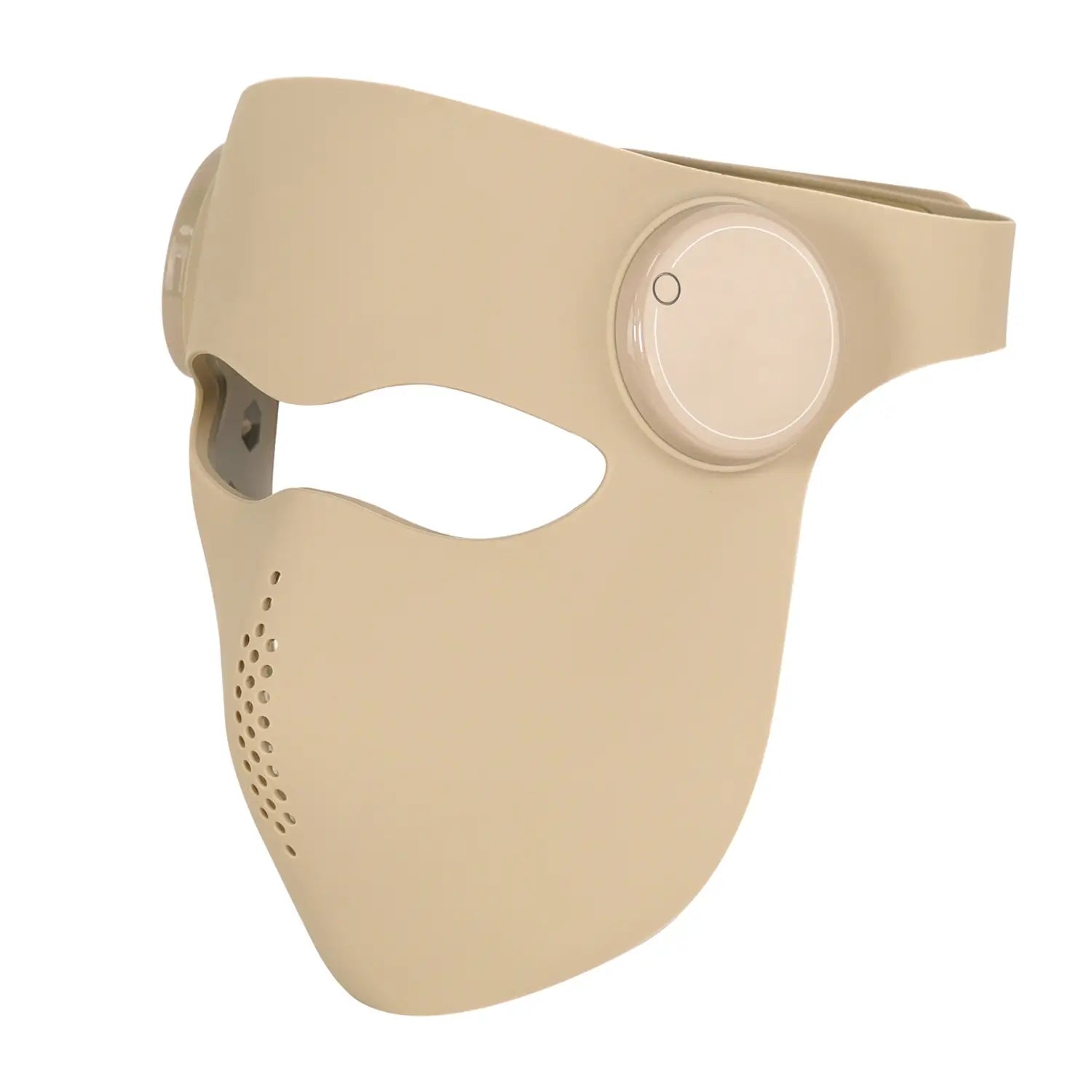
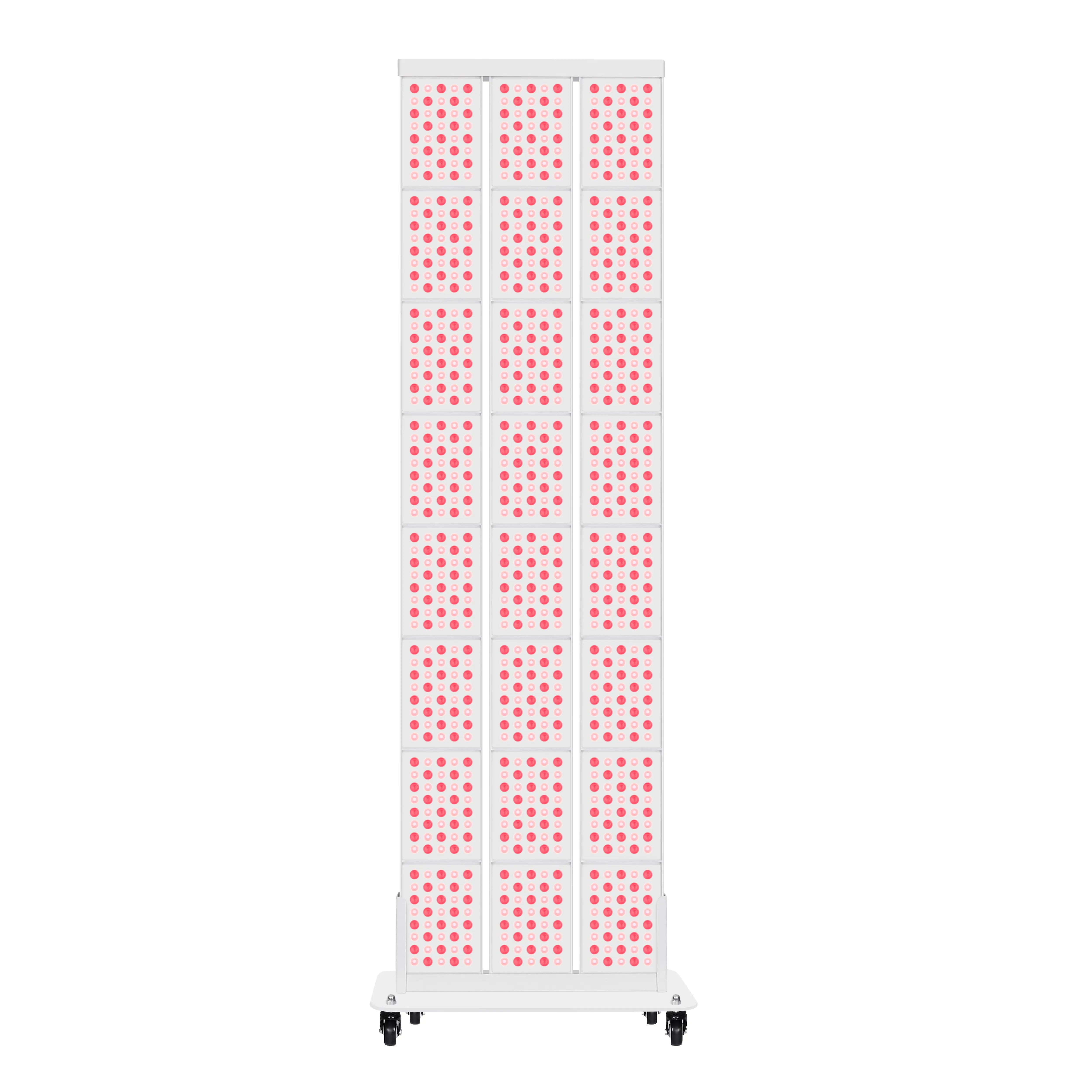
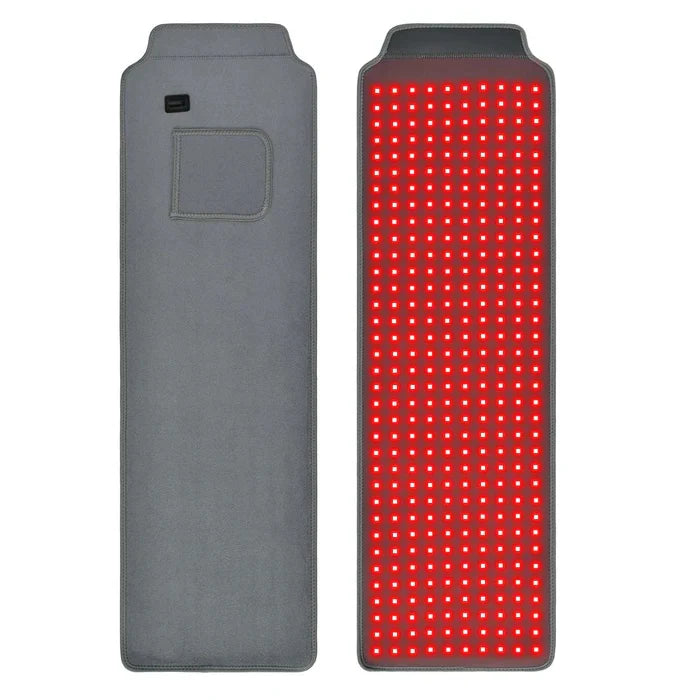
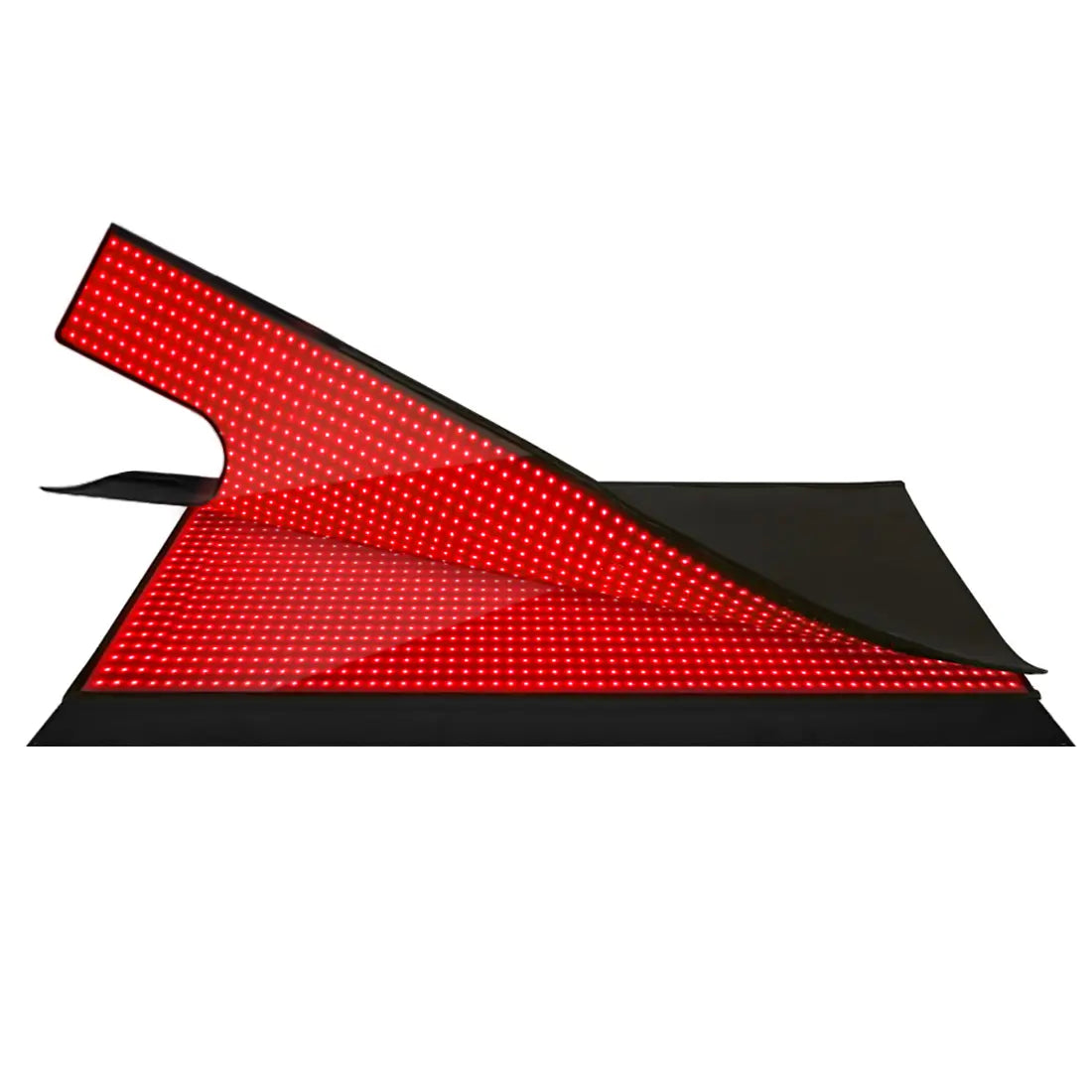
Red light therapy belts or panels can be versatile for both facial and body use, though facial masks or targeted wands may offer more precise application for jawline acne.
When to Skip Red Light Therapy and Seek Professional Care
Do not rely on red light therapy if your acne is moderate to severe, nodular, cystic, or scarring. Rapidly worsening breakouts, significant pain, or accompanying uncontrolled PCOS symptoms such as irregular cycles or new hirsutism warrant medical evaluation first.
Red light therapy is best as an adjunct rather than a primary solution. If you have not seen improvement after a consistent 8–12 week trial or if acne impacts your quality of life, consult a dermatologist or endocrinologist. They can assess whether prescription options, hormonal management, or other therapies are more appropriate.
This article only discusses comfort and setup considerations for supportive skincare. It does not constitute medical advice, diagnosis, or treatment. If you experience persistent discomfort, worsening symptoms, or have existing medical conditions, consult qualified healthcare professionals.
Final Thoughts
Red light therapy offers a low-risk, at-home option that some individuals with PCOS find helpful for calming inflamed skin and supporting their routine. However, it works best as part of a comprehensive approach that includes medical oversight, lifestyle measures, and realistic expectations.
Focus on consistency, gentle integration, and listening to your skin. For those with mild to moderate hormonal acne and a stable routine, it may provide a useful addition. For more significant concerns, professional guidance remains the priority.
Results may vary and depend heavily on individual factors, device quality, and how well it fits your lifestyle. Approach it as supportive self-care rather than a standalone solution.
Important Safety Note: This article discusses general comfort and skincare setup considerations only. It is not medical advice. Red light therapy should not replace clinician-directed care for PCOS or persistent acne. Consult a qualified healthcare provider before starting any new therapy, especially if you have underlying conditions, are pregnant, take medications that increase light sensitivity, or experience painful, scarring, or rapidly worsening acne.