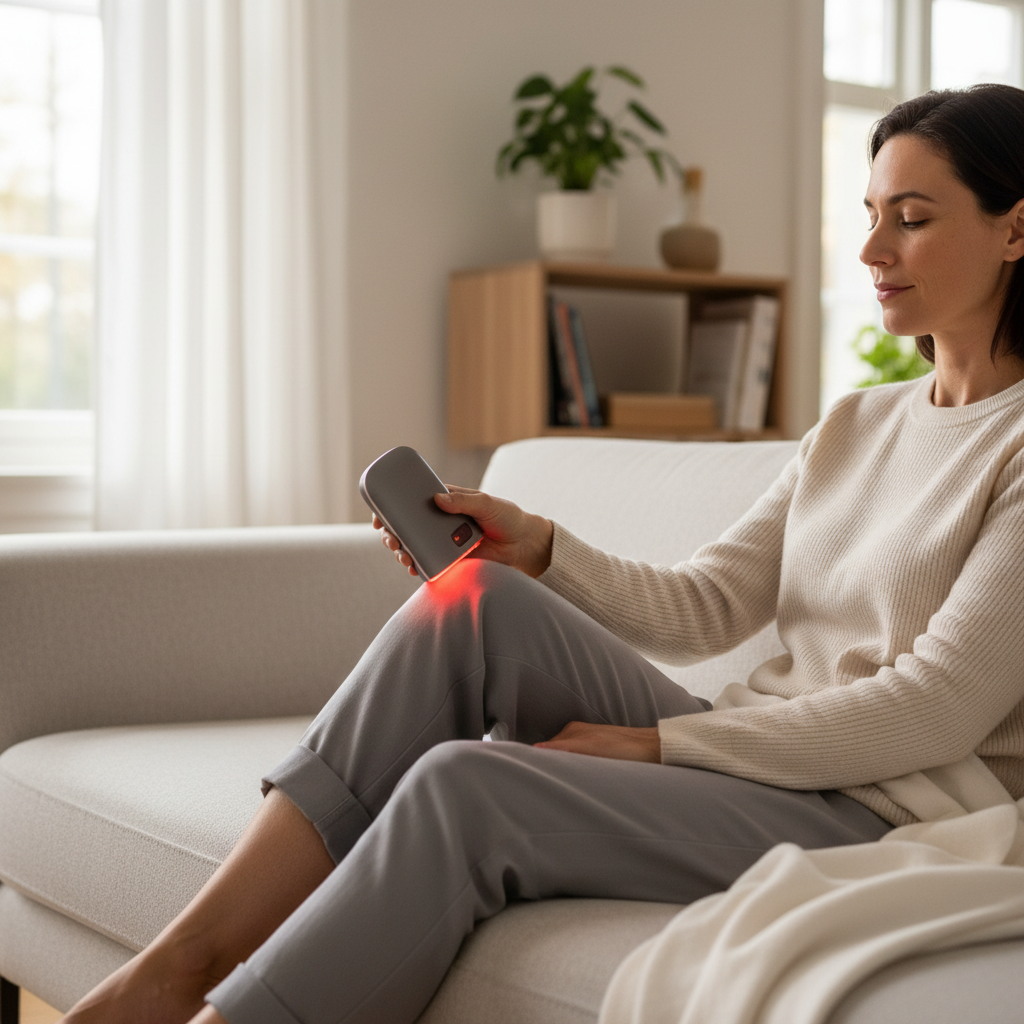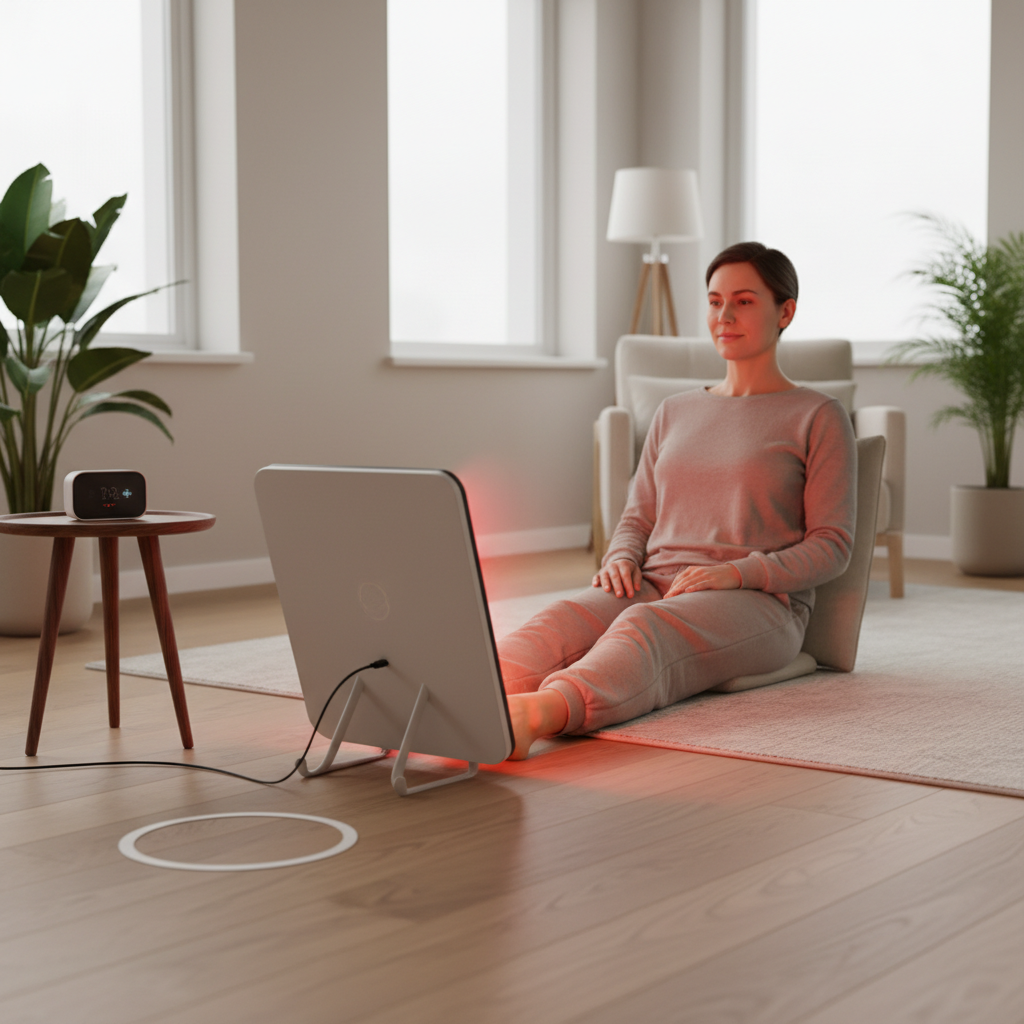
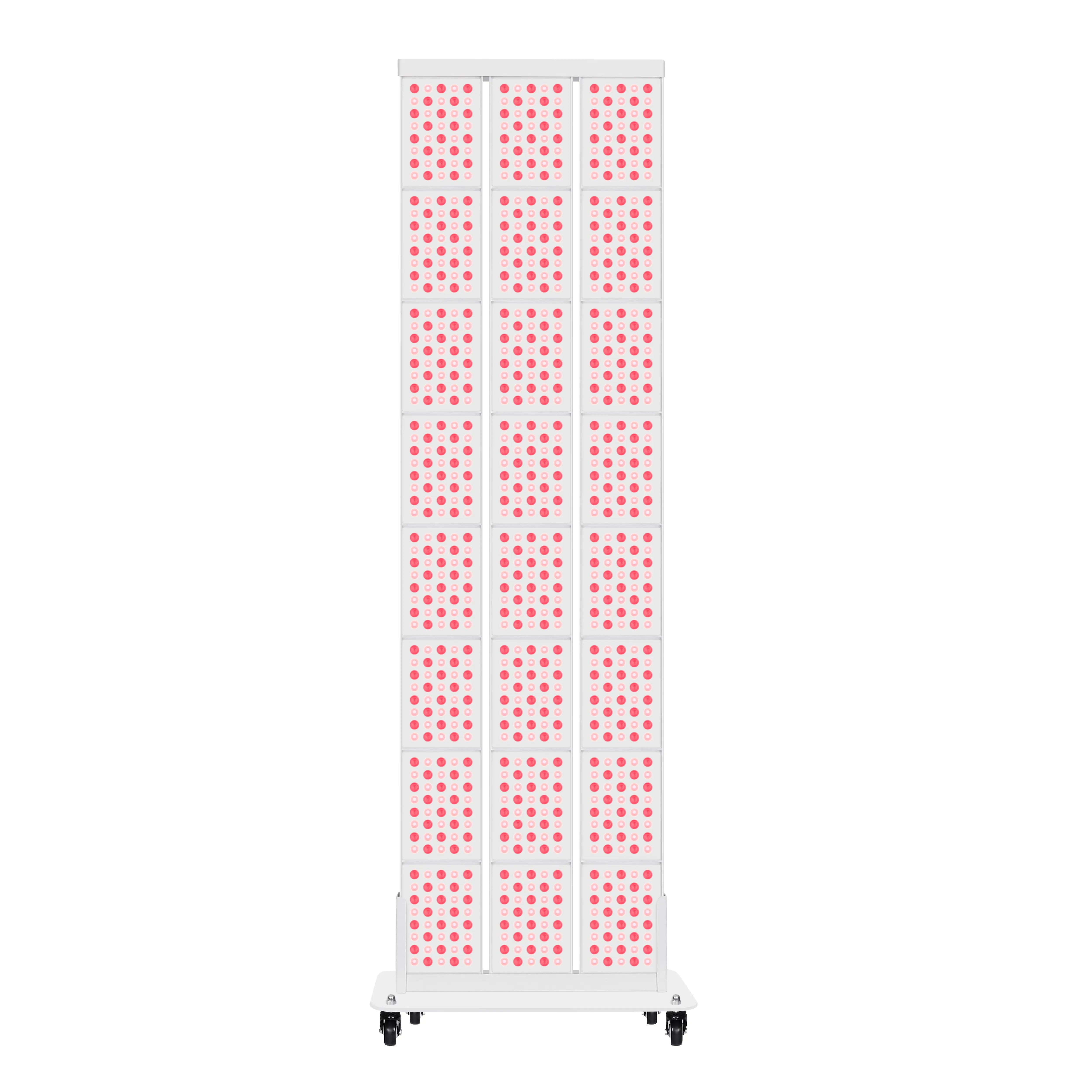
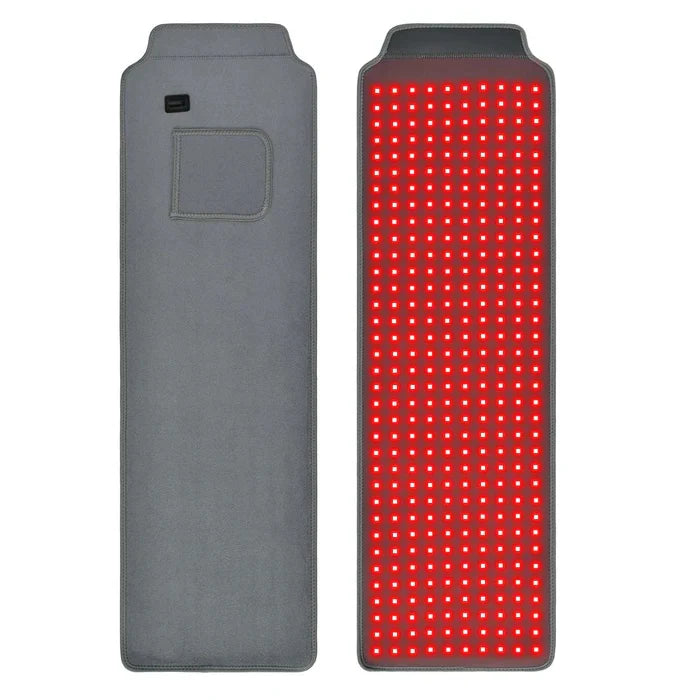
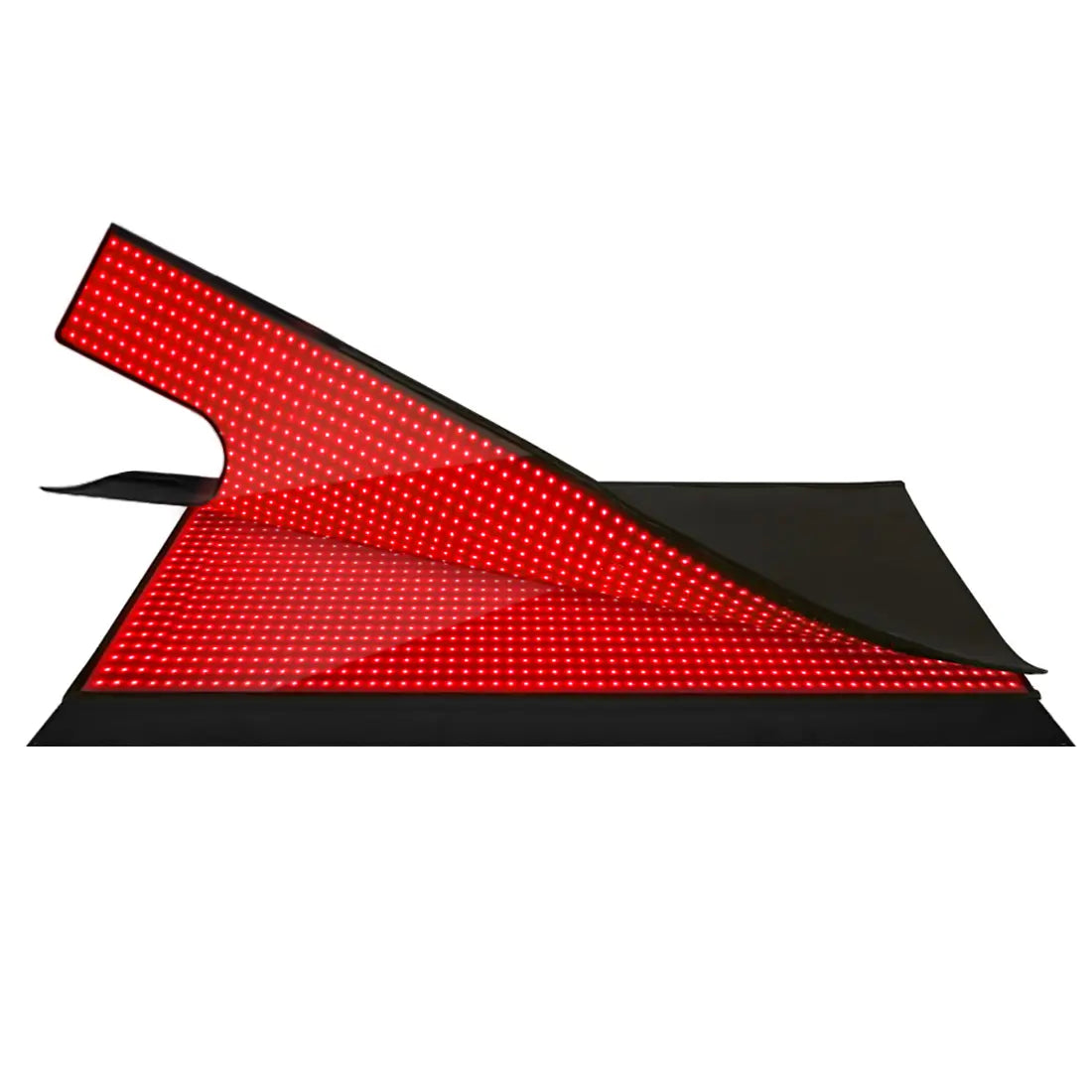
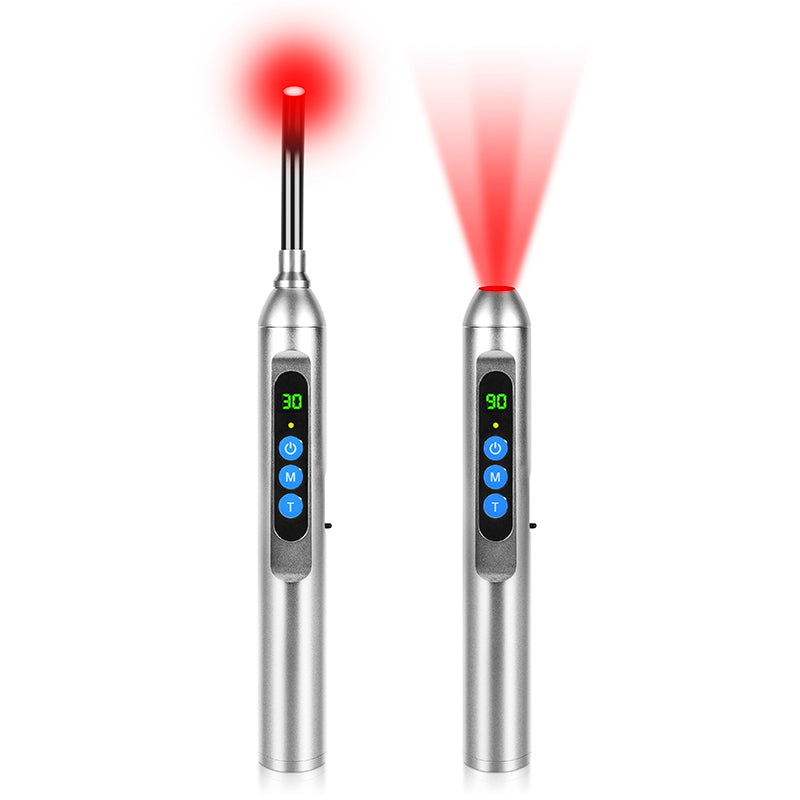

Shin splints, medically known as medial tibial stress syndrome, are a common overuse injury that can sideline runners and active individuals for weeks. While standard care focuses on rest, load management, and gradual return to activity, many athletes explore adjunct tools like red light therapy (also called photobiomodulation) to potentially ease pain and support tissue recovery. This guide outlines realistic expectations, evidence boundaries, and practical protocols for using red light therapy alongside proven conservative measures—without claiming it as a standalone cure.

Red light therapy devices emit specific wavelengths of red and near-infrared light that may influence cellular energy production, inflammation pathways, and blood flow. For runners dealing with lower-leg pain after mileage increases or high-impact training, the appeal is clear: a non-invasive option that could complement rest and rehab. However, evidence specific to shin splints remains limited, and results depend heavily on proper diagnosis, consistent load management, and individual response.
What Are Shin Splints and Why Do They Happen?
Shin splints refer to pain along the inner edge of the shinbone, typically triggered by repetitive stress on the lower leg muscles, tendons, and bone tissue. According to MedlinePlus self-care guidance, this condition is an overuse injury frequently seen in runners, dancers, and those ramping up training intensity too quickly.
The underlying mechanism often involves inflammation where the soleus or tibialis muscles attach to the tibia, combined with microtrauma from impact loading. Risk factors include sudden increases in mileage, hard surfaces, inadequate footwear, tight calves, or weak hip and core muscles that fail to absorb shock properly.
Persistent or severe pain, especially if it is one-sided, worsens with activity, or fails to improve with rest, requires professional evaluation. As detailed in StatPearls on medial tibial stress syndrome, such symptoms can indicate a stress fracture, chronic exertional compartment syndrome, or other conditions needing medical attention rather than self-treatment.
Standard Recovery Approaches Before Adding Any Device
Conservative management remains the foundation for shin splints recovery. MedlinePlus recommends reducing or stopping the provoking activity, applying ice, gently stretching the calves and anterior shin muscles, and using supportive footwear or orthotics when appropriate.
Because medial tibial stress syndrome is an overuse injury, load management is essential. Research summarized in PMC articles on conservative treatment options emphasizes that simply adding a therapy device without addressing the training error that caused the problem rarely prevents recurrence.
A structured rehab approach typically includes:
- Relative rest from running for 2–6 weeks depending on severity
- Cross-training with low-impact activities like swimming or cycling
- Progressive strengthening of the calves, tibialis posterior, and hip stabilizers
- Gradual return-to-run program that increases volume no more than 10% per week
Physical therapy perspectives highlight the value of combining load management with targeted mobility and strengthening rather than relying solely on passive modalities. Recent PMC review on physical therapy for MTSS supports this active rehabilitation framework.
How Red Light Therapy May Support Recovery Mechanisms
Photobiomodulation, the broader scientific term for red light therapy, has been studied for its potential effects on inflammation, pain signaling, and tissue repair across various musculoskeletal conditions. Early research indicates that specific wavelengths (commonly 660 nm red and 850 nm near-infrared) can influence mitochondrial function and cellular responses, as explored in broader reviews such as the MIT study on red and near-infrared light effects.
In sports and rehabilitation contexts, photobiomodulation has shown variable benefits for pain and inflammatory markers, though outcomes depend on dosage, timing, and the specific condition. A systematic review in Photochemistry and Photobiology notes that while some studies report positive results, the strength of evidence varies widely by application.
For lower-leg issues, the proposed mechanisms include improved local blood flow, modulation of inflammatory cytokines, and support for collagen remodeling in strained tissues. However, direct high-quality trials on photobiomodulation specifically for medial tibial stress syndrome are scarce. Available evidence for related lower-limb injuries suggests that adding light therapy does not consistently outperform conservative care alone, per findings in Archives of Rehabilitation Research and Clinical Translation.
This means red light therapy should be viewed as a potential adjunct rather than a primary or guaranteed solution. There is not yet a single universally accepted clinical protocol for all injuries, as noted in consensus discussions on photobiomodulation applications.
Practical Red Light Therapy Protocol for Shin Splints
When using red light therapy as part of a recovery plan, focus on parameters that align with general photobiomodulation research while prioritizing safety and consistency. Typical home devices deliver a combination of red (around 660 nm) and near-infrared (810–850 nm) wavelengths.
Suggested adjunctive protocol (heuristic, not clinically validated for MTSS):
- Session duration: 10–20 minutes per treatment area
- Frequency: 3–5 times per week during the acute recovery phase, then 2–3 times as symptoms improve
- Distance: Position the device 6–12 inches from the skin for most panels (follow your specific device's irradiance guidelines)
- Coverage: Treat both the painful medial tibia area and surrounding calf and anterior shin muscles
- Timing: Many users apply sessions after activity or in the evening; pre-exercise timing has been discussed in sports literature but lacks shin-splints-specific validation
Always start with shorter sessions to assess skin response. Combine with the conservative measures outlined earlier rather than replacing them. Track symptoms daily and adjust training load first if pain persists.
For technical benchmarks on irradiance and safety standards relevant to any photobiomodulation device, refer to established photobiomodulation standards guidance.

Realistic Recovery Timelines and What to Expect in 2026
Most cases of shin splints improve within 4–8 weeks when managed appropriately, though severe or recurrent cases can take longer. Recovery speed depends on how quickly the underlying training error is corrected, adherence to load management, and individual healing factors.
The chart below provides an illustrative heuristic comparison of pain trajectories. These relative values are modeled from general timelines discussed in photobiomodulation and overuse injury literature and are not derived from shin-splints-specific clinical trials.
Illustrative Weekly Pain Reduction Timeline for Shin Splints Recovery
Heuristic illustration only; not a clinical estimate or guaranteed outcome.
View chart data
| Category | Standard conservative care | Conservative care + red light therapy adjunct |
|---|---|---|
| Week 0 | 10.0 | 10.0 |
| Week 1 | 9.0 | 8.5 |
| Week 2 | 8.0 | 7.2 |
| Week 3 | 7.0 | 6.0 |
| Week 4 | 6.0 | 5.0 |
| Week 5 | 5.0 | 4.3 |
| Week 6 | 4.0 | 3.6 |
| Week 7 | 3.0 | 3.0 |
| Week 8 | 2.0 | 2.4 |
Illustrative heuristic based on general photobiomodulation literature suggesting pain/inflammation support may be gradual over a 4-8 week recovery window; MTSS-specific evidence is limited and non-definitive. Values are relative pain scores normalized to a 0-10 scale, not measured trial outcomes.
This visualization underscores that improvement is typically gradual. Any additional benefit from red light therapy would likely appear as modest symptom support within the broader conservative framework rather than dramatically accelerated healing.
How to Choose and Use Red Light Therapy Safely as a Runner
Before purchasing a device, verify that it provides accurate irradiance specifications measured with proper laboratory tools rather than inflated marketing numbers. Safety standards such as IEC 60601-2-57 and considerations around EMF and flicker are important for repeated use.
Checklist for runners considering red light therapy:
- Confirm diagnosis with a clinician to rule out stress fractures or other serious issues
- Commit to load management and rehab exercises first
- Select a device with documented wavelengths (660 nm and/or 850 nm) and sufficient irradiance
- Start conservatively with shorter sessions and monitor skin and pain response
- Integrate sessions with, not instead of, stretching, strengthening, and gradual return-to-run protocols
- Track weekly mileage, pain levels (0–10 scale), and training surface to identify patterns
If pain returns or worsens when increasing activity, pause and reassess rather than pushing through. Red light therapy is not a substitute for proper recovery practices.
Important Safety and Medical Boundaries
This article discusses comfort, recovery adjuncts, and setup considerations for red light therapy in the context of shin splints. It does not constitute medical advice, diagnosis, or treatment. Red light therapy should not replace professional medical evaluation.
If you experience persistent discomfort, severe pain, swelling, or symptoms that do not improve with rest, consult a qualified healthcare professional such as a sports medicine physician or physical therapist. Individuals with certain medical conditions, photosensitivity, or who are pregnant should seek personalized guidance before using light therapy devices.
Combining Everything Into a Sustainable Return-to-Running Plan
Successful recovery from shin splints usually requires addressing the root causes—training volume, biomechanics, and recovery habits—rather than depending on any single modality. Red light therapy may serve as one supportive tool within that plan for athletes who respond well to it.
A typical phased approach looks like this:
- Weeks 1–2: Significant reduction in impact loading, focus on mobility, ice, and gentle red light sessions if desired
- Weeks 3–4: Introduce low-impact cross-training and basic strengthening while continuing conservative care
- Weeks 5–8: Gradual reintroduction of running with strict 10% rule on weekly volume, monitoring pain closely
- Ongoing: Maintain strength work, proper footwear, and periodic load deloads to prevent recurrence
Some athletes find value in exploring related applications of photobiomodulation for other running-related issues, such as those covered in red light therapy for dancer foot health which shares overlapping principles of tissue support.
Ultimately, the fastest way to overcome shin splints is consistent adherence to evidence-based load management and rehab, with red light therapy as an optional adjunct that some runners report helps them feel more comfortable during the process. Listen to your body, prioritize long-term training consistency over short-term fixes, and seek professional care when needed.
Disclaimer: The information provided is for educational purposes only and is not a substitute for professional medical advice. Always consult with a healthcare provider for persistent or concerning symptoms.