
The GLP-1 Muscle Dilemma: Why Lean Mass Matters
Many adults using GLP-1 medications like semaglutide or tirzepatide for weight loss are increasingly concerned about "muscle wasting." Data from major clinical trials, such as the STEP program for semaglutide, indicate that while these medications are highly effective for fat loss, a significant portion of the weight lost can come from lean mass if interventions aren't made.

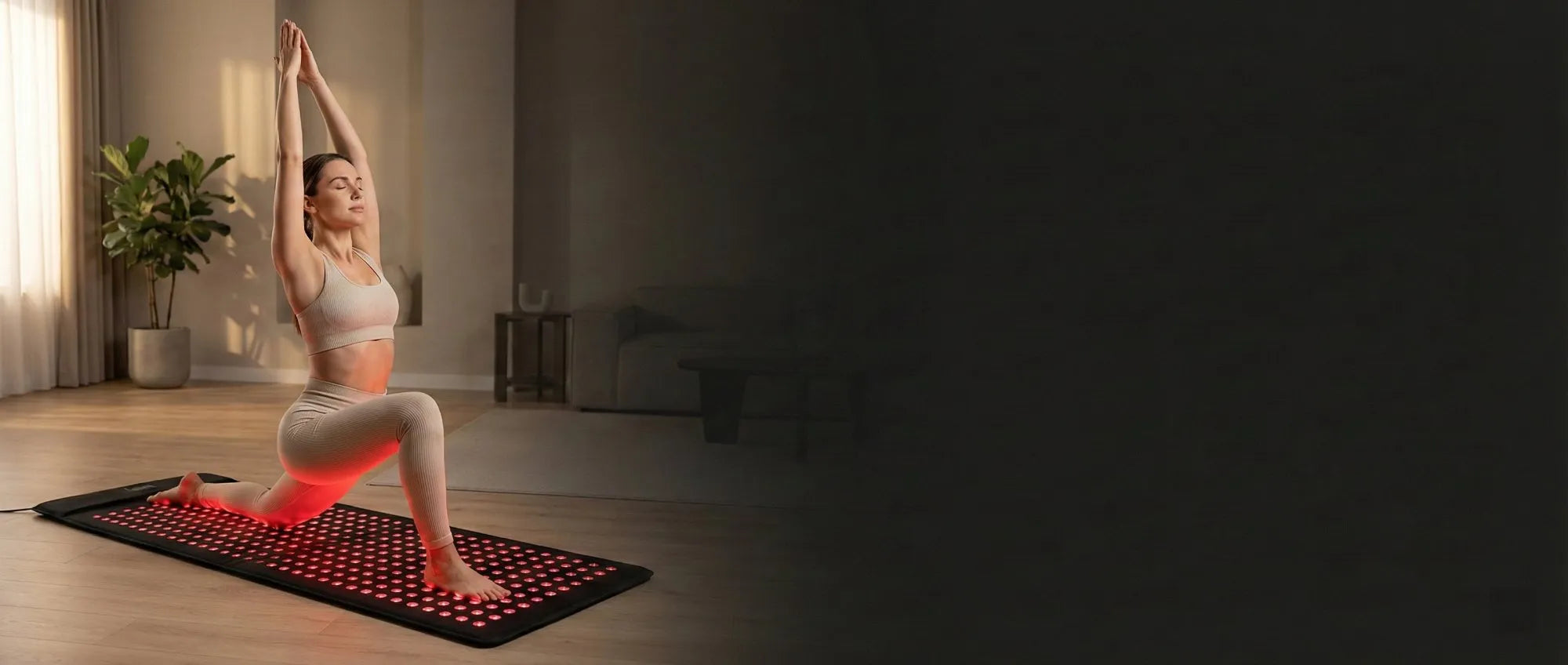
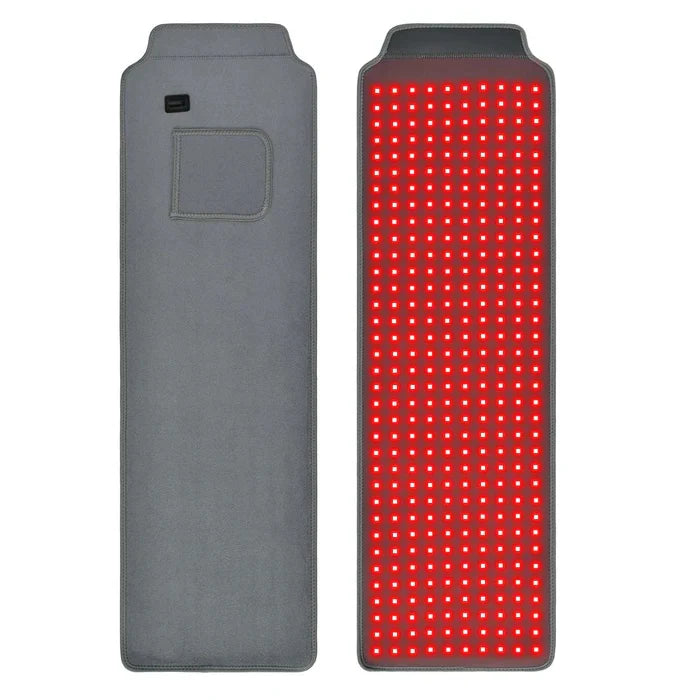
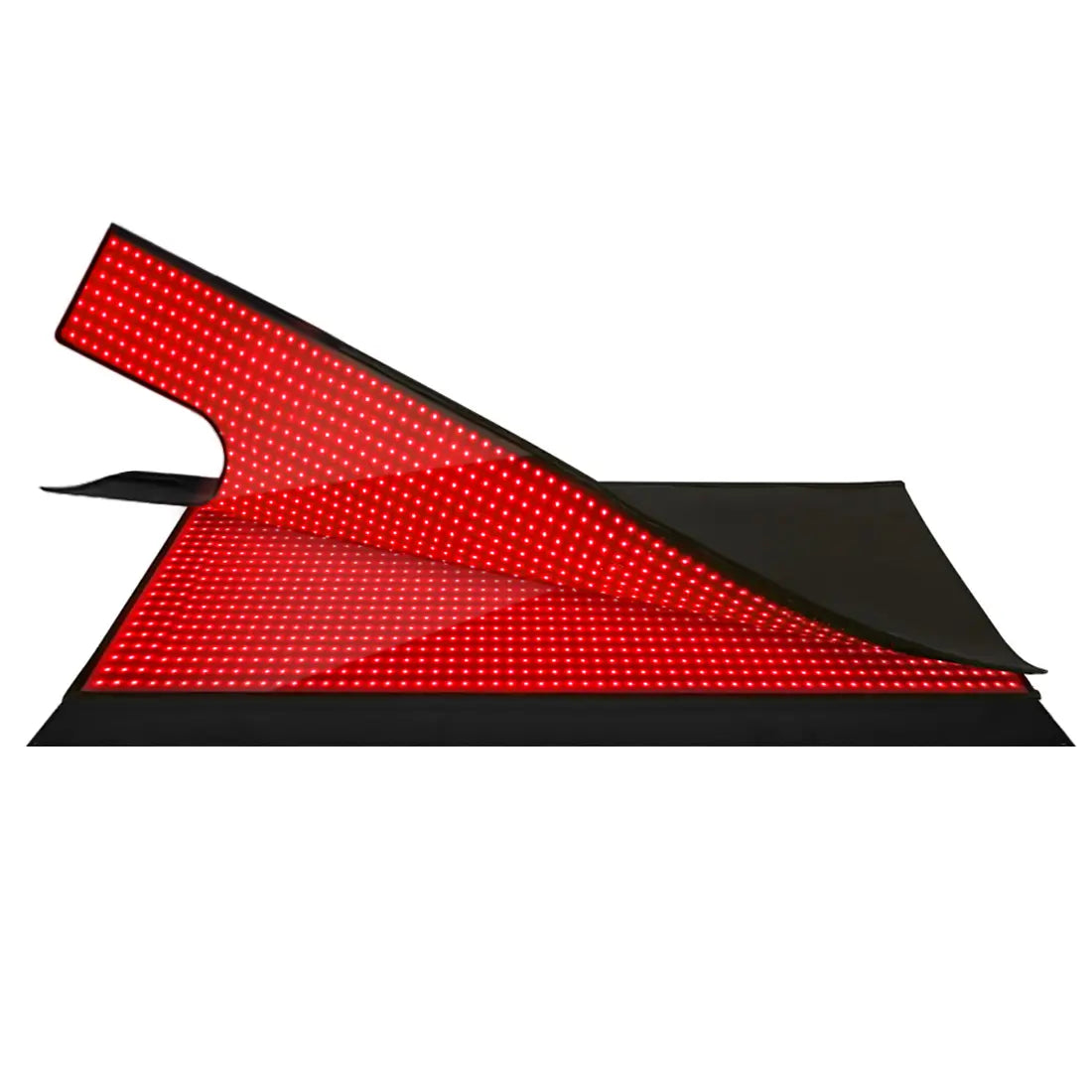
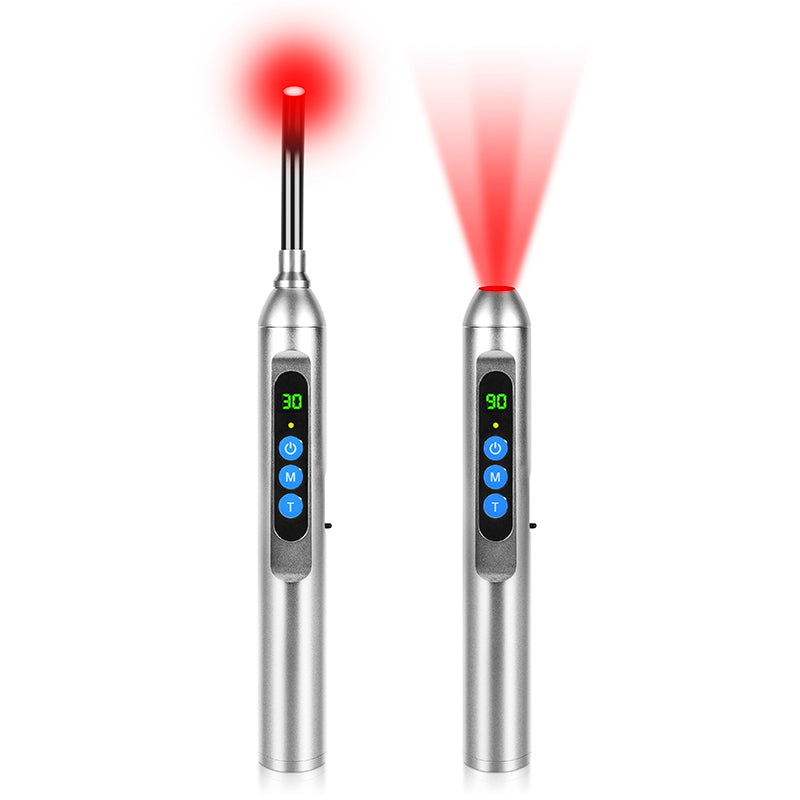
While hitting daily protein targets and consistent resistance training are the non-negotiable foundations for protecting muscle, many users are looking for "recovery multipliers." Full-body red light therapy (RLT) has emerged as a popular at-home adjunct. By supporting mitochondrial function and reducing systemic inflammation, it may help users maintain the training intensity required to signal the body to keep its muscle, even in a steep calorie deficit.
The Science of Photobiomodulation (PBM) and Muscle Cells
Photobiomodulation (PBM) works by delivering specific wavelengths of light—typically in the red (660nm) and near-infrared (850nm) spectrum—to the mitochondria in our cells. This process stimulates cytochrome c oxidase, leading to an increase in adenosine triphosphate (ATP) production. For someone on a GLP-1 regimen, where energy levels can sometimes dip, this cellular "recharge" can be a significant benefit.
A 2016 meta-analysis published in the American Journal of Physical Medicine & Rehabilitation suggests that PBM can improve muscular endurance and recovery markers when applied around resistance training. By modulating oxidative stress and inflammation, RLT may reduce the "delayed onset muscle soreness" (DOMS) that often prevents people from returning to the gym.
However, it is important to be clear: while PBM is well-supported for muscle recovery and performance, direct evidence specifically showing it prevents muscle loss caused by GLP-1 medications is still in the early stages. We view it as a supportive tool that makes the "hard work" of muscle preservation—lifting weights and staying active—more sustainable.
Practical Scenarios: When Red Light Therapy Fits a GLP-1 Routine
The decision to add red light therapy should be based on your current progress and pain points. In our experience, the users who benefit most fall into three specific categories:
- The Recovery-Challenged: If you find that GLP-1 medications have made you more prone to fatigue or that you are "sore for days" after a simple workout, RLT can help bridge the recovery gap.
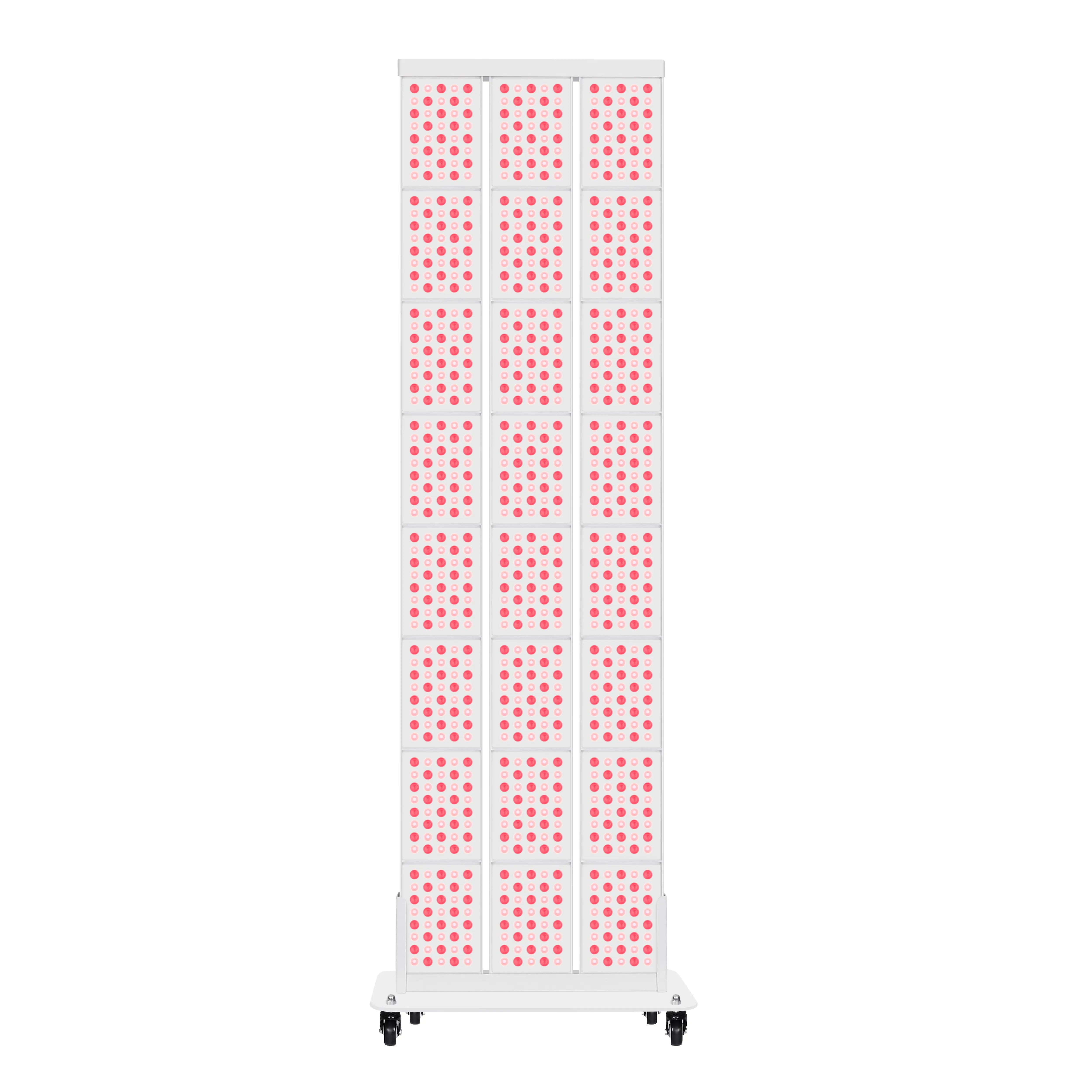
- The High-Performance Biohacker: If you are already optimized on protein and training, a full-body mat or panel offers a passive way to potentially eke out better body composition results.
- The Consistency Seeker: For those struggling with the "lethargy" sometimes associated with rapid weight loss, a morning RLT session can act as a non-stimulant energy boost to help kickstart daily movement.
When to Consider Red Light Therapy During GLP-1 Weight Loss
Illustrative scenario-based decision matrix for adjunct red light therapy during GLP-1 weight loss.
View chart data
| Category | Prioritize Core Only | Core + Consider PBM as Adjunct |
|---|---|---|
| Already training + high protein | 1.0 | 3.0 |
| Mixed adherence to protein/training | 2.0 | 3.0 |
| Inconsistent protein/training | 5.0 | 1.0 |
| Sedentary + low protein | 5.0 | 1.0 |
| Muscle-loss concern without core habits | 5.0 | 2.0 |
Editorial synthesis from the provided evidence modules and constraints-first framing. Illustrative / heuristic scores only, not clinical measurements or study statistics. Core strategies (adequate protein intake and resistance training) are treated as the primary priority; photobiomodulation/red light therapy is shown only as a bounded adjunct when core habits are already in place or when readers are considering a layered approach.
The chart above illustrates a decision framework based on common user patterns. Higher bars indicate a stronger recommendation for RLT as a priority adjunct. These scores are heuristic rules-of-thumb intended to help you prioritize your budget and time; they are not clinical measurements.

Technical Specs: How to Choose and Use Your Device
To see results, "any red light" won't do. You need to ensure your device meets specific power and wavelength standards to reach deep muscle tissue.
- Wavelengths: Ensure the device offers a 50/50 mix of 660nm (Red) for skin and surface-level inflammation and 850nm (Near-Infrared) for deep muscle penetration.
- Irradiance: Look for a minimum of 50mW/cm² at a 6-inch distance. This ensures the light is powerful enough to deliver a therapeutic dose in a reasonable timeframe.
- Dosage: A common target for muscle recovery is 5–20 Joules per square centimeter (J/cm²). On most high-quality full-body mats, this equates to a 10–20 minute session.
How to integrate it:
- Pre-Workout: Use for 10 minutes to "prime" the muscles by increasing local blood flow.
- Post-Workout: Use for 15–20 minutes to jumpstart the repair process and reduce inflammation.
- Rest Days: Use as a systemic recovery tool to manage the general fatigue that can accompany a calorie deficit.
Important Boundaries and What Red Light Therapy Cannot Do
Red light therapy is a "tier two" strategy. It will not work if "tier one" is missing. If you are not eating enough protein (generally 1.2g to 1.6g per kilogram of body weight) or performing resistance exercise, RLT cannot "photograph" muscle back onto your body.
When NOT to lead with red light therapy:
- If you haven't established a consistent 2-3 day-per-week lifting routine.
- If your protein intake is consistently below recommended levels.
- If you are experiencing rapid, unexplained weakness (consult your doctor immediately).
This guide provides setup and lifestyle advice; it is not medical advice. Always consult your prescribing physician before adding new modalities to a GLP-1 treatment plan, especially if you have underlying conditions like photosensitivity or active skin lesions.
Making an Informed Decision for Your Journey
Preserving muscle during a GLP-1 journey is the difference between "getting thin" and "getting healthy." While the medication handles the appetite suppression and metabolic signaling, you must handle the structural integrity of your body.
By combining the proven foundations of protein and iron with the supportive technology of photobiomodulation, you create a comprehensive environment for body recomposition. Monitor your strength levels and recovery time—if RLT helps you stay more consistent in the gym, it is doing its job. Focus on the fundamentals, use technology to fill the gaps, and always prioritize professional medical guidance as you navigate your weight loss journey.