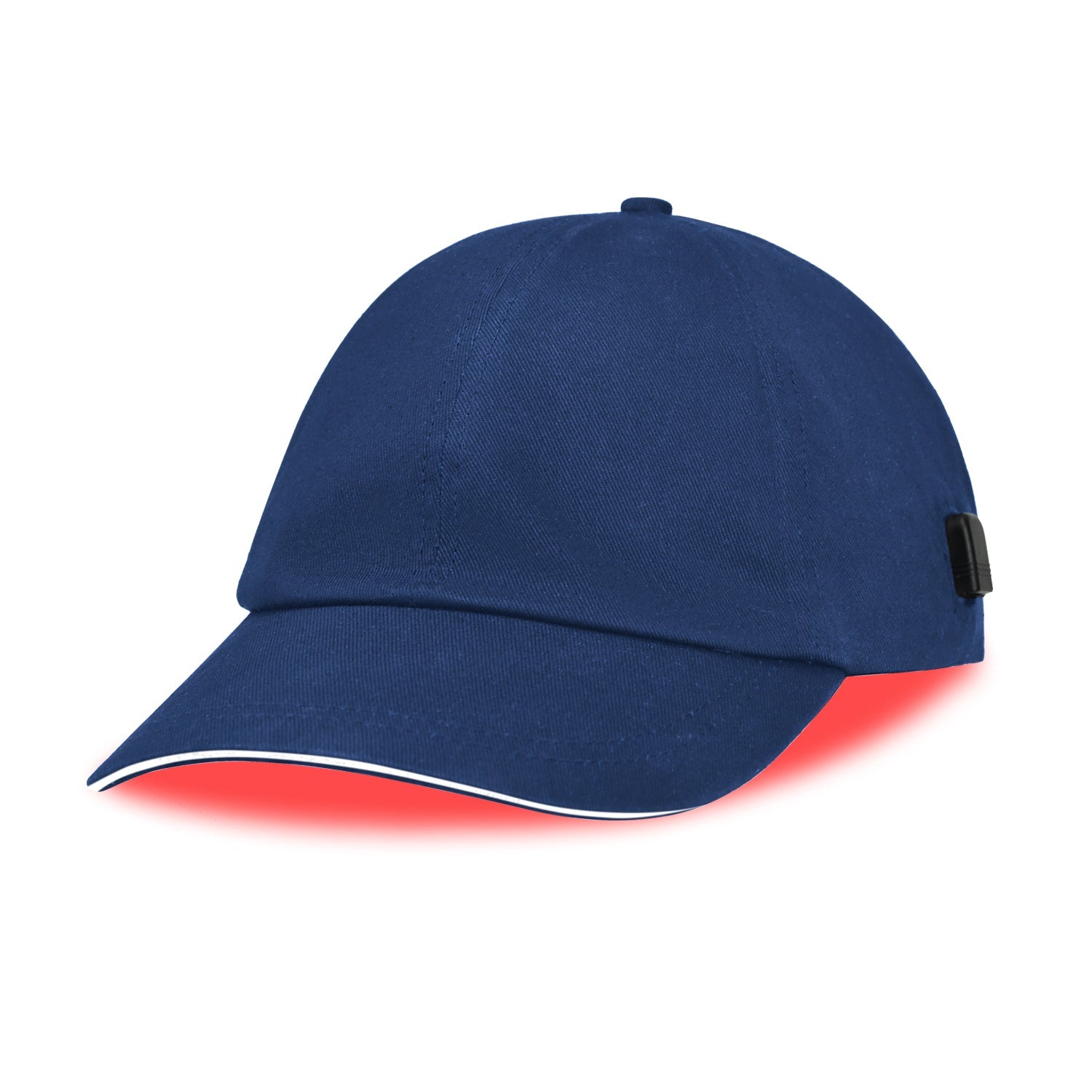
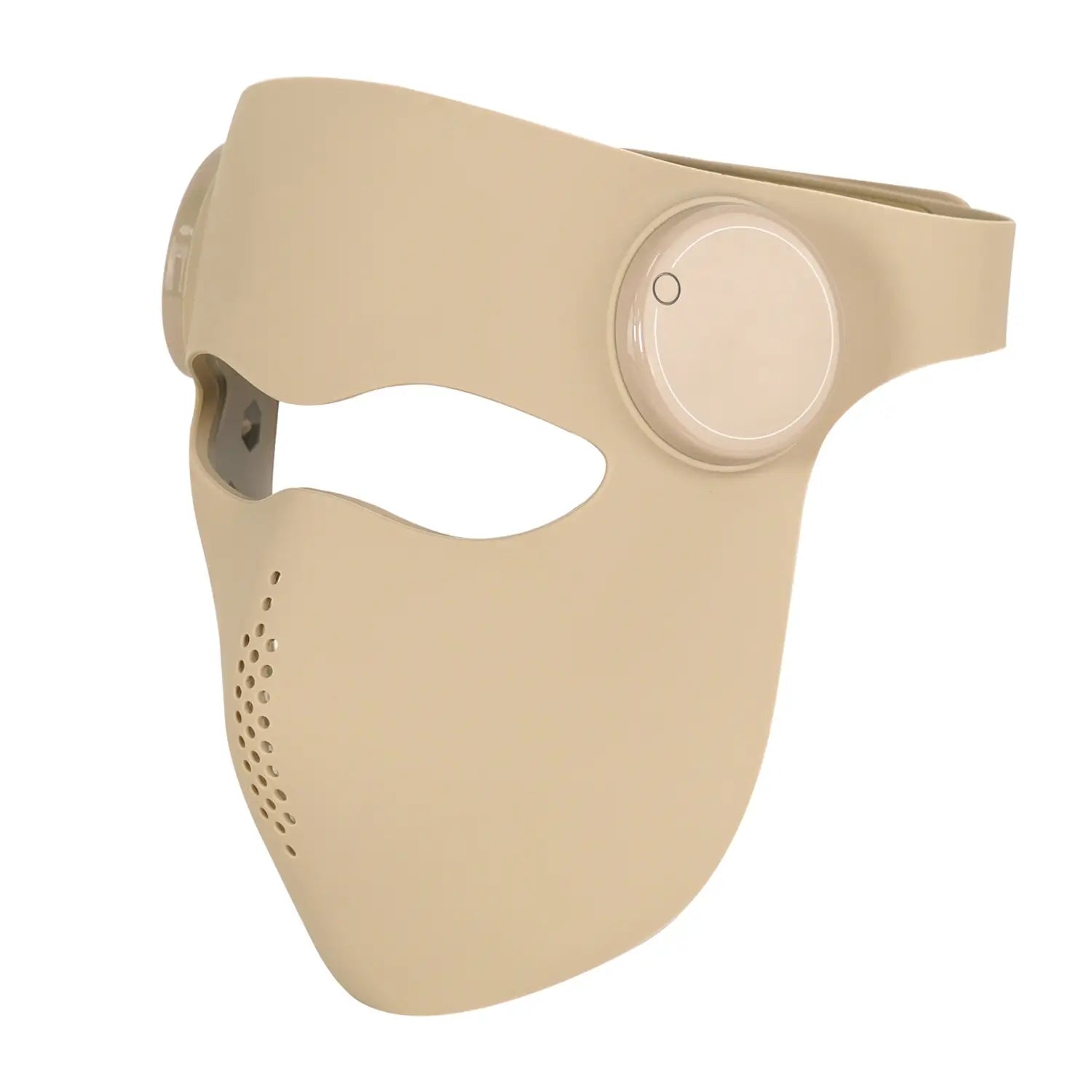
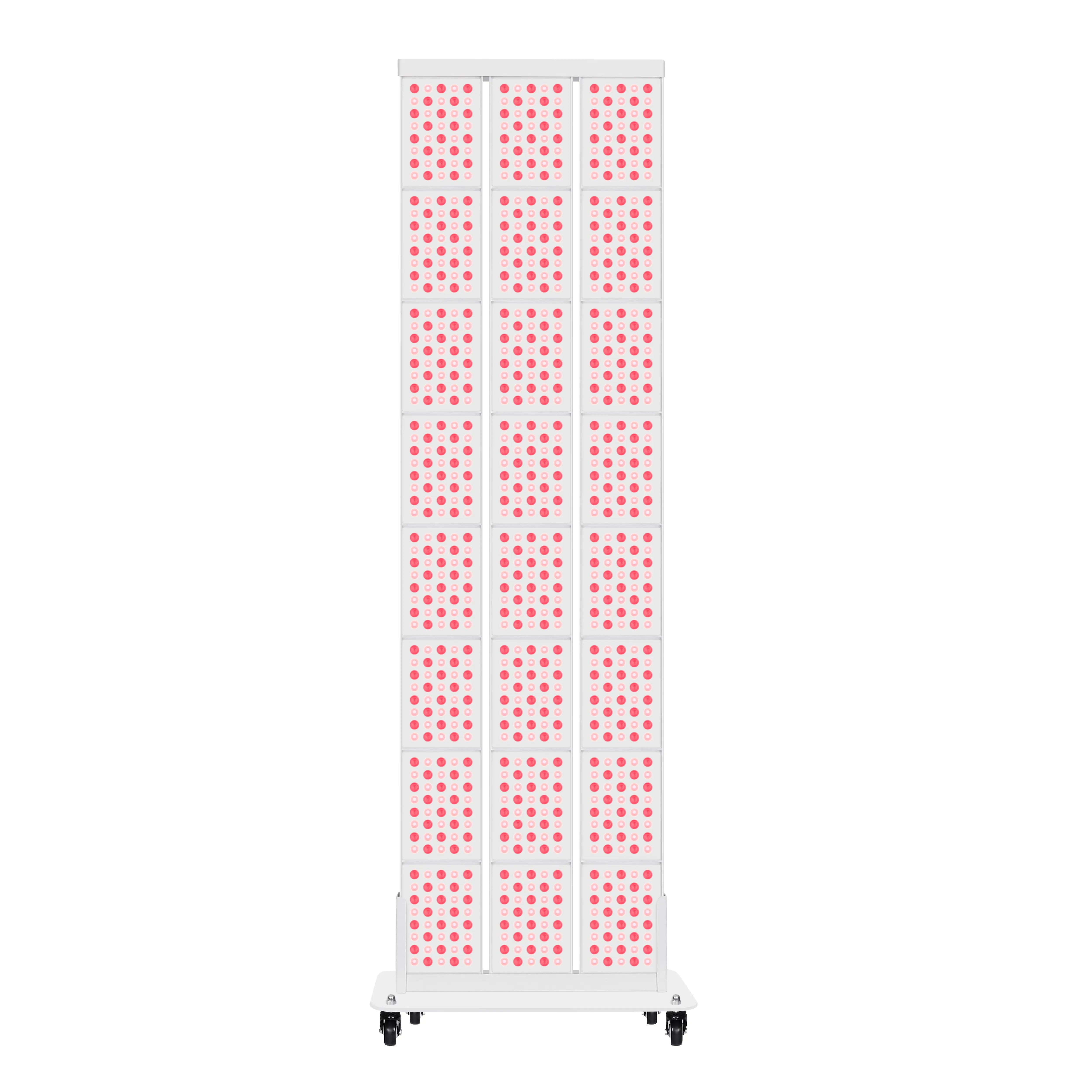
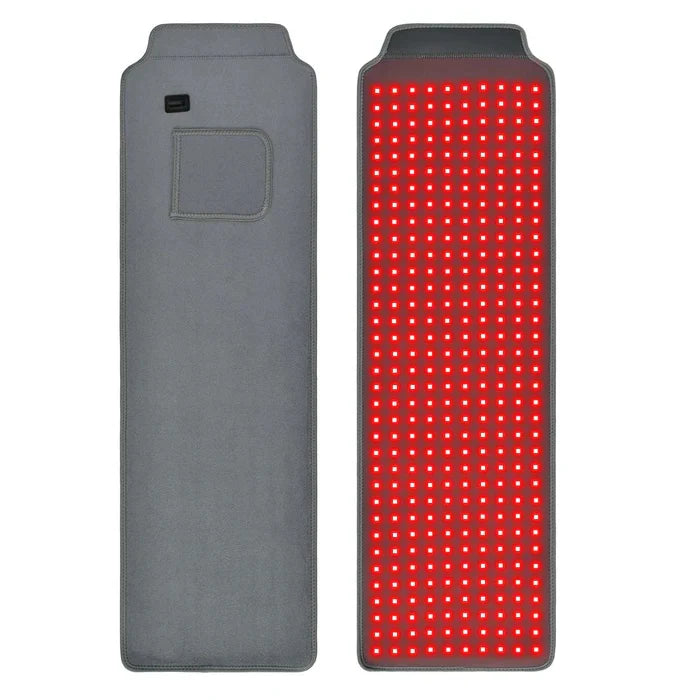
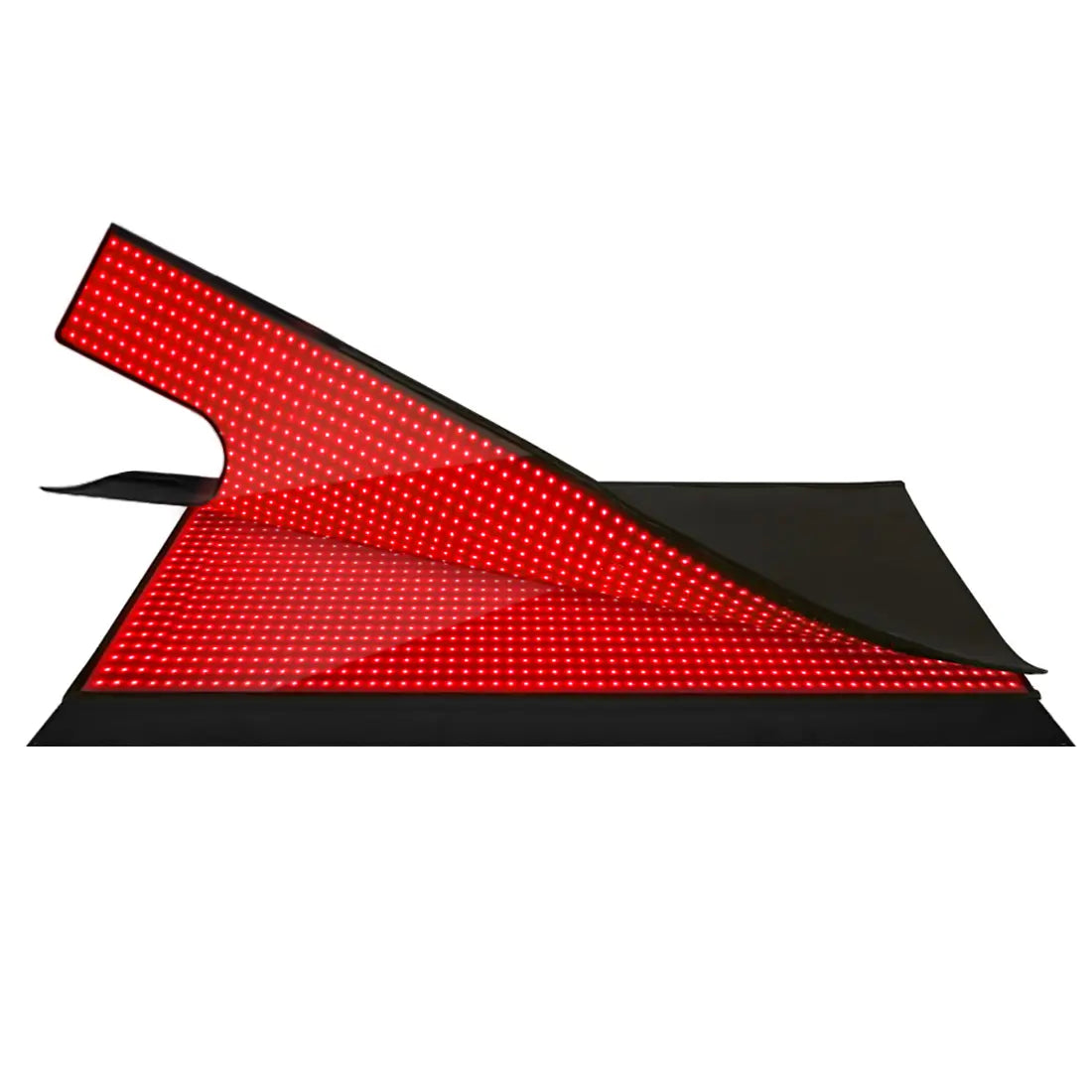
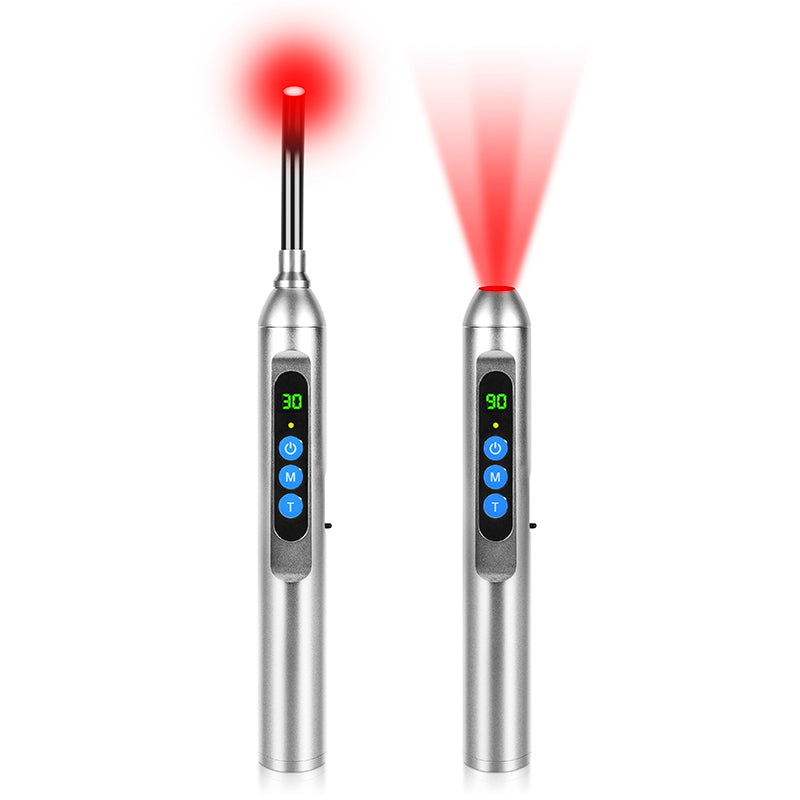

Many adults dealing with early thinning or a widening part wonder whether red light therapy can support hair density without medications. While evidence suggests low-level light therapy (LLLT) may offer modest benefits for some people with androgenetic alopecia, results are neither guaranteed nor dramatic, and they typically appear only after several months of consistent use. Dedicated therapy caps often provide a more convenient way to target the scalp compared with repositioning a general panel, making adherence easier for hair-focused routines.

How Low-Level Light Therapy May Support Hair Growth
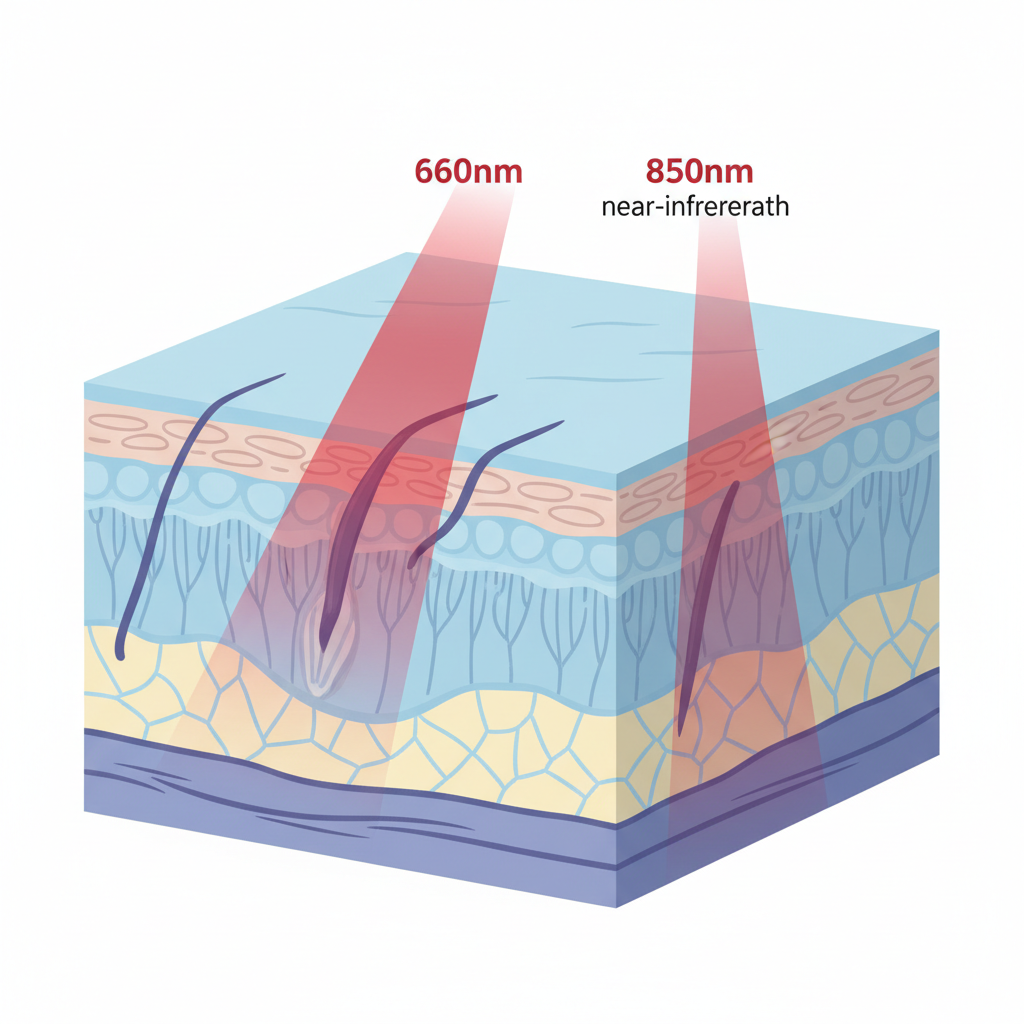
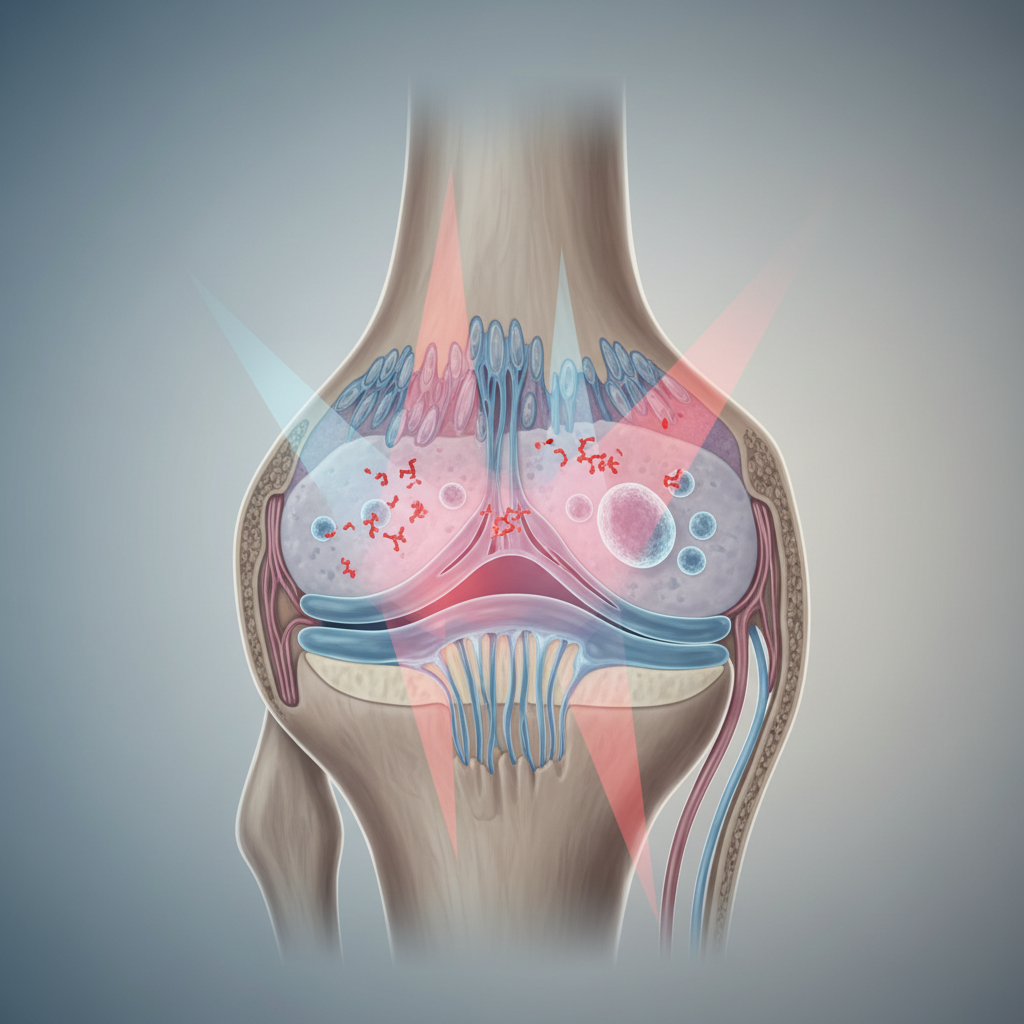
Low-level light therapy, also called photobiomodulation, uses specific wavelengths of red or near-infrared light in an attempt to stimulate cellular activity in hair follicles. The proposed mechanism involves improved mitochondrial function and increased blood flow that can shift follicles into a more active growth phase. However, clinical reviews emphasize that benefits remain modest and vary widely by individual factors such as age, genetics, stage of hair loss, and consistency of treatment.
The strongest evidence exists for pattern hair loss (androgenetic alopecia) rather than other causes like alopecia areata or sudden shedding. In these cases, users sometimes report slower shedding or slightly improved density, but LLLT is generally viewed as an adjunct rather than a standalone cure. This academic review of LLLT for pattern hair loss underscores the need for realistic expectations.
What Wavelengths Are Used for Hair Growth?
Hair-growth devices most commonly operate in the red portion of the spectrum, typically between 630 nm and 680 nm, with many centering around 650 nm. This range is chosen because it penetrates the scalp sufficiently to reach follicles without excessive heat. Near-infrared wavelengths such as 850 nm are sometimes included in multi-purpose panels, but the majority of dedicated hair devices prioritize the visible red band.
As this wavelength analysis for scalp penetration explains, the 650 nm region aligns with much of the available clinical literature on follicle stimulation. Always check the exact specifications of any device you consider, because output power and irradiance also influence whether the light actually reaches therapeutic levels at the follicle depth.

Caps vs Panels: Practical Differences for Scalp Treatment
When the goal is hair growth, the practical choice between a dedicated cap or helmet and a full-body panel often comes down to convenience and consistency rather than raw clinical superiority. Caps are designed to sit directly on the head, delivering light evenly across the scalp with minimal effort. Panels require careful positioning, and maintaining the correct distance and angle for 10–20 minutes can become tedious, especially when repeated several times per week over months.
This difference matters because visible improvements, when they occur, usually require consistent use across multiple months. A device that is easy to use daily or near-daily has a higher chance of being integrated into a real-life routine. Panels can still deliver light to the scalp, particularly if you already own one for broader wellness purposes, but many users find the setup friction reduces long-term adherence.
The chart below illustrates these practical trade-offs using bounded heuristic scores derived from typical user workflows.
Red Light Therapy Caps vs Panels for Hair Growth: Practical Fit
Illustrative comparison of practical decision factors for scalp-focused hair growth use.
View chart data
| Series | Convenience | Scalp targeting | Consistency over months | Multi-use value | Suitability for hair-only goal |
|---|---|---|---|---|---|
| Cap | 5.0 | 5.0 | 5.0 | 2.0 | 5.0 |
| Panel | 2.0 | 2.0 | 2.0 | 5.0 | 2.0 |
Bounded heuristic scoring based on the provided context: caps are easier to wear and target the scalp; panels are harder to aim but more versatile for body-plus-hair use if already owned. Scores are illustrative (1-5), not measured outcomes. Wavelength context: typical effective range around 630-680nm centered near 650nm; visible results usually require multiple months.
Our photobiomodulation standards guide provides deeper technical benchmarks for irradiance and safety that apply to both device types.
Realistic Timelines and Treatment Protocols
Most users who see changes report them after 3 to 6 months of regular sessions, with some studies extending to 6–12 months for measurable improvements in hair density. Early signs might include reduced shedding or finer vellus hairs becoming thicker, but dramatic cosmetic regrowth is uncommon. Shorter timelines of only a few weeks are not supported by the bulk of evidence.
Typical protocols involve sessions lasting 10–25 minutes, performed several times per week. Exact parameters vary by device power and coverage, so follow the manufacturer’s instructions closely. Because benefits depend on cumulative exposure, missing sessions regularly can delay or diminish outcomes.
This WIRED-tested overview of devices and timelines notes that 12–16 weeks is a common evaluation window in consumer testing, aligning with the months-long expectation.
Who Is Most Likely to Benefit?
Red light therapy shows the most plausible support for early to moderate androgenetic alopecia in both men and women. Individuals noticing a widening part, receding hairline, or thinning crown without other scalp symptoms are the most common candidates. Those experiencing sudden, patchy, or rapid loss should consult a dermatologist or healthcare professional first, as these patterns may require different medical evaluation.
People already familiar with red light therapy who want a targeted scalp solution often prefer a cap over adapting a full-body panel. If you have an existing panel and can position it comfortably for consistent scalp exposure, trying it for hair growth may be a low-cost first step before purchasing a dedicated device.
Safety, Limitations, and Realistic Expectations
Red light therapy devices are generally well tolerated when used according to instructions. Side effects are rare but can include mild scalp warmth, itching, or sensitivity in some individuals. People with photosensitivity, certain scalp conditions, or who are taking medications that increase light sensitivity should exercise extra caution and speak with a healthcare provider.
Important Health Boundary: This article discusses comfort, setup convenience, and general information on low-level light therapy for hair. It does not constitute medical advice, diagnosis, or treatment. Results vary and are not guaranteed. If you have persistent hair loss, sudden changes, scalp irritation, or existing medical conditions, consult a qualified healthcare professional before starting any new therapy.
Do not expect LLLT to reverse advanced baldness or deliver fast, dense regrowth. The modest effects reported in studies are most meaningful as part of a broader hair-health approach that may include nutrition, stress management, and other evidence-based strategies.
How to Choose Between a Cap and a Panel for Hair Growth
Use this practical checklist to evaluate your situation:
- Is hair regrowth your primary goal, or do you want one device for full-body use? If hair is the focus, a cap usually reduces daily friction.
- Can you realistically commit to several months of regular sessions? Convenience directly affects adherence.
- Do you already own a high-quality panel that can be positioned steadily at the scalp? Testing it first may be worthwhile.
- Are you comfortable with a hands-free wearable versus adjusting a stationary panel multiple times per week?
- Does the device you are considering deliver light in the 630–680 nm range at adequate irradiance for the recommended treatment time?
For shoppers specifically interested in a convenient, targeted option, Youlumi red light therapy caps are engineered for easy daily scalp treatment. Those exploring broader options may also review our full red light therapy collection or red light therapy panels.
Additional helpful reading includes our red light therapy hair growth protocols and the photobiomodulation standards guide for technical details.
Final Thoughts
Red light therapy caps can be a practical, drug-free addition for adults managing early pattern hair loss, provided users maintain realistic expectations and commit to the necessary months of consistent application. While panels remain useful for multi-area wellness, their geometry often makes them less ideal for reliable scalp coverage. Choosing the right device ultimately depends on your lifestyle, existing equipment, and willingness to follow through with a long-term routine. Always prioritize devices that match evidence-supported wavelengths and power levels, and consult professionals for any medically concerning hair changes.