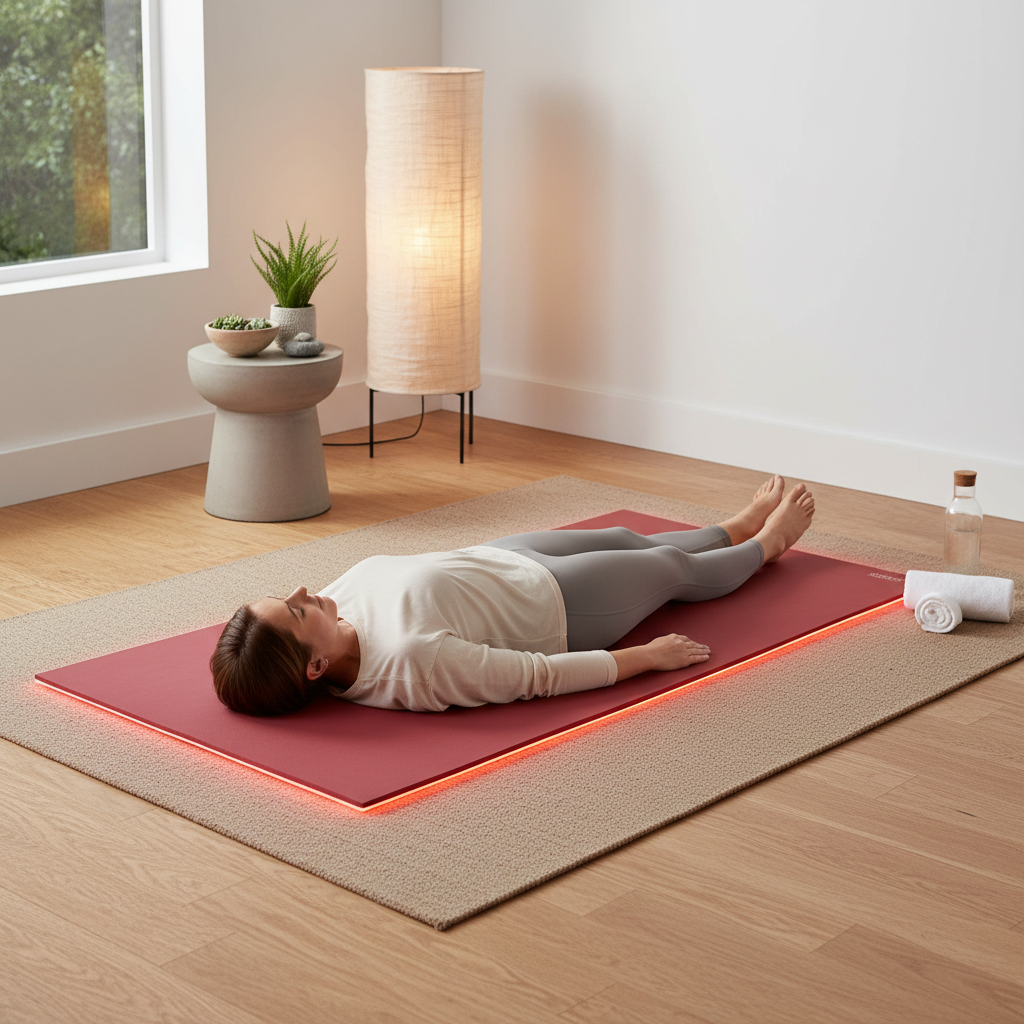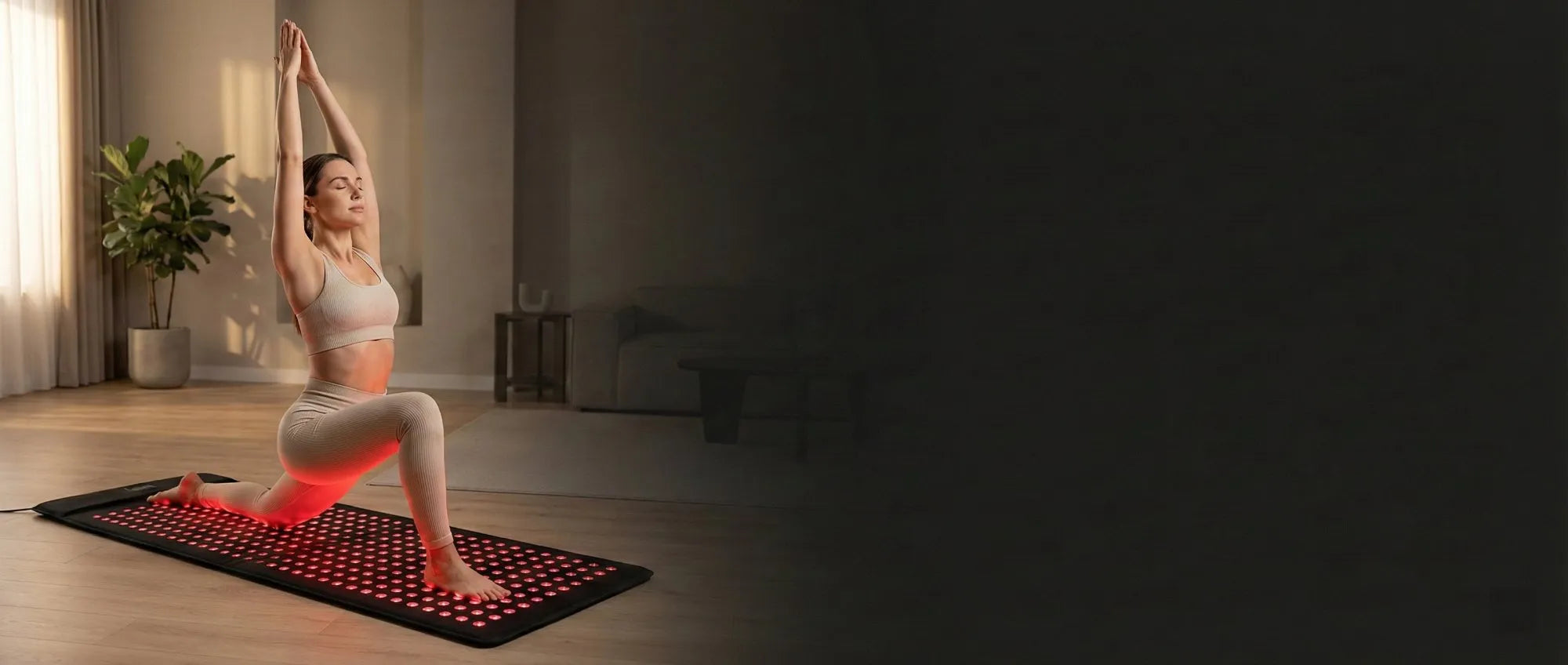
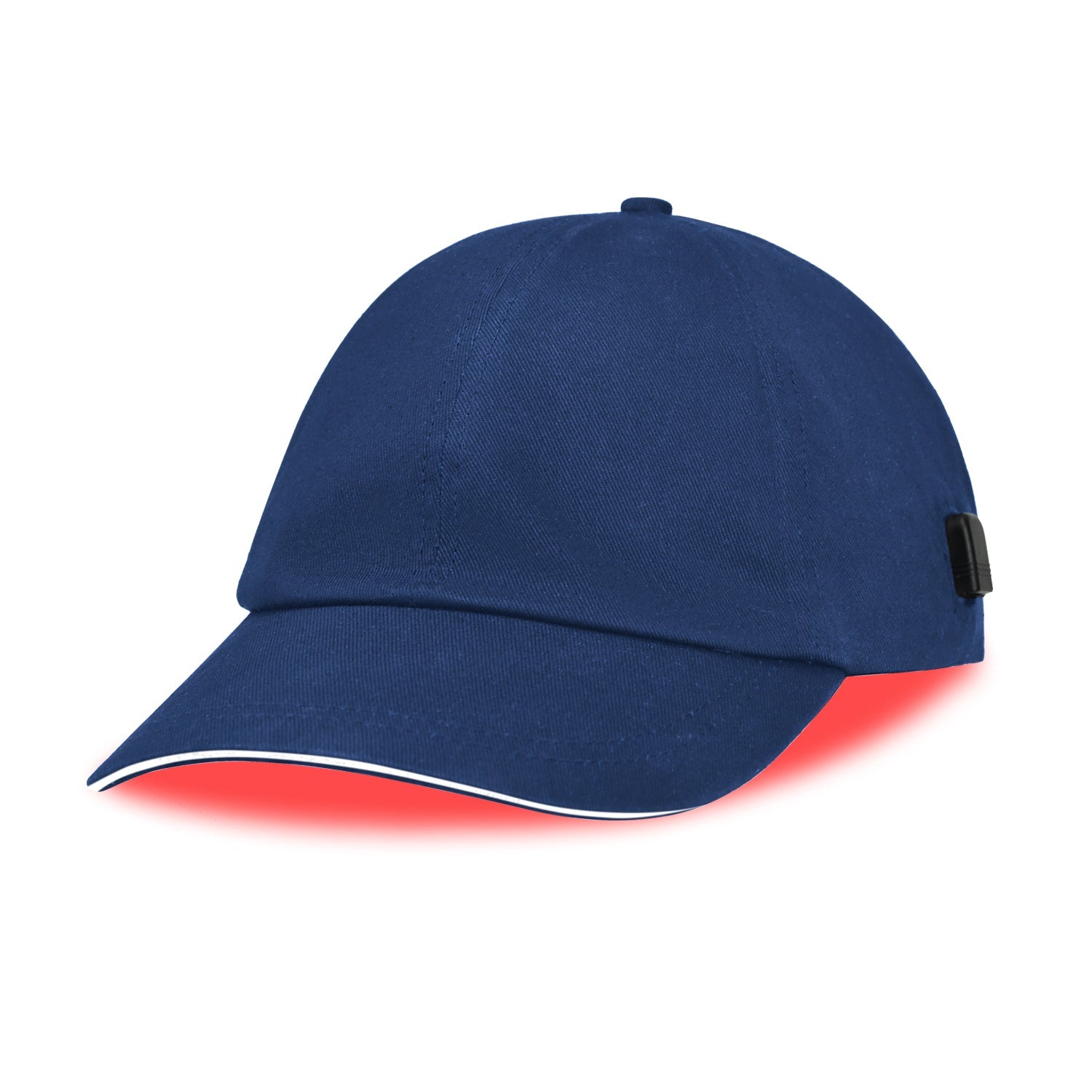
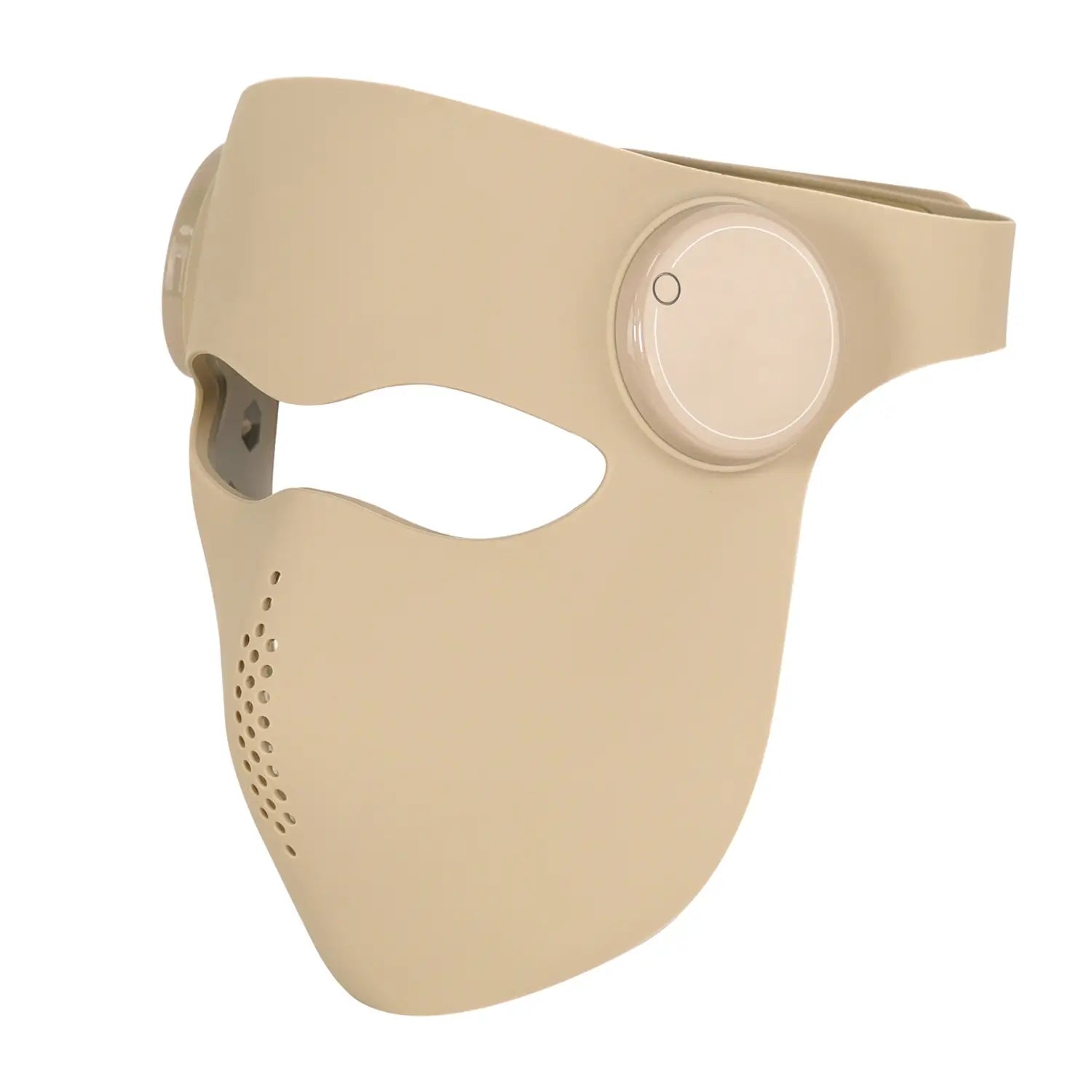

Combining red light therapy with percussive massage guns offers fitness enthusiasts and biohackers a practical way to target post-workout muscle soreness and support recovery routines at home. While the evidence for each modality separately shows modest benefits for flexibility, short-term pain relief, and perceived recovery, direct high-quality studies on the specific stack remain limited and results vary by device, dosage, timing, and individual factors. This approach may feel more comfortable in some setups when used thoughtfully as part of a broader recovery protocol.

Why Fitness Users Are Stacking Red Light Therapy and Massage Guns
Many strength trainers, runners, and endurance athletes experience delayed onset muscle soreness (DOMS) that peaks 24 to 72 hours after intense sessions. The main appeal of stacking photobiomodulation (PBM, commonly called red light therapy) with a massage gun lies in addressing both surface-level tension and deeper tissue comfort without adding complex steps to a routine.
Research suggests photobiomodulation may reduce post-exercise muscle soreness and help short-term recovery in some settings, though findings vary by protocol and study design. At the same time, percussive therapy can improve flexibility and provide short-term relief from musculoskeletal pain, though effects are generally modest.
The combination fits well into at-home recovery because both tools are portable and target the same muscle groups affected by heavy lifting or long cardio sessions. However, there is not yet strong direct evidence that combining them produces superior results compared to using either one alone.
How Each Modality Contributes to Recovery
Red light therapy works through photobiomodulation, where specific wavelengths of light interact with cells to potentially influence energy production and inflammation markers. Studies on PBM in human muscle tissue highlight that outcomes depend heavily on device parameters such as wavelength, dose, and timing.

In sports-recovery studies, PBM outcomes depend heavily on the device parameters and protocol, so dosing and timing matter. Some reviews indicate that applying PBM before exercise can reduce soreness measured at about 24 hours, yet other trials show no meaningful change in DOMS, inflammation markers, or performance metrics.
Massage guns deliver rapid percussive pulses that may help with muscle relaxation and range of motion. Massage guns may help with flexibility and short-term muscle soreness relief, but they are best viewed as a recovery aid rather than a cure-all. Evidence also suggests percussive therapy can improve flexibility and may reduce pain, though the overall effects remain modest and study quality varies.
When used together, many users apply the massage gun to release tension in tight areas and then use red light therapy on the same regions for perceived deeper support. This sequence aligns with common biohacking practices of first addressing mechanical restrictions before applying light-based modalities.
Evidence Boundaries and Realistic Expectations
The scientific literature presents a mixed picture. While some studies report benefits for recovery, others find no significant impact on muscle damage, inflammation, or DOMS after exercise. The evidence is mixed: some studies report recovery benefits, while others find no meaningful change in DOMS or related markers.
Percussion massage therapy for DOMS is still an active research area rather than a settled standard. Similarly, the exact synergy of red light therapy plus massage gun use lacks head-to-head high-quality trials, so claims of accelerated deep tissue healing should be viewed cautiously.
Results depend on individual response, workout intensity, sleep quality, nutrition, and consistent application. Users should not expect either tool to eliminate soreness completely. Red light therapy may help recovery, but results depend on the device and protocol; it should not be marketed as a guaranteed fix for soreness.
Important Note on Health Claims: This article discusses comfort and setup considerations for recovery devices only. It does not constitute medical advice, diagnosis, or treatment. Red light therapy and massage guns are not intended to treat injuries or medical conditions. If you have persistent discomfort, existing eye conditions, or any health concerns, consult qualified healthcare professionals before starting new recovery practices.
Practical Timing and Sequencing for the Stack
The optimal order for combining red light therapy with a massage gun is not definitively proven. Some evidence supports using PBM before exercise to potentially reduce next-day soreness, while percussive therapy is often applied post-workout for immediate relief.
A reasonable routine is to keep both modalities short and deliberate, but the best order and spacing are still based more on practice than definitive evidence. Many users prefer applying the massage gun first for 3–5 minutes per major muscle group to loosen tissue, followed by 10–20 minutes of red light exposure on the same areas.
Immediate post-workout use of a massage gun may not always feel better right away; some research suggests caution after very strenuous lower-body sessions. Immediate post-workout use may not always feel better right away; some research suggests caution after very strenuous lower-body sessions.
For red light therapy, sessions are commonly performed in the evening as part of a pre-sleep wind-down to support overnight repair processes. Between training days, the stack can be used once or twice daily with at least several hours between applications to avoid overstimulation.
Device Features That Matter in a Recovery Stack
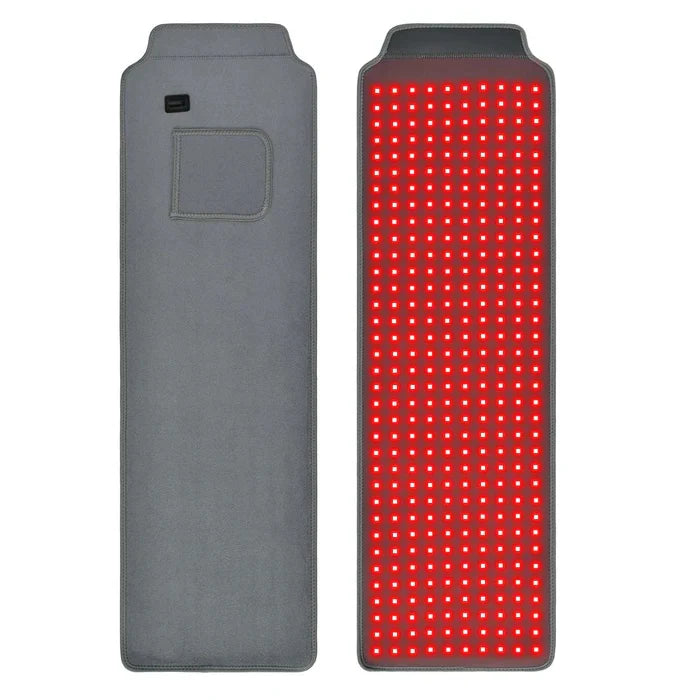
Device quality significantly affects outcomes. For red light therapy panels or belts, look for accurate irradiance measurements using proper laboratory methods rather than inflated marketing numbers. Wavelengths around 660 nm (red) and 850 nm (near-infrared) are frequently studied for tissue penetration.
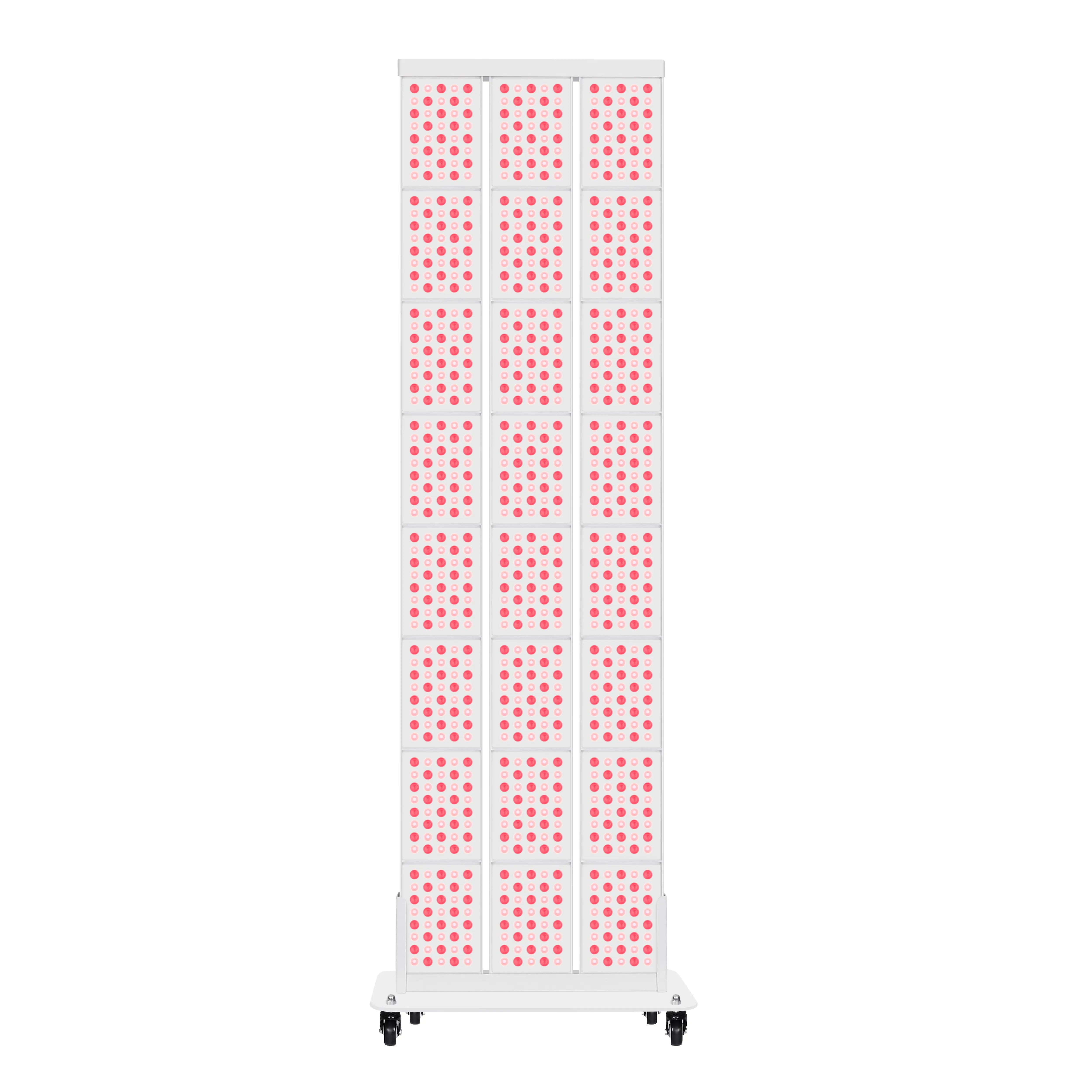
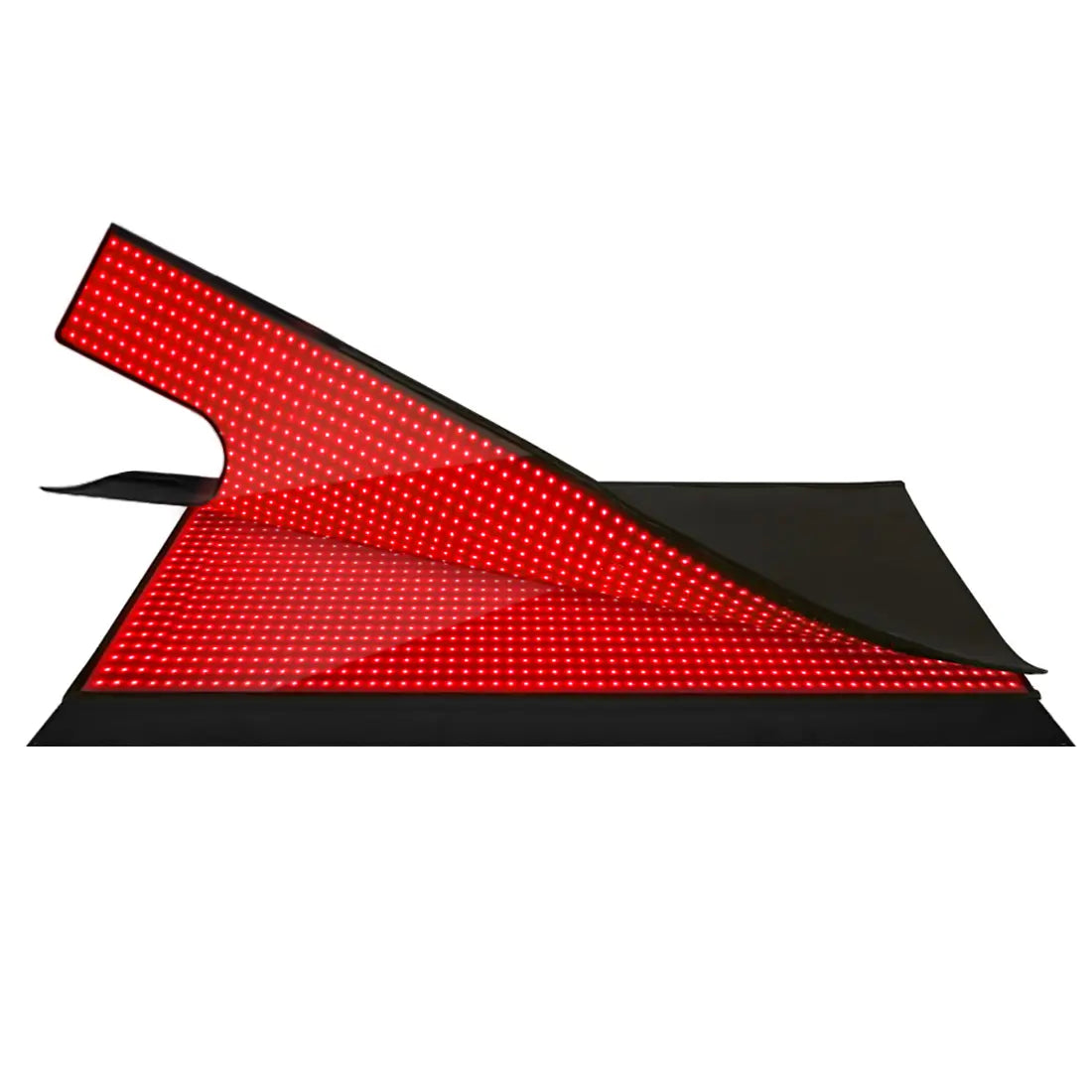
Portable options like wearable belts allow targeted application during light activity, while larger panels cover broader areas such as the back or legs after leg day. Features such as low EMF output, flicker-free operation, and timer controls help ensure consistent, safe use.
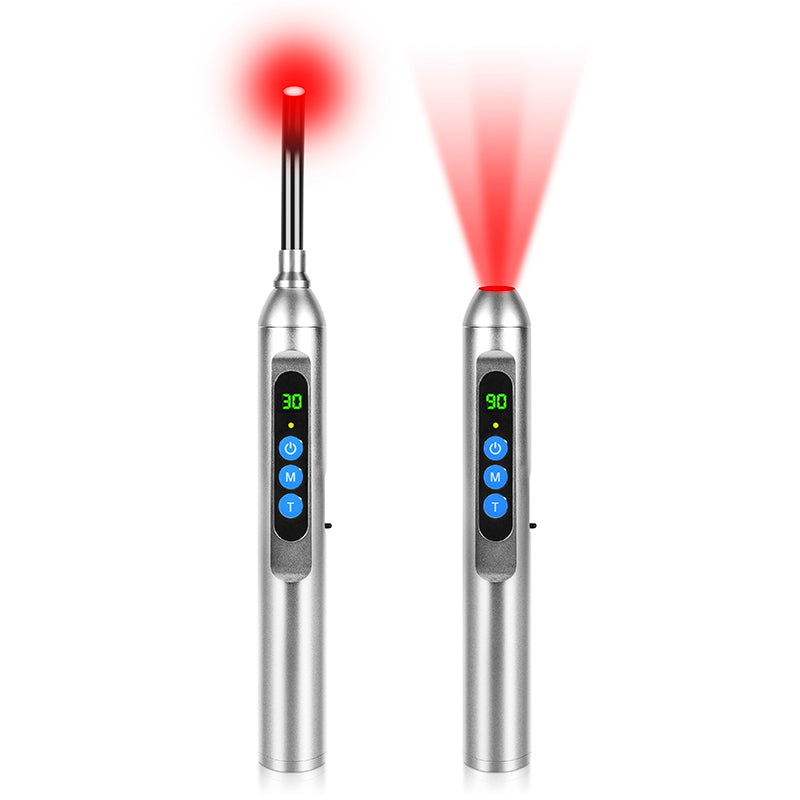
Massage guns should offer variable speed settings and multiple attachment heads to match different muscle groups and sensitivity levels. Lightweight, cordless designs improve convenience for home use. A practical rule is to use massage guns for post-workout soreness, not over fresh injuries, swelling, or significant pain.
When shopping for a combined approach, consider bundles that pair a quality red light device with a percussive tool. This can simplify building an effective stack without purchasing incompatible items.
How to Build an Effective At-Home Recovery Routine
An effective post-workout recovery protocol integrates the stack with other fundamentals:
- Immediate post-training (0–2 hours): Light stretching, hydration, and a short massage gun session on sore areas if it feels comfortable.
- Evening wind-down: 10–20 minutes of red light therapy on major muscle groups while relaxing.
- Next-day management: Repeat the stack as needed when DOMS peaks, keeping sessions gentle.
- Weekly pattern: Use the stack on training days and active recovery days, reducing frequency during lighter weeks.
Combine with adequate protein intake, sleep of 7–9 hours, and active recovery such as walking or mobility work. Track how your body responds over several weeks rather than judging effectiveness after one session.
Common Mistakes That Reduce Results
Several pitfalls can limit benefits from this recovery stack:
- Using excessively high intensity or long durations that cause discomfort rather than relief.
- Applying the massage gun too aggressively immediately after heavy lower-body workouts.
- Inconsistent dosing with red light therapy (too short, too far from the skin, or poor device output).
- Expecting instant elimination of soreness instead of gradual improvements in perceived comfort and mobility.
- Ignoring contraindications such as open wounds, acute injuries, or medical conditions.
Start conservatively with shorter sessions and lower settings, then adjust based on personal response. Overuse does not necessarily produce better outcomes and may lead to skin irritation or diminished returns.
Who Should Consider This Stack and When to Skip It
This combination suits fitness enthusiasts managing regular DOMS, biohackers experimenting with modality stacking, and athletes seeking convenient home recovery tools. It works best for non-injured users looking to support comfort after normal training stress.
Skip or modify the approach if you have acute injuries, swelling, significant pain, skin sensitivities, or medical implants that could interact with devices. Pregnant individuals, those with photosensitive conditions, or anyone with ongoing health issues should consult professionals first.
The stack is not a substitute for proper warm-up, progressive training, or rest days. When evidence remains mixed, the most reliable recovery factors continue to be sleep, nutrition, and training load management.
Key Takeaways for Building Your Deep Tissue Recovery Stack
Red light therapy and massage guns can form a convenient part of many athletes' post-workout routines, potentially supporting flexibility, short-term soreness relief, and overall comfort when used correctly. Focus on quality devices, appropriate timing, moderate durations, and realistic expectations.
Start by incorporating one modality consistently before adding the second. Monitor your own results over multiple training cycles. While some users report faster return to training readiness, individual outcomes vary widely.
For those exploring recovery tools, this stack represents a low-complexity way to experiment with both mechanical and light-based approaches. Prioritize evidence-based parameters, listen to your body, and integrate the tools within a complete recovery lifestyle rather than relying on devices alone.
This article only discusses comfort and setup advice. It does not constitute medical advice, diagnosis, or treatment. If persistent discomfort occurs or existing eye conditions are present, qualified professionals should be consulted.