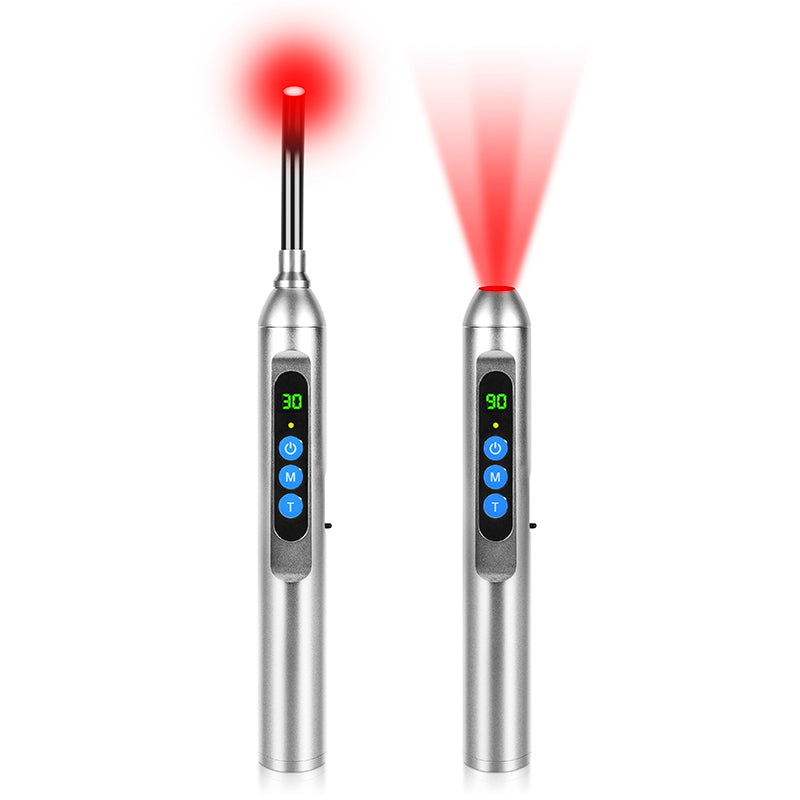

Myofascial pain and tight fascia can limit mobility and create recurring discomfort for athletes recovering from training and desk workers dealing with prolonged sitting. Red light therapy, also known as photobiomodulation, offers a non-invasive at-home option that may support pain relief and recovery when used with the right protocol, though results depend heavily on consistent application, proper dosing, and individual response rather than serving as a standalone cure.

Understanding Myofascial Pain and Trigger Points
Myofascial pain syndrome is a pain condition characterized by trigger points, local tenderness, and referred pain patterns in muscles and related soft tissue, according to the Cleveland Clinic. These hyperirritable spots in taut muscle bands can produce local pain and referred discomfort, as detailed in resources from the NCBI.
Fascia, the connective tissue surrounding muscles, appears involved in these symptoms, although researchers still debate the exact mechanism and contribution of connective tissue changes. A fascia-focused explanation may be part of the picture, but it should be presented as one plausible contributor rather than a settled cause.
Many people experience persistent muscle knots that return despite stretching or massage. This discomfort often affects posture, range of motion, and daily performance, leading individuals to seek complementary approaches for relief.
How Red Light Therapy May Support Myofascial Discomfort
Photobiomodulation may help support pain relief in some conditions, but outcomes depend on wavelength, dose, timing, and treatment setup, as noted in an evidence-based consensus on photobiomodulation. Research on photobiomodulation for chronic pain is promising, but study methods and treatment protocols vary widely.
The therapy works primarily by influencing cellular energy production in mitochondria. Red and near-infrared wavelengths (typically 600–1100 nm) can reach different tissue depths, potentially reducing inflammation and supporting recovery processes. For myofascial concerns, this may translate to easier tolerance of tight areas when combined with movement practices.
It is important to maintain realistic expectations. Red light therapy should not be presented as a guaranteed deep tissue fascia release or replacement for professional care. Instead, view it as a potential adjunct that some users incorporate into their routines for comfort and mobility support.

Evidence Boundaries and Practical Thresholds
Research on red light therapy for myofascial pain or related chronic discomfort shows heterogeneous results, meaning not every study produces the same outcome. This makes protocol fit more important than device marketing claims.
Key practical boundaries include:
- Wavelength: Devices using red to near-infrared light in the 600–1100 nm range align with most studied applications.
- Dose: Published protocols for pain often cluster in the low to moderate range, roughly 1–10 J/cm² for superficial targets, though actual delivered dose depends on irradiance and session length.
- Session time: Many effective protocols involve short sessions of 10–20 minutes rather than extended exposure.
- Frequency: Repeating treatment several times per week over multiple weeks tends to appear in studies showing potential benefits.
If a device does not clearly disclose wavelength or allow estimation of delivered dose, it becomes harder to apply clinical insights to home use. These thresholds represent evidence boundaries rather than universal standards, and individual results will vary based on pain type and consistency of use.
Red Light Therapy Fit by Scenario
Illustrative fit comparison to help readers judge when a targeted device or a full-body mat may be more suitable.
View chart data
| Series | Pain location focus | Lifestyle convenience | Protocol simplicity | Device coverage | Targeted precision | Whole-body practicality |
|---|---|---|---|---|---|---|
| Targeted device | 5.0 | 4.0 | 4.0 | 3.0 | 5.0 | 2.0 |
| Full-body mat | 3.0 | 5.0 | 3.0 | 5.0 | 2.0 | 5.0 |
Heuristic scenario mapping based on provided protocol boundary notes: wavelengths 600-1100 nm, dose 1-10 J/cm2, multiple sessions per week, and a heterogeneous evidence base. Scores are illustrative, not measured outcomes.
The chart above illustrates heuristic fit across common scenarios. Targeted devices often score higher for precision on specific trigger points, while full-body options like mats provide better convenience for diffuse stiffness. These scores are illustrative and based on practical use patterns rather than clinical measurements.
Choosing the Right Device and Protocol for Fascia Support
Device selection should match your primary pain pattern and lifestyle. Athletes with localized post-training knots may prefer targeted solutions for repeatable placement on specific areas. Desk workers experiencing widespread stiffness from sitting often benefit from broader coverage that supports consistent evening routines.
Common friction points include misjudging setup precision, underestimating the need for regular use, and overinterpreting general claims about fascia release. The biggest risk is buying a device that does not fit how you actually experience discomfort—whether one stubborn spot or overall tightness.
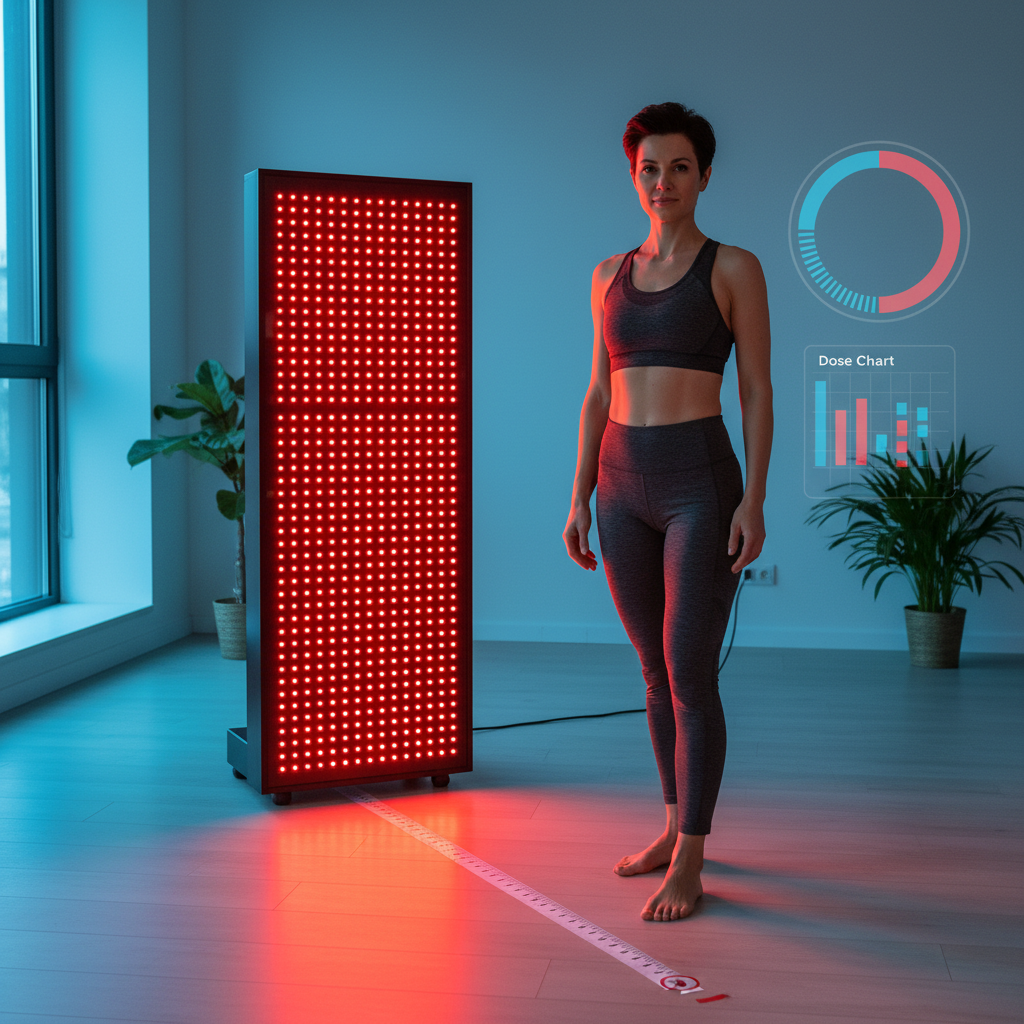
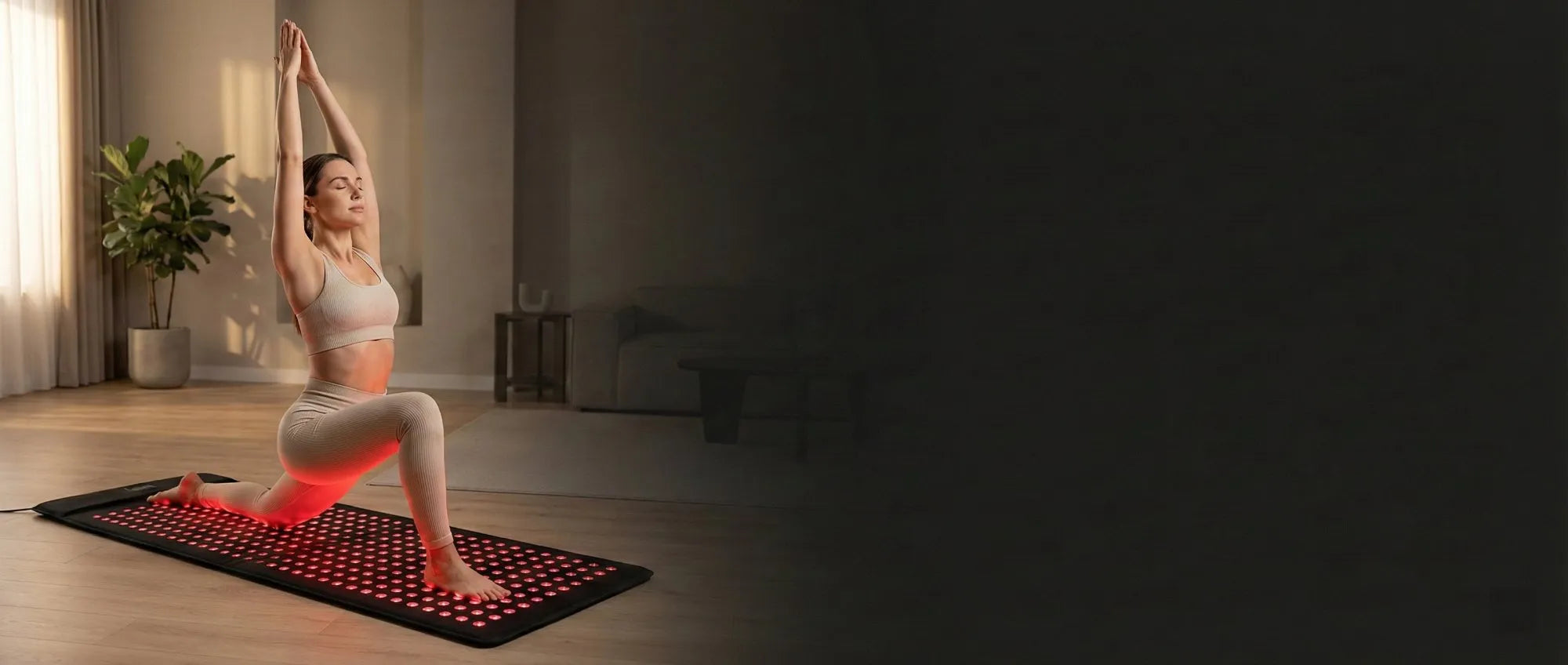
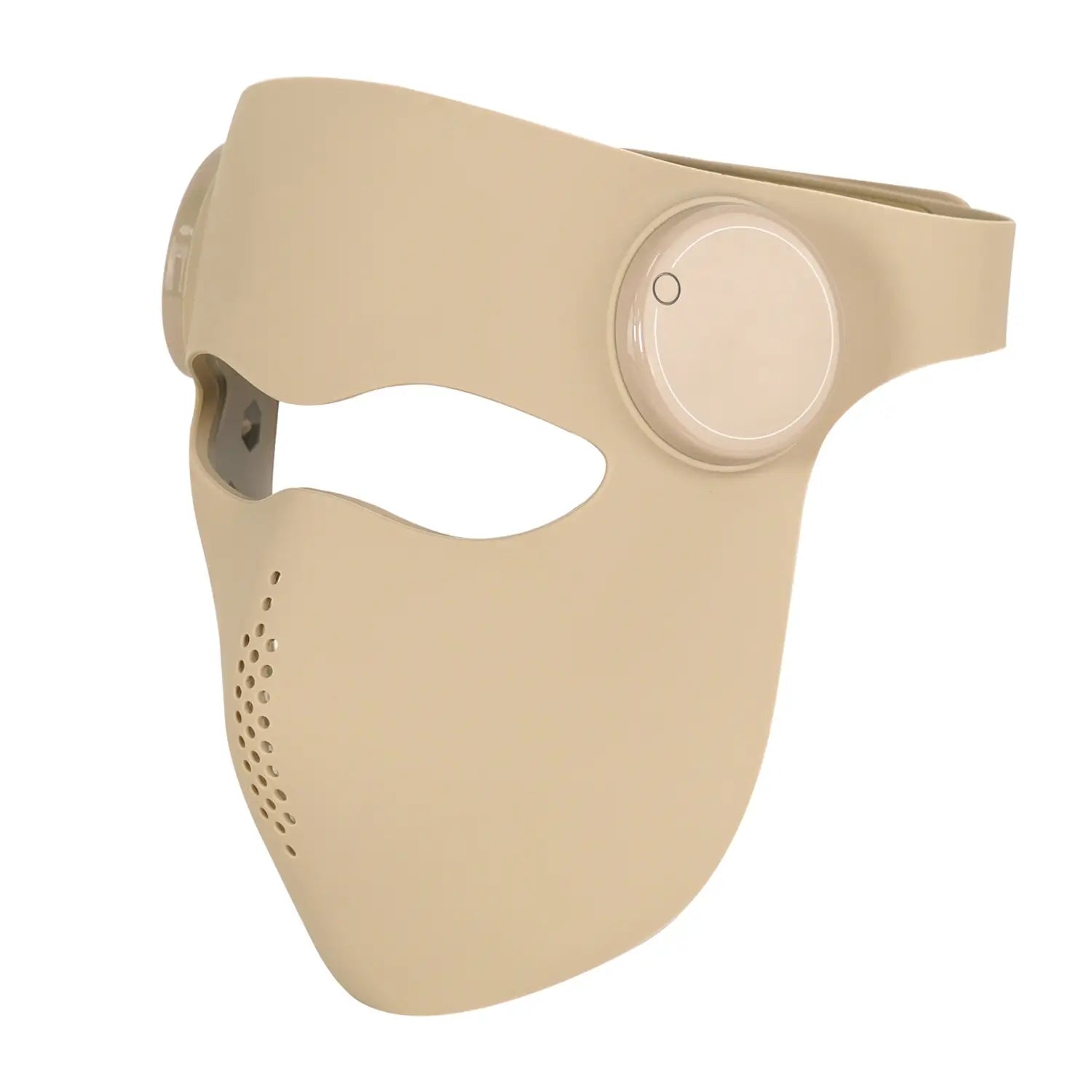
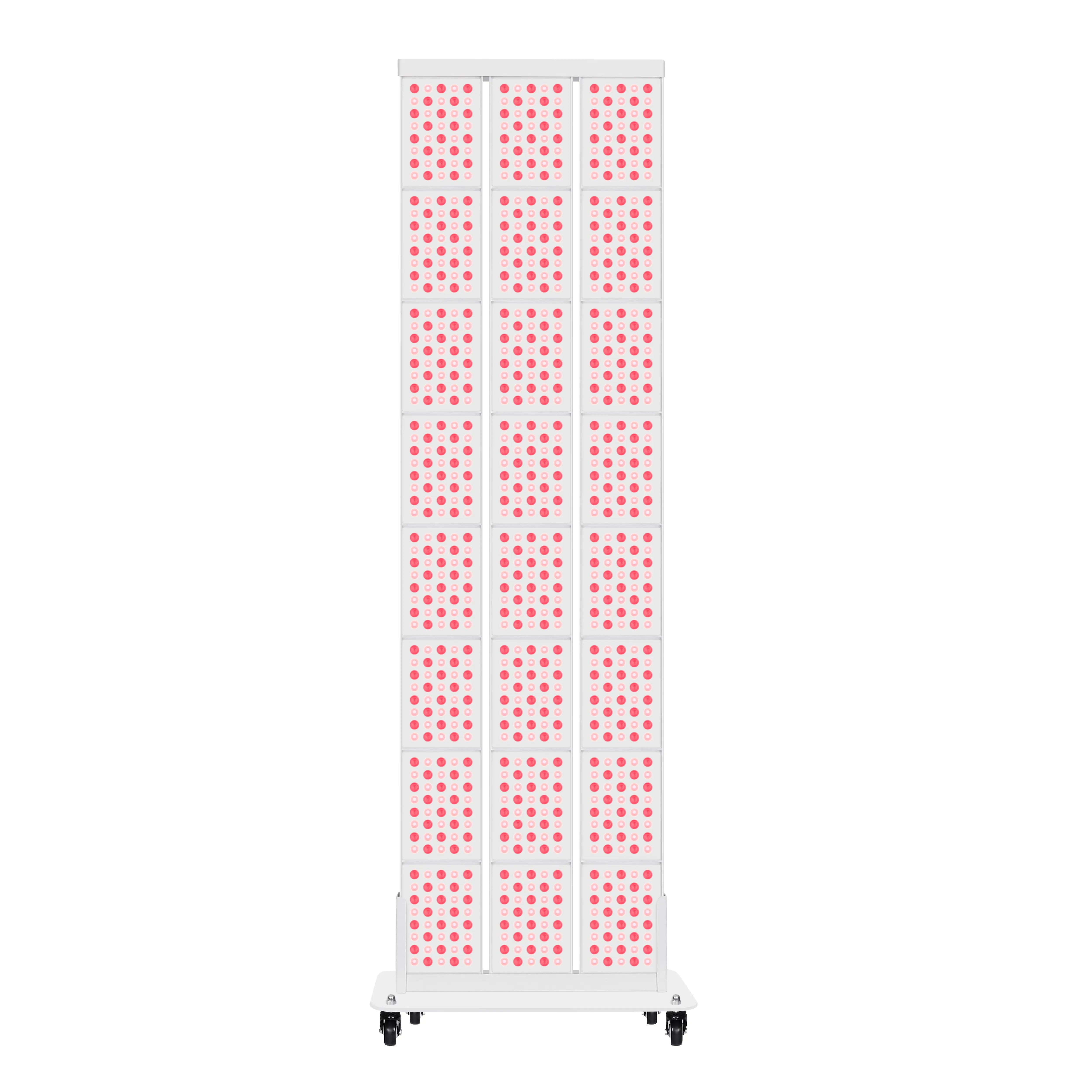
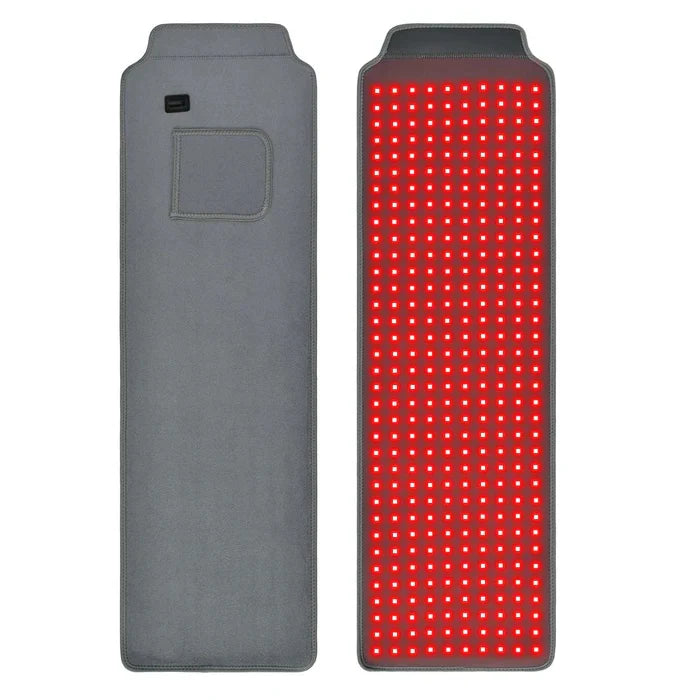
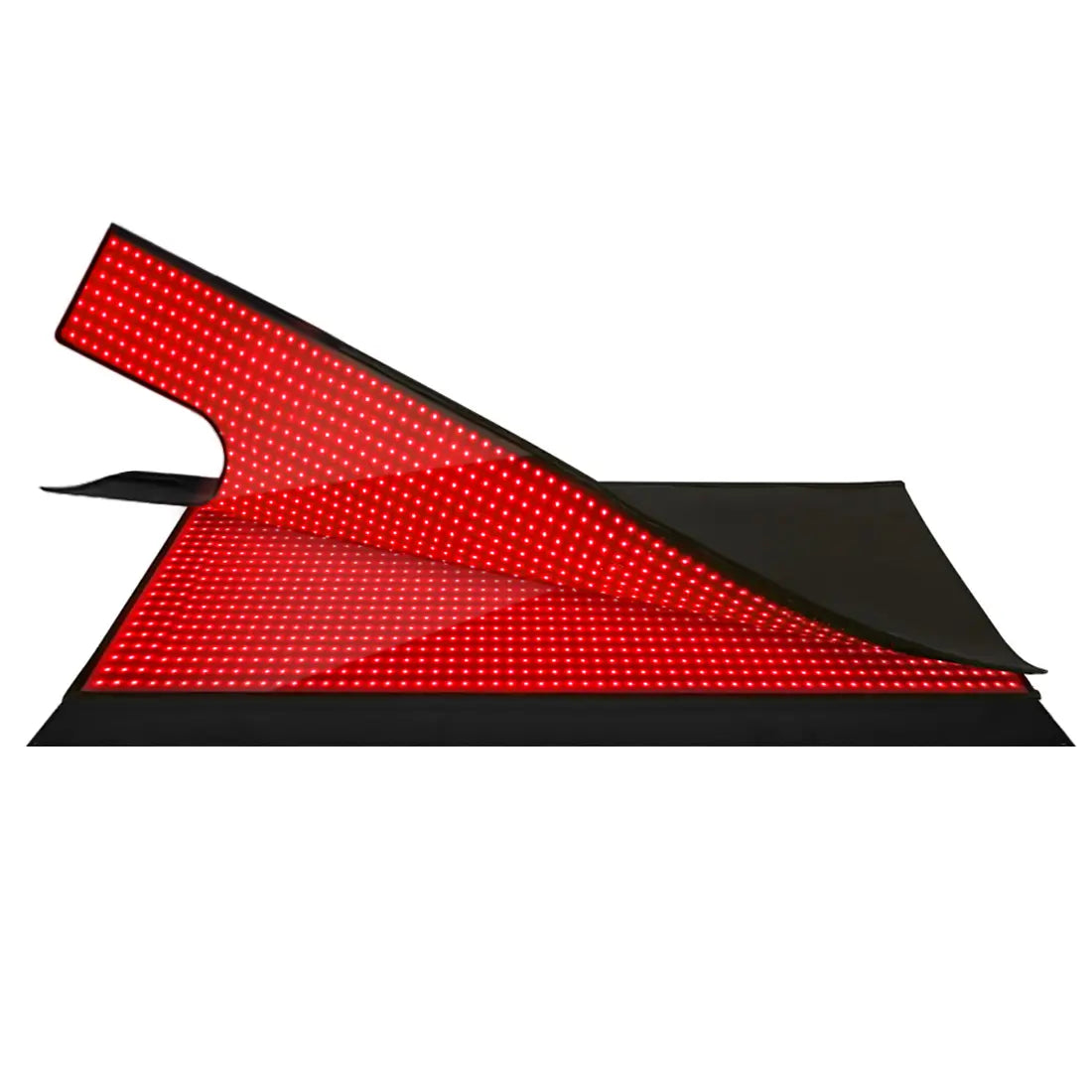
For full-body recovery, the Youlumi Pro Full Body Red Light Therapy Mat delivers even coverage across larger areas, making it suitable for diffuse myofascial discomfort. Those needing focused treatment on the back, neck, or hips can explore red light therapy belts or compact panels for precise positioning.
Related reading includes the master guide to red light therapy for chronic pain and protocols for pro athletes. Athletes may also reference guides on HIIT recovery or CrossFit support.
A typical starting protocol might involve 10–20 minute sessions several times per week, positioning the light source close to the target area while maintaining manufacturer-recommended distances. Always begin with lower exposure and monitor your response.
Safety, Realistic Expectations, and When to Seek Professional Care
This article discusses comfort and setup considerations for red light therapy as a potential adjunct for myofascial discomfort. It does not constitute medical advice, diagnosis, or treatment. Red light therapy is not proven to cure myofascial pain syndrome, eliminate trigger points, or provide guaranteed fascia release.
If you have persistent pain, existing medical conditions, or symptoms that worsen, consult a qualified healthcare professional. Nonpharmacologic approaches can complement other strategies but should not replace appropriate diagnosis and care.
For those comparing devices, prioritize clear specifications on wavelength, irradiance, and safety features. Low-EMF designs and proper certification provide additional confidence in daily use.
Creating Your At-Home Recovery Routine
Successful use often comes down to integration rather than perfection. Consider these checkpoints before starting:
- Identify whether your discomfort is primarily localized (one or two trigger points) or diffuse across larger areas.
- Choose a device that matches your routine—mats for passive full-body sessions or belts/panels for targeted application during other activities.
- Track session consistency and any changes in mobility or comfort over several weeks rather than expecting immediate transformation.
- Combine light therapy with gentle movement, hydration, and posture awareness for better overall results.
- Adjust positioning and duration based on your response, staying within safe exposure guidelines.
Desk workers might use a session at the end of the workday to address neck and shoulder tightness. Athletes could incorporate it post-training for broader recovery support. Travel or prolonged standing days also present opportunities for consistent application.
The Youlumi Pro Mat supports full-body protocols, while options like the 60W panel offer flexibility for smaller zones. Review the photobiomodulation standards guide for technical benchmarks on irradiance and safety.
Additional resources on triathlete recovery and chronic pain in retired athletes provide further context for active individuals.
Red light therapy for myofascial pain works best as part of a broader self-care approach. By selecting the right device for your needs, following sensible protocols, and maintaining realistic expectations, many users find it a helpful addition to their mobility and recovery routines. Start conservatively, observe your body's response, and adjust as needed while working with healthcare providers for ongoing pain management.