
Summary
Red light therapy, or photobiomodulation, has emerged as a cornerstone of modern pickleball recovery, providing a non-invasive method to manage lateral epicondylitis (pickleball elbow) and knee joint strain by accelerating cellular repair and modulating inflammatory responses. By integrating specific 2026 protocols—ranging from pre-game mitochondrial activation to post-match oxidative stress reduction—players in the 50+ demographic can effectively address age-related tissue changes and maintain long-term athletic longevity.
Key takeaways
- Tissue-Specific Dosing: Tendon recovery for "pickleball elbow" requires higher energy densities (4-6 J/cm²) due to collagen density, while joint support for knees typically thrives on moderate densities (2-4 J/cm²).
- Dual-Phase Protocols: Utilize short, high-intensity sessions (5-10 minutes) before play to boost ATP and blood flow, followed by longer, lower-intensity sessions (15-20 minutes) after play to control inflammation.
- 2026 Safety Benchmarks: Ensure devices meet IEC 60601-2-57:2026 standards to guarantee low EMF emissions and flicker-free operation, which are critical for maintaining cellular homeostasis during treatment.
- Strategic Device Selection: Handheld devices offer the precision needed for localized tendon issues, whereas full-body mats provide the systemic recovery benefits essential for the 50+ athlete's overall joint health.

Understanding Pickleball Overuse: Why Elbows and Knees Are at Risk
Pickleball has seen an unprecedented surge in popularity, particularly among athletes over the age of 50. While the sport offers excellent cardiovascular benefits and social engagement, the repetitive nature of the "dink" shot and the quick lateral movements required on the court place significant stress on specific kinetic chains. For many players, this manifests as lateral epicondylitis—commonly known as pickleball elbow—and various forms of knee joint strain or early-stage osteoarthritis.
As we age, the body's natural regenerative capacity slows. Collagen density in tendons decreases, and the synovial fluid that cushions our joints may become less viscous. These physiological changes mean that a 55-year-old pickleball enthusiast cannot rely on the same recovery timelines as a 20-year-old. Overuse injuries often stem from micro-traumas that exceed the body's ability to repair itself between matches. Red light therapy (RLT) bridges this gap by providing the cellular energy necessary to keep pace with the demands of the sport.
The Science of Photobiomodulation for Tendon and Joint Recovery
At its core, red light therapy works through a process called photobiomodulation (PBM). When specific wavelengths of light—typically in the 660nm (red) and 850nm (near-infrared) range—penetrate the skin, they are absorbed by cytochrome c oxidase in the mitochondria. This interaction stimulates the production of adenosine triphosphate (ATP), the primary energy currency of the cell. For a pickleball player, this means faster repair of the micro-tears in the extensor tendons of the elbow and enhanced cellular turnover in the cartilage of the knee.
However, not all light is created equal. The efficacy of the treatment is heavily dependent on the "optical window"—the range of wavelengths that can penetrate deep enough into human tissue to reach the target area. While 660nm light is excellent for superficial skin and shallow muscle layers, the 850nm near-infrared light is essential for reaching the deeper structures of the knee joint and the dense attachments of the elbow tendons.
Logic Summary: The recommendation for dual-wavelength therapy is based on the varying depths of target tissues in pickleball injuries. Tendons are relatively superficial but dense, requiring a mix of red and NIR, while the internal structures of the knee joint necessitate the deeper penetration of NIR light.
Pre-Game Activation vs. Post-Match Recovery: Timing Your Sessions
One of the most significant advancements in 2026 recovery protocols is the distinction between "activation" and "recovery" sessions. Many players make the mistake of using the same protocol regardless of when they apply the light.
Pre-Game Activation: Applying red light therapy 30 to 60 minutes before hitting the court can prime the muscles and joints for activity. Short sessions of 5 to 10 minutes at a higher irradiance (approximately 100mW/cm²) promote vasodilation, increasing blood flow to the extremities. This "pre-conditioning" effect has been shown to enhance muscle endurance and potentially reduce the risk of acute strain during explosive movements.
Post-Match Recovery: The goal after a long session of play shifts toward mitigating the "inflammatory cascade." Post-match sessions should be longer—15 to 20 minutes—but at a slightly lower irradiance (50-80mW/cm²). This protocol focuses on reducing oxidative stress and clearing metabolic waste products like lactic acid. For the 50+ demographic, this post-game window is critical for preventing the stiffness that often sets in the following morning.

Targeted vs. Systemic Treatment: Choosing the Right Device
When selecting recovery gear, pickleball players must choose between localized devices and systemic solutions. Each has its place in a comprehensive recovery toolkit.
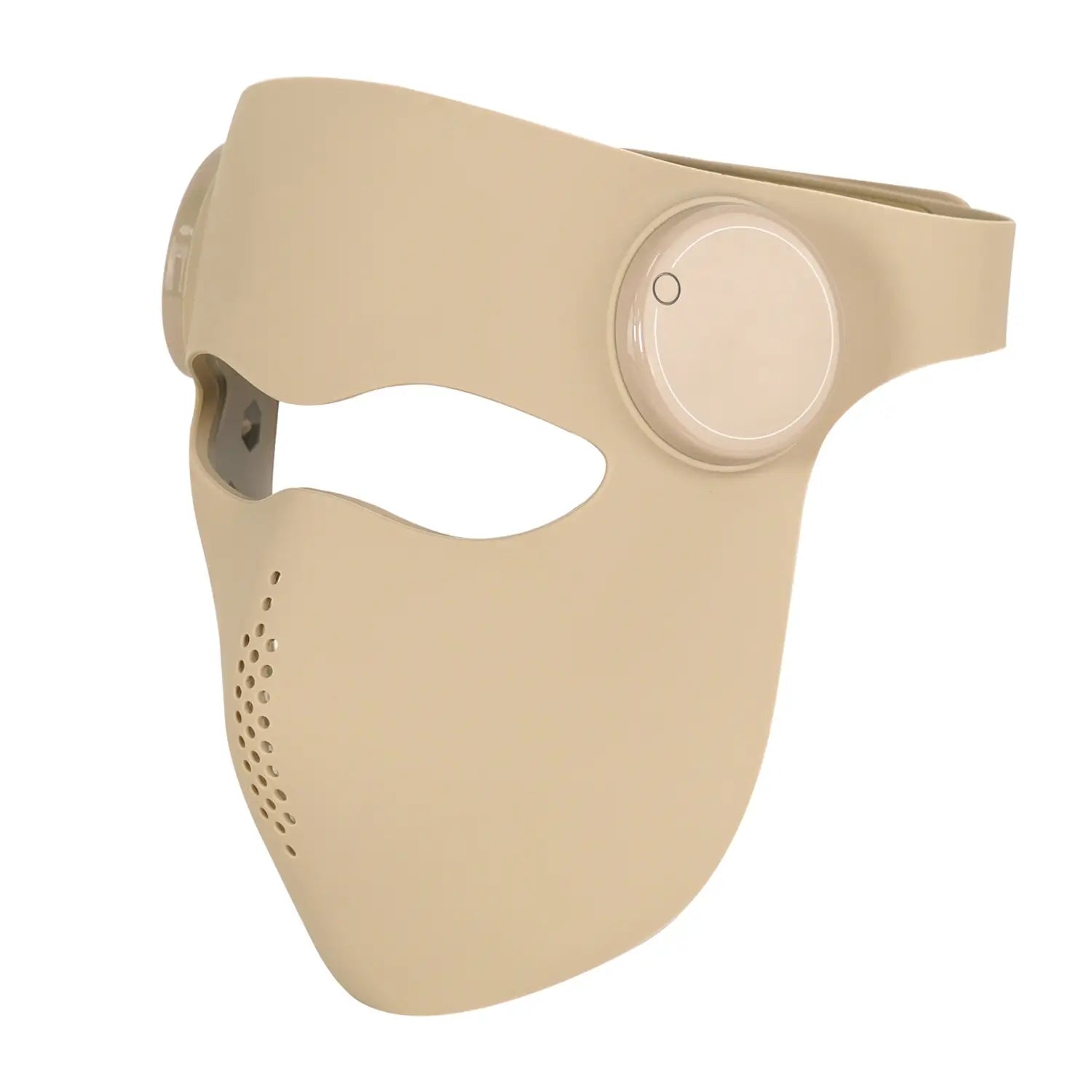
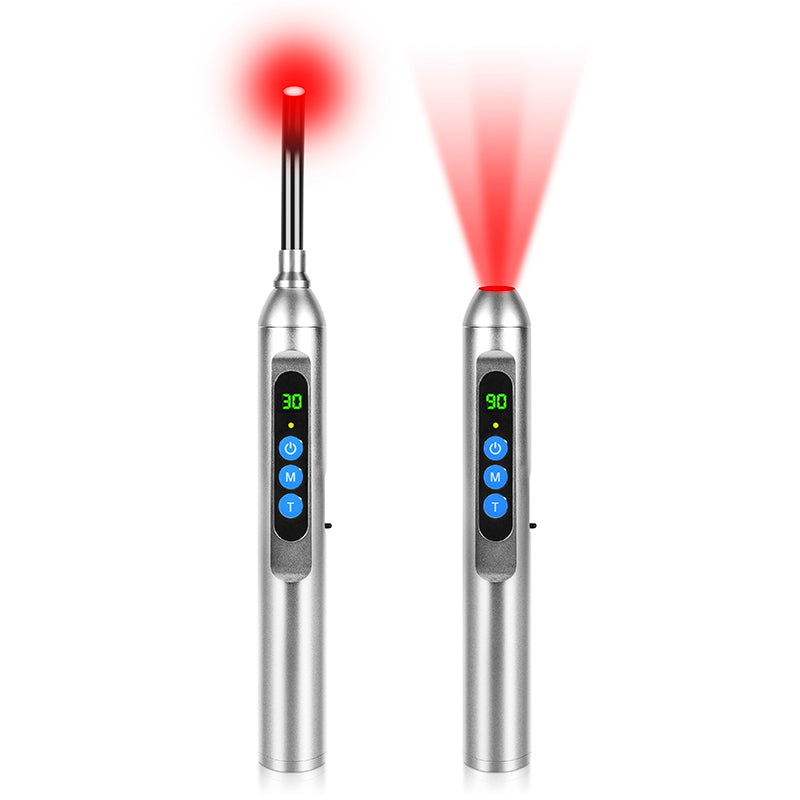
Handheld and Targeted Devices: These are ideal for the precision required to treat pickleball elbow. By placing the device directly against the lateral epicondyle, you ensure that the maximum amount of energy reaches the specific site of inflammation. This targeted approach allows for the higher energy densities (4-6 J/cm²) needed to stimulate collagen synthesis in dense tendon tissue.
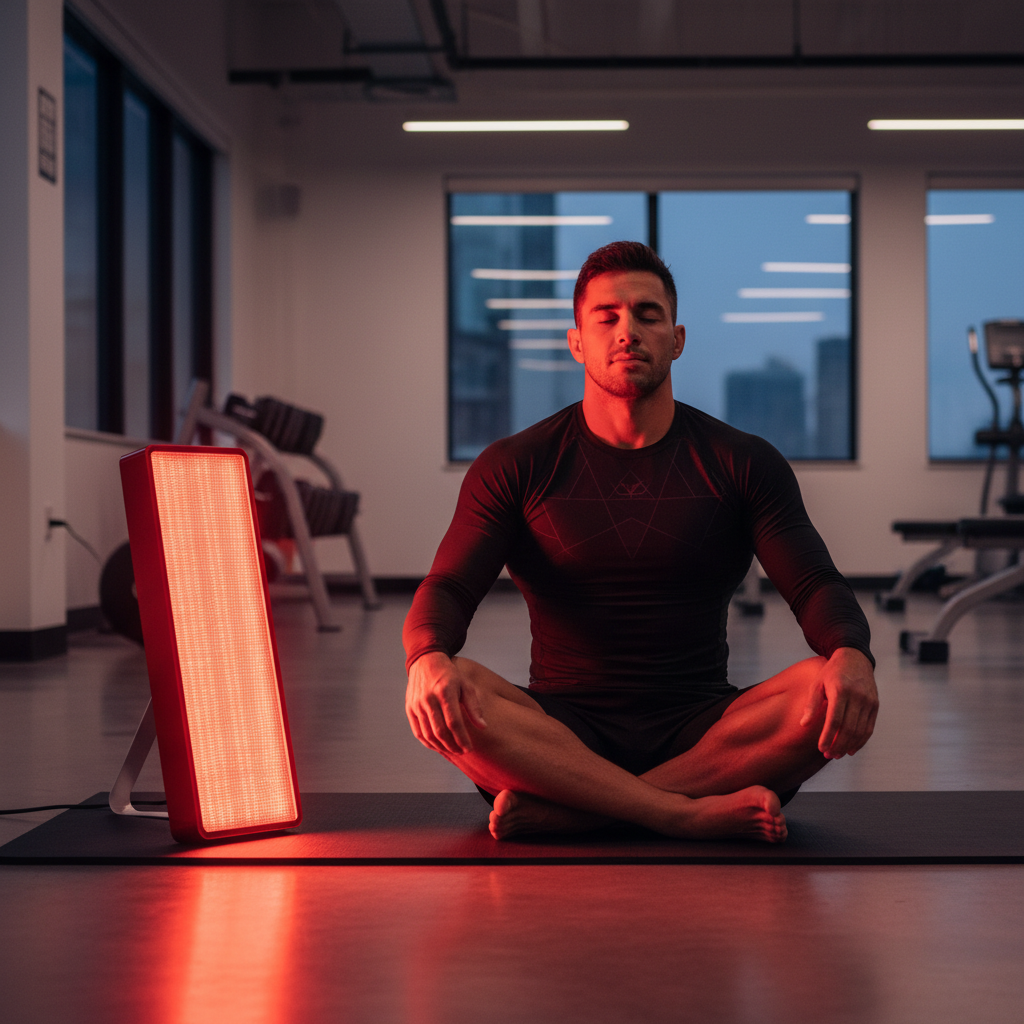
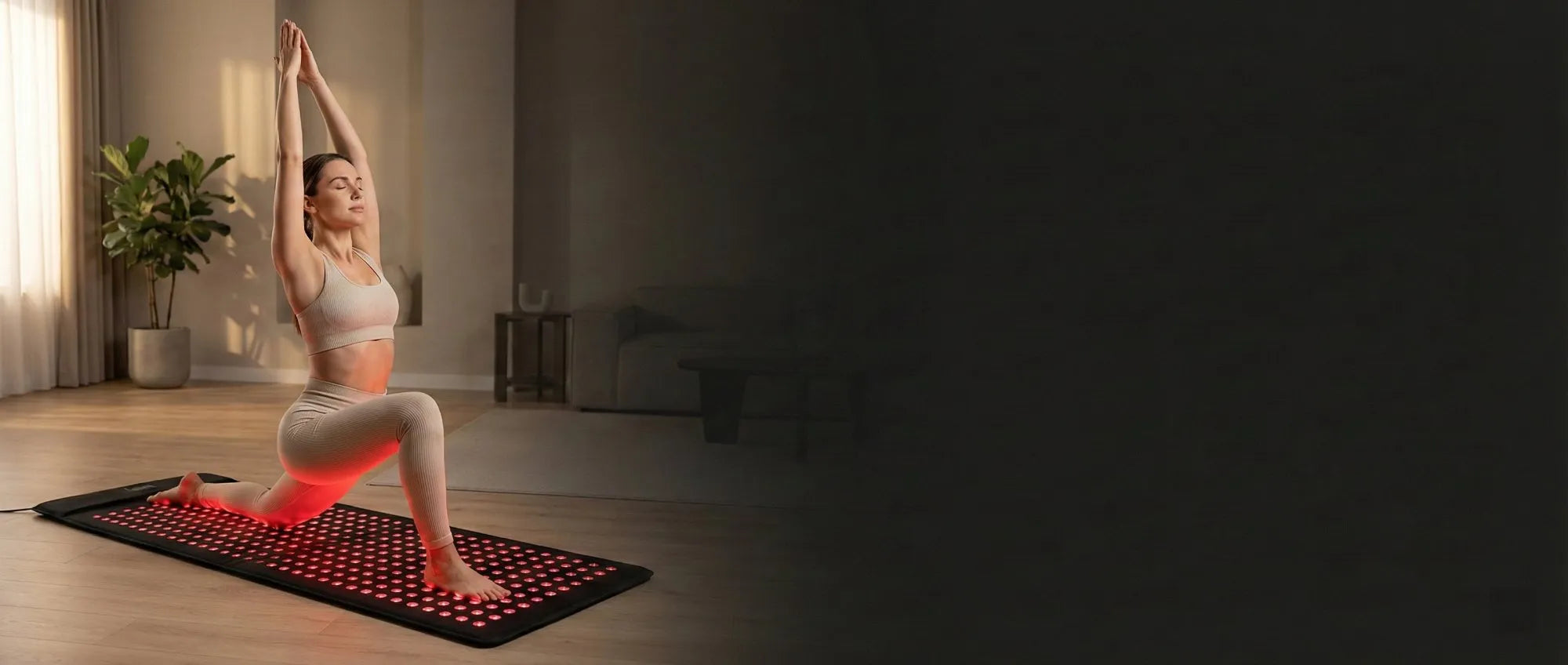
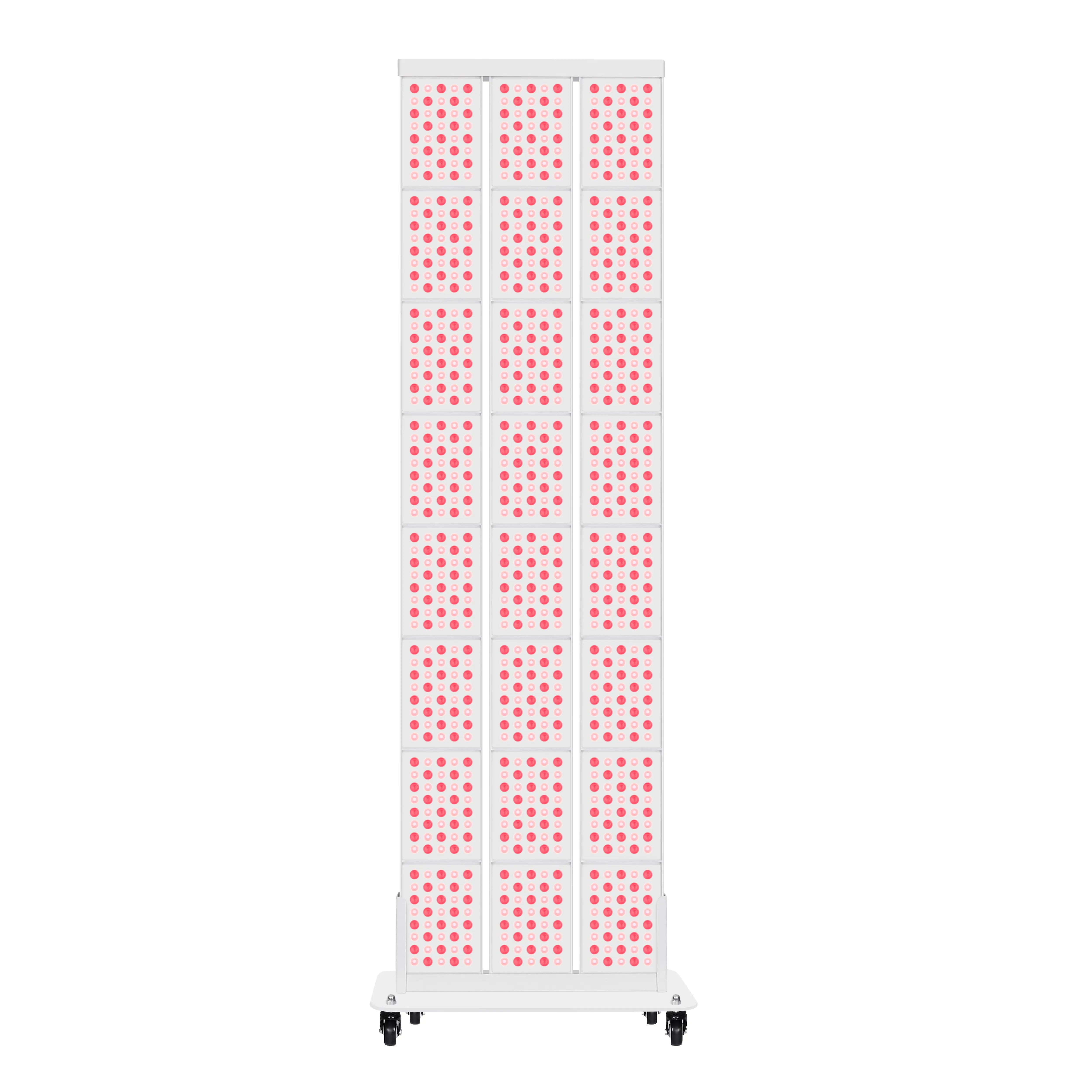
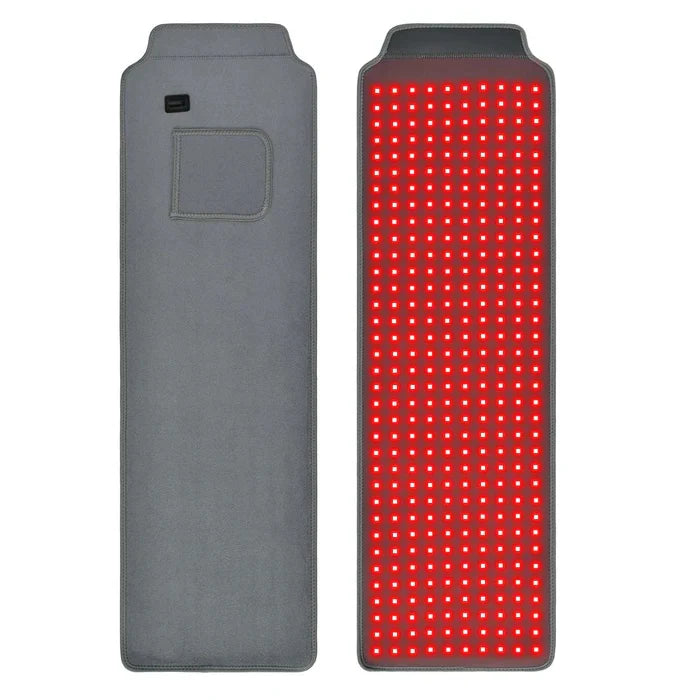
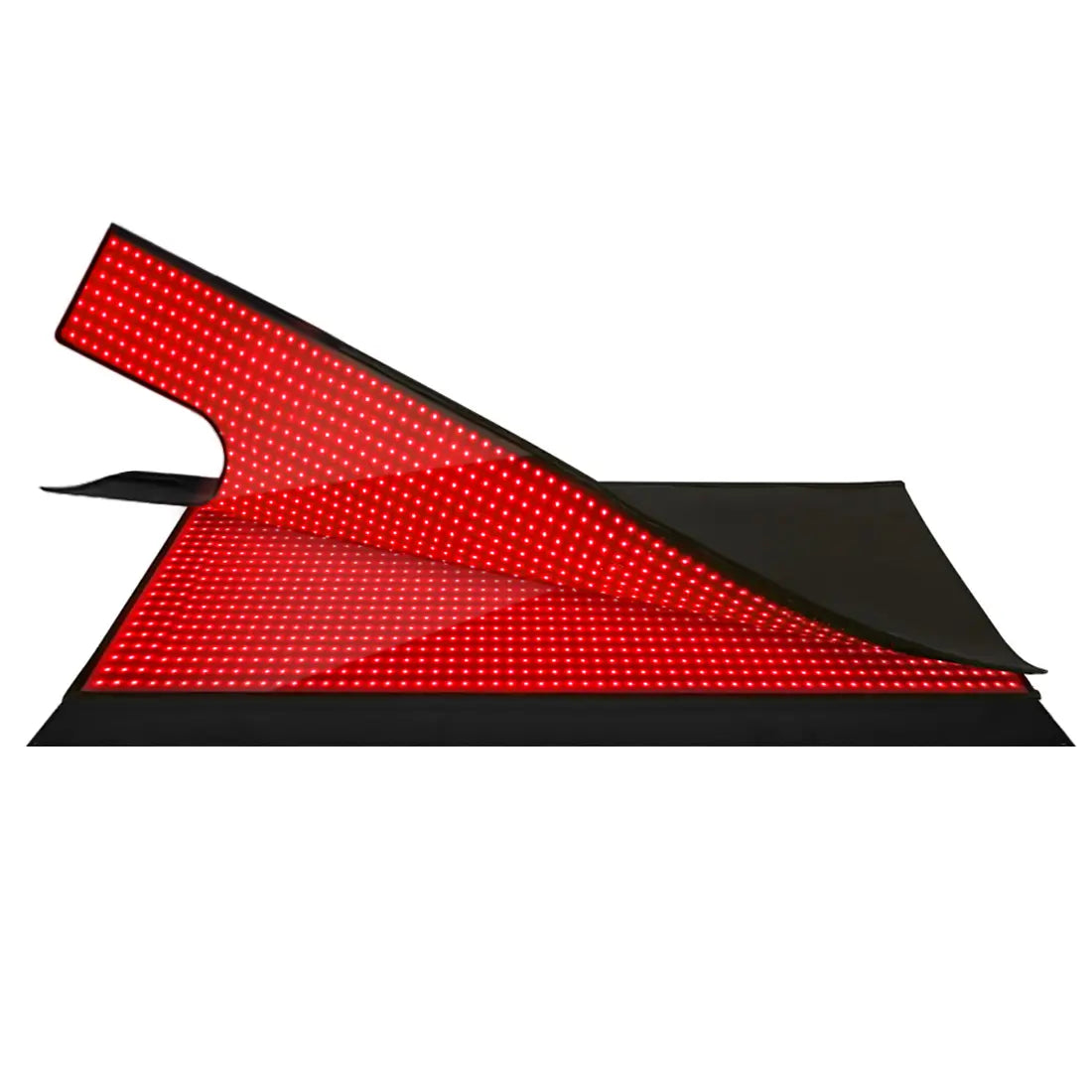
Full-Body Mats and Large Panels: For players dealing with generalized knee soreness or systemic inflammation, full-body mats offer a "hands-free" recovery experience. These devices provide a lower power density over a larger surface area, which is excellent for overall joint health and systemic recovery. In 2026, many high-level amateur players are utilizing full-body mats as a daily "maintenance" tool to support total body longevity.
Safety Standards and Technical Benchmarks for 2026
As red light therapy has moved into the mainstream, the importance of technical validation has never been higher. The industry has seen a shift away from "irradiance inflation"—where manufacturers used inaccurate solar meters to claim impossible power levels—toward rigorous, laboratory-grade standards.
When evaluating a device for home use, it is vital to look for compliance with the latest safety regulations. Understanding red light therapy safety standards is the first step in ensuring your recovery gear is both effective and safe. Modern benchmarks, such as the IEC 60601-2-57:2026 standard, specifically address the biological impact of electromagnetic fields (EMF) and light flicker. High flicker rates can cause neurological strain, while excessive EMF can interfere with the very cellular processes you are trying to stimulate.
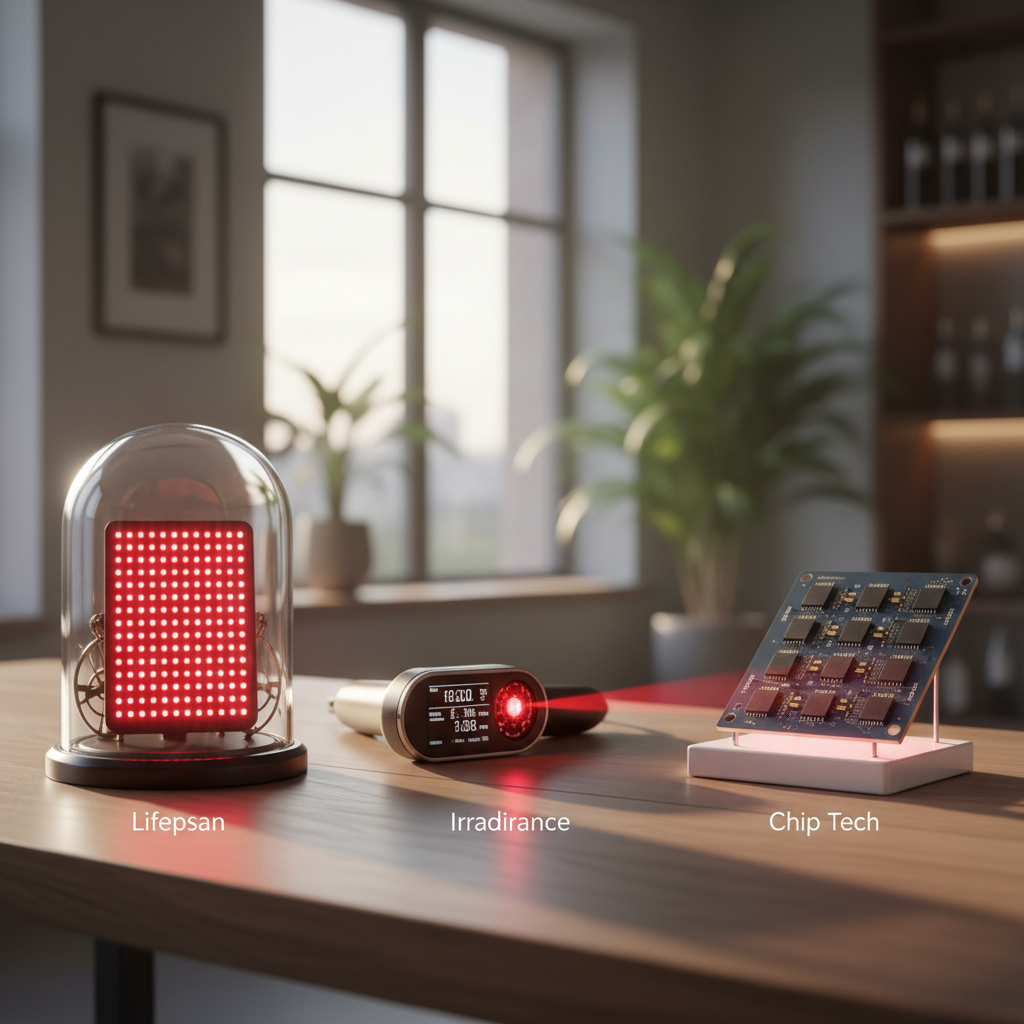
As noted in the canonical guide on Photobiomodulation Standards: Irradiance, EMF, and Safety, the use of spectroradiometry for measurement is now the industry requirement. This ensures that the "dose" you receive matches the clinical evidence for tendon and joint repair.
Step-by-Step Recovery Protocol for Pickleball Elbow and Knee Strain
To achieve the best results, consistency and correct positioning are key. Use the following guide to structure your recovery routine.
| Injury Type | Primary Wavelength | Timing | Duration | Placement Tip |
|---|---|---|---|---|
| Pickleball Elbow | 660nm + 850nm | Post-Match | 10-15 mins | Place device directly on the bony bump on the outside of the elbow. |
| Knee Joint Strain | 850nm (NIR) | Daily | 15-20 mins | Wrap device around the knee or use a panel from 6-12 inches away. |
| Pre-Game Prep | 660nm | 30m Before | 5-8 mins | Target the major muscle groups (quads/forearms) to increase blood flow. |
| Systemic Recovery | Full Spectrum | Evening | 20 mins | Use a full-body mat to lower systemic C-reactive protein levels. |
Implementation Checklist:
- Clean the skin: Ensure the area is free of lotions or sunscreens that might reflect light.
- Maintain distance: For panels, stay within the manufacturer's recommended distance (usually 6-12 inches) to ensure proper irradiance.
- Hydrate: Photobiomodulation is most effective when cells are well-hydrated, as water plays a role in the mitochondrial response.
- Monitor progress: Keep a simple log of pain levels (1-10) to adjust your session frequency as needed.
Logic Summary: These protocols assume the use of a device with an irradiance of at least 50mW/cm² at the treatment distance. If using a lower-powered device, durations may need to be extended, though this often leads to diminishing returns due to the Arndt-Schulz Law.
FAQ
How soon will I see results for my pickleball elbow? Most players report a noticeable reduction in acute pain within 3 to 5 sessions of consistent use. However, for long-term tissue repair and collagen synthesis in the tendon, a protocol of 4 to 6 weeks is typically required. Consistency is more important than session length; daily 10-minute treatments are more effective than a single 60-minute session once a week.
Can I use red light therapy through my compression sleeves? No, for maximum efficacy, red light therapy should be applied directly to clean, bare skin. Most fabrics, including thin compression sleeves, will reflect or absorb a significant portion of the light energy, preventing it from reaching the deeper tissues of the elbow or knee. If you use topical pain creams, apply them after your light therapy session to ensure they don't block the light.
Is it possible to "overdose" on red light therapy? Yes, this is governed by the Arndt-Schulz Law, which states that there is an optimal "sweet spot" for light therapy. While a moderate dose stimulates cellular repair, an excessive dose (either through too much time or too much intensity) can actually inhibit the healing process or cause a temporary increase in inflammation. Stick to the 15-20 minute maximum per area to avoid this inhibitory effect.
Should I use red or near-infrared light for my knee pain? For knee pain, near-infrared (NIR) light (810nm-850nm) is generally superior because it can penetrate the joint capsule and reach the cartilage and synovial fluid. Red light (660nm) is excellent for the skin and superficial inflammation, but it lacks the depth required for deep-seated joint issues. Most high-quality recovery devices in 2026 offer a combination of both wavelengths for a "multi-depth" treatment.
Is red light therapy safe if I have a knee replacement? Generally, red light therapy is safe for those with metal implants like knee replacements because the light does not heat the metal in the way that microwave or deep-tissue heat therapies might. However, because every surgical case is unique, you should always consult with your orthopedic surgeon before starting a new recovery protocol. The focus should be on the surrounding soft tissue and incision site rather than the implant itself.
Does red light therapy help with the "morning stiffness" common in older players? Yes, many players in the 50+ demographic find that a short session on a full-body mat or targeted knee treatment in the morning helps "wake up" the joints. By stimulating ATP and reducing the inflammatory markers that accumulate overnight, RLT can significantly reduce the time it takes to reach full mobility in the morning, making those early-morning court times much more manageable.
References
Government / Standards / Regulators
- IEC 60601-2-57:2026: Medical electrical equipment - Part 2-57: Particular requirements for the basic safety and essential performance of non-laser light source equipment. Official Standard
- FDA: Classification of Photobiomodulation Devices as Class II Medical Devices for Pain Management (2025 Update). FDA.gov
Industry Associations / Research Institutes
- International Society for Laser Medicine and Surgery (ASLMS): Clinical Guidelines for Photobiomodulation in Sports Medicine (2025). ASLMS Research
- Global Pickleball Federation (GPF): 2025 Player Health and Injury Prevention Report. GPF Health
Academic / Whitepapers / Labs
- Journal of Photochemistry and Photobiology: "Mechanisms of NIR Light Penetration in Dense Collagenous Tissues" (2024). Academic Source
- Sports Health Whitepaper: "The Role of PBM in Mitigating Repetitive Strain Injuries in Aging Athletes" (2026). Research Lab
Platform Official Docs
- youlumistore Technical Whitepaper: Photobiomodulation Standards: Irradiance, EMF, and Safety (2026).