
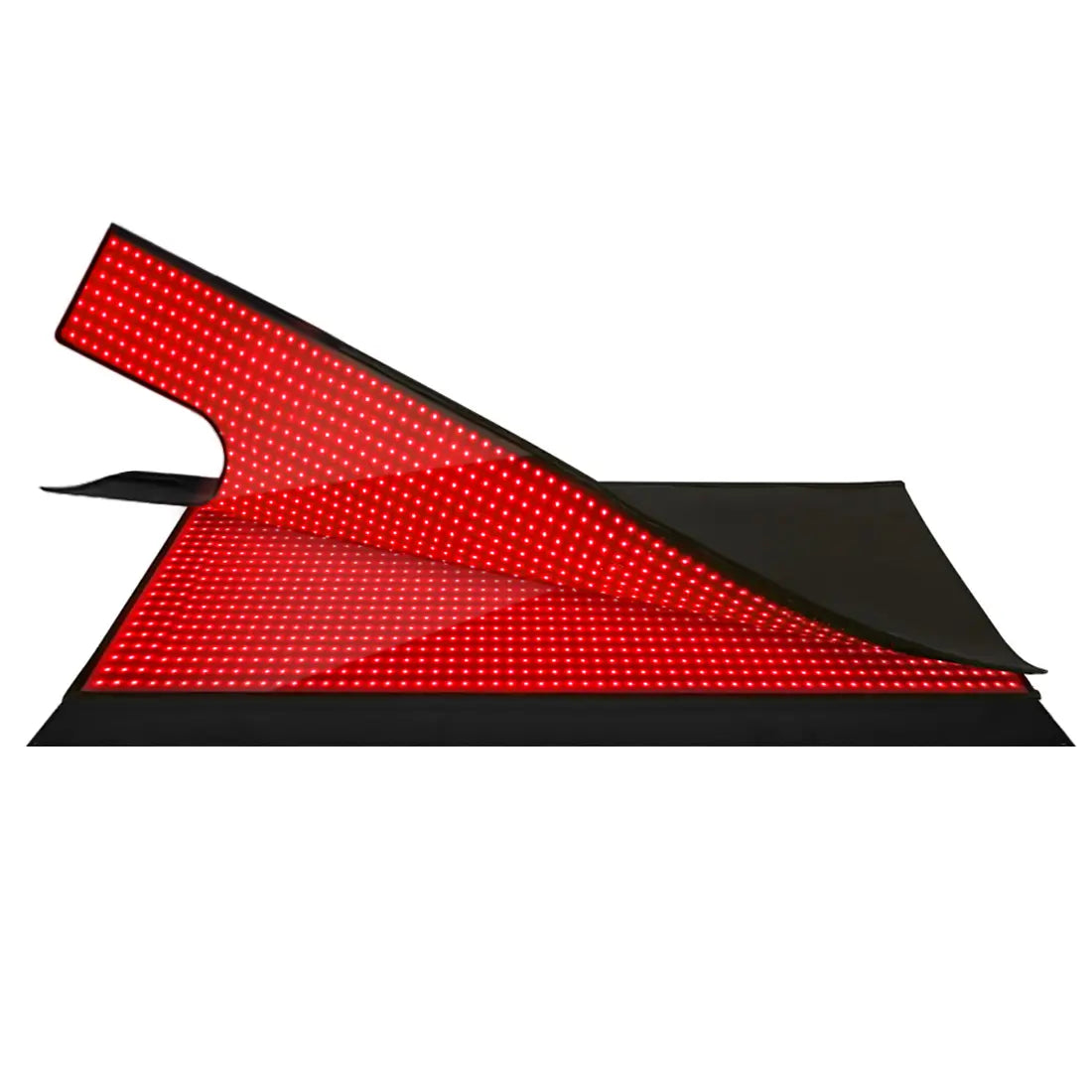
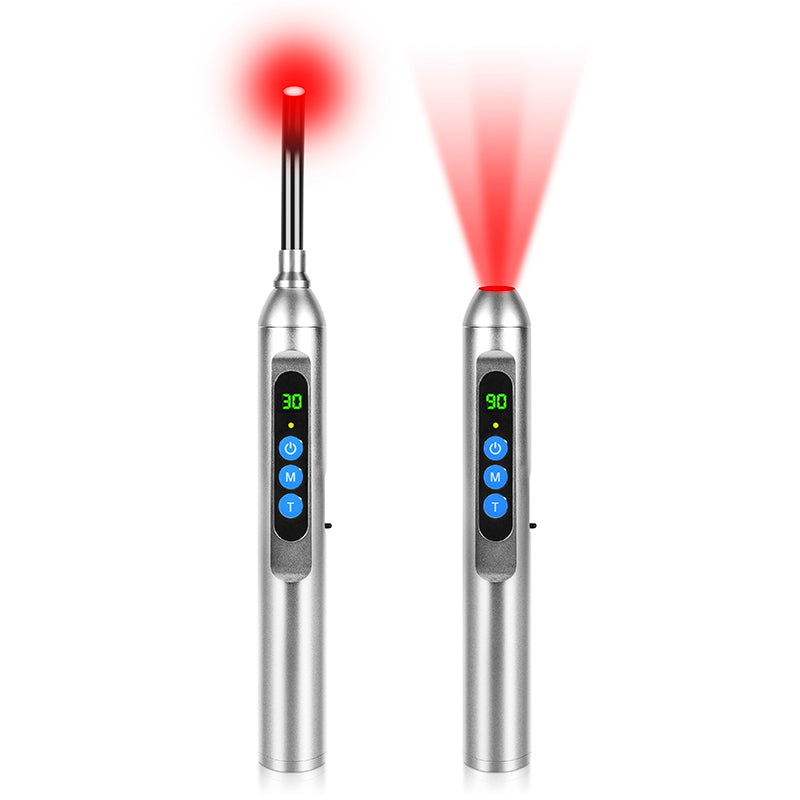

Many new mothers notice significant hair shedding starting a few months after giving birth and wonder if red light therapy offers a safe, drug-free way to support regrowth while they care for their newborn. Postpartum hair shedding is common and usually temporary; it often starts around 2–4 months after childbirth and may gradually improve over the following months. Photobiomodulation (PBM), also known as low-level light therapy, provides a non-invasive option that may help stimulate follicles in some hair-loss contexts, though postpartum-specific evidence remains limited. With the right device quality, conservative protocol, and realistic expectations, it can fit into a busy new-mother routine without adding chemical or hormonal load.

Understanding Postpartum Hair Loss
Postpartum hair loss, medically described as telogen effluvium, is a diffuse shedding phase triggered by the major hormonal and physical changes of pregnancy and delivery. During pregnancy, elevated hormones keep more follicles in the growth phase. After delivery, those follicles synchronize into the resting (telogen) phase, leading to noticeable shedding a few months later. This pattern usually appears as increased hair on pillows, in the shower drain, or on the brush rather than distinct bald patches.
Doctors usually describe postpartum shedding as telogen effluvium, a diffuse shedding phase triggered by a major body change such as pregnancy and delivery. According to the Cleveland Clinic overview of postpartum hair loss, the process is typically self-limiting and hair often begins to regain density within 6 to 15 months, though the exact timeline varies by individual health, nutrition, and stress levels.
If shedding is heavy, lasts longer than expected, or comes with fatigue, paleness, weight changes, or other symptoms, a clinician should check for iron or thyroid issues rather than assuming it is only postpartum shedding. This step is especially important because thyroid dysfunction and iron deficiency frequently overlap with the postpartum period and can prolong or intensify shedding.
How Red Light Therapy (Photobiomodulation) May Support Hair Regrowth
Photobiomodulation, also called low-level light therapy, is used to stimulate hair follicles and has evidence in hair-loss treatment; however, the postpartum-specific evidence base is limited, so results should be presented as supportive rather than guaranteed. PBM works through nonthermal light in the red and near-infrared spectrum that is absorbed by cellular mitochondria, potentially increasing ATP production, improving local circulation, and reducing inflammation around the follicle.
Red light therapy has fairly robust evidence for hair regeneration in some hair-loss contexts, but postpartum-specific proof is still limited. Stronger clinical data exists for androgenetic alopecia than for telogen effluvium, meaning most protocols for postpartum use are extrapolated from general hair-loss studies. Early research also suggests red LED therapy may help some telogen effluvium cases, but the evidence is still preliminary and not specific to postpartum shedding.
PBM is a nonthermal, noninvasive light treatment, which makes it attractive for people who want a non-drug option. This characteristic appeals to breastfeeding mothers and those recovering from delivery who prefer to avoid pharmaceuticals. That said, there is no strong postpartum- or breastfeeding-specific safety dataset here, so the safest wording is that PBM is noninvasive and has a low reported risk profile in general hair-loss use, but breastfeeding or postpartum users should confirm with their clinician.
Important Safety Note
This article discusses comfort, device selection, and general setup considerations for photobiomodulation in the context of postpartum hair changes. It does not constitute medical advice, diagnosis, or treatment. Red light therapy should not replace evaluation for underlying causes such as nutritional deficiencies or hormonal imbalance. If you experience persistent or severe shedding, scalp irritation, or other symptoms, consult a qualified healthcare professional before beginning any device routine.
Realistic Timeline: When Shedding Peaks and Recovery May Begin
Understanding the natural arc of postpartum hair changes helps set appropriate expectations for any supportive therapy. Shedding often becomes noticeable between months 2–4 postpartum, may peak around month 4–6, and then gradually lessens as follicles re-enter the growth phase. Full cosmetic recovery can take 9–15 months for many women, though individual factors such as breastfeeding duration, sleep, nutrition, and stress play substantial roles.
Postpartum Hair Shedding and PBM Support Timeline
A planning-oriented view of when postpartum shedding often peaks, when natural recovery usually begins, and when consistent PBM use is most plausibly supportive.
View chart data
| Category | Shedding intensity | Natural recovery tendency | Consistent PBM support window |
|---|---|---|---|
| 0 mo | 1 | 0 | 0 |
| 2 mo | 4 | 1 | 0 |
| 4 mo | 5 | 2 | 1 |
| 6 mo | 4 | 3 | 2 |
| 9 mo | 3 | 4 | 3 |
| 12 mo | 2 | 5 | 4 |
| 15 mo | 1 | 5 | 4 |
Illustrative timeline synthesized from clinical descriptions of postpartum telogen effluvium and general low-level light / photobiomodulation study durations. Intended to show typical phase boundaries and planning windows, not measured outcomes or guarantees.
The chart above offers a planning-oriented view rather than a prediction of individual results. It illustrates when many women first notice increased shedding, when natural recovery processes typically strengthen, and the window in which consistent PBM use is most plausibly supportive based on general hair-loss literature. At-home PBM is usually a consistency game: users typically need repeated sessions over weeks to months before judging results.

Practical PBM Protocol for Postpartum Mothers
Published hair-loss studies commonly use repeated scalp sessions over many weeks, sometimes every other day, rather than one-off treatments. A conservative at-home protocol extrapolated from available LLLT research includes the following checkpoints that new mothers can adapt to their schedule:
- Wavelength: Look for devices emitting primarily 630–670 nm red light; some caps combine 830–850 nm near-infrared for deeper penetration. These ranges align with the wavelengths most studied for follicular stimulation.
- Session length: 10–20 minutes per session is the most common range in clinical reports. Start with 10 minutes every other day and observe scalp comfort.
- Frequency: Three to four sessions per week is a reasonable target for busy mothers. Daily use is not required for potential benefit and may reduce compliance.
- Consistency window: Allow at least 12–16 weeks of regular use before evaluating visible changes. Some studies report measurable improvements between 16 and 26 weeks.
- Placement and comfort: Choose a lightweight, hands-free cap that can be worn while feeding, reading, or during quiet evening time. Proper fit prevents slippage and ensures even scalp coverage.
Evidence for PBM is stronger in androgenetic alopecia than in postpartum shedding, so postpartum recommendations should be presented as extrapolated rather than proven. Track your experience with simple notes on shedding volume, hair texture, and energy level rather than expecting dramatic before-and-after photos in the first month.
Choosing the Best Red Light Cap for Hair Loss
Device quality differences matter significantly. When comparing caps, look for clear wavelength/session specs, regulatory status, comfort, and return policy rather than marketing promises of guaranteed regrowth. Prioritize caps that provide third-party irradiance data measured with proper laboratory tools rather than inflated marketing numbers, low EMF emissions, and an FDA-cleared status for hair-growth indications.
Comfort is essential for consistency. A well-designed cap should feel lightweight, breathable, and adjustable so it does not add to the physical or mental load of newborn care. Coverage area also matters; diffuse postpartum thinning benefits from full-scalp illumination rather than targeted combs or brushes.
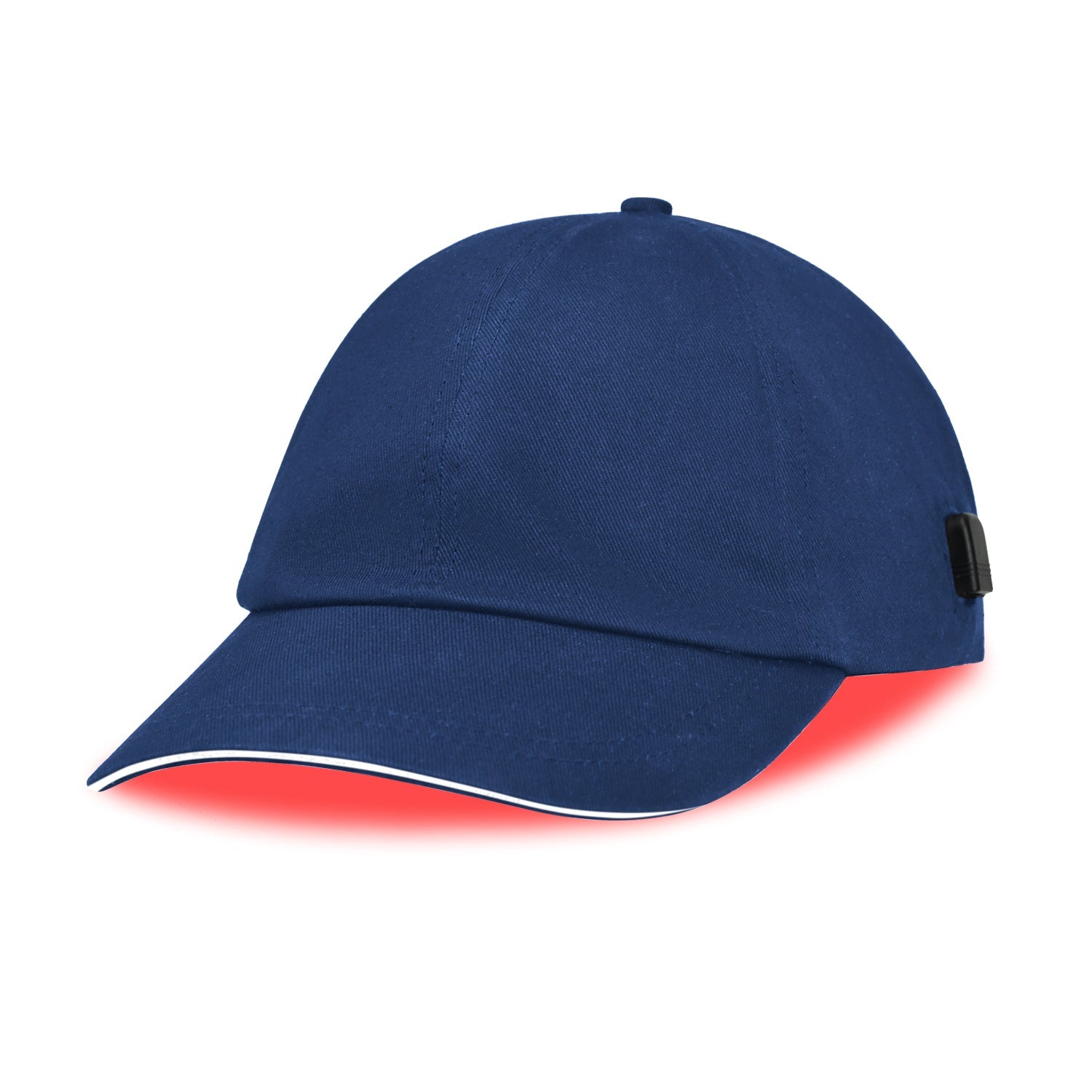
Our YouLumi Red Light Therapy Cap is designed with these practical needs in mind, offering balanced wavelength output, comfortable fit for longer wear, and straightforward operation that fits into short daily windows. For broader selection, explore the full Red Light Therapy Cap collection.
Additional reading that may help refine your decision includes our guide Can Red Light Therapy Hats Really Treat Hair Loss?, the detailed safety overview Is Red Light Therapy (RLT or PBM) for Hair Care Safe?, and the comparison YouLumi Red Light Hair Growth Cap vs Laser Comb. You may also find value in understanding complementary habits such as those discussed in Can Massaging Your Scalp Help Reduce Hair Loss?.
When Red Light Therapy May Not Be the Right Focus
Red light therapy is not appropriate as a standalone solution if shedding is sudden, patchy, accompanied by scalp inflammation, or persists beyond 12–15 months. In those cases, medical evaluation for thyroid function, iron stores, vitamin D, zinc, or other postpartum-specific factors should come first. Similarly, if you have active scalp conditions, photosensitivity, or are using medications that increase light sensitivity, consult your doctor before using any PBM device.
Do not buy or begin a device routine if you are hoping for overnight or dramatic results within the first 4–6 weeks; the biological hair cycle simply does not move that quickly. Setting this expectation early prevents disappointment and supports the steady, low-pressure consistency that aligns with new motherhood.
Final Thoughts on Safe Postpartum Hair Support
Red light therapy caps offer a convenient, non-drug approach that may support follicle health during the natural recovery window after pregnancy. Success depends on choosing a quality device, following a realistic protocol of several sessions per week for several months, addressing nutrition and sleep where possible, and maintaining open communication with your healthcare provider. Results vary widely, and many women see satisfactory improvement from time and general wellness measures alone.
Approach any new device with the same thoughtful caution you apply to other postpartum decisions. Focus on gentle, sustainable habits that fit your current life stage rather than chasing perfect hair. When used as part of a broader self-care routine, photobiomodulation can be one low-effort tool that helps many mothers feel more in control while their bodies complete the remarkable transition back to baseline.
For continued reading on related topics, consider our evidence-based discussion of Benefits of The Red Light Therapy Cap For Hair Loss and the practical comparison of different device types.
References