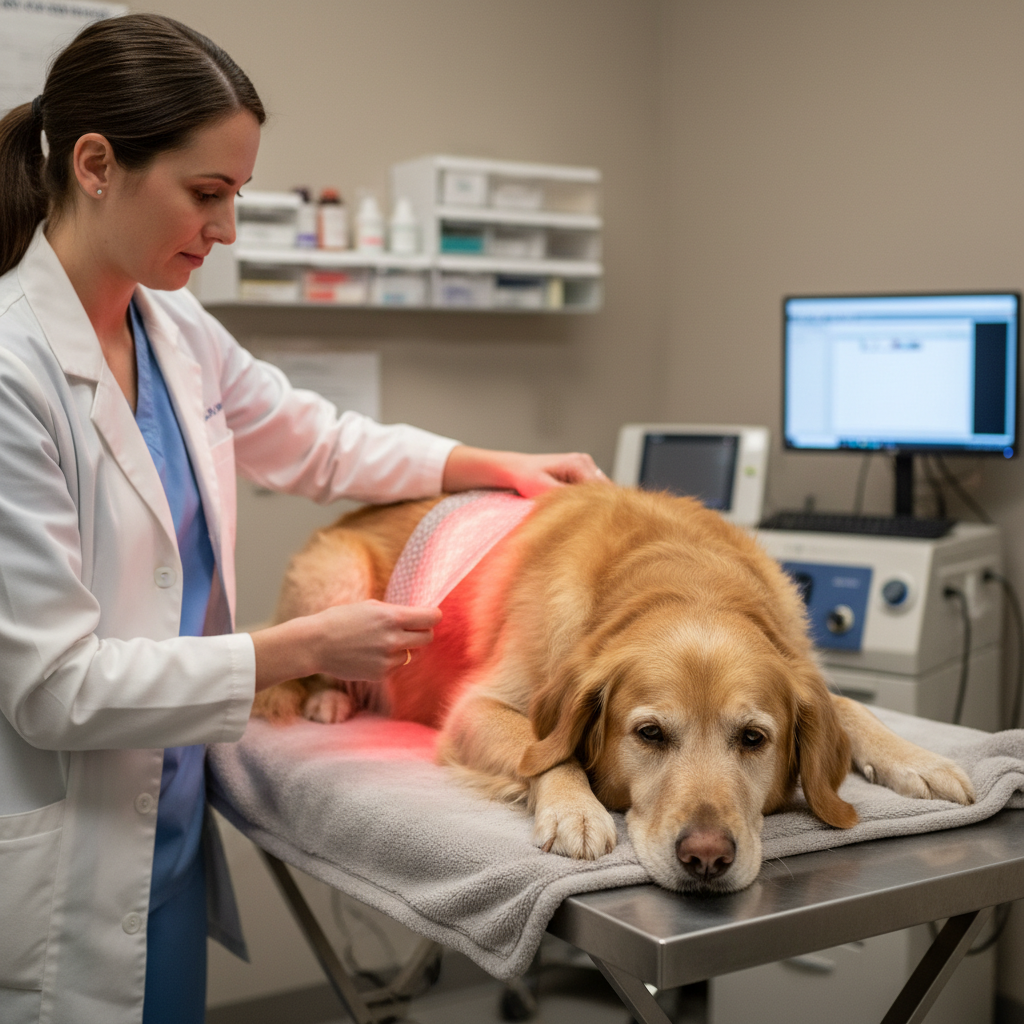

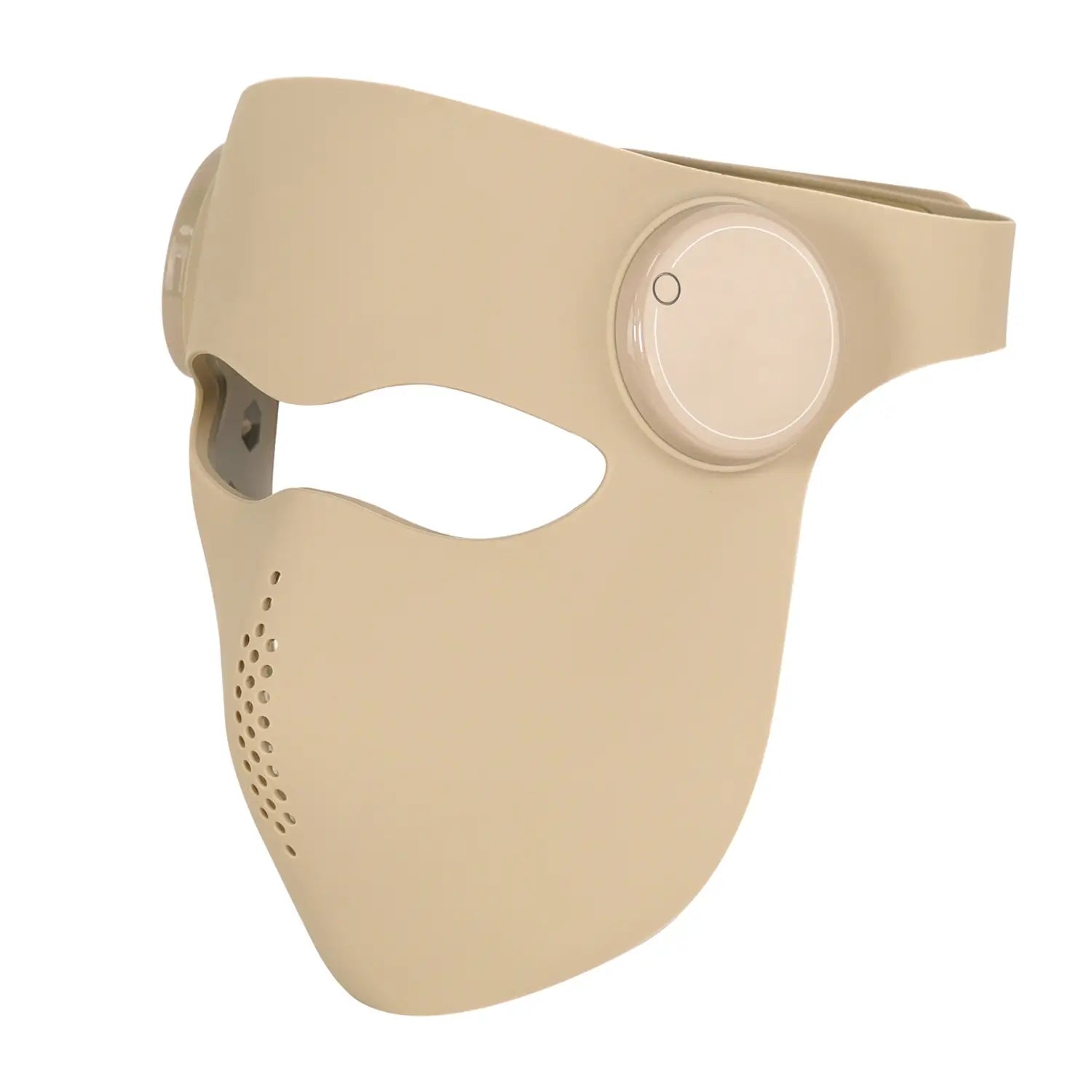


Many men over 40 experience urinary symptoms that disrupt sleep and daily life, such as frequent urination, nocturia, weak stream, or pelvic discomfort. While benign prostatic hyperplasia (BPH) and prostatitis are common causes, official guidance from the National Institute of Diabetes and Digestive and Kidney Diseases explains that these symptoms deserve proper medical evaluation rather than self-treatment alone. Red light therapy, also known as photobiomodulation, has gained attention as a non-invasive wellness option that may support circulation and reduce inflammation in general applications. This article examines the current evidence boundaries for its use in prostate-related concerns, safety considerations, and practical ways to evaluate targeted devices as part of a broader men's health routine.

Understanding BPH and Prostatitis
BPH commonly causes lower urinary tract symptoms such as frequent urination, nocturia, weak or slow stream, hesitancy, and incomplete emptying. As detailed by the NIDDK, these changes result from prostate enlargement that can press on the urethra. Prostatitis involves inflammation and pain in the prostate, with symptoms that can overlap with other urinary conditions, according to MedlinePlus.
It is important to note that urinary symptoms can stem from prostatitis, bladder problems, urinary tract infections, or BPH. The NIDDK prostatitis page stresses that men should not assume the cause without professional assessment. Persistent or worsening symptoms, including inability to urinate, blood in urine or semen, fever, chills, nausea, vomiting, or painful urination, require prompt medical attention as these may signal infection, obstruction, or other serious issues.
Important Safety Note: This article discusses red light therapy only as a potential adjunct wellness approach for comfort and circulation support in the lower abdomen or pelvic area. It does not constitute medical advice, diagnosis, or treatment for BPH, prostatitis, or any prostate condition. If you have persistent discomfort, urinary changes, or existing health conditions, consult a qualified healthcare professional before trying any new therapy.
What Is Photobiomodulation and How Might It Relate to Prostate Health?
Photobiomodulation (PBM) uses red or near-infrared light to influence cellular processes, primarily by interacting with mitochondria to support energy production. Research on pain photobiomodulation, such as the review in The Journal of Pain, describes mechanisms that may help with inflammation and pain in various contexts. However, this general mechanism does not by itself prove benefit for prostate conditions.
PBM is discussed as a noninvasive, non-pharmacological modality for some pain-related applications. A preclinical study in a cavernous nerve injury model explored related men's health contexts, but prostate-specific benefit for BPH or prostatitis remains unproven based on the available sources. Readers should view any potential support for urinary symptoms or pelvic discomfort as tentative and secondary to standard medical care.
Evidence Boundaries: What the Research Actually Supports
The strongest evidence in available resources comes from official medical pages that clearly define BPH and prostatitis symptoms and the need for clinical evaluation. General PBM literature provides plausible mechanisms for supporting circulation and reducing perceived inflammation, yet direct clinical trials demonstrating consistent improvements in prostate-related urinary symptoms or pelvic pain are limited in the reviewed materials.
An illustrative overview of evidence strength helps clarify these boundaries:
Evidence Strength Hierarchy for Red Light Therapy and Prostate Symptoms
Illustrative hierarchy only; higher bars mean stronger support for prostate-related use, not clinical efficacy.
View chart data
| Category | Evidence strength (illustrative) |
|---|---|
| Strong direct evidence | 4.0 |
| Plausible mechanism | 3.0 |
| Indirect / preclinical | 2.0 |
| Unproven for prostate | 1.0 |
Illustrative heuristic based on provided writer evidence pack and bounded claims: NIDDK/MedlinePlus/NIA materials define prostate symptoms and emphasize medical evaluation; general PBM/red-light mechanism literature supports plausibility for pain/inflammation; preclinical or non-prostate evidence is indirect; prostate-specific clinical evidence remains limited and should not be treated as established treatment proof.
This chart is an illustrative heuristic derived from the evidence pack. It underscores that official sources provide strong guidance on symptom evaluation and care, while PBM applications for prostate health stay in the realm of plausible mechanisms or indirect support. Prostate-specific outcomes lack robust direct evidence in the sources reviewed.
Myth vs. Reality
- Myth: If red light therapy helps general pain and inflammation, it must help prostate symptoms directly.
- Reality: Plausibility from mechanism studies does not equal proven efficacy for BPH or prostatitis. Claims that it treats, shrinks the prostate, or reliably improves urinary flow go beyond what the current evidence supports.
Do not rely on red light therapy devices if symptoms are new, persistent, worsening, or accompanied by red flags such as blood in urine, fever, severe pain, or inability to urinate. In these cases, medical evaluation takes priority.
Practical Considerations for At-Home Use
When considering red light therapy for lower abdomen or pelvic area wellness, focus on wavelengths commonly discussed in PBM literature, typically 660nm red light and 850nm near-infrared. These may support local circulation, though optimal dosing for prostate-related comfort remains individualized and unstandardized for this application.
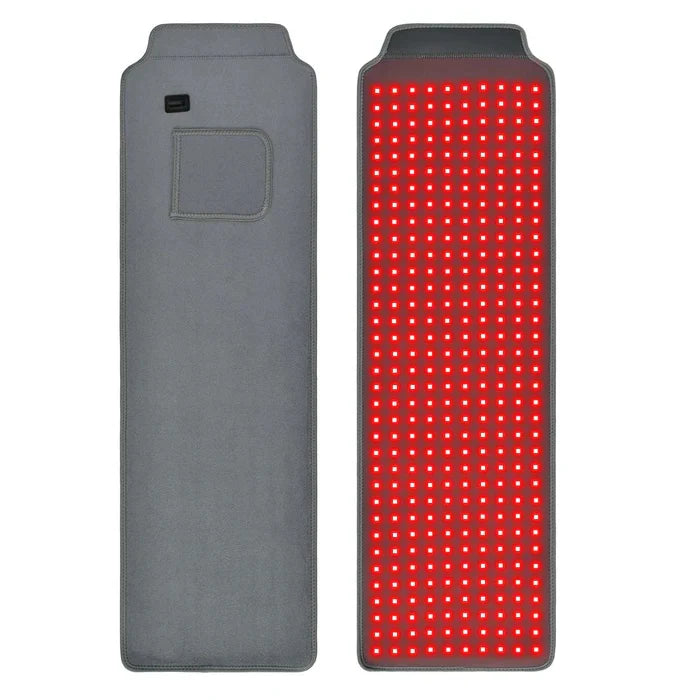
Treatment sessions often involve placing a flexible pad or mat over the lower abdomen while seated or lying down, for 10–20 minutes per session, several times per week. Always follow device-specific guidelines and start with shorter exposures to assess tolerance. Red light therapy can generally be used alongside conventional care, exercise, stress reduction, and sleep optimization as part of a holistic recovery approach.
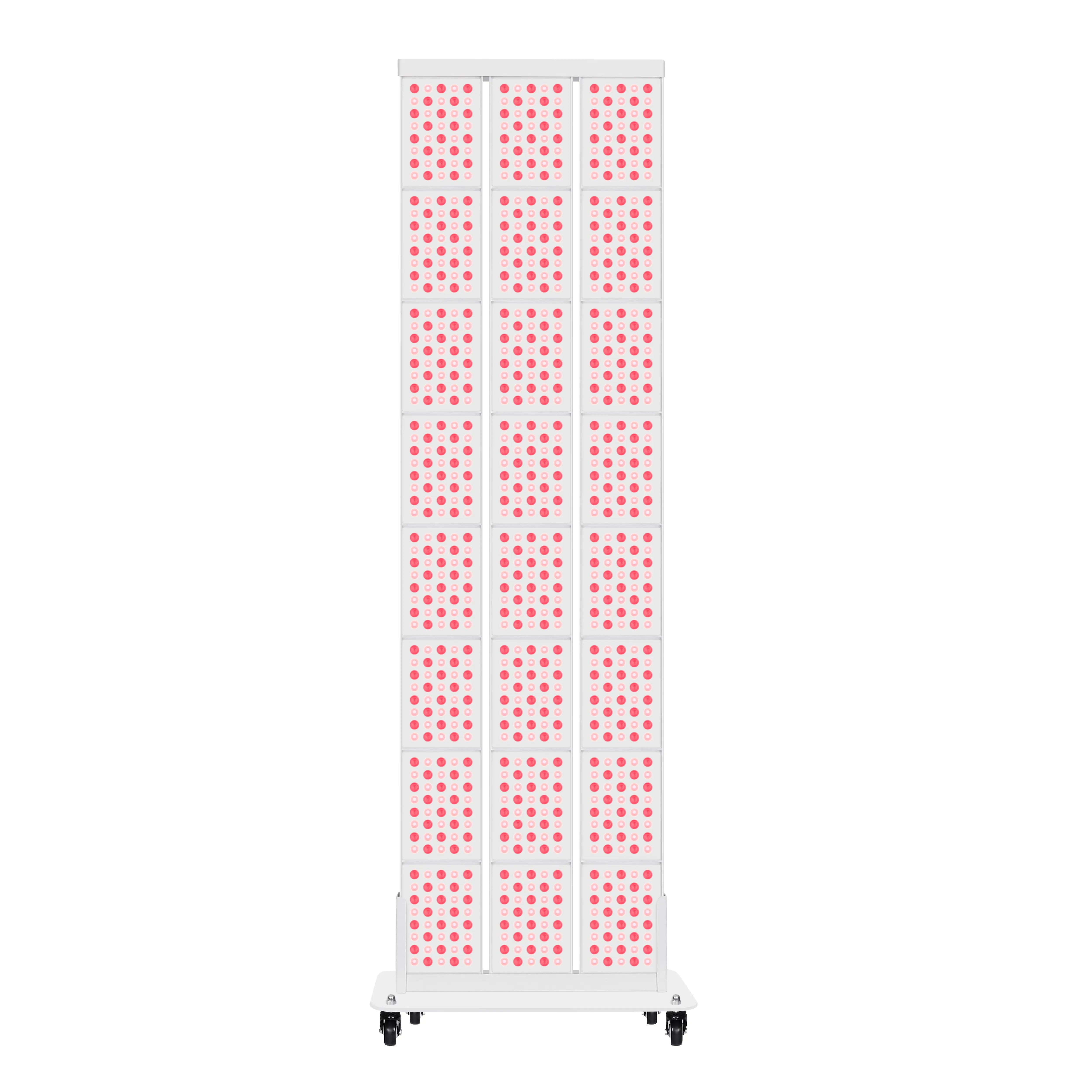
For best results with at-home devices, consider factors like irradiance, wavelength precision, and EMF levels as outlined in broader photobiomodulation standards. Devices designed as targeted pads or belts may offer more convenient coverage for pelvic-area applications compared to large panels.

How to Choose and Use a Suitable Device Safely
Evaluate whether a targeted pad or mat fits your needs by checking for medical-grade build quality, accurate wavelength output, and clear usage instructions. Look for devices that allow comfortable, hands-free application over clothing if preferred, though direct skin contact often maximizes light delivery. Our guide on whether red light therapy works through clothes provides additional details on fabric impact.
A red light therapy belt or pad from a reputable collection can serve as a practical option for lower-body wellness routines. Explore the Red Light Therapy Belt collection for targeted designs suitable for abdominal or pelvic sessions.
Integration tips include using the device in the evening as part of a wind-down routine, staying hydrated, maintaining a healthy diet, and tracking symptoms over several weeks. If no subjective improvements in comfort occur, or if symptoms change, revisit your healthcare provider.
When Red Light Therapy May Not Be the Right Focus
Red light therapy is not appropriate as a primary intervention for undiagnosed urinary or pelvic issues. Men experiencing moderate to severe symptoms should prioritize urological assessment, which may include medication, lifestyle changes, or other evidence-based treatments. The therapy shines brightest as an optional supportive tool within a comprehensive wellness plan rather than a standalone solution.
For those already under medical care, discuss any new wellness devices with your provider to ensure they complement rather than interfere with prescribed approaches.
Key Takeaways for Men's Prostate Wellness
Prostate health concerns like BPH and prostatitis significantly affect quality of life, making non-invasive options appealing. While photobiomodulation offers interesting mechanisms for supporting cellular health and circulation, its specific value for urinary symptoms or prostatitis-related discomfort stays within the realm of adjunctive wellness rather than proven treatment. Official medical resources consistently emphasize the importance of professional evaluation for persistent symptoms.
Approach red light therapy with realistic expectations, prioritizing safety and evidence boundaries. Combine it thoughtfully with healthy habits and medical guidance for the best possible outcomes. As with any wellness tool, individual results vary based on personal health status, device quality, and consistent use.
This content is for informational purposes only and should not replace professional medical advice. Consult your doctor for personalized recommendations regarding prostate health or any symptoms you experience.
Related Resources
For deeper reading on photobiomodulation technical standards, see our authoritative guide on Photobiomodulation Standards: Irradiance, EMF, and Safety.