
Many women navigating menopause look for supportive, non-invasive options to help manage changes in sleep, energy, skin feel, and joint comfort. Red light therapy, also known as photobiomodulation, is sometimes included in at-home wellness routines as one possible tool. While research on its specific role in menopause remains limited and outcomes vary widely, some users report it fits comfortably into evening wind-down or morning energy practices when used according to general guidelines.

This article outlines conservative, protocol-focused guidance based on typical photobiomodulation practices. It emphasizes practical setup, safety, and realistic expectations rather than promising hormone restoration or medical symptom relief. Results depend heavily on individual factors, device quality, and consistency, and this information does not replace professional medical advice.
Understanding Menopause Changes and Wellness Routines
Menopause and perimenopause often involve shifts that affect sleep quality, daily energy levels, skin appearance, and physical comfort. Many women explore complementary wellness approaches alongside lifestyle measures such as balanced nutrition, movement, stress management, and good sleep hygiene.
Red light therapy devices deliver specific wavelengths of red and near-infrared light. These are commonly discussed in the context of supporting cellular energy processes in skin and tissue. However, claims about direct effects on hormones or menopause should be approached cautiously. As noted in wellness literature, it is best viewed as a general supportive practice rather than a targeted treatment.
A Mayo Clinic overview of menopause management highlights the importance of evidence-based strategies and consulting healthcare providers for persistent symptoms. Similarly, resources from the National Institutes of Health provide context on hormonal transitions without endorsing specific light-based interventions.
How Red Light Therapy Is Typically Used in Wellness Contexts
Photobiomodulation involves exposing skin to light in the 600–900 nm range. Common consumer devices combine 660 nm red light with 850 nm near-infrared. These wavelengths are studied for their interaction with cellular components, though human outcomes for menopause-related goals stay exploratory.
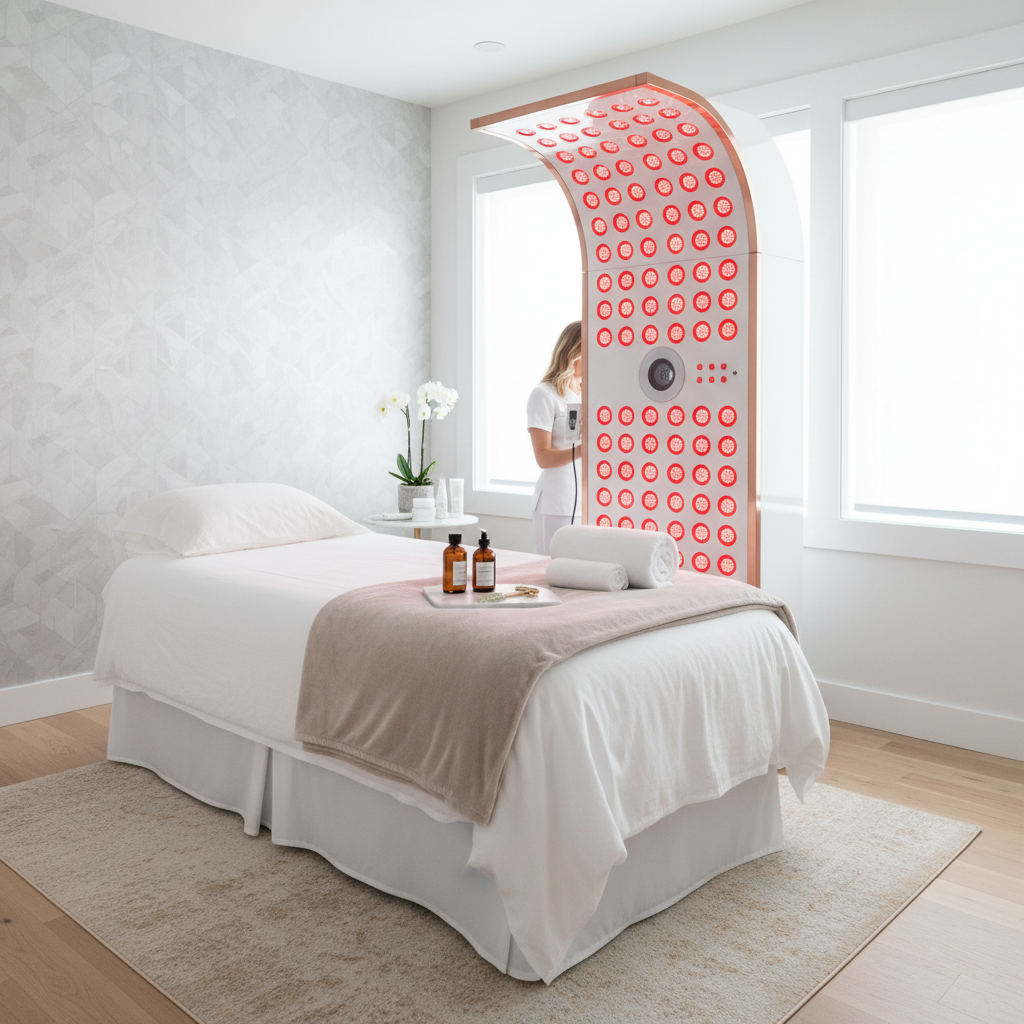
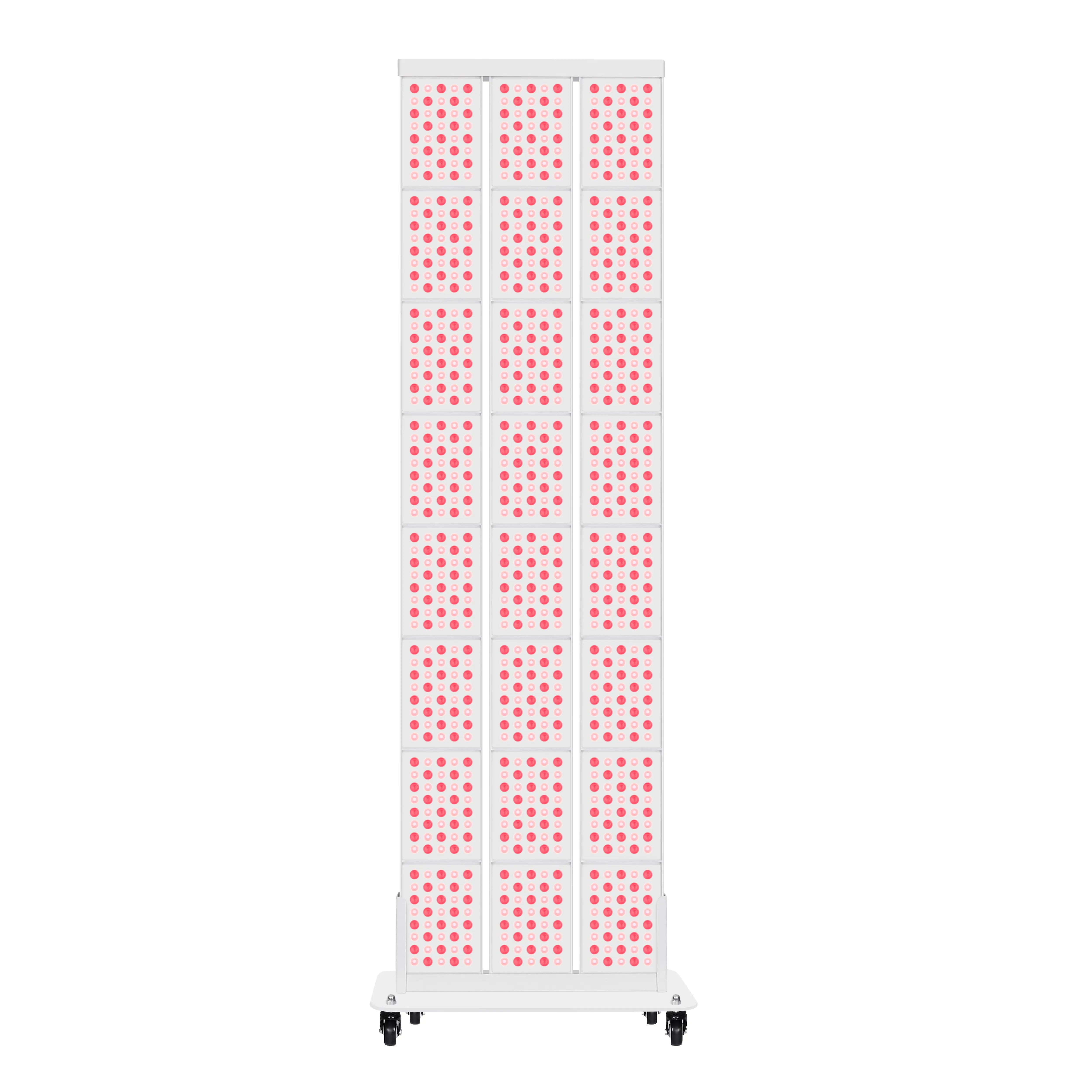
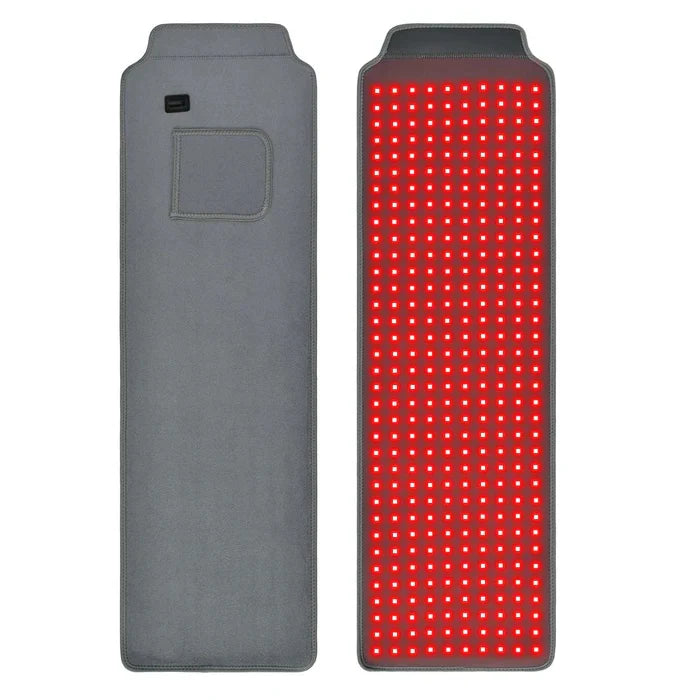
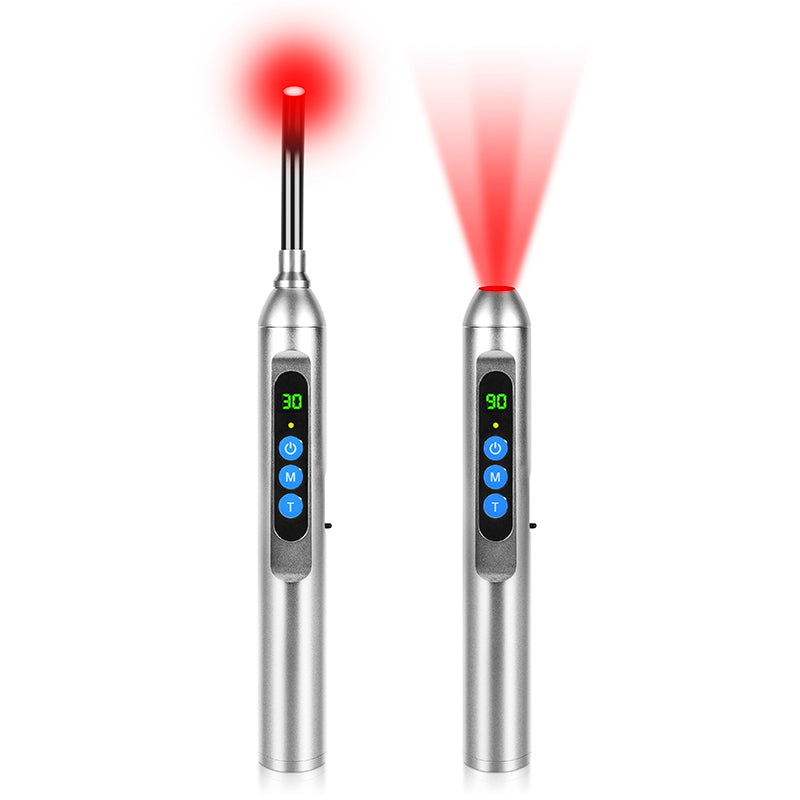
In practice, users often choose full-body panels, targeted belts, or portable devices. Placement depends on the area of focus—face and neck for skin appearance, abdomen or lower back for comfort, or broader exposure for relaxation routines. Distance from the device, session duration, and frequency matter more than any single “menopause protocol.”
Evidence boundaries remain important. Current writer guidance stresses that skin appearance and general comfort are more plausible discussion points than hormonal balance. Any perceived benefits tend to be subjective and setup-dependent.
Practical Protocols for At-Home Use
There is no standardized clinical protocol for menopause with red light therapy. The following suggestions reflect conservative, commonly referenced at-home ranges from photobiomodulation literature. Always follow your specific device’s instructions and start with shorter sessions to assess tolerance.
General parameters
- Wavelength: 660 nm red and/or 850 nm near-infrared
- Session length: 10–20 minutes per area
- Frequency: 3–5 times per week
- Distance: As recommended by manufacturer (often 6–12 inches for panels)
- Eye protection: Use goggles or keep eyes closed when facing the light
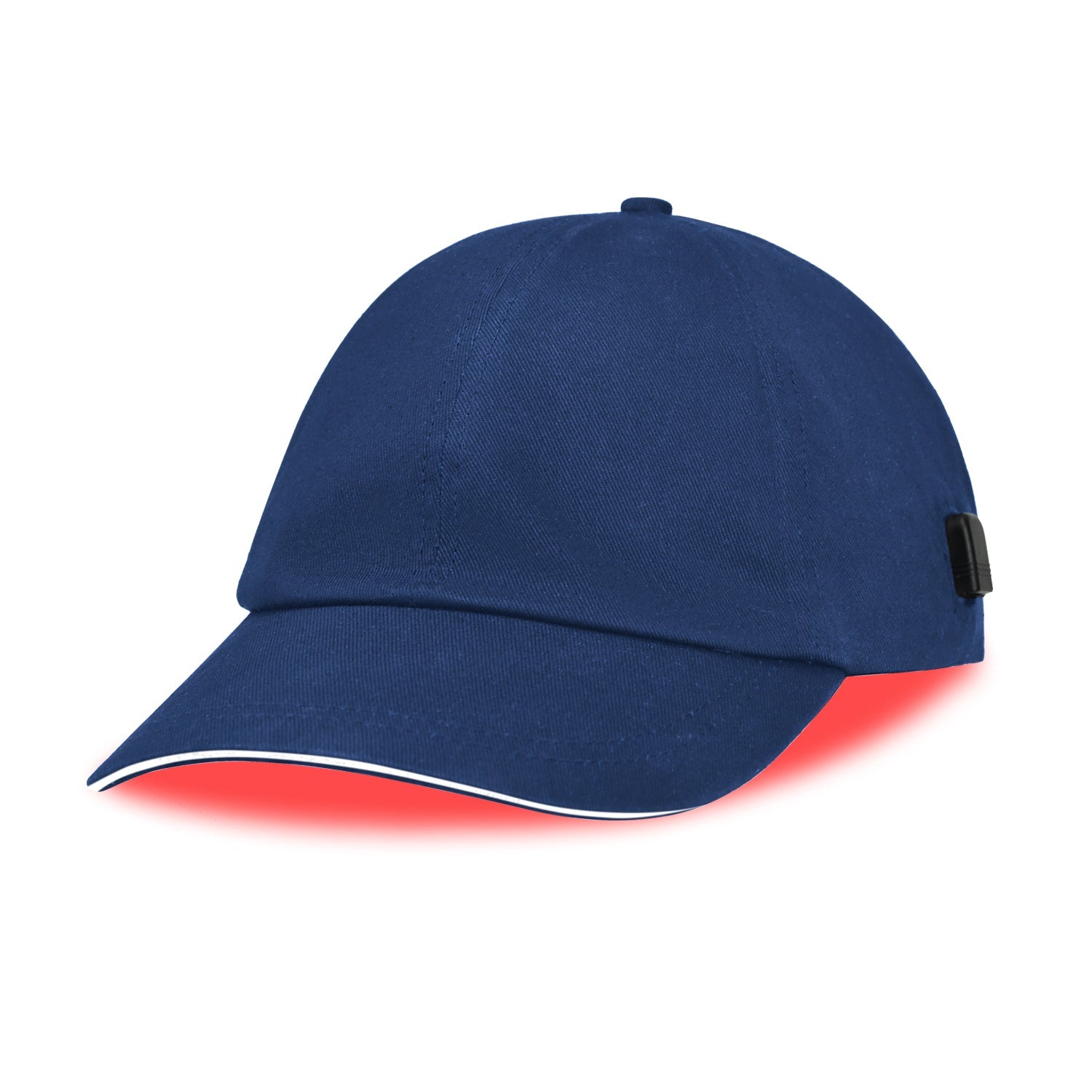
For evening relaxation and sleep support, many women position a device toward the face, neck, or upper chest for 10–15 minutes while practicing deep breathing. Morning routines may involve broader exposure to support circadian alignment and perceived energy, though direct circadian research is limited in this population.
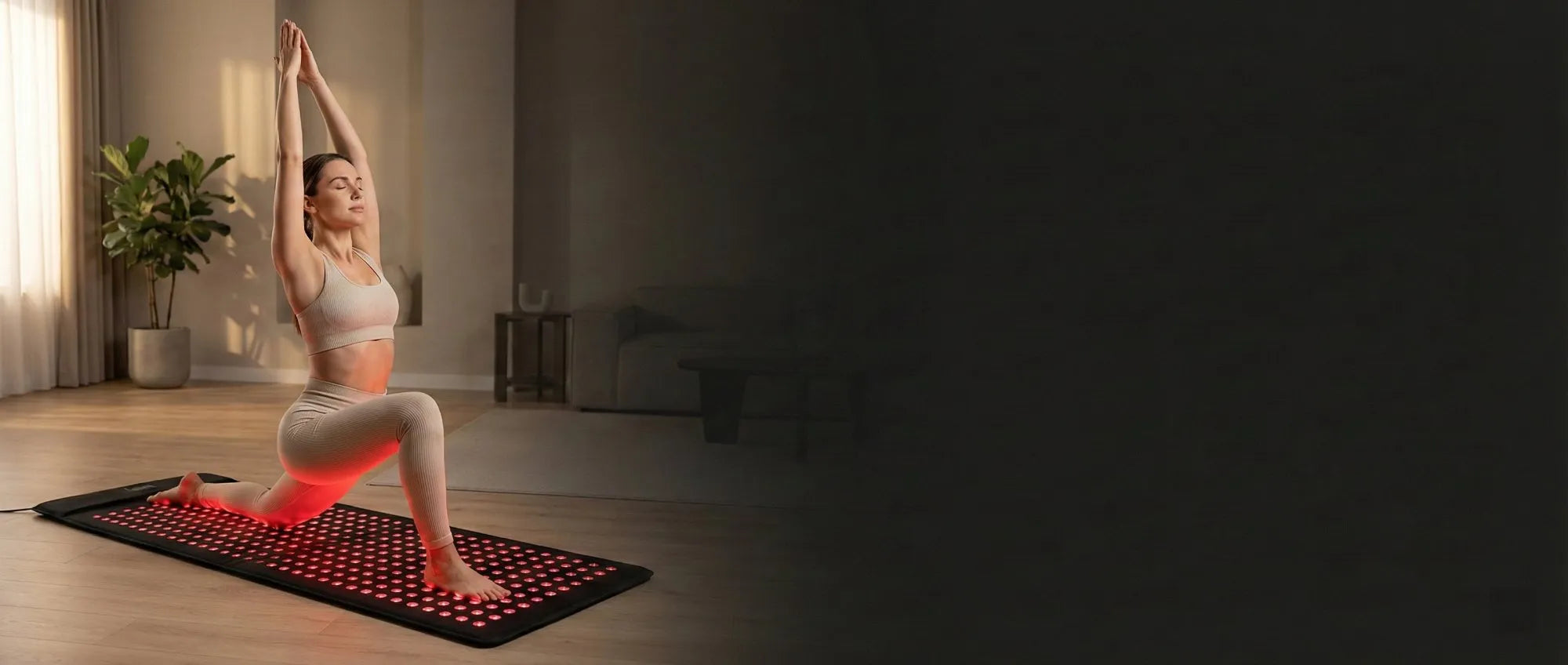
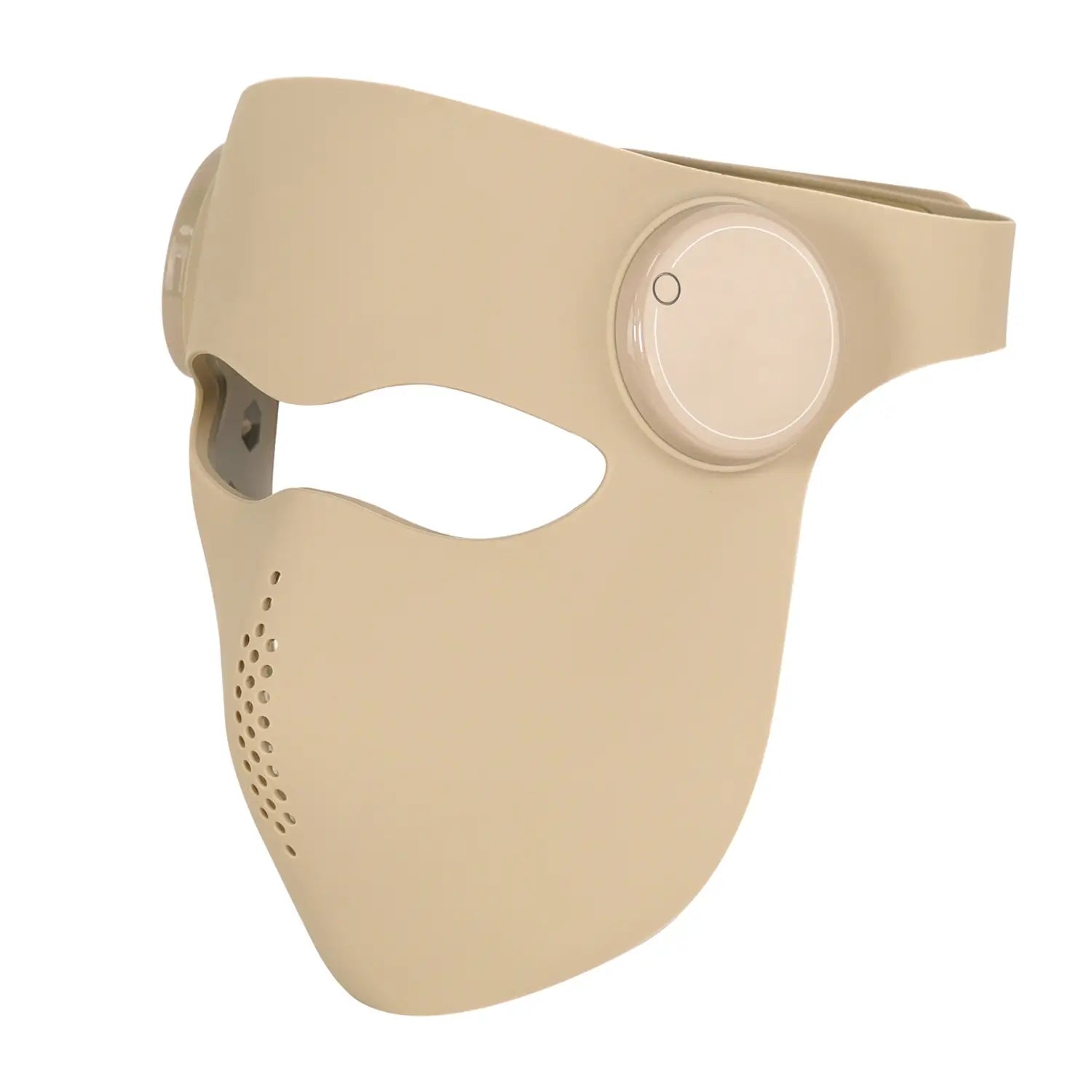
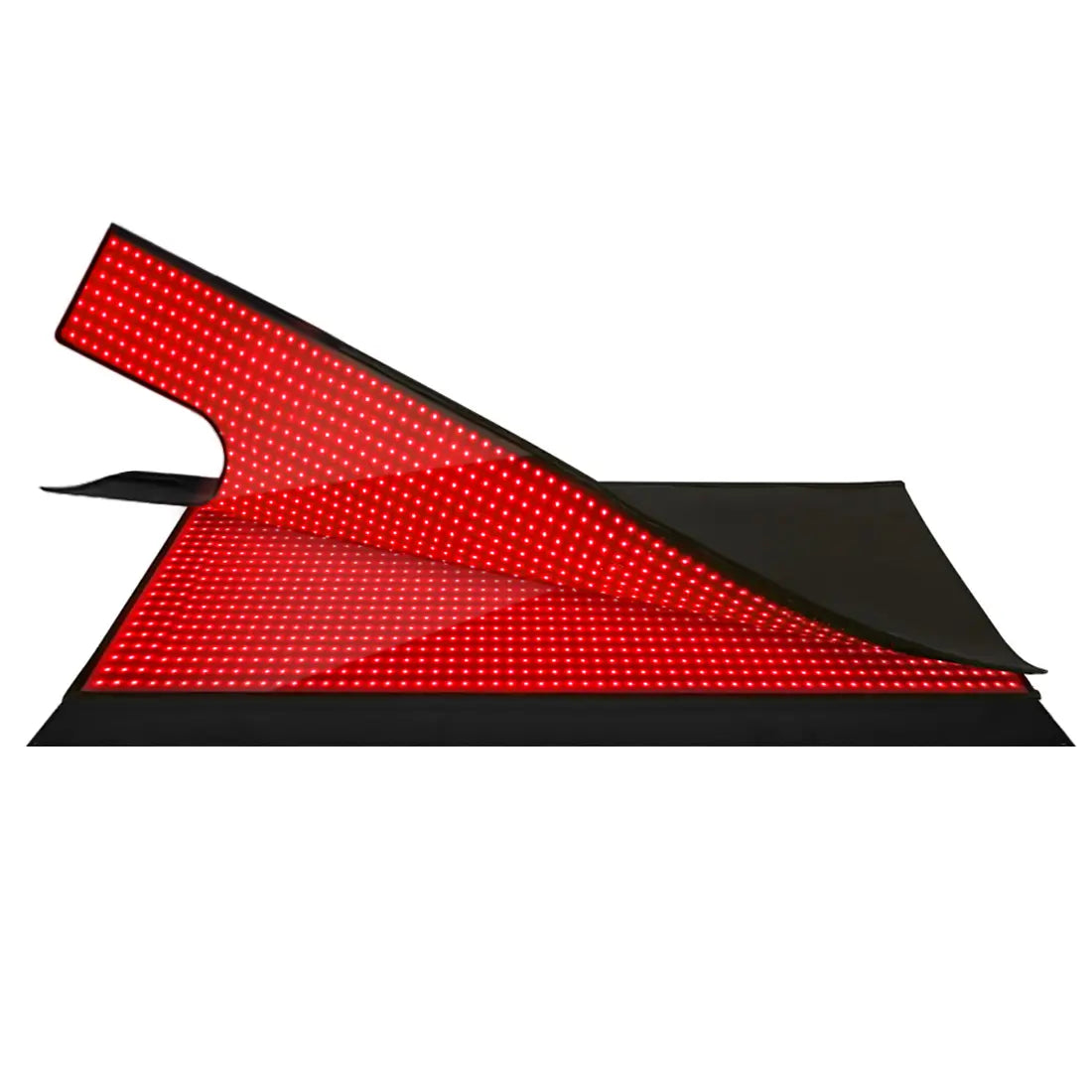
Targeted use on joints or lower back with a flexible belt can address comfort during daily activities. Skin-focused sessions often concentrate on the face, décolletage, or hands where changes in appearance are most noticed.

The chart below illustrates typical session ranges by common wellness goal. These values are heuristic and illustrative only, drawn from general photobiomodulation guidance rather than menopause-specific trials.
Illustrative Red Light Therapy Session Ranges by Goal
Conservative protocol comparison for typical home use; ranges are illustrative and should not be read as medical outcomes.
View chart data
| Category | Session minutes | Sessions per week |
|---|---|---|
| Sleep support | 10.0 | 3.0 |
| Skin comfort | 12.0 | 4.0 |
| Energy support | 20.0 | 5.0 |
Illustrative ranges only, based on typical at-home PBM guidance cited in the article context (about 10-20 minutes per session and 3-5 sessions per week). No clinical efficacy data, outcome claims, or hormone-effect claims are shown.
These numbers represent common starting points only. Adjust based on personal response and device specifications. Overuse does not increase benefits and may lead to diminished returns per the Arndt-Schulz principle referenced in technical photobiomodulation standards.
Addressing Common Claims and Myths
Marketing around red light therapy sometimes suggests it can directly balance hormones or eliminate hot flashes. Such statements exceed available evidence and should be viewed skeptically. A widely circulated but misleading claim is that red light therapy “treats menopause” or restores hormonal equilibrium. In reality, it is more accurately described as a wellness device with uncertain relevance to endocrine function.
Other overstated claims include guaranteed relief from night sweats, mood changes, or joint pain specifically tied to menopause. Conservative framing limits discussion to subjective experiences of relaxation or skin feel. Skin appearance and comfort remain the more defensible areas of conversation compared with hormonal effects.
Do not purchase or rely on a device if its marketing promises to cure symptoms, balance hormones, or replace medical care. Look instead for clear technical specifications on irradiance, wavelength accuracy, and safety certifications. The photobiomodulation standards guide on irradiance and safety offers helpful benchmarks for evaluating devices.
Integrating Red Light Therapy Into Daily Routines
Many women incorporate red light sessions into existing self-care habits. An evening routine might combine 10–12 minutes of facial or chest exposure with calming tea, journaling, or gentle stretching to support relaxation before bed. Morning use could pair with light movement or sunlight exposure to reinforce natural circadian cues.
For skin comfort, shorter targeted sessions on the face or neck several times weekly may complement moisturizing and sun protection routines. Those focused on joint comfort often use a red light therapy belt on the lower back or knees while reading or watching content.
Consistency over intensity tends to matter more. Three to five sessions per week within recommended timeframes usually suffice for those exploring general wellness support. Track your own response in a simple journal—note sleep quality, perceived energy, or skin feel without expecting dramatic medical changes.
This approach aligns with broader women’s wellness principles that prioritize sustainable habits over single interventions. Resources such as the North American Menopause Society provide comprehensive lifestyle recommendations that can be paired with any complementary tool.
Safety Considerations and Best Practices
Home red light therapy devices are generally considered low-risk when used as directed. Still, several precautions apply:
- Protect your eyes with appropriate goggles or by avoiding direct gaze at the lights.
- Maintain the manufacturer-recommended distance to avoid excessive heat or ineffective dosing.
- Do not exceed suggested session lengths or frequencies.
- Consult a healthcare provider before starting if you have photosensitivity, take medications that increase light sensitivity, have active skin conditions, or are undergoing cancer treatment.
- Keep devices away from children and follow all electrical safety guidelines.
This article discusses comfort and setup practices only. It does not constitute medical advice, diagnosis, or treatment. If you experience persistent discomfort, severe symptoms, or existing eye or hormonal conditions, consult qualified healthcare professionals. Individual responses to light therapy vary, and benefits cannot be guaranteed.
Choosing a Device for Wellness Goals
When selecting equipment, prioritize measurable specifications over vague wellness claims. Look for devices that clearly state irradiance in mW/cm² at a specific distance, use tested wavelengths, and meet relevant safety standards. Flexible belts offer convenience for targeted areas, while larger panels allow broader coverage.
Consider your primary goal area and available space. A compact belt may suit joint or abdominal comfort, whereas a full-body panel supports more comprehensive routines. Check for low EMF emissions and flicker-free operation, as discussed in technical standards.
Before buying, review independent testing or third-party verification rather than relying solely on marketing language about hormonal support. This helps separate realistic expectations from overstated promises.
For those interested in targeted comfort applications, explore options like the Red Light Therapy Belt collection that allow flexible placement during daily activities.
Additional helpful reading includes our guide on red light therapy for shift workers and circadian support, which touches on timing and routines that may overlap with menopausal sleep challenges, and the winter wellness benefits of red light therapy for those noticing seasonal effects on energy.
Final Thoughts on Supportive Wellness During Menopause
Red light therapy can be a convenient addition to a thoughtful self-care plan for women in perimenopause or postmenopause. When framed conservatively, it offers a non-invasive way to support relaxation, skin appearance, and general comfort within a broader lifestyle approach.
Focus on high-quality devices, realistic protocols, and personal observation rather than expecting specific hormonal outcomes. Combine it with proven strategies such as regular physical activity, stress reduction, and medical guidance when needed. Outcomes depend heavily on the individual, the device, and consistent use.
As with any wellness tool, results vary and should be evaluated in the context of your overall health plan. Speak with your healthcare provider about the best ways to manage menopausal changes, and use red light therapy as one possible supportive element rather than a standalone solution.
This information aims to help readers make informed decisions about integrating photobiomodulation into their routines while maintaining appropriate boundaries around medical claims.