

Stem cell therapies represent a significant investment for those pursuing advanced regenerative options, yet their success can depend on supporting the body's post-procedure environment. Preclinical research suggests photobiomodulation (PBM) using red and near-infrared light may influence cellular processes like mitochondrial activity and proliferation in stem cell models, offering a potential non-invasive adjunct for recovery when used thoughtfully and under medical guidance.

This article examines the current evidence boundaries around combining red light therapy with stem cell treatments. While promising in lab settings, human clinical data specific to post-procedure use remains limited, making clinician consultation essential before integrating at-home PBM.
Understanding Photobiomodulation in Regenerative Contexts
Photobiomodulation is a noninvasive light-based therapy that uses red and near-infrared wavelengths to influence cellular function. It primarily targets mitochondria, potentially increasing ATP production, modulating reactive oxygen species, and affecting signaling pathways involved in repair and inflammation.
In the context of regenerative medicine, interest centers on how these effects might interact with introduced stem cells or the body's own repair mechanisms. However, it is critical to note that PBM does not replace stem cell procedures and should never be positioned as a substitute.
How PBM May Interact with Stem Cells: Insights from Preclinical Research
Preclinical research suggests photobiomodulation may support mesenchymal stem cell activity and differentiation. In stem-cell models, photobiomodulation has been reported to stimulate mitochondrial function and cell proliferation.
These findings come primarily from in vitro and animal studies, where specific wavelengths (commonly in the 600-850 nm range) appear to enhance viability, migration, or differentiation under controlled conditions. The mechanisms often involve improved energy metabolism and reduced oxidative stress in the cellular environment.
That said, translating these lab observations to real-world patient outcomes after clinical stem cell injections or infusions is not straightforward. Factors such as dosage, timing, cell type, and individual health status introduce substantial variability. Readers should treat these as biological plausibility signals rather than guaranteed enhancers of clinical results.
Safety Considerations and Timing After Stem Cell Procedures
PBM is generally considered safe, but clinicians commonly recommend screening for contraindications and using caution with sensitive exposures. Direct evidence on red light therapy immediately after stem cell injection or stem cell procedures appears limited, so timing should be individualized with the treating clinician.
The immediate post-procedure window (first 24-72 hours) often involves delicate cellular engraftment and signaling. Introducing any external stimulus during this phase carries unknown risks for some procedures, particularly injections into joints or specific tissues. Many regenerative specialists advise waiting until initial inflammation subsides before considering adjunct therapies.
PBM research in regenerative medicine is promising, but protocols and clinical use cases remain heterogeneous and still evolving. Patients should prioritize their physician's protocol over general online advice.
Important Health and Safety Boundary: This article only discusses comfort, setup, and general wellness considerations around photobiomodulation. It does not constitute medical advice, diagnosis, or treatment. Red light therapy is not proven to improve stem cell therapy success rates. If you have undergone or are planning regenerative procedures, or if you experience persistent discomfort, consult qualified medical professionals before using any light therapy device.
Evidence Maturity Across Treatment Phases
To help visualize decision factors, the following chart presents an illustrative heuristic framework based on available evidence types. It does not represent clinical trial measurements or personalized recommendations.
PBM Timing and Caution Framework for Stem Cell Therapies
Heuristic view only: evidence maturity and caution level across treatment phases. Not clinical-trial data.
View chart data
| Category | Evidence Strength | Caution Level |
|---|---|---|
| Pre-treatment | 2 | 2 |
| Immediate post-injection | 1 | 3 |
| Recovery weeks | 2 | 2 |
Illustrative heuristic based on provided context: preclinical support for MSC activity and mitochondrial/proliferation effects; limited direct evidence for immediate post-injection use; PBM generally considered safe but contraindications should be screened; regenerative protocols remain heterogeneous and evolving. Scores are relative (1=low, 2=medium, 3=high), not measured outcomes.
This framework highlights that evidence appears relatively more developed for general cellular effects and later recovery phases, while the immediate post-procedure period carries higher caution due to limited direct data. Always interpret such visuals as discussion tools, not prescriptive guidance.
Practical Considerations for At-Home PBM During Recovery
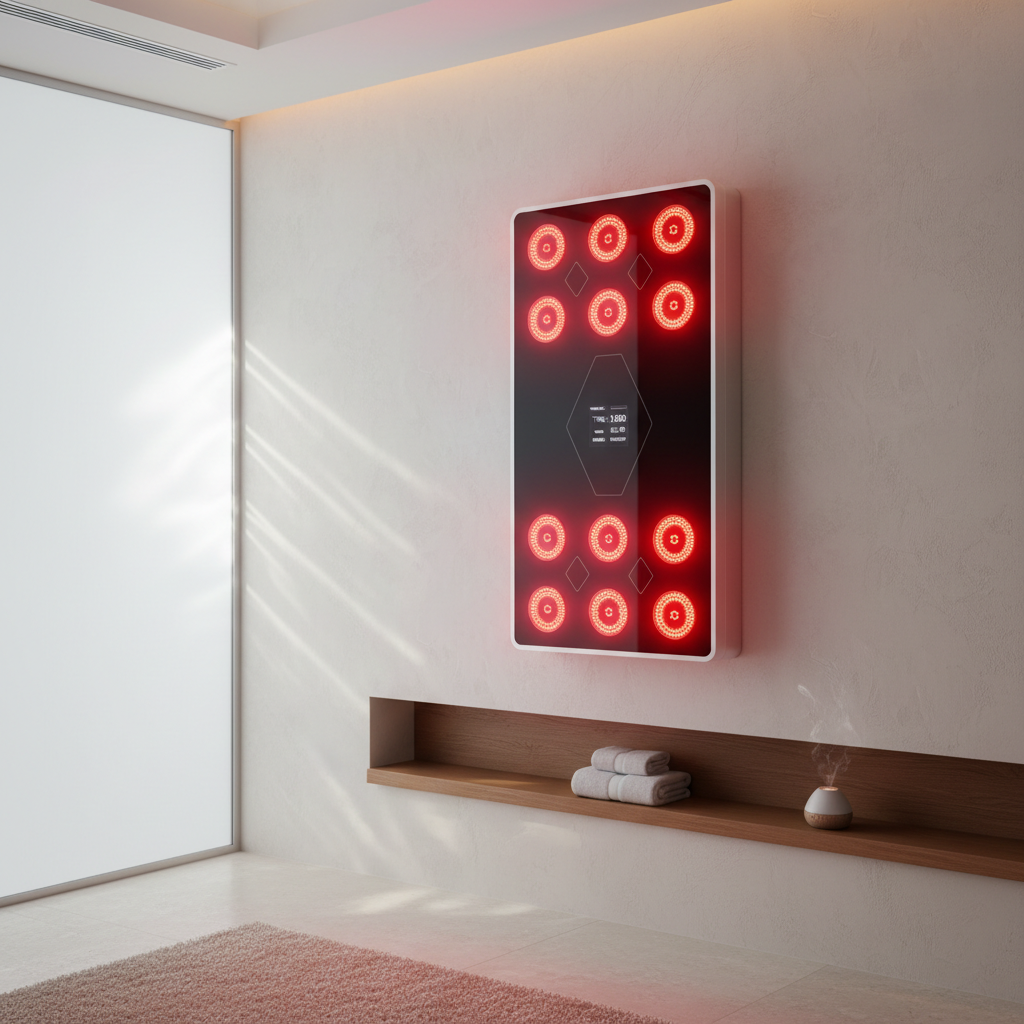
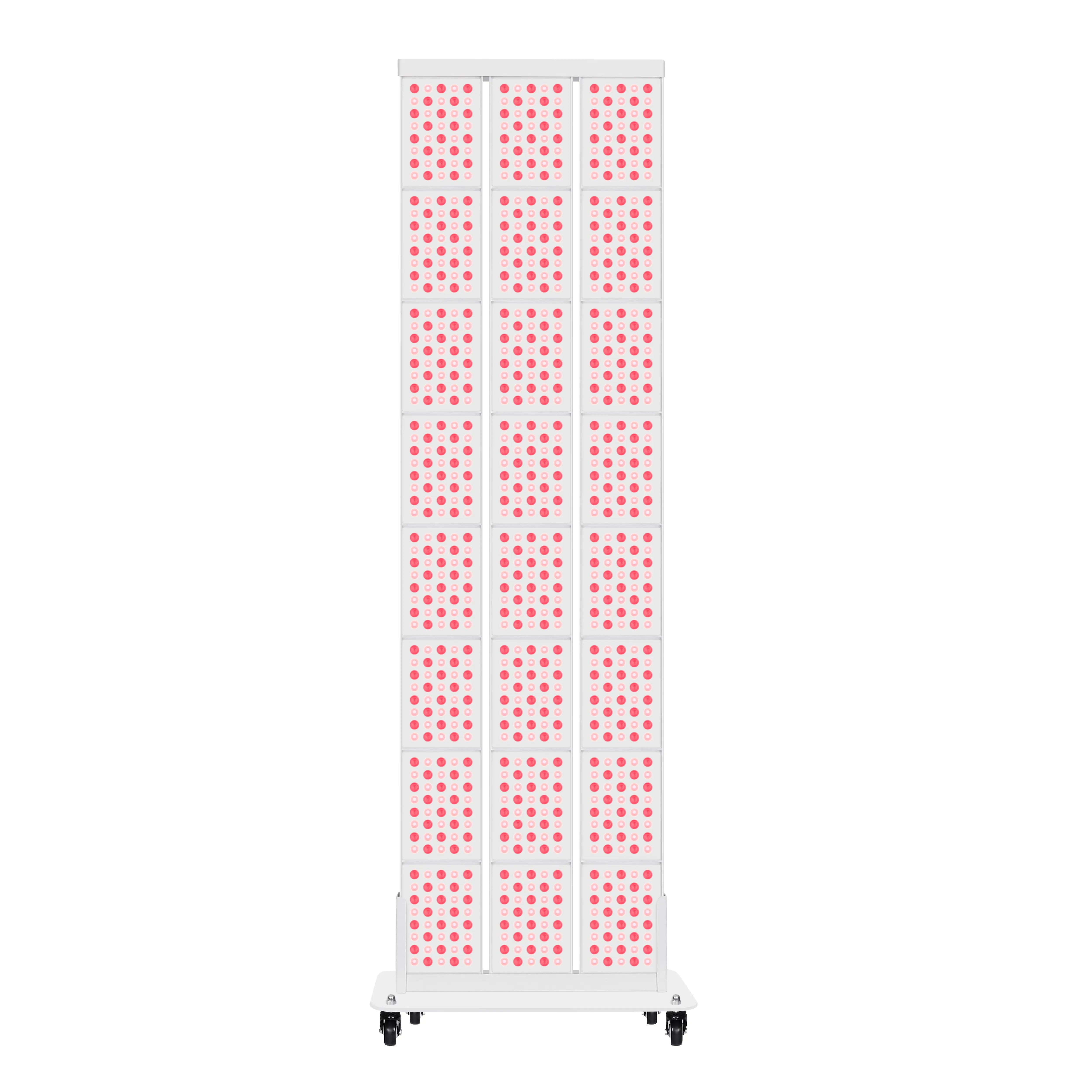
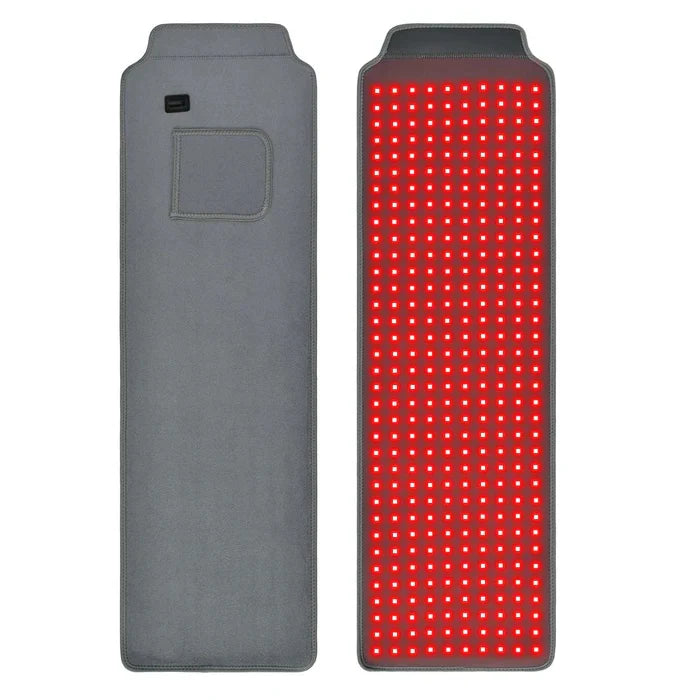
For those cleared by their clinician to explore adjunct PBM, several setup factors matter. Full-body panels or mats delivering both 660nm red and 850nm near-infrared wavelengths are often discussed in wellness communities for systemic support. Consistent, moderate dosing (typically 10-20 minutes per session, 3-5 times weekly) tends to be favored over aggressive daily use in recovery contexts.
Key checkpoints before starting at-home sessions include:
- Confirming with your regenerative medicine provider that no procedure-specific restrictions apply.
- Ensuring the device meets basic technical standards for irradiance and wavelength accuracy (as outlined in photobiomodulation standards resources).
- Starting with shorter sessions at greater distance to assess individual tolerance.
- Monitoring for any unexpected skin reactions or changes in symptoms.
- Maintaining hydration and following overall post-procedure lifestyle recommendations.
These checkpoints help translate abstract concepts into actionable self-assessment steps. They do not guarantee outcomes but support informed, cautious use.

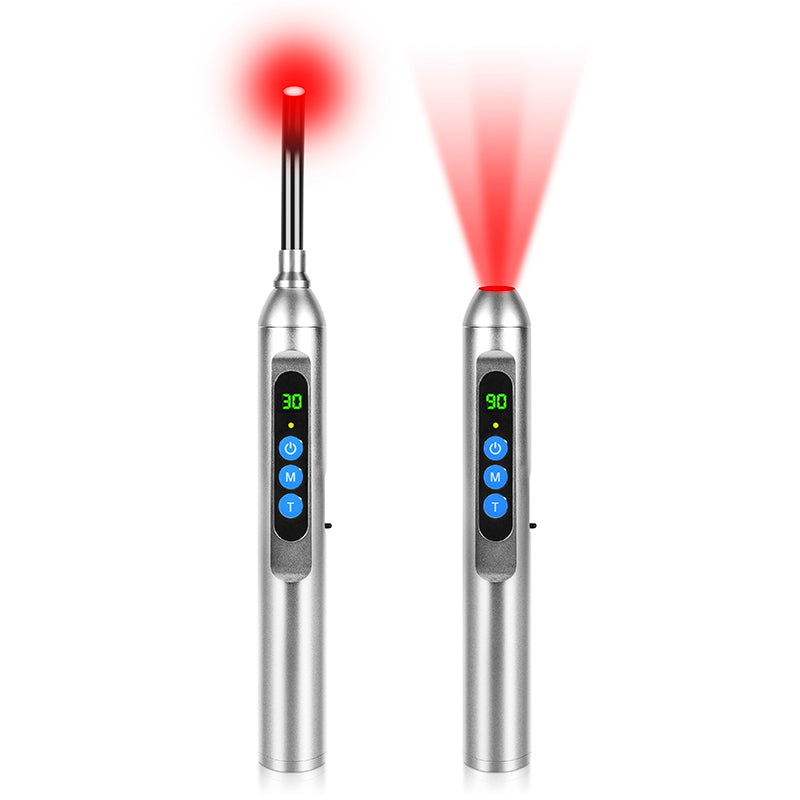
When selecting equipment, clinical-grade full-body systems designed for consistent irradiance across larger areas may align better with systemic recovery goals compared to smaller targeted devices. However, device choice should follow professional advice rather than marketing claims.
Common Myths and Evidence Boundaries
Several overstated ideas circulate online regarding red light therapy and stem cells. One myth is that PBM dramatically “boosts” stem cell success rates in humans; current evidence is limited to preclinical models and does not support such broad claims. Another misconception suggests immediate post-injection PBM is universally beneficial or risk-free; in reality, direct evidence is limited and timing requires individualized medical input.
A third area of confusion involves assuming all red light devices deliver equivalent biological effects. Wavelength precision, irradiance at the skin surface, and treatment area coverage vary significantly between consumer products, directly affecting potential outcomes. Readers should prioritize evidence-based parameters over anecdotal reports.
Who Might Benefit Most and When to Exercise Extra Caution
High-value regenerative medicine patients who view stem cell therapy as a major investment often seek every reasonable support for recovery consistency. In later recovery weeks, once acute healing phases have passed and with clinician approval, some incorporate daily or every-other-day full-body PBM sessions into their routines to support overall wellness and tissue repair signaling.
Conversely, individuals in the earliest post-procedure days, those with specific contraindications (such as active cancers in the treatment area, photosensitivity conditions, or certain medications), or anyone without medical clearance should not begin PBM independently. Orthopedic versus systemic IV stem cell approaches may also differ in compatibility considerations.
Integrating PBM Thoughtfully into Your Regenerative Journey
Maximizing outcomes from stem cell treatments ultimately depends on the entire care ecosystem: proper procedure execution, personalized aftercare, nutrition, movement, and stress management. Red light therapy may serve as one supportive element within that system for some individuals, but it is not a magic multiplier.
Before purchasing equipment or beginning protocols, schedule a discussion with the physician who performed or is overseeing your regenerative treatment. They can provide procedure-specific timing guidance that generic articles cannot. This collaborative approach protects your investment and reduces the risk of unintended interference.
As research continues to evolve, staying informed through reputable scientific sources remains important. For those interested in technical device standards that support safe home use, exploring photobiomodulation standards on irradiance, EMF, and safety can provide additional context for evaluating equipment.
In summary, while preclinical data offers intriguing hints about PBM's interaction with stem cell biology, practical application after clinical regenerative procedures demands caution, personalization, and professional oversight. Approach the combination as a potential wellness adjunct rather than a proven outcome enhancer, and prioritize evidence-based decision making throughout your recovery process.