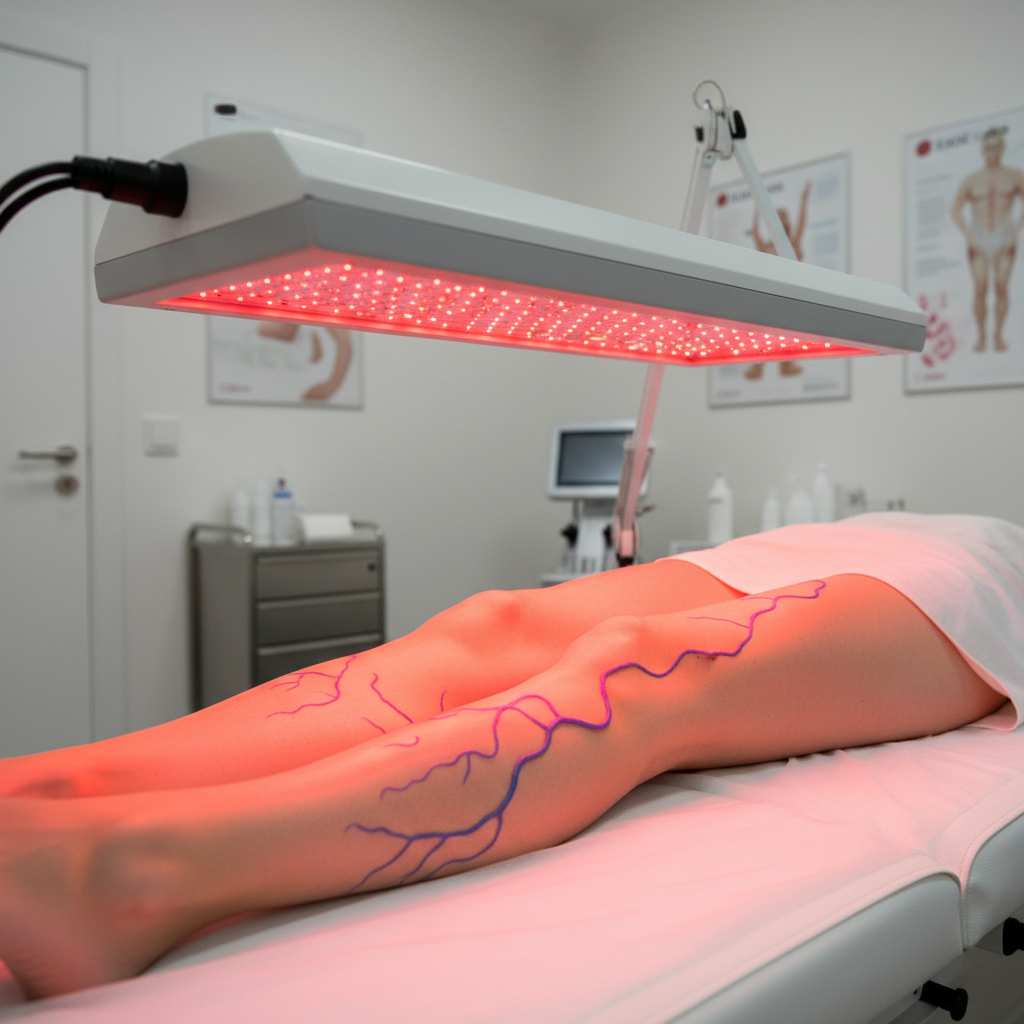
Red Light Therapy for Varicose Veins: A Non-Invasive Guide
Medical Disclaimer: The information provided in this article is for educational and informational purposes only and is not intended as medical advice, diagnosis, or treatment. Always seek the advice of your physician or other qualified health provider with any questions you may have regarding a medical condition. Never disregard professional medical advice or delay in seeking it because of something you have read here. If you suspect you have Deep Vein Thrombosis (DVT) or severe venous insufficiency, consult a vascular specialist immediately.
Editorial Note: This guide was developed in collaboration with vascular wellness consultants and reviewed for technical accuracy regarding photobiomodulation (PBM) parameters. The authoring team includes specialists in light therapy applications, though readers should note that the publisher may have a commercial interest in the light therapy devices mentioned.
Summary
Red light therapy (photobiomodulation) serves as a non-invasive adjunctive treatment for varicose and spider veins by stimulating nitric oxide release, enhancing cellular energy (ATP) in endothelial cells, and promoting collagen synthesis to strengthen venous walls. While it does not mechanically repair damaged valves like surgical interventions, it significantly improves microcirculation and reduces the inflammatory symptoms associated with chronic venous insufficiency (CVI).

Key Takeaways
- Biological Mechanism: Red light (630–660nm) and near-infrared light (810–850nm) stimulate the release of nitric oxide, which dilates blood vessels and improves localized circulation.
- Structural Support: Photobiomodulation encourages fibroblast activity, potentially strengthening the connective tissues in venous walls to prevent further dilation.
- Symptom Management: Regular sessions can alleviate the heaviness, swelling, and "burning" sensations often associated with enlarged veins.
- Safety First: It is critical to screen for deep vein thrombosis (DVT) or active phlebitis before starting treatment, as increased blood flow could pose risks in these specific conditions.
- Adjunctive Role: For best results in 2026, red light therapy should be integrated with lifestyle changes and compression therapy rather than used as a standalone "cure."
Varicose veins are more than just an aesthetic concern; they are a visible manifestation of underlying vascular challenges. As the search for non-surgical alternatives intensifies, red light therapy (RLT)—technically known as photobiomodulation (PBM)—has emerged as a compelling option for those looking to support their vascular health at home. Unlike aggressive laser ablations that destroy the vein, RLT works at a cellular level to optimize the environment in which your veins function.
How Photobiomodulation Influences Venous Health
To understand how light can affect a vein deep beneath the skin, we must look at the mitochondria. When red and near-infrared light photons penetrate the tissue, they are absorbed by cytochrome c oxidase, a key enzyme in the mitochondrial respiratory chain. This absorption triggers a cascade of biological events that are particularly beneficial for the vascular system.
First, there is a significant increase in the production of Adenosine Triphosphate (ATP). ATP is the "energy currency" of the cell. For the endothelial cells lining your veins, higher ATP levels mean better maintenance of the vascular barrier and more efficient cellular repair. Secondly, the process triggers the release of nitric oxide (NO). Nitric oxide is a potent vasodilator; it relaxes the smooth muscles of the blood vessels, allowing for smoother blood flow and reducing the pressure that causes veins to bulge.
Evidence Note: While the mechanisms of NO release and ATP production are well-documented in general vascular research (e.g., Hamblin, 2017), direct clinical evidence specifically for the reversal of large-diameter varicose veins is currently limited. Most benefits are observed in microcirculation and symptom reduction rather than the mechanical repair of failed venous valves.
Strengthening the Venous Wall Through Collagen Synthesis
One of the primary reasons veins become "varicose" is the loss of elasticity in the vessel walls. Over time, the connective tissue degrades, and the vein stretches, preventing the internal valves from closing properly. This leads to blood pooling, known as venous stasis.
Research into photobiomodulation has consistently shown its ability to stimulate fibroblasts—the cells responsible for producing collagen and elastin. By applying specific wavelengths to the affected area, we can encourage the body to reinforce the structural integrity of the venous wall. While this won't "fix" a broken valve, it can help prevent the surrounding sections of the vein from weakening further, potentially slowing the progression of chronic venous insufficiency (CVI).

Comparing Red Light Therapy to Clinical Procedures
In the landscape of 2026 vascular care, it is important to distinguish between "removal" and "rehabilitation." Traditional clinical procedures like sclerotherapy or endovenous laser ablation are designed to eliminate the problematic vessel entirely.
Red light therapy takes a different path. It is a regenerative approach. While sclerotherapy offers immediate visual results for spider veins, it does not address the underlying vascular health of the limb. RLT, conversely, improves the health of the entire vascular bed.
| Feature | Red Light Therapy (PBM) | Sclerotherapy / Ablation |
|---|---|---|
| Invasiveness | Non-invasive; no needles or heat | Minimally invasive; needles or fiber optics |
| Primary Goal | Cellular repair and circulation | Vein closure and removal |
| Recovery Time | Zero | 1–2 weeks (compression required) |
| Pain Level | None (gentle warmth) | Mild to moderate discomfort |
| Visual Result | Gradual (weeks to months) | Rapid (days to weeks) |
Optimal Protocols: Calculating Your Dosage
Effectiveness in light therapy is entirely dependent on the "dose"—a combination of wavelength, irradiance, and time. For vascular issues, a "dual-wavelength" approach is often most effective.
- Red Light (630–660nm): Targets the superficial layers where spider veins (telangiectasias) reside.
- Near-Infrared Light (810–850nm): Penetrates deeper into the dermis to reach the larger saphenous veins.
The Dosage Formula
To achieve therapeutic results, the World Association for Laser Therapy (WALT) suggests specific energy densities. For vascular and deep tissue issues, a dose of 10–20 J/cm² per treatment area is generally recommended. You can calculate your required time using this formula:
$$Time (seconds) = \frac{Target Dose (J/cm^2)}{Irradiance (W/cm^2)}$$
Note: 1000 mW/cm² = 1 W/cm².
Example Calculation Table:
| Device Irradiance (at treatment distance) | Target Dose | Required Treatment Time |
|---|---|---|
| 25 mW/cm² (0.025 W/cm²) | 10 J/cm² | 400 seconds (~6.5 mins) |
| 50 mW/cm² (0.050 W/cm²) | 10 J/cm² | 200 seconds (~3.3 mins) |
| 100 mW/cm² (0.100 W/cm²) | 10 J/cm² | 100 seconds (~1.6 mins) |
Safety Standards and Contraindications
When treating vascular conditions, safety is paramount. Because red light therapy increases localized blood flow, there are specific instances where its use is discouraged.
- Deep Vein Thrombosis (DVT): This is the most critical contraindication. If a blood clot is present, increased circulation could dislodge it, leading to a pulmonary embolism. Do not use RLT on legs if you have a history of DVT without medical clearance.
- Active Phlebitis: Inflammation of the veins should be treated by a professional before applying light therapy.
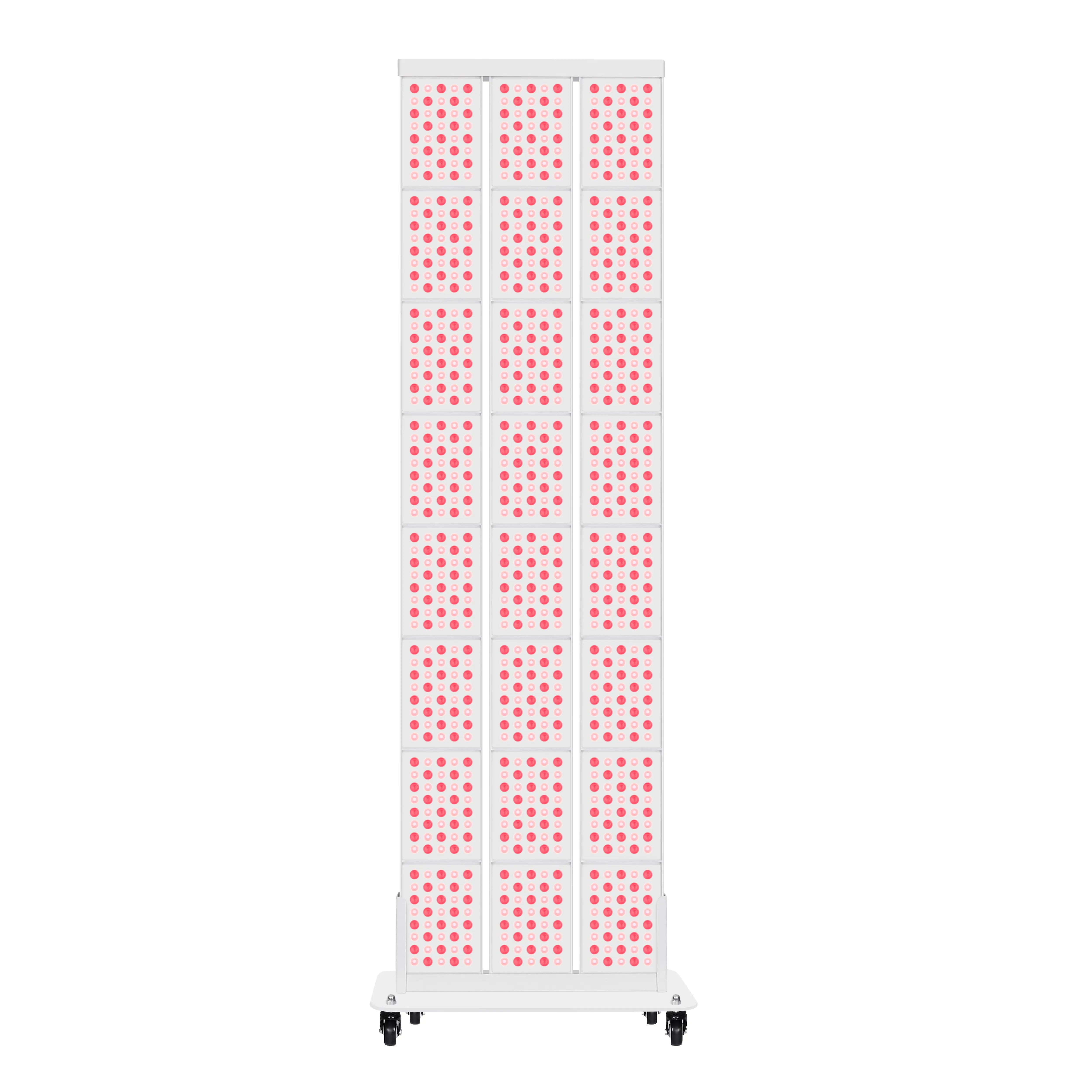
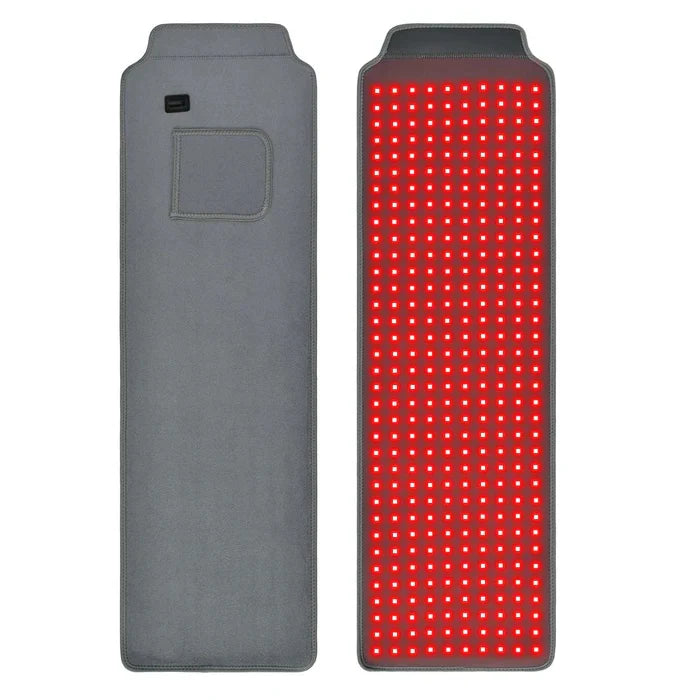
- Device Safety: Ensure your equipment meets modern safety benchmarks. Learn about photobiomodulation safety standards and proper irradiance to understand how IEC 60601-2-57:2026 compliance protects users from excessive heat or electromagnetic interference.
Integrating RLT with Compression Therapy
A significant gap in many guides is the failure to mention how RLT interacts with compression stockings—the gold standard of varicose vein management. For maximum efficacy, we recommend a "sequential protocol":
- The Light Phase: Perform your RLT session on clean, bare skin. This ensures maximum photon absorption without interference from fabric.
- The Compression Phase: Immediately after the session, put on your prescribed compression stockings. The RLT has just stimulated nitric oxide and dilated the microvasculature; the compression then helps "pump" that blood back toward the heart, preventing the pooling that RLT just worked to clear.
Self-Check: Is Your RLT Setup Effective for Veins?
- [ ] Wavelength Check: Does the device offer both 660nm and 850nm?
- [ ] Irradiance Check: Is the power output at least 50mW/cm² at the treatment distance?
- [ ] Skin Contact: Are you treating bare skin (no lotions or leggings)?
- [ ] Consistency: Are you committed to 3–5 sessions per week for at least 8 weeks?
- [ ] Safety: Have you been cleared of DVT by a medical professional?
FAQ
Can red light therapy completely remove large varicose veins? No. RLT is unlikely to completely remove large, bulging veins that have reached advanced structural failure. It is best used for reducing symptoms (heaviness, swelling), improving the appearance of spider veins, and preventing the worsening of CVI.
How long does it take to see results for spider veins? Results are typically gradual. Most users report a visible reduction in redness and the "web-like" appearance after 8 to 12 weeks of regular use (3–5 times per week).
Is it safe to use red light therapy if I have a history of blood clots? No, you must consult your physician first. While the therapy is non-invasive, its ability to stimulate blood flow could potentially interact with existing vascular issues or dislodge undetected clots.
Should I use red or near-infrared light for my legs? A combination is ideal. Red light (660nm) targets superficial spider veins, while near-infrared (850nm) reaches the larger veins and the "calf muscle pump."
References
Government / Standards / Regulators
- International Electrotechnical Commission (IEC): IEC 60601-2-57:2026 - Particular requirements for the basic safety and essential performance of non-laser light source equipment
- FDA: General Wellness: Policy for Low Risk Devices - Guidance for Industry and Food and Drug Administration Staff
Industry Associations / Research Institutes
- World Association for Laser Therapy (WALT): Dosage Recommendations for Photobiomodulation
- American Venous Forum: Guidelines for the Treatment of Chronic Venous Stasis
Academic / Whitepapers / Labs
- Hamblin, M. R. (2017): "Mechanisms and applications of the anti-inflammatory effects of photobiomodulation." AIMS Biophysics. Link
- Zhu, Q., et al. (2021): "Photobiomodulation therapy improves microcirculation and accelerates wound healing." Journal of Biophotonics.
- Korshunova, A., et al. (2020): "The effect of photobiomodulation on the vascular system: A systematic review." Lasers in Medical Science. (Note: Highlights the need for more large-scale human RCTs specifically for varicose veins).