
Getting meaningful results from red light therapy depends less on owning the latest device and more on using a protocol that matches your specific goal, device output, and daily routine. The right combination of session length, frequency, timing, and distance can help you avoid wasting time on sessions that deliver too little energy or pushing so hard that benefits plateau due to the biphasic dose response.

Most users benefit from starting with conservative parameters and adjusting based on how their body responds rather than copying a generic 20-minute daily routine. This guide translates common questions about red light therapy timing and dosage into practical decision rules you can apply at home.
Understanding Red Light Therapy Dosage
Red light therapy, also known as photobiomodulation, uses specific wavelengths of red and near-infrared light to influence cellular processes in skin and deeper tissues. However, the delivered dose is not simply the number of minutes you spend in front of the device. Your effective dose depends on power output, distance from the device, wavelength, and how large an area you treat.
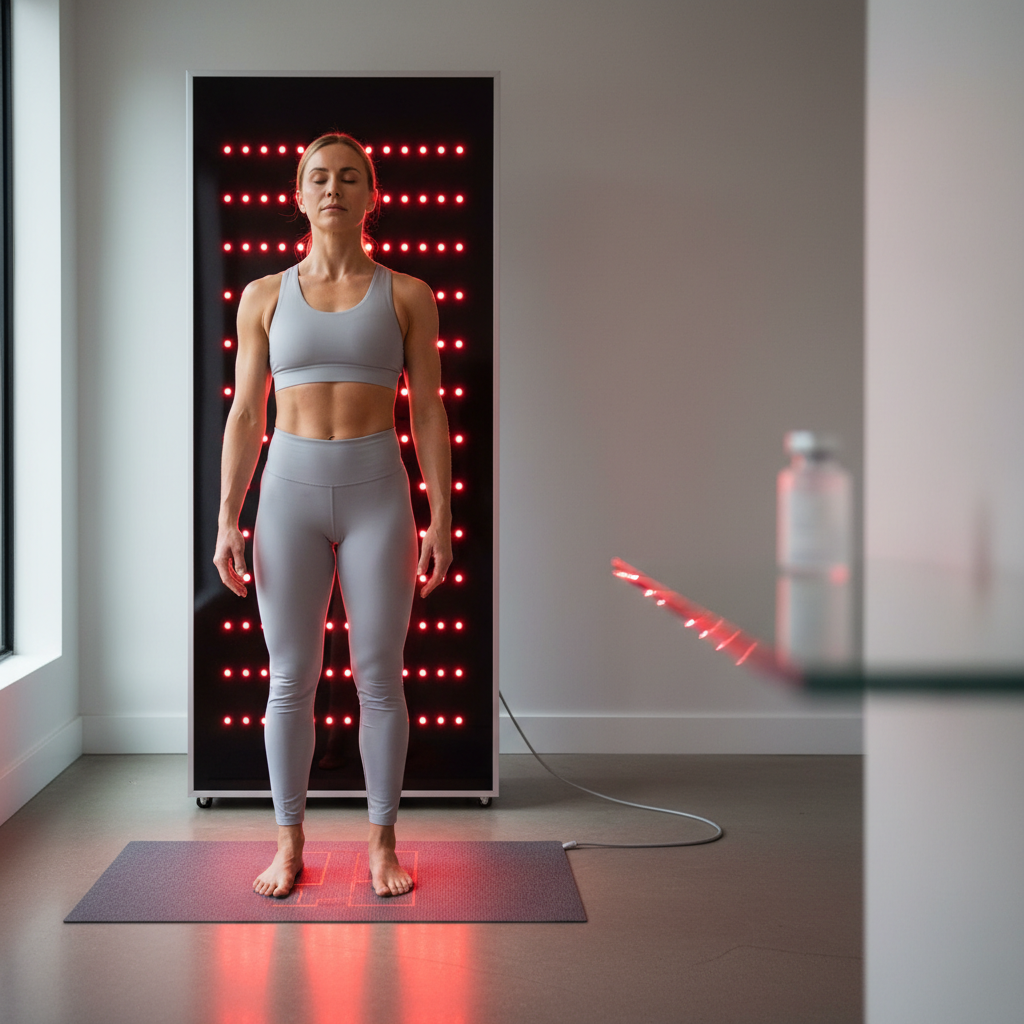
A higher-output device or a shorter treatment distance can deliver a much higher dose in the same amount of time. This means the same panel used at 6 inches versus 12 inches can feel dramatically different in both warmth and potential effect. Always measure or estimate distance consistently rather than guessing.
Photobiomodulation often follows a biphasic dose response, meaning more light is not always better. Too little may produce no noticeable change, while too much can reduce benefits or lead to temporary irritation. This principle makes personalized adjustment more important than chasing maximum exposure.

How Long Should a Red Light Therapy Session Last?
Session length should be calibrated to your device’s irradiance at the skin and your goal. There is no single universal protocol; session length and frequency should be adjusted to the goal and device output.
For skin health, many users start with shorter targeted sessions of 5–10 minutes per area at the manufacturer-recommended distance. Skin results usually come from repeated sessions over time, not a single treatment.
Muscle recovery protocols often use slightly longer whole-body or large-area exposure, commonly 10–15 minutes after workouts. For recovery, red light therapy is usually used consistently around training rather than as a one-time fix.
Sleep-support routines tend to favor lower doses with emphasis on timing. Sessions of 10–15 minutes earlier in the evening are common when the goal is relaxation rather than deep tissue stimulation.
If your device feels warm or the session seems irritating, reduce time or increase distance before assuming longer is better. A practical rule is to stay within ranges that feel comfortable and sustainable rather than pushing for intensity.
How Often to Use Red Light Therapy
Frequency recommendations vary by goal and individual response. Most evidence-based approaches suggest 3–5 sessions per week for skin and recovery, with some users adding more frequent lower-dose sessions for sleep support if the routine fits their schedule.
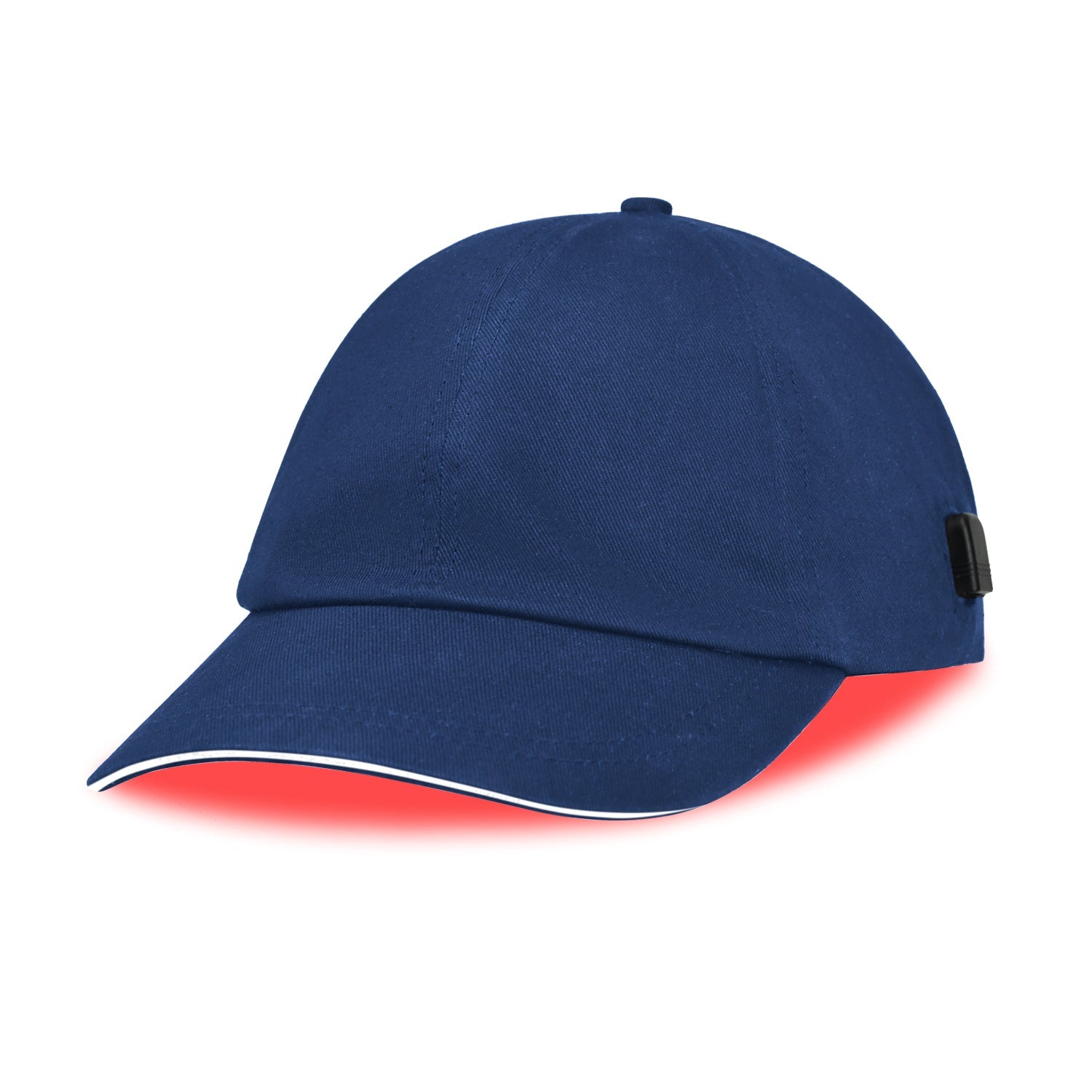
Consistency over weeks matters more than perfect daily use. If you cannot maintain a regular schedule, the overall value of the protocol drops quickly. The red light therapy cap frequency guidance of 3–4 times weekly for hair growth illustrates a similar pattern of balancing use with rest days to avoid diminishing returns.
Watch for signs that frequency may be too high: temporary skin irritation, eye discomfort when protection is not used, or a plateau where sessions no longer seem to help. If sessions feel irritating or seem to stop helping, the protocol may be too intense, too frequent, or poorly matched to the device.
Best Time of Day for Red Light Therapy
Timing may differ by goal: many people use it in the morning or daytime for alertness-oriented routines, and in the evening for wind-down routines.
Morning sessions can support circadian alignment and daytime energy for some users. Daytime use around workouts fits well with recovery goals. Evening sessions, typically 1–2 hours before bed, are often chosen when the aim is relaxation or sleep support.
There is no universal “best” hour that works for every outcome. Align timing with your primary goal and test for a couple of weeks while keeping other variables like distance and session length consistent. This approach helps you discover whether morning, midday, or pre-bed use feels most useful for you.
Goal-Specific Protocols
Skin Health
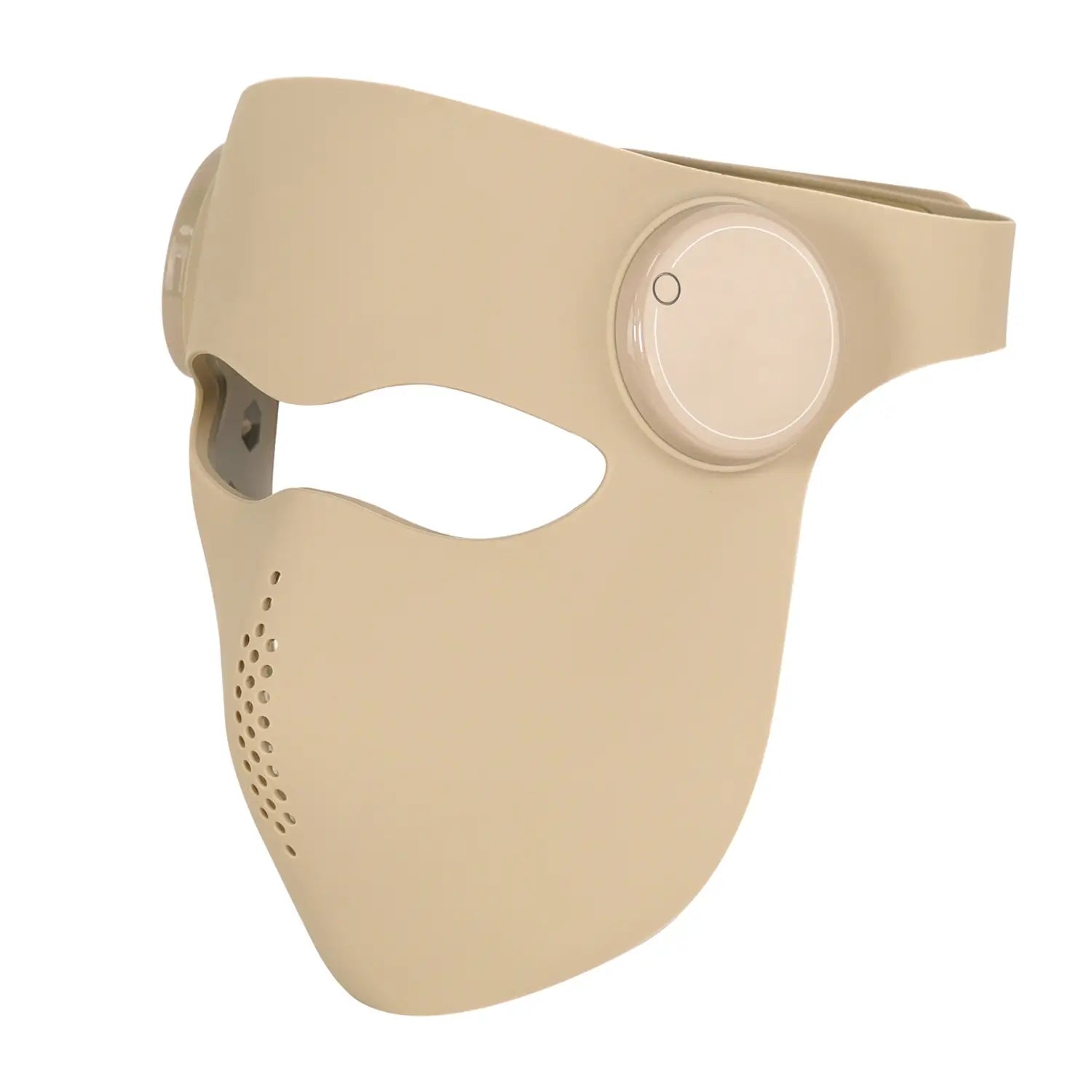
Target facial or body skin with moderate sessions at a comfortable distance. Typical starting point: 5–10 minutes per area, 3–4 times per week. Results develop gradually over 4–8 weeks of consistent use. Combine with your normal skincare routine but avoid applying products that could block light penetration.
Muscle Recovery and Pain Relief
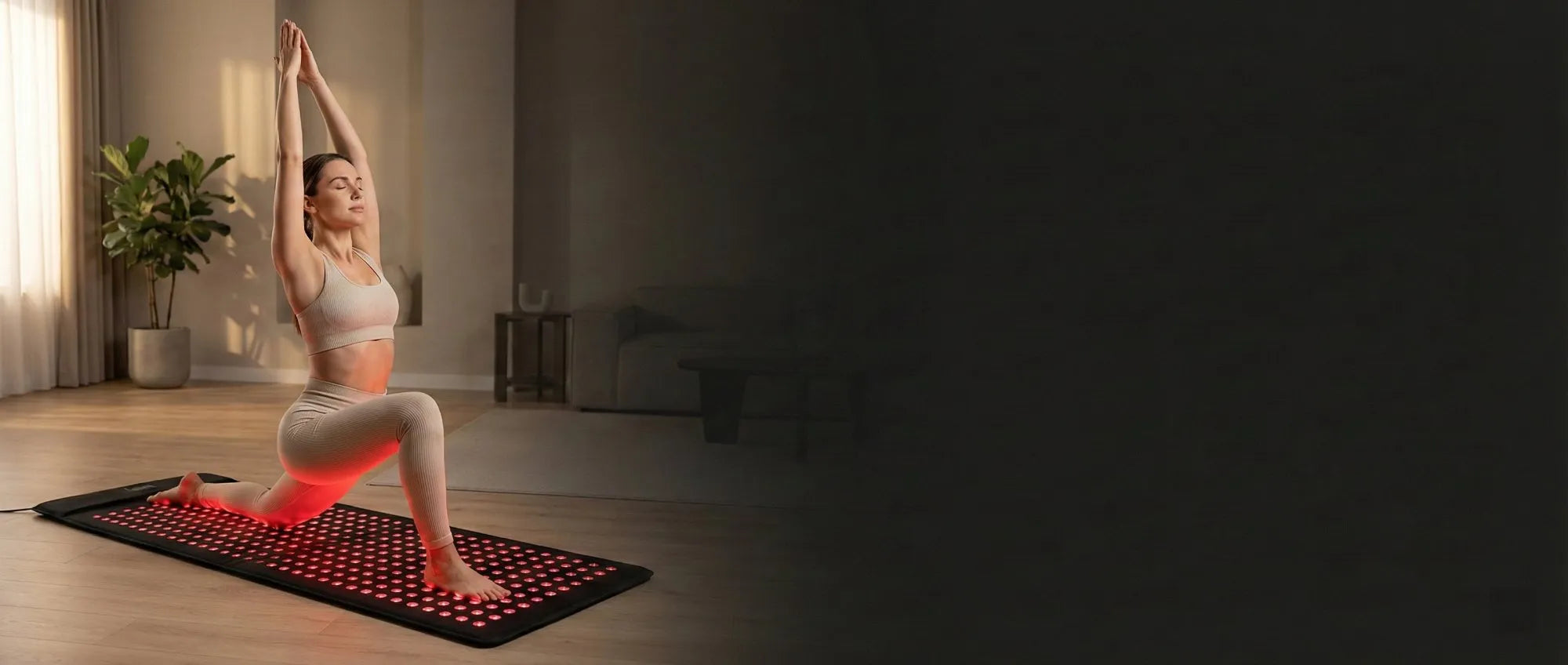
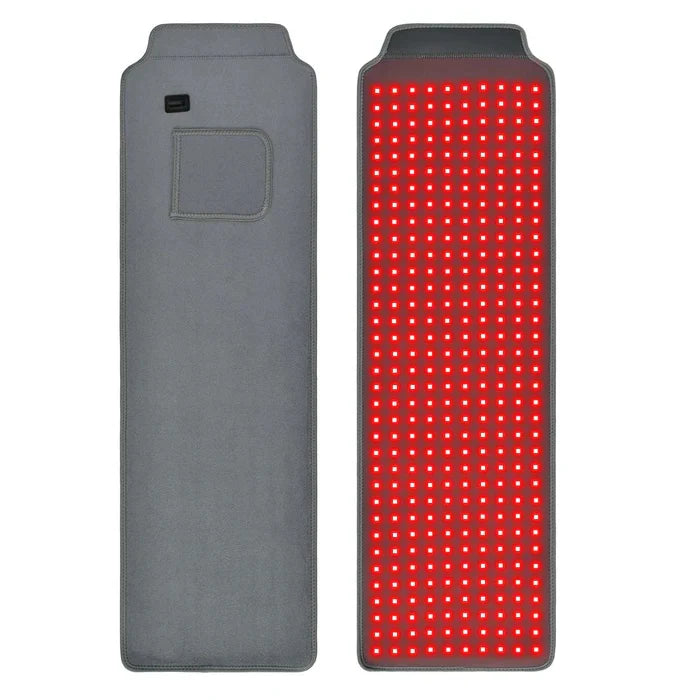
Use larger panels or belts to cover the affected area shortly after exercise. Common approach: 10–15 minutes at recommended distance, 3–5 times weekly around training days. Red Light Therapy Belt products are often chosen for targeted lower-back or joint recovery because they allow consistent positioning.
Sleep Support
Focus on earlier evening timing with moderate or lower intensity. Sessions of 10 minutes can be part of a wind-down routine without overstimulating. Consistency and proper timing appear more important than maximizing dose for this goal.
Can You Overdo Red Light Therapy?
Yes, it is possible to use red light therapy in ways that reduce effectiveness or cause mild side effects. The biphasic dose response explains why escalating session length or frequency indefinitely often leads to diminishing returns rather than faster results.
Common signs that a protocol may need adjustment include persistent warmth or redness beyond a few minutes after treatment, eye strain (always use proper eye protection), or a sense that benefits have stalled despite regular use. In these cases, reduce frequency or increase distance for a week and observe changes.
People with light sensitivity, certain skin conditions, or who are pregnant should review device guidelines or consult a healthcare professional before starting. Articles such as Red Light Therapy on Face: Who Should Avoid It? provide additional screening considerations.
How Device Factors Change Your Protocol
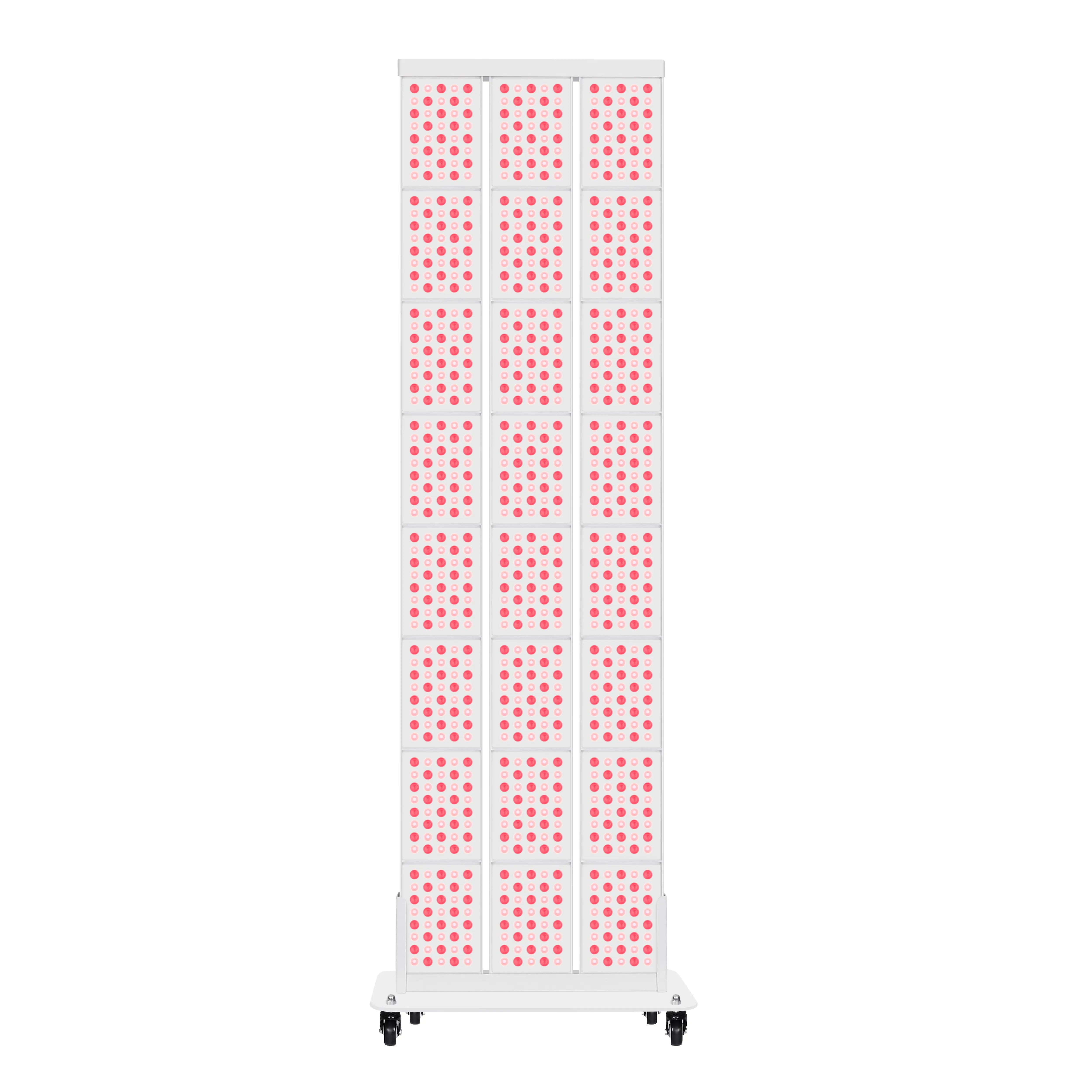
Device irradiance and your treatment distance are the biggest practical variables. A more powerful panel used close to the skin delivers energy faster, so the same 10-minute session may cross into higher dose territory compared with a lower-output device used farther away.
Always follow your specific device’s distance recommendations. If you change distance, adjust time proportionally to keep the approximate dose in the desired range. What Does a Red Light Therapy Panel Do? explains how different panel designs influence practical use.
Light penetration is also affected by clothing. Most protocols recommend bare skin for best results, as even thin fabrics can reduce delivered energy. The article Does Red Light Therapy Work Through Clothes? reviews fabric impact in detail.
Quick Decision Checklist Before You Start
- Measure and note your consistent treatment distance
- Choose one primary goal to guide initial timing and dosing
- Begin with shorter sessions within the heuristic ranges above
- Track how you feel after 2–3 weeks of consistent use
- Adjust only one variable (time, frequency, or distance) at a time
- Use eye protection whenever the device is near the face or eyes
- Stop and consult a professional if you experience persistent discomfort
This checklist helps new users avoid the most common protocol mistakes before they become habits.
Visual Guide to Heuristic Protocol Ranges
Heuristic Red Light Therapy Protocol Ranges by Goal
Goal-specific red light therapy ranges shown as heuristic guidance only.
View chart data
| Category | Session duration (min) | Weekly frequency (sessions) | Timing preference |
|---|---|---|---|
| Skin health | 5.0 | 3.0 | 1.0 |
| Muscle recovery | 10.0 | 4.0 | 1.0 |
| Sleep support | 10.0 | 7.0 | 2.0 |
Heuristic, illustrative ranges derived from threshold-oriented viewpoint modules and common photobiomodulation decision logic. Values are relative placeholders to help readers judge whether a protocol is broadly plausible; they are not official dosage prescriptions or clinical measurements. Timing codes: 1 = morning-neutral, 2 = flexible daytime, 3 = evening-leaning.
The chart above presents illustrative ranges only. Exact needs still depend on your device’s irradiance at skin level, personal tolerance, and how your body responds. Use it as a starting reference rather than a rigid prescription.
Final Thoughts on Building Your Protocol
The most effective red light therapy routine is the one you can follow consistently with proper distance, reasonable session times, and timing that aligns with your main goal. Start conservatively, track your experience, and adjust gradually. This measured approach minimizes wasted time and helps set realistic expectations.
This article discusses comfort and setup guidance based on common user experiences and technical principles. It does not constitute medical advice, diagnosis, or treatment. If you have existing eye conditions, skin sensitivities, or persistent discomfort, consult qualified healthcare professionals before beginning any light therapy routine.
For more on specific applications, explore our guide to Youthful Neck Secrets: How Do You Get Rid of Neck Wrinkles? or learn about pulsing options in What Does 10Hz vs 40 Hz Do and What Is Breathing Mode?.