
Designing a professional-grade whole-body red light therapy setup at home can help serious wellness enthusiasts create a consistent recovery routine that fits their space and lifestyle. The key is evaluating your available room, daily habits, and budget before choosing between wall-mounted panels, modular systems, or full-body mats, as the most expensive option is not always the most practical one for long-term use.

Whole-body red light therapy involves exposing large areas of the body to specific wavelengths of red and near-infrared light, typically in the 660nm and 850nm range. Many users incorporate these sessions to support recovery and performance goals alongside exercise, sleep optimization, and other wellness practices. However, building a dedicated home setup requires careful planning to avoid setups that look impressive but end up underused due to space constraints or daily friction.
Understanding Your Options for Whole-Body Coverage
Three main categories dominate professional home setups in 2026: wall-mounted panels, modular panel systems, and full-body mats. Each offers different strengths depending on how you plan to use the equipment.
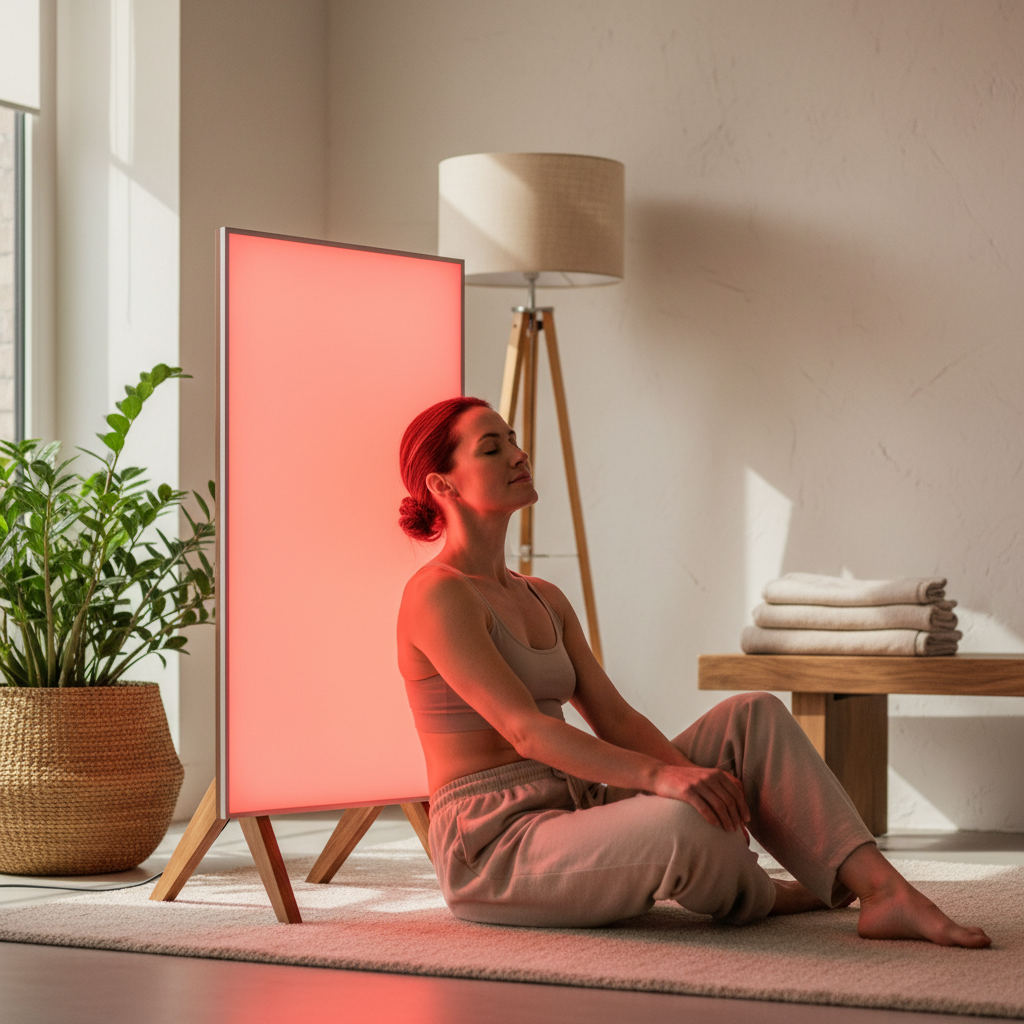
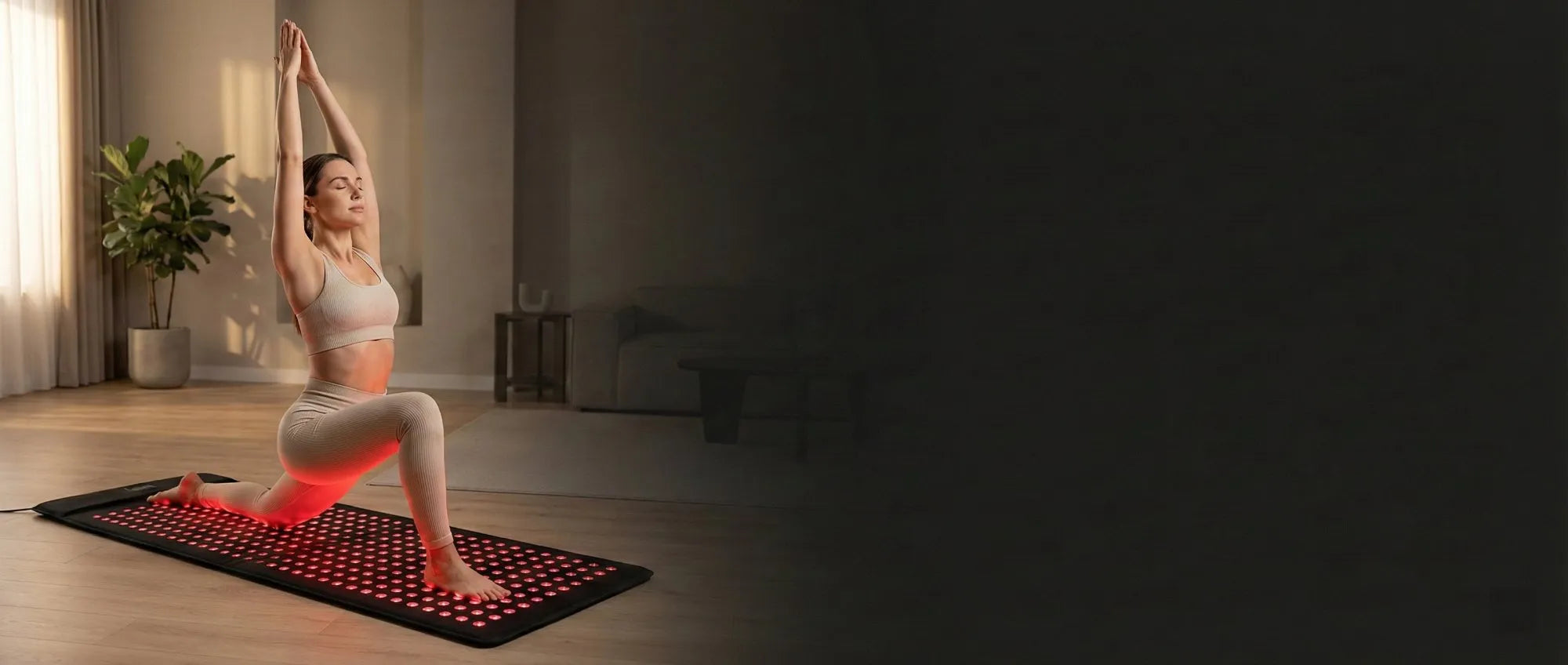
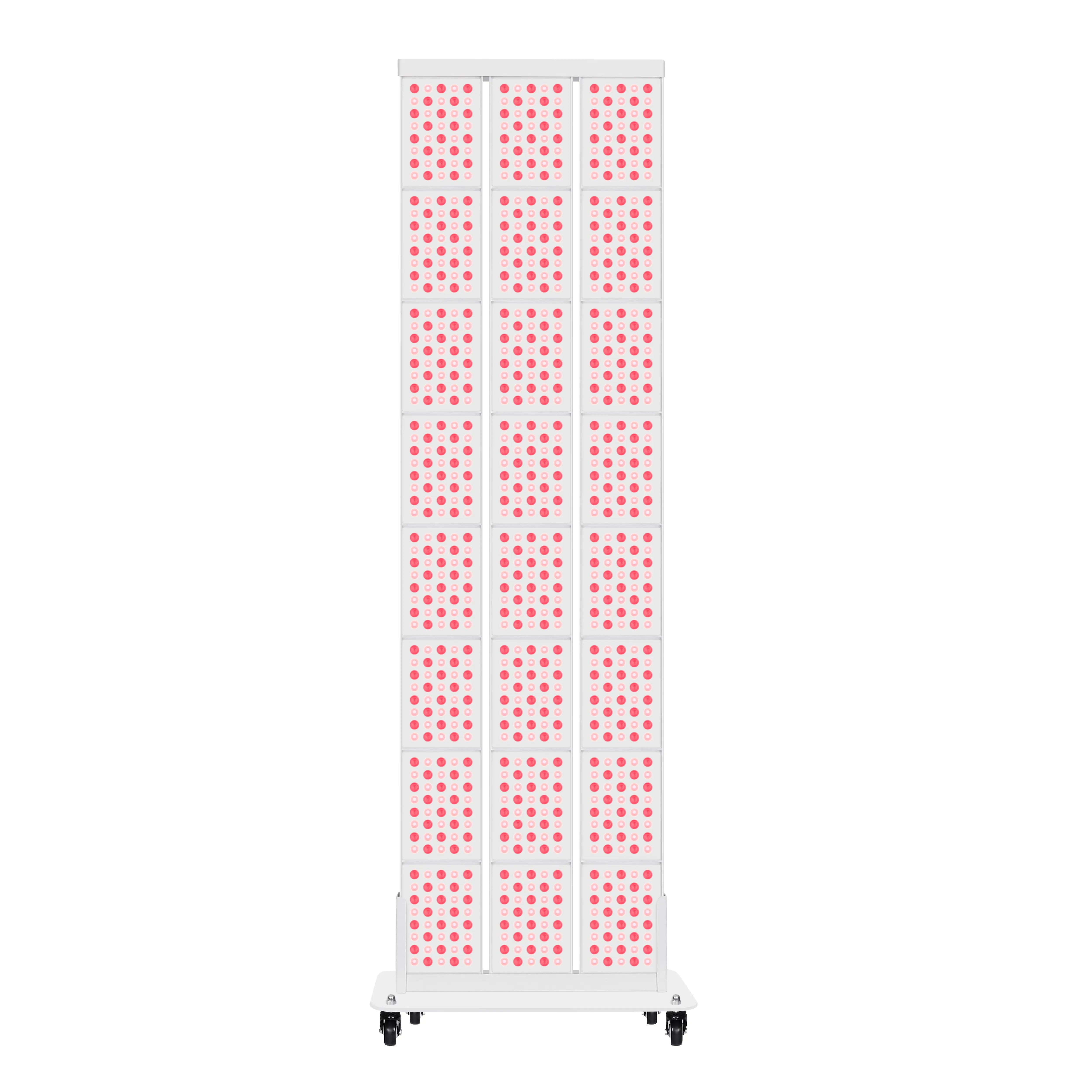
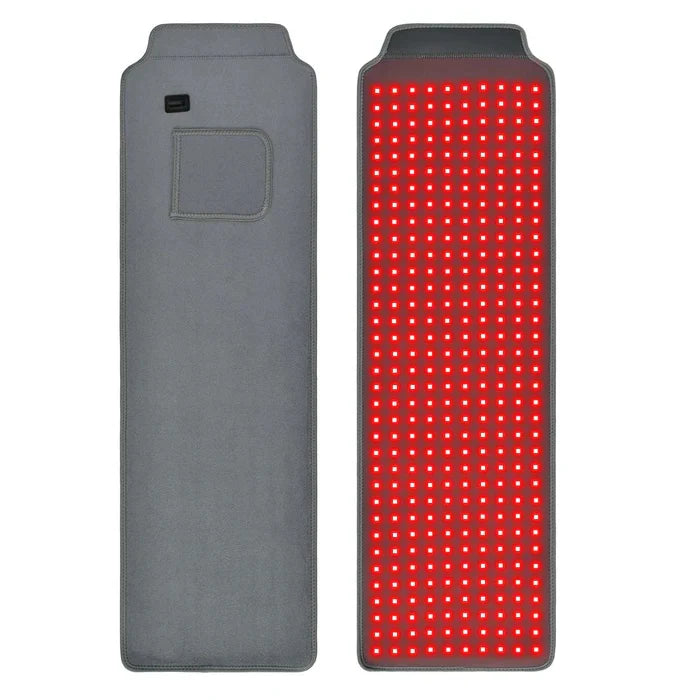
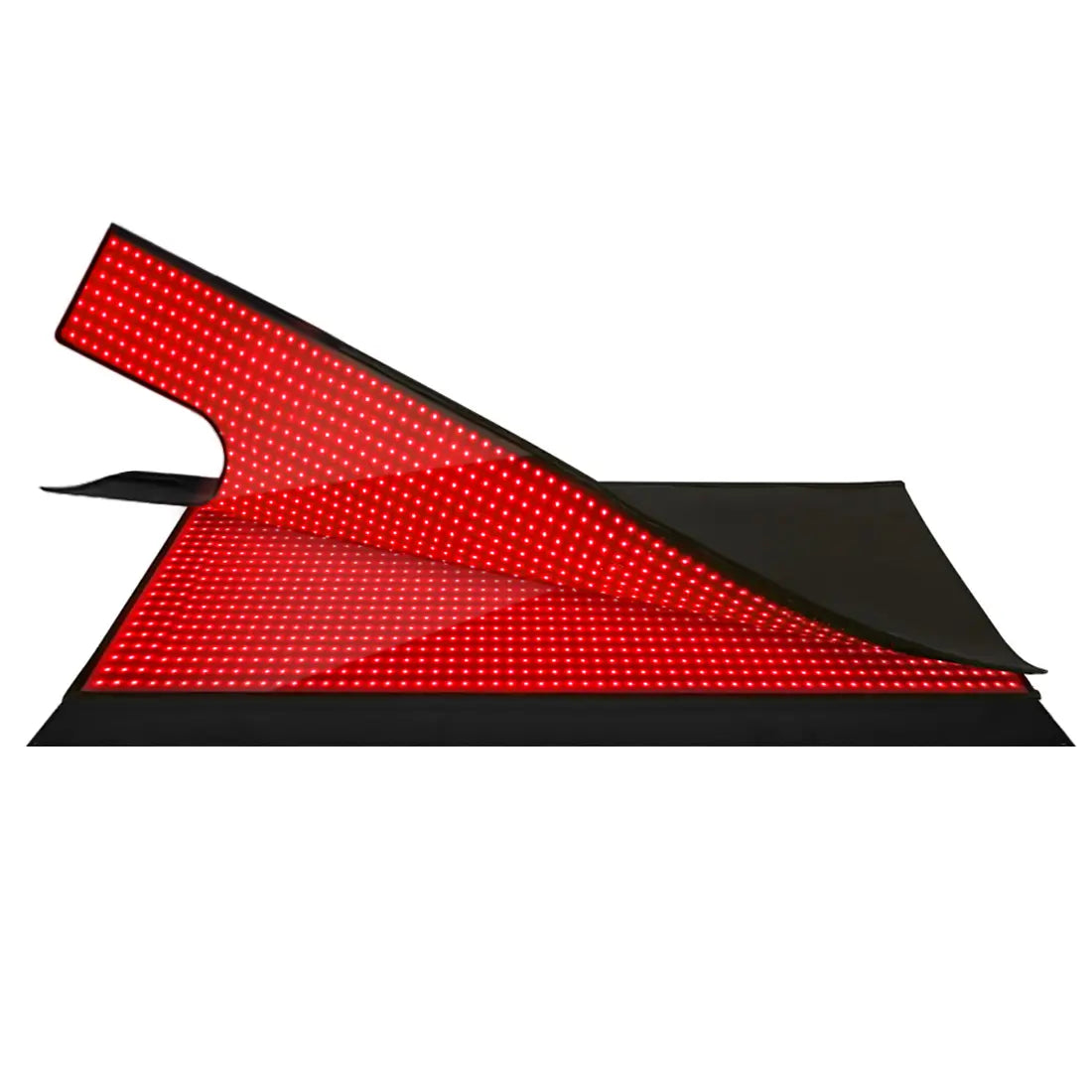
Wall-mounted panels excel when you have a dedicated spot and want repeatable positioning. They allow standing or seated use at a consistent distance, which many users find convenient for full-body sessions. Modular systems let you start with one or two panels and add more over time for greater coverage, making them suitable for those who want flexibility without committing to a massive upfront purchase. Full-body mats provide a lay-flat experience that is easy to store and requires minimal installation, though they may limit options for standing treatments or precise distance control.
According to common planning frameworks, the best choice often depends more on your room layout and routine consistency than on headline specifications alone. For instance, if your space is shared or you need to clear the area after each use, a mat may reduce daily hassle compared to a fixed panel installation.
This comparison of red light therapy panel benefits provides additional context on how different formats deliver light to the body.

The radar chart above illustrates relative trade-offs across key factors using illustrative 1-10 planning scores. These are heuristic estimates derived from typical home-use considerations, not laboratory measurements. Wall-mounted panels often score higher on coverage and scalability, while mats tend to lead in convenience and space efficiency. Use this as a discussion starter rather than a definitive ranking, and adjust priorities based on your specific room and goals.
Space Requirements for a Practical Home Setup
Space is frequently the first limiting factor in creating a usable whole-body red light therapy room setup. A single large panel typically needs 6-8 feet of unobstructed wall width, while multi-panel arrays may require 8-10 feet or more. You should also plan for 2-4 feet of clearance in front of the device for comfortable positioning during sessions.
In smaller rooms, consider whether the setup can remain in place or if it needs frequent moving. Frequent assembly and storage often reduces long-term adherence more than moderate differences in light output. Measure your intended treatment area carefully, including ceiling height for wall mounts and floor space for mats or stands.
For homeowners with a spare room, garage gym, or dedicated wellness corner, these requirements are easier to meet. Renters or those with shared spaces may find modular or mat-based options more realistic to avoid permanent modifications.
Estimating Costs in 2026
The total cost of a whole-body red light therapy setup varies widely based on scale and features. Entry-level single-panel systems may start in the low thousands, while professional-grade multi-panel or high-output configurations can reach several thousand dollars or higher when including mounts, wiring considerations, and accessories.
Hidden costs often include sturdy mounting hardware, potential electrical upgrades for high-draw systems, timers or controllers, and room modifications for better heat management or reflectivity. A phased approach—starting with one high-quality panel and expanding later—can help manage the budget while testing whether the routine fits your lifestyle.
Always factor in ongoing expenses such as electricity usage and potential replacement parts. Budgeting realistically helps prevent buyer's remorse when the initial purchase price is only part of the total investment.
Balancing Power, Convenience, and Safety
Professional setups prioritize sufficient irradiance at the actual treatment distance rather than maximum advertised numbers. Following established photobiomodulation standards for irradiance, EMF, and safety helps ensure your equipment meets reasonable benchmarks for home use.
Common session lengths range from 5 to 20 minutes depending on coverage and device output. Whole-body routines may involve moving between positions or using a larger array to cover more area at once. Pay attention to heat buildup, especially in enclosed spaces, and ensure proper ventilation.
Electrical safety is critical. Multi-panel systems can increase power draw, so check your circuit capacity and consider a dedicated outlet if needed. EMF and flicker considerations are also part of responsible setup planning per current guidelines.
Important Note on Comfort and Use: This article discusses setup and planning considerations for wellness routines. It does not provide medical advice, diagnosis, or treatment recommendations. Red light therapy experiences vary by individual. This information only covers comfort and practical setup factors. It is not a substitute for professional medical guidance. If you have existing health conditions, eye concerns, or experience persistent discomfort, consult a qualified healthcare professional.
Phased Upgrade Path to Professional Grade
Many buyers begin with a single panel or compact system and upgrade as their needs and experience grow. A smart upgrade path starts by verifying your space, electrical capacity, and usage consistency before investing in larger coverage.
Key checkpoints before expanding include confirming stable mounting options, adequate airflow to manage heat, and whether you can maintain a consistent treatment distance. Common regrets occur when users purchase high-end equipment before confirming they will use it regularly in their actual environment.
Modular designs support this approach well, allowing incremental additions that match your proven routine. Track your sessions for a few weeks with the initial setup to identify real-world friction points before scaling up.
This technical look at red light therapy for recovery after high-intensity training offers insights that may help refine your protocol as your setup evolves.
How to Choose the Right Setup for Your Goals
Align your choice with specific recovery or performance objectives. Athletes focused on post-workout recovery might prioritize quick, full-coverage options that fit easily into training schedules. Biohackers and longevity enthusiasts often value consistent daily use and may prefer low-friction designs that encourage adherence.
Create a simple checklist before purchasing:
- Does your room support the required footprint and clearance?
- Can you dedicate time for sessions without excessive setup?
- Does the total cost (including accessories) fit your budget with room for potential upgrades?
- Will the system integrate safely with your existing electrical and ventilation setup?
- Have you tested a similar routine to confirm it matches your lifestyle?
Avoid systems that require major room renovations unless you are fully committed to a dedicated wellness space. The ultimate setup is one you will actually use consistently rather than the one with the highest theoretical specifications.
For targeted applications, explore how specific wavelengths may support different needs, such as in this analysis of wavelength precision and therapeutic outcomes.
Creating Your Professional Home Recovery Space
A well-planned whole-body red light therapy home setup transforms a corner of your living space into a reliable recovery station. Focus first on practical constraints like space and daily usability, then layer in technical features that match your goals.
Whether you choose a fixed wall-mounted array, a scalable modular system, or a convenient full-body mat, the goal remains building a setup that supports rather than complicates your wellness routine. Start conservatively, measure your actual usage patterns, and expand only when the foundation proves sustainable.
With thoughtful design, your home can support professional-grade recovery protocols that align with 2026 standards for safety and practicality. Review your room dimensions, budget, and habits against the thresholds outlined here to make a confident decision.
Remember that individual results depend on many factors including consistency, overall lifestyle, and personal response. Treat any wellness device as one component of a broader approach to health and recovery, and seek professional advice for any specific concerns.