
Surgery is one of the most physically demanding “desk jobs” in medicine. Long hours standing in one position, neck flexed over the field, arms held out in a semi-static posture, and sometimes moving heavy instruments or retractors for hours at a time. Add overnight call, irregular sleep, and chronic low-grade stress, and the recovery demands for a high-volume surgeon start to look a lot like those of an endurance athlete with fine-motor precision grafted on top.
Over the last decade, red light therapy has migrated from niche biohacking circles into physical therapy clinics, athletic training rooms, and even university wellness centers. The core question for a surgeon paying attention to the science is simple: can the same photobiomodulation that helps athletes recover between brutal training sessions actually support surgeons recovering between long cases and call nights?
In this article, I will walk through what the evidence does and does not say, using only published research and institutional articles, then map those findings onto the unique strain profile of modern surgeons. The goal is not to sell a device, but to give you a realistic framework for experimenting safely and intelligently if you choose to use red light as one more tool in your recovery stack.
What Red Light Therapy Actually Is
Red light therapy, often called photobiomodulation or low‑level light therapy, uses specific red and near‑infrared wavelengths to influence cellular function. Typical therapeutic bands described in the literature are around 630–660 nanometers for red light and roughly 810–850 nanometers for near‑infrared. Unlike lasers used for cutting or ablating tissue, these are low‑intensity, non‑heating exposures.
Mechanistically, multiple sources converge on the same basic story. Photons in the red and near‑infrared ranges are absorbed by chromophores inside mitochondria, particularly cytochrome c oxidase in the electron transport chain. This interaction appears to displace inhibitory nitric oxide, allowing oxygen to bind more effectively, restoring oxidative phosphorylation and increasing adenosine triphosphate (ATP) output. Research summaries from sports medicine clinics and physical therapy centers repeatedly emphasize this ATP boost, along with secondary effects such as improved microcirculation, modulation of inflammatory pathways, and enhanced antioxidant defenses.
A narrative review of photobiomodulation in muscle tissue available via PubMed Central reports that across in‑vitro, animal, and human studies, red and near‑infrared light can increase energy metabolism, support defenses against oxidative stress, and influence genes related to inflammation, tissue repair, and muscle hypertrophy. In other words, under the right conditions, you see muscles that are better fueled, less oxidatively stressed, and more capable of repair.
The same biological mechanisms are being leveraged in dermatology and hair medicine. A Stanford Medicine overview notes that red light was first used as part of photodynamic therapy for precancerous skin lesions, and later in non‑thermal doses to increase collagen, reduce wrinkles, improve skin texture, and stimulate hair regrowth in thinning (not bald) scalps. That article makes an important point: red light clearly can change biology, but strong evidence is currently limited to a few indications, mostly in skin and hair, with systemic uses still being investigated.

What The Science Says About Muscle Recovery and Endurance
If you strip away the marketing, the most relevant data for a surgeon’s body comes from sports science and muscle performance research. That is where we find hard outcomes like repetitions to failure, time to exhaustion, biochemical markers of muscle damage, and validated sleep questionnaires.
Muscle performance and fatigue
The PubMed‑indexed review on photobiomodulation in human muscle tissue examined forty‑six clinical studies including 1,045 participants, both trained and untrained. It looked at red or near‑infrared light applied either before (“pre‑conditioning”) or after exercise. Across many of these trials, particularly when light was used as pre‑conditioning, researchers reported increased number of repetitions, longer time to exhaustion, improved torque or force output, and reduced blood markers of muscle damage such as creatine kinase, along with lower inflammatory markers and delayed onset muscle soreness.
At the protocol level, there was a clear pattern. For upper‑arm muscles like the biceps, pre‑conditioning protocols that delivered total energies in roughly the 20–80 joule range over the muscle, with per‑site doses kept modest, were more likely to show performance benefits and reduced soreness. For larger muscles like the quadriceps, acute protocols that used about 56–315 joules over the muscle tended to improve fatigue resistance, muscle force, and damage markers, and whole‑body treadmill studies that improved running performance and creatine kinase used total doses in the 360–510 joule range. When individual sites were overdosed, effects often disappeared.
Independent clinical practices echo this basic picture. A sports physical therapy clinic in San Diego, for example, reports that studies they cite show red and near‑infrared light in the 660–850 nanometer range increasing ATP, nitric oxide, and blood flow, reducing oxidative stress and inflammatory markers, and lowering delayed‑onset muscle soreness by up to about 50 percent in some trials. They typically use 10–20‑minute sessions per body area, with higher near‑infrared wavelengths for deeper muscles. Other athletic recovery centers emphasize similar patterns: pre‑exercise use tends to focus on acute performance gains and fatigue resistance, while post‑exercise use targets faster recovery.
However, not every study is glowing. A TrainingPeaks coach’s review of the same general body of research notes that in a subgroup of upper‑extremity studies, several showed changes in biochemical markers of damage, but only one reported even a small performance benefit, and none showed consistent soreness relief. Lower‑extremity trials were similarly mixed. Longer‑term studies aiming to change muscle architecture and oxidative stress handling sometimes showed structural changes, but not corresponding performance improvements. That review concluded that red light therapy is mechanistically intriguing but not yet a clearly proven performance enhancer.
Taken together, the evidence says this: red and near‑infrared light can, under certain dosing and timing conditions, improve muscle performance and recovery markers. But the effect size is protocol‑dependent and the literature contains both positive and null results.
Sleep, melatonin, and whole‑body recovery
For surgeons, recovery is not just about sore muscles. It is about sleep quality after difficult days or call nights, and the ability to come back cognitively sharp and physically ready. Here the most relevant data comes from a small but well‑designed trial in elite team sport athletes.
In that study, twenty healthy female basketball players from a national‑level team were randomized into a red light treatment group and a placebo group during a two‑week training block. The treatment group received thirty minutes of full‑body red light exposure every night for fourteen days using a whole‑body device emitting around 658 nanometers and delivering a per‑area light dose of 30 joules per square centimeter. Both groups maintained identical intensive training schedules.
Outcomes were measured with the Pittsburgh Sleep Quality Index, morning serum melatonin levels, and a twelve‑minute run endurance test. After two weeks, the red light group showed significantly better global sleep scores than placebo, with particularly meaningful improvements in subjective sleep quality and sleep latency. Morning melatonin increased substantially in the treatment group but barely changed in the placebo group, and the change in melatonin correlated strongly with improved sleep scores. Endurance performance on the twelve‑minute run also improved in the red light group.
A sports performance article from an athletic training lab interprets this as support for evening red light sessions as a non‑pharmacologic way to boost melatonin and sleep in high‑load athletes. That same piece notes separate research showing that red light exposure upon waking can reduce sleep inertia and improve alertness and performance, which is intriguing for early‑start professions.
For surgeons who alternate grueling daytime schedules with overnight call and perioperative stress, this combination of better sleep onset, higher melatonin, and preserved endurance is not just an athletic curiosity. It is directly relevant to how quickly you can reset between OR days.
Pain, inflammation, and chronic load
Several clinical overviews from academic hospitals highlight red light therapy’s role in pain and inflammatory conditions. Physicians at a major university hospital system describe red light as a noninvasive treatment using approximately 630–850 nanometer wavelengths to stimulate cellular activity, promote collagen healing, and decrease inflammation. They note that it is well‑established in skincare and increasingly explored for chronic musculoskeletal pain, tendinopathies, and osteoarthritis.
A 2021 review they reference suggests that red light may relieve pain in both acute and chronic musculoskeletal conditions and fibromyalgia and appears promising for superficial inflammatory problems and certain tendinopathies. However, the same experts caution that red light will not fix structural issues like severely degenerated joints or torn ligaments; it should be seen as an adjunct to support inflammation control and symptom relief, not a structural repair tool.
On the athletic side, multiple clinics report that consistent use of red light reduces subjective muscle stiffness, joint discomfort, and perceived inflammation, helping athletes hit hard sessions more frequently with less soreness. But a systematic review cited by a strength and conditioning facility concluded that evidence for meaningful reduction in delayed‑onset muscle soreness remains insufficient across fifteen studies and more than three hundred participants.
So the pain and inflammation story is similar: mechanistically plausible, supported by several promising trials and plenty of field reports, but with enough mixed findings that you should maintain realistic expectations.

Why Surgeons Resemble Endurance Athletes
From a recovery standpoint, a complex nine‑hour operation has more in common with a marathon than with an office meeting. The surgeon spends prolonged periods in relatively fixed postures, shoulders often abducted, neck flexed, fine motor muscles of the hands engaged continuously, and lower extremities bearing body weight with minimal movement. Circulation in the feet, calves, and lower back can become sluggish, and static load on postural muscles accumulates.
At the same time, cognitive demand remains intense. Visual attention, situational awareness, and decision‑making are under sustained load, often under time pressure and sometimes with high emotional stakes. Then, instead of a structured recovery protocol, many surgeons transition immediately into notes, calls, or even another case. Nights on call add circadian disruption and fragmented sleep.
That profile is not identical to an endurance runner or strength athlete, but the themes overlap: chronic mechanical load, repeated bouts of high‑demand performance, and an ongoing need to restore neuromuscular function and sleep quality. When photobiomodulation research shows benefits in endurance tasks, antigravity muscles, and sleep architecture, it becomes reasonable to ask whether those same interventions could support a surgeon’s body and brain between cases.
Potential Ways Red Light Therapy Could Help Surgeons
It is important to say clearly: none of the studies mentioned above were conducted in surgeons during real operations. Everything that follows is an extrapolation from athletes, healthy volunteers, and patients with musculoskeletal pain. That is the limitation, and it matters. That said, this is how the current evidence maps onto the realities of surgical practice.
Musculoskeletal fatigue before and after long cases
The muscle‑focused review on photobiomodulation found that pre‑conditioning large muscle groups before exercise often improved endurance and reduced damage markers. For example, using red or near‑infrared light over quadriceps and hamstrings before treadmill tests increased time to exhaustion, improved oxygen use, and reduced creatine kinase and lactate in several trials, as long as the total energy per muscle remained within a certain window.
Translated cautiously to a surgeon: short red or near‑infrared sessions targeting the calves, low back, and upper back before a known long case might pre‑charge mitochondria in those static‑load muscles, improving fatigue resistance and circulation. Post‑case sessions could then support clearance of metabolic waste products, modulate inflammation, and reduce the intensity and duration of soreness over the next 24–72 hours, similar to the delayed onset muscle soreness patterns seen in athletes.
Some physical therapy and sports medicine practices already combine manual therapy, targeted exercises, and red light on the exact muscles surgeons tend to overuse: cervical and thoracic extensors, scapular stabilizers, lumbar paraspinals, and hip stabilizers. They report better subjective recovery, improved mobility, and reduced stiffness when red light is added to the mix, though these observations are not surgeon‑specific trials.
Sleep after call and high‑stress days
The basketball player study gives us an interesting template for night‑time use. Thirty minutes of full‑body red light at approximately 658 nanometers and 30 joules per square centimeter, delivered nightly for two weeks, improved sleep quality and melatonin and modestly boosted endurance performance in already fit athletes who were training hard twice per day.
For a surgeon, an analogous protocol might involve a shorter evening session exposing a large skin surface area to predominantly red light on post‑call days or during periods of intense operative volume. The goal would not be sedation, but rather supporting the biological machinery that regulates circadian rhythm and sleep architecture. An athletic training lab that uses similar devices recommends evening red light sessions to support melatonin and “down‑shifting” into sleep, and brief morning exposures to red light (rather than blue‑heavy light) to reduce sleep inertia for early training. That morning alertness angle is highly relevant to pre‑rounds and first cases of the day.
Again, the evidence is indirect, but the physiological logic is consistent: better mitochondrial function and vasodilation in brain and peripheral tissues, plus increased melatonin, can all feed into more efficient sleep and recovery after punishing days.
Chronic neck, back, and joint strain
Neck and low‑back discomfort, thumb and wrist tendinopathy, and shoulder irritation are common among high‑volume proceduralists. University hospital specialists reviewing red light therapy for pain note that it appears promising for superficial musculoskeletal pain, certain tendinopathies, and some osteoarthritis‑related symptoms, particularly when inflammation is a primary driver. They consider it reasonable to try as an adjunct when cost is manageable and when it might help reduce medication load.
Sports‑oriented physical therapy practices take a similar stance. They use red light along with movement correction and strengthening to improve tissue quality, increase collagen synthesis, and support long‑term joint and muscle health. Some report that athletes using red light regularly report less joint stiffness and subjective inflammation and better tolerance for high‑impact or repetitive tasks.
For surgeons, that likely translates into this kind of role: red light will not undo a structurally degenerated cervical disc or magically fix a rotator cuff tear, but it may reduce surrounding soft‑tissue inflammation, improve local circulation, and support the tissue’s own repair efforts, making physical therapy and ergonomic changes more effective and more comfortable.
How Strong Is The Evidence, Really?
From an evidence‑based standpoint, the enthusiasm around red light has outpaced the data in several domains. It is worth holding the optimism and the skepticism side by side.
A Stanford Medicine summary emphasizes that the most solid, reproducible evidence for red light therapy right now is in dermatology and hair regrowth, with certain cosmetic and wound‑healing indications supported by blinded, controlled clinical trials. When it comes to athletic performance, systemic pain, sleep, or cognitive issues, the article classifies current uses as promising but not yet strongly validated.
A coach’s review on TrainingPeaks, looking specifically at performance and recovery, reaches a similar conclusion. It notes that although there is a plausible mitochondrial mechanism and some laboratory signals, human trials do not yet show clear, reproducible performance gains across studies. Some show improvements; others do not.
On the other hand, sports medicine and strength and conditioning organizations have published technical reviews summarizing dozens of photobiomodulation studies and concluding that, under appropriate dosing, red and near‑infrared light can meaningfully improve muscle performance, reduce markers of damage, and accelerate recovery. One such review even raises the question of whether, if these effects are confirmed in top‑level athletes, red light should be considered an ergogenic aid that might be scrutinized by governing bodies similar to how certain recovery modalities are monitored.
For a surgeon, the practical takeaway is this: red light therapy is not a miracle modality, but it is not pure pseudoscience either. The biological mechanism is plausible and consistent with mitochondrial physiology. A non‑trivial number of controlled trials show beneficial effects on muscle performance, recovery, and sleep, especially in well‑defined protocols. At the same time, null results, inconsistent dosing, and a lack of surgeon‑specific trials mean that any use in surgery is currently an off‑label, experimental recovery strategy.

Practical Guidance For Surgeons Considering Red Light Therapy
If you decide to explore red light as part of your personal wellness and recovery regimen, you want to do it in a way that is physiologically sensible, cautious, and compatible with your professional demands. The research provides enough guardrails to avoid complete guesswork, even though formal guidelines do not exist.
Choosing a device
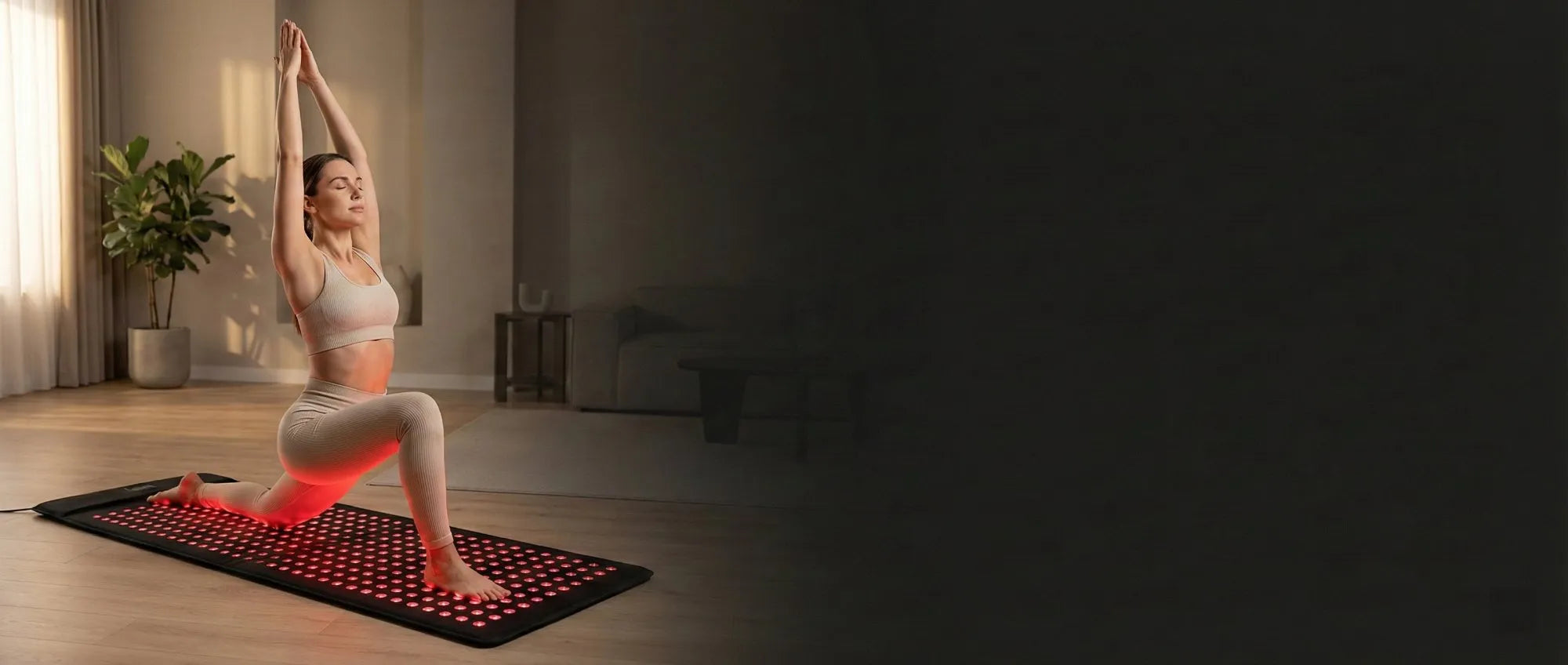
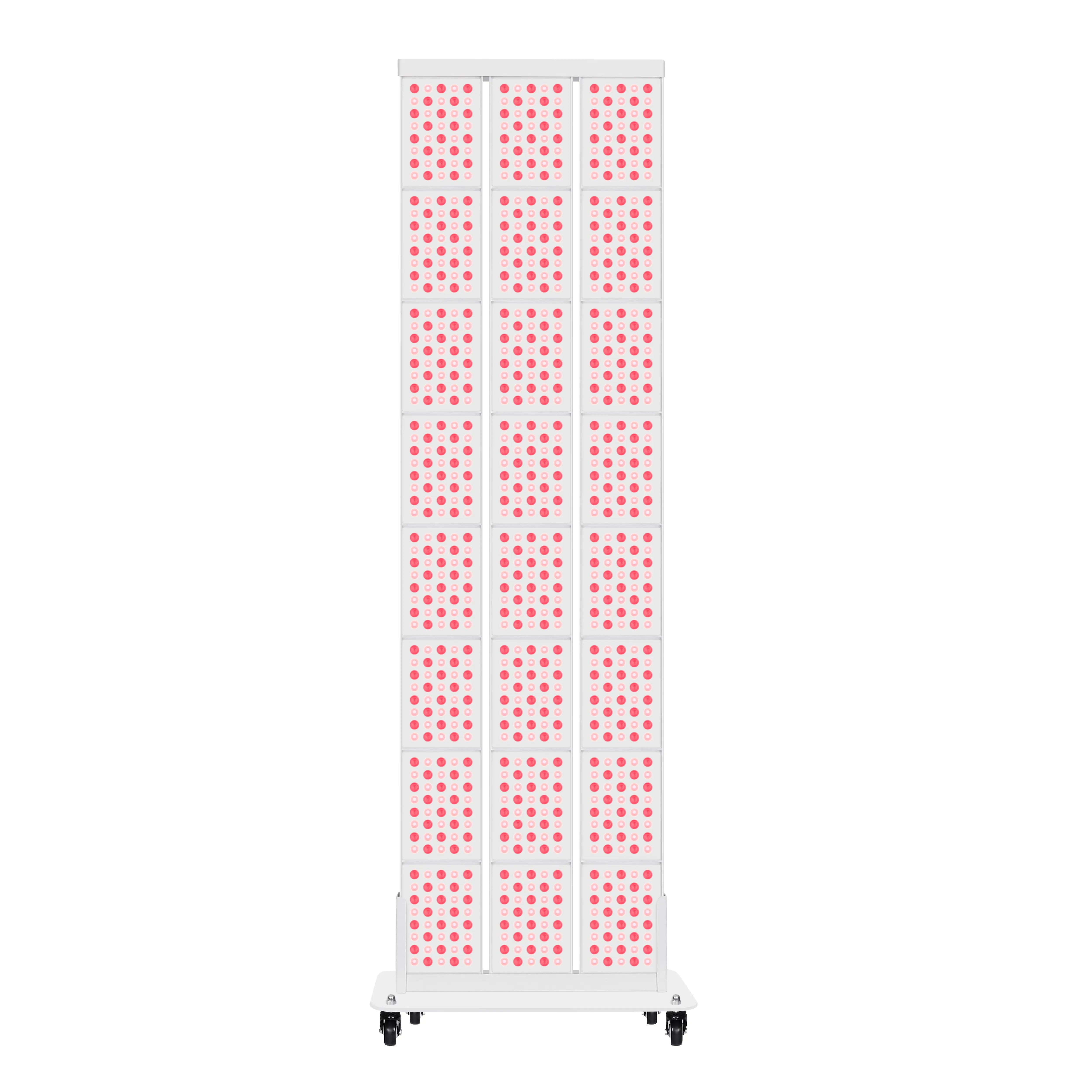
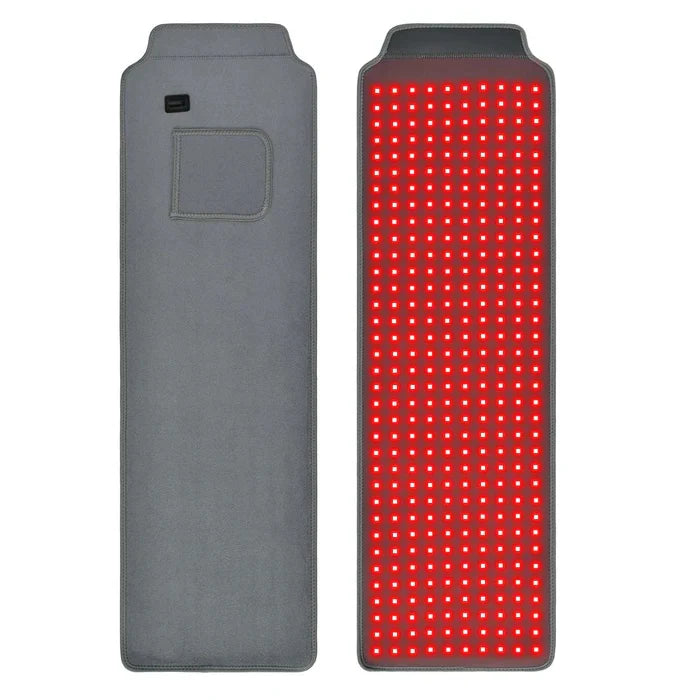
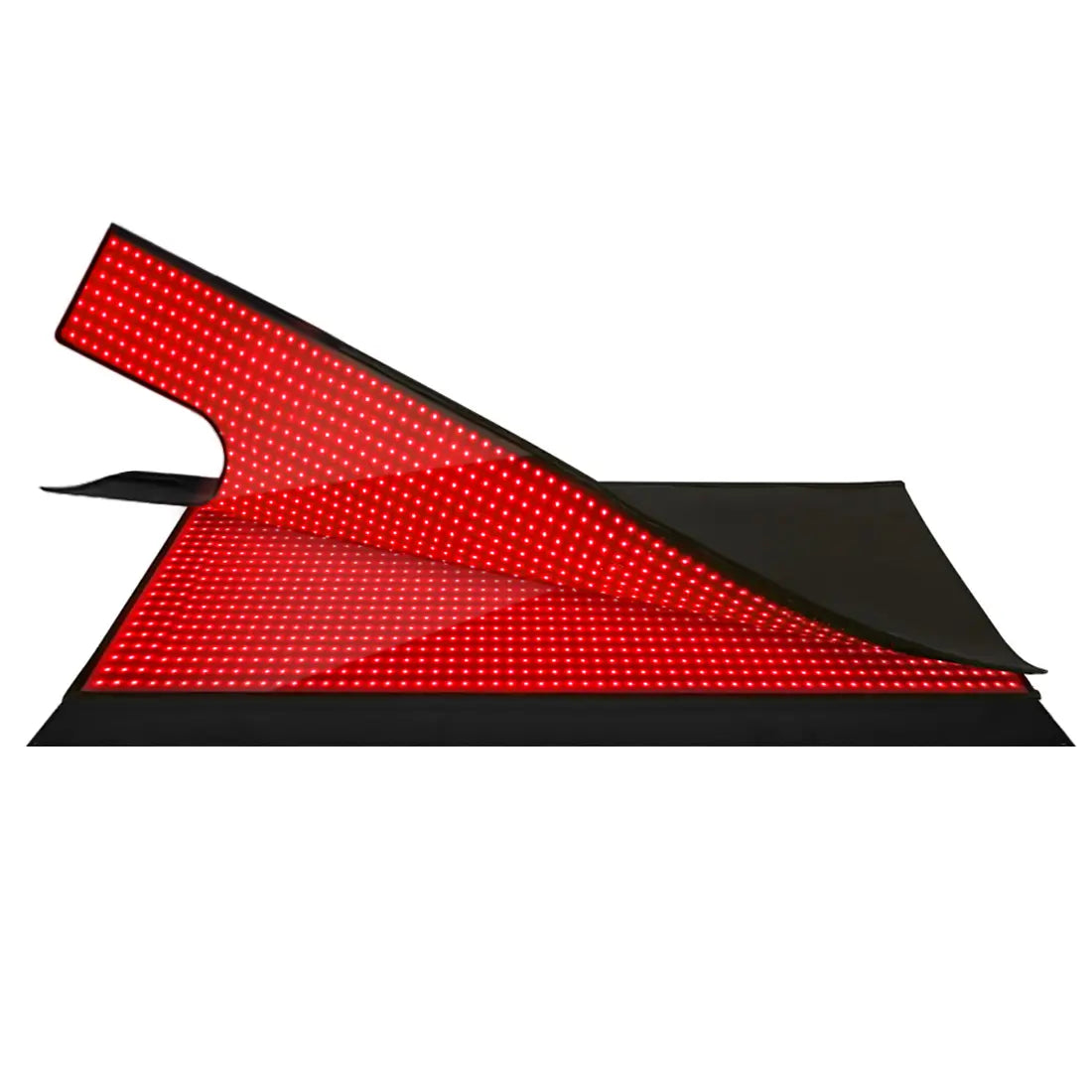
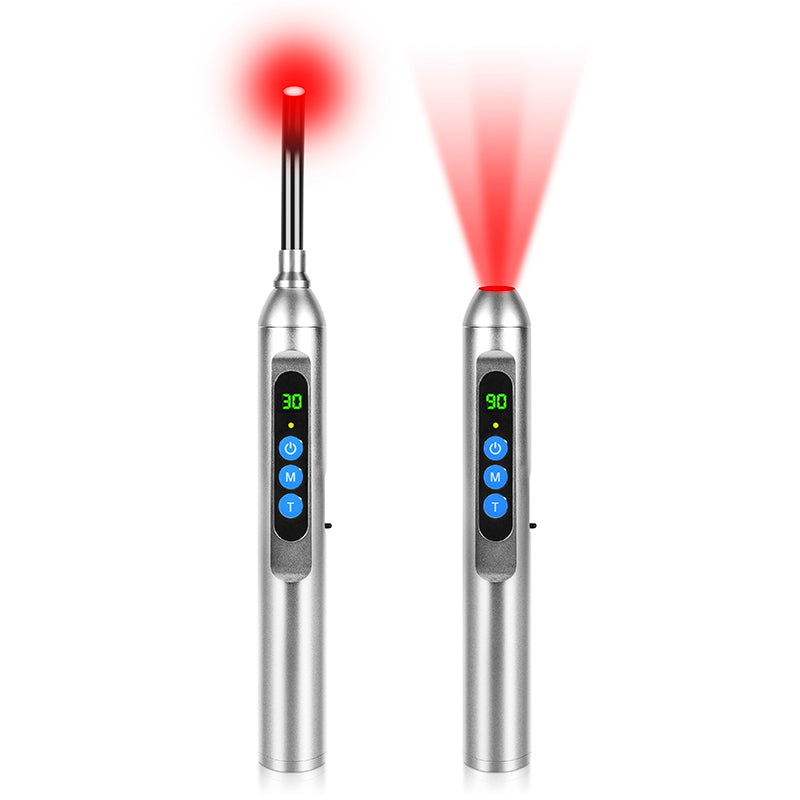
Clinical and athletic sources describe a spectrum of devices. There are full‑body beds and booths, wall‑mounted panels, wrap‑around pads, and small handheld wands. Devices used in research and sports medicine typically specify their wavelengths (for example, red around 630–660 nanometers and near‑infrared around 810–850 nanometers) and their power output. Many consumer panels try to mimic these ranges but vary widely in power density and beam spread.
A wellness center associated with a health system describes a self‑service red light bed where clients undress to comfort level and expose as much skin as they want treated, spending ten minutes lying on one side and ten on the other, for a thirty‑minute session. They offer memberships that allow up to a dozen sessions per month at around one hundred dollars, or single sessions around forty dollars. That gives a sense of what clinical‑style access costs.
Academic physicians reviewing home devices note that smaller handheld red light products tend to start just under about one hundred dollars, while larger panels and more powerful devices can run into the hundreds or thousands of dollars. These costs are usually not covered by insurance. They emphasize that clinic‑grade devices are generally more powerful and precisely dosed than at‑home tools.
For a surgeon, the decision is often between an in‑clinic bed as part of a broader membership or a reasonably powered home panel or wrap. The nonnegotiables are clear specification of wavelength, a realistic power output, basic safety features, and a manufacturer that does more than marketing hype.
Dosing and timing: translating athletic protocols
No organization has published FITT (frequency, intensity, time, type) guidelines for red light in recovery. But the athletic and muscle performance literature gives some bounds.
In many positive trials, large muscles were exposed to red and near‑infrared light for about ten to twenty minutes per muscle group, at power densities that delivered total energies in the tens to low hundreds of joules per muscle. Pre‑conditioning a muscle roughly half an hour before intense exercise, or using red light within two to four hours after exercise, appeared to be common windows in which researchers saw benefits. In longer training studies, sessions were often repeated several times per week over multiple weeks before the full effect emerged.
One sports medicine review emphasizes that more is not always better. It describes a biphasic dose response where modest per‑site energies increased performance and reduced soreness, but very high doses at a single point eliminated the benefit and sometimes worsened outcomes. That is exactly what you would expect from a hormetic biological stimulus: there is a sweet spot.
For a surgeon, a conservative starting approach, in concert with your personal physician or occupational health provider, might look like this in principle. Before an anticipated long OR block, expose your calves, thighs, and low back to a red plus near‑infrared panel at the recommended distance for around ten minutes per region, staying within manufacturer guidelines and keeping total time reasonable. After especially taxing days, use similar exposures in the evening, perhaps adding shoulders and upper back, while keeping the last treatment at least an hour or two before bedtime if you find it too stimulating. On post‑call days, a shorter evening session focusing on large skin areas rather than deeply targeted spots could be used to explore the sleep and melatonin effects seen in the basketball players.
The exact numbers will depend on your device’s power density and distance, which is why you should start with the manufacturer’s parameters and perhaps shorter durations, then only extend gradually as needed. Athletic and fitness organizations repeatedly stress consistency over intensity: many small, correctly dosed sessions are more effective than sporadic overpowered blasts.
Safety, contraindications, and medical oversight
Relative to many medical interventions, red light therapy has a strong safety profile. Physiologists and dermatologists note that these are low‑level, non‑ionizing wavelengths that do not burn or break the skin when used correctly. Common precautions include avoiding direct exposure to the eyes, especially with high‑power devices, and being cautious in people with photosensitive conditions or those taking medications that increase light sensitivity.
University hospital experts emphasize that the main downside for most people is financial rather than medical, as long as devices are used according to instructions and not in place of necessary medical care. They recommend talking with a physician before starting, especially for those with chronic disease, malignancy, or complex musculoskeletal problems.
For surgeons, there is an additional layer: the professional imperative not to compromise visual acuity or fine motor skills. Any experiment with light around the head or neck should be especially careful about eye protection, and you should avoid using bright light devices in ways that could lead to temporary visual after‑images before operating. Keeping red light sessions away from the immediate pre‑induction window is a prudent safeguard until we know more.
Pros and Cons For Surgeons’ Recovery
The current literature supports a nuanced view. A concise way to hold the whole picture in mind is to frame it as potential upside paired explicitly with the caveats.
Potential benefit for surgeons |
Supporting evidence |
Key limitations and cautions |
Better endurance of postural muscles during long lists |
Multiple trials in athletes and healthy volunteers show improved repetitions, time to exhaustion, and fatigue resistance in large muscles when red or near‑infrared light is applied before exercise, within specific dose windows. |
No trials in surgeons or static postures; dosing is highly protocol‑dependent; some studies show no performance benefit. |
Faster recovery of sore muscles and joints between OR days |
Sports medicine clinics and narrative reviews report reduced creatine kinase, inflammatory markers, and delayed‑onset muscle soreness, with some clinical practices citing up to about 50 percent soreness reduction in certain studies. |
A systematic review of delayed‑onset muscle soreness found evidence insufficient for consistent, clinically meaningful soreness reduction; many trials are small and heterogeneous. |
Improved sleep quality after intense work and call |
A randomized trial in elite basketball players showed nightly full‑body red light for two weeks improved sleep quality and melatonin and modestly boosted endurance performance. Athletic labs extrapolate this to evening use for better recovery sleep. |
Study population was young, healthy athletes, not older clinicians with comorbidities or circadian disruption; exact wavelength, dose, and timing may not translate directly. |
Reduced chronic neck, back, and tendon pain |
Academic hospital reviews and musculoskeletal clinicians report red light can help superficial musculoskeletal pain, tendinopathies, and some osteoarthritis symptoms, and may support reductions in pain medication use. |
It does not reverse structural damage; benefits vary by condition and severity; high‑quality randomized trials in surgeon‑specific pathologies are lacking. |
Low risk, high convenience recovery adjunct |
Noninvasive, generally safe when used properly; devices range from home panels and wraps to in‑clinic beds; sessions are easy to layer into existing routines, even while multitasking. |
Cost is significant, especially for higher‑powered devices or memberships; no consensus guidelines on optimal use; risk of over‑relying on it instead of addressing ergonomics, workload, and sleep hygiene. |
Brief FAQ For Surgically Demanding Careers
Can red light therapy improve surgical performance, not just recovery?
There are no clinical trials showing that red light therapy improves intraoperative technical performance, precision, or error rates. The closest evidence we have is from athletes, where certain protocols improve endurance, strength, or time to exhaustion, and from the basketball trial where red light improved sleep and a running endurance test. Those outcomes are relevant to your capacity to withstand long days and recover between cases, which can indirectly support performance, but they do not directly prove better operative skill.
How quickly would a surgeon notice any benefits?
In athletic and sleep studies, benefits generally appear over days to weeks of consistent use, not after a single session. The basketball players used nightly red light for two weeks before researchers measured their improved sleep and melatonin. Muscle performance studies often used repeated sessions and evaluated outcomes after several training bouts or at the end of a training block. If you experiment with red light therapy, expect to evaluate its impact over at least a few weeks of regular, moderate use, not overnight.
Is this considered “cheating” or ethically questionable in a medical setting?
The conversation about red light as a potential ergonomic or performance aid has emerged primarily in sports, where governing bodies monitor performance‑enhancing interventions. Even there, red light therapy is not currently regulated, and experts are only speculating that it might one day be scrutinized if very large effects are confirmed. In medicine, there is no equivalent regulatory concern. Ethically, the key is transparency with your treating physicians, adherence to safety principles, and avoiding exaggerated claims to colleagues or patients. As long as it is used as a recovery adjunct and not as a substitute for evidence‑based care, it fits within the broader category of personal wellness tools.
Closing
The current science paints red light therapy as a promising but still maturing technology: biologically plausible, supported by a meaningful number of positive trials in muscle performance, recovery, and sleep, yet held back by inconsistent protocols and a lack of surgeon‑specific data. For the physically stressed, chronically on‑call surgeon, it is reasonable to treat red light as an experimental ally rather than a cornerstone: respect its potential, respect its limits, and integrate it thoughtfully alongside the fundamentals of ergonomics, smart scheduling, strength work, and ruthless protection of your sleep.
References
- https://lms-dev.api.berkeley.edu/studies-on-red-light-therapy
- https://nsuworks.nova.edu/cgi/viewcontent.cgi?article=2599&context=ijahsp
- https://pmc.ncbi.nlm.nih.gov/articles/PMC3499892/
- https://safety.dev.colostate.edu/libweb/2xghFA/5GF190/what__is-red__light__therapy-at_crunch__fitness.pdf
- https://behrend.psu.edu/student-life/student-services/counseling-center/services-for-students/wellness-offerings/red-light-therapy
- https://med.stanford.edu/news/insights/2025/02/red-light-therapy-skin-hair-medical-clinics.html
- https://www.acefitness.org/resources/pros/expert-articles/8857/red-light-therapy-and-post-exercise-recovery-the-physiology-research-and-practical-considerations/?srsltid=AfmBOooL3mK5jvl641grgval6lnrsXU6eB9In1OOW7YoKKuEigvdwuWA
- https://www.uhhospitals.org/blog/articles/2025/06/what-you-should-know-about-red-light-therapy
- https://www.physio-pedia.com/Red_Light_Therapy_and_Muscle_Recovery
- https://www.athleticlab.com/red-light-therapy-for-athletes/