

Why Scar Pain Is Such A Big Deal
If you live with a surgical or burn scar that still hurts, you already know this: the problem is not just cosmetic. Scar tissue can pull, sting, itch, and ache every time you move or even when you are resting.
Clinically, this falls under skin fibrosis: an abnormal wound‑healing response where fibroblasts (the cells that build connective tissue) lay down excess collagen. Instead of flexible, basket‑weave fibers, you get dense, disorganized bundles. Trials of post‑surgical scarring note that this kind of fibrosis can cause pain, tightness, functional limitation, and real psychosocial distress, and it affects well over 100 million people each year in developed countries. The scar‑care market in the United States alone is valued in the billions of dollars, which gives you a sense of how widespread and persistent the problem is.
Different scar types show up differently but can all be painful. Hypertrophic scars are raised but stay within the original wound edges. Keloids expand beyond those edges and are more common in people with darker skin tones. Atrophic scars sink in, as in many acne or chickenpox scars. All of them can trap nerve endings, concentrate mechanical stress, and keep local inflammation smoldering, which is a perfect recipe for chronic discomfort.
As a long‑time light‑therapy nerd who has spent years testing panels, lasers, and LED masks, I see the same pattern repeatedly: people try red light initially for how the scar looks and stay with it because their pain and tightness ease up. The obvious question is whether that is just placebo and good vibes, or whether the biology actually supports scar pain relief.

Red Light Therapy 101: What It Really Is
Red light therapy goes by several names: photobiomodulation, low‑level light therapy, low‑level laser therapy. Across reputable sources such as Cleveland Clinic, Atria Health and Research Institute, Stanford Medicine, and MD Anderson Cancer Center, the core definition is consistent.
Red light therapy uses low‑intensity visible red and near‑infrared light, typically in the range of about 600–1100 nanometers, delivered by LEDs or low‑power lasers. Unlike ultraviolet light, these wavelengths do not damage DNA and are non‑ionizing. At medically used doses they do not significantly heat tissue, which is why you will often see them described as non‑thermal or “cold” light.
When this light hits your skin, photons travel into the superficial and sometimes moderately deep layers, where they are absorbed by chromophores inside cells. A key chromophore is cytochrome c oxidase in mitochondria, the cellular engines that produce ATP, your basic energy currency. Studies summarized by organizations such as Atria and Cleveland Clinic show that this mitochondrial interaction can:
- Increase ATP production.
- Activate antioxidant defenses and reduce oxidative stress.
- Trigger the release of nitric oxide, which improves blood vessel function and microcirculation.
In the skin, red and near‑infrared light have been shown to stimulate fibroblasts to make more collagen and elastin, enhance local blood flow, and reduce inflammatory signaling. Dermatology studies reviewed by Stanford Medicine, Cleveland Clinic, and a narrative review from Duke University report modest but real improvements in wrinkles, skin texture, and acne in properly controlled trials.
In medicine, red light is already accepted in one very specific context: as the light source in photodynamic therapy, where red laser light activates a photosensitizing drug to kill certain cancer or precancerous cells. That is different from simple photobiomodulation, but it shows that the physics of red light in tissue is not speculative.
The bottom line is that red light, at the right wavelength and dose, can measurably change cellular behavior in skin and connective tissue. The question for us is how those changes translate into scar pain relief.

How Red Light Could Ease Scar Pain
From a scar‑pain perspective, three biological levers matter most: inflammation, blood flow, and collagen architecture. Red light interacts with all three.
Several clinical and preclinical summaries, including work cited by Deeply Vital Medical and Degree Wellness, note that red and near‑infrared light can downregulate pro‑inflammatory cytokines and lower oxidative stress in injured tissues. Less inflammatory signaling means less chemical irritation to local nerves and less swelling pressing on them. MD Anderson’s clinicians describe pain relief from low‑level laser and red light therapy as stemming largely from decreased inflammation and improved tissue repair, with a possible contribution from increased release of natural pain‑killing neurotransmitters.
Red light also improves microcirculation. Atria and other sources describe red‑light–induced nitric oxide release and vasodilation, which widen blood vessels and increase blood flow. That delivers more oxygen and nutrients to the scar while clearing metabolic waste more efficiently. In post‑surgical tissues, better perfusion usually means less throbbing, faster resolution of swelling, and better tissue quality.
Finally, red light has direct effects on fibroblasts and collagen. By stimulating fibroblasts and influencing dermal stem cells, red light appears to help collagen remodel into a more organized, flexible network instead of thick, parallel bands. Articles from Mito Red Light and several clinical reviews emphasize that this more normal collagen architecture is central to smoother, flatter scars and may lower the chance of hypertrophic or keloid overgrowth. When scar tissue becomes softer and more elastic, mechanical tugging on nerves and surrounding tissues tends to fall, which can translate into less pain and pulling.
Put together, there is a plausible mechanistic chain: less inflammation and oxidative stress, better blood flow, and more flexible collagen can lessen both the chemical and mechanical drivers of scar pain. That is the theory. The next step is to see how well real‑world data support it.
What The Research Actually Shows For Scar Pain
Post‑Surgery Scars And Incisional Pain
Some of the strongest human data we have for pain relief come from post‑surgical settings.
A randomized, double‑blind study of 90 patients after sternotomy (open‑heart surgery), summarized in a 2018 review of controlled trials, found that patients receiving red light therapy over the incision had significantly less pain than controls. One month after surgery, coughing pain was minimal in the red‑light group. They also had less incision bleeding, fewer wound ruptures, and fewer blood‑related complications. This is not purely a cosmetic scar story; it is about hard clinical outcomes, with pain clearly included.
Deeply Vital Medical’s review of the literature highlights clinical trials, including work published in Lasers in Surgery and Medicine and Lasers in Medical Science, where red light reduced post‑operative pain scores and accelerated healing after various surgeries. In cosmetic contexts, randomized controlled trials have reported less scarring and better skin texture three months after surgery when red light was added to standard care. Patients often report less swelling and tenderness and better range of motion around the surgical area, which is consistent with reduced pain and stiffness.
Closer to day‑to‑day practice, dental and facial surgery clinics are integrating red or infrared light into their post‑operative scar protocols. Laguna Heights Dental, for example, uses infrared therapy as a foundational part of oral and facial scar treatment. They cite controlled research showing that specific light wavelengths can increase blood flow, stimulate collagen production, and reduce inflammation without overheating tissue, leading to thinner, softer, less discolored scars with improved comfort.
There are also important cautionary signals. The CURES trial at SUNY Downstate, a phase II split‑face randomized controlled study, looked specifically at red LED light around 633 nanometers for post‑facelift scars. Patients started treatment 7–10 days after surgery, receiving nine sessions over three weeks on one side of the face while the other side had temperature‑matched mock treatments. The primary outcome was scar pliability measured by a device called a SkinFibroMeter, with secondary outcomes including observer‑rated scar quality.
Across all fluence levels tested, the trial did not find a statistically significant overall difference in scar pliability between treated and control sides. Some dose levels did show greater improvement from baseline in observer‑rated scar quality and induration on the red‑light side, suggesting a possible dose‑dependent benefit. Importantly for our topic, the authors concluded that high‑fluence red LED therapy was safe on fresh facial scars and may reduce scarring at specific doses, but the data were preliminary and did not establish a clear, universal benefit.
So in surgery, we have:
- Stronger evidence for reduced incisional pain and complications in large operations such as sternotomy.
- Encouraging but mixed data in cosmetic facial surgery, where some endpoints improve while others do not reach statistical significance.
- Consistent reports from dental and cosmetic practices that patients feel less swelling, tenderness, and stiffness when red light is used as an adjunct.
Burns, Difficult Wounds, And Scar‑Related Pain
Burns and complex wounds are notorious for creating painful scars. Here, red light’s track record is expanding, though still not complete.
A 2015 systematic review of 40 plastic‑surgery‑related studies (28 animal, 12 human) found that low‑level light therapies, including red light, improved the healing of acute wounds and enhanced the cosmetic outcomes of burn scars. A smaller study in 15 children with hypertrophic scars reported that three months of red light therapy led to reduced scar prominence. A 2004 burn scar study found roughly twice the decrease in visible scarring in the red‑light group compared to controls, with no adverse effects.
For actual burn wounds, multiple animal and preclinical studies have shown that red light accelerates repair by reducing inflammation, stimulating granulation tissue and new blood vessels, and increasing collagen content. A systematic review of 22 burn studies over 17 years concluded that red light therapy is effective in accelerating second‑ and third‑degree burn healing.
In more severe cases, a 2016 human case series in diabetic patients with third‑degree burns treated with skin grafts plus red and near‑infrared light reported complete healing within about eight weeks in all patients, even though they had originally been candidates for amputation. None ultimately required amputation. Pain outcomes were not quantified in the summary, but given the usual pain course in non‑healing burns versus healed grafts, it is very likely that faster, higher‑quality healing translated into meaningful pain relief.
Clinics focused on wound care echo this picture. Practices described by Greentoes Tucson and similar providers present red light as an adjunct to standard wound care that can help wounds close faster, reduce infection risk, and minimize scarring. They highlight reductions in inflammation and pain and faster tissue growth as reasons physical therapists and surgeons increasingly recommend red light for post‑injury and post‑surgery recovery.
The crucial nuance is that most burn and wound studies emphasize healing quality and scar appearance first. Pain is often improved but not always measured as a primary endpoint. When you interpret the data honestly, the message is that red light appears to improve wound and burn healing and can reduce the severity of the resulting scars; any pain benefits likely flow from that better biological repair.
Appearance Versus Pain: Which Improves First?
Several sources, including Mito Red Light’s scar reviews and case experience from dental and skin‑care clinics, note that visible changes in scar appearance often take one to three months of consistent red light therapy, with newer scars responding faster than older, more rigid ones. People commonly report that scars feel softer and less tight before major changes in color or thickness are obvious.
From a mechanistic standpoint, that makes sense. Pain and tightness are highly sensitive to small shifts in inflammation and tissue stiffness. Slight improvements in collagen organization and fluid balance can reduce tugging and pressure on nerve endings even before a scar looks dramatically different in the mirror.
What we do not have yet are large, standardized trials that chart both pain and appearance changes over time for different scar types. Some incisional pain trials after surgery and selected burn studies give us high‑quality snapshots, but there is still a big evidence gap in long‑term, pain‑focused scar research.
Where Dermatology And Pain Experts Land Today
If you listen closely to academic dermatologists and pain specialists, the consensus is measured optimism.
A Stanford Medicine review of red light therapy notes robust evidence for hair growth and modest but real improvements in wrinkles and skin quality. When it comes to wound healing and scarring, they describe the data as interesting but conflicting. In eyelid‑lift studies, for example, red‑light–treated scars sometimes healed in about half the time of controls early on, yet by six weeks both sides looked essentially the same. That suggests potential short‑term advantages in healing phases but unclear long‑term differences in scar appearance.
Cleveland Clinic explicitly points out that while red light therapy looks promising for various skin concerns, including scars, many studies are small, lack strong placebo controls, or use varying protocols. They state that there is not yet strong, high‑quality evidence for most of the bold marketing claims.
MD Anderson Cancer Center uses low‑level laser and red light therapies clinically for certain conditions such as oral mucositis in cancer care and is actively researching red light for broader cancer‑related and chronic pain management. At the same time, they emphasize that for pain, red light remains investigational, with no definitive randomized trials to pin down optimal dosing or frequency.
A narrative review from Duke University looking at nearly sixty clinical studies concludes that red LED phototherapy is generally effective and well tolerated for several dermatologic conditions and has a favorable safety profile. However, it also notes significant methodological limitations and calls for more targeted randomized controlled trials, especially for self‑administered home protocols.
So the science‑based position is this: red light therapy is biologically active, generally safe, and plausibly helpful for both scar appearance and pain. Certain post‑surgical contexts show real benefits, including reduced incisional pain, but large‑scale, pain‑specific scar trials are still in their early days.

A Quick Evidence Snapshot For Scar Pain And Healing
Clinical situation |
Main effect of red light reported |
Evidence level and notes |
Key sources (by publisher) |
Post‑sternotomy incisional scars |
Reduced pain, less coughing pain, fewer complications |
Randomized double‑blind study in 90 patients |
Controlled trial summarized by Degree Wellness |
Post‑facelift facial scars |
Safe; mixed results on pliability; some dose‑dependent cosmetic benefits |
Phase II split‑face randomized trial in 30 patients |
Academic dermatology trial (CURES) |
Cosmetic and medical surgery (general) |
Faster healing, improved texture, less scarring, lower pain scores |
Mix of randomized and observational studies, plus clinical experience |
Lasers in Surgery and Medicine; Lasers in Medical Science; Deeply Vital Medical |
Burn wounds and burn scars |
Faster wound closure, better tensile strength, less hypertrophic scarring |
Systematic reviews and multiple animal and human studies |
Plastic surgery and burn literature summarized by Degree Wellness |
Chronic and musculoskeletal pain (non‑scar) |
Decreased pain and inflammation, better function |
2021 review and early clinical trials, not scar‑specific |
University and hospital reviews (Utah Health, Atria, Cleveland Clinic) |
Cancer‑related mouth sores and pain |
Better healing of oral mucositis, pain relief in some patients |
Clinical use with ongoing trials |
MD Anderson Cancer Center; Atria |
This table is not exhaustive, but it captures the balance: promising, especially in post‑operative and burn settings, with stronger proof for healing and cosmetic improvement and emerging, situation‑specific data for pain.
Practical Protocols For Using Red Light On Painful Scars
Now let’s translate the science into something you can actually use. My approach is to combine the conservative medical guidance from institutions like Atria, Cleveland Clinic, and MD Anderson with the hands‑on experience of running panels and wands on real scars.
When To Start After Surgery Or Injury
Clinical protocols vary, and this is where your surgeon or wound specialist must have the final word. Some integrative practices, such as Deeply Vital Medical, recommend starting red light as early as about twenty‑four hours after surgery under supervision. The CURES facial‑scar trial waited seven to ten days until the incisions were closed and sutures removed before beginning treatment.
Most wound‑care and dental providers in the literature agree on one key point: do not self‑treat open, actively bleeding, or infected wounds at home with red light without medical guidance. For fresh surgical scars, wait until your clinician confirms that the incision has sealed, there is no active infection, and any topical medications you are using will not react badly to light.
For older scars that have been stable for months or years but still hurt, there is generally no timing restriction. Mito Red Light notes that older scars are more rigid and can take longer to respond, but they remain treatable, especially when you are patient and consistent.
Choosing Devices And Wavelengths That Make Sense
For scar work, the devices that align best with the evidence share a few traits.
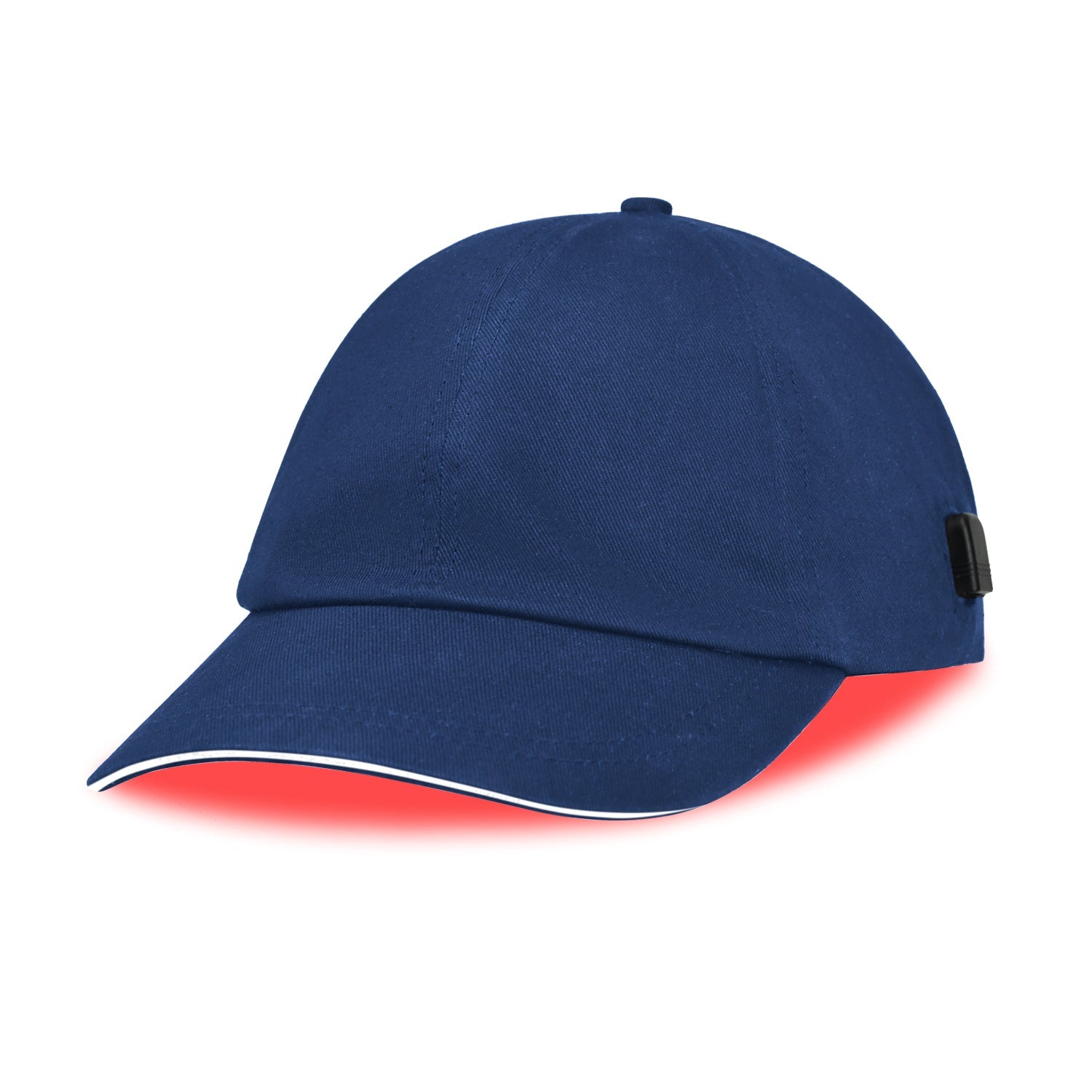
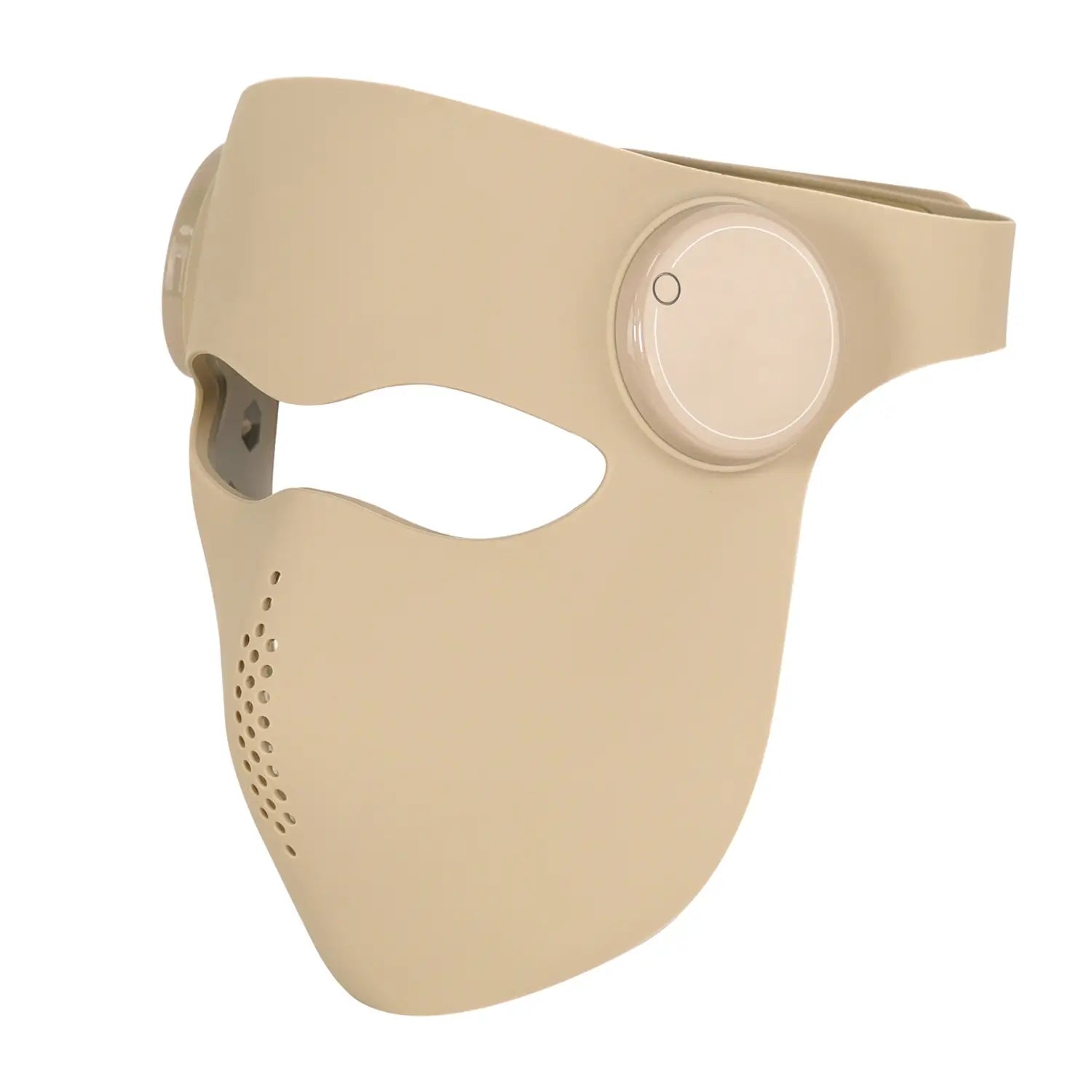
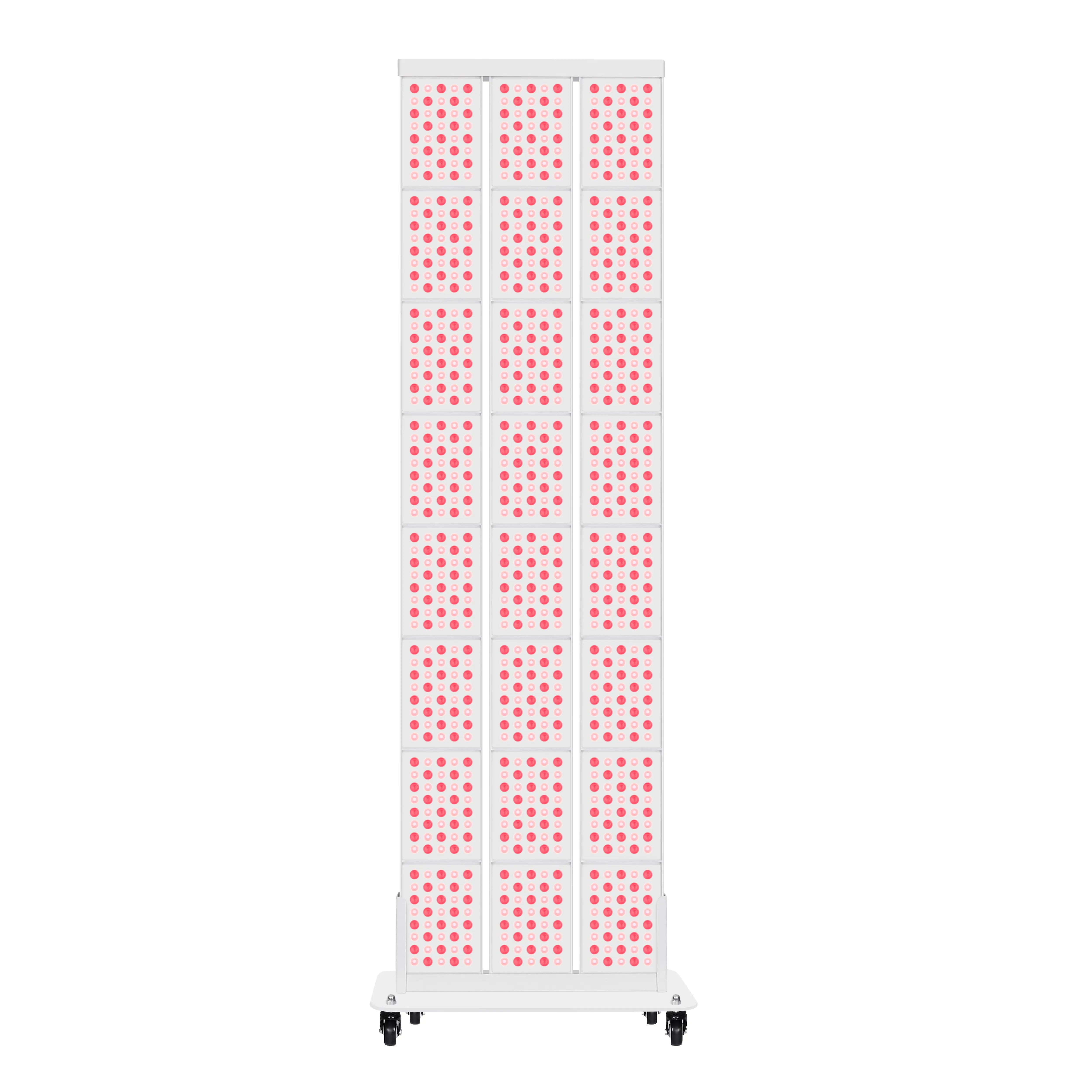
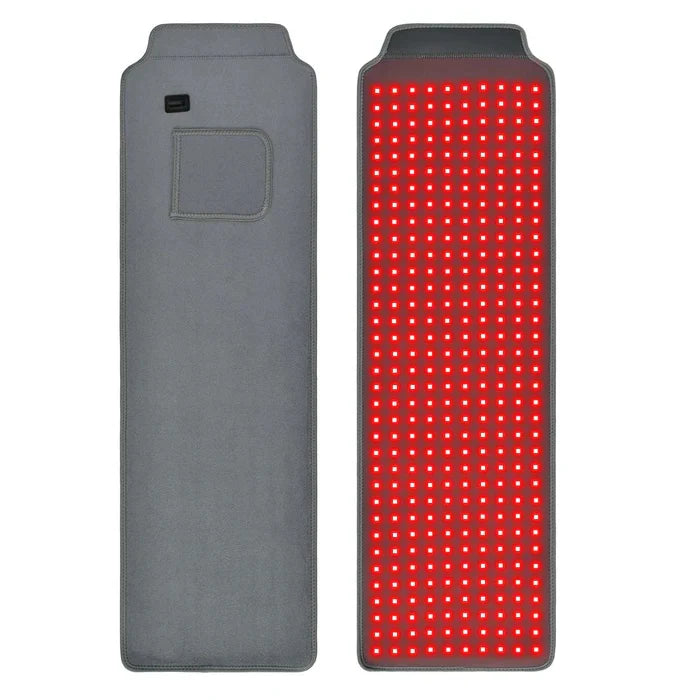
They use red and near‑infrared wavelengths that have been studied therapeutically. Atria recommends including visible red light around 620–700 nanometers for more superficial tissue and near‑infrared around 800–1000 nanometers to reach deeper structures. Mito Red Light’s scar‑focused guidance emphasizes roughly 600–650 nanometers for surface remodelling and up to about 850 nanometers for deeper repair. Consumer and clinic devices from several brands cluster around red at 633 nanometers and near‑infrared at about 830 nanometers; those are the same wavelengths used in some clinical masks and panels for scarring and wound healing.
They deliver enough power to reach your tissue without overdoing it. Atria suggests aiming for a power level in the range of about 20–100 milliwatts per square centimeter at the skin. That sounds abstract, but good manufacturers will specify irradiance at certain distances. Many at‑home devices are deliberately less powerful than clinic systems, which makes them safer but also means you must temper expectations about how fast results will appear.
They are built and tested for safety. Look for devices that are cleared by the Food and Drug Administration for their intended uses or at least meet medical safety standards such as IEC 60601, and that come with third‑party testing data, clear dosing protocols, and robust warranties. Mito Red Light and several clinic‑grade brands emphasize this level of validation.
They are honest about what they are and what they are not. Cleveland Clinic, Stanford Medicine, and MD Anderson all warn that many consumer gadgets sold online obscure their wavelengths, power, or clinical evidence and lean hard into hype. A realistic, science‑respecting vendor will position red light as an adjunct, not a miracle cure, and will include clear contraindications and disclaimers.
Dose: How Much And How Often For Scar Pain
Photobiomodulation follows a “Goldilocks” or biphasic dose response: too little light and nothing happens; too much and the benefit flattens or can even reverse. More is not automatically better.
Atria’s preventive‑medicine guidance gives a useful starting range. For most body areas, typical sessions run five to twenty minutes per treatment zone with a device that delivers about 20–100 milliwatts per square centimeter. Distances from the panel are usually around six to twenty‑four inches, with closer distances delivering a stronger, narrower beam and farther distances covering more area at lower intensity. Clinical trials often settle on two or three sessions per week, sometimes more, over periods of several weeks to months.
Mito Red Light’s scar‑specific recommendations are in the same ballpark: start with about two to three sessions per week, each ten to twenty minutes on the scarred area, and increase duration or frequency slowly only if your skin tolerates it well and you are not seeing progress. CurrentBody’s LED mask studies for facial rejuvenation use ten‑minute sessions twice weekly for three months, with measurable improvements in collagen and elasticity, which suggests that a few months of regular exposure is a rational expectation for visible skin changes.
The CURES facial‑scar trial used a more intensive schedule of three sessions per week for three weeks at relatively high fluences and still found only modest, dose‑dependent benefits, which is a reminder that some scars will be stubborn even under aggressive protocols.
For scar pain, my practical rule is to borrow from both camps: start conservatively and think in weeks to months, not days. You can always scale up slightly after a month if you are tolerating the sessions and want to see whether more frequent exposures make a difference.
How To Run A Session For A Painful Scar
Session quality matters as much as session count. A few evidence‑based details really do move the needle.
Start with clean, dry skin. Mito Red Light’s pre‑session guidance is straightforward: wash the area gently, remove makeup, sunscreen, lotions, self‑tanner, and heavy oils, and pat dry. Residue on the skin can reflect or absorb light before it reaches the target tissue. If you have active inflammatory conditions like eczema or rosacea in the area, it is wise to clear red light therapy with your dermatologist first.
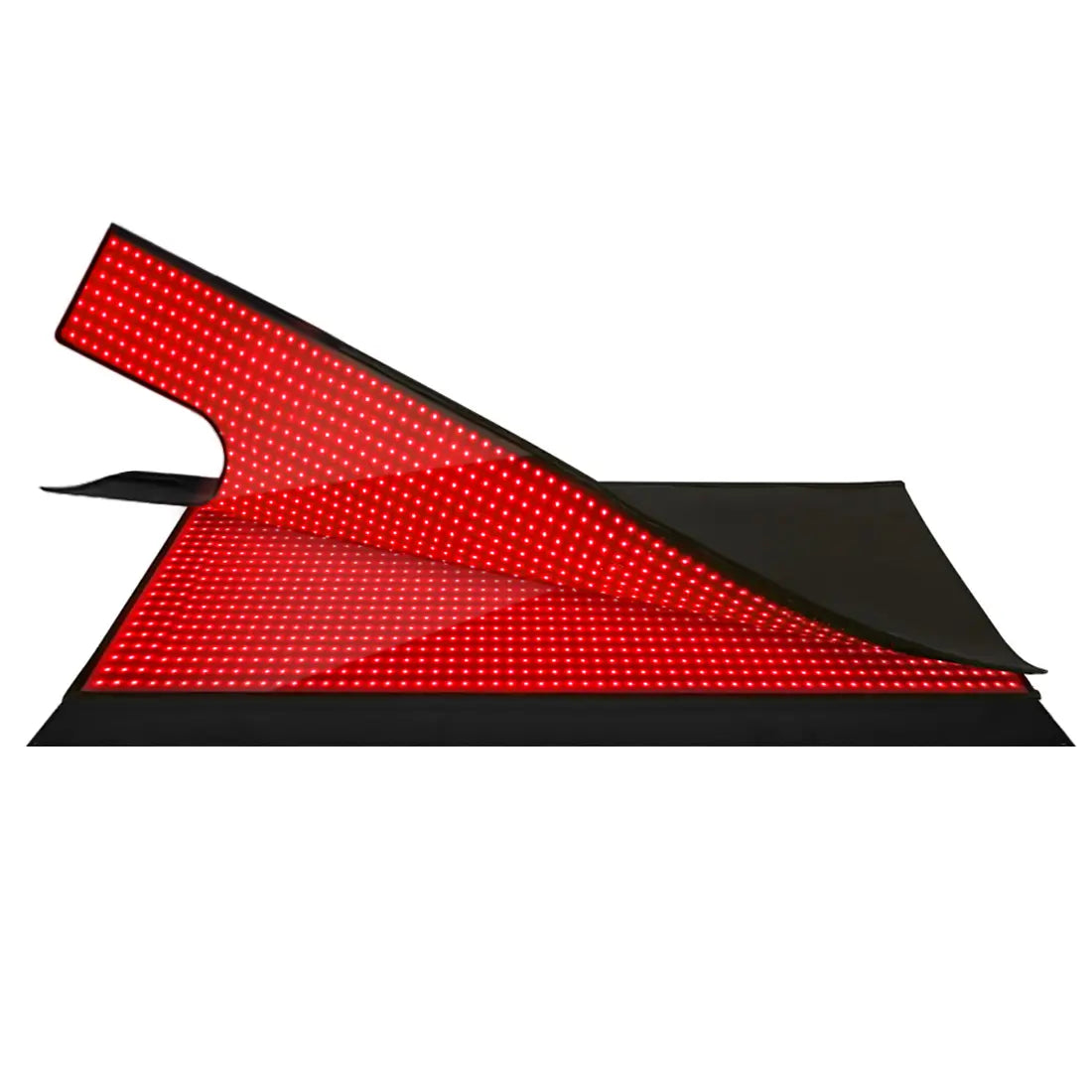
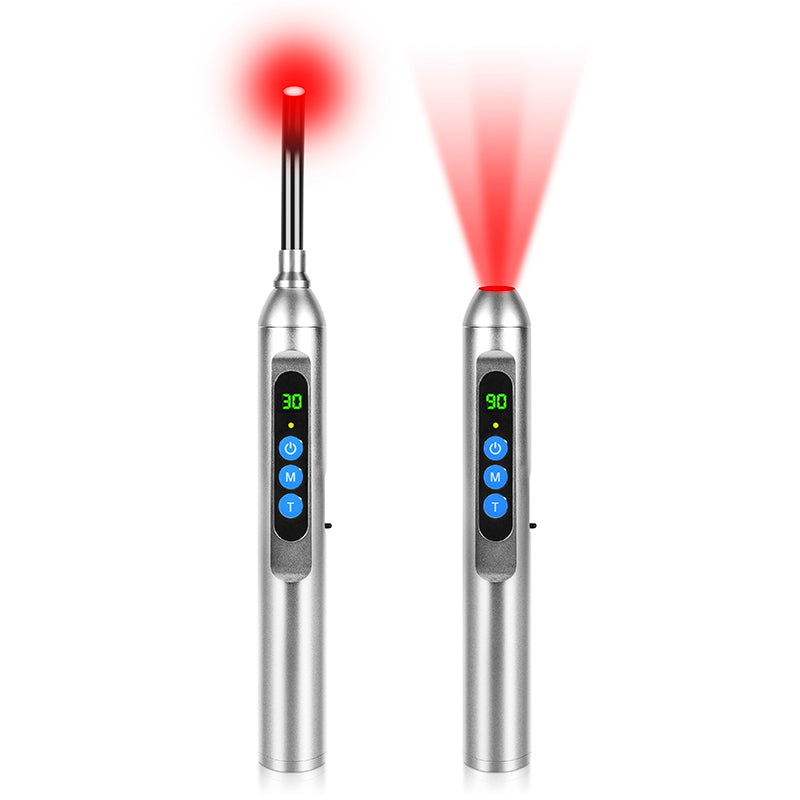
Set your distance and angle deliberately. For most panels, that means positioning yourself roughly six to twenty‑four inches away so that the beam covers the scar and some surrounding tissue without being overwhelmingly intense. Small handheld devices and wands are often used closer to the skin, sometimes just a few inches away, held steady over the scar. Brands like Solawave recommend positioning devices around six inches from the target area for about fifteen to twenty minutes per session.
Protect your eyes. Even though red LEDs are not lasers, staring straight into any bright source at close range is not smart. Atria and MD Anderson both recommend eye protection when you are directly facing a red light device, especially high‑power panels and clinic lasers.
Pair light with stillness and breath. Most people do not have spare blocks of time to stand in front of a panel doing nothing. Atria’s clinicians suggest stacking red light sessions with practices like mindfulness or breathwork. From a pain‑management perspective, combining red light with parasympathetic nervous system activation is a double win: you reduce inflammation peripherally while also down‑regulating central pain amplification.
Monitor and adjust. Take clear photos of your scar in natural light before you start and every few weeks afterwards from the same angle. Keep simple notes about pain, tightness, itch, and function along with your session times. If the area becomes more painful, excessively warm, or visibly irritated, back down on the dose and discuss things with your clinician.
How Long Before You Notice Pain Relief?
The honest answer is that it varies, and trials do not give us a single universal timeline.
In the sternotomy study and the post‑surgical protocols highlighted by Deeply Vital Medical, meaningful differences in pain and function showed up within the first month. Patients reported less pain with coughing, less swelling, and better comfort with movement compared to controls. Dental and facial practices using red and infrared light for oral and facial scars often describe patients noticing softer, less tender scars within a few weeks of consistent treatment.
On the appearance side, providers like Mito Red Light and CurrentBody describe gradual fading and smoother texture over one to three months of regular therapy, with newer scars responding faster than older ones. That aligns with the physiology of collagen turnover, which simply does not happen overnight.
If your scar pain is purely mechanical, for example due to a deeply tethered cord or a nerve neuroma, red light alone may not be enough. That is where surgical revision, physical therapy, or nerve‑targeted treatments come in. The key is to keep expectations grounded: red light is best viewed as a science‑backed adjunct that nudges biology in your favor, not a magic eraser.
Risks, Limitations, And Who Should Be Careful
One of the reasons I am comfortable recommending red light as part of a home wellness stack is its safety profile when used correctly.
Cleveland Clinic and Duke’s narrative review point out that, at the doses used for photobiomodulation, red and near‑infrared light are non‑invasive, non‑ultraviolet, and generally well tolerated. Most studies report no serious adverse effects. The CURES trial, even at high fluences on fresh facial surgical scars, reported only a few mild, transient events: two cases of local blistering and one of swelling, all resolving without permanent issues.
That does not mean risk is zero. MD Anderson notes that some reports describe burns or skin damage from malfunctioning or overly hot devices. High‑fluence red light trials in normal skin have found that darker skin types may be more photosensitive at the highest doses. Overuse, especially with poor ventilation or direct contact, can irritate or slightly burn the skin. That is why following manufacturer instructions and avoiding do‑it‑yourself dose escalation is non‑negotiable.
Several sources advise special caution in certain groups. People on photosensitizing medications or with photosensitive conditions should talk with their physician before using red light. Pregnant or breastfeeding individuals are generally advised by companies like Mito Red Light to consult their obstetric provider, because research specifically in pregnancy is limited. A common conservative approach is to avoid directing strong light over the abdomen and lower back during pregnancy until better evidence exists.
There are also clear limits to what red light can do. Reviews from Stanford Medicine, Cleveland Clinic, and Utah Health all stress that red light therapy cannot fix structural problems like torn ligaments or reverse advanced osteoarthritis. For scars, that translates to this: if a painful scar is being driven by a surgical complication, nerve entrapment, or mechanical deformity, the underlying issue still needs direct medical or surgical management.
Finally, cost and time are real constraints. Home devices range from under one hundred dollars to thousands of dollars, and in‑clinic red light beds and panels can run into six figures. Health insurance rarely covers red light therapy for scars or pain, so you are usually paying out of pocket. Sessions need to be repeated over weeks or months. Any plan you make should take these realities into account so that you can stick with it long enough to see whether it helps you.
How I Integrate Red Light Into A Scar‑Pain Strategy
When I help someone design a scar‑pain protocol, I treat red light as one spoke in a larger wheel. I start by making sure the basics are covered: confirming with their surgeon or dermatologist that the scar has healed appropriately, checking for signs of infection or problematic fibrosis, and making sure there is a physical therapist or movement specialist involved if the scar crosses joints or limits range of motion.
Next, I layer in a realistic red light plan. That usually means picking a device with transparent specifications in the 620–700 nanometer red and 800–850 nanometer near‑infrared bands, scheduling ten to twenty minutes of exposure two or three times per week at a comfortable distance, and committing to at least eight to twelve weeks before deciding whether it is helping. If pain is a dominant symptom, we track it side by side with appearance so that subtle but meaningful pain changes are not overlooked.
I also pay attention to synergy. Microneedling, for instance, can create micro‑channels that help red light reach deeper layers more effectively, and several sources describe pairing red light with hydrating or collagen‑supporting topicals like vitamin C or hyaluronic acid after sessions. Clinics that combine red light with platelet‑rich fibrin, compression, or topical therapies often see more comprehensive results than either modality alone. The key is to sequence things correctly so that nothing blocks light during sessions and every intervention has a clear purpose.
Throughout, I keep the narrative grounded. There is real science showing that red light can change scar biology and, in certain settings, reduce pain. There are also real gaps where we simply do not know enough yet. If you respect both sides of that story, red light therapy becomes what it should be: a powerful, low‑risk tool that you wield deliberately, alongside good medical care, movement, and lifestyle, to help your scars hurt less and your body heal better.
In the end, that is the ethos of a true light‑therapy geek: follow the photons, but follow the data even more closely.
References
- https://clinicaltrials.gov/study/NCT02630303
- https://scholars.duke.edu/individual/pub1683616
- https://pmc.ncbi.nlm.nih.gov/articles/PMC10311288/
- https://med.stanford.edu/news/insights/2025/02/red-light-therapy-skin-hair-medical-clinics.html
- https://healthcare.utah.edu/the-scope/mens-health/all/2024/06/176-red-light-therapy-just-fad
- https://www.mdanderson.org/cancerwise/what-is-red-light-therapy.h00-159701490.html
- https://atria.org/education/your-guide-to-red-light-therapy/
- https://my.clevelandclinic.org/health/articles/22114-red-light-therapy
- https://www.uhhospitals.org/blog/articles/2025/06/what-you-should-know-about-red-light-therapy
- https://deeplyvitalmedical.com/red-light-therapy-healing-scar-reduction/