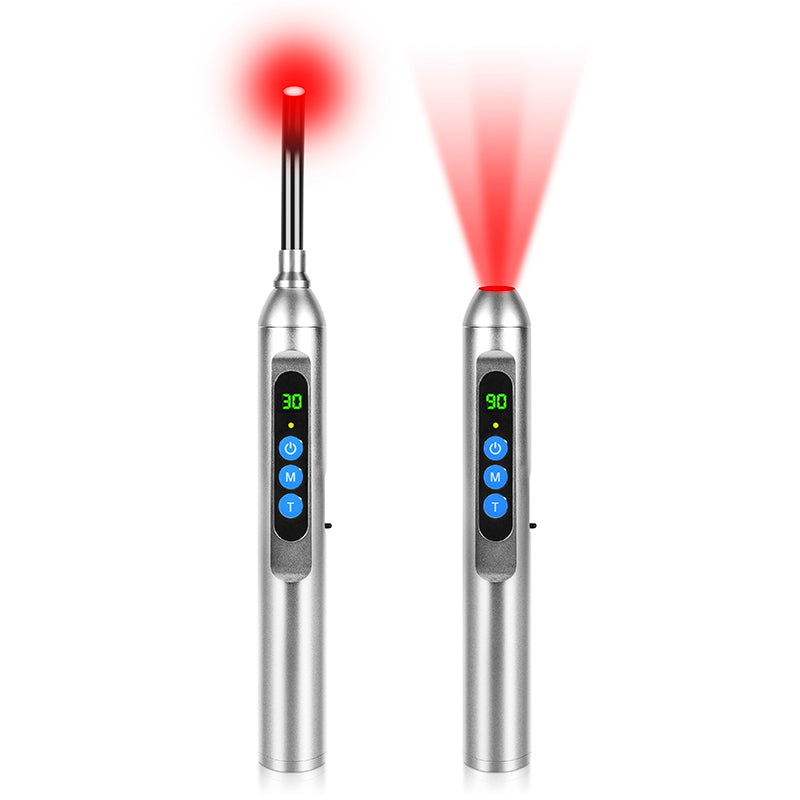

If you are twenty‑something, dialed into skincare, and already eyeing red light panels and LED masks, you are not alone. Red light therapy has moved from NASA experiments and hospital rehab units into bathrooms and bedrooms everywhere. The big question I hear from younger biohackers is simple: if you start at 25, are you getting ahead of the curve, or just wasting money and light exposure long before you need it?
As someone who has spent years testing panels, masks, and wands on myself and clients, and digging through the actual clinical data rather than just brand claims, I can tell you this: the answer is nuanced. Twenty‑five is not “too early” in a safety sense, but it can absolutely be too early in a priorities sense if you approach it the wrong way.
Let’s break this down from the perspective of mechanisms, real evidence, and smart, long‑game strategy for your skin and health.
Red Light Therapy 101: What You’re Actually Doing To Your Skin
Red light therapy, also called low‑level light therapy or photobiomodulation, uses low‑intensity red and near‑infrared wavelengths, usually in the rough range of 600 to 900 nanometers, to influence biology rather than to burn or ablate tissue. Cleveland Clinic describes it as noninvasive light that acts on mitochondria, the “power plants” of your cells, to increase cellular energy and drive repair and regeneration.
Several medical centers, including Stanford Medicine and UCLA Health, classify this as photobiomodulation rather than a cosmetic gadget. The same basic mechanism is used in:
- Dermatology clinics for wrinkles, acne, scars, and sun damage
- Photodynamic therapy, where red light activates a drug to kill abnormal cells in precancerous lesions
- Wound healing and pain clinics
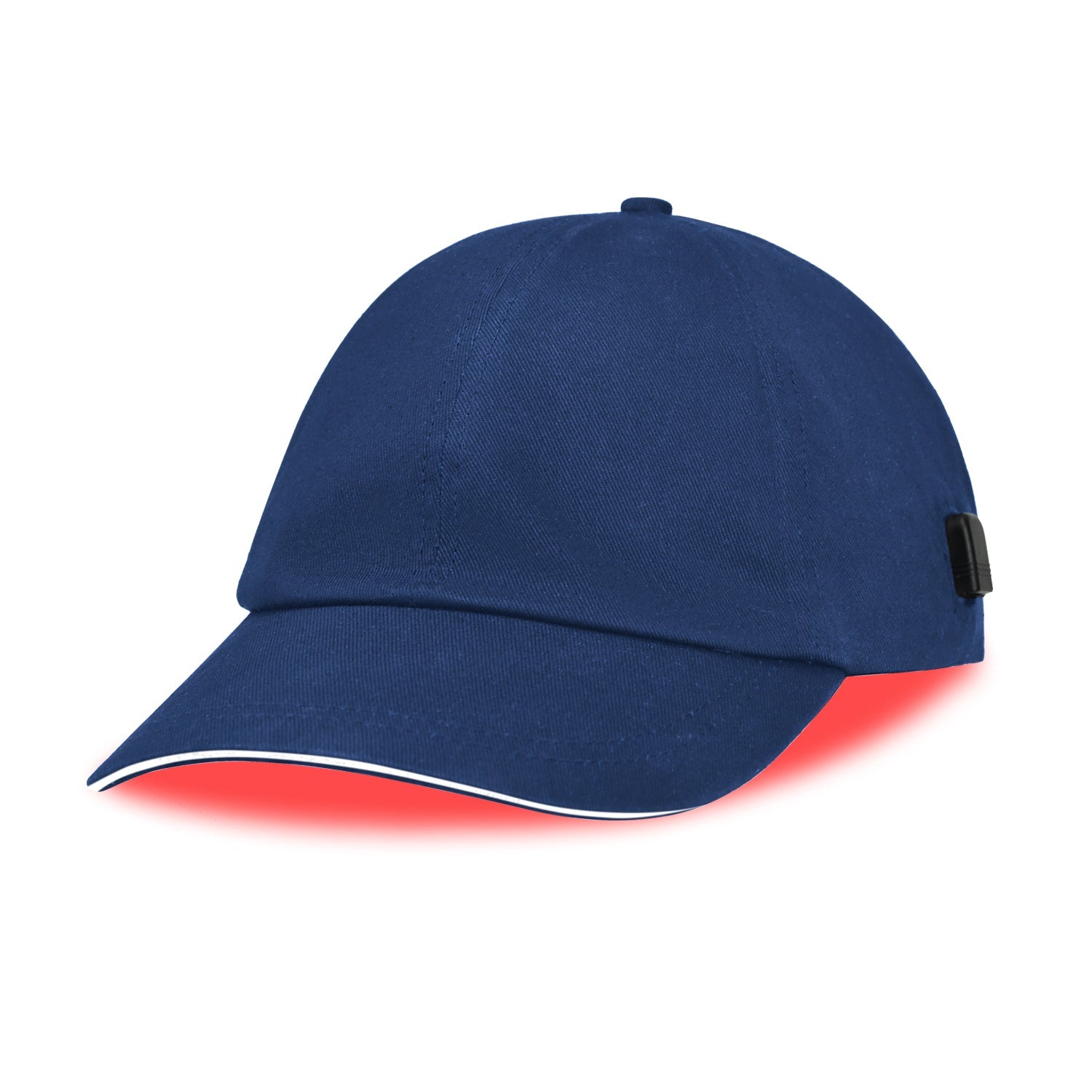
- Hair restoration clinics, using red or near‑infrared light caps or helmets
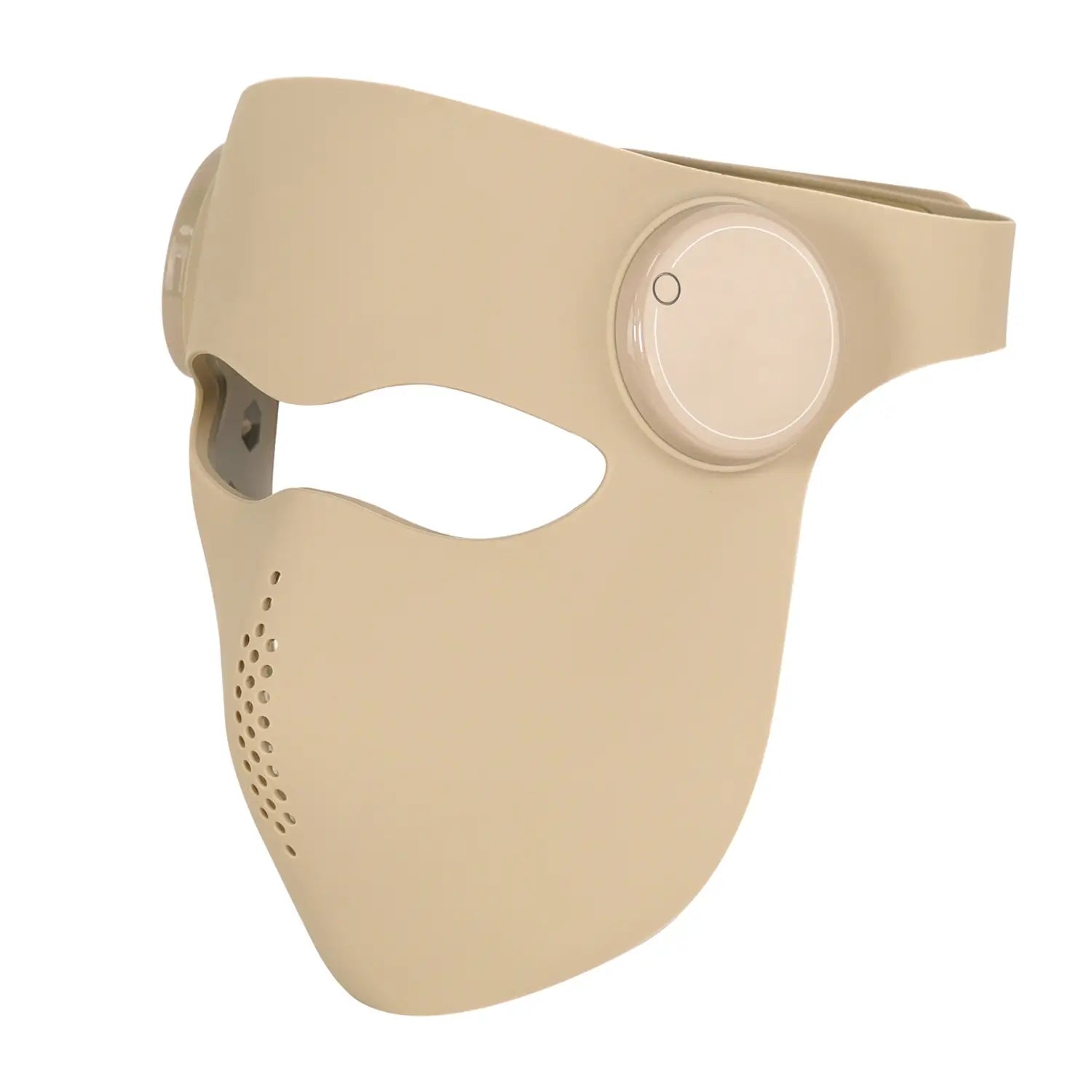
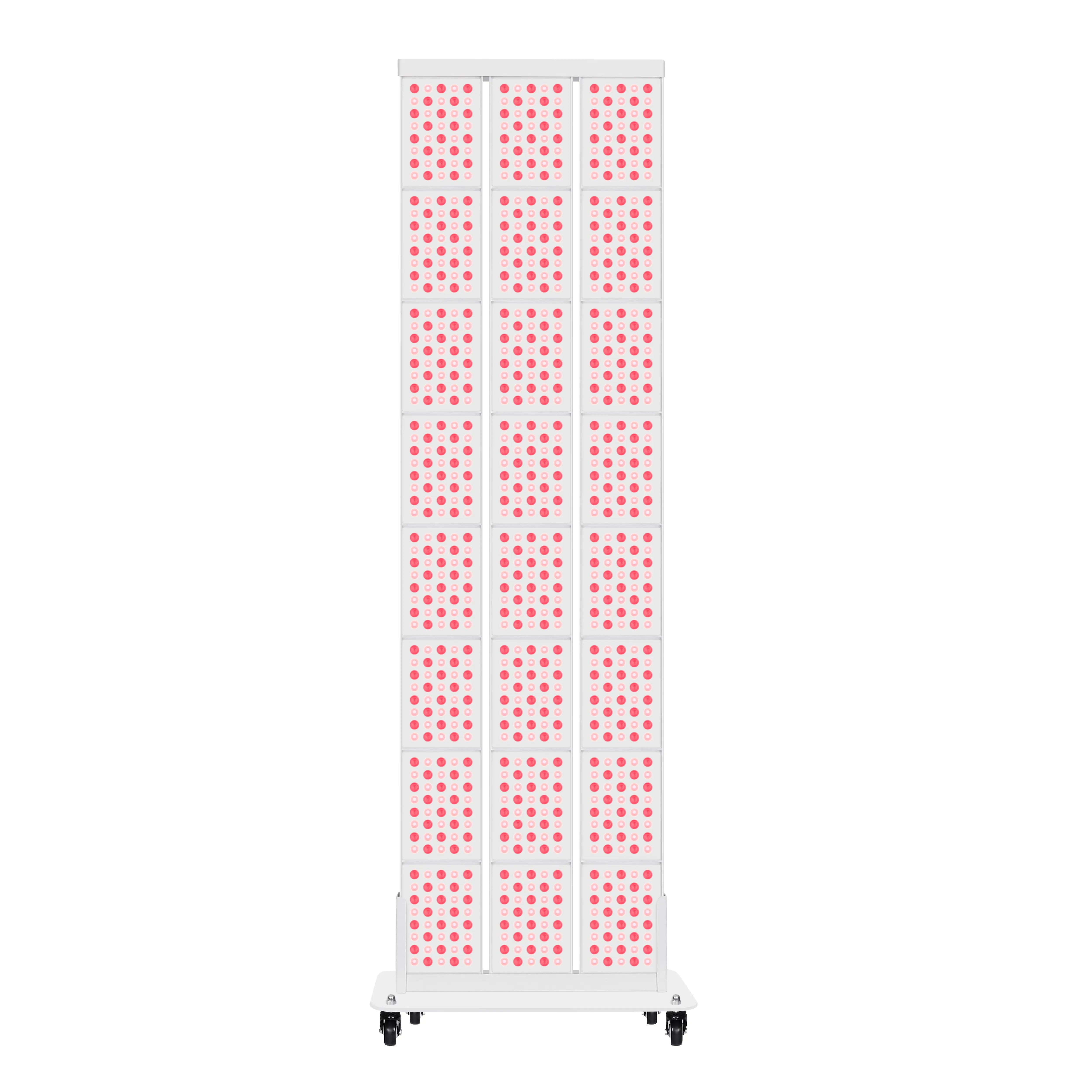
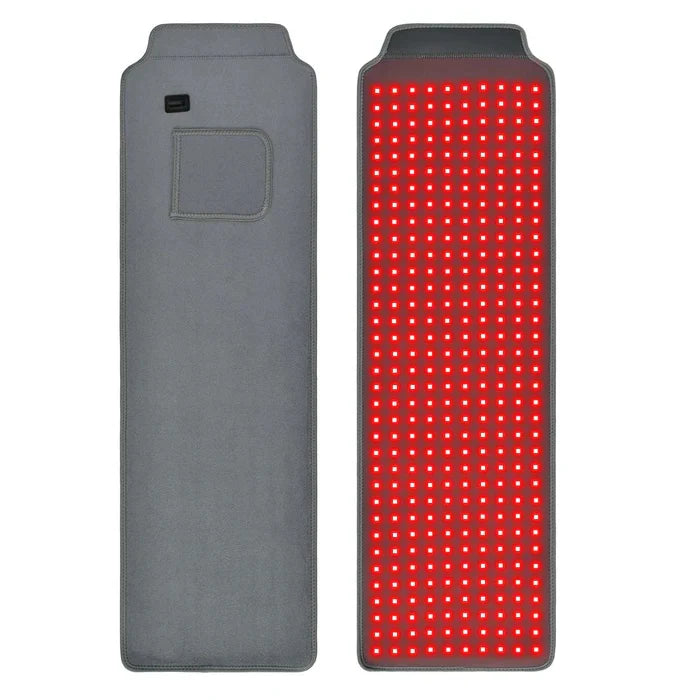
What matters is not the brand name on the device, but the wavelength, intensity, dose, and schedule. A full‑body light bed, a high‑power panel, and a thin plastic mask can all deliver red light, but they do not deliver the same dose.
The Mitochondria And Collagen Story
Multiple reviews and clinical papers, including work summarized by Cleveland Clinic and WebMD, converge on a core mechanism. Red and near‑infrared light:
- Is absorbed by mitochondrial enzymes, particularly cytochrome c oxidase
- Increases ATP production, the energy currency cells use to repair and remodel
- Modulates reactive oxygen species and inflammatory signaling
- Changes gene expression related to repair, collagen formation, and antioxidant defenses
On the skin surface, this shows up in a very practical way. Studies summarized by Vital Red Light, Solawave, and peer‑reviewed trials in PubMed Central report that red light in the 630 to 670 nanometer range can stimulate fibroblasts, the cells that produce collagen and elastin, and increase dermal density, measureably improving wrinkles and firmness over a few months.
One home‑use LED mask study published in a dermatology journal and available in PubMed Central tested a 630 nanometer mask in 20 adults aged 45 to 70. They used it for 12 minutes, twice a week, for 3 months. The outcomes were not just “I think I look better.” Ultrasound and biomechanical measurements showed progressive, statistically significant improvements in wrinkles, firmness, elasticity, and dermal density, and those improvements persisted for about a month after stopping.
Another randomized trial of full‑ or partial‑body red light, involving 136 volunteers aged 27 to 79, used polychromatic light centered in the red range twice a week for 30 sessions. Compared with controls, treated participants had improved complexion, better subjective skin feel, reduced roughness, and greater ultrasonically measured collagen density. Importantly, the red‑only spectrum performed as well as a broader 570 to 850 nanometer light source.
In acne, a 2017 clinical study summarized in the Fuel Physical Therapy and wellness content reported that red light around 630 nanometers reduced inflammatory lesions by about 60 percent after several weeks. Cleveland Clinic and WebMD both note that red light seems to help acne by calming inflammation, supporting healing, and sometimes reducing oil output, while blue light more directly targets acne‑causing bacteria.
This is the biological and clinical engine under every “before and after” photo. But note the ages: most anti‑aging trials recruit participants in their late twenties or older, often middle‑aged adults with visible photoaging.
Evidence Snapshot: Promising, But Not A Miracle
When you zoom out beyond skin, the picture is mixed but interesting.
Cleveland Clinic and UCLA Health report that:
- Skin aging: Multiple controlled trials show red light can improve fine lines, wrinkles, discoloration, and skin texture over weeks to months, especially when treatments are repeated one to three times per week.
- Hair growth: Stanford Medicine and UCLA Health both describe evidence for red light promoting hair regrowth in pattern hair loss as relatively strong compared with some other uses, as long as follicles are still alive.
- Wound healing and scarring: Data are mixed. Some surgical scar studies show faster early healing with red light, though by six weeks results can converge with controls.
- Pain: Reviews find red and near‑infrared light can reduce acute and chronic pain for some conditions, but benefits may fade within weeks after stopping, meaning maintenance therapy is often needed.
- Cognition and dementia: Early, small trials using intranasal and transcranial red light report improved cognition and behavior over a few weeks in people with dementia, but the sample sizes are small and long‑term data are lacking.
Harvard Health and WebMD both stress a critical point: most studies are small, often lack robust placebo controls, and use different devices, doses, and schedules. That means the overall evidence is promising for certain indications, but far from conclusive.
In other words, red light therapy is a real biological signal, not just relaxation lighting. But it is also not a fully settled, one‑size‑fits‑all treatment, and the data we do have are heavily weighted toward older adults or clearly defined medical conditions.

Skin And Health At 25: Where Are You On The Curve?
At 25, your skin is not the same as it was at 15, and it is not yet the skin you will have at 45. Dermatology sources, including West Dermatology and multiple LED therapy overviews, emphasize that collagen and elastin production naturally decline with age, and that this decline is a key driver of wrinkles and sagging.
They do not pin that decline to a single birthday, but they do make two things clear. First, the process starts well before deep wrinkles appear. Second, ultraviolet exposure, smoking, chronic stress, and poor sleep accelerate that decline.
For most people at 25, the dominant issues are:
- Acne, clogged pores, and post‑acne marks
- Early photoaging from sun exposure without consistent sunscreen
- Mild textural changes or fine expression lines, especially around the eyes
- Redness or sensitivity, sometimes with rosacea or eczema tendencies
You still have relatively strong repair capacity. Your baseline collagen, elastin, and hyaluronic acid levels are higher than they will be decades later. So the question is not “Do you need correction?” so much as “Does adding red light at this stage meaningfully shift your trajectory compared with dialing in fundamentals?”
What Red Light Can Actually Do For You At 25
Looking at the evidence and clinic guidance, the most realistic benefits of red light for a healthy 25‑year‑old fall into a few buckets.
For acne and post‑acne marks, red light’s anti‑inflammatory effect and support for tissue repair are attractive. Cleveland Clinic, WebMD, dermatology clinics, and several LED manufacturers all highlight its role in reducing redness, calming inflamed lesions, and helping scars and post‑inflammatory hyperpigmentation fade more smoothly. The 60 percent lesion reduction in a several‑week red‑light acne study is a good example of what is possible under structured protocols.
For early fine lines and texture, the anti‑aging mask and full‑body studies show that skin can become measurably smoother and firmer within 8 to 12 weeks in older adults. While we do not have parallel trials in 25‑year‑olds, the underlying mechanism—stimulating fibroblasts and collagen—does not suddenly switch on at 40. At 25, the visible changes will likely be more subtle, but you can reasonably expect improvements in glow, uniformity, and hydration, especially if your skin is a bit dull or stressed.
For inflammatory conditions like rosacea or eczema, several clinical and educational sources, including West Dermatology, report that red light’s anti‑inflammatory and barrier‑supporting effects can help reduce redness and irritation. The key caveat is that it is an adjunct, not a replacement, for medical care and prescription regimens.
For hair, Stanford and UCLA point out that low‑level red light has relatively strong evidence for stimulating thinning hair where follicles are still alive. If you are 25 and noticing early pattern thinning, a physician‑supervised red light cap could be part of a proactive plan.
By contrast, for performance enhancement, sleep hacking, or deep neuroprotection, both Stanford Medicine and UCLA Health describe the science as early or speculative. There are interesting findings, but they are not strong enough to justify heavy time, money, and light exposure in a healthy 25‑year‑old whose primary goal is just to “optimize everything” without a clear symptom target.

Is 25 “Too Early”? Benefits Versus Unknowns
Let us tackle the core worry head‑on: does starting red light therapy at 25 blunt your ability to benefit later, or somehow “use up” your response?
Current data do not show a “use it up” effect. The Arndt–Schulz principle, which the Dior mask researchers explicitly mention, tells us that cells respond best to a moderate dose: too little does nothing, too much can inhibit function. That is why their protocol spaced treatments every 72 hours and still produced improvements across three months.
But this dose‑response curve is about what happens over days and weeks, not over decades. Cleveland Clinic, Harvard Health, UCLA Health, and WebMD all emphasize the same unknown: long‑term safety and efficacy data for years or decades of continuous use are not available yet.
Where Starting Early Makes Sense
From an evidence‑based, optimization‑minded standpoint, starting red light therapy around 25 can make sense when you have specific, evidence‑aligned goals:
You have acne or persistent red marks that have not fully responded to topical care. Red light has documented anti‑inflammatory and healing benefits in acne, without the dryness and irritation of many medications. When you combine it with sensible topical therapy and dermatology care, it can help reduce active lesions and smooth out the aftermath.
You are seeing early, genuine photoaging plus have risk factors. If you already have visible sun damage, fine lines, and a history of heavy UV exposure, and you are now committed to sunscreen and lifestyle changes, adding red light as a collagen‑supporting adjunct is reasonable. The mask and full‑body trials suggest you do not need to wait until your forties to benefit from that fibroblast stimulus.
You have early pattern hair thinning confirmed by a professional. Red light caps and helmets with appropriate wavelengths and power have enough evidence to be considered a legitimate tool alongside medications like minoxidil for living follicles. Starting earlier in the thinning process could help preserve density.
Where Starting Early Might Not Be Worth It
On the flip side, starting a heavy red light regimen at 25 can be overkill when:
Your skin is clear, resilient, and only mildly uneven. In this scenario, the biggest levers for your long‑term skin trajectory are still daily broad‑spectrum sunscreen, smart skincare, healthy sleep, and not smoking. Red light might give you a bit more glow, but the incremental benefit relative to cost and time is modest.
You are chasing vague “biohacking” goals without a clear endpoint. The science for sports performance, generalized energy boosts, or deep cognitive enhancement in healthy young adults is weak. UCLA Health and Stanford specialists explicitly note that claims for erectile dysfunction, chronic pain, and dementia prevention are speculative and not backed by robust clinical trials. At 25, your opportunity cost—money and time you could invest elsewhere—is real.
You are tempted to overdo dosage. I see this constantly among enthusiasts: daily long sessions at high intensities because “more light must be better.” Both clinical studies and basic photobiology argue against this. The Dior mask study achieved strong results twice per week at a carefully chosen irradiance. The large full‑body trial also used twice‑weekly sessions. Going far beyond those evidence‑based frequencies when you are 25, with decades of life ahead, is not wise given the unknowns.
Safety And Unknowns Over Decades
On safety, the story is reassuring but incomplete.
Cleveland Clinic, Harvard Health, WebMD, and UCLA Health all converge on a few points:
- Red and near‑infrared devices do not use ultraviolet light and have not been linked to skin cancer in existing data.
- Short‑term use as directed appears generally safe, with side effects usually limited to mild, temporary redness or irritation when they occur.
- FDA‑cleared devices are evaluated primarily for safety, not for how well they work, which means you cannot assume a cleared device is effective for your exact goal.
- Long‑term safety of repeated exposure over many years remains uncertain. There simply are not decades‑long follow‑up studies yet.
Eye safety is a special case. Harvard Health notes that a consumer acne mask was recalled because of potential eye damage in people with underlying eye conditions or light‑sensitizing medications. WebMD and Cleveland Clinic both recommend eye protection and caution for anyone with a history of eye disease.
There are also clear groups who should not self‑experiment. People taking photosensitizing medications, those with a history of skin cancer, inherited eye diseases, or conditions like epilepsy may be advised to avoid LED treatments or use them only under physician supervision. Pregnancy data remain limited, so several consumer and clinic resources recommend checking with a healthcare provider first.
If you are 25, odds are high you will outlive any device you buy now. That is exactly why I recommend using red light as a targeted tool at modest doses, not a daily floodlight you sit under “just in case,” especially when your baseline skin and health are good.
A Smart Red Light Strategy In Your Mid‑Twenties
If you decide red light therapy belongs in your routine at 25, treat it the way a seasoned biohacker would treat any intervention: choose the right tool, respect dosing, stack it with fundamentals, and regularly reassess whether it is actually helping.
Choosing A Device Without Falling For Hype
Large panels, masks, wands, caps, and beds are all marketed aggressively. Here is how to think about them through the data lens.
Dermatology centers and academic reviews point out that in‑office devices are usually more powerful and better standardized than at‑home tools. At‑home devices are typically weaker, which can mean subtler results and longer timelines, but they are far more convenient and cost‑effective over time.
Several credible sources, including Cleveland Clinic, UCLA Health, and consumer‑education pieces from dermatologists and device manufacturers, recommend:
- Looking for clearly stated wavelengths in the red range (around 630 to 670 nanometers) for skin and near‑infrared (around 810 to 850 nanometers) for deeper tissues.
- Favoring devices that are FDA‑cleared, understanding that this reflects a safety review, not a guarantee of strong clinical efficacy.
- Being skeptical of marketing that promises dramatic, fast, or universal results, especially for weight loss, cellulite, or mental health conditions where Cleveland Clinic and others explicitly state there is no solid evidence.
From a practical standpoint, for a 25‑year‑old focused on face and scalp, a well‑designed facial device or panel plus, if needed, a medically supervised hair device is usually more than enough. A full‑body bed is rarely necessary at this age unless you are in a supervised clinical program.
Dosing: How Often And How Long
The red light community loves to argue about protocol. The good news is that despite variations, many clinical studies and expert summaries converge on a similar range.
For skin and anti‑aging, sources like Baylor Scott & White Health, Vital Red Light, Santa Barbara dermatology practices, and the Dior mask trial collectively point toward:
- Wavelengths around 630 to 670 nanometers for facial rejuvenation
- Session lengths around 10 to 20 minutes for the face
- Frequencies around two to five sessions per week for several weeks, with clear emphasis on consistency over intensity
The large full‑body trial and the Dior mask study both used twice‑weekly sessions and still achieved measurable results. That is key: more is not automatically better.
For a healthy 25‑year‑old, a conservative, evidence‑aligned starting point for the face would be:
- About 10 to 15 minutes per session
- Around 6 to 12 inches from a panel or a well‑fitted mask that delivers a comparable dose
- Two or three sessions per week for 8 to 12 weeks
After that period, reevaluate with photos and how your skin feels. If you are chasing acne reduction or scar healing, you may choose to continue; if your skin is stable and you mainly wanted a small boost in glow, you might scale back to once weekly or take a break.
Respect the idea that cells need time to “digest” the energy signal. The Dior mask team explicitly spaced sessions 72 hours apart based on delayed photobiomodulation effects. Cramming in daily long sessions because you are impatient cuts against that principle.
Preparation And Skincare Stacking
The way you bookend your red light sessions matters, especially at 25 when your skin is responsive.
Several brands and dermatology‑aligned guides, including Neoelegance, Dr. Dennis Gross, and Solawave, all converge on a basic pattern.
They recommend starting with completely clean skin, free of makeup, sunscreen, and occlusive creams. The reason is simple: you want light hitting skin, not a layer of pigment or mineral reflectors. Gentle, non‑stripping cleansing is enough.
Most guidance suggests doing your red light session on bare skin, then applying serums and moisturizers afterward. Hydrating and reparative ingredients that pair well with red light include hyaluronic acid, peptides, niacinamide, and vitamin C. Neoelegance, for example, highlights hyaluronic acid for hydration, peptides for collagen signaling, vitamin C for antioxidant support and brightening, and niacinamide for calming inflammation and refining texture.
Retinoids and strong exfoliating acids deserve respect. Some experts recommend avoiding them immediately before a light session because they can increase sensitivity or, in some cases, interfere with penetration. Using them after, or on alternate evenings, is a more conservative approach, particularly for younger, sometimes reactive skin.
Regardless of what you do with red light, daily sunscreen remains nonnegotiable. Multiple sources emphasize that ultraviolet exposure is a primary driver of photoaging and skin cancer. Red light does not replace sunscreen; at best, it helps your skin repair some of the damage you do not let happen in the first place.
When To Pause Or Skip
As a twenty‑something, you may feel invincible, but red light therapy still deserves medical common sense.
Harvard Health, Cleveland Clinic, and WebMD all recommend seeing a dermatologist before using devices to “treat” undiagnosed sun damage or suspicious spots. Self‑treating what you assume is a harmless patch could delay the diagnosis of a skin cancer.
People on photosensitizing drugs such as isotretinoin or certain psychiatric medications, those with a personal history of skin cancer, inherited eye disease, or seizure disorders, and pregnant individuals should get explicit clearance from a healthcare provider before using LED devices.
If you notice persistent redness, discomfort, headaches, or eye strain around sessions, dial back or stop and get evaluated. “Generally safe” does not mean universally safe at any dose for every person.

How I’d Use Red Light Therapy If I Were 25 Today
If I were starting over in my mid‑twenties with what we now know, here is the mindset I would bring.
First, I would build the foundation: daily sunscreen, a minimal but consistent skincare routine, solid sleep, strength training, and not smoking or vaping. These are the compounding levers almost every dermatologist and longevity physician agrees on, with far more data than any single gadget.
Second, I would decide whether I have a clear, evidence‑aligned target for red light. Persistent acne and red marks that bother me despite decent topical care? Early pattern hair thinning with strong family history? Genuine photoaging from years of unprotected sun? Those would all qualify. Mild, occasional breakouts or a desire for “perfect” glow would not, at least not as a primary justification.
Third, I would run an experiment, not adopt a new lifestyle. That means choosing a quality device with known wavelengths, using it two or three times a week for 8 to 12 weeks at around 10 to 15 minutes per session for the face, taking baseline and follow‑up photos under the same lighting, and tracking how my skin behaves. If I saw meaningful changes—fewer breakouts, calmer redness, smoother texture—I would keep it as a tool. If the effect was minor, I would be willing to shelve the device and reallocate that time and money.
Finally, I would stay flexible. If new data emerge showing long‑term issues with very high exposure, I would adjust. If strong new evidence appears for particular protocols or wavelengths, I would pivot. Biohacking done right is about curiosity plus humility.
Quick Comparison: Red Light Goals At 25 Versus Later Life
To tie everything together, here is how the role of red light therapy shifts across goals and ages, based on current evidence.
Goal or Use Case |
Evidence Strength In General Sources |
How Valuable At 25 |
How Valuable Later (40s–60s) |
Acne and post‑acne marks |
Moderate, small controlled studies |
High if acne is significant |
Moderate |
Fine lines and photoaging |
Moderate for visible aging |
Mild to moderate, preventive |
High for correction and support |
Pattern hair thinning |
Relatively strong for living follicles |
High if early thinning present |
High, but less effective when advanced |
Wound and scar healing |
Mixed but promising |
Useful for surgical or acne scars |
Useful, especially after procedures |
Muscle recovery and performance |
Weak and speculative |
Low priority |
Low to moderate in targeted rehab |
Cognitive and dementia support |
Early, small studies |
Not a priority in healthy 25s |
Potentially important in clinical care |

FAQ: Red Light Therapy And Your Mid‑Twenties
Will starting red light therapy at 25 mean I have to keep using it forever? No clinical evidence suggests you “lock yourself in” by starting at 25. Studies show that benefits tend to fade gradually after stopping, especially for pain and some skin parameters, which means red light is more like exercise or skincare than a permanent procedure. You can cycle it based on your goals and life stage.
Can red light therapy replace retinoids, sunscreen, or in‑office treatments? Current data and major medical centers are clear that it should be considered an adjunct, not a replacement. Dermatologists still regard sunscreen, topical retinoids, procedural options, and lifestyle measures as the backbone of skin aging and acne management. Red light can add value on top of those, especially for inflammation and healing.
Is it safer to wait until I’m older to start? Short‑term safety at any adult age appears similar: red light is generally well tolerated and non‑UV. The main difference at 25 is that your potential exposure window is much longer, and the strongest evidence right now targets older, more visibly aged skin. That is why a targeted, moderate approach—rather than aggressive daily exposure—is the most rational way to use it in your twenties.
In the end, starting red light therapy at 25 is not too early biologically, but it can be too early psychologically if you expect it to be the foundation of your longevity strategy. Treat it as a precise, well‑dosed tool layered onto the fundamentals, and it can quietly support your skin and hair for decades without stealing attention from the habits that matter most.
References
- https://www.health.harvard.edu/diseases-and-conditions/led-lights-are-they-a-cure-for-your-skin-woes
- https://pmc.ncbi.nlm.nih.gov/articles/PMC10311288/
- https://med.stanford.edu/news/insights/2025/02/red-light-therapy-skin-hair-medical-clinics.html
- https://my.clevelandclinic.org/health/articles/22114-red-light-therapy
- https://www.uclahealth.org/news/article/5-health-benefits-red-light-therapy
- https://www.aad.org/public/cosmetic/safety/red-light-therapy
- https://santabarbaraskincare.org/2025/03/06/the-power-of-red-light-therapy-for-healthier-skin/
- https://www.drdennisgross.com/how-to-use-an-led-device-at-home.html?srsltid=AfmBOopS6_oop5cGKwLXURKyACwLFkn255PE8IMjjtA0S8jP_R-AZosq
- https://www.bswhealth.com/blog/5-benefits-of-red-light-therapy
- https://fuelhealthwellness.com/red-light-therapy-skin-care-insights/