
When pregnancy takes longer than expected, many couples begin looking closely at ovulation timing, sperm health, sleep, stress, nutrition, and daily routines. At the same time, at-home wellness tools have become easier to access, including red light therapy. For people exploring red light therapy fertility support, the real question is where it fits within preconception care. It may be most useful as part of a broader wellness routine that supports the body, while medical questions stay with qualified professionals.
Can Red Light Therapy Support Fertility Wellness?
Red light therapy may support fertility wellness indirectly, mainly by fitting into a broader routine for recovery, relaxation, circulation, and whole-body care.
The most relevant research on red light therapy for fertility is still early. In male reproductive health, some laboratory studies have found that specific red or near-infrared light exposure may improve sperm motility under controlled conditions, including samples with reduced motility.
Evidence for women is even more limited. A small number of studies have explored light-based therapy in relation to ovarian function, cellular energy, and reproductive outcomes, but there is no established home-use protocol for improving ovulation, ovarian reserve, uterine lining, implantation, or IVF success. Age, diagnosis, medication use, treatment timing, and pregnancy status all change the safety conversation.
For most couples, the safest takeaway is practical: red light therapy can be considered a supportive wellness tool, not the centerpiece of fertility care. It may belong beside sleep improvement, stress management, movement, nutrition, cycle tracking, and medical guidance.
Why Are Couples Exploring Light-Based Wellness at Home?
Couples often look at at-home wellness tools when the fertility process starts to feel overly scheduled. Cycle tracking, ovulation tests, supplements, lab work, and repeated waiting can make daily life revolve around timing and results. A simple red light therapy routine offers something different: a quiet session that may support relaxation, recovery, and body awareness during the preconception period.

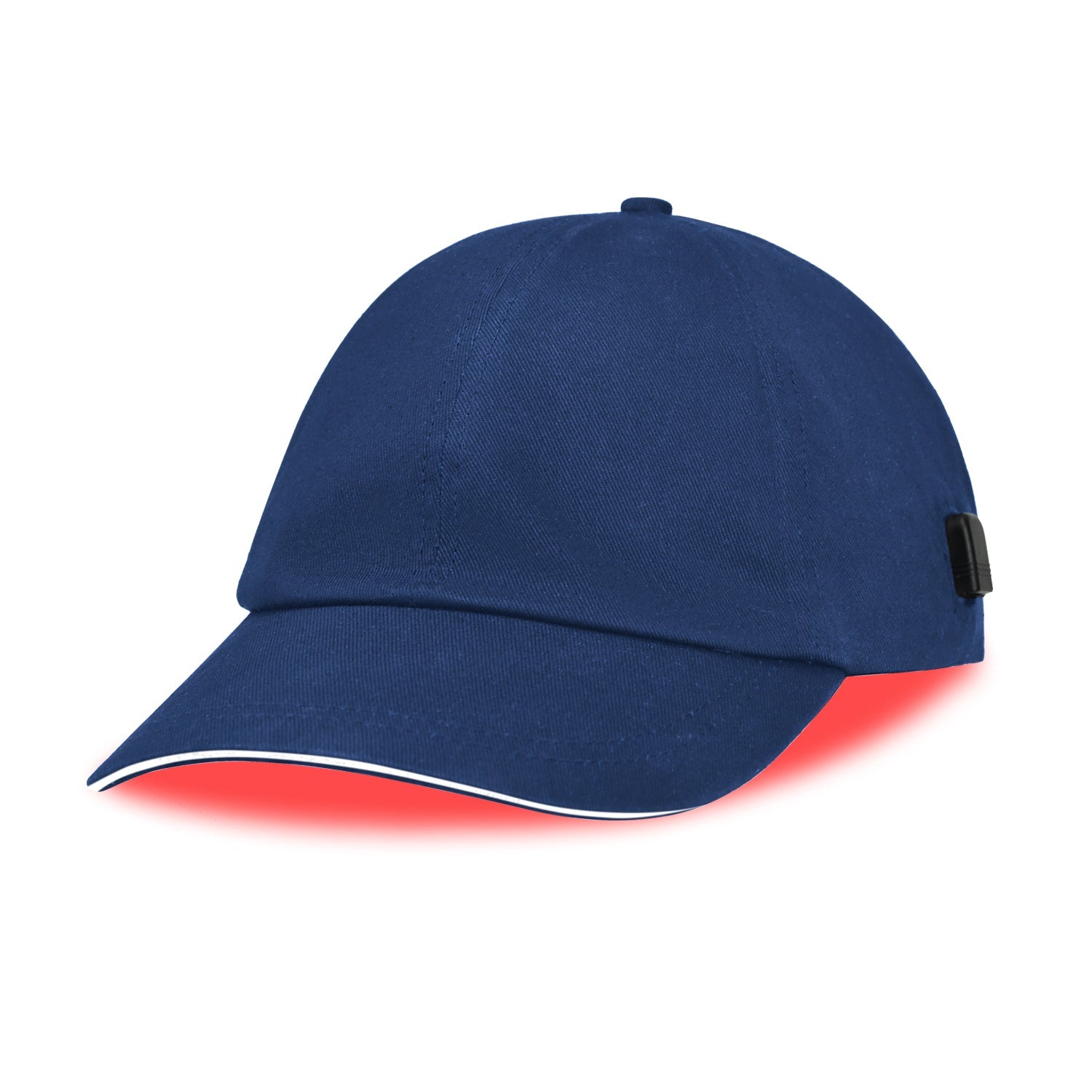
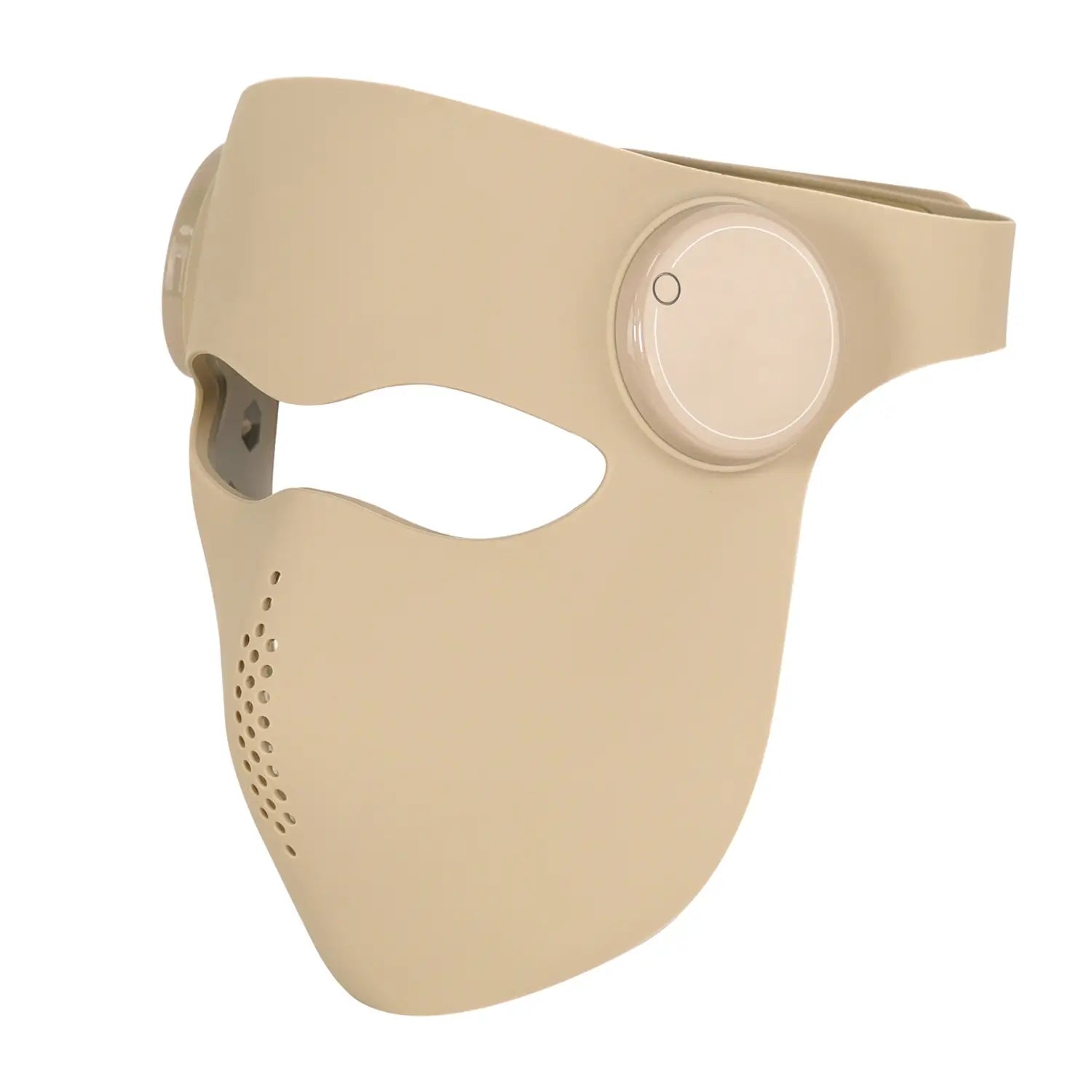
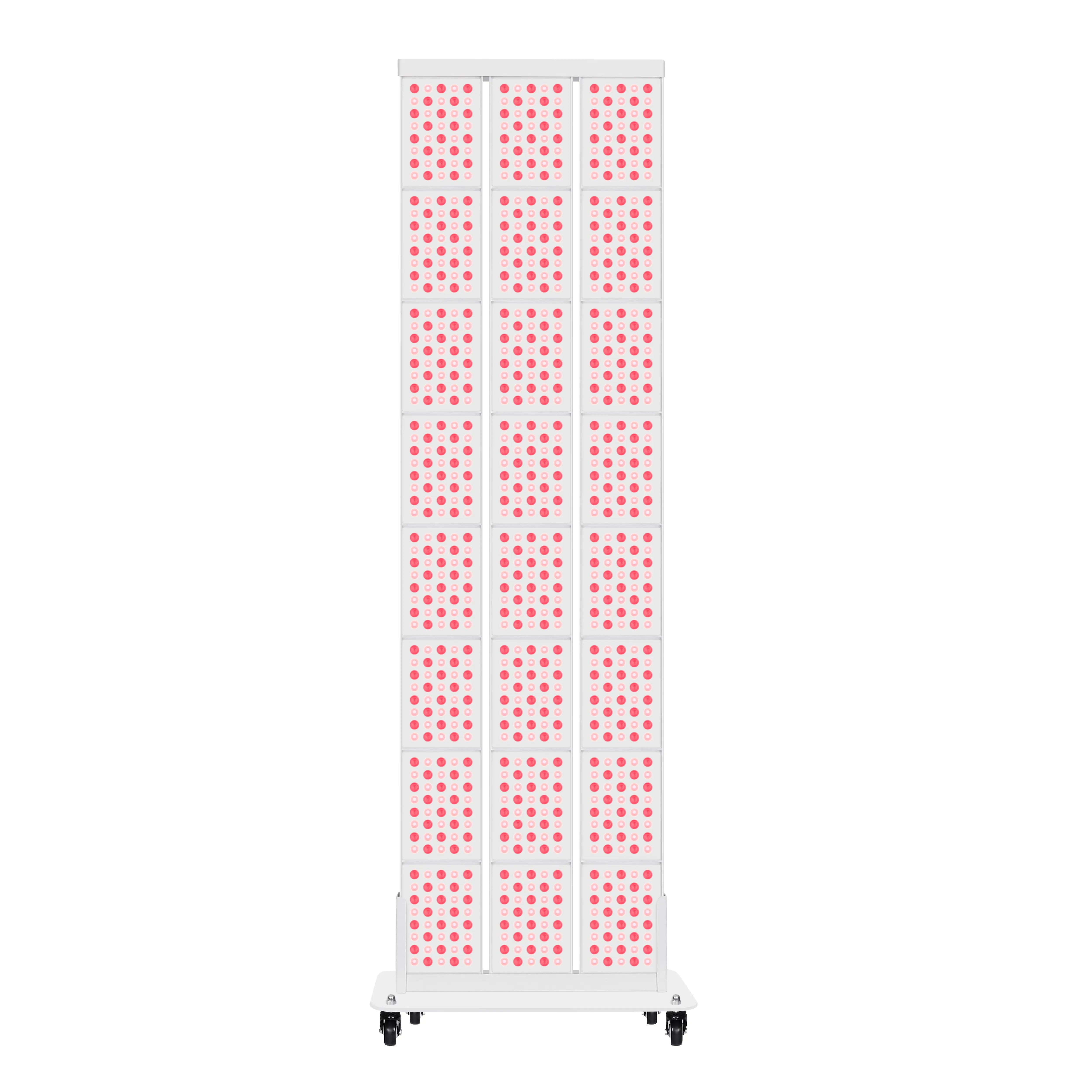
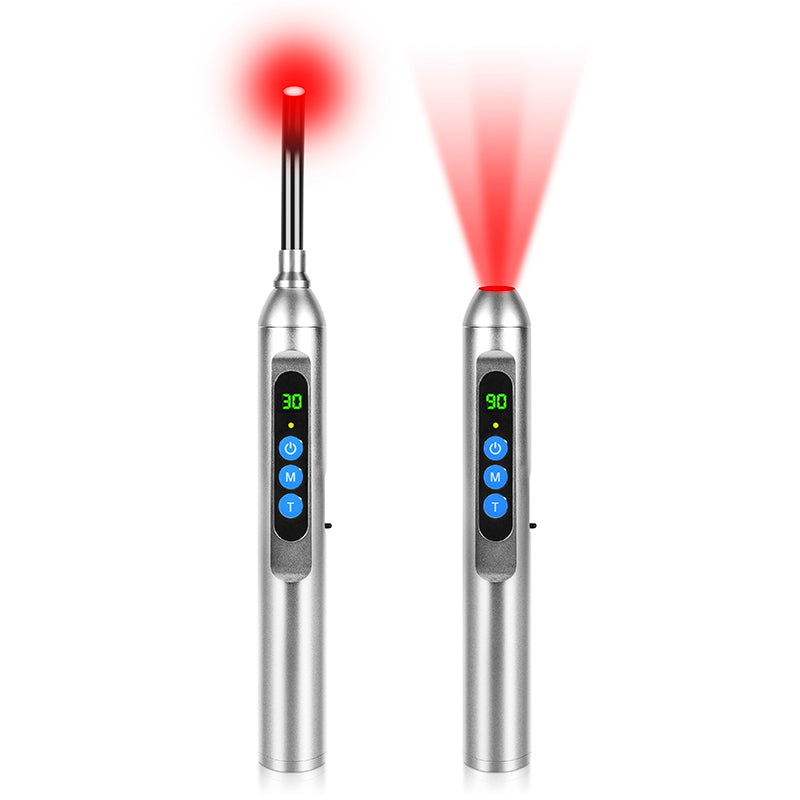
Different device formats fit different routines:
- Panels may suit short, seated sessions for broader body exposure.
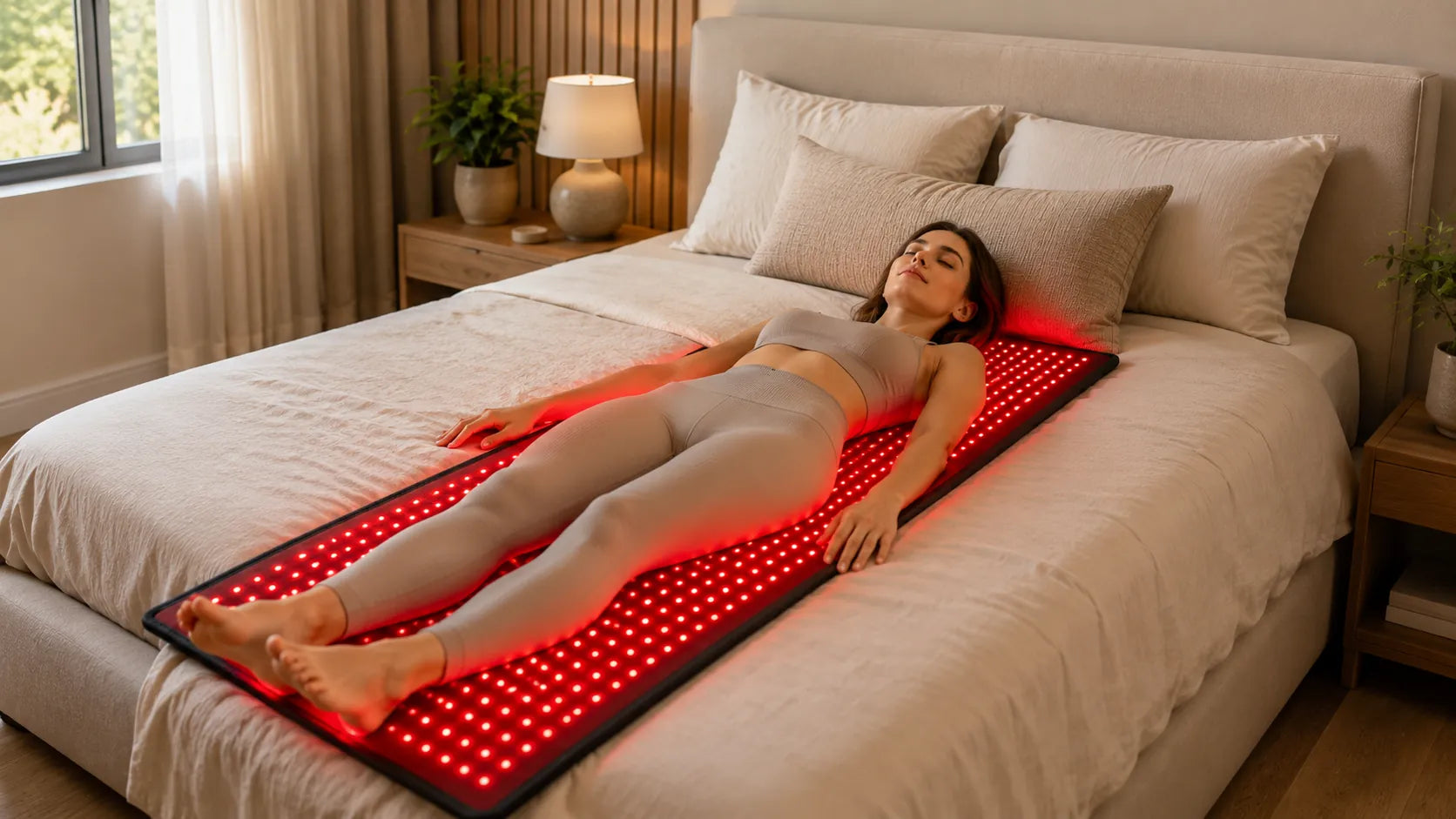
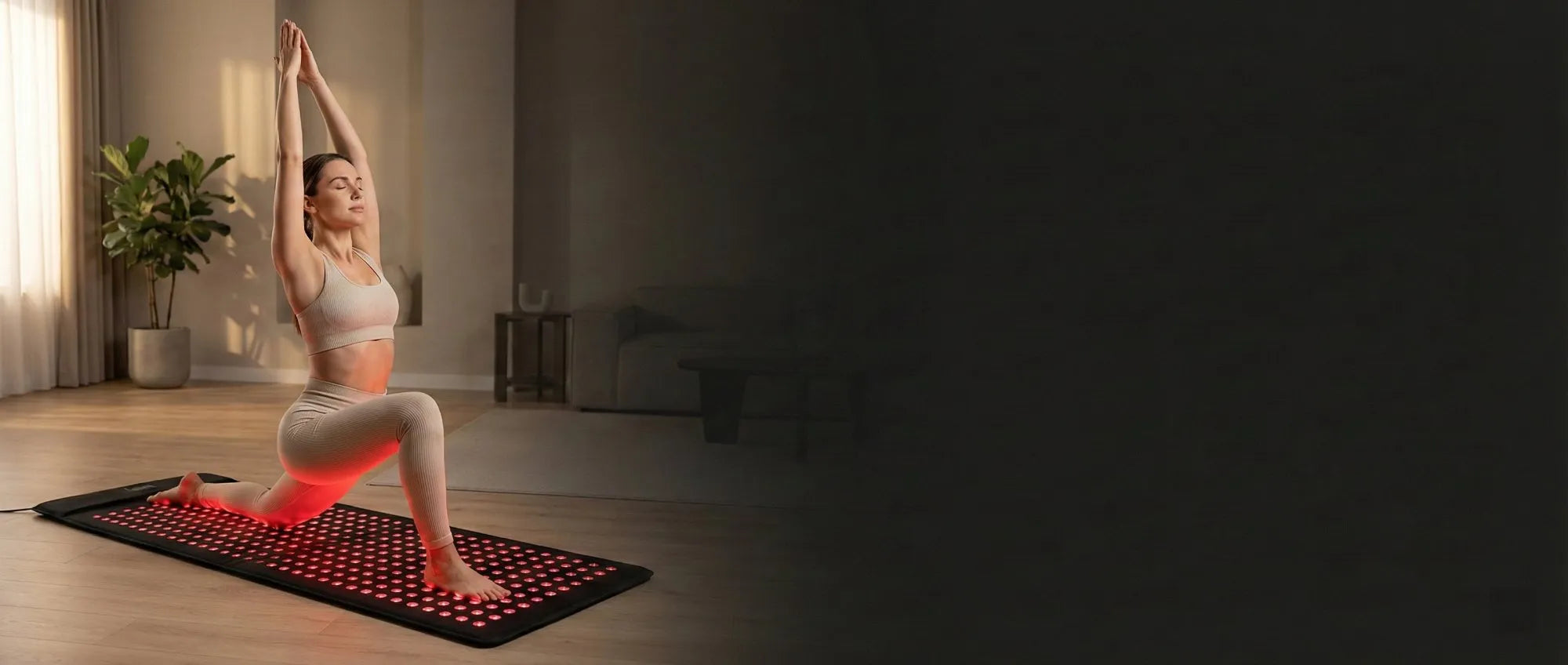
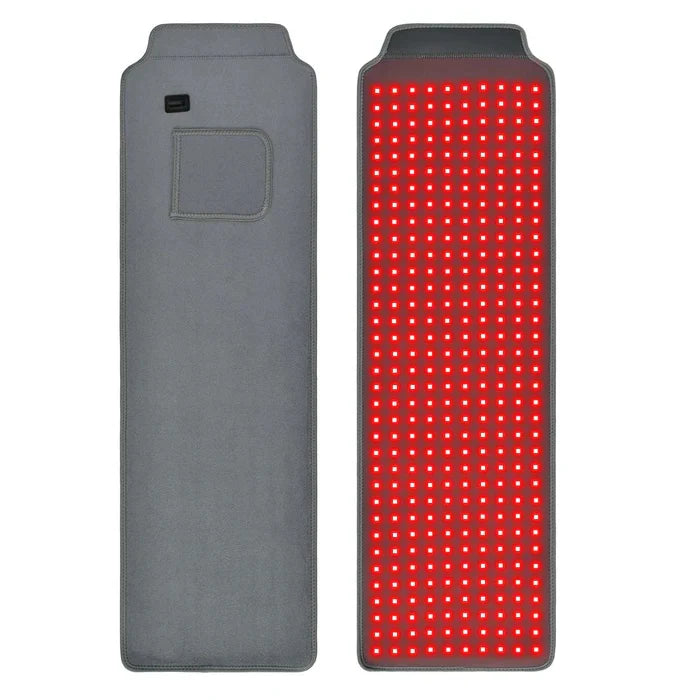
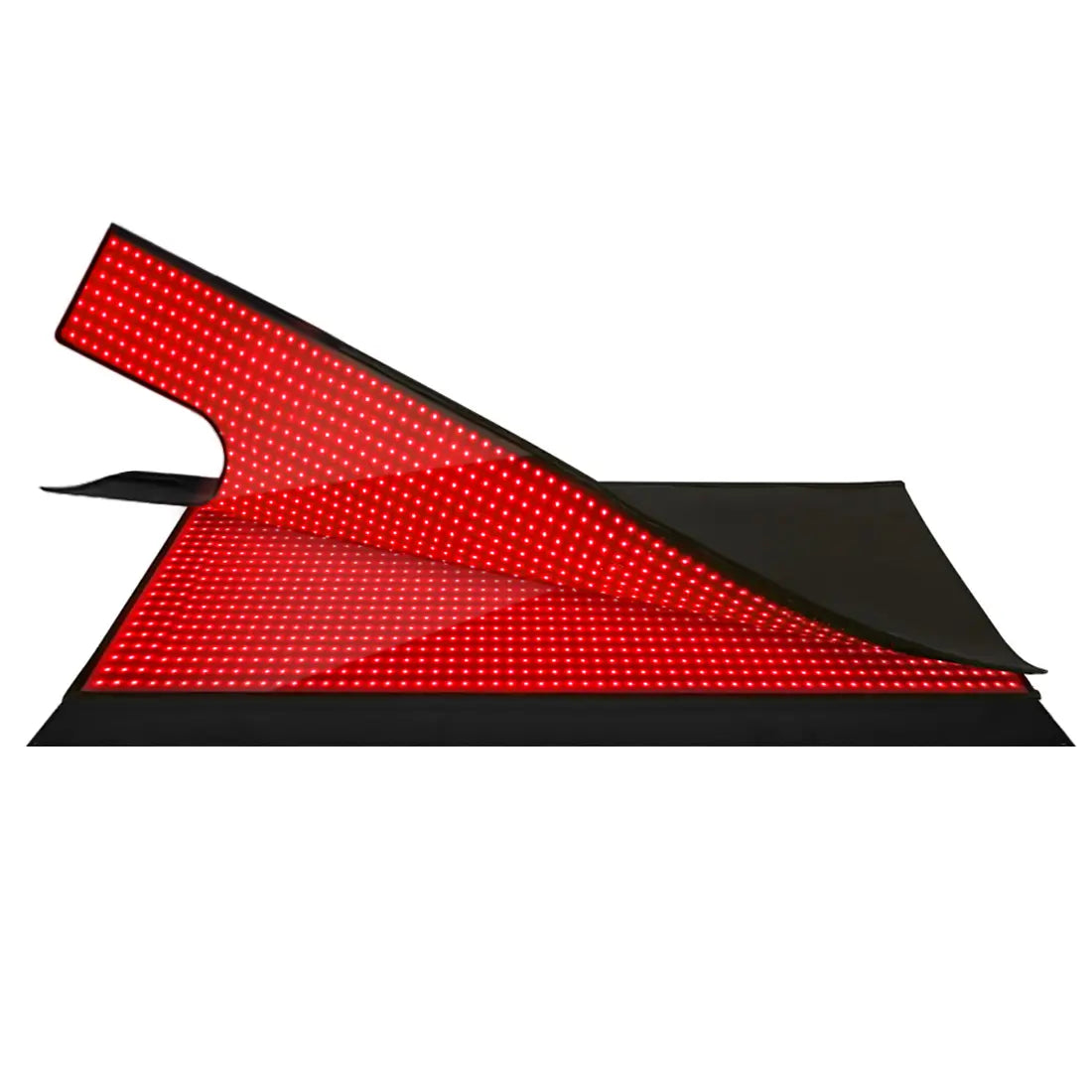
- Mats or therapy bags can work for people who prefer lying down and using the session as part of an evening reset.
- Belts are often used for targeted body comfort, but they should not be treated as fertility devices or used over reproductive areas with the goal of changing conception outcomes.
For couples, the value is less about “targeting fertility” and more about building a routine that feels manageable. Red light therapy for body care is usually connected with relaxation, circulation, recovery, and general wellness. Those benefits may support how someone feels during preconception, but they are different from treating infertility or changing reproductive function.
The safest way to frame at-home use is simple: follow the device manual, stay within suggested session times, use eye protection when required, and avoid using any device for fertility-specific treatment claims. If someone is in active fertility treatment, pregnant, possibly pregnant, or using a device with pregnancy-related warnings, that is when medical guidance becomes necessary.
Where Does Circulation, Stress, And Sleep Quality Fit In?
Poor sleep can affect energy, mood, and hormone rhythm. Chronic stress may lower libido and make cycle tracking or healthy routines harder to maintain. Good circulation supports oxygen and nutrient delivery throughout the body. Red light therapy fits best here as a wellness tool for relaxation, recovery, and body comfort, while the foundation still comes from sleep, movement, nutrition, and timely medical care.
Circulation and Tissue Support
Healthy circulation helps deliver oxygen and nutrients throughout the body. Photobiomodulation research often discusses nitric oxide signaling, blood flow, inflammation, and tissue recovery. These mechanisms are relevant to general wellness, although they should not be stretched into claims about ovarian reserve, uterine lining, implantation, or pregnancy success.
For people interested in red light therapy for reproductive health, circulation is best framed as part of whole-body care. Regular walking, strength training, hydration, balanced meals, and avoiding smoking have clearer roles in preconception health.
Stress Load and Daily Recovery

Trying to conceive can create a constant mental loop. Many people track symptoms, compare timelines, search success stories, and feel disappointed each month. Stress alone should not be blamed for infertility, but ongoing tension can affect sleep, sexual desire, mood, and the ability to keep up with supportive habits.
A red light therapy session may help some users create a calmer pause in the day. The value often comes from the routine around it: sitting still, lowering stimulation, breathing slowly, and giving the body a clear signal to wind down. For fertility wellness, that makes sense as stress support.
Sleep Quality and Hormonal Rhythm
Sleep is one of the most practical fertility wellness areas because it affects daily functioning across the body. Poor sleep can influence appetite regulation, insulin sensitivity, mood, libido, exercise consistency, and stress tolerance. For couples trying to conceive, better sleep can also make cycle tracking and timed intercourse feel less exhausting.
Light exposure close to bedtime should be handled carefully. Some people find bright devices stimulating if used too late. Others prefer a short, calming session earlier in the evening. The safer approach is to follow the device instructions, protect the eyes when directed, keep the routine consistent, and stop if it disrupts sleep or causes discomfort.
What Should Men and Women Understand Before Trying It?
Red light therapy studies and home routines are not the same. Fertility-related studies usually control wavelength, energy dose, exposure time, distance, and treatment conditions. A home panel, mat, therapy bag, or belt has different intensity and coverage, so couples should avoid turning research findings into their own fertility protocol.
For Men
The strongest fertility-related discussion is around sperm motility. Some laboratory studies suggest that specific red or near-infrared light exposure may improve how sperm move in semen samples. That does not mean using a home device on the pelvis or testes will improve fertility.
Male reproductive health is sensitive to heat, dose, wavelength, distance, and treatment time. Since sperm production can also be affected by medical and lifestyle factors, men with fertility concerns should not rely on red light therapy before getting basic semen testing.
For Women
For women, the evidence is less direct. Egg quality, ovulation, uterine lining, implantation, and ovarian reserve are complex and cannot be changed through a simple home wellness routine. Some early research has explored light-based therapy in reproductive health, but there is no established at-home protocol for improving female fertility outcomes.
This is especially important for anyone in an IUI or IVF cycle, using fertility medication, or possibly pregnant. In those situations, red light therapy should be treated with extra caution because timing, treatment goals, and safety needs are different.
For Both Partners
Dose and device type matter. A panel, mat, therapy bag, or belt can differ in intensity, coverage area, distance from the skin, and intended use. Longer sessions are not automatically better. Overuse may cause skin irritation, eye discomfort, headaches, or sleep disruption.
When Should Fertility Questions Stay With a Medical Professional?
Fertility questions should move to a medical professional when pregnancy does not happen within the usual evaluation window or when there are warning signs.
- For women under 35, evaluation is commonly recommended after 12 months of regular unprotected intercourse without pregnancy.
- At 35 or older, evaluation is commonly recommended after 6 months.
- After 40, earlier evaluation is often appropriate.
Some situations should not wait for the calendar. Irregular or absent periods, severe pelvic pain, known endometriosis, PCOS, prior pelvic infection, recurrent miscarriage, cancer treatment history, thyroid concerns, sexual dysfunction, and known semen abnormalities all deserve medical attention. These issues cannot be solved by a home wellness device.
Medical guidance is also important during IUI, IVF, fertility medications, the two-week wait, pregnancy, or recovery after pregnancy loss. Treatment cycles are carefully timed. Adding unsupervised interventions can create confusion, stress, or conflicts with clinic instructions.
Build Fertility Wellness Around Safer Daily Choices
A practical fertility wellness routine should focus first on choices with clearer value: tracking the fertile window, having regular intercourse around ovulation, avoiding smoking and recreational drugs, limiting alcohol, keeping caffeine moderate, taking folic acid when appropriate, eating balanced meals, moving regularly, and protecting sleep.
Red light therapy can sit beside these habits as a general body-care tool for relaxation, recovery, and comfort. It should not become the center of a fertility plan or delay testing when pregnancy takes longer than expected. The goal is to make daily care feel steadier and less overwhelming while keeping medical questions in the right hands.
FAQs
Q1. Can Red Light Therapy Help You Get Pregnant?
No, there is no strong evidence that red light therapy directly helps someone get pregnant. It may support general wellness for some users, but conception depends on ovulation, sperm health, timing, reproductive anatomy, age, and medical factors.
Q2. Does Red Light Therapy Affect Hormones?
No clear evidence shows that home sessions reliably correct fertility-related hormone problems. Irregular cycles, suspected thyroid issues, PCOS symptoms, low testosterone concerns, or abnormal lab results should be handled through proper testing and clinical care.
Q3. Can I Use Red Light Therapy With Prenatal Vitamins?
Yes, many adults can use wellness devices while taking standard prenatal vitamins, but the two serve different purposes. Do not replace folic acid or prescribed supplements with a device routine. Ask a clinician before combining several therapies during fertility treatment.
Q4. Is Red Light Therapy Safe Near the Abdomen?
It depends on pregnancy status, medical history, device type, and treatment goals. Avoid using light directly over the lower abdomen for fertility purposes without professional guidance, especially during treatment cycles, the two-week wait, or possible early pregnancy.
Q5. How Often Should Beginners Use Red Light Therapy?
Beginners should follow the device manual and use the lowest practical routine first. Frequency varies by product strength, distance, and session length. Stop if skin irritation, eye discomfort, headaches, sleep disruption, or unusual symptoms occur.