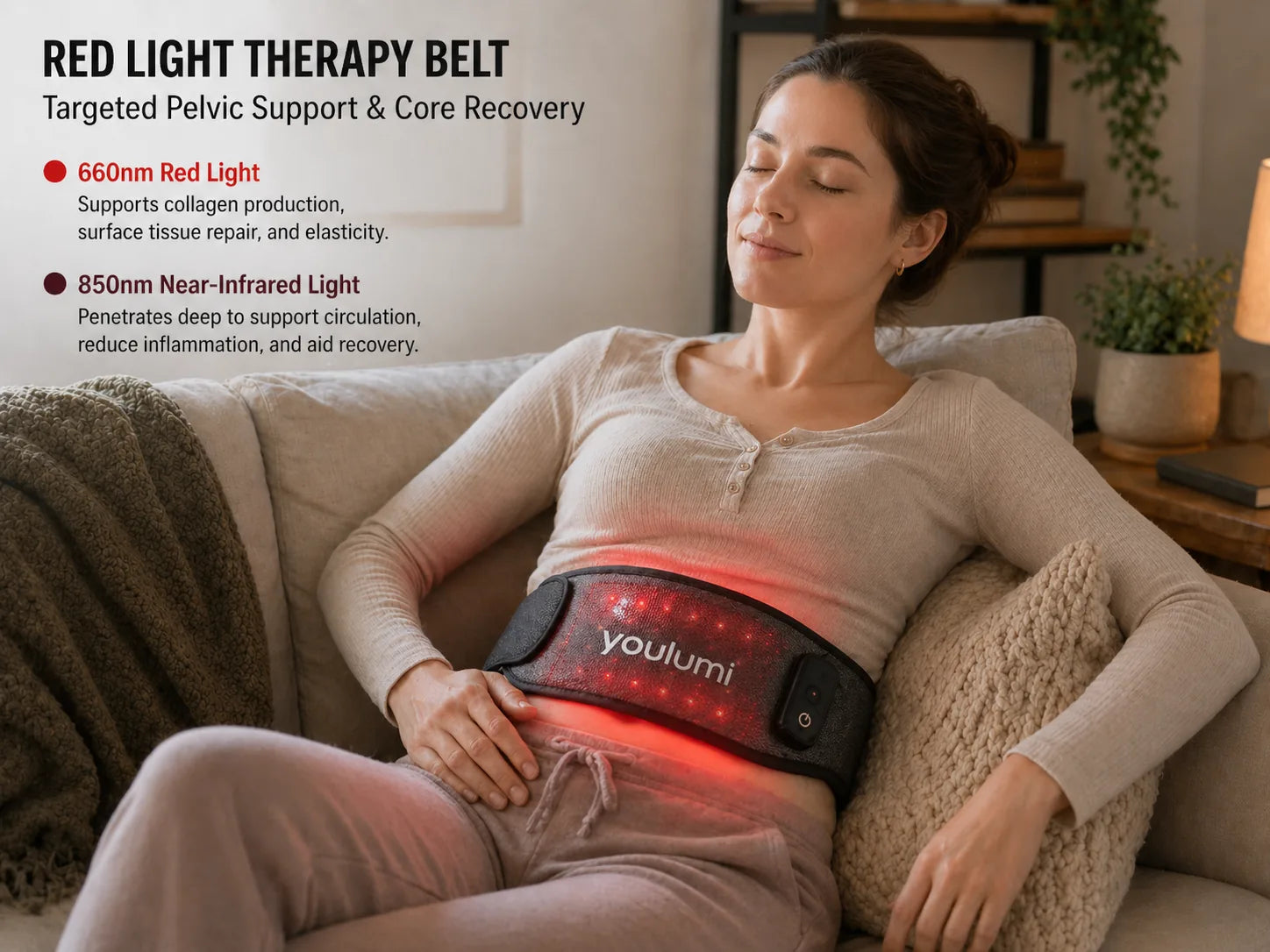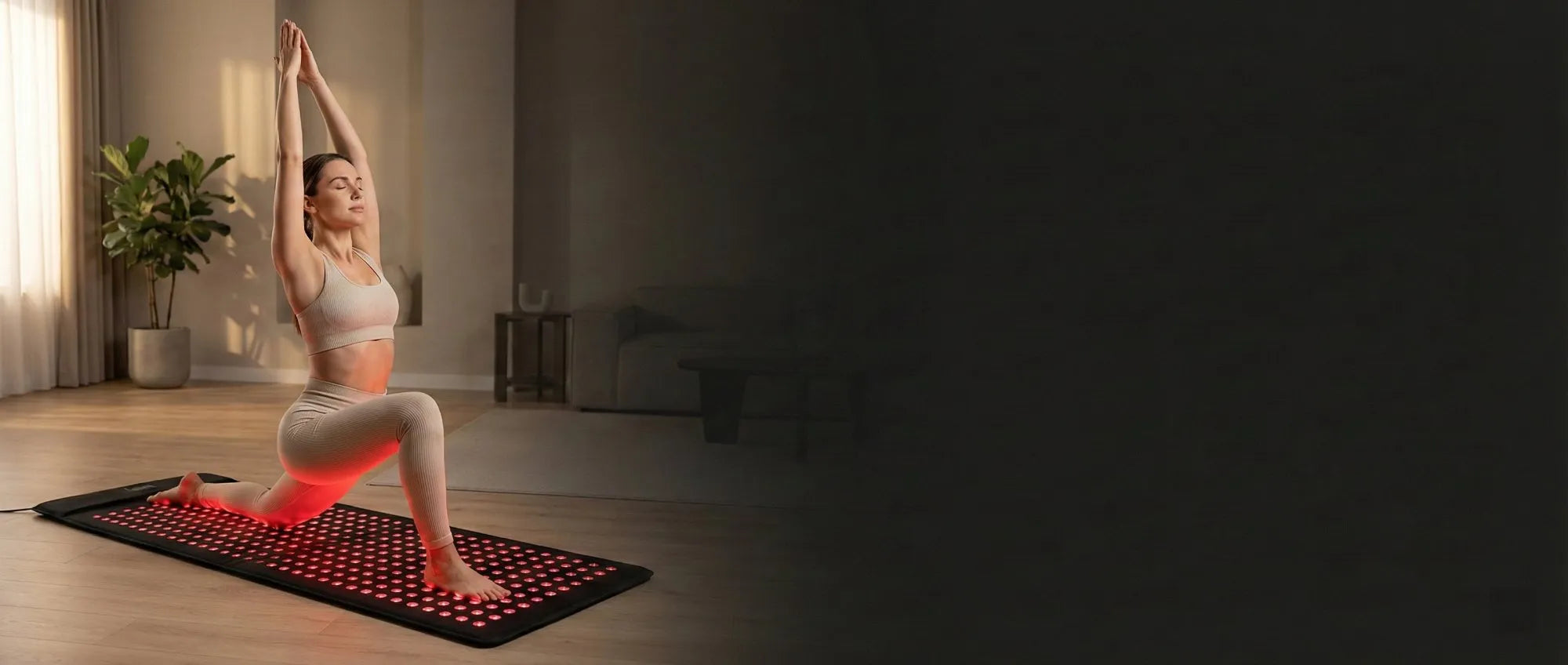
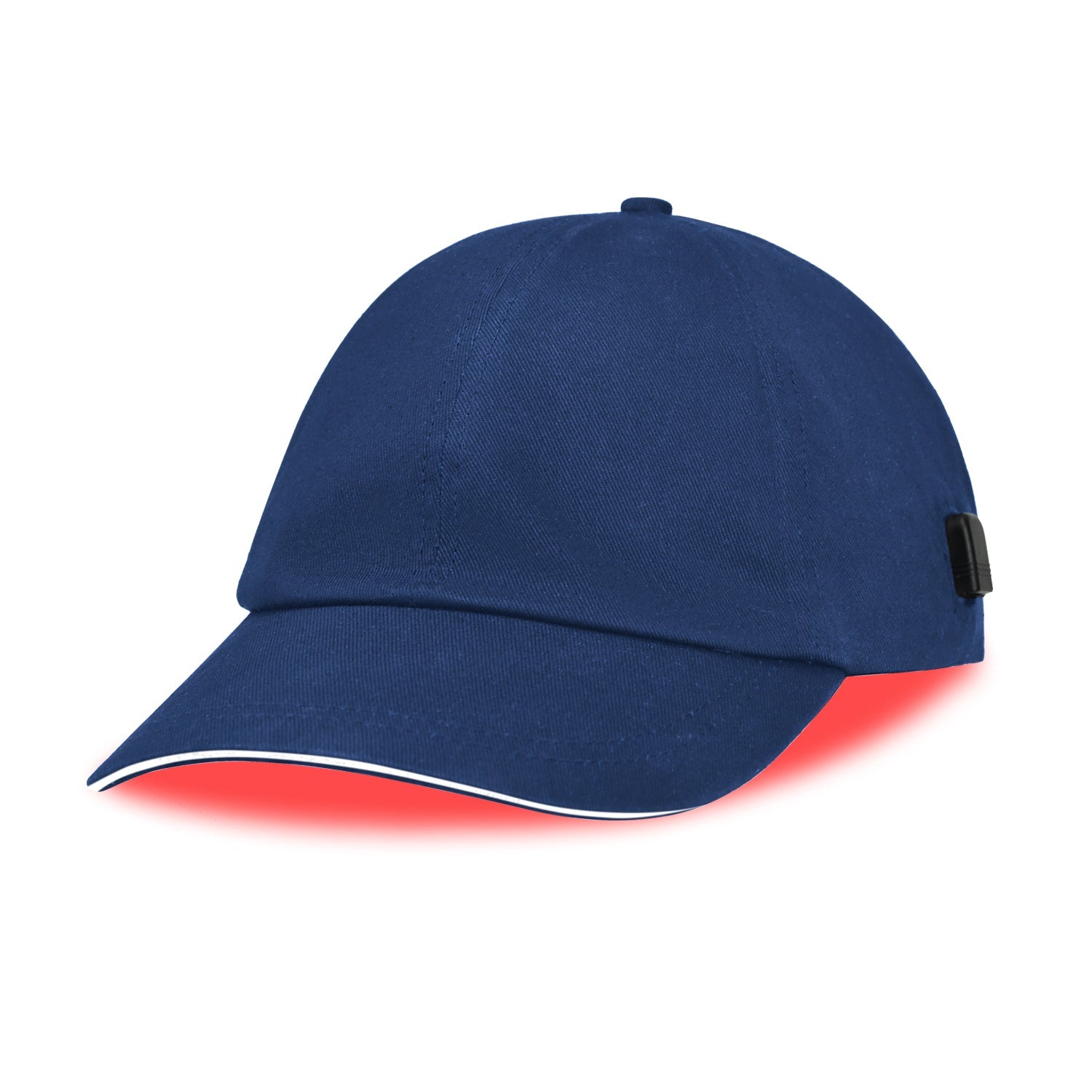
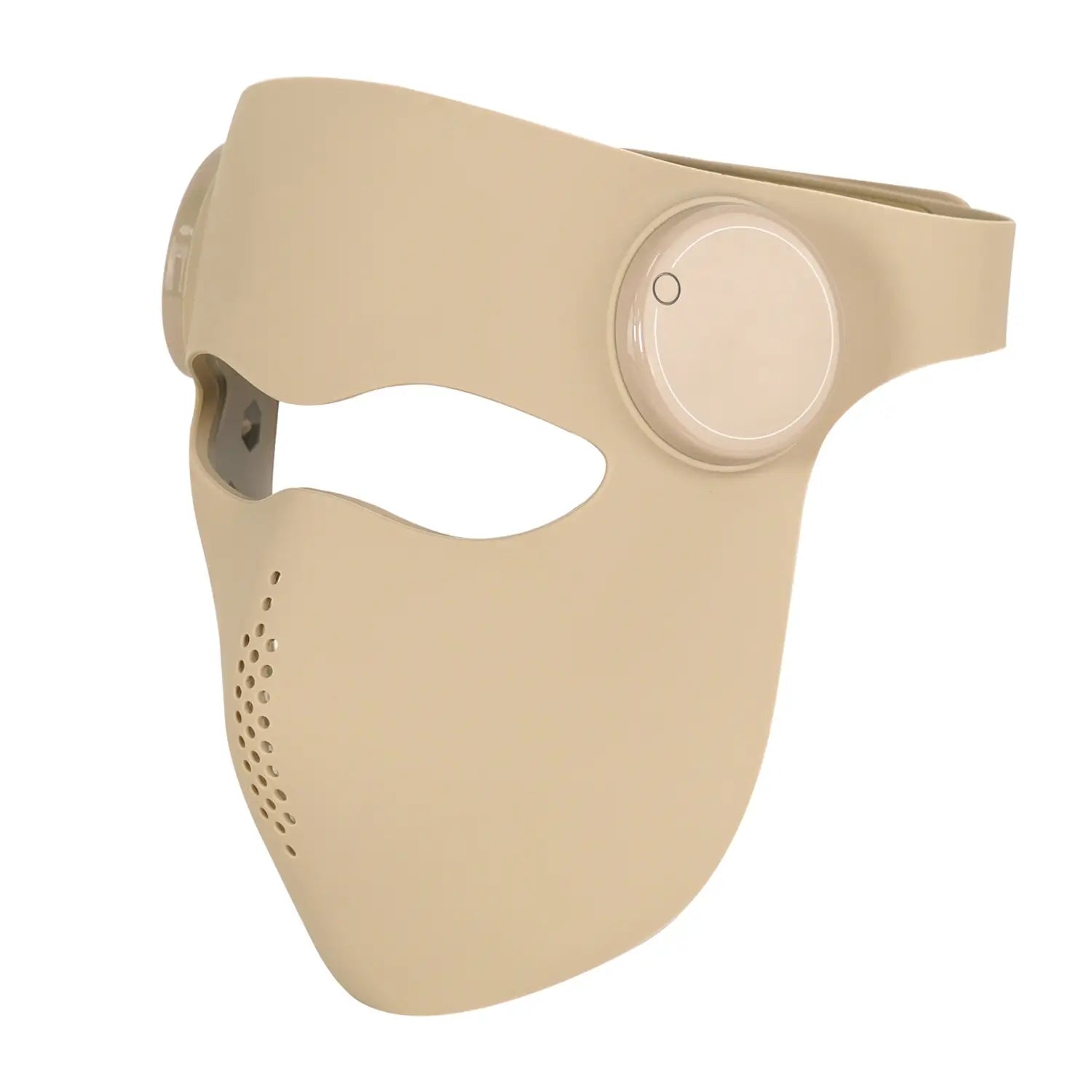
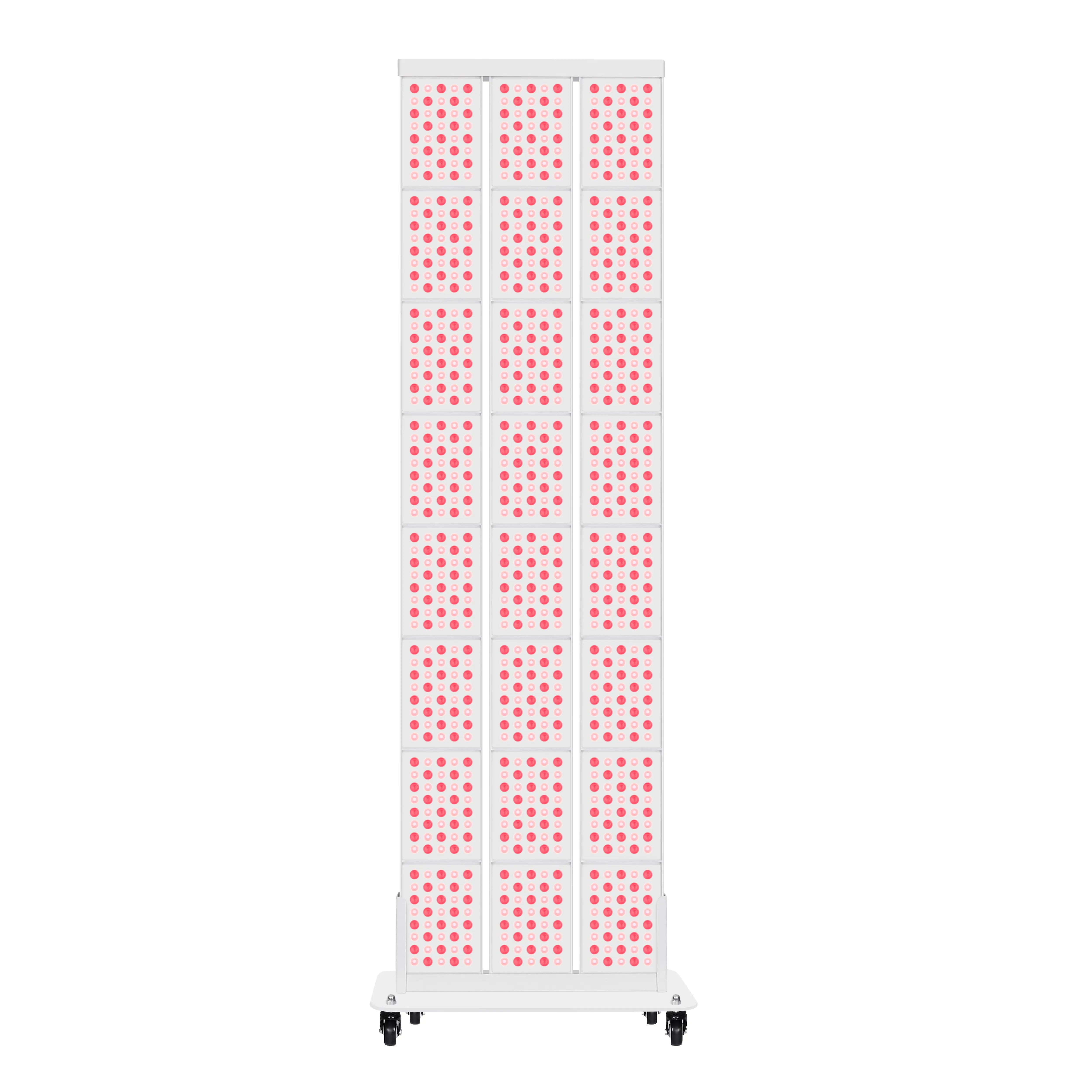
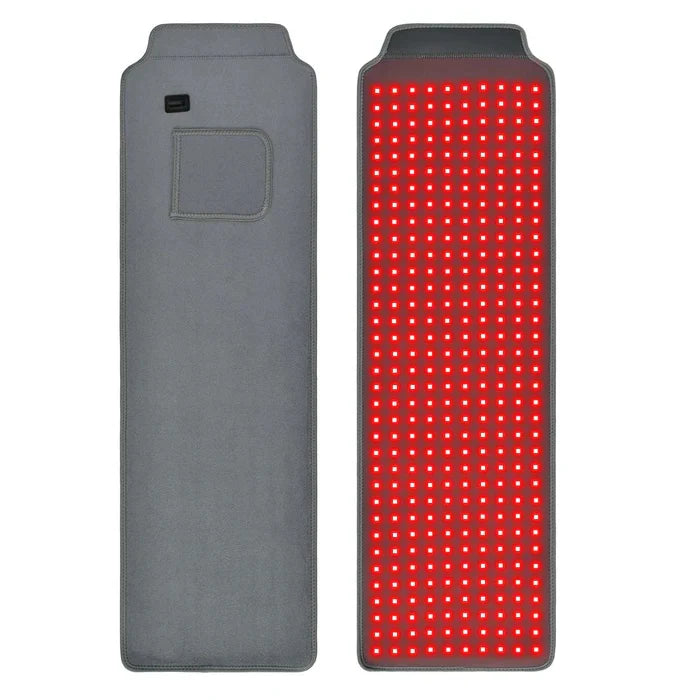
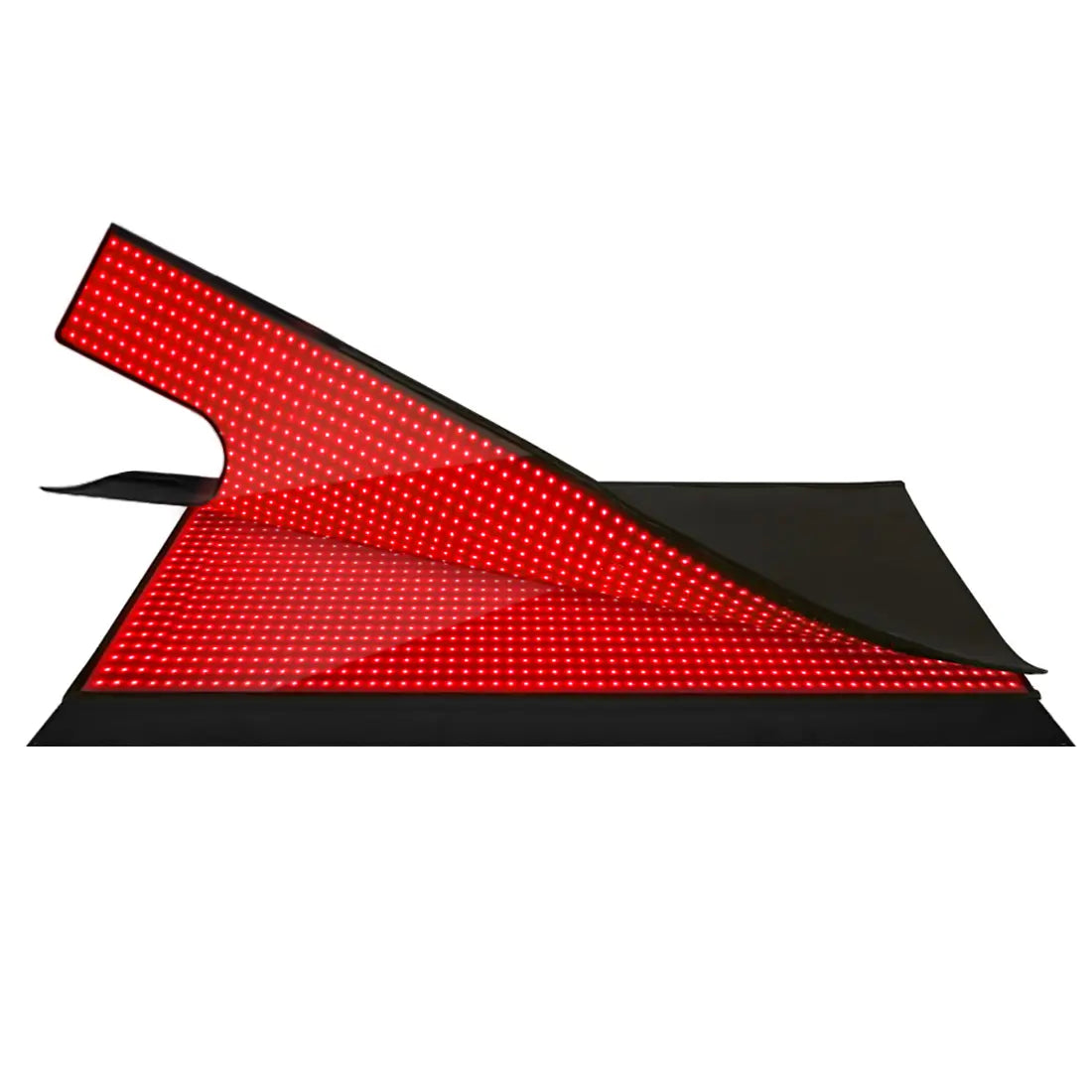
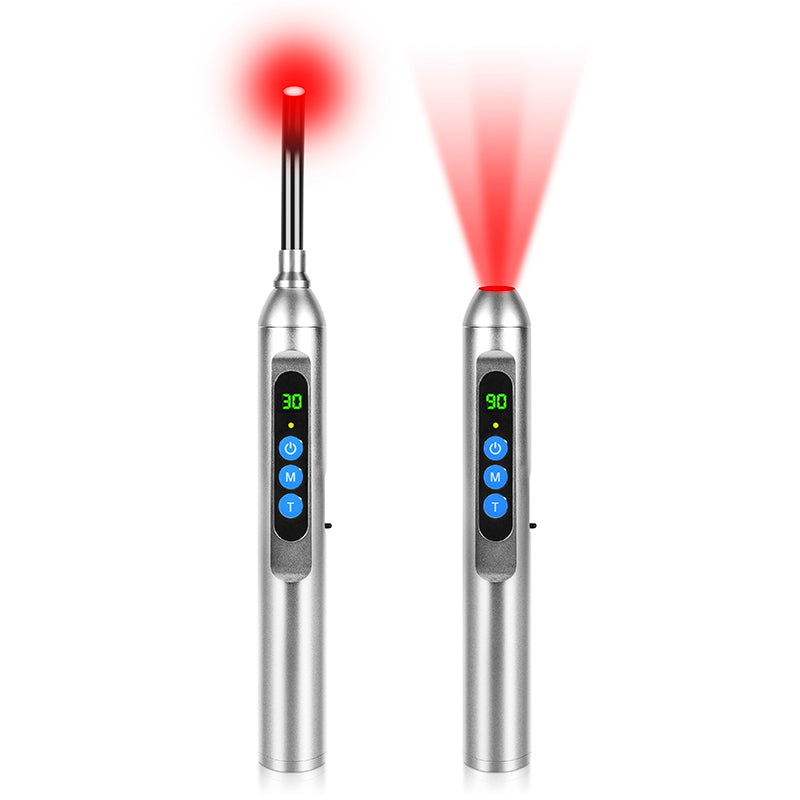

When winter gets long, and daylight stays low, many people feel the change in their bodies. Hands stay colder, muscles feel tighter, and old sore spots seem to speak up faster. In low sunlight regions, that pattern is common because cold weather, shorter days, indoor routines, and less daily movement often arrive together. That is why red light therapy has gained attention as a practical way to support comfort, circulation, and daily recovery during the darker months.
How Low Sunlight Affects Circulation and Physical Comfort

Low sunlight matters, though it usually works alongside other winter factors. Daily comfort often changes because cold temperatures, reduced outdoor time, and lower movement all affect how the body feels from morning to night.
Cold Weather Changes Surface Blood Flow
When the body is exposed to cold, blood vessels narrow to preserve heat. That response helps protect core temperature, yet it can also leave the skin and extremities with less blood flow. Many people notice the result right away. Fingers feel colder, toes stay chilly longer, and soft tissue can feel tense and less flexible.
That sensation is not always severe pain. In many cases, it shows up as heaviness, tightness, or a sense that the body takes longer to warm up. For someone who already deals with mild neck tension, lower back stiffness, or achy knees, winter can make those sensations feel much easier to notice.
Less Daylight Often Means Less Movement
Shorter days can change behavior in quiet ways. People walk less, spend fewer casual minutes outside, and sit longer at work or at home. That drop in movement can affect physical comfort over time. Joints may feel sticky, muscles can feel underused, and the body may lose many of the small posture changes and movement breaks that help it stay loose.
This is one reason winter discomfort often feels cumulative. It builds through repeated days of cold exposure, indoor living, and lower activity. By the middle of the season, the body may feel sluggish even without a clear injury.
Why People Notice More Aches During Darker Months
Many winter aches are not entirely new. They are often familiar issues that become louder in a colder, darker season. A shoulder that stays quiet in summer may become irritating after several weeks of indoor desk work. A mildly stiff lower back may feel far less forgiving after cold mornings and long sitting periods.
Cold Tissue Often Feels More Guarded
When tissue feels cold, movement usually becomes smaller and less fluid. The body tries to protect itself, and that protective response can make muscles feel tight and joints feel less cooperative. This is especially common early in the day or after sitting still for too long.
That guarded feeling can shape the entire day. People move a bit less, which then adds to stiffness, which then makes movement feel less appealing. Over time, that pattern can create a cycle of reduced activity and reduced comfort.
Low Sun Exposure Can Add Another Layer
In some cases, very limited sunlight can contribute to vitamin D deficiency. When that happens, adults may notice bone pain, muscle weakness, fatigue, or a broad sense of soreness. That does not mean every winter ache comes from low vitamin D, though it does mean persistent weakness or unexplained discomfort deserves attention if sunlight has been scarce for months.
Daily Routine Becomes Narrower in Winter
Winter also changes the rhythm. Brighter months usually bring more natural variety in movement. People walk outside, stretch more often, and shift posture more throughout the day. Darker months can flatten that rhythm. Days become repetitive, posture becomes more fixed, and the body often feels less adaptable.
That combination helps explain why so many people say their body feels older in winter, even when nothing dramatic has changed.
What Red Light Therapy Offers When Natural Light Is Limited

This is where red light therapy becomes relevant. It gives people an indoor option that may support comfort, local circulation, and recovery when natural light is limited and outdoor activity drops. For those living through long winters, that kind of support can feel especially useful.
What Red Light Therapy May Help Support
The most realistic value of red light therapy lies in day-to-day body support. Current evidence suggests it may help ease physical discomfort in some musculoskeletal situations, and it may also support recovery after daily strain or exercise. Results can vary, so a measured expectation is the right expectation.
For many users, the appeal is simple. They want a routine that fits into real life, feels manageable during winter, and supports the body in a steady way. That is where many of the health benefits of red light therapy become meaningful. People are often looking for better physical ease, smoother recovery, and a body that feels less stiff during the week.
Why Circulation Gets So Much Attention
Search interest around red light therapy circulation is easy to understand. Blood flow has a direct relationship with physical comfort. When the body feels cold and sluggish, people often want support that helps them feel looser and better warmed from the inside out.
Research suggests light-based exposure may support local circulation through pathways tied to nitric oxide and vascular function. That does not mean every session creates a dramatic physical shift. It does mean circulation is one of the key reasons red light therapy keeps showing up in winter wellness conversations.
What It Does Not Do
Clear boundaries make the topic stronger. Red light therapy does not replace sunlight. It does not create vitamin D. It is also different from bright light devices used for seasonal mood support.
That distinction matters because people often lump all light-based tools into one category. In reality, they serve different purposes. Keeping expectations specific helps readers understand what red light therapy can realistically offer and where its limits begin.
The Role of Warmth and Blood Flow in Daily Body Comfort
Many people searching for red light therapy warmth are asking a straightforward question. Will it help the body feel easier to move during cold weather? That question makes sense because winter discomfort is often felt first as physical resistance. The body feels cold, tight, slow to loosen up, and harder to settle after a long day.
Warmth Changes How the Body Feels
Warm tissue usually moves better. When cold stress eases, blood vessels open again, and surface circulation improves. That is why a warm shower, light stretching, or a short walk can feel so relieving on a cold day.
Warmth supports comfort in a direct and familiar way. Muscles often feel less guarded, joints feel smoother, and movement feels less effortful. This is part of the reason red light therapy warmth has become such a common search phrase. People are looking for daily physical ease, not abstract science.
Comfort and Recovery Often Work Together
The main biology behind red light therapy is generally described as non-thermal, so the primary effect is not simple heating. Even so, some users notice a mild warming sensation during sessions, and that can make the routine feel more soothing.
This combination helps explain the appeal. One part of the experience is sensory comfort. Another part is the possibility of supporting local circulation and recovery. For someone dealing with cold mornings, desk stiffness, and long winter evenings, that pairing can feel especially relevant.
Why the Experience Matters
A routine that feels pleasant is easier to maintain. That matters because many supportive habits only become useful when people actually keep doing them. If a session feels calming, warm, and easy to fit into the week, consistency becomes much more realistic.
That is also part of the health benefits of red light therapy in everyday life. The benefit is not only about the session itself. It is also about helping people build a sustainable rhythm of care during a season that often drains energy and motivation.
How Red Light Therapy Fits Into Winter Wellness Habits

Red light therapy works best when it is part of a broader winter routine. Seasonal body discomfort usually comes from several small pressures happening at once, so the most useful response often includes several simple habits working together.
A good winter routine does not need to be complicated. It needs to be repeatable. People usually feel better when they support movement, warmth, rest, and recovery in a steady way through the darker months.
Habits That Work Well Alongside Red Light Therapy
These habits can help support physical comfort during low-light seasons:
- Brief walks or mobility breaks during the day
- Less uninterrupted sitting, especially after work
- Warm showers, layered clothing, and gentle stretching
- A vitamin D check if fatigue, weakness, and diffuse soreness keep lingering
- A regular red light therapy schedule that feels easy to maintain
Consistency Usually Matters Most
Many people look for one powerful fix and end up disappointed. Winter body comfort usually improves through repetition, not intensity. A consistent schedule often matters far more than occasional overuse.
That is why red light therapy fits naturally into winter wellness habits. It can be used indoors, it does not require much setup, and it can sit alongside other supportive practices without making daily life feel complicated.
Build Consistent Support for the Body in Low-Light Environments
Low-light winters can leave the body feeling colder, tighter, and slower to recover. Red light therapy may help support comfort, local circulation, and day-to-day recovery for some people, especially when it is used consistently alongside movement, warmth, and good sleep. It is not a cure, and it should be used with realistic expectations and proper eye protection. For severe pain, major swelling, persistent weakness, or numbness, medical care is the right next step.
FAQs about red light therapy
Q1. Can you use red light therapy if you take photosensitizing medication or have a light-sensitive condition?
No, not without medical approval. If you take medication that increases light sensitivity, or you have a condition linked to abnormal light reactions, you should check with a clinician before using any light-based device. This is especially important for people with lupus, sun allergy, pregnancy-related treatment questions, or a history of medication-triggered photosensitivity.
Q2. Should you choose red light only, or red plus near-infrared?
It depends on the treatment depth you want. Red wavelengths are generally used for more superficial targets, while near-infrared wavelengths penetrate more deeply. If the goal is surface-level skin support, red light may be enough. If the goal involves deeper tissue comfort or recovery, devices that combine red and near-infrared may be more relevant.
Q3. Is it better to use red light therapy before exercise or after exercise?
Yes, both timings can be useful, but pre-exercise use has the stronger research base. Pre-exercise use may help reduce fatigue and support muscle performance during high-intensity activity. Post-exercise use may help with soreness and recovery in some cases. For general wellness users, a practical rule is to match timing to the goal: before exercise for performance support, after exercise for recovery support.
Q4. How long does it usually take to notice results?
No, most people do not notice meaningful changes after one or two sessions. Red light therapy usually works on a cumulative timeline. Some users notice early comfort changes within a few sessions, but more visible or reliable improvement often takes several weeks of consistent use. At-home devices are usually less powerful than professional systems, so patience and regular use matter.
Q5. Can an at-home device deliver the same results as an in-office treatment?
No, not usually. Professional treatments are typically more powerful, and that can affect both the speed and degree of response. Home devices may still be useful for ongoing support, but expectations should stay realistic. If the issue is persistent, severe, or hard to identify, a clinician-guided evaluation is the safer next step.