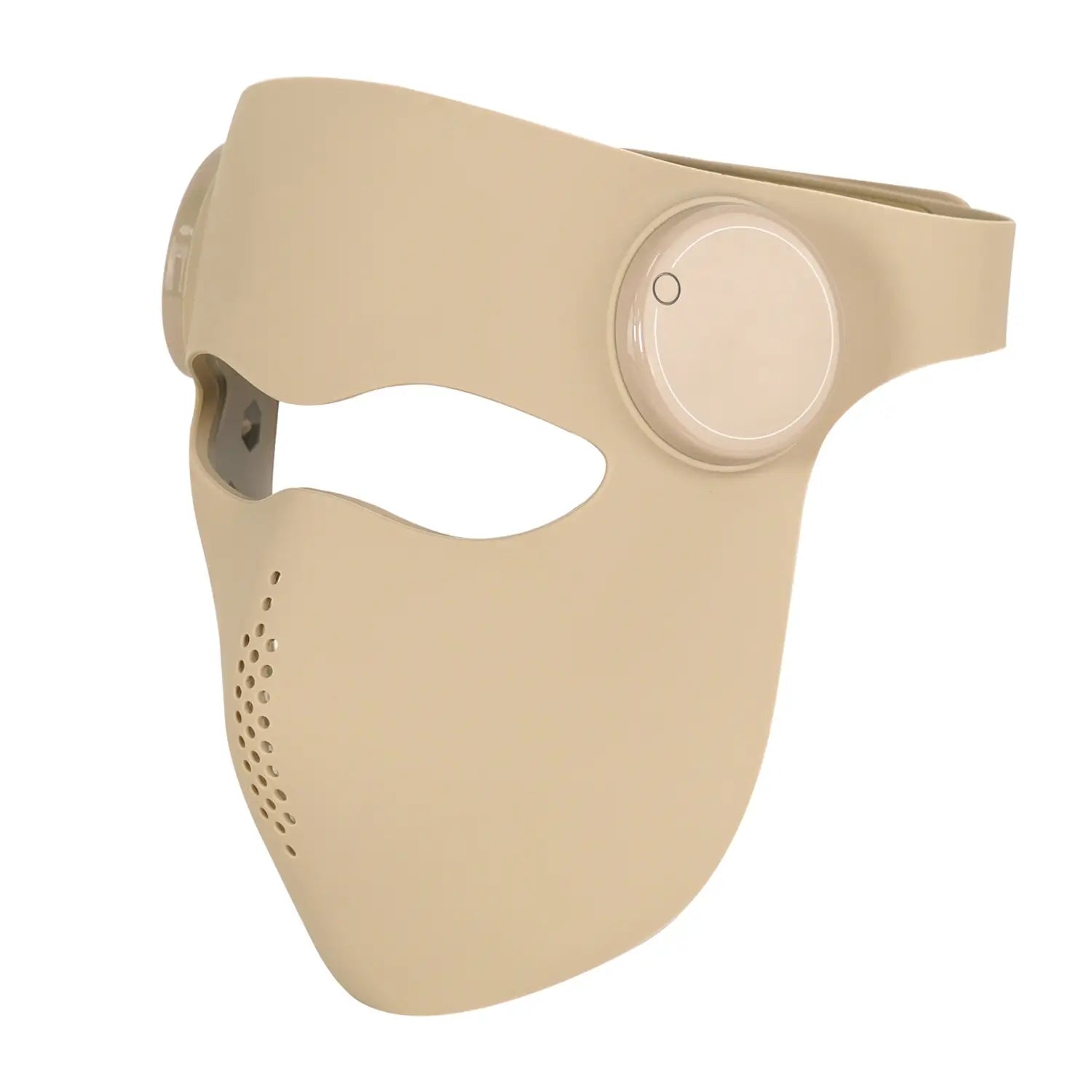
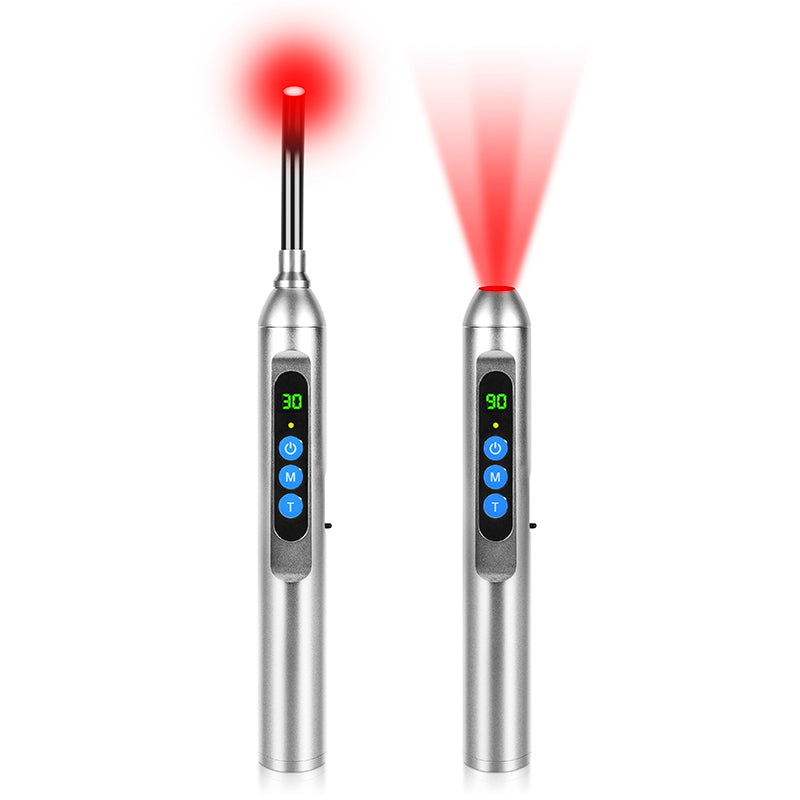

Stubborn and hormonal acne can persist despite consistent skincare, leaving many adults looking for non-invasive options that go beyond basic topicals. Blue and red light therapy may help reduce inflammation and target acne-related bacteria in mild to moderate cases, offering a clinical-grade approach that can be integrated into an at-home evening routine when using properly specified devices. Results depend heavily on device quality, consistent use, and realistic expectations—visible changes often take 4–8 weeks rather than appearing overnight.

This article outlines how red and blue wavelengths work, evidence-based protocols, device selection criteria, and practical ways to combine light therapy with your existing regimen while respecting its limitations.
How Red and Blue Light May Support Acne-Prone Skin
Blue light (typically 415–470 nm) is frequently associated with activating porphyrins in Cutibacterium acnes (formerly P. acnes), the bacteria linked to inflammatory acne lesions. Red light (around 630–660 nm) penetrates deeper and is commonly discussed in relation to reducing inflammation and supporting skin repair processes.
This NIH review notes that blue light and blue-red combinations may improve mild to moderate inflammatory acne. Another analysis highlights that visible-light therapies show promise but outcomes vary significantly by device, wavelength accuracy, and treatment consistency.
Red light is generally not presented as the primary bacteria-killing wavelength compared with blue, which is why combination devices often receive attention in acne-focused applications. Importantly, these mechanisms are best framed as supportive rather than curative, especially for hormonal or severe acne.
Important safety note: Light therapy is non-ionizing, but individual responses differ. Always follow device instructions and consult a dermatologist for persistent or severe acne.
What the Evidence Shows—and What It Does Not
Multiple studies and FDA clearances support the use of specific LED devices for mild to moderate inflammatory acne. For example, some FDA-cleared LED devices are indicated for this purpose using blue or mixed red-plus-blue light.
However, evidence quality varies. A PMC article on visible light in acne treatment emphasizes that while there is a plausible role, protocols and results are not uniform. Red light has been studied but is not clearly superior for killing acne bacteria on its own.
For hormonal acne specifically, claims should remain cautious. Blue and red light are often discussed for inflammatory lesions rather than as a primary solution for hormonally driven breakouts. Light and laser therapies appear in coverage discussions but are sometimes viewed as investigational or limited by payers.
The American Academy of Dermatology states that lasers and lights can reduce acne but rarely clear it alone. This aligns with 2026 evidence: light therapy works best as an adjunct rather than a replacement for comprehensive care.
Myth vs Reality
- Myth: Red light therapy cures all types of acne, including severe or hormonal cases. Reality: It may help calm inflammation in mild-to-moderate inflammatory acne but should be viewed as support, not a standalone cure.
- Myth: Any LED mask delivers similar results. Reality: Low-power consumer masks often lack sufficient irradiance or precise wavelengths, leading to inconsistent outcomes.
- Myth: You will see clear skin in days. Reality: Most studies and user reports point to gradual improvement over weeks with consistent use.
These insights come directly from primary sources such as NIH/PMC reviews and FDA documentation.
Clinical-Grade vs Consumer Masks: What Actually Matters
Clinical-grade devices stand apart through measurable specifications rather than marketing claims. Look for:
- FDA clearance specifically for acne (mild to moderate inflammatory)
- Published irradiance levels (higher output generally supports better energy delivery)
- Accurate wavelengths: blue ~415–470 nm for bacteria targeting, red ~630–660 nm for inflammation support
- Safety standards compliance, including low EMF where relevant
Cheap masks frequently under-deliver on irradiance, making consistent results harder to achieve. Consumer reviews highlight wearability and ease of use, but these features matter little if the device cannot deliver a therapeutic dose.
Practical buying factors include cordless design for routine convenience, but prioritize technical credibility over convenience alone. As this FDA clearance example illustrates, cleared devices specify their intended use clearly.
Don't buy if:
- Your acne is primarily severe, cystic, or hormonal without professional oversight
- You cannot commit to a consistent routine
- You have photosensitivity, are using photosensitizing medications, or are pregnant (consult a doctor)
- You expect instant or complete clearing without other skincare measures
Realistic Timelines and Results in 2026
Most visible improvements with at-home blue-red light therapy appear gradually. Self-applied blue light studies have shown benefits in mild-to-moderate acne over repeated sessions. A practical boundary is 4–8 weeks of consistent use before evaluating results.
Factors influencing outcomes include acne severity, device irradiance, session duration/frequency, and integration with skincare. Hormonal acne may respond more slowly or require combined medical management.
Red Light Therapy for Acne: Fit and Timeline by Scenario
Heuristic comparison of acne severity fit and expected improvement timeline for clinical-grade red/blue light therapy.
View chart data
| Category | Good fit / expected usefulness (heuristic) | Visible improvement timing (weeks, heuristic) |
|---|---|---|
| Mild inflammatory acne | 4.0 | 8.0 |
| Moderate inflammatory acne | 3.0 | 7.0 |
| Severe / hormonal acne | 1.0 | 0.0 |
| Consistency: low | 1.0 | 10.0 |
| Consistency: medium | 3.0 | 6.0 |
| Consistency: high | 5.0 | 4.0 |
Illustrative heuristic based on the provided evidence: best fit is mild-to-moderate inflammatory acne; blue light targets bacteria and red light targets inflammation; consistent use is needed for visible results, typically around 4-8 weeks; severe or hormonal acne should not be treated with light therapy as the primary approach. Values are relative and not clinical trial measurements.
This chart presents relative heuristic scores only. Higher "good fit" indicates better alignment with evidence for that scenario; lower weeks suggest faster potential visible change with high consistency. These are illustrative, not measured clinical data.

Step-by-Step At-Home Red and Blue Light Therapy Protocol
A repeatable clinical-style protocol emphasizes consistency over intensity. General guidance based on studied approaches:
- Cleanse gently: Use a non-irritating cleanser suited to acne-prone skin. Avoid harsh scrubbing.
- Apply light therapy: Position the device 6–12 inches from clean, dry skin (or as specified). Typical sessions last 10–20 minutes, 3–5 times per week. Many cleared devices recommend shorter targeted sessions.
- Combine wavelengths strategically: Use blue-focused sessions for bacteria targeting and red for inflammation on alternate days, or choose a combined device if available.
- Follow with skincare: Apply non-comedogenic moisturizer, serum, or prescribed topicals (check compatibility—some retinoids or actives may increase sensitivity).
- Track progress: Take weekly photos in consistent lighting. Reassess after 4–8 weeks.
For stubborn acne, evening routines often work well as they allow skin recovery overnight. Pairing with existing products like those discussed in red light therapy with tretinoin can be beneficial but requires professional guidance to avoid irritation.
Always start with the lowest effective frequency and monitor for redness or discomfort. Discontinue and seek medical advice if irritation persists.
Integrating Light Therapy into Your Skincare Routine
Light therapy fits best as one component of a broader routine. For acne-prone or hormonally influenced skin:
- Morning: Gentle cleanse, targeted serum, moisturizer with SPF.
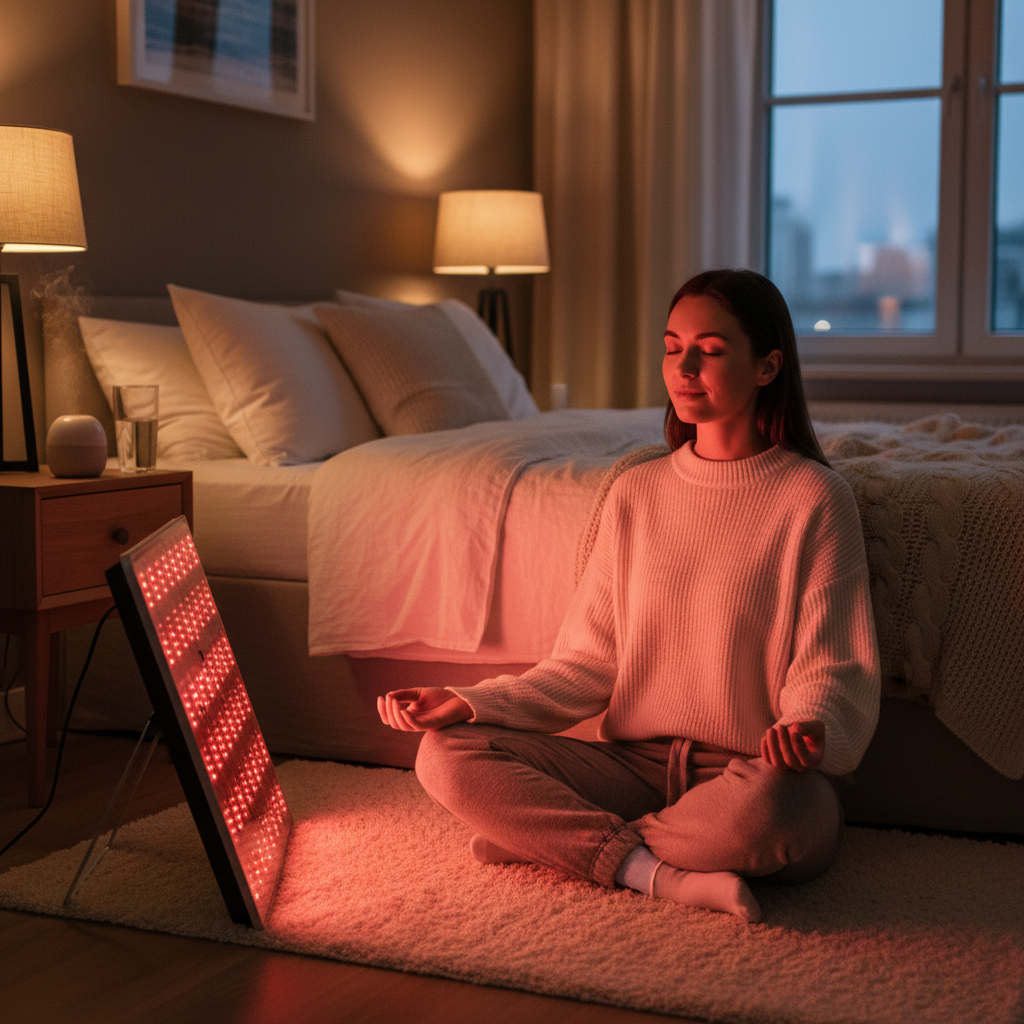
- Evening: Cleanse, light therapy session, appropriate actives or moisturizer.
Avoid using during active photosensitizing treatments unless cleared by a dermatologist. Recent searches confirm that retinoids used for acne can increase light sensitivity, so timing matters.
For those managing recurring breakouts, consistency across weeks yields better outcomes than sporadic high-intensity use. This aligns with practical guidance from sources like the Wirecutter red light therapy review.
Choosing a Device That Delivers Clinical-Grade Performance
Prioritize devices with transparent specifications and appropriate clearances. In 2026, many high-quality options combine multiple wavelengths with measured output. Avoid devices that rely solely on vague marketing without irradiance data or FDA documentation for acne indications.
This approach helps differentiate performance-focused tools from low-power options that may disappoint. For further reading on photobiomodulation standards, including irradiance and safety, see related technical guides.
Health and comfort boundary: This article discusses comfort, setup, and general skincare support using light therapy. It does not constitute medical advice, diagnosis, or treatment. Light therapy results vary and are not guaranteed. If you have persistent acne, existing skin conditions, or experience discomfort, consult a qualified dermatologist or healthcare professional. People who are pregnant, photosensitive, or on certain medications should seek personalized advice before use.
Clinical-grade red and blue light therapy can be a valuable addition for many with mild to moderate inflammatory acne when used consistently and paired with quality skincare. By focusing on evidence-backed protocols, proper device selection, and realistic timelines, you can make an informed decision that fits your routine and goals without over-relying on any single approach.