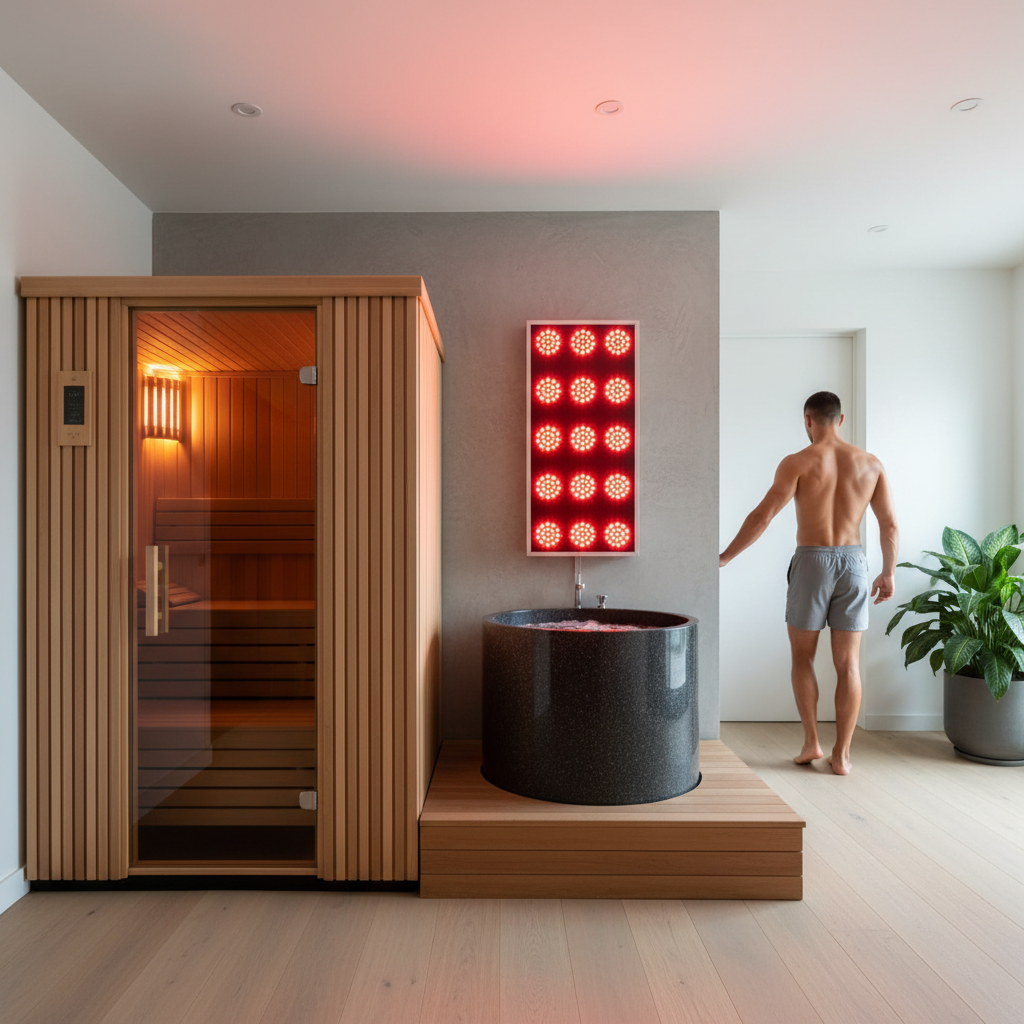
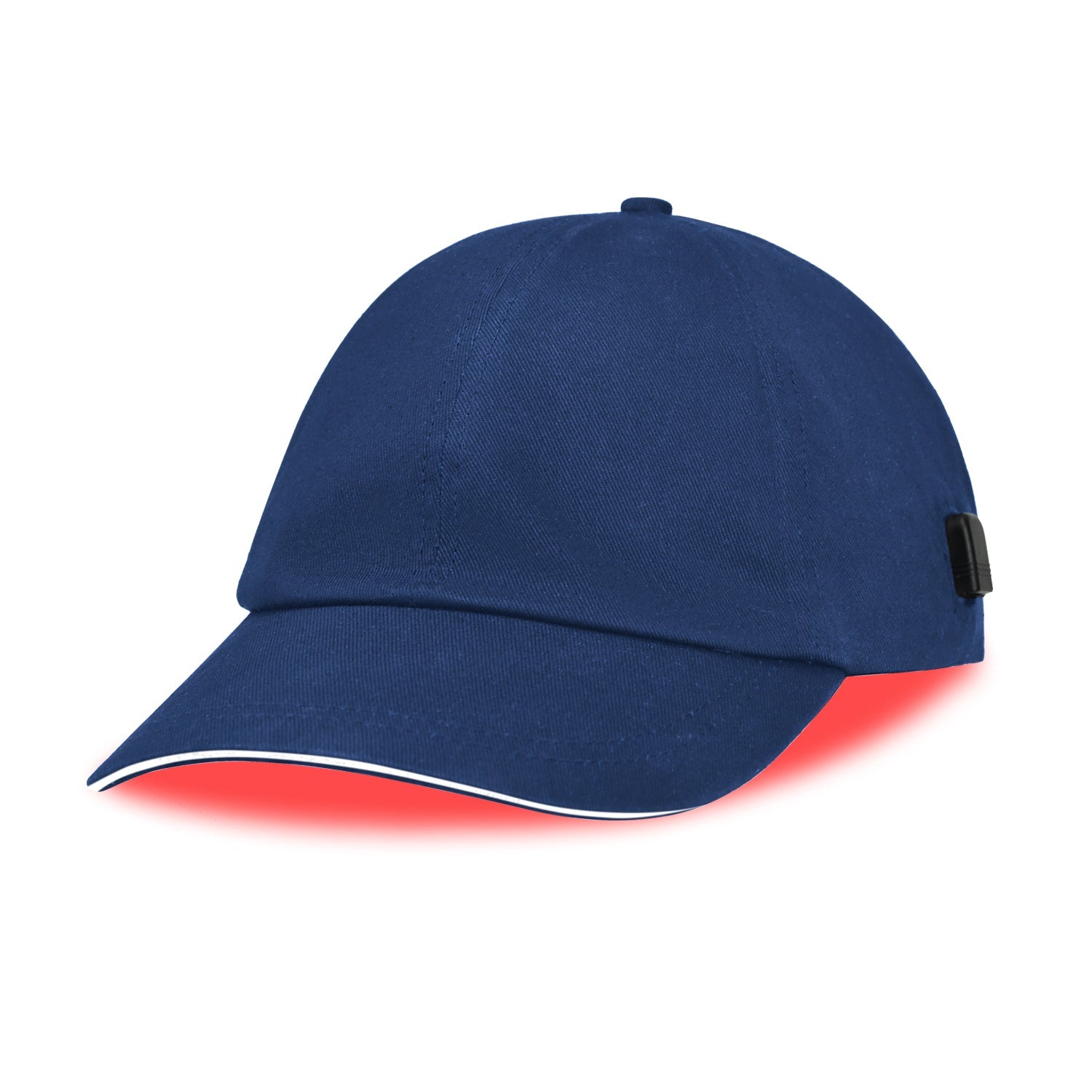
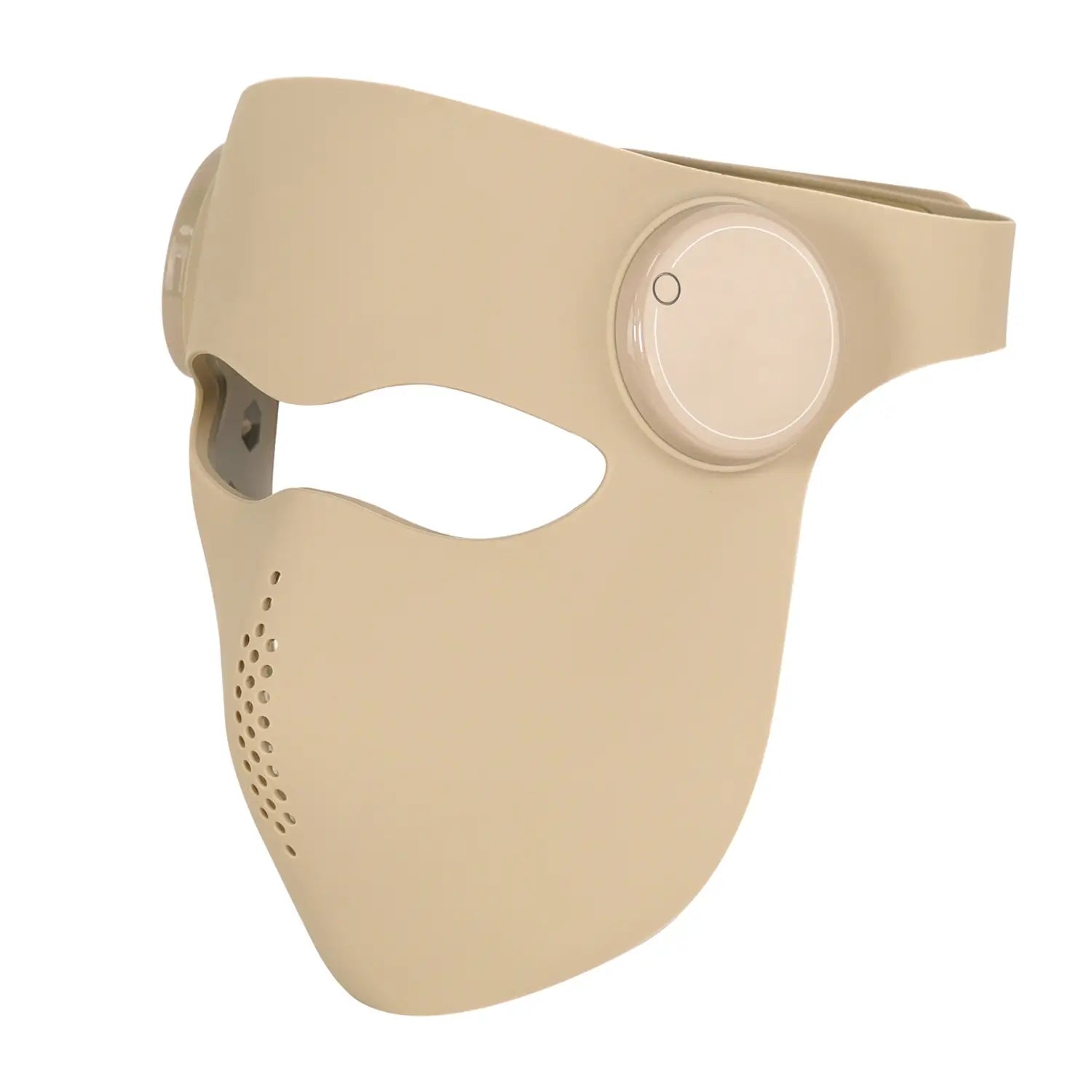
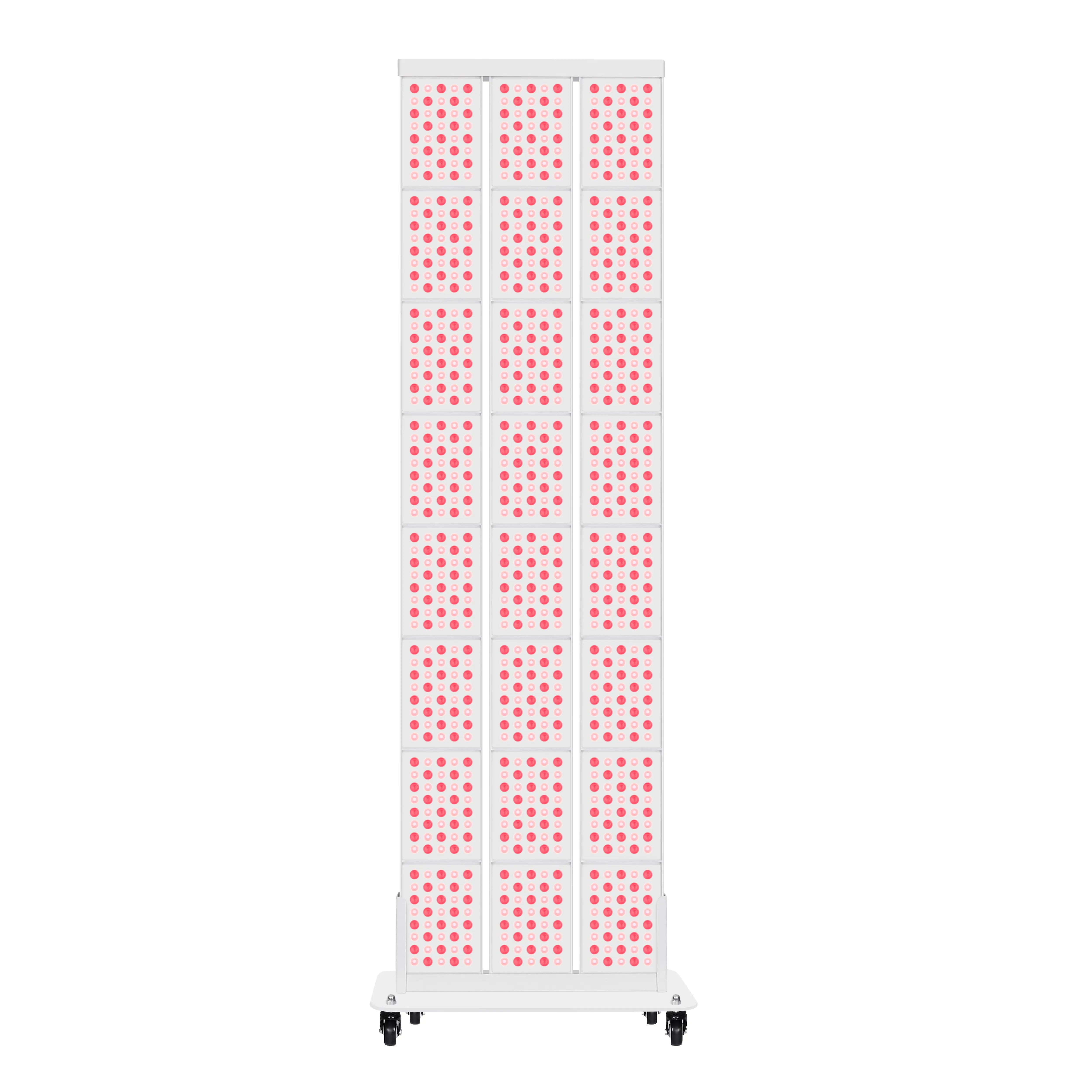
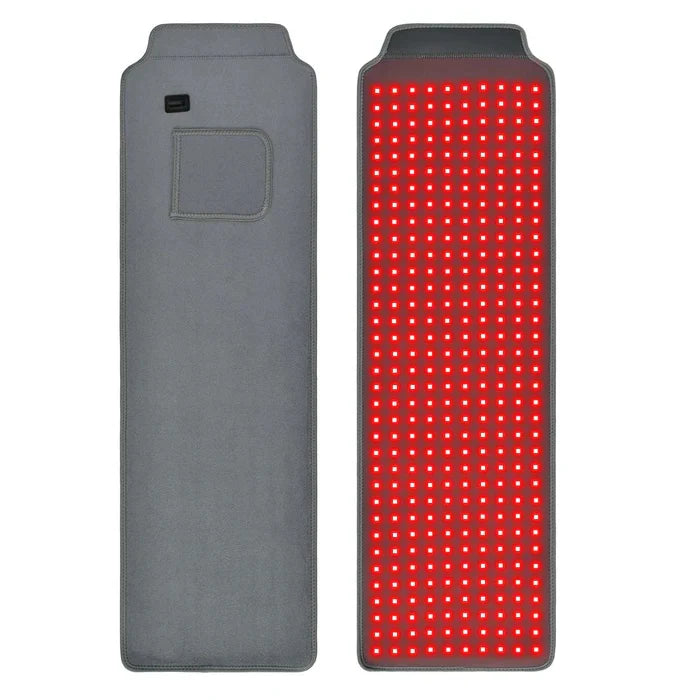
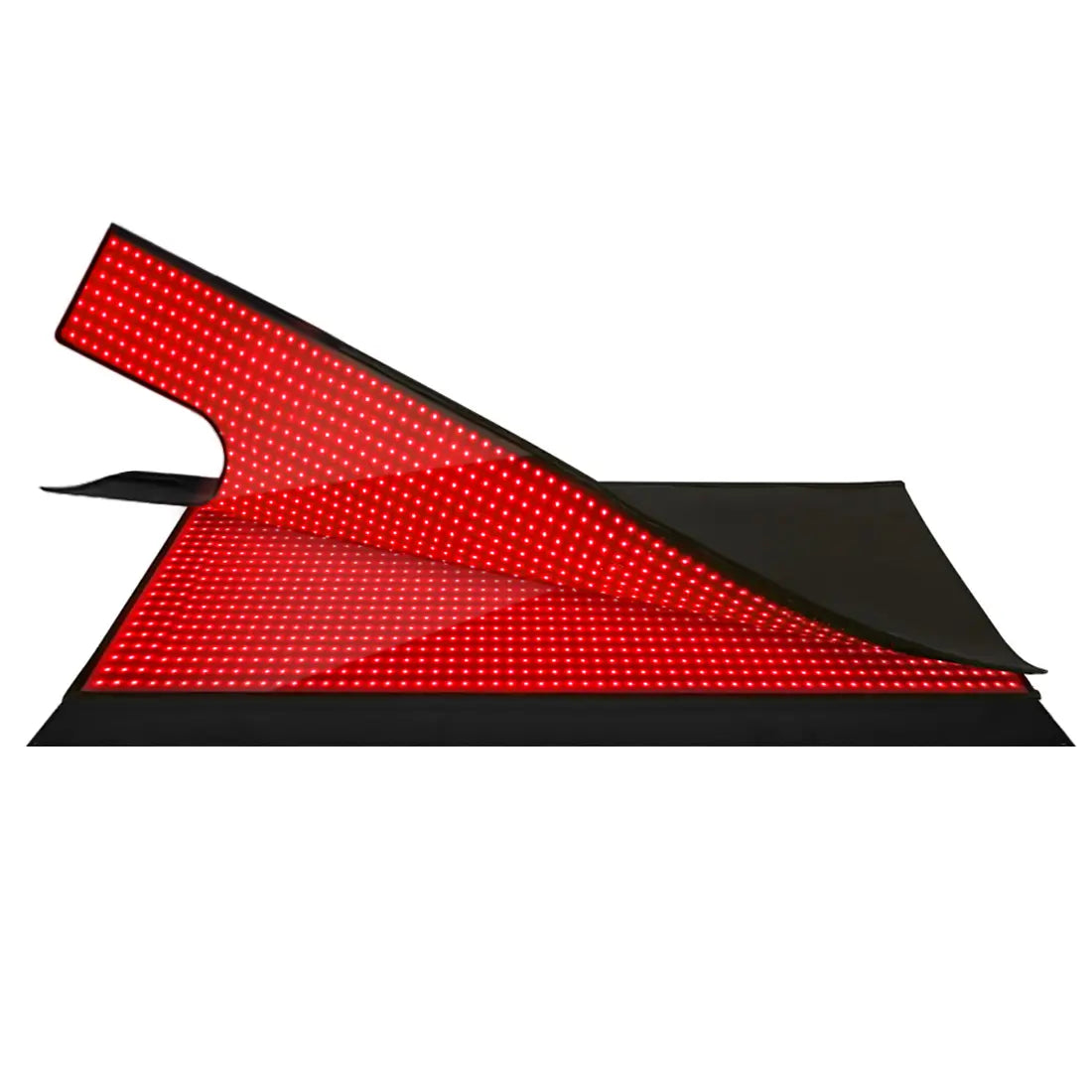
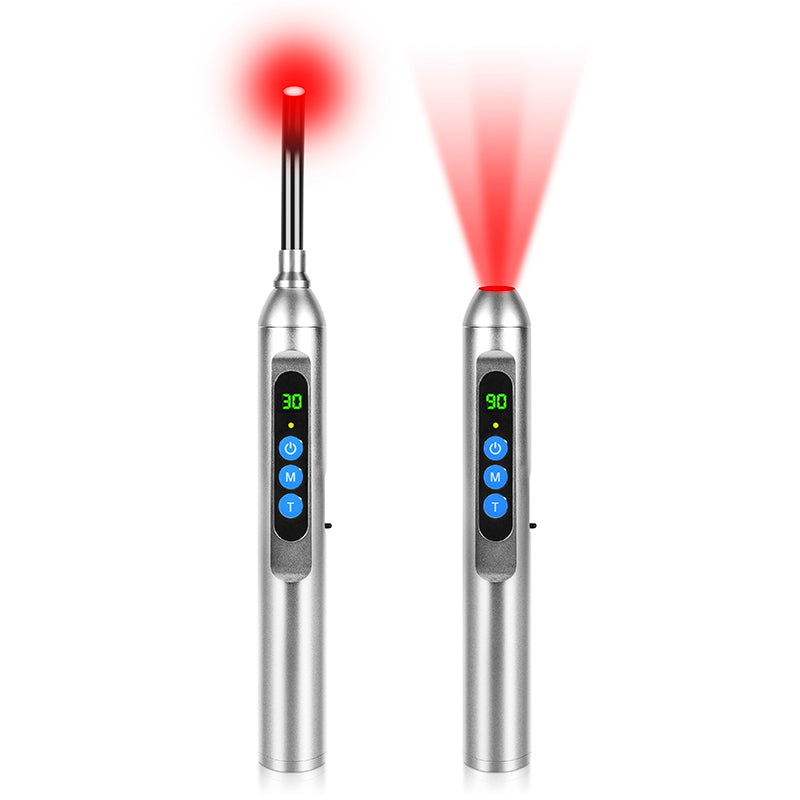

Med spas and wellness clinics can add meaningful revenue by integrating clinic-grade red light therapy when they focus on utilization, realistic pricing, and professional equipment that supports repeatable services without excessive markups. The key is selecting durable, clinically credible devices that fit into low-labor workflows while delivering measurable patient satisfaction and return on investment within the first 12-18 months.

Why Clinic-Grade Red Light Therapy Matters for Med Spas
Wellness clinics increasingly look to red light therapy as a non-invasive add-on that complements existing services like facials, body contouring, and pain management. Unlike consumer panels designed for home use, clinic-grade systems offer higher irradiance, larger treatment areas, and robust construction that withstand daily professional operation. This allows practitioners to deliver consistent results across skin rejuvenation, inflammation reduction, and recovery support.
The primary advantage lies in operational efficiency. Professional equipment typically supports shorter treatment times and broader coverage, enabling higher patient throughput. Many clinics report that adding this service helps diversify revenue beyond high-overhead procedures while appealing to clients seeking natural, science-backed wellness options. However, success depends heavily on choosing the right device and structuring services for profit rather than treating the purchase as a simple equipment upgrade.
Evaluating Clinic-Grade Machines: What Med Spas Should Prioritize
When assessing professional red light therapy equipment, start with practical constraints instead of headline specifications. The first filter should examine whether the device supports your expected patient volume and workflow. A large, full-body system may look impressive but can create scheduling bottlenecks if treatment times run long or if it occupies premium room space.
Key evaluation criteria include irradiance levels measured accurately with spectroradiometry rather than consumer solar meters, wavelength precision around 660nm and 850nm for optimal tissue penetration, and low EMF emissions to meet safety standards. Look for modular designs that allow targeted or full-body treatments, easy cleaning surfaces, and warranty terms suited to commercial use. Avoid devices that rely heavily on retail-style branding, as these often carry significant middleman markups that erode your margins.
Factory-direct professional options can provide equivalent or superior clinical performance at lower acquisition costs. This approach helps clinics maintain profitability while offering services that feel premium to clients. Consider devices with proven durability, straightforward maintenance, and the ability to scale as your service menu grows.
Calculating Red Light Therapy Business ROI
ROI calculations for adding red light therapy should center on utilization rate as the dominant variable. A heuristic model illustrates how monthly outcomes change with session volume:
Heuristic ROI Scenarios for Clinic-Grade Red Light Therapy
Illustrative break-even and profitability scenarios based on utilization rate. Values are heuristic, not measured market data.
View chart data
| Category | Monthly Revenue | Monthly Operating Cost | Monthly Profit |
|---|---|---|---|
| 25% Utilization | 1500.0 | 1200.0 | 300.0 |
| 50% Utilization | 3000.0 | 1400.0 | 1600.0 |
| 75% Utilization | 4500.0 | 1600.0 | 2900.0 |
| 100% Utilization | 6000.0 | 1800.0 | 4200.0 |
Heuristic model only. Assumes a clinic-grade red light therapy device costing $5k-$15k, session price around $50-$150, 15-20 minute treatments, and low operating costs. Monthly revenue is modeled from utilization-based session volume; profit equals revenue minus operating cost. Break-even is shown where profit turns positive, not as a measured market result.
This illustrative model assumes typical device costs between $5,000 and $15,000, session pricing from $50 to $150, and 15-20 minute treatments. At lower utilization, many setups barely cover operating costs. Profitability improves meaningfully above 50% utilization when paired with efficient scheduling. Factor in your specific overhead, financing terms, and expected client retention when running your own projections.
To build your business case, estimate conservative session volume for the first six months. Include one-time setup costs, ongoing electricity and maintenance, and staff time for client preparation. Many successful clinics achieve positive ROI by bundling red light sessions with other services, which boosts perceived value and average ticket size without significantly increasing labor.
Building a Profitable Treatment Menu
Effective treatment menus position red light therapy as both a standalone service and a powerful complement. Popular offerings include targeted sessions for skin health, pain relief, recovery after procedures, and general wellness. Typical pricing ranges from $75 to $150 per 20-minute session, with packages of 6-10 sessions offering 15-25% discounts to encourage commitment.
Consider these menu examples:
- Facial rejuvenation add-on: $99 standalone or $49 when bundled with a facial
- Full-body recovery session: $129 for athletes or post-workout clients
- Pain management series: 8 sessions for $799, marketed to clients with chronic discomfort
Train staff to educate clients on expected outcomes and recommended frequency, typically 2-3 sessions per week initially. This consistency improves results and supports repeat revenue. Track which menu items drive the highest utilization and adjust pricing or promotion accordingly. The goal is creating services that feel premium yet remain accessible enough to fill your schedule.
Balancing Clinical Efficacy, Patient Experience, and Operating Costs
Clinic-grade systems generally deliver stronger irradiance and more uniform coverage, which can translate to better perceived results in shorter times. However, efficacy depends on proper dosing, client preparation, and realistic expectations. Train practitioners on protocols that align with established photobiomodulation principles, including accurate energy delivery in Joules per square centimeter.
Patient experience plays a major role in retention. Comfortable treatment beds, private rooms, relaxing ambiance, and clear explanations of the process increase satisfaction and referrals. Operating costs remain relatively low compared to many aesthetic devices, primarily involving electricity, occasional bulb replacement, and cleaning supplies.
To maintain quality while controlling expenses, choose equipment with long LED lifespans, minimal maintenance requirements, and energy-efficient operation. Avoid over-investing in features that clients cannot readily perceive or that do not meaningfully improve outcomes. Regular calibration checks and staff training help ensure consistent delivery across all sessions.

Choosing Equipment for Long-Term Scalability
Scalability requires equipment that grows with your business rather than limiting it. Modular designs allow you to start with one unit and add more as demand increases. Look for systems that support both targeted treatments and full-body sessions, making them versatile across different client needs.
Professional red light therapy equipment from direct manufacturers often provides better value by eliminating unnecessary retail markups. This can free up capital for marketing your new service line or investing in staff education. Prioritize suppliers who offer commercial warranties, technical support, and clear documentation on device specifications.
When comparing options, create a decision matrix that weighs purchase price, expected lifespan, treatment versatility, and support quality. The most scalable choice typically balances upfront cost with long-term reliability and the ability to deliver a wide range of services.
Common Pitfalls to Avoid
Many clinics struggle with red light therapy integration when they overestimate initial utilization or select devices that do not fit their space and workflow. Underutilized equipment quickly becomes a financial burden rather than a revenue generator. Similarly, choosing consumer-grade panels for professional use often leads to frequent breakdowns and inconsistent results that damage client trust.
Another frequent issue involves pricing services too low in an attempt to attract volume, which prevents achieving healthy margins. Conversely, premium pricing without corresponding perceived value can slow adoption. Marketing the service effectively through your existing client base, website, and social channels is essential for building momentum.
How to Get Started: A Practical Checklist
Before purchasing, complete this operational audit:
- Calculate your realistic weekly capacity based on room availability and staff schedules.
- Draft sample menu items with pricing that covers costs at 50% utilization.
- Identify complementary services that can bundle with red light therapy to increase average revenue.
- Review device specifications focusing on irradiance, wavelength accuracy, and commercial durability.
- Run conservative ROI projections using your actual overhead numbers.
- Plan staff training and client education materials in advance.
This structured approach helps ensure the investment supports rather than strains your operations.
Conclusion
Integrating clinic-grade red light therapy can create a sustainable revenue stream for med spas when approached as a complete business decision rather than a simple equipment purchase. Focus on utilization, thoughtful menu design, and professional equipment that delivers consistent results without excessive costs. By selecting reliable, factory-direct professional gear, clinics can maximize profitability while offering clients effective, science-supported treatments.
Success ultimately depends on execution: proper staff training, realistic expectations, and ongoing monitoring of utilization and client feedback. With careful planning, this service line can enhance both your bottom line and your clinic's reputation as a comprehensive wellness destination. Consider your specific patient demographics, space constraints, and growth goals when finalizing decisions, and consult with equipment providers who understand the unique needs of professional settings.
Important Note on Comfort and Use: This article discusses general setup and business considerations for red light therapy services in professional environments. It does not constitute medical advice, diagnosis, or treatment recommendations. Results vary based on individual factors and proper protocol adherence. This information addresses operational comfort and service integration only. For any persistent discomfort, health conditions, or medical concerns, consult qualified healthcare professionals. Individual outcomes depend heavily on proper use, client selection, and overall treatment plans developed by licensed practitioners.