
Understanding Photobiomodulation for Inflammation and Cellular Health
Serious biohackers recognize that photobiomodulation (PBM) is most effective as a strategic layer within a longevity stack, rather than a standalone "magic bullet." By utilizing specific wavelengths—typically 660 nm (red) and 850 nm (near-infrared)—PBM targets cytochrome c oxidase within the mitochondria. This process is theorized to enhance ATP production and modulate inflammatory signaling.
For inflammation management, PBM serves as a supportive recovery tool. While it may help reduce markers of exercise-induced oxidative stress and perceived muscle soreness, it is not a medical treatment for chronic disease. In the context of longevity, PBM is best viewed as a way to support cellular resilience; however, "anti-aging" outcomes remain potential and vary significantly between individuals.
High-performance protocols require devices that deliver verifiable irradiance—ideally exceeding 100 mW/cm² at the recommended treatment distance—with minimal EMF and precise wavelength accuracy. These technical specs are the foundation of a predictable dosing routine.
Choosing the Right Device for Serious Biohacking Protocols
When selecting equipment for a protocol-driven routine, prioritize laboratory-grade transparency over marketing hype. Many consumer-grade solar meters used in YouTube reviews overstate irradiance by up to 2x because they are calibrated for sunlight, not narrow-band LEDs.

Key Verification Steps:
- Request Spectroradiometry Data: Ask the manufacturer for third-party reports confirming the actual power output (mW/cm²) at specific distances (e.g., 6", 12").
- Safety Standards: Look for compliance with IEC 60601-2-57, which governs the optical safety of non-laser light equipment.
- EMF Mitigation: Ensure the device is marketed as "low EMF" and, if possible, verify that the power supply is shielded or positioned away from the LEDs.
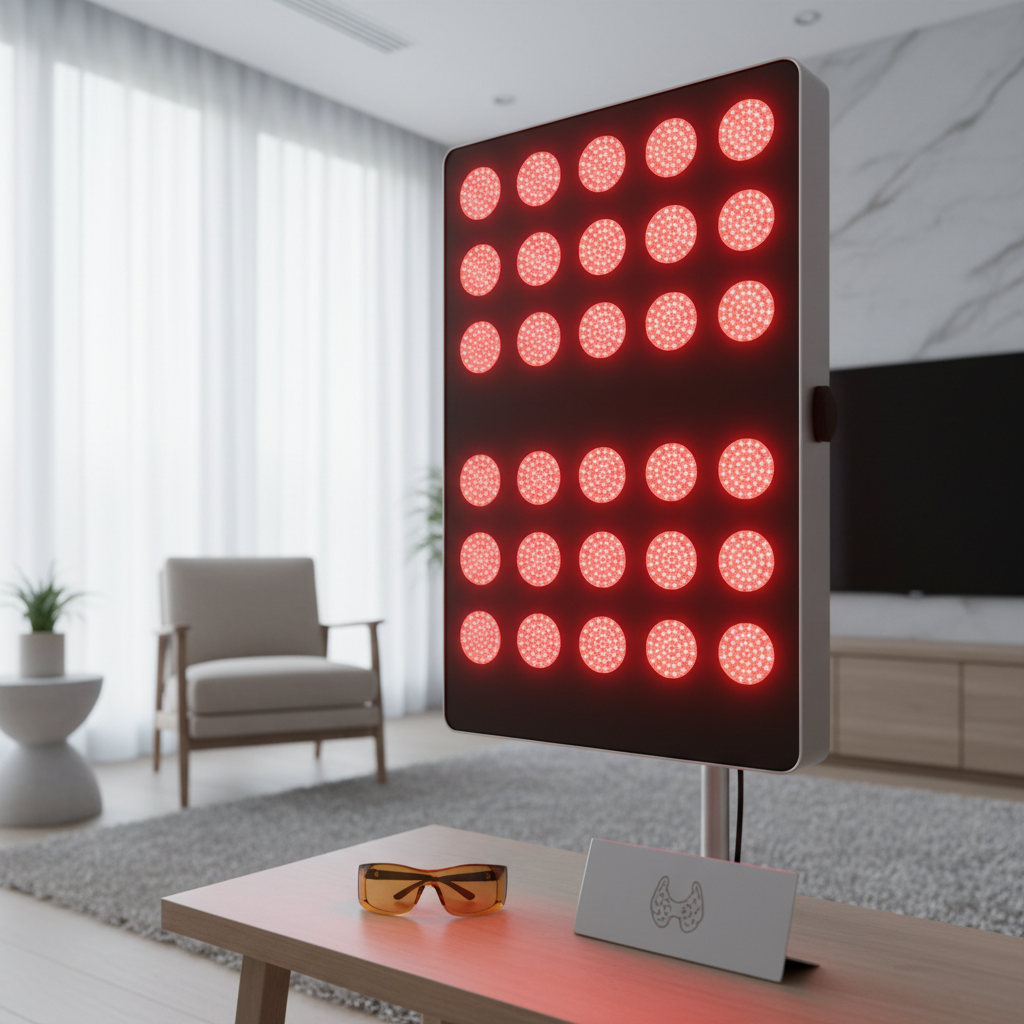
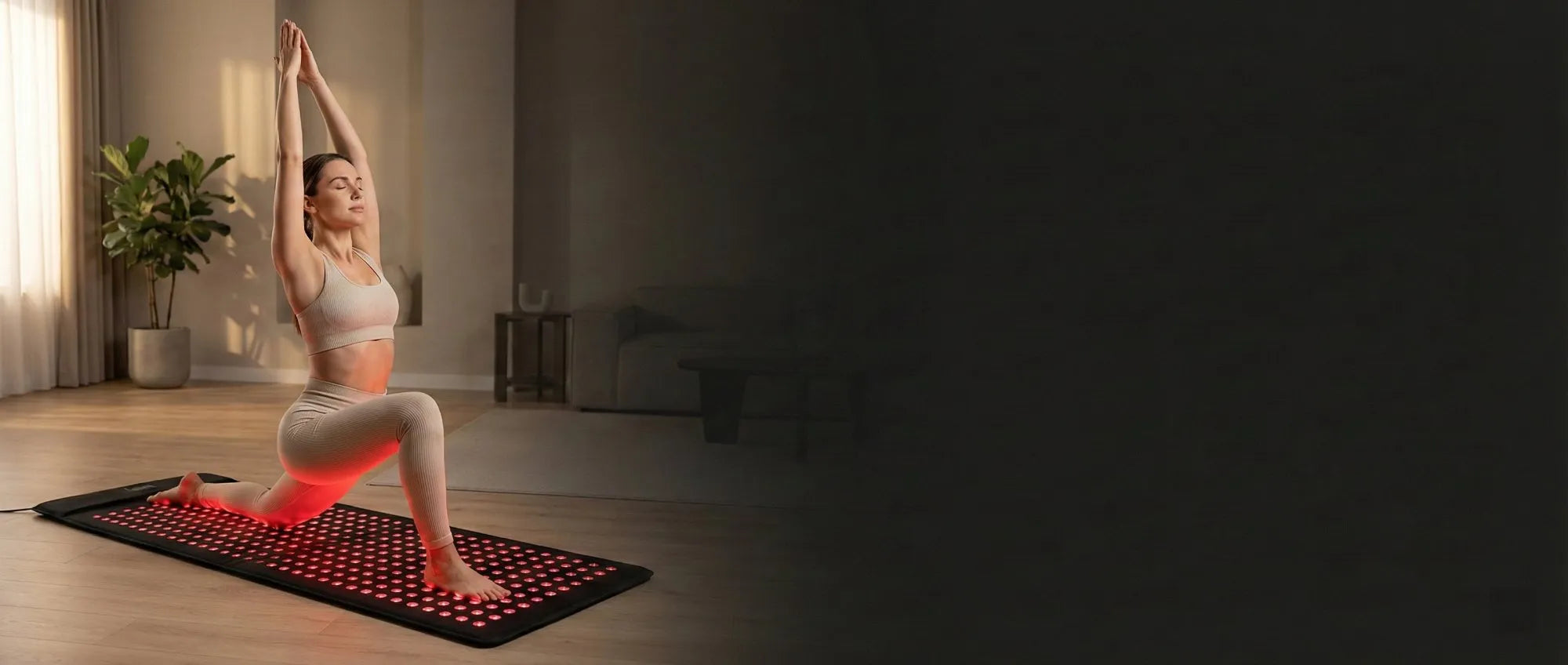
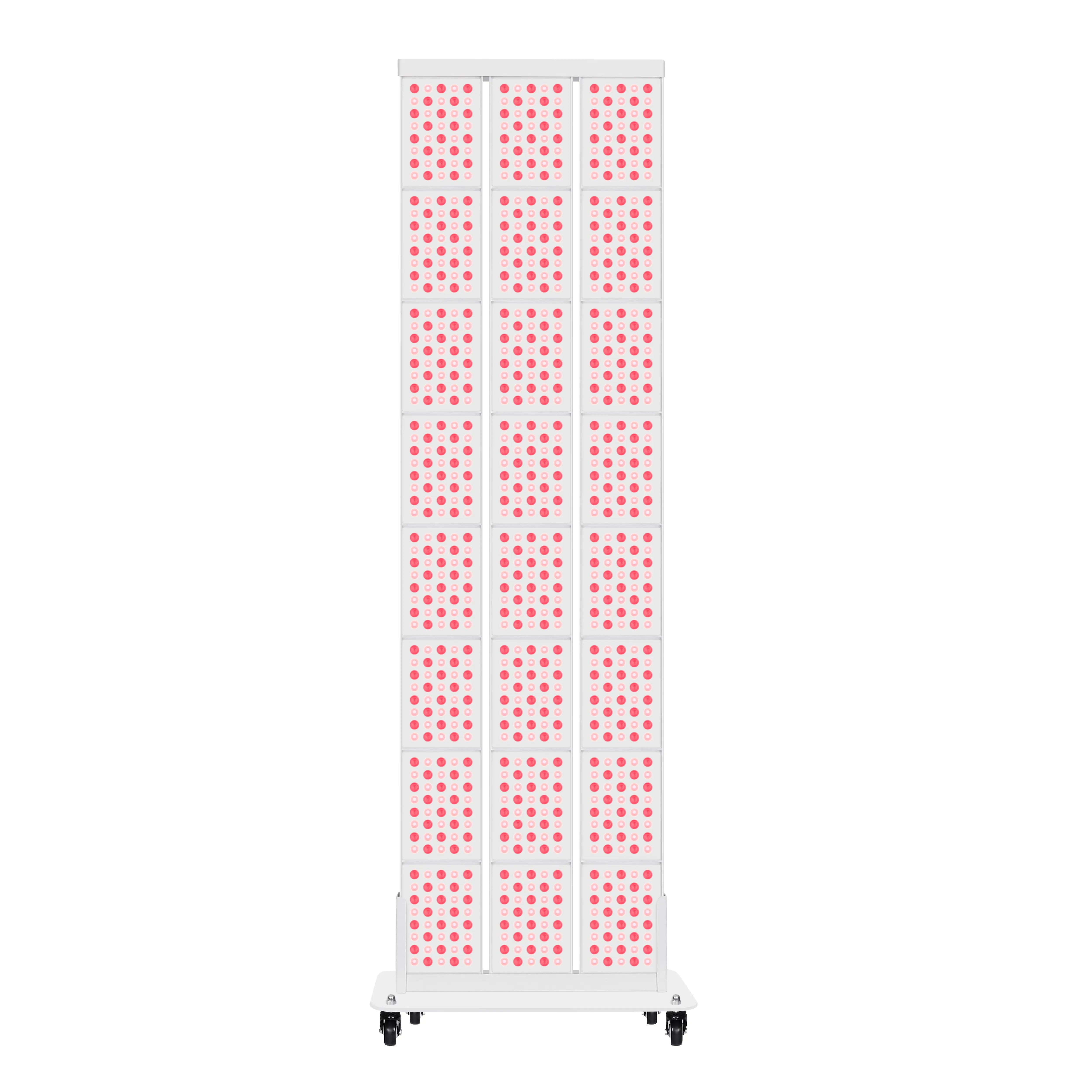
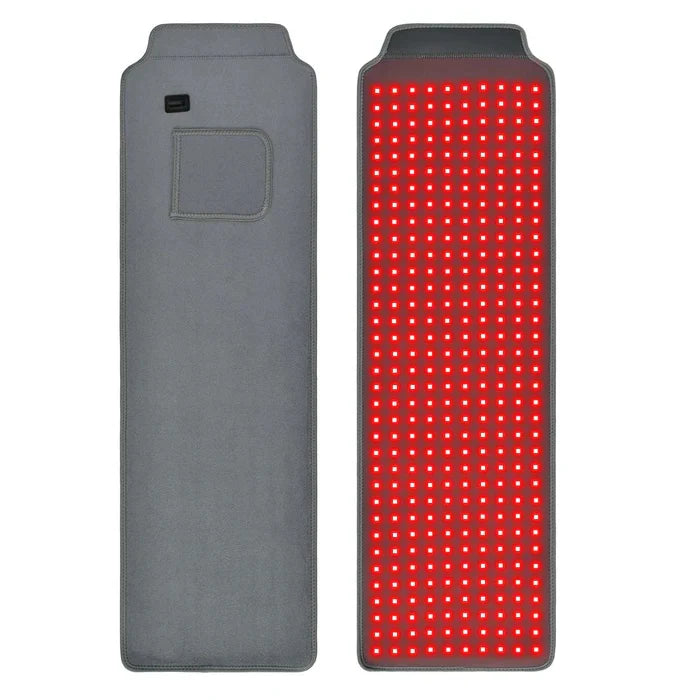
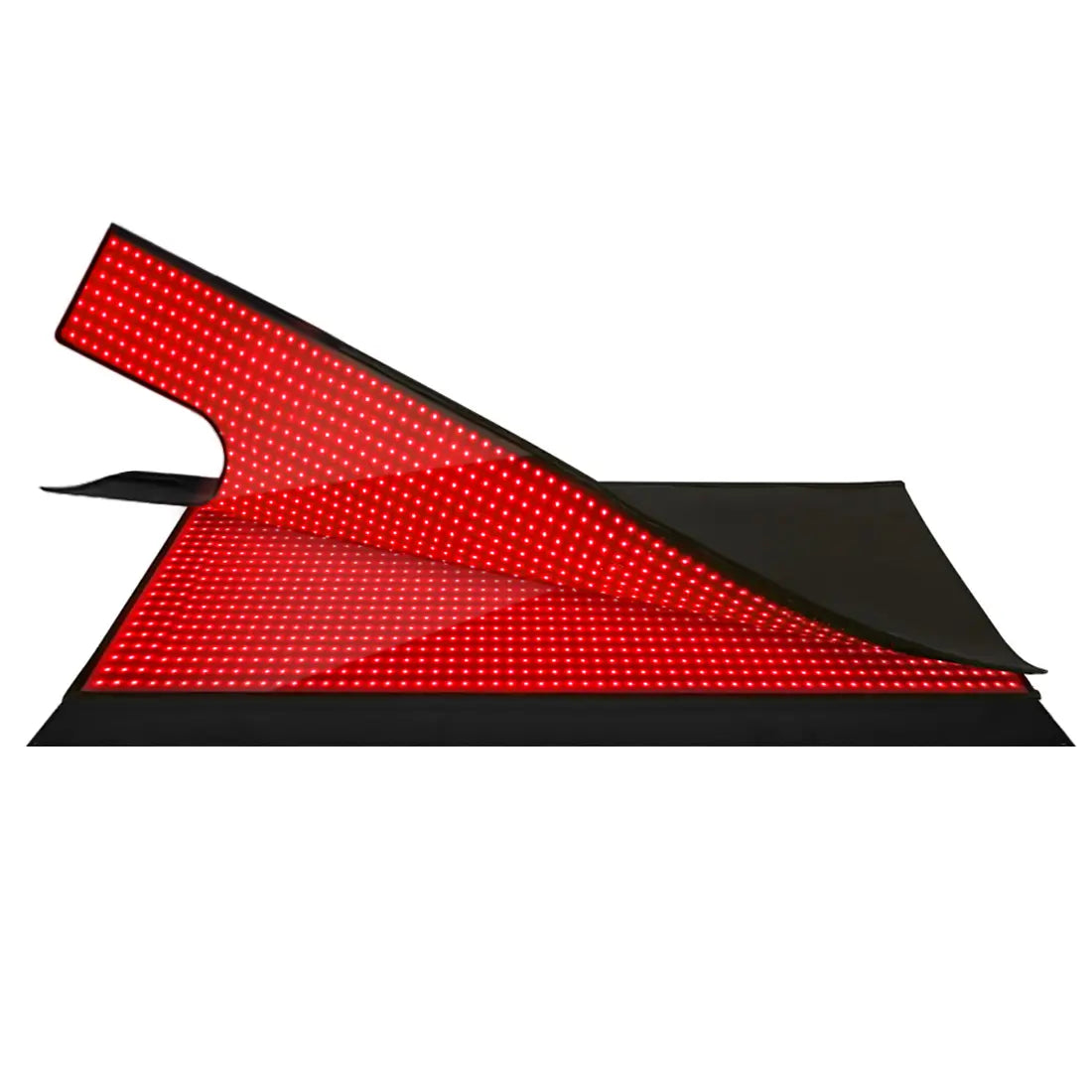
For full-body systemic goals, large panels or mats are preferred to ensure efficient coverage within a 10–20 minute window. The Youlumi 1500W Red Light Therapy Panel is designed for high-irradiance full-body protocols, while the Youlumi Pro Full Body Red Light Therapy Mat offers a lower-intensity, high-surface-area option ideal for parasympathetic "stacking" during meditation or rest. For localized issues, the YOULUMI Red Light Therapy Belt provides a mobile alternative.
Core PBM Dosing Principles: The Math of Light
Effective biohacking moves beyond "minutes spent in front of a light" to energy delivery measured in Joules per square centimeter (J/cm²).
The Dosing Formula:
To estimate your dose, use this heuristic:
Dose (J/cm²) = [Irradiance (mW/cm²) x Time (seconds)] / 1000
- Superficial Targets (Skin/Inflammation): 3–15 J/cm² is often cited as a starting range.
- Deep Tissue Targets (Joints/Muscle): 20–50 J/cm² may be required to account for light attenuation through skin and fat.
- Frequency: 3–6 sessions per week is a common "sweet spot." Daily use is generally safe but may lead to diminishing returns (the biphasic dose-response curve), where too much light actually reduces the beneficial effect.
Safety Note: Always use eye protection during direct facial exposure. PBM is a powerful stimulus; start with shorter sessions (5–8 minutes) to assess your individual sensitivity before moving to longer durations.
Disclaimer: This article discusses wellness and recovery practices only. It does not constitute medical advice. PBM is not a replacement for professional healthcare. Consult a physician if you have underlying health conditions or persistent symptoms.
Timing Protocols: Circadian Alignment and Recovery
The "when" of PBM can be as important as the "how much."
- Morning (Upregulation): Morning sessions may align with the body’s natural circadian rhythm, potentially supporting alertness and mitochondrial "priming" for the day.
- Post-Workout (Recovery): Applying PBM within 30–60 minutes of exercise is a common strategy to address acute inflammation. Some evidence suggests this may help clear metabolic waste and support muscle repair.
- Evening (Parasympathetic Support): Lower-intensity NIR exposure in the evening may support relaxation. However, a small subset of users finds NIR slightly stimulatory; if it interferes with your sleep latency, move your sessions to earlier in the day.
For a deeper dive into timing, see Optimal Times to Use Red Light Therapy for Best Results.
Practical Biohacker Stacking Protocols
PBM works best when integrated into a coherent system. Here are three common stacking frameworks:
1. The Morning Longevity Stack
- Sequence: Hydration -> 10–15 min Full-Body PBM (20–30 J/cm²) -> Sunlight exposure.
- Goal: Circadian anchoring and mitochondrial support.
- Synergy: Pair with mitochondrial cofactors (like CoQ10 or PQQ) as part of your nutritional routine.
2. The Athletic Recovery Stack
- Sequence: Training -> Red Light Therapy and Creatine -> 15 min PBM on target muscle groups.
- Goal: ATP synergy and reduced DOMS (Delayed Onset Muscle Soreness).
3. The "Fire and Light" Evening Stack
- Sequence: Sauna session -> Cool down -> 10 min PBM using a Red Light Therapy Sleep Bag.
- Logic: Preliminary biohacking hypotheses suggest that sauna-induced vasodilation may improve subsequent light absorption and heat-shock protein expression. For detailed sequencing, refer to the Sauna and Red Light Therapy Stacking Guide.
Visualizing Protocol Choices
Practical PBM Protocol Framework
Scenario-based comparison of PBM protocol fit by use case and stacking context.
View chart data
| Category | Morning | Evening | Pre-Workout | Post-Workout | With Sauna | Without Sauna |
|---|---|---|---|---|---|---|
| Inflammation / Recovery | 3 | 5 | ||||
| Mitochondrial / Longevity | 1 | 4 | ||||
| Item 3 | 2 | 3 | ||||
| Item 4 | 5 | 2 | ||||
| Item 5 | 2 | 1 | ||||
| Item 6 | 4 | 5 |
Illustrative protocol guidance synthesized from common PBM literature ranges and expert consensus: session dose commonly spans about 3-50 J/cm², typical session time about 10-20 minutes, and weekly frequency about 3-7 sessions. Timing and stacking order are modeled heuristically to compare protocol fit across use cases; values are relative guidance for planning, not measured outcomes.
Note: This chart represents a heuristic model based on common practitioner patterns. It is intended for illustrative purposes and should be adjusted based on your personal biomarkers and recovery data.
Common Myths and Hidden Tradeoffs
It is vital to separate PBM's physiological potential from marketing overreach.
- The "Miracle" Myth: PBM cannot "fix" a lifestyle defined by poor sleep and high processed-sugar intake. It is an optimizer, not a foundation.
- The "More is Better" Fallacy: Exceeding 50–60 J/cm² in a single session may actually inhibit cellular function (the inhibitory phase of PBM).
- The Cost of Consistency: The biggest tradeoff is time. A full-body protocol requires 60–90 minutes of commitment per week. If you cannot maintain this consistency, a premium panel may not provide the ROI you expect.
How to Self-Assess and Iterate Your Protocol
To move from "guessing" to "knowing," follow this 6-week iteration cycle:
- Establish a Baseline: Track your resting HRV, subjective muscle soreness (1-10 scale), and sleep quality for 14 days without PBM.
- Isolate the Variable: Introduce PBM at a specific time (e.g., 10 minutes post-workout) for 21 days. Do not change your supplements or training volume during this window.
- Calculate Your Actual Dose: Use the formula provided above based on your distance from the panel.
- Monitor for Side Effects: Watch for "detox-like" symptoms, such as transient headaches or skin redness, which may indicate the dose is too high for your current state.
- Review and Pivot: Compare your 21-day PBM data against your baseline. If HRV or recovery speed hasn't improved, try shifting the timing (e.g., from post-workout to morning) or adjusting the distance to change the irradiance.
For specialized applications, consider exploring Red Light Therapy for Brain Health or its Impact on Athletes’ Hormone Levels.
Final Considerations for the Longevity-Focused Buyer
Investing in a high-end PBM setup is a commitment to long-term cellular maintenance. To maximize your investment, choose equipment that offers transparent technical data and matches your lifestyle—whether that’s a high-powered Red Light Therapy Panel for efficiency or a wearable mat for comfort.
Approach PBM with a "test and learn" mindset. By tracking your data and respecting the biological limits of light therapy, you can transform an expensive piece of hardware into a cornerstone of your longevity lab.
References
- Hamblin, M. R. (2017). "Photobiomodulation or low-level laser therapy." Journal of Biophotonics.
- Internal Technical Data: Youlumi Spectroradiometry and Irradiance Mapping (2023).
- Zein, R., et al. (2018). "Review of light parameters and photobiomodulation efficacy." Frontiers in Physiology.