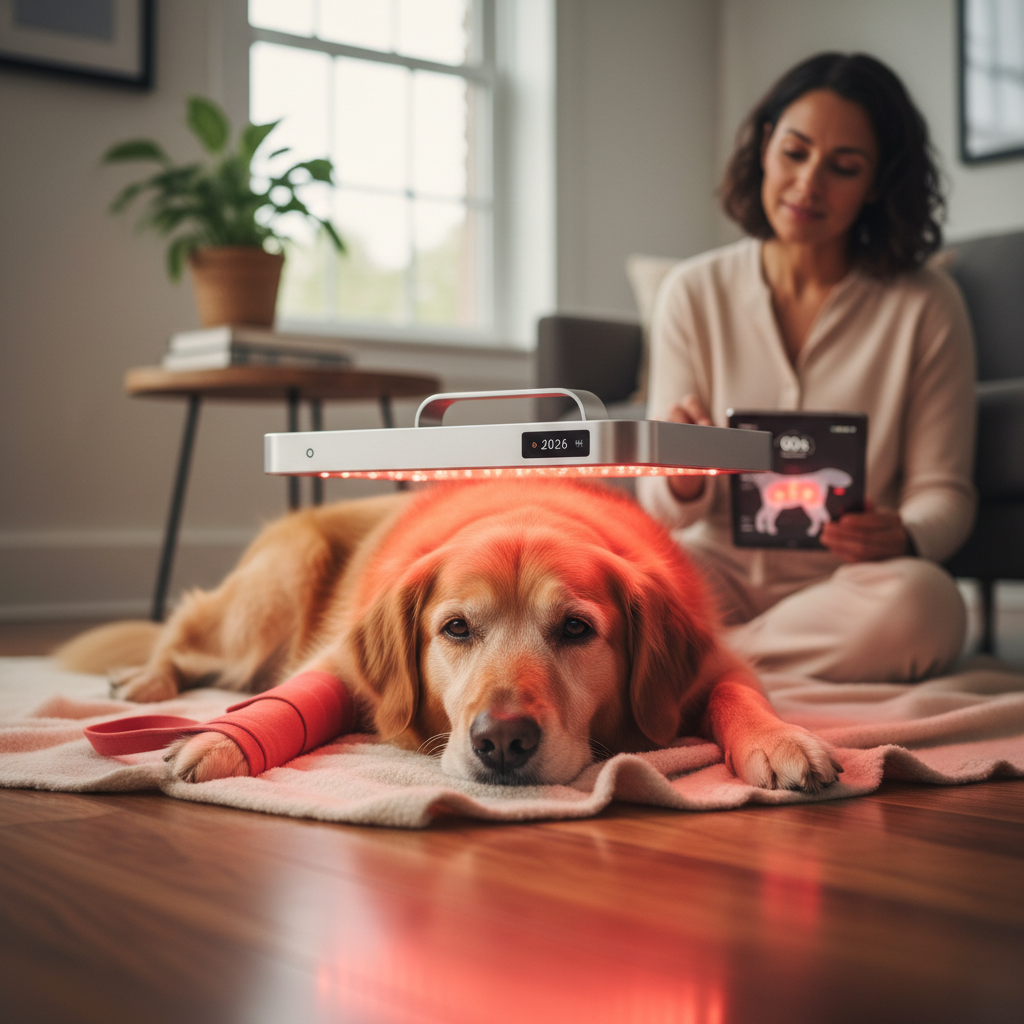
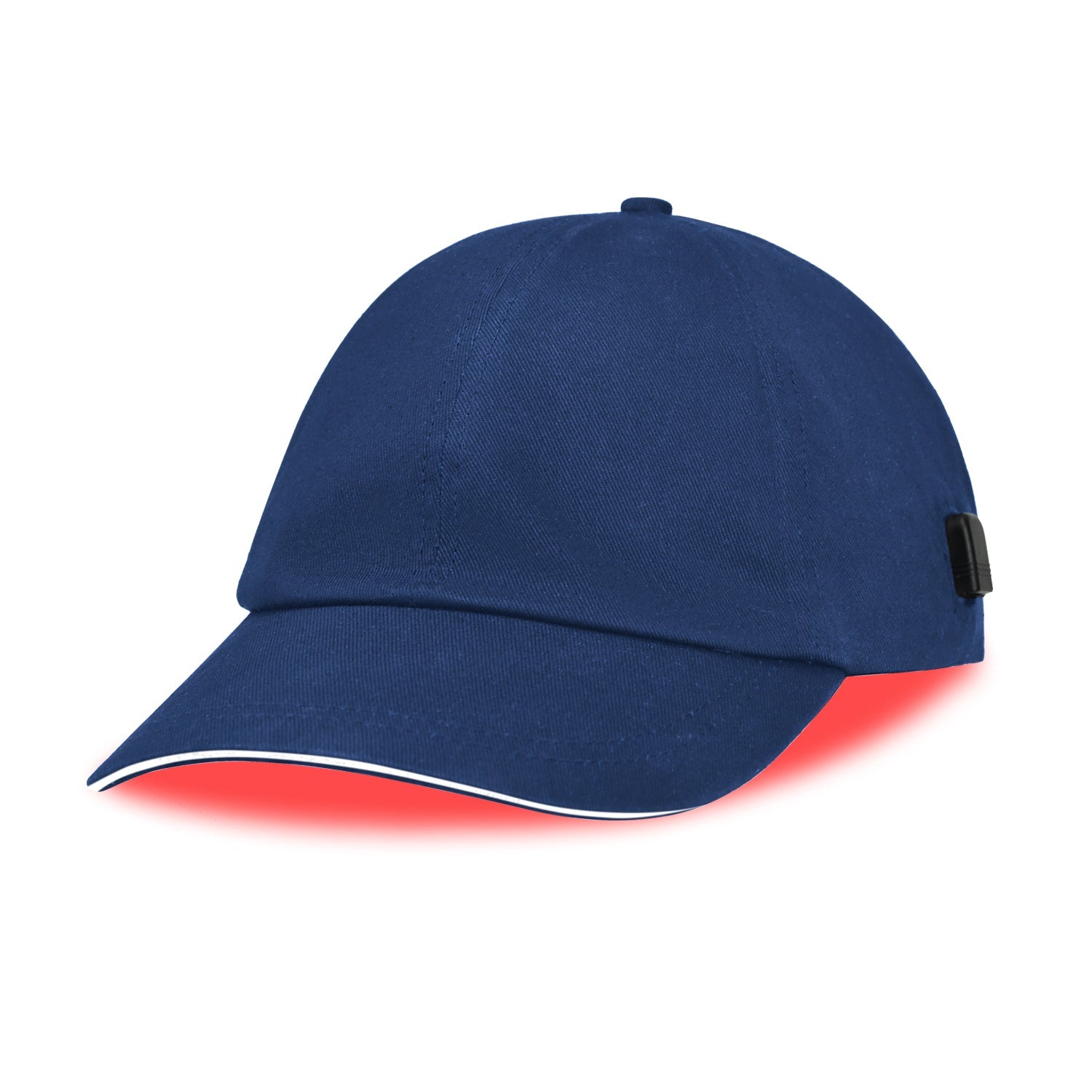

Many people who undergo cosmetic procedures like facelifts, eyelid surgery, rhinoplasty, liposuction, or breast augmentation look for ways to support recovery at home. In some clinical settings, red-light phototherapy has been used safely in the early postoperative period and may help reduce postoperative discomfort and inflammation. However, red light therapy (RLT) is not a replacement for your surgeon’s instructions, wound care, compression garments, or prescribed medications. It should only be introduced after obtaining explicit clearance from your medical team, especially around incisions, drains, or grafts.

This article outlines a conservative, evidence-informed approach to using red light therapy after cosmetic surgery. It focuses on timing, device settings, integration with standard care, and realistic expectations for bruising, swelling, and scarring. Always prioritize your surgeon’s protocol and seek immediate medical attention for worsening symptoms such as increased pain, fever, bleeding, drainage, or abnormal swelling.
Understanding How Red Light Therapy May Support Post-Operative Recovery
Red light therapy, also known as photobiomodulation (PBM), uses specific wavelengths of light—typically 660 nm red and 850 nm near-infrared—delivered through LEDs rather than true lasers. Recent review evidence suggests near-infrared light may be associated with improved postoperative wound healing and less pain, but results are not uniform across studies. The proposed mechanisms involve increased cellular energy production (ATP), reduced oxidative stress, and modulation of inflammation, which can support tissue repair processes.
For cosmetic surgery patients, the primary interests are minimizing early bruising and edema while supporting longer-term collagen remodeling to improve scar appearance. Postsurgical scar-management reviews include low-energy light or laser approaches as one option within a broader scar-care plan, not as a standalone cure. A recent scar-optimization framework discusses photobiomodulation as one possible adjunct in a staged postoperative scar plan. These effects are setup-dependent and vary significantly by procedure type, individual healing response, and how well RLT is integrated with conventional care.
It is important to distinguish RLT from ablative or resurfacing lasers. Red light therapy is a gentle LED-based light treatment, not an ablative resurfacing procedure. This distinction matters because post-operative tissues are particularly sensitive, and aggressive light or heat could interfere with healing.

When to Start Red Light Therapy After Cosmetic Surgery
Timing is one of the most critical and procedure-specific decisions. Patients should follow their surgeon’s postoperative instructions and avoid applying scar treatments directly to incision sites until cleared. An incision is a surgical wound and should be cared for and monitored carefully during recovery.
Evidence from a phase II trial on facial surgery suggests that in selected cases, LED red light can be introduced relatively early—sometimes within the first 24–72 hours—without apparent interference and with possible reductions in discomfort. However, this does not apply universally. Procedures involving extensive incisions, grafts, drains, or body contouring often require waiting until wounds are closed and the surgeon confirms it is safe.
A practical staged framework includes:
- Immediate phase (0–72 hours): Focus on rest, compression, elevation, and prescribed medications. Light therapy is generally avoided or used only on non-incision areas with explicit approval. Early facial applications in controlled settings have been studied, but most patients should wait.
- Acute recovery (3–14 days): Once incisions are stable and dressings allow, many patients explore gentle RLT sessions on surrounding tissues or closed areas. Sessions are typically kept short (5–10 minutes) at moderate irradiance.
- Scar remodeling phase (2 weeks and beyond): As tissues enter the proliferative and remodeling stages, longer or more frequent sessions may be considered to support collagen organization and reduce scar redness or thickness. Scar appearance often continues to improve for months after surgery, so any adjunctive therapy should be judged over time rather than after just a few sessions.
The following chart provides an illustrative overview of how key parameters may evolve across these phases. It is modeled for planning purposes only and does not represent measured clinical trial data. Values are relative markers to highlight conservative progression; actual protocols must come from your surgeon.
Illustrative Post-Op Red Light Therapy Start Windows
Use this as a planning overview: timing is phase-based and conservative, with early use only as a bounded example for selected facial cases.
View chart data
| Category | Start window openness | Typical session dose | Decision gate confidence |
|---|---|---|---|
| Immediate (0–72h) | 2.0 | 2.0 | 2.0 |
| Acute (3–14d) | 3.0 | 3.0 | 2.0 |
| Scar remodeling (2w+) | 4.0 | 3.0 | 3.0 |
Modeled illustrative synthesis based on common clinical patterns and evidence boundaries. A bounded early-postoperative facial trial window (about 24–72h) is reflected only as one example; later timing is shown more conservatively for incisions and scar remodeling. Values are comparative markers for planning, not measured trial data.
A recent framework for optimizing postoperative scars emphasizes that any light-based adjunct should be staged and coordinated with the surgical team rather than applied independently.
Recommended Settings and Session Protocols
When cleared by your surgeon, typical parameters for post-operative support draw from wound-healing and scar-management literature. Common choices include a combination of 660 nm red light for superficial tissue effects and 850 nm near-infrared for deeper penetration. Irradiance should be moderate (typically 50–150 mW/cm² at treatment distance) to avoid excessive heat or irritation on healing skin.
Session lengths often start conservatively:
- Early cleared use: 5–10 minutes per area, 1–2 times daily.
- Later scar-focused use: 10–20 minutes, up to 3–5 times per week.
Distance from the skin is usually 6–12 inches depending on device irradiance, following manufacturer guidelines and the Photobiomodulation Standards for irradiance measurement. Overuse can lead to skin irritation or diminished returns, consistent with the biphasic dose response (Arndt-Schulz law) described in technical PBM literature.
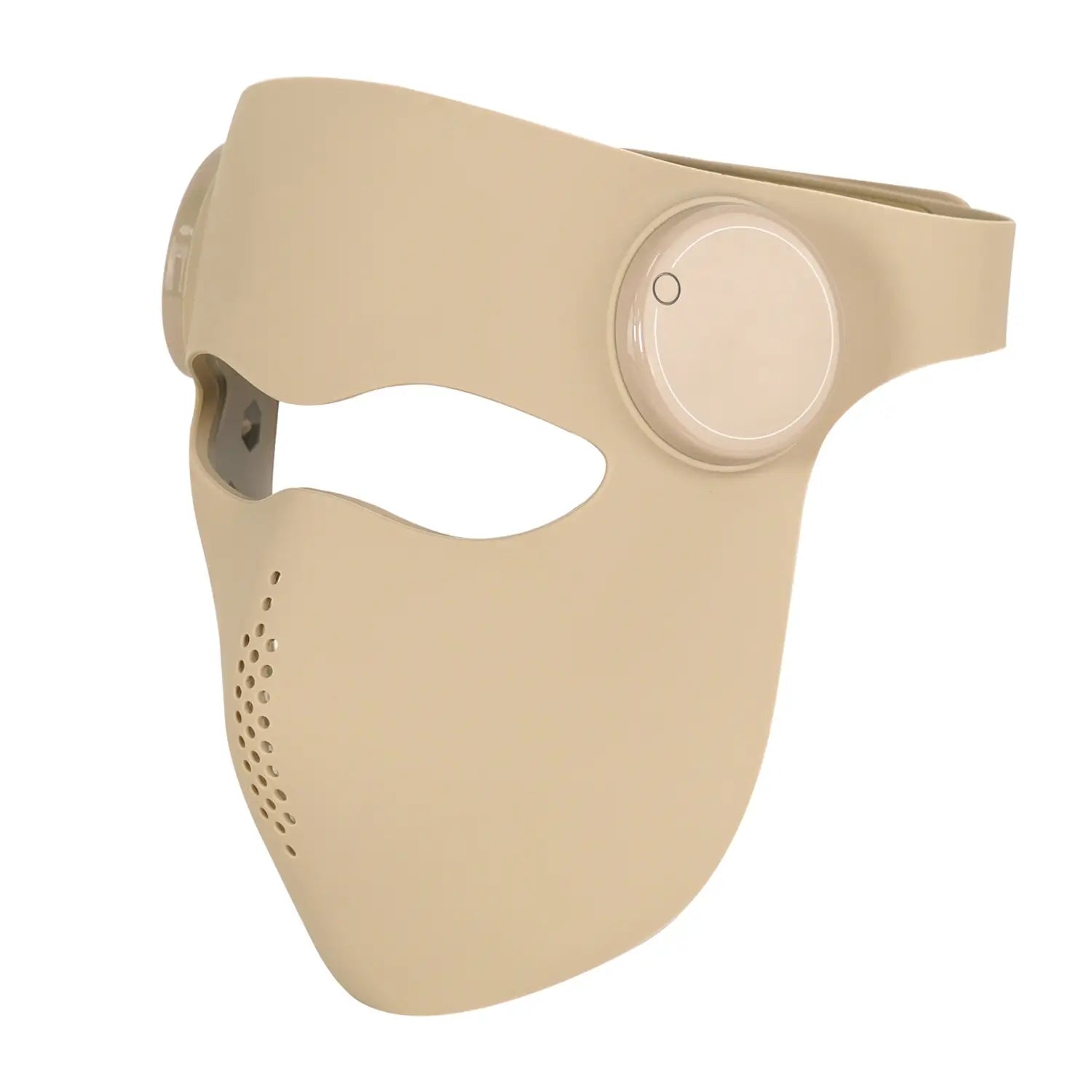
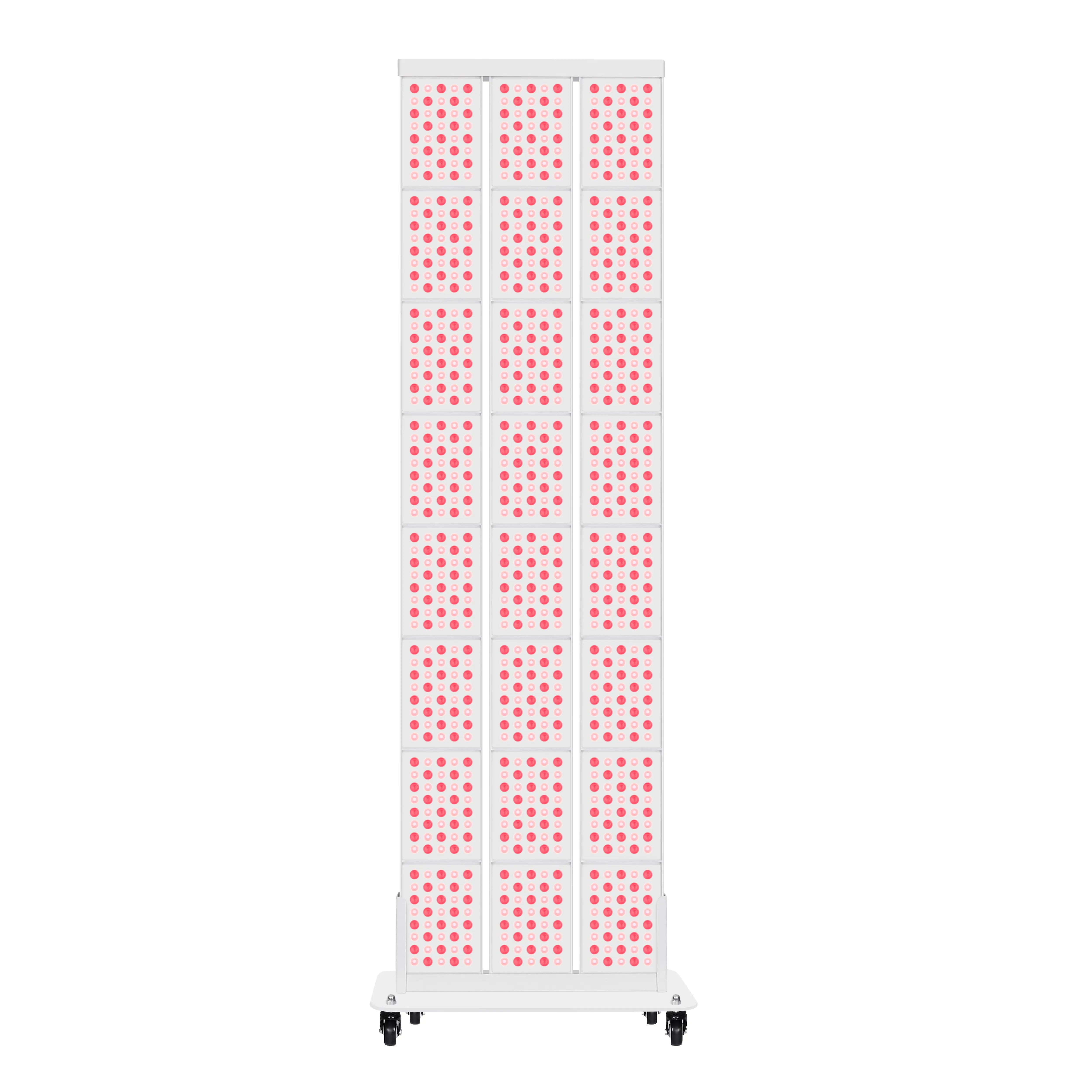
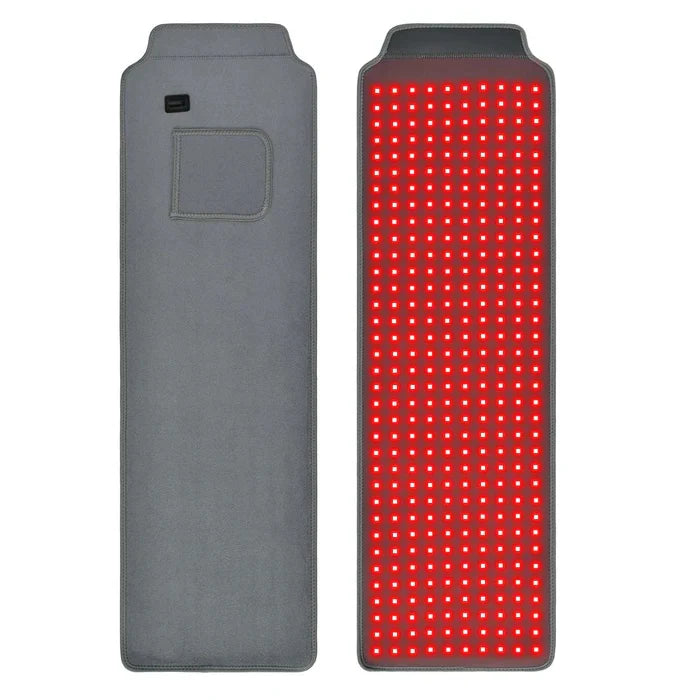
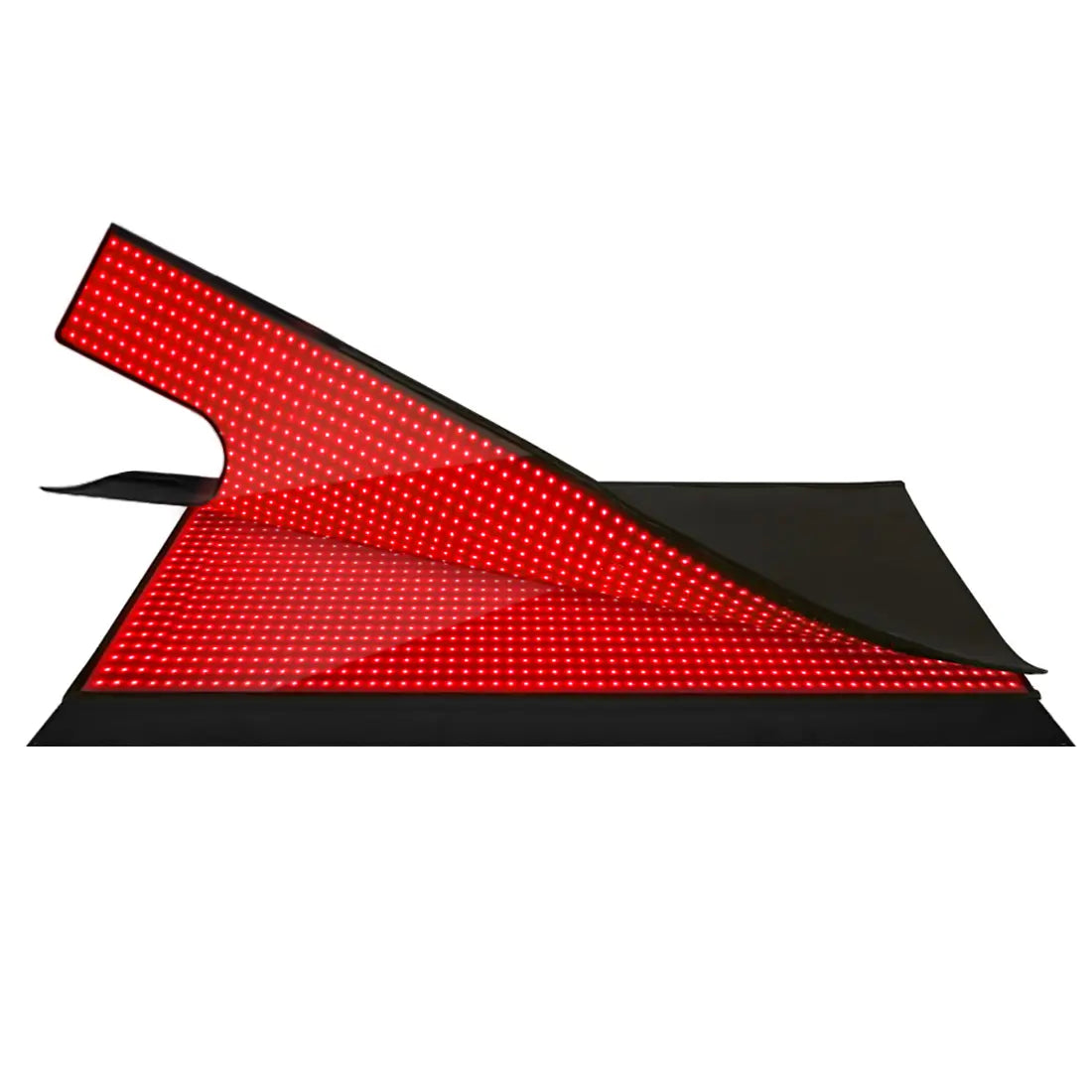
For facial procedures, devices such as red light therapy masks or smaller panels allow targeted, hands-free application while maintaining safe distance. Larger full-body mats or high-power panels may suit body contouring recovery when used on non-incision zones.
Our related guide on red light therapy for wound healing provides additional technical background on mechanisms and safety boundaries.
Minimizing Bruising, Swelling, and Early Discomfort
In the first 1–2 weeks, standard care (ice, compression, elevation, and lymphatic support) remains primary. Red light therapy, when appropriately timed, may complement these by modulating inflammation. Light-based treatments can reduce redness and discoloration in some scars, but response varies by scar type, timing, and procedure.
Practical steps include treating surrounding healthy tissue first, keeping sessions gentle, and monitoring for any increase in swelling or discomfort. Combine with prescribed compression as compression is commonly used after surgery to support healing, pain control, and tissue stabilization, so red-light therapy should complement—not replace—those instructions.
Supporting Collagen Remodeling and Reducing Scar Visibility
Once incisions are fully closed, the focus shifts to scar care. How red light therapy changes scar color and texture explains how 660 nm and 850 nm wavelengths may influence collagen remodeling to reduce scar thickness and normalize pigmentation. A separate article reviews evidence specifically for red light therapy for burn scars, which shares some mechanisms with surgical scarring.
Results are gradual. Most visible improvements in scar pliability, color, and height appear over weeks to months when RLT is used consistently alongside silicone sheets, massage, sun protection, and other recommended modalities. Light treatments are part of multimodal scar care rather than a miracle solution.
Safety Precautions and Integration with Surgeon Instructions
Do not use red light therapy over open wounds, active drains, fresh sutures, or grafts without explicit medical approval. Avoid direct contact with dressings that could be heated or displaced. For facial areas, protect the eyes and start with shorter exposures.
If pain, bleeding, fever, worsening swelling, drainage, or other symptoms are getting worse instead of better, the patient should contact the surgeon or seek medical care rather than trying to manage it with red light therapy.
Integration checklist:
- Obtain written or verbal clearance from your surgeon before first use.
- Review all post-operative instructions and confirm RLT will not interfere with medications, compression, or activity limits.
- Begin with the lowest effective dose on non-sensitive areas.
- Document skin response, swelling changes, and comfort levels daily.
- Attend all follow-up appointments and discuss observed effects with your provider.
- Stop immediately and consult a professional if irritation, increased redness, or delayed healing occurs.
This conservative approach aligns with clinical trial protocols that required medical supervision and avoided treatment on fresh incisions until appropriate.
Common Myths vs. Evidence-Based Reality
Several misconceptions circulate in wellness communities:
-
Myth: Red light therapy dramatically speeds recovery and erases post-surgical bruising within days. Reality: Benefits for bruising and early swelling are modest at best, highly variable, and secondary to standard care. Evidence is stronger for general inflammation modulation than for guaranteed cosmetic bruise resolution.
-
Myth: More sessions or higher intensity always produces better results. Reality: Dosage follows a biphasic curve; excessive exposure can reduce effectiveness or cause mild irritation, especially on compromised skin.
-
Myth: RLT can replace professional wound care or scar treatments. Reality: It functions only as a potential adjunct within a comprehensive plan directed by your surgical team.
-
Myth: All red light devices are equally suitable post-surgery. Reality: Quality, irradiance accuracy, wavelength precision, and low-EMF design matter. Look for devices that meet current photobiomodulation standards for irradiance and safety.
Our technical reference on photobiomodulation standards, irradiance, EMF, and safety offers deeper guidance on choosing reliable equipment.
What to Discuss With Your Surgeon and When to Seek Help
Bring specific questions to your pre- and post-operative appointments: which wavelengths and devices they recommend, when light exposure is permissible, and any restrictions related to your particular procedure. Patients who already own wellness devices should treat post-surgical use as a new, more cautious application rather than continuing previous routines unchanged.
Important Health and Safety Boundary: This article discusses comfort, setup guidance, and adjunctive wellness practices based on available literature. It does not constitute medical advice, diagnosis, or treatment. Red light therapy outcomes after cosmetic surgery are highly individual and depend on procedure type, personal health factors, and adherence to professional care. If you experience persistent discomfort, signs of infection, delayed healing, or have pre-existing eye conditions or other medical concerns, consult qualified healthcare professionals promptly.
Choosing the Right Device for Post-Operative Support
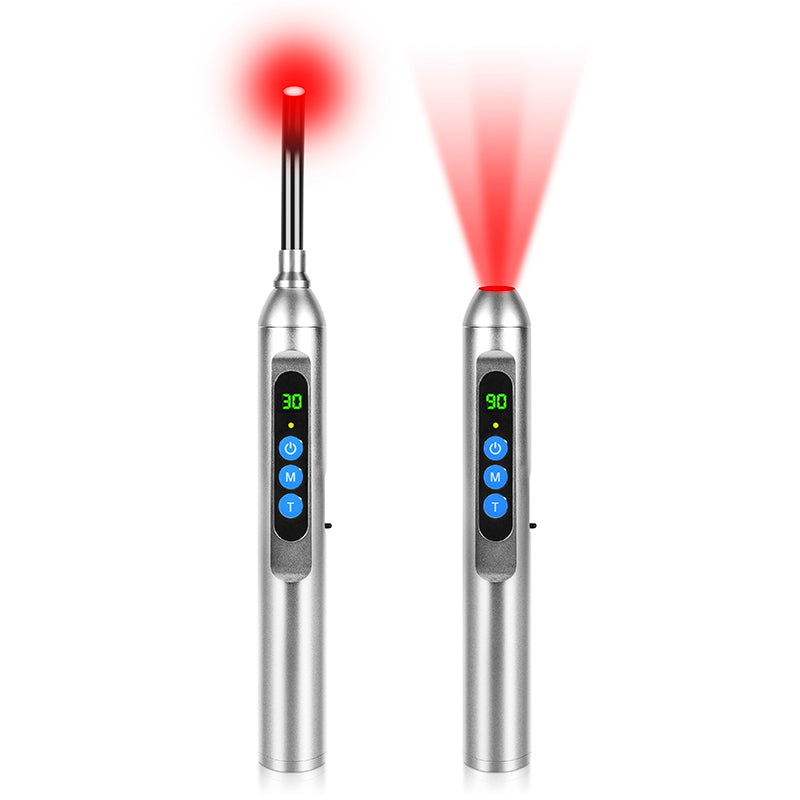
For facial and neck recovery, compact 60W red light therapy panels or red light therapy masks offer convenient, targeted application. Body procedures may benefit from larger red light therapy panels or a full-body red light therapy mat used cautiously on approved areas. Prioritize devices with verified irradiance, low EMF, and clear usage guidelines.
Additional reading on combining light therapy with aesthetic procedures includes red light therapy after microneedling and guidance on red light therapy after Botox, which share overlapping safety considerations.
Final Thoughts
Red light therapy can be a gentle addition to a well-managed post-cosmetic surgery recovery plan for some patients. When introduced at the right time, with appropriate parameters, and under medical guidance, it may support comfort and tissue repair processes. Outcomes for bruising, swelling, and scarring remain variable and should be evaluated realistically over months rather than days. The most important step is coordinating with your surgical team and treating RLT as one supportive element within comprehensive aftercare. By following conservative protocols and maintaining open communication with your provider, you can make informed decisions that align with both safety and your aesthetic goals.
References
- Light emitting diode-red light for reduction of post-surgical inflammation after facial surgery: a phase II trial
- Effects of Near Infrared Light on Surgical Wound Healing
- Update on Postsurgical Scar Management
- A framework for optimizing postoperative scars
- Surgical wound care - open
- Medical Treatment for Scars & Keloids