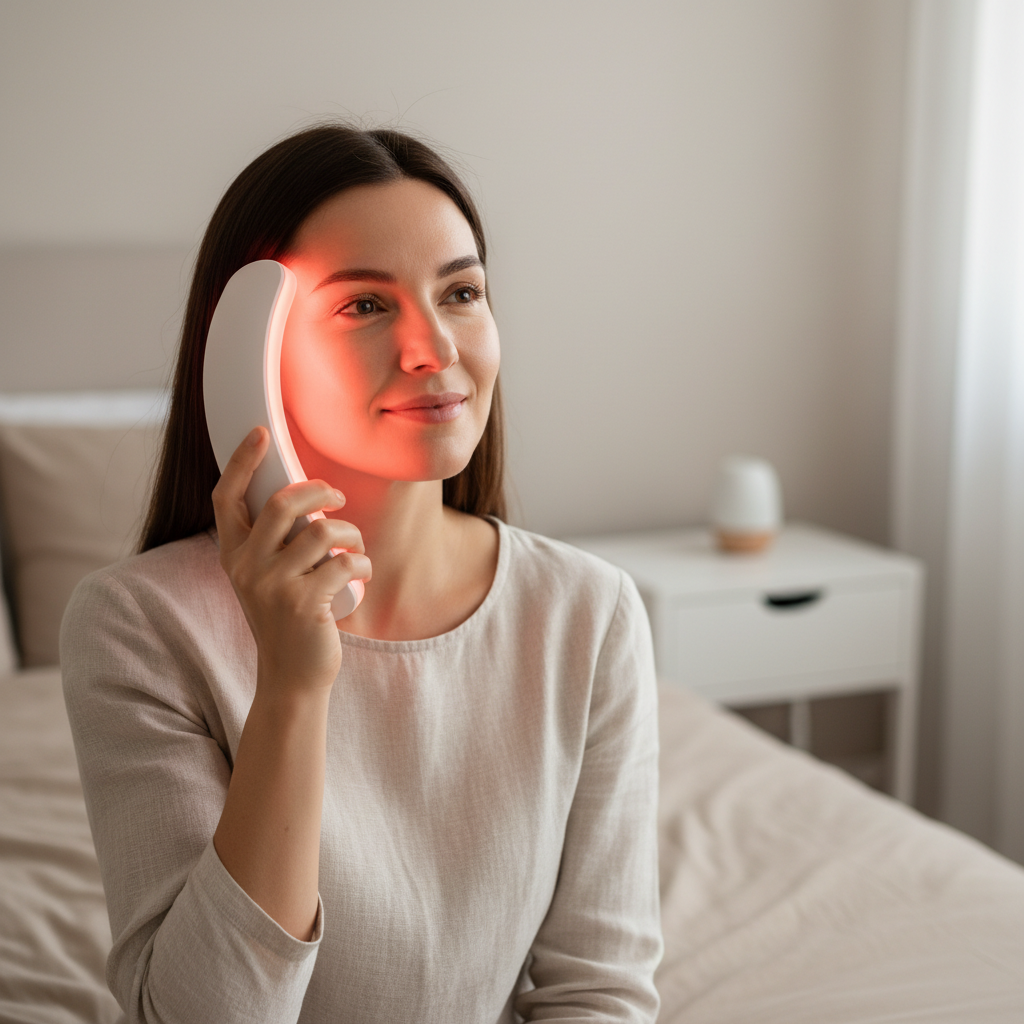
Red light therapy may serve as a gentle at-home support option to help manage redness and discomfort after microneedling and similar aesthetic procedures, provided you wait until the immediate acute phase has passed and follow your clinician’s specific aftercare instructions. While dermatology literature suggests photobiomodulation can support wound healing and tissue repair, exact protocols after cosmetic treatments remain unstandardized, so professional guidance is essential to avoid irritating compromised skin.

Microneedling commonly causes temporary redness and swelling that usually settles over the next few days. Many people seek ways to accelerate recovery and minimize downtime without compromising the intended collagen-stimulating results of the procedure. Red light therapy, also called photobiomodulation, is a non-invasive treatment that uses red or near-infrared light and is discussed in major medical-center guidance for concerns such as redness, acne, scars, and other signs of aging.
Understanding Microneedling Recovery and the Role of Light Therapy
The microneedling process creates controlled micro-injuries that trigger the skin’s natural repair response. In the first 24 to 72 hours, treated skin often feels tight, appears red, and may feel sensitive. During this window the skin barrier is temporarily compromised, making it important to follow gentle aftercare and avoid anything that could increase irritation.
Dermatology literature suggests photobiomodulation may help support wound healing and reduce discomfort, with studied wavelengths spanning roughly the red to near-infrared range. Peer-reviewed sources describe red and near-infrared light as a promising drug-free approach for wound healing. However, these findings generally come from controlled clinical contexts rather than universal post-procedure protocols. Expert consensus describes photobiomodulation as a safe modality for adult patients, though post-procedure use still depends on the procedure and the clinician’s aftercare instructions.
After cosmetic procedures, treated skin may be red, swollen, or tender, so any light-based recovery routine should stay gentle and be stopped if it increases irritation. Red light therapy should not be used as a substitute for clinician-directed aftercare on broken, actively inflamed, or highly sensitive skin.
Evidence-Based Mechanisms Behind Post-Procedure Support
Photobiomodulation works by delivering specific wavelengths of light that skin cells can absorb, potentially influencing cellular energy production and modulating inflammation. Dermatology reviews describe photobiomodulation as a complementary option that may accelerate wound healing and support tissue repair. Major medical-center pages note its use for redness and scarring concerns, yet they stop short of endorsing specific at-home timing after invasive aesthetic treatments.

Clinical and patient-facing medical guidance emphasizes caution with any additional modality on freshly treated skin. Because evidence for exact post-microneedling timing is bounded, the safest approach is to treat red light therapy as an optional comfort measure rather than a required recovery step. This distinction helps readers separate evidence-based possibilities from exaggerated marketing claims that promise dramatically faster healing or guaranteed results.
When to Consider Red Light Therapy After Microneedling and Similar Treatments
Timing remains the most important variable. Most sources recommend waiting until the initial inflammatory response subsides before introducing any light device. For microneedling, this often means waiting at least 24 to 48 hours, but your provider’s protocol takes precedence. The same principle applies to chemical peels, laser treatments, and injectables.
Red light therapy may be a gentle recovery support option, but exact timing after microneedling, chemical peels, Botox, or laser treatments should follow the treating provider’s instructions. For Botox specifically, many clinicians advise waiting 24 hours or longer before any facial light exposure to avoid unintended movement or irritation at injection sites. After deeper chemical peels or ablative lasers, the waiting period may extend further depending on how the skin is healing.
Practical Protocols and Safety Checklist
If your clinician has cleared you to use red light therapy at home, consider these conservative guidelines drawn from general photobiomodulation literature and clinical safety discussions:
- Wavelength preference: Devices emitting primarily 630–660 nm red light are most commonly associated with skin-level benefits. Near-infrared (810–850 nm) may penetrate slightly deeper but can generate more warmth, which may feel uncomfortable on freshly treated skin.
- Session duration and frequency: Start with short sessions of 3–5 minutes every other day rather than daily 10–20 minute treatments. Increase gradually only if skin tolerates the light without increased redness or sensitivity.
- Distance and irradiance: Maintain the manufacturer-recommended distance to avoid excessive heat. Choose devices that have been tested for consistent output rather than those making unsubstantiated high-irradiance claims.
- Skin check: Always perform a small test patch first. If the treated area feels warmer, tighter, or more irritated after exposure, discontinue use and contact your provider.
- Device hygiene: Clean the device surface thoroughly before and after each use to prevent introducing bacteria to compromised skin.
These steps are heuristic rather than rigid clinical standards. They reflect general photobiomodulation safety principles and the need for extra caution after procedures that temporarily weaken the skin barrier.
Visual Decision Framework for Timing
Illustrative timing framework: when to consider red light therapy after common aesthetic procedures
Green/yellow/red framework is illustrative and based on evidence strength, not a quantified safety score.
View chart data
| Category | Appropriateness level |
|---|---|
| Microneedling 0–24h | 0.0 |
| Microneedling 24–72h | 1.0 |
| Microneedling >72h | 2.0 |
| Chemical peel 0–24h | 0.0 |
| Chemical peel 24–72h | 1.0 |
| Chemical peel >72h | 2.0 |
| Botox 0–24h | 1.0 |
| Botox 24–72h | 1.0 |
| Botox >72h | 2.0 |
| Laser 0–24h | 0.0 |
| Laser 24–72h | 1.0 |
| Laser >72h | 2.0 |
Illustrative categorical framework based on reviewed literature and clinical guidance (AAD, JAAD, Cleveland Clinic, FDA-related): microneedling/peels/laser can leave transient inflammation and require clinician-directed timing; PBM/red light therapy may support wound healing but is not a substitute for aftercare. Categories are heuristic: red = avoid/delay, yellow = only with clinician guidance, green = generally more acceptable after expected acute inflammation has settled. No numeric efficacy claim is implied.
The chart above presents an illustrative decision framework only. Zero represents situations where most sources suggest avoiding or delaying use, one indicates use only with explicit clinician approval, and two reflects periods when the acute reaction has typically settled and compatibility may be higher. These values are heuristic categories derived from the reviewed evidence boundaries and do not represent measured clinical outcomes.
Red Light Therapy After Related Aesthetic Procedures
Many of the same considerations apply across treatments. After chemical peels the skin can remain sensitive for several days, so the same gentle introduction timeline is prudent. For laser recovery, inflammation control is often the priority in the first 48–72 hours, making early light exposure something to discuss directly with your practitioner.
Regarding injectables, separate guidance exists on combining red light therapy with Botox. This detailed overview explores safe timing and potential skin benefits while stressing the importance of following injector recommendations. Similarly, questions about interactions with fillers are addressed in this clarification that reviews light penetration and safety considerations.
Individuals using prescription retinoids may also wonder about compatibility. The article Can You Use Red Light Therapy With Tretinoin? discusses potential synergy for collagen support while noting necessary precautions on sensitized skin.
Important Safety Boundaries and When to Skip Use
This article only discusses comfort and setup considerations related to red light therapy after aesthetic procedures. It does not constitute medical advice, diagnosis, or treatment. If you experience persistent discomfort, prolonged redness, signs of infection, or have pre-existing eye or skin conditions, consult qualified healthcare or dermatology professionals before using any light device.
Do not use red light therapy on open wounds, active infections, or skin that is blistering or severely compromised. People who are pregnant, photosensitive, or taking medications that increase light sensitivity should speak with their doctor first. These boundaries align with general safety information from the American Academy of Dermatology and related clinical guidance.
How to Choose and Use a Device for Recovery Support
When selecting a device for post-procedure use, prioritize those with clear irradiance specifications, proper wavelength ranges, and third-party safety certifications. Panels, masks, and handheld units each have different coverage and heat characteristics; a full-face mask may deliver more even exposure but can feel warm on recently treated skin. Start with lower settings and shorter durations regardless of the device type.
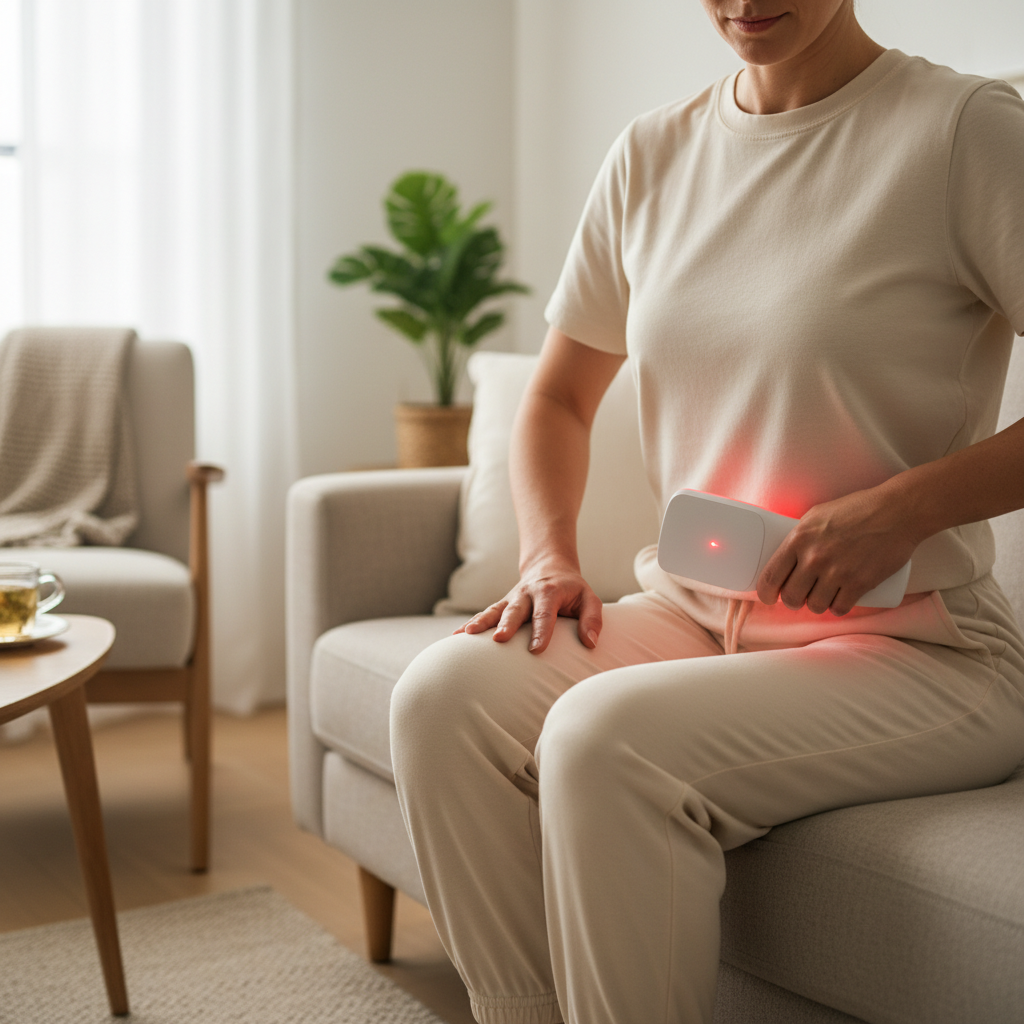
For targeted body recovery or larger areas, flexible options like red light therapy belts can be useful, though facial protocols require extra caution and smaller, precisely controlled devices. Always clean skin gently before sessions and apply only approved post-procedure topicals recommended by your provider.
Maximizing Results While Protecting Healing Skin
Red light therapy is best viewed as one possible component of a broader recovery routine that includes strict sun protection, hydration, and avoidance of harsh products. Combining it thoughtfully with professional guidance can help reduce perceived downtime and support overall skin comfort. However, individual responses vary widely based on procedure depth, skin type, and overall health.
By treating red light therapy as a supplementary comfort tool rather than a miracle accelerator, you maintain realistic expectations and prioritize safety. The evidence supports cautious optimism for its role in supporting tissue repair, yet the strongest predictor of good outcomes remains adherence to your clinician’s personalized aftercare plan.
Readers interested in broader photobiomodulation safety standards, including irradiance measurement and device quality benchmarks, may find additional technical context in the authoritative guide to photobiomodulation standards. For those exploring scar-related applications, the article on red light therapy and hypertrophic scar softening offers further scientific background on collagen regulation.
Ultimately, the decision to incorporate red light therapy after microneedling or other aesthetic treatments should be made in partnership with your skincare professional. When used appropriately, it may contribute to a more comfortable recovery experience, but it cannot replace proper wound care, sun protection, or medical follow-up. Approach the technology with informed caution, and always place your provider’s instructions first.