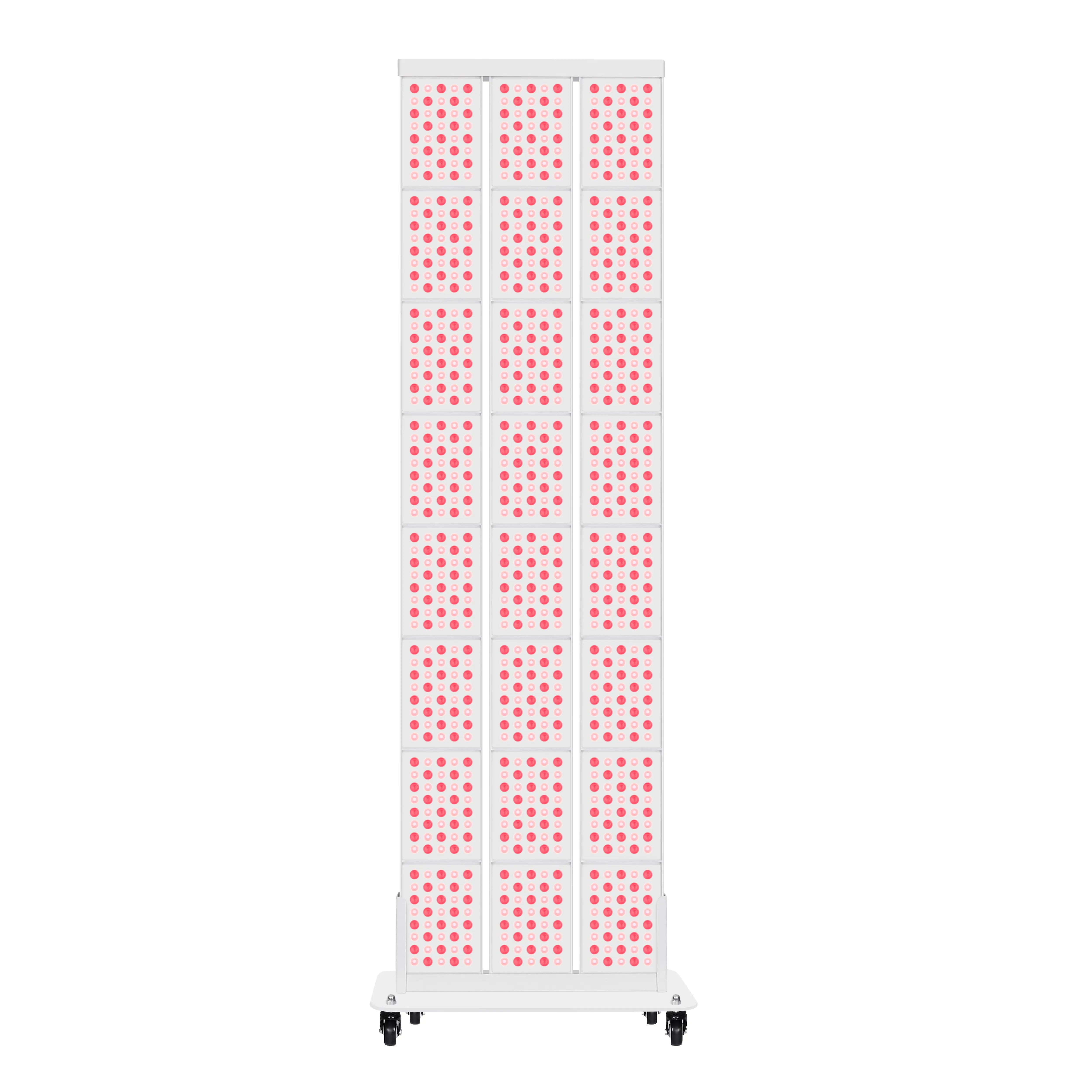
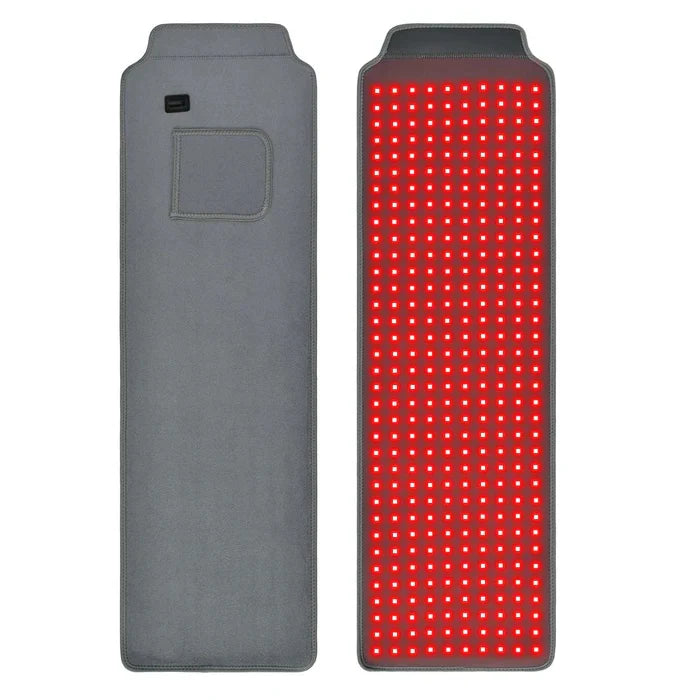
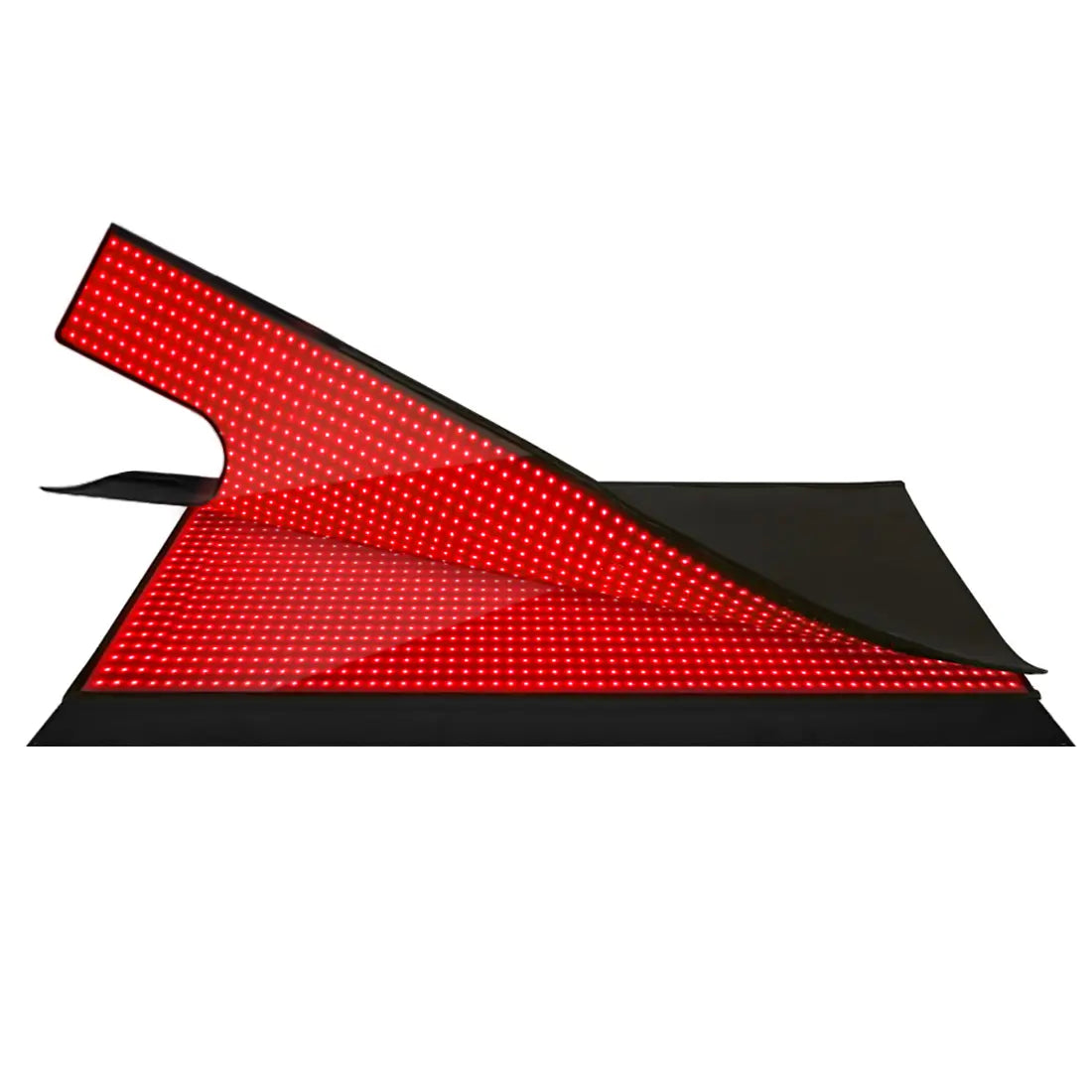
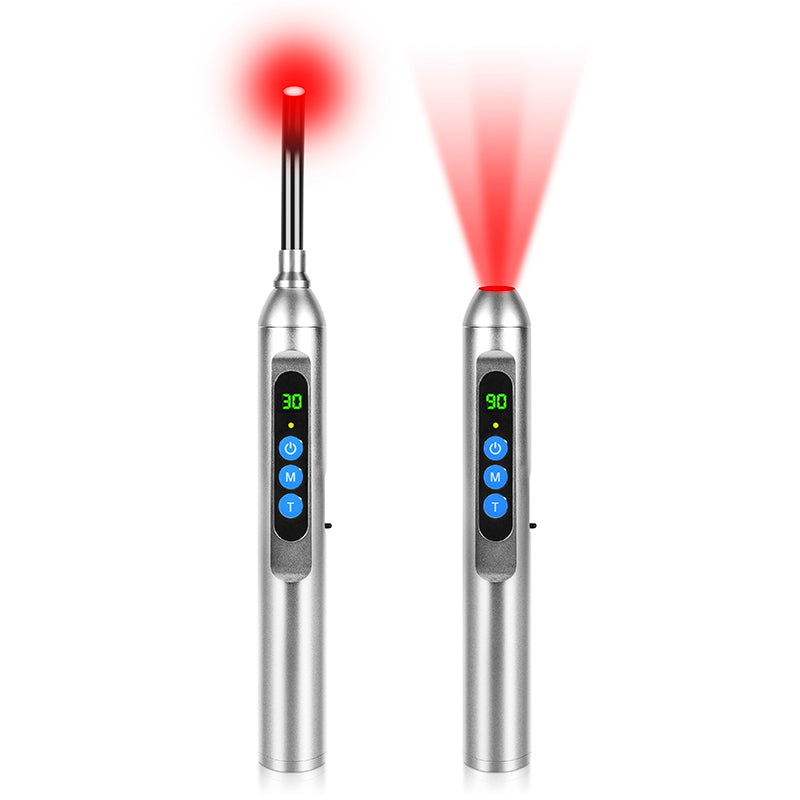

Choosing between a red light therapy belt and a mat depends primarily on whether your goals center on localized relief for a specific area or broader coverage for larger body zones and daily wellness routines. Belts offer quick, convenient targeting for issues like lower back discomfort or joint soreness, while mats deliver wider exposure that many users find easier to incorporate into full-body recovery sessions at home.
Both form factors rely on the same core technology—photobiomodulation (PBM), the scientific term for using specific wavelengths of light to influence cellular processes. As this NIH review index on photobiomodulation explains, outcomes depend heavily on parameters such as wavelength, irradiance, exposure time, and the amount of body area receiving treatment rather than the device shape alone.
Understanding Targeted vs. Systemic Photobiomodulation
Photobiomodulation works by delivering red and near-infrared light that can reach different tissue depths depending on wavelength. Red light around 660nm primarily affects surface layers, while near-infrared near 850nm penetrates deeper. The key distinction between devices lies in coverage rather than a guaranteed “systemic” versus “targeted” biological effect.
A belt concentrates light on a small area, making it practical for repeated short sessions on one spot. A full-body mat exposes a much larger surface at once, which may suit users seeking consistent treatment across the back, legs, or torso in a single session. Results in both cases follow the same dose-response principles: more light is not automatically better because the relationship can be non-linear, as noted in multiple dosimetry reviews.
Government resources describe low-level light therapy as an active research area with some promising applications, but they caution against viewing it as a universal solution. This NCCIH overview emphasizes that evidence varies by condition and protocol, supporting conservative expectations for both belts and mats.
Practical Comparison: Belts vs. Mats for Home Use
When comparing red light therapy belt vs mat options, focus on how each fits your actual routine rather than theoretical advantages. Belts excel in portability and ease of use for specific complaints, while mats provide broader exposure that simplifies treating larger areas.
Here is an illustrative radar chart summarizing key trade-offs based on typical home-use patterns:
Red Light Therapy Belts vs Mats: Decision Trade-offs
Illustrative comparison for buying decisions only; not a clinical ranking.
View chart data
| Series | Coverage area | Convenience | Localized value | Full-body value | Targeted-goal fit | Systemic-goal fit |
|---|---|---|---|---|---|---|
| Belt | 2.0 | 5.0 | 5.0 | 2.0 | 5.0 | 2.0 |
| Mat | 5.0 | 4.0 | 2.0 | 5.0 | 2.0 | 5.0 |
Illustrative, bounded heuristic based on the provided scenario_matrix and constraint_first_filter modules plus general product form-factor evidence: belts tend to be smaller and more convenient for spot use, while mats tend to cover more area and fit broader body use. Scores are relative 1-5, not measured outcomes or clinical effectiveness.
This bounded heuristic visualization shows belts scoring higher on convenience and localized value, while mats perform better on coverage and full-body suitability. These relative scores derive from common usage patterns rather than clinical measurements and should guide practical decisions only.

When a Red Light Therapy Belt Makes More Sense
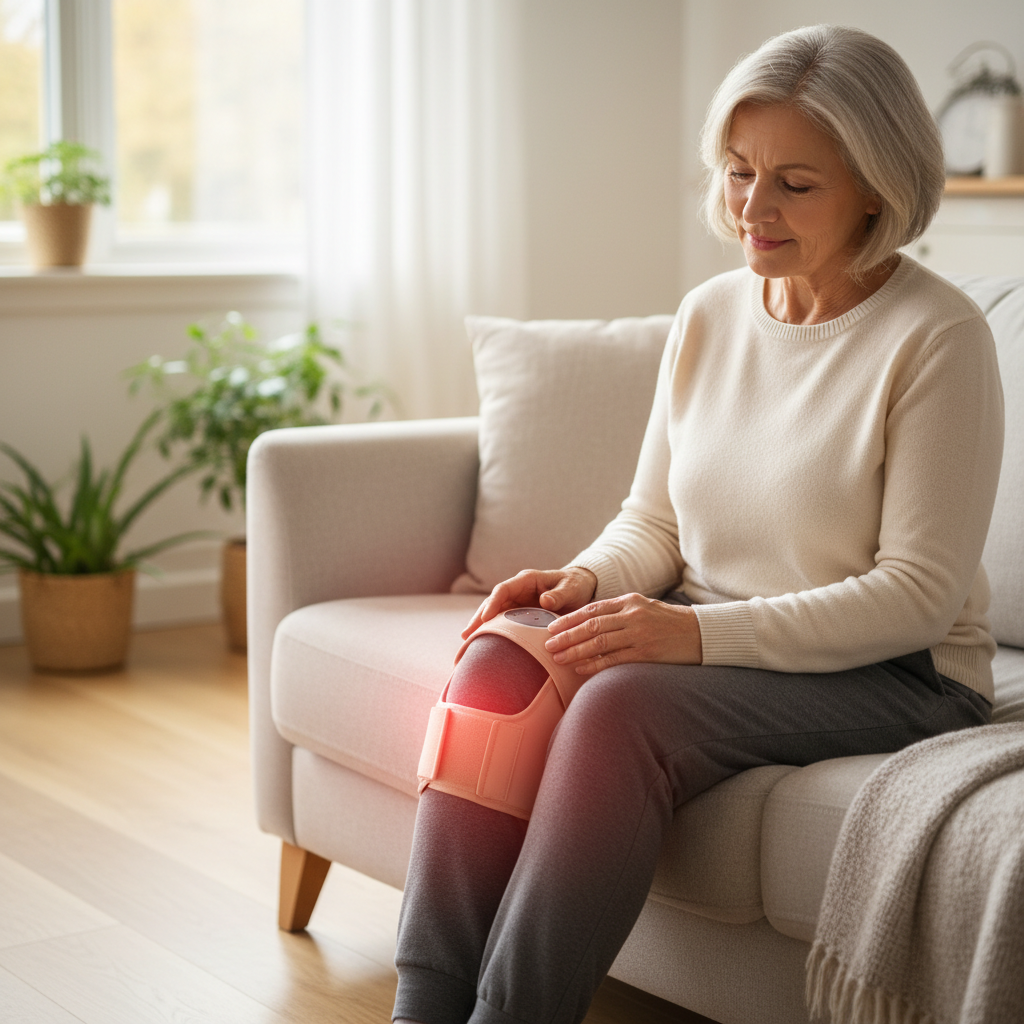
Belts are often the better starting point for users dealing with localized discomfort. Their wrap-around design allows direct contact on areas such as the lower back, knees, shoulders, or abdomen, which can feel more efficient for short daily sessions.
Many people with recurring back or joint soreness appreciate the ability to continue normal activities while wearing a belt. The compact size also makes storage and travel straightforward. If your primary goal involves one or two specific pain points rather than whole-body treatment, a targeted belt typically delivers sufficient coverage without the commitment of a larger device.
Evidence for pain-related applications remains protocol-dependent and mixed, according to systematic reviews. This supports positioning belts as convenient tools for focused use rather than claiming guaranteed outcomes. Always follow manufacturer instructions and consult a healthcare professional for persistent issues.
Our Red Light Therapy Belt collection includes several models suited for different body areas, from the flexible YOULUMI Red Light Therapy Belt - IRW-002 to more contoured options.
Advantages of Full-Body Red Light Therapy Mats
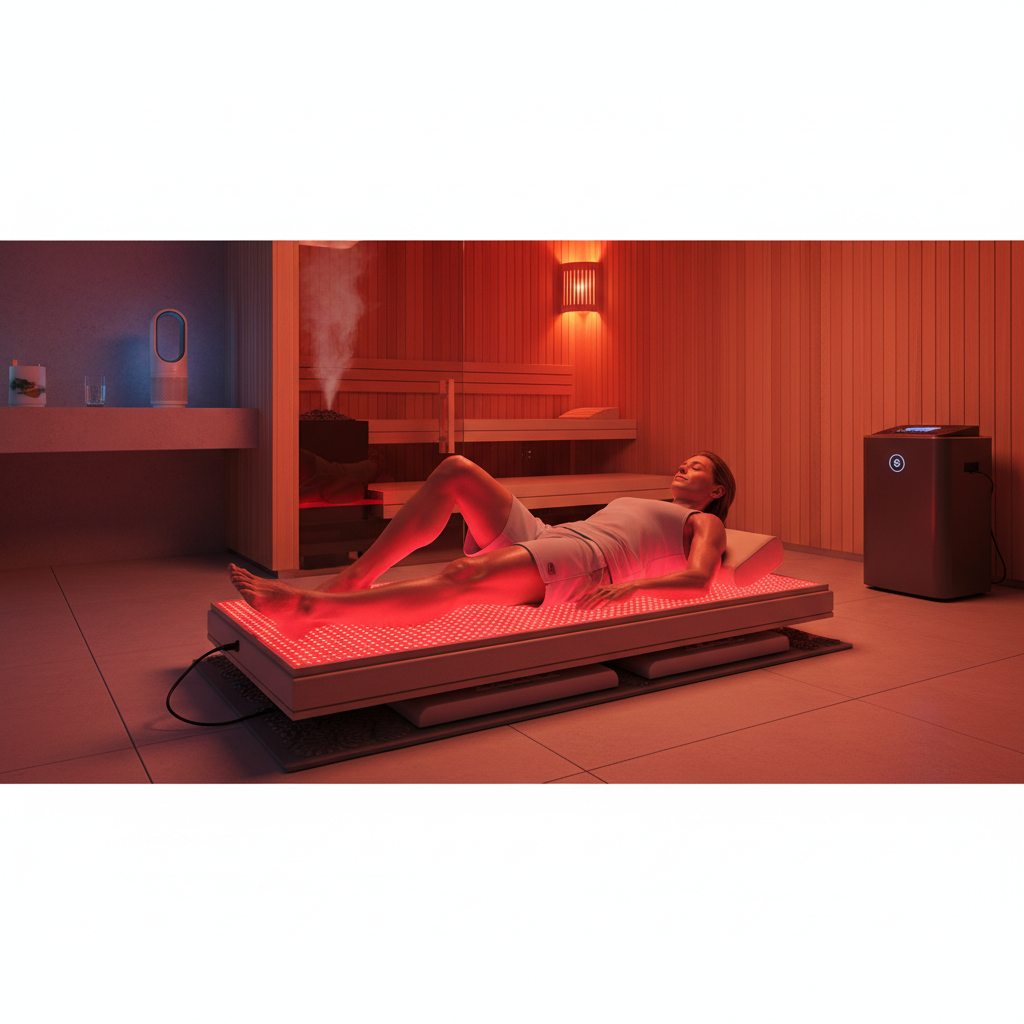
Mats become attractive when you want to treat broader regions in one session. Lying on a mat allows simultaneous exposure to the back, legs, and torso, which many users find more relaxing and time-efficient for general recovery routines.
The larger surface area simplifies building a consistent full-body habit compared with repositioning a smaller device multiple times. For fitness enthusiasts or those seeking a dedicated wellness ritual, this convenience can improve adherence even though the upfront cost is typically higher.
That said, mats require dedicated floor or bed space and usually involve lying still for the session duration. If your living situation or schedule makes consistent setup difficult, the theoretical advantage of broader coverage may not translate into regular use.
Explore our Youlumi Pro Full Body Red Light Therapy Mat for high-LED-density full-body coverage designed for home wellness routines.

Buyer Checklist: How to Choose the Right Form Factor
Use this practical filter before comparing specific models:
-
Identify your main goal. Choose a belt first if you have one or two recurring localized areas such as lower back pain or a specific joint. Opt for a mat if you want broader exposure across multiple body zones in each session.
-
Assess your space and routine. Belts win when quick setup and storage matter or when you prefer treatment while seated or moving lightly. Mats suit users who can dedicate consistent time to lying down in the same location.
-
Consider long-term value. A lower-cost belt often proves more economical if you only need targeted treatment. A higher-ticket mat can represent better value when you will realistically use the wider coverage frequently enough to justify the investment.
-
Evaluate session habits. If you know you will skip sessions due to setup friction, the simpler belt is usually the safer choice regardless of coverage claims.
-
Check technical specifications. Look at irradiance, wavelength consistency, and dosage guidance for any device. As explained in our guide to Irradiance vs. Fluence: The Math of Effective RLT Dosage, understanding these numbers helps set realistic expectations.
This checklist aligns with the scenario matrix insight that the best choice flips based on realistic usage rather than maximum coverage alone.
Safety and Realistic Expectations
Red light therapy devices are generally considered safe when used as directed, but consumers should follow label instructions carefully. Use eye protection when appropriate and exercise extra caution if you have photosensitivity or existing eye conditions. This FDA consumer guidance on light-based devices recommends adhering to usage limits and consulting professionals when needed.
Important note on health claims: This article discusses comfort, setup convenience, and practical device selection only. It does not constitute medical advice, diagnosis, or treatment. Evidence for specific outcomes varies, and results depend on individual factors. If you experience persistent discomfort or have underlying health conditions, consult a qualified healthcare professional.
For deeper technical context, review our article on Photobiomodulation Standards: Irradiance, EMF, and Safety, which covers measurement best practices and safety benchmarks.
Additional Considerations for Home Users in 2026
Many buyers also explore hybrid approaches, such as starting with a belt for acute localized needs and later adding a mat for maintenance routines. Our Red Light Therapy Mat vs. Panel comparison provides further insights into different full-body formats.
Those interested in sleep and overnight recovery may want to consider full-coverage options like our Red Light Therapy Sleep Bag collection.
Ultimately, the most effective device is the one you will use consistently. A well-chosen belt can deliver meaningful localized support, while a quality mat can streamline broader wellness routines. Assess your space, schedule, and primary goals first, then match the form factor accordingly.
For protocol ideas tailored to different devices, see The Ultimate Guide to Red Light Therapy Protocols. Whether you select a targeted belt or a full-body mat, focus on proper usage, realistic expectations, and integration into a balanced recovery lifestyle.