
Summary

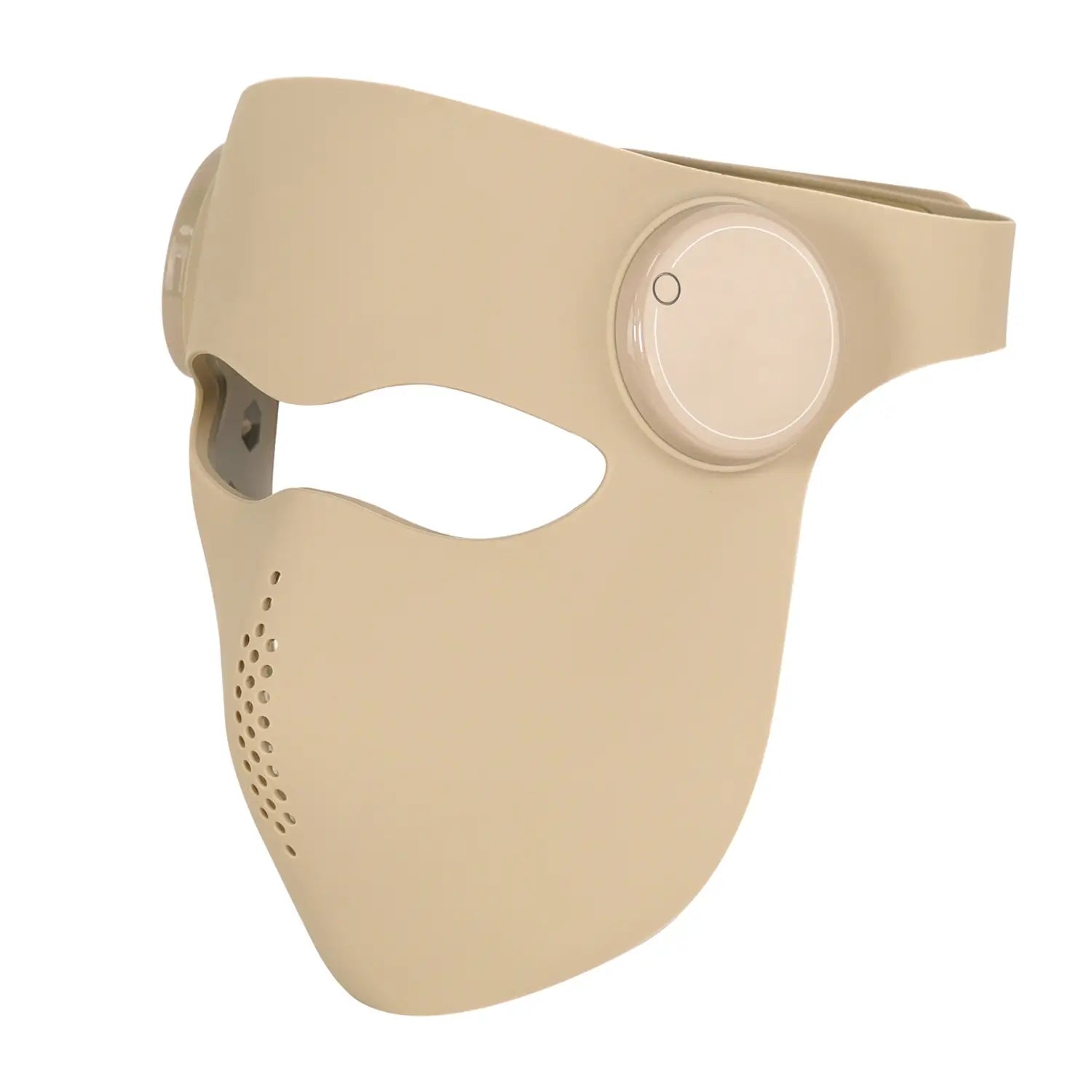
Integrating red light therapy (RLT) into a wellness center or spa in 2026 offers a high-margin revenue stream with a typical return on investment (ROI) achieved within three to six months. By leveraging commercial-grade panels or mats, business owners can provide evidence-based photobiomodulation services that require minimal staffing while commanding premium session rates.
Disclaimer: This guide is for informational and educational purposes only. It does not constitute medical, financial, or legal advice. Actual business results, ROI, and energy costs will vary based on local market conditions, utility rates, equipment utilization, and regulatory requirements in your jurisdiction.
Key takeaways
- Rapid ROI: Commercial RLT units typically break even after 150–300 sessions, depending on local market pricing and equipment choice.
- Minimal Overhead: Beyond the initial equipment investment, ongoing costs are low, primarily consisting of modest electricity usage and basic sanitization supplies.
- Scalable Models: Businesses can choose between space-efficient panels for targeted treatments or high-end mats for a luxury, full-body experience.
- Compliance is Key: Adhering to the latest safety standards, such as IEC 60601-2-57:2026, ensures client safety and builds long-term brand authority.
How to Calculate Red Light Therapy ROI for Your Wellness Center
The financial logic for adding red light therapy to a commercial facility is compelling because it transforms underutilized square footage into a high-yield treatment zone. In 2026, the average price for a standalone 20-minute RLT session ranges from $35 to $55 in urban markets.
Sample ROI Calculation (Monthly)
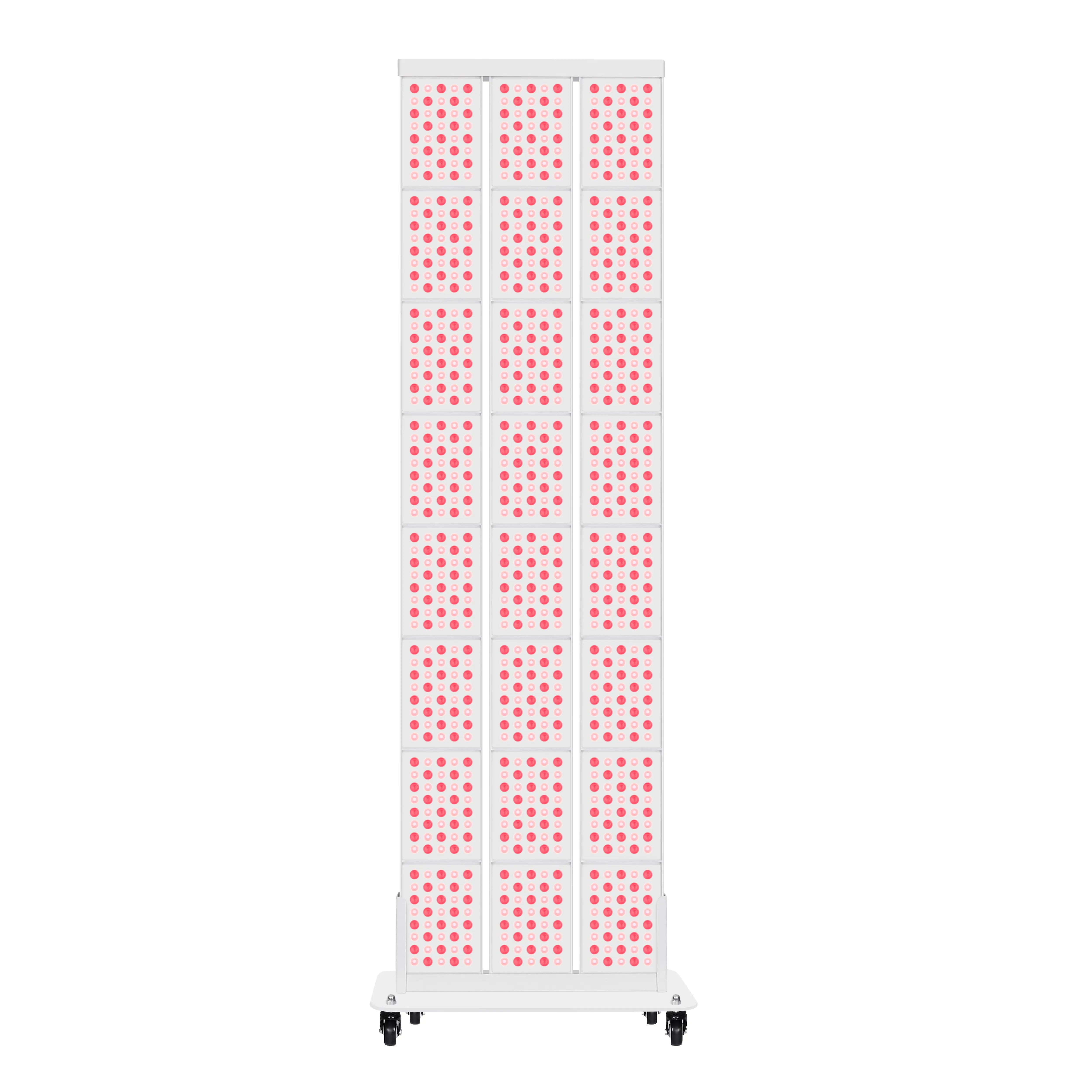
To understand the revenue potential, we can model a single commercial-grade 1700W red light therapy panel (Source: Youlumi Product Catalog) using the following assumptions:
| Variable | Conservative Scenario | Target Scenario |
|---|---|---|
| Session Price | $35 | $45 |
| Sessions per Day | 4 | 7 |
| Operating Days/Month | 22 | 26 |
| Monthly Gross Revenue | $3,080 | $8,190 |
Break-Even Analysis: If a professional panel costs approximately $2,500, a center operating at the "Target Scenario" would recover the equipment cost in less than one month of operation, excluding labor and rent overhead.
When understanding red light therapy equipment costs, it is essential to look beyond the sticker price. Commercial units are engineered for continuous daily use with advanced heat dissipation and a lifespan exceeding 50,000 hours. This durability ensures that the "cost per session" drops to pennies over the equipment's multi-year lifespan.
Choosing the Right Equipment: Mats vs. Panels
Selecting the appropriate hardware is a strategic decision that impacts both client experience and operational throughput.

The Case for Commercial Panels
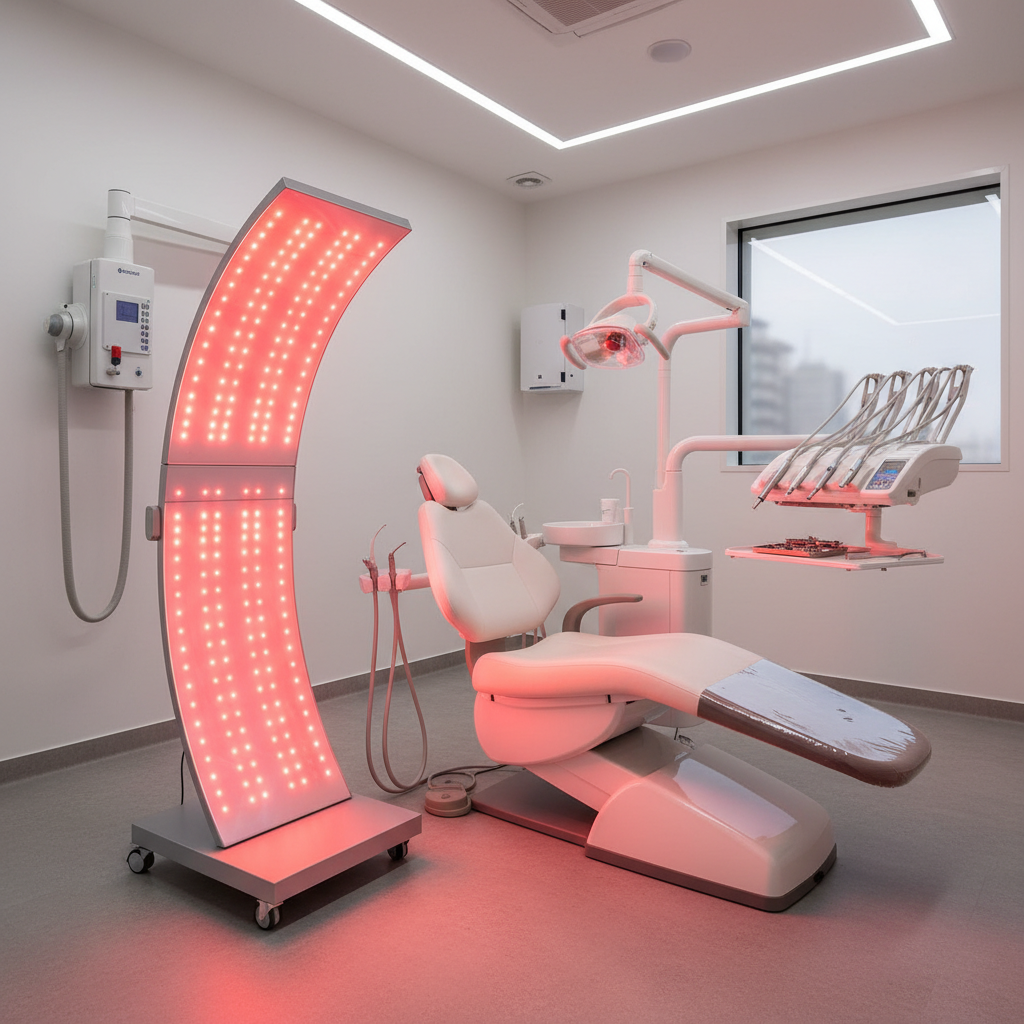
Panels are the workhorses of the modern wellness center. They offer flexibility, allowing practitioners to target specific areas like the face, joints, or back. From a business perspective, panels are highly space-efficient. When paired with a professional red light therapy panel stand, they can be easily moved between rooms. This versatility is crucial for selecting the right red light therapy equipment that can adapt to various client needs.
The Case for Red Light Mats and Beds
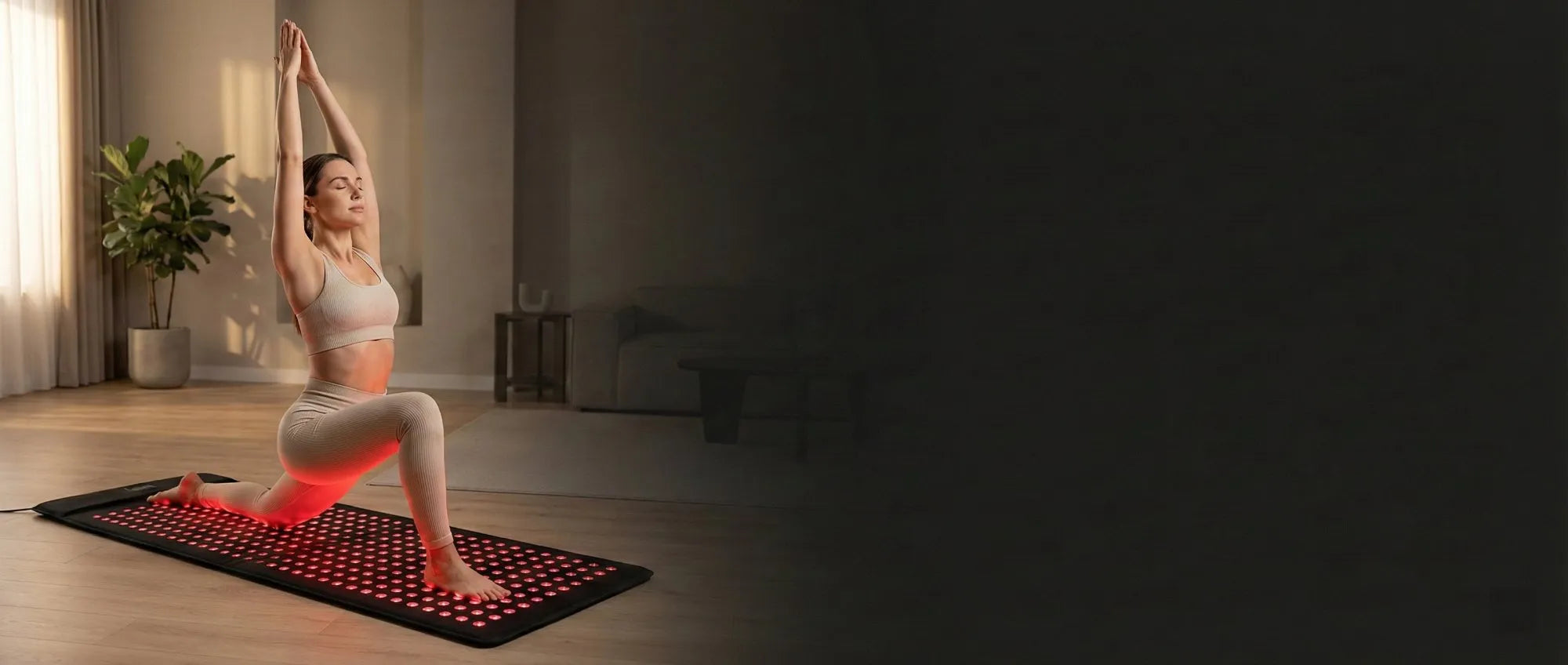
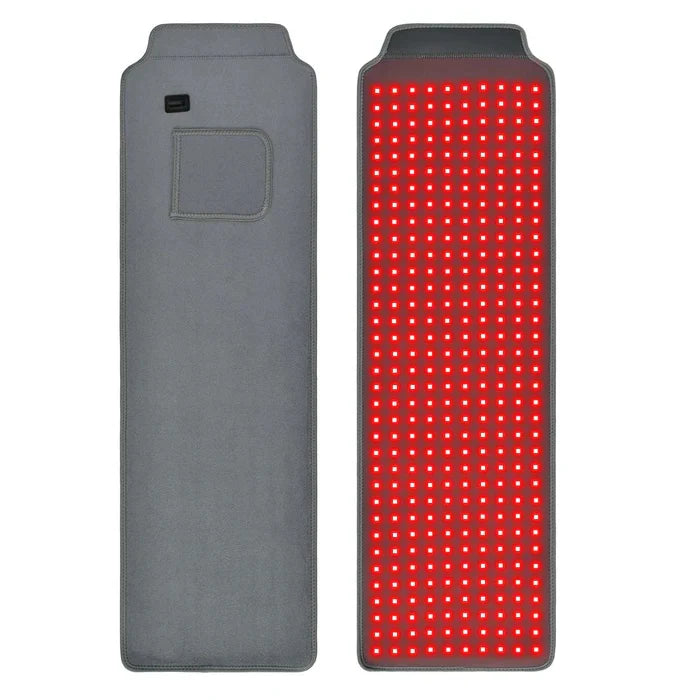
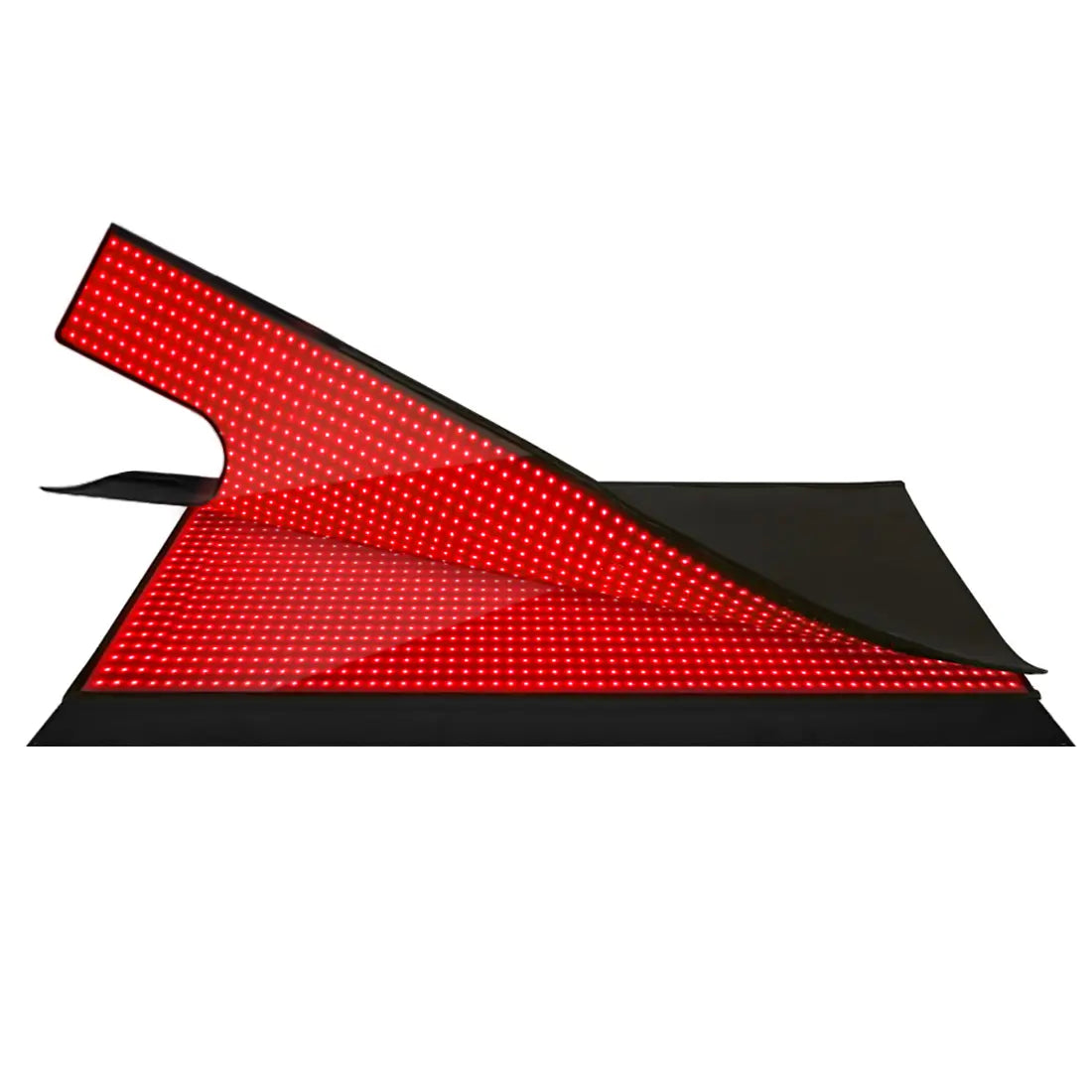
For high-end spas, red light mats or full-body beds provide a "passive luxury" experience. These devices provide 360-degree coverage, allowing the client to relax horizontally. While they require more floor space, the perceived value of a full-body "light bath" often justifies a 20-30% premium over panel-based sessions.
| Feature | Commercial Panels | Red Light Mats/Beds |
|---|---|---|
| Space Required | Minimal (Wall-mount or Stand) | Significant (Treatment Table) |
| Client Throughput | High (Quick setup) | Moderate (Requires more cleaning) |
| Targeting | Precise (Adjustable height/angle) | General (Full-body coverage) |
| Initial Investment | $1,500 - $5,000 | $4,000 - $12,000+ |
Effective Marketing Strategies for RLT Services
Success in the RLT business isn't just about having the best lights; it’s about how you position them within your existing service menu.
Tiered Membership Models
To ensure predictable recurring revenue, many centers move away from single-session sales toward tiered memberships:
- Basic ($99/mo): 4 sessions per month (Maintenance).
- Pro ($249/mo): 12 sessions per month (Optimized for skin health or recovery).
- Unlimited ($399/mo): Daily access (Best for athletes or chronic pain management).
Leveraging Scientific Authority
Clients in 2026 are highly informed. Providing educational materials that reference photobiomodulation safety standards and regulations (Source: Youlumi Technical Guide) builds trust. Professional centers must differentiate themselves by using devices that meet rigorous technical benchmarks for irradiance and flicker modulation.
Operational Excellence: Sanitization and Staffing
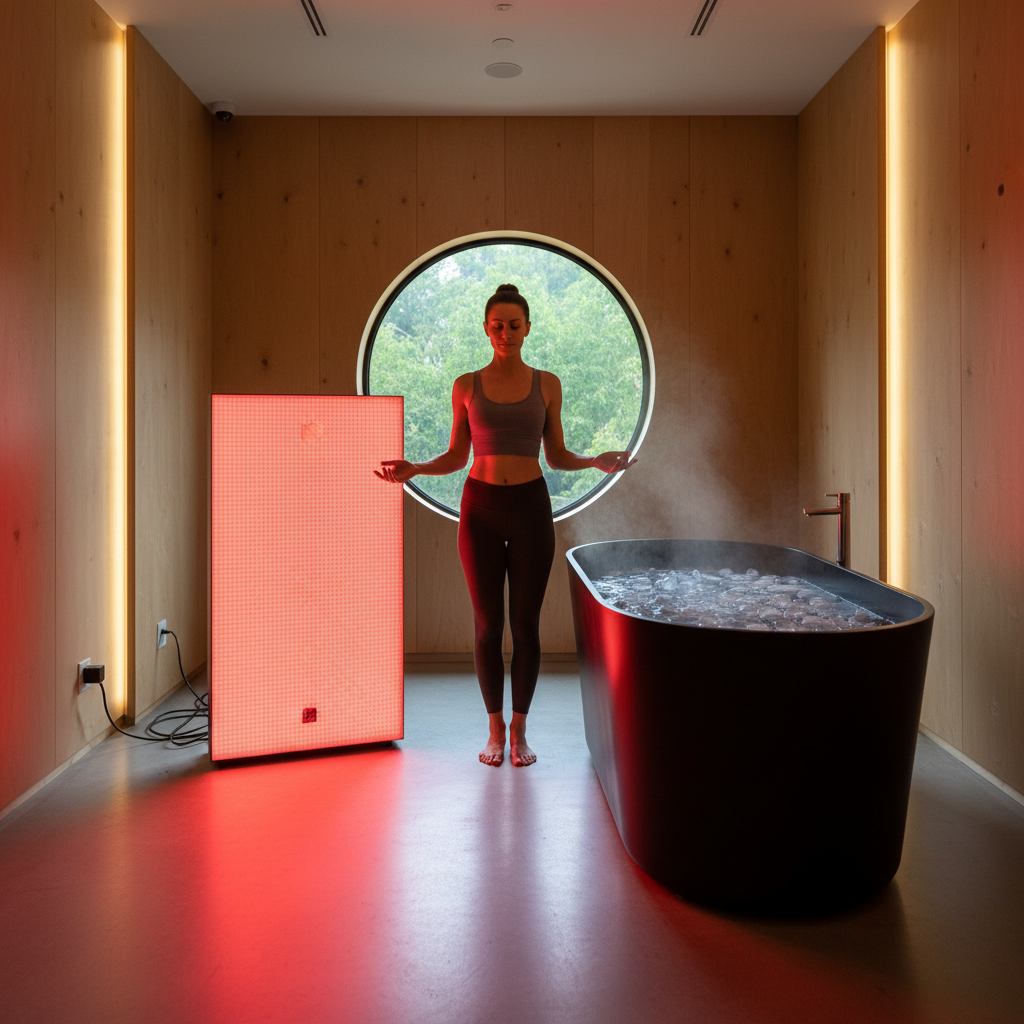
Unlike cryotherapy or saunas, RLT is a "dry" treatment, which simplifies cleaning. However, strict protocols are required:
- Surface Disinfection: Use hospital-grade, non-corrosive wipes on all contact surfaces between every client.
- Eye Protection: Provide sanitized, medical-grade goggles for every session.
- Staff Training: Ensure team members can explain the Arndt-Schulz Law—the principle that light therapy has a "sweet spot" for dosage—to manage client expectations.
Compliance and Safety Considerations
Operating a commercial light therapy business requires adherence to evolving global standards. The IEC 60601-2-57:2026 standard provides the current framework for the safety of non-laser light source equipment. Ensuring your red light therapy panels meet these requirements protects your business from liability.
Note: Compliance is a marketing asset. Displaying certifications and explaining the physics of wavelength penetration (660nm vs 850nm) positions your center as a clinical-grade facility.
FAQ
How much does it cost to run a red light therapy panel daily? The electrical cost is low.
- Calculation: (1,700 Watts / 1,000) × 8 hours = 13.6 kWh.
- At an average commercial rate of $0.15/kWh, this amounts to $2.04 per day.
Do I need a medical license to offer red light therapy in my spa? In most jurisdictions, RLT is classified as a wellness or cosmetic service, meaning a specific medical license is not typically required. However, you must avoid making "medical claims" (e.g., "we cure diseases") and focus on wellness benefits like skin rejuvenation and muscle recovery. Always verify with your local state or regional board.
How long does it take to see a return on investment for a professional RLT bed? While a professional bed has a higher initial cost ($5,000–$12,000), it commands higher rates. With 3 sessions per day at $50 each, the equipment generates $4,500/month (at 30 days), typically paying for itself in 4 to 8 months.
What is the best way to sanitize red light therapy mats? Use a two-step process: first, a disposable, medical-grade barrier film for each client; second, wipe the surface with a pH-neutral, alcohol-free disinfectant to protect the LED housing.
References
Government / Standards / Regulators
- IEC 60601-2-57:2026: Medical electrical equipment safety requirements for non-laser light sources. ISO/IEC Standards
- FDA Product Code LAL: Light Based Over-The-Counter Wrinkle Reduction. FDA.gov
- U.S. Energy Information Administration (EIA): Average Commercial Sector Electricity Prices. EIA.gov
Industry & Research
- Photobiomodulation Standards: Irradiance, EMF, and Safety. Source: Youlumi Technical Whitepaper
- North American Association for Photobiomodulation Therapy (NAALT): Clinical guidelines and practitioner resources. NAALT.org
- The Arndt-Schulz Law in Photobiomodulation: Dose-response relationships in light therapy. PubMed / NIH
- Wavelength Penetration Depth: Comparative analysis of 660nm vs 850nm. Journal of Photochemistry and Photobiology