
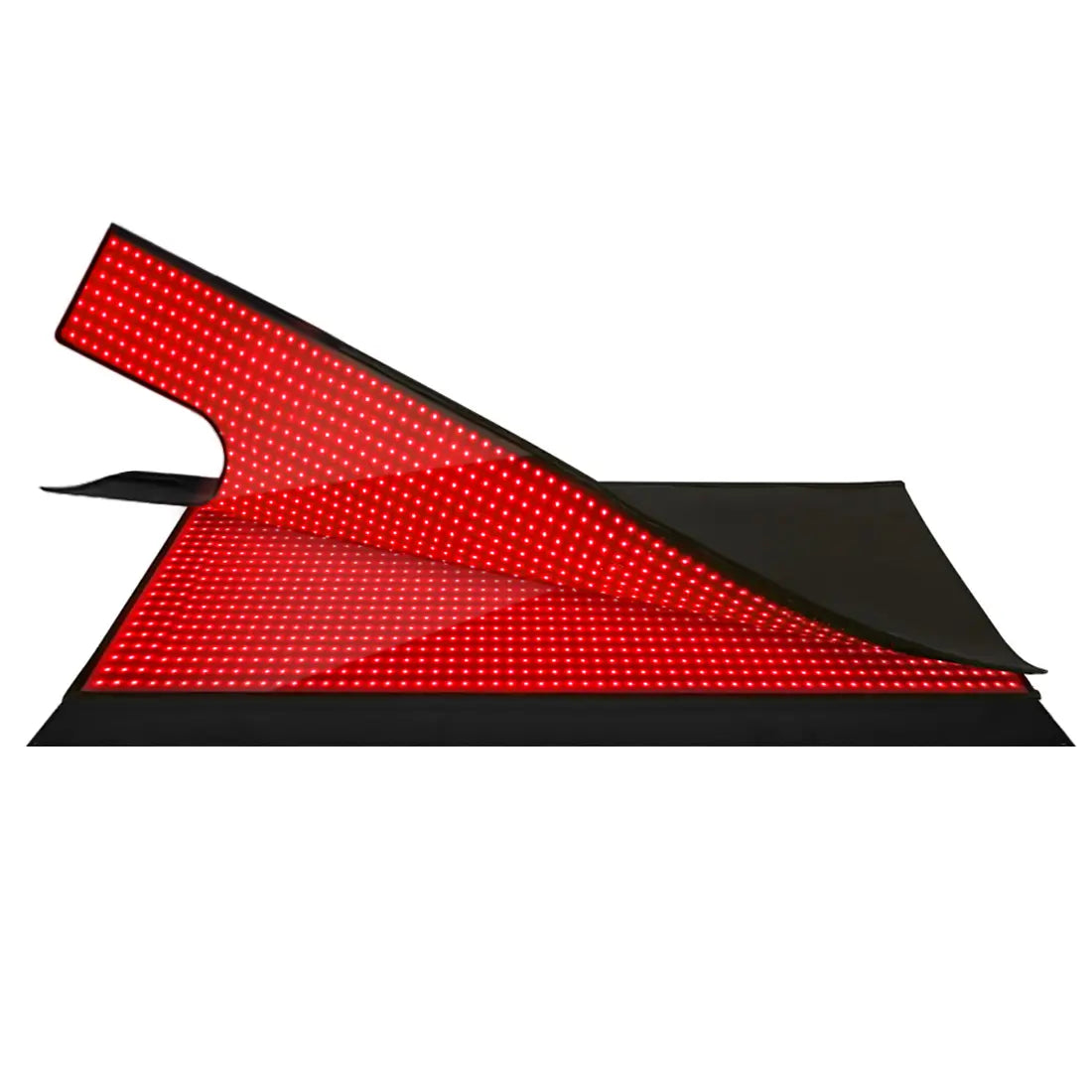
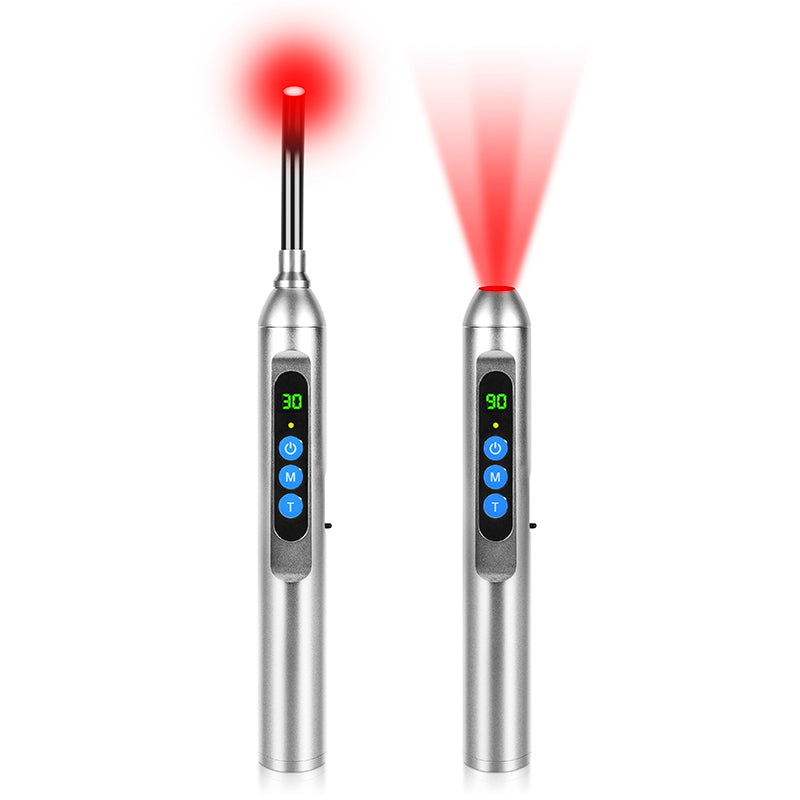

Red Light Therapy for Chiropractic Care: Patient Protocols and Practice Integration
Medical and Financial Disclaimer: This article is intended for clinical practitioners and clinic owners for informational purposes. It does not constitute medical advice, diagnosis, or a guarantee of financial return. Clinical judgment must always be exercised based on individual patient presentation. Insurance reimbursement for light therapy is subject to regional payer policies, and practitioners are responsible for verifying compliance with local regulations and carrier-specific guidelines.
Summary

Integrating red light therapy (RLT) into chiropractic care offers a synergistic approach to musculoskeletal health by utilizing photobiomodulation (PBM) to potentially reduce inflammation and enhance tissue elasticity prior to manual adjustments. By implementing standardized patient protocols, chiropractors may optimize clinical outcomes for chronic back and neck pain while simultaneously improving practice efficiency through modernized billing strategies and streamlined patient throughput.
Key Takeaways
- Pre-Adjustment Conditioning: Utilizing RLT for 10–15 minutes prior to manual manipulation is observed to reduce muscle guarding and increase ligamentous pliability, which may facilitate more comfortable adjustments.
- Synergy with Decompression: Combining RLT with spinal decompression therapy is hypothesized to support disc health and nerve function by enhancing cellular ATP production during mechanical unloading, though high-quality longitudinal data is still emerging.
- Standardized Billing: Effective implementation relies on proper documentation. While CPT code 97026 (infrared therapy) is common, regional payer policies vary significantly; some may require CPT 97039 (unlisted therapeutic procedure).
- Safety and Monitoring: Clinical success requires monitoring for adverse reactions, such as transient increases in pain or skin sensitivity, and establishing clear criteria for treatment termination.
Enhancing Manual Adjustments through Photobiomodulation
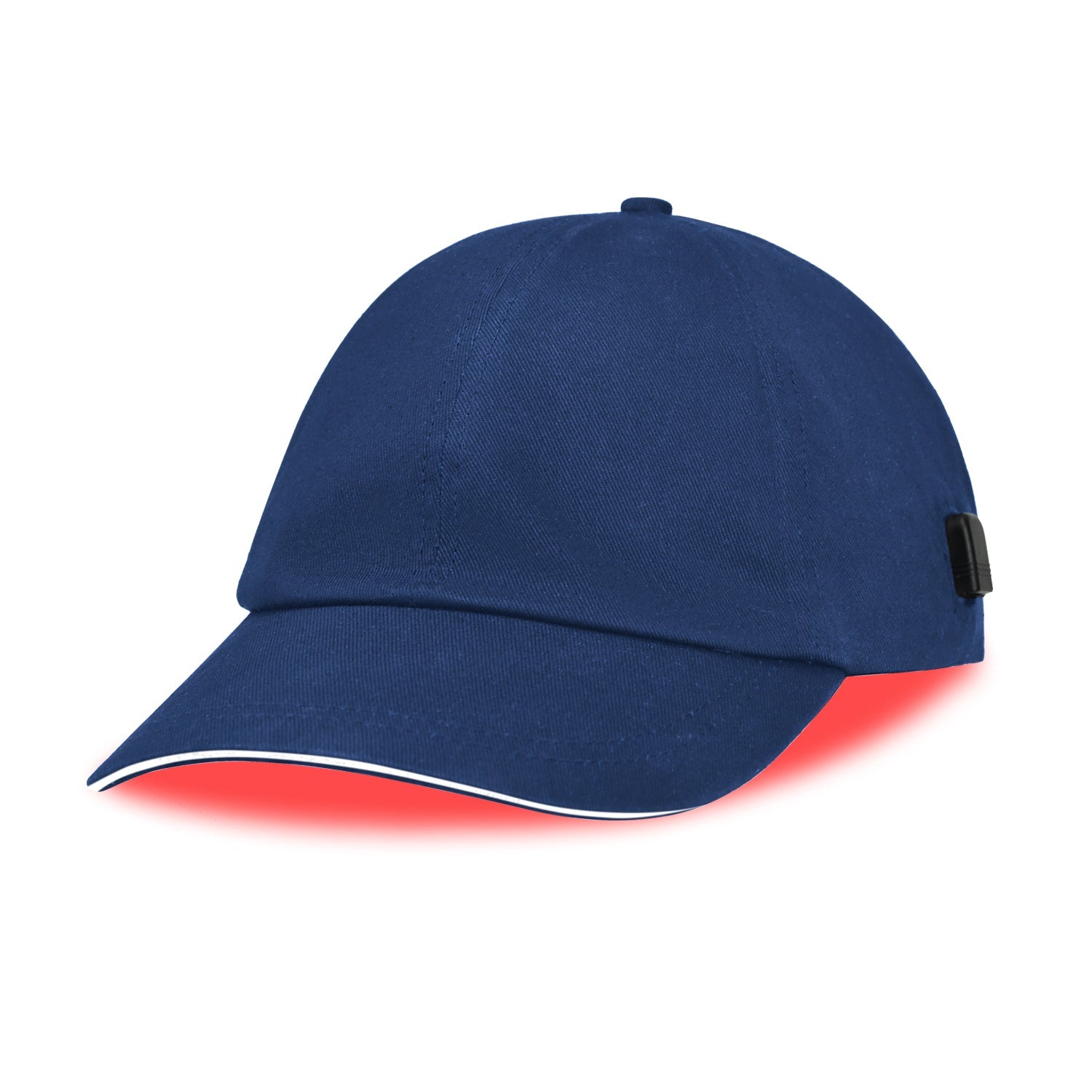
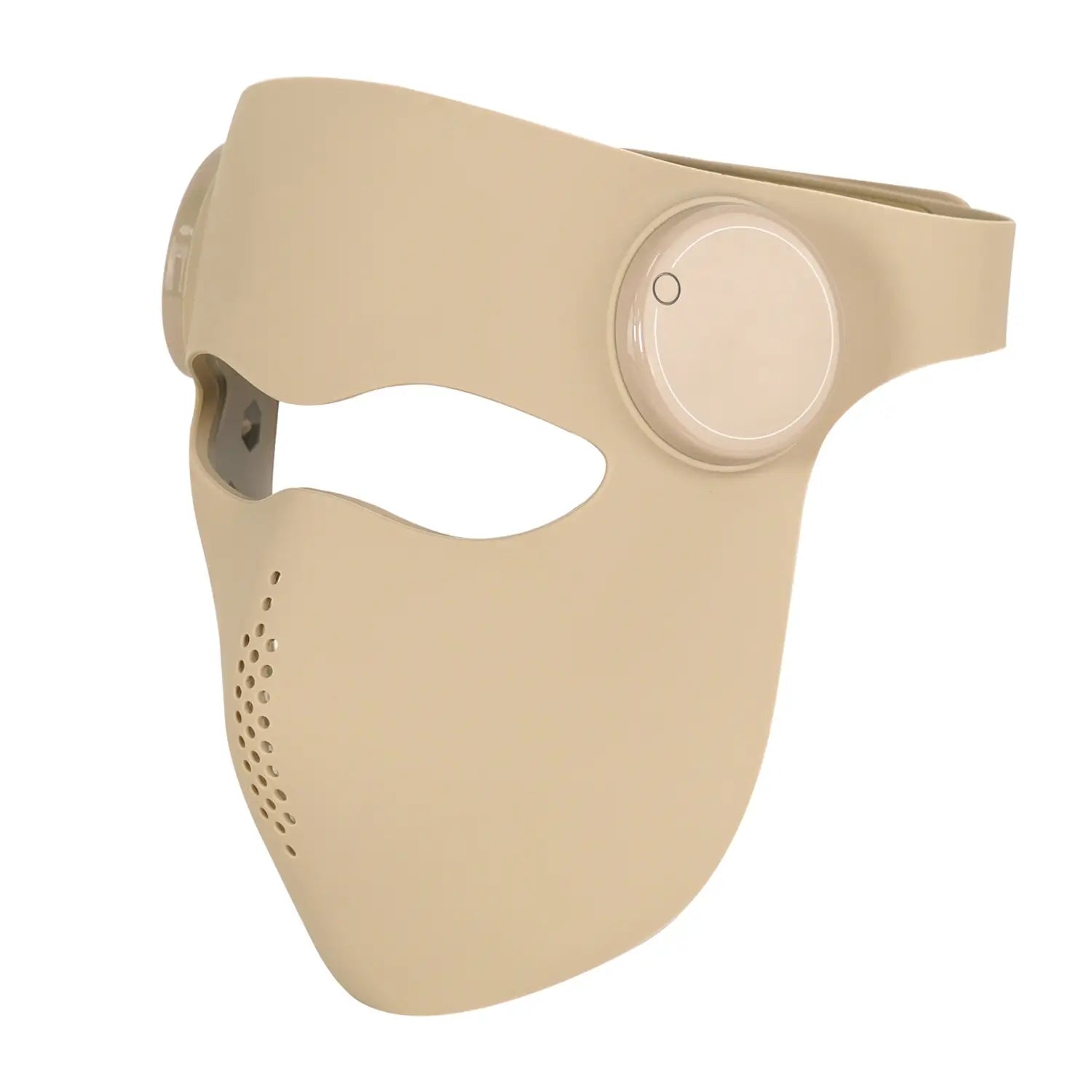
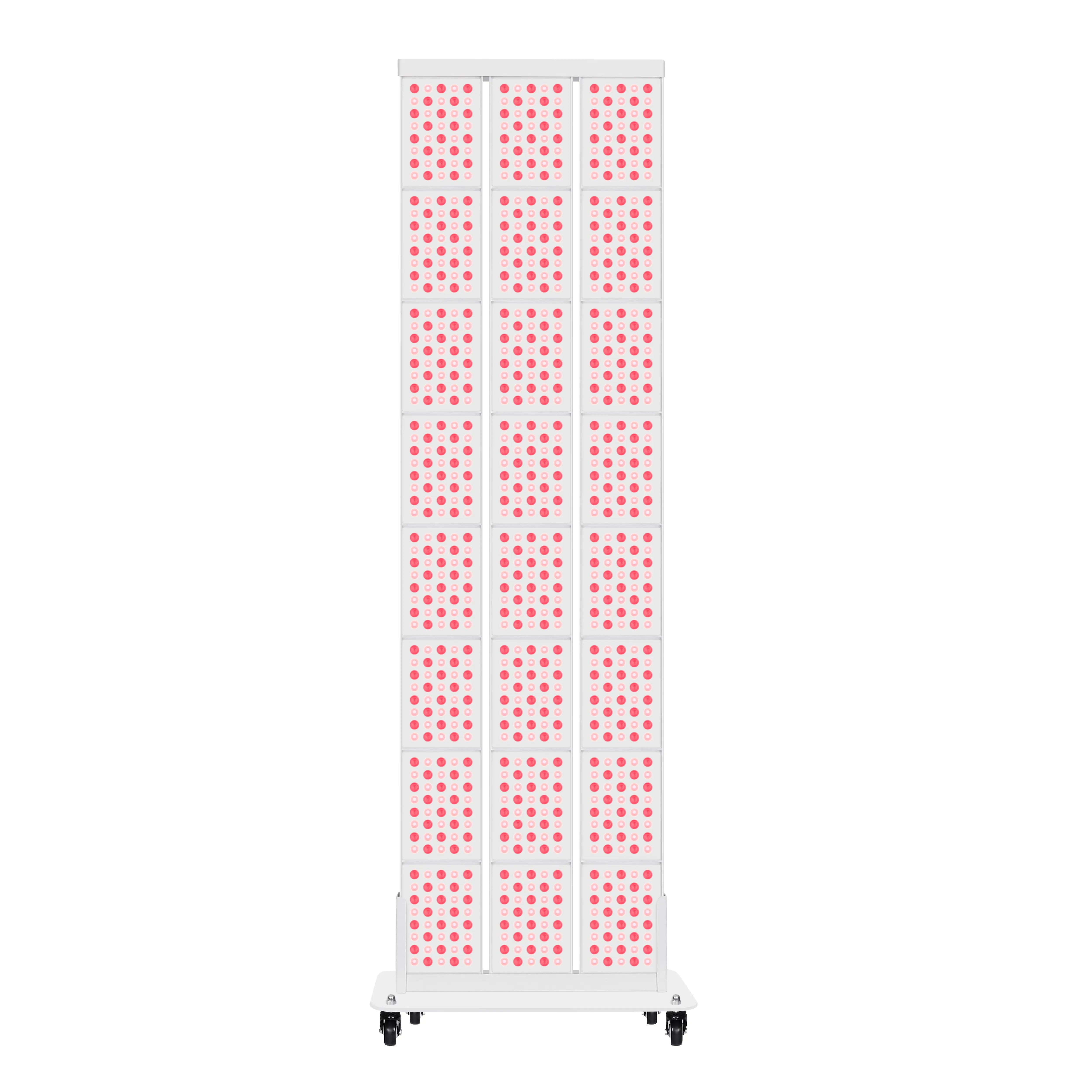
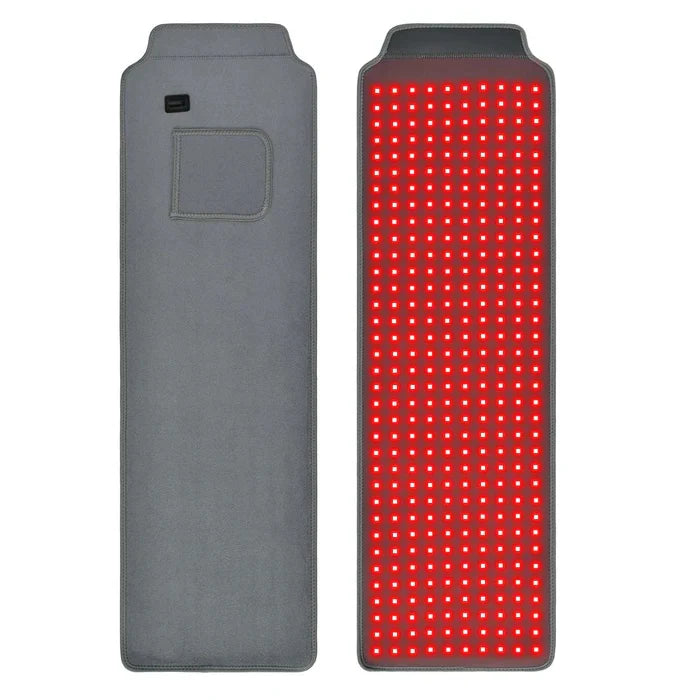
A primary challenge in chiropractic clinical encounters is overcoming acute muscle guarding and inflammatory stasis. When a patient presents with significant spinal tension, the force required for a successful high-velocity, low-amplitude (HVLA) adjustment can sometimes lead to post-treatment soreness. Red light therapy, specifically in the 660nm and 850nm wavelengths, offers a physiological method for pre-conditioning the target area.
Research into photobiomodulation (PBM) suggests that light energy absorbed by cytochrome c oxidase in the mitochondria triggers a cascade of cellular events. For the chiropractor, the observed benefit is a potential reduction in pro-inflammatory cytokines and the release of nitric oxide, which induces local vasodilation. This process is intended to "warm up" deep paraspinal muscles and connective tissues, potentially reducing the thixotropic viscosity of the fascia.
Clinical Logic: This protocol assumes that reducing muscular hypertonicity through PBM allows for lower-force adjustments. It is most applicable for patients with chronic myofascial trigger points or acute spasms where manual contact might initially be too painful.
Integrating Red Light Therapy with Spinal Decompression
Spinal decompression therapy is a standard intervention for disc herniations. However, mechanical traction alone may not address the underlying metabolic state of an avascular intervertebral disc. By integrating RLT during or immediately after a decompression session, practitioners aim to provide the cellular "fuel" necessary for repair.
During decompression, negative intradiscal pressure encourages the influx of nutrients. Introducing RLT at this stage is intended to maximize the utilization of these nutrients. The 850nm near-infrared (NIR) light penetrates more deeply into the spinal column than visible red light, reaching the proximity of the disc space and nerve roots. This may help mitigate the inflammatory environment surrounding compressed nerves, potentially leading to symptomatic relief for radiculopathy.

Clinical Protocols for Common Chiropractic Presentations
To achieve consistent results, clinics should utilize standardized dosing based on tissue depth. The following parameters are based on general clinical heuristics and should be adjusted based on the specific irradiance (mW/cm²) of the device used.
| Condition | Wavelength | Duration (Min) | Target Dose (J/cm²) | Frequency | Clinical Goal |
|---|---|---|---|---|---|
| Acute Cervical Strain | 660nm | 8–10 | 6–10 J/cm² | 3x / week | Reduce edema & superficial pain |
| Lumbar Disc Herniation | 850nm | 15–20 | 30–50 J/cm² | 2-3x / week | Support deep tissue metabolism |
| Chronic Myofascial Pain | Dual (660/850) | 12–15 | 15–25 J/cm² | 2x / week | Relax hypertonic tissue |
| Post-Adjustment Soreness | 660nm | 5–8 | 4–6 J/cm² | As needed | Mitigate minor inflammation |
Note: Dosage (J/cm²) = [Irradiance (mW/cm²) x Time (seconds)] / 1000. Practitioners should verify irradiance at the treatment distance using a calibrated spectroradiometer to ensure accuracy.
When selecting equipment, practitioners must adhere to established photobiomodulation safety standards and irradiance guidelines to ensure the delivered dose remains within the therapeutic window.
Standardizing the Patient Experience: A Step-by-Step Workflow
A streamlined RLT workflow ensures that the therapy enhances the visit rather than complicating clinic flow.
- Preparation: The patient is placed in a private bay. The target area must be exposed; RLT cannot effectively penetrate most clothing.
- Pre-Adjustment RLT: Administer the calculated dose. This is an ideal time for the patient to engage in guided breathing, which may further lower sympathetic tone.
- Manual Manipulation: The chiropractor performs the adjustment. Many practitioners report that joint cavitation is more fluid and palpable following RLT-induced muscle relaxation.
- Monitoring: Assess the skin for any unusual erythema. If the patient reports a sharp increase in pain, the session should be paused.
Operational Logic: This workflow maximizes "passive" treatment time. While the patient receives RLT, the chiropractor can attend to other patients, potentially increasing the clinic's hourly throughput without sacrificing care quality.
The Business Case: ROI and Billing for Chiropractic RLT
From a practice management perspective, RLT is a tool for increasing the "value per visit." Unlike manual modalities, RLT can be administered as a supervised but passive therapy.
Insurance Reimbursement and Coding
The landscape for light therapy reimbursement is highly variable.
- CPT 97026 (Infrared Therapy): Often used for RLT. However, some Medicare Administrative Contractors (MACs) and private payers may consider this "investigational" or bundle it into the primary adjustment code.
- CPT 97039 (Unlisted Therapeutic Procedure): May be required by some payers, necessitating a detailed narrative report explaining the medical necessity and the specific physiological goals (e.g., reducing hypertonicity to allow for spinal stabilization).
- Documentation: Clinical notes must include the anatomical site, duration, irradiance, and objective functional improvements (e.g., Range of Motion or VAS scores).
Cash-Based Revenue Streams
Many clinics offer RLT as a "wellness add-on" for a flat fee (typically $25–$45 per session). This bypasses insurance complexities and provides immediate cash flow. When marketed as a "Recovery Protocol," patient uptake is often high among athletic and geriatric populations seeking non-pharmacological pain management.
Safety Protocols and Treatment Termination
While RLT has a high safety profile, professional application requires strict adherence to contraindications:
- Photosensitizing Medications: Patients on certain antibiotics (e.g., Tetracycline) or NSAIDs may have increased sensitivity.
- Recent Injections: Avoid RLT directly over recent corticosteroid injection sites for at least 72 hours to prevent potential interference with medication absorption.
- Active Malignancy: Standard clinical practice dictates avoiding treatment over known or suspected tumor sites.
When to Stop Treatment: Practitioners should discontinue RLT and re-evaluate the treatment plan if:
- The patient experiences a significant increase in localized pain lasting more than 24 hours.
- There is visible skin irritation or blistering (rare with non-thermal RLT but possible with hypersensitivity).
- No functional improvement is noted after 6–8 sessions, suggesting the need for a different diagnostic or therapeutic approach.
Adhering to the Photobiomodulation Standards: Irradiance, EMF, and Safety guide ensures that your clinic uses devices meeting IEC 60601-2-57:2026 safety benchmarks.
FAQ
How soon can a patient feel the results of red light therapy? Many patients report a reduction in localized stiffness within the first 10 minutes. However, biological changes such as improved collagen synthesis typically require a cumulative approach over 4 to 6 sessions.
Is it better to use red light therapy before or after an adjustment? Using RLT before the adjustment is generally preferred to relax hypertonic muscles and increase ligamentous pliability. Post-adjustment RLT is useful for mitigating minor soreness.
What are the most effective wavelengths for deep spinal issues? Near-infrared (NIR) light in the 810nm to 850nm range is essential for deep penetration to the intervertebral discs and nerve roots. Visible red light (660nm) is better suited for superficial tissue and skin.
Can RLT be used on patients with spinal hardware? Yes, RLT is generally considered safe for patients with metal implants. Unlike ultrasound, RLT does not significantly heat metal hardware, as the energy is absorbed by cellular chromophores.
What documentation is required for insurance billing? Notes must state medical necessity, anatomical area, duration, dosage (J/cm²), and how the therapy supports functional goals like improved range of motion.
References
Government / Standards / Regulators
- FDA: CFR - Code of Federal Regulations Title 21, Part 890 (Physical Medicine Devices)
- IEC: IEC 60601-2-57:2026 - Safety of non-laser light source equipment
Platform Official Docs & Policies
Industry Associations & Research
- World Association for Laser Therapy (WALT): Dosage Guidelines for Low Level Laser Therapy
- PubMed / NIH: Photobiomodulation and Musculoskeletal Pain: A Systematic Review
- Youlumi Whitepaper: Photobiomodulation Standards: Irradiance, EMF, and Safety