Summary
Red light therapy, or photobiomodulation (PBM), is a non-invasive, drug-free treatment that uses specific wavelengths of light to reduce inflammation and accelerate cellular repair in dogs suffering from arthritis and hip dysplasia. By stimulating mitochondrial function and increasing ATP production, this therapy provides a safe and effective way to manage chronic joint pain and improve the quality of life for senior dogs from the comfort of home.
Key takeaways
- Cellular Energy Boost: Red light therapy stimulates ATP production, providing cells with the energy needed to repair damaged tissues and reduce inflammation.
- Pain Management: Regular sessions can significantly decrease the pain associated with canine osteoarthritis and hip dysplasia, often reducing the reliance on traditional NSAIDs.
- At-Home Convenience: Modern red light therapy mats and panels allow pet owners to deliver professional-grade treatment without the stress of frequent veterinary visits.
- Safety and Efficacy: When used correctly, PBM is exceptionally safe, though care should be taken to avoid direct eye exposure and use on cancerous areas.
Understanding Canine Arthritis and the Role of Photobiomodulation
As our canine companions enter their senior years, the wear and tear on their joints often manifest as osteoarthritis, a progressive and painful condition that affects mobility and spirit. Watching a once-energetic dog struggle to stand or hesitate at the stairs is heartbreaking for any pet owner. While traditional veterinary medicine offers various pharmacological interventions, many owners in 2026 are seeking complementary, non-invasive solutions that address the root cause of the pain rather than just masking the symptoms. This is where red light therapy, scientifically known as photobiomodulation (PBM), has become a cornerstone of modern pet wellness.
Photobiomodulation works by delivering concentrated light energy to the cells. Unlike thermal lasers that cut or cauterize, the low-level light used in PBM triggers a biological response. When these light photons reach the mitochondria—the "powerhouses" of the cell—they stimulate the production of adenosine triphosphate (ATP). Increased ATP levels mean that cells have more energy to perform vital functions, such as repairing damaged cartilage, reducing oxidative stress, and modulating the inflammatory response. For a dog with arthritis, this translates to less swelling in the joints, improved blood flow to affected areas, and a noticeable reduction in chronic pain.
Logic Summary: This guide assumes that red light therapy is used as a complementary treatment alongside professional veterinary diagnosis. While PBM is highly effective for inflammatory and degenerative joint conditions, it is not a replacement for surgical intervention in cases of severe structural damage.
The Science of Light: How Red and Near-Infrared Wavelengths Heal
Not all light is created equal when it comes to therapeutic benefits. The effectiveness of red light therapy depends heavily on using the optimal wavelengths for pain relief and tissue repair. Generally, therapeutic devices utilize two primary ranges: visible red light (around 660nm) and near-infrared light (around 850nm).
Visible red light is primarily absorbed by the skin and superficial tissues, making it excellent for wound healing and skin conditions. However, for deep-seated joint issues like hip dysplasia or spinal arthritis, near-infrared (NIR) light is essential. NIR light has a longer wavelength, allowing it to penetrate through dense fur, skin, and muscle to reach the joint capsule itself. A 2022 randomized double-blinded controlled trial demonstrated that dogs receiving PBM showed significant improvements in joint range of motion and pain scores compared to those receiving a placebo (Alves et al., 2022). This scientific backing is why many owners now look for devices that combine both wavelengths for a comprehensive treatment approach.
Understanding the red light therapy for pain management in joints is crucial for setting realistic expectations. While some dogs show immediate comfort, the most profound changes occur over several weeks of consistent use as the cumulative effects of cellular repair take hold.
Tailoring Treatment: Breed-Specific Considerations for Light Penetration
One of the most overlooked aspects of at-home red light therapy is how a dog's physical characteristics affect treatment efficacy. A protocol that works for a short-haired Beagle may not be sufficient for a double-coated Alaskan Malamute. Light must physically reach the skin to be effective, and several factors can act as barriers.
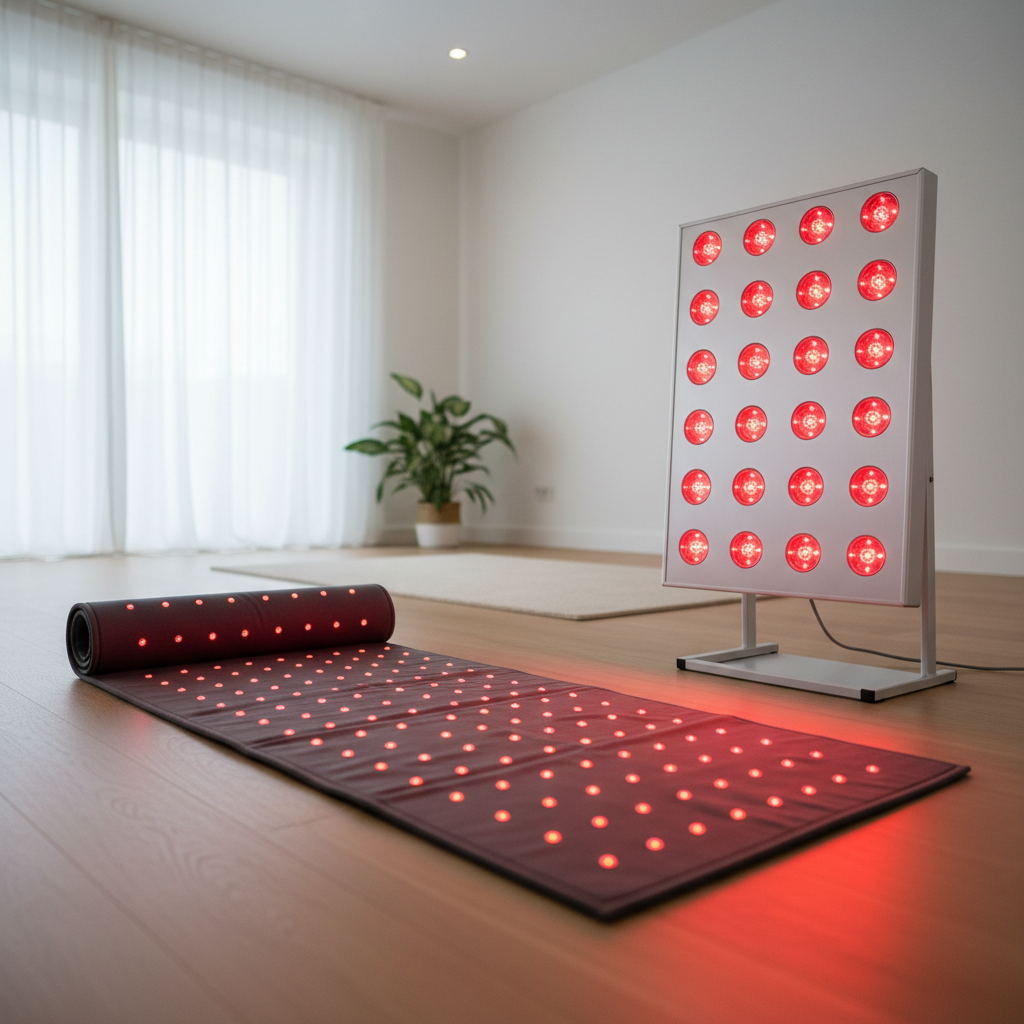
Coat Thickness and Color Dark-colored coats (black or deep brown) absorb more light at the surface, which can lead to slight warming of the fur but less penetration to the underlying tissues. Conversely, white or light-colored coats reflect more light. For dogs with very thick or double coats, it is often necessary to increase the treatment duration or use a device that allows the light source to be placed in direct contact with the skin, such as a red light therapy mat for comfortable pet treatment.
Anatomical Variations The depth of the joint also matters. A Great Dane's hip joint is much deeper than that of a Pomeranian. When treating large breeds, pet owners should ensure they are using a device with sufficient power density (irradiance). Using a 60W red light therapy panel for targeted treatment can be highly effective for smaller joints or specific areas like the carpus (wrist), while larger mats are better suited for full-body coverage in bigger dogs.

Step-by-Step Guide: Using Red Light Therapy Mats at Home
Integrating PBM into your dog's daily routine doesn't have to be complicated. The goal is to create a relaxing experience that your dog looks forward to.
- Choose a Quiet Environment: Set up the therapy mat in a familiar, quiet spot where your dog usually rests. Covering the mat with a thin, light-colored sheet can make it more comfortable without significantly blocking the light.
- Positioning: Encourage your dog to lie down on the mat. For hip issues, ensure the hips are centered over the LED clusters. If using a panel, position it 6-12 inches away from the target joint.
- Duration and Frequency: For chronic arthritis, start with 5-10 minutes per area, 2-3 times per week. As your dog acclimates, you can increase this to daily sessions.
- Observation: Watch your dog's body language. Signs of relaxation, such as deep sighing, licking, or falling asleep, indicate the treatment is providing relief.
- Consistency: PBM is a cumulative therapy. Stick to a schedule for at least 4 weeks before evaluating the full results.
Logic Summary: These timing recommendations are heuristics based on standard home device power outputs (approx. 50-100 mW/cm²). If your device has a significantly higher or lower irradiance, you must adjust the time accordingly to avoid under-treating or over-treating the tissue.
Measuring Progress: How to Track Your Dog's Mobility Improvements
Because dogs cannot tell us how they feel, we must rely on objective observations to determine if the therapy is working. It is helpful to keep a "Mobility Log" to track changes over time. You can see real results from red light therapy treatments in various case studies, but your own dog's progress is what matters most.
Canine Mobility Assessment Table
Use this table weekly to score your dog's mobility on a scale of 1 to 5 (1 = struggling, 5 = effortless).
| Activity | Week 1 Score | Week 4 Score | Week 8 Score | Notes |
|---|---|---|---|---|
| Rising from a lying position | Look for "stiffness" or "bunny hopping" | |||
| Climbing stairs | Note if they hesitate or need assistance | |||
| Enthusiasm for walks | Are they lagging behind or leading? | |||
| Playfulness / Toy interest | Increased engagement is a strong sign of relief | |||
| Ease of jumping (couch/car) | Caution: avoid high impact if arthritis is severe |
Integrating Red Light Therapy with Other Wellness Strategies
Red light therapy is most effective when it is part of a multi-modal approach to joint health. In 2026, the "synergy model" of pet care is the gold standard, combining technology with nutrition and physical therapy.
Nutritional Support Combining PBM with high-quality supplements like Omega-3 fatty acids (EPA/DHA), glucosamine, and chondroitin can provide the building blocks for joint repair while the light therapy reduces the inflammation that hinders those nutrients from reaching the cells.
Low-Impact Exercise Hydrotherapy or controlled leash walks on soft surfaces help maintain muscle mass, which supports the joints. Using red light therapy before a walk can help "warm up" the joints, while using it after can help manage any exercise-induced inflammation.
Weight Management Excess weight is the enemy of arthritic joints. Every extra pound puts significant stress on the hips and knees. PBM can help keep a dog comfortable enough to stay active, which in turn helps with weight maintenance.
Safety First: Protecting Eyes and Avoiding Contraindications
While red light therapy is remarkably safe, there are a few essential precautions to keep in mind to ensure your pet's well-being.
Is red light therapy safe for dogs' eyes? A common concern for pet owners is whether the bright LEDs can damage their dog's vision. While therapeutic red and near-infrared wavelengths are not inherently damaging like UV light, the brightness can be uncomfortable. Avoid pointing panels directly into your dog's eyes. If your dog is particularly curious or if you are treating the face/neck area, using "doggles" or simply covering their eyes with a soft cloth during the session is a prudent safety measure.
Contraindications
- Cancer: Do not use red light therapy over known or suspected malignant tumors. The increased cellular energy could potentially stimulate the growth of cancer cells.
- Pregnancy: Avoid use over the abdomen of pregnant dogs, as the effects on developing fetuses have not been extensively studied.
- Active Hemorrhage: Because PBM increases circulation, it should not be used on areas with active bleeding.
Before starting any new treatment, it is always wise to consult with your veterinarian to ensure you know how to choose the right red light therapy device for your pet based on their specific medical history.
Long-Term Maintenance: Adapting Protocols for Senior Dogs
Arthritis is a chronic, progressive condition, which means the treatment plan must evolve as the dog ages. What worked for a 7-year-old dog with early-stage stiffness might need adjustment when that dog reaches 12.
The Maintenance Phase Once you have achieved a "plateau" of improvement (usually after 4-8 weeks of daily or near-daily sessions), you can often transition to a maintenance schedule. This might involve 2-3 sessions per week to keep inflammation at bay. However, during cold weather or seasonal changes, you may find that your dog needs a temporary return to daily sessions to manage "flare-ups."
Adapting to Disease Progression As arthritis progresses, you may need to target multiple joints. Using a full-body mat allows you to treat the spine, hips, and elbows simultaneously, ensuring that compensatory pain (pain caused by shifting weight away from a primary sore joint) is also addressed.
FAQ
How long does it take to see results from red light therapy in dogs? Most pet owners begin to notice subtle changes in their dog's behavior, such as easier rising or increased interest in play, within 2 to 4 weeks of consistent use. However, for chronic conditions like severe hip dysplasia, it may take up to 8 weeks of regular sessions to see the full therapeutic benefit. The key is consistency, as the cellular effects of photobiomodulation are cumulative.
Can I use my own human red light therapy device on my dog? Yes, in most cases, high-quality red light therapy devices designed for humans are safe and effective for dogs, provided they use the correct wavelengths (660nm and 850nm). However, you must ensure the device does not get too hot, as dogs cannot easily communicate if they are experiencing thermal discomfort. Mats and panels with adjustable intensity are often the best choice for pets.
Are there any side effects of red light therapy for dogs? Red light therapy is non-invasive and generally has no adverse side effects when used according to guidelines. Some dogs may experience a temporary "healing crisis" where they seem slightly more tired after a session as their body processes the increased cellular activity and toxin release, but this typically resolves quickly. Always monitor your dog for any signs of discomfort and adjust the session length if needed.
Can red light therapy help with hip dysplasia in younger dogs? While hip dysplasia is often associated with senior dogs, it is a developmental condition that can affect younger dogs as well. Red light therapy can be a valuable tool for managing the inflammation and pain associated with early-stage hip dysplasia, potentially slowing the progression of secondary osteoarthritis and helping the dog maintain a more active lifestyle.
How often should I use the red light therapy mat for my senior dog? For an initial "loading" phase, we recommend daily sessions of 10-15 minutes for the first 2-4 weeks. Once your dog shows significant improvement in mobility and comfort, you can transition to a maintenance phase of 3 sessions per week. If you notice your dog becoming stiff again, especially during winter months, you can safely return to daily sessions.
Does the light need to touch the skin, or can it work through fur? While near-infrared light can penetrate through fur better than visible light, the treatment is most effective when the light source is as close to the skin as possible. For dogs with exceptionally thick or dark coats, gently parting the fur or using a device that can be pressed against the body (like a flexible mat) will ensure that the maximum amount of energy reaches the underlying joints.
References
Government / Standards / Regulators
- FDA (2024). How FDA Regulates Animal Devices. https://www.fda.gov/animal-veterinary/animal-health-literacy/how-fda-regulates-animal-devices
Industry Associations / Research Institutes
- Companion Animal Health. Photobiomodulation Laser Therapy. https://companionanimalhealth.com/photobiomodulation
- Fotonmedix. Red Light Therapy for Dogs: A Clinical Arthritis Guide. https://fotonmedix.com/the-biological-intersection-of-light-and-longevity-a-clinical-deep-dive-into-canine-photobiomodulation.html/
Academic / Whitepapers / Labs
- Alves, J. C., et al. (2022). Evaluation of the effect of photobiomodulation on joint range of motion and pain scores in dogs with osteoarthritis. Lasers in Medical Science. https://link.springer.com/article/10.1007/s10103-025-04553-1
- Lumaflex. A Meta-analysis: Red Light Therapy for Dogs. https://lumaflex.com.au/blogs/clinical-trials/red-light-therapy-dog
Community (Intent Only)
- Reddit r/DogCare. Experiences with at-home laser therapy for senior dogs. (Intent only; not authoritative).