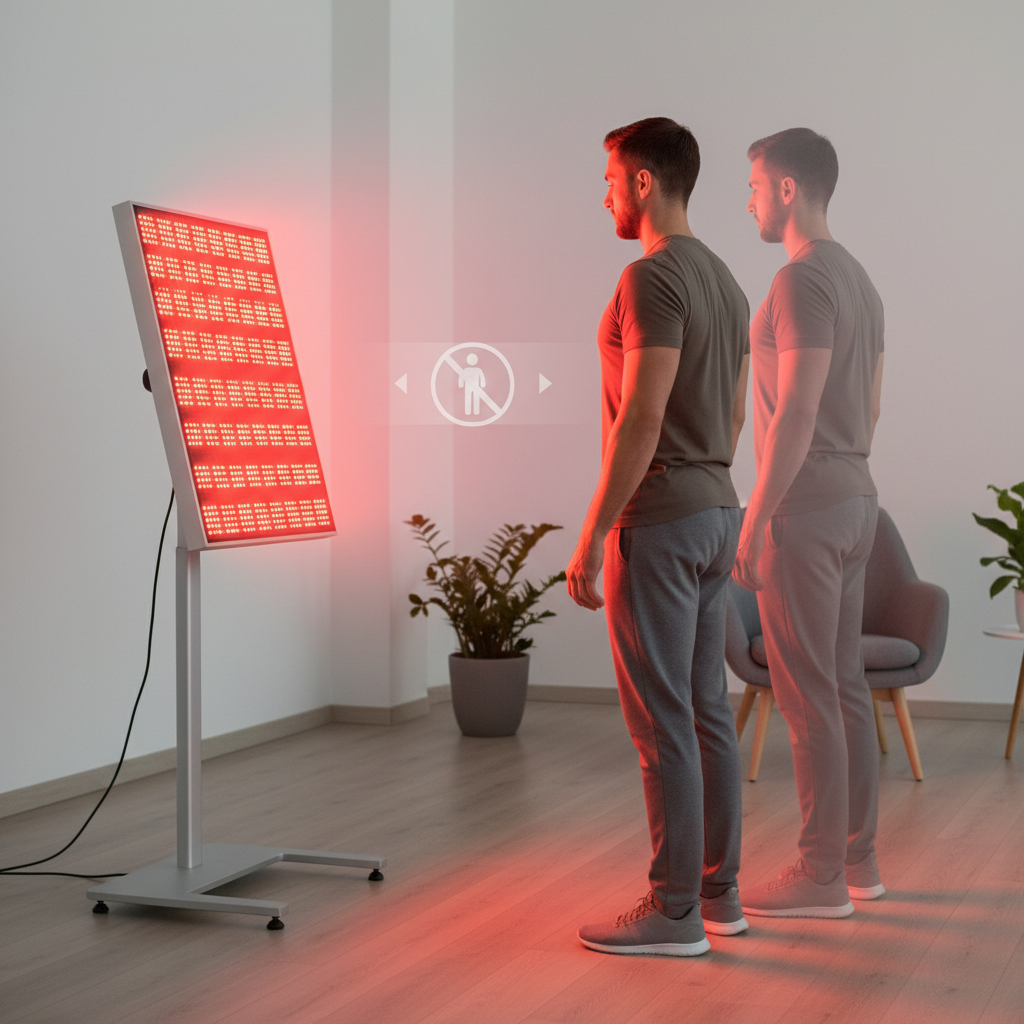
Living with Ehlers-Danlos syndrome (EDS) or hypermobility spectrum disorder often means navigating persistent joint pain, frequent micro-injuries, and slow recovery from even minor strains. Many people seek gentle, zero-impact options that fit into daily routines without adding physical stress from massage, adjustments, or intense exercise. Red light therapy mats may offer one such approach by delivering full-body exposure that targets inflammation and supports cellular recovery processes in a passive way, though results vary and evidence for EDS remains indirect.

Red light therapy, also known as photobiomodulation, uses specific wavelengths of light to interact with cells. Proposed mechanisms include supporting mitochondrial function and cellular energy production, which some studies link to reduced inflammation and improved tissue repair pathways. However, as this overview of cellular mechanisms explains, the clinical relevance for complex connective-tissue conditions like EDS is unconfirmed.
Understanding EDS Pain and Why Non-Invasive Options Matter
Ehlers-Danlos syndrome involves genetic changes that affect collagen and connective tissue, leading to joint instability, chronic pain, and frequent subluxations or micro-tears. Standard management often includes bracing, physical therapy, pacing, and sometimes medications, yet many patients still experience widespread soreness that limits daily life. The search for adjunct therapies is common because hands-on treatments can sometimes provoke further instability.
A full-body red light therapy mat allows users to lie down comfortably while the device delivers light across large areas. This passive method avoids the need for positioning that might stress unstable joints. According to reviews of photobiomodulation in chronic pain, it has been studied for musculoskeletal discomfort and may improve pain and function in some populations, though outcomes are protocol-dependent and mixed.
This systematic review on photobiomodulation for chronic pain notes that while some relief is reported, evidence quality varies and results are not universal. Another analysis of its use in joint-related pain similarly concludes it has been studied with potential benefits for pain and function in certain cases, but should not be viewed as a standalone solution.
The Evidence Landscape: What Studies Actually Show for Joint Pain
Current research on red light therapy for pain focuses primarily on general chronic conditions, osteoarthritis, tendon issues, and musculoskeletal disorders rather than EDS specifically. No direct clinical trials on EDS or hypermobility spectrum disorders were identified in the reviewed sources, which sets an important boundary: any discussion must remain at the level of possible symptom support rather than proven treatment for the underlying condition.
That said, the therapy is generally well tolerated in studies when proper devices and dosing are used. Safety depends on the equipment, session parameters, and individual health context, making professional guidance advisable before starting, especially with a complex condition like EDS.
Myth vs Reality for EDS and Red Light Therapy
Several overstated claims circulate in wellness communities. Here is a clearer picture:
-
Myth: Red light therapy tightens loose joints or stabilizes hypermobility. Reality: There is no evidence it improves structural joint stability in EDS. Any perceived benefit would relate to symptom management, such as reduced soreness, rather than connective-tissue reinforcement.
-
Myth: It repairs collagen defects at the root of EDS. Reality: While mechanisms involving cellular repair are proposed in general literature, these have not been confirmed as clinically meaningful for EDS-related tissue laxity.
-
Myth: Red light therapy cures or treats the underlying cause of hypermobility pain. Reality: It cannot replace established medical care, bracing, or rehabilitation. At best, it may serve as a low-risk adjunct for some users seeking passive relief.
These boundaries prevent disappointment. Readers should approach a trial with realistic expectations focused on comfort and recovery support rather than disease modification.
Illustrative Decision Aid: Is a Full-Body Mat a Reasonable Trial?
Given the indirect evidence base, an editorial decision framework can help individuals assess personal fit. The chart below models relative suitability across key factors using conservative heuristics derived from general chronic pain studies, adherence patterns, and practical considerations. It is not clinical data and does not predict individual outcomes.
Illustrative Decision Aid: Full-Body Red Light Therapy Mat Trial Fit in EDS/Hypermobility
An editorial decision aid for comparing trial fit, not a clinical claim. The values are conservative, illustrative ranges derived from general chronic pain evidence and workflow heuristics.
View chart data
| Category | Fit / burden score (0–5) |
|---|---|
| 4–8 week trial success | 3.0 |
| Routine-friendly consistency | 4.0 |
| Monthly cost burden | 3.0 |
| Need for standalone fix | 1.0 |
Illustrative decision aid built from general chronic pain evidence, threshold-table guidance, and editorial heuristics. No EDS-specific trial data are encoded; scores reflect relative fit, adherence tendency, and cost burden for comparison only.
Higher scores indicate better relative fit for a low-stakes home trial. A 4-to-8-week consistent routine appears most relevant for evaluating modest changes in pain or stiffness. Those who already maintain daily wellness habits tend to find integration easier. Cost and the desire for a single “fix” can lower suitability if expectations are high.
Practical Protocols for Home Use with Hypermobility in Mind
When considering red light therapy, dosage matters. General guidance for systemic recovery suggests sessions of 10–20 minutes, 3–5 times per week, at the manufacturer-recommended distance. Full-body mats allow even exposure while lying flat, which minimizes strain on unstable joints compared to standing panels.
Start with shorter sessions on low-energy days to assess tolerance. Focus on post-flare recovery or evening wind-down routines when widespread soreness is common. Combine with gentle pacing rather than using the therapy as a way to push through activity limits.
Our Red Light Therapy Dosage Protocols for Systemic Recovery offers additional practical details on tailoring sessions. For those exploring targeted relief alongside full-body use, the Targeted Red Light Therapy Protocols for Knee, Shoulder, and Back Pain provides complementary ideas, though full-body remains preferable for widespread symptoms.
The Master Guide to Red Light Therapy for Chronic Pain further explores how photobiomodulation may address inflammation and discomfort in broader contexts.

Choosing the Right Device: Mat vs Other Formats
For EDS and hypermobility, a full-body mat often provides the most practical option because it supports a fully reclined position with even coverage. Contact or near-contact delivery can improve light penetration compared to distant panels, and the passive nature suits low-energy days.
Compare options carefully. Our Red Light Therapy Mat vs. Panel: Which is Best for You? breaks down irradiance, coverage, and use cases. High-quality mats with dense LED arrays, measured irradiance around 100+ mW/cm², and low EMF are preferable for consistent home use.
The Youlumi Pro Full Body Red Light Therapy Mat is designed for full-body wellness with 650nm and 850nm wavelengths, offering a convenient at-home solution for those exploring systemic support. For more portable or targeted needs, consider Red Light Therapy Belts as adjuncts, though they cover smaller areas.
If full coverage during sleep appeals, explore Red Light Therapy Sleep Bags for overnight options that align with recovery routines.
Who Should Approach with Extra Caution?
Red light therapy is not appropriate for everyone. Avoid use during acute flares if light sensitivity is present, or if you have photosensitive conditions, certain medications, or active skin issues without medical clearance. Those with implanted devices or who are pregnant should consult a healthcare provider first.
This approach is never a replacement for professional EDS management. It cannot substitute for physical therapy, genetic counseling, or prescribed treatments. Persistent or worsening pain requires evaluation by a qualified specialist.
Important Health Boundary: This article discusses comfort, setup, and general wellness considerations around red light therapy. It does not constitute medical advice, diagnosis, or treatment. Red light therapy is not proven to treat EDS, improve joint stability, or replace standard care. If you have persistent discomfort, existing eye conditions, or any health concerns, consult qualified healthcare professionals before use.
Long-Term Considerations and Realistic Expectations
For those who tolerate it well, a consistent routine over weeks may contribute to perceived reductions in soreness and better daily function as part of a broader self-care plan. Track personal responses using a simple journal noting pain levels, energy, and session adherence rather than expecting dramatic structural changes.
Evidence for long-term tendon and tissue support exists in some rehabilitation contexts, as explored in our review of Long-Term Rehabilitation Effects of Red Light Therapy on Tendonitis. However, translation to EDS requires individual experimentation under guidance.
The Is Red Light Therapy Anti-Inflammatory? The Science Explained provides further background on potential pathways relevant to joint comfort.
Ultimately, a full-body red light therapy mat can be a low-friction addition to an at-home routine for some individuals managing EDS-related pain and fatigue. Success depends on realistic expectations, consistent use, device quality, and integration with—not replacement of—comprehensive care. Those who value passive, routine-friendly tools and accept modest, variable outcomes may find it worthwhile to trial thoughtfully. Others seeking guaranteed or rapid disease-specific results should explore established medical pathways first.
When in doubt, discuss options with your healthcare team familiar with hypermobility disorders to ensure the approach aligns with your overall management strategy.